

Waterfront Pavilion Design: Exploring Pavilion Lucida by Deep Origin Lab
Exploring Pavilion Lucida's innovative waterfront pavilion design by Deep Origin Lab, blending modern architecture with traditional forms in Suzhou's ecological art space.


Nestled in the picturesque Suzhou Science and Technology Town, Pavilion Lucida emerges as a groundbreaking example of waterfront pavilion design. Conceived by the visionary architects at Deep Origin Lab, this installation not only serves as an ecological art space but also as a unique landmark that enhances the city's waterfront with its contemporary architectural language.


Architectural Vision and Design Strategy
Embracing the Waterfront
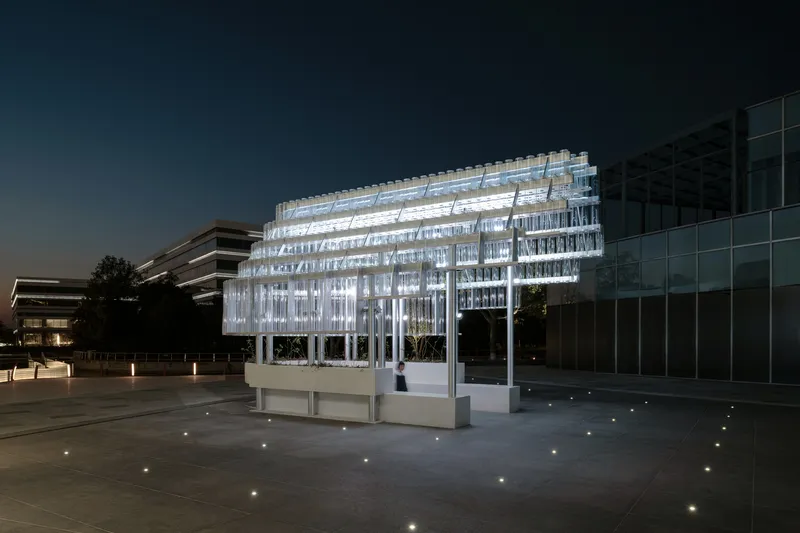
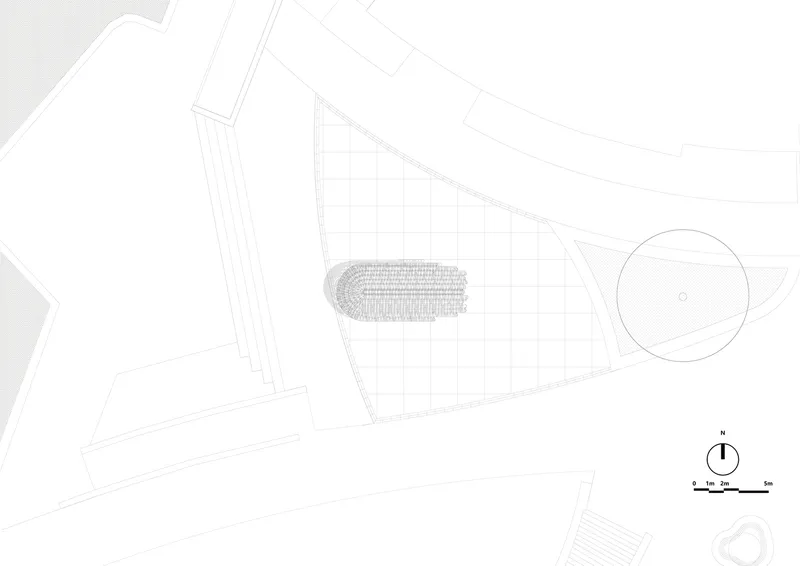
Positioned strategically on the waterfront, Pavilion Lucida takes full advantage of its east-west orientation. The design cleverly integrates the entrance on the east side, while offering breathtaking views of the confluence of Longtan Port and Hudong Canal on the west. This deliberate placement underscores the project's deep connection to its aquatic surroundings and its role in fostering community engagement through art and architecture.



Contemporary Interpretation of Traditional Forms
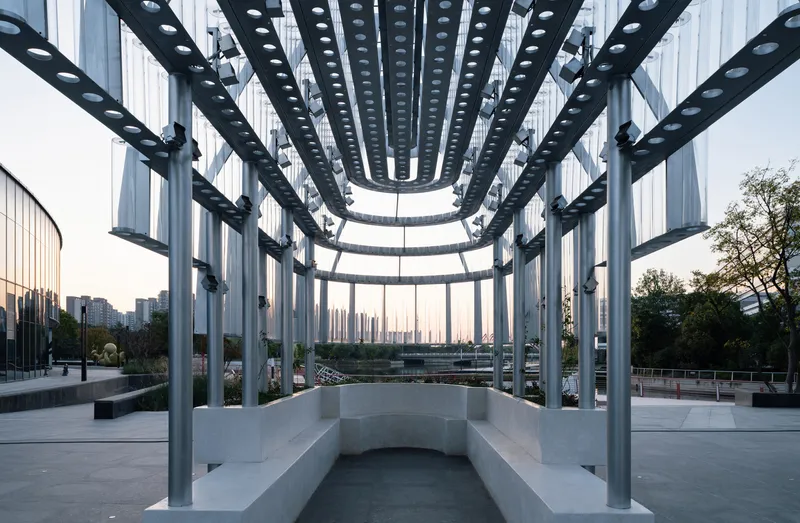
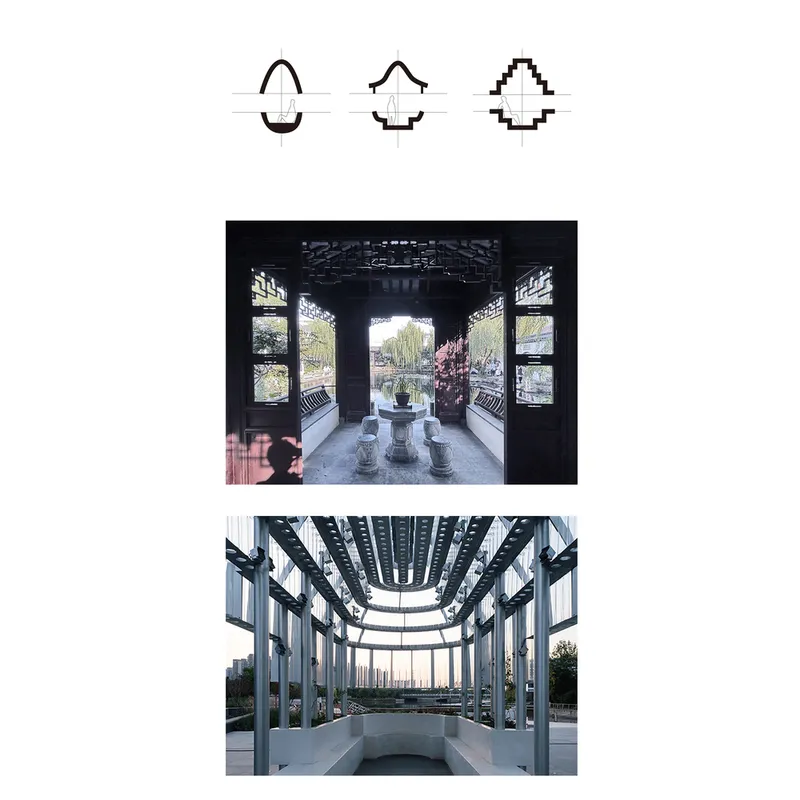
The design of Pavilion Lucida is a modern reinterpretation of the boat-style buildings found in Suzhou's traditional gardens. These structures, known for their semi-enclosed nature, are traditionally positioned near or facing the water, allowing for inward contemplation while simultaneously embracing the external environment. Deep Origin Lab's design pays homage to this heritage through its innovative use of materials and forms, creating a shared open art space that dialogues with history.

Key Features of Pavilion Lucida
The Concept of Lucida: Brightness and Transparency
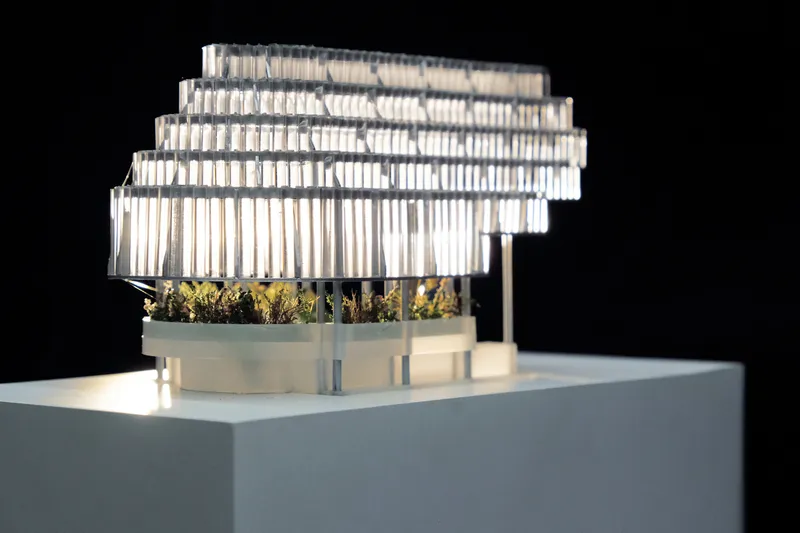
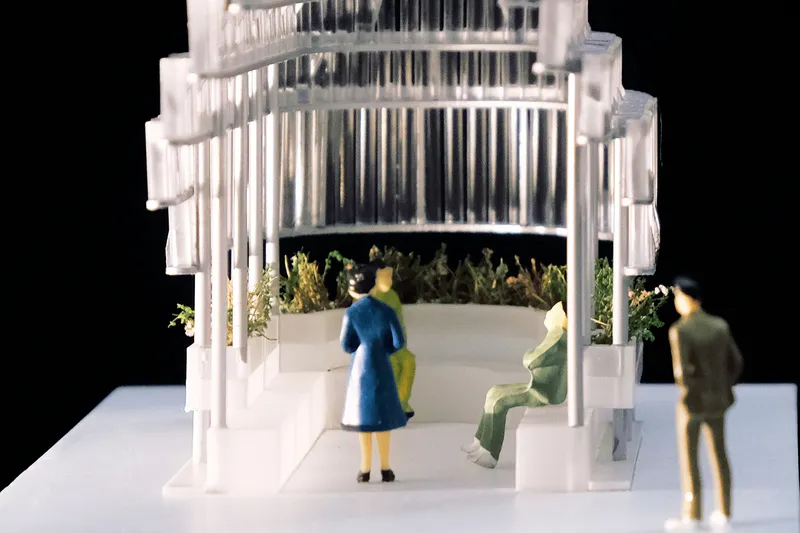
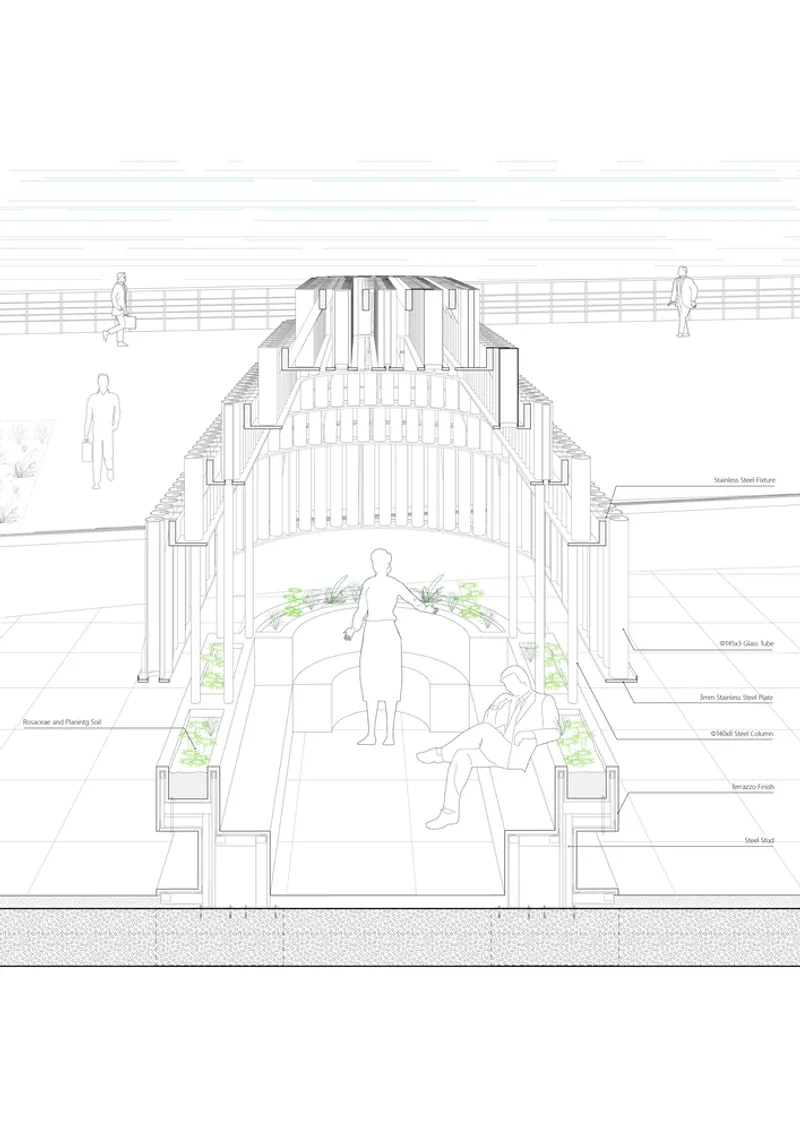
The pavilion's name, Lucida, meaning bright and transparent, is embodied through its architectural elements. The base, constructed from terrazzo, seamlessly integrates seating and plant ponds, encouraging visitors to engage with the space intimately. The roof, a striking feature shaped by glass tubes, stretches to eye level, creating an architectural spectacle that frames the landscape and invites inward observation.

Architectural Dynamics and Light Interplay
The façade of Pavilion Lucida is a marvel of engineering and design. The varying heights of the arc beams and the strategic placement of glass tubes result in a facade that dynamically shifts, enhancing the visual density and creating a horizontal flow of light and shadow. This design not only produces a gabled roof appearance but also transforms the pavilion into a beacon of light, absorbing and reflecting the changing skies and urban landscape.



A Synchronic Collage with the Environment
Pavilion Lucida stands as a testament to the power of architectural innovation in creating spaces that resonate with their surroundings. The transparent and ambiguous skin of the pavilion, enriched by the interplay of light and shadow, merges with the cityscape and waterscape, crafting a visual narrative that is both unique and immersive. This interaction between the built form and the natural environment establishes Pavilion Lucida as a new paradigm in waterfront pavilion design.


Redefining Waterfront Architecture
Pavilion Lucida by Deep Origin Lab exemplifies the potential of waterfront pavilion design to create spaces that are not only visually striking but also deeply embedded in their context. Through its innovative use of traditional forms, engagement with the waterfront, and dynamic interaction with light and environment, Pavilion Lucida offers a fresh perspective on the role of architecture in enhancing public spaces. As a landmark and art space, it invites the public to experience the waterfront in new and meaningful ways, setting a benchmark for future architectural endeavors in similar settings.

All photographs are work of Dong Image, Hao Chen, Qinrong Liu




Popular Articles
Popular articles from the community

AL-JANNAH: Sustainable Architecture and Permaculture for Afghan Widows
AL-JANNAH uses sustainable architecture and permaculture to create resilient oasis of housing, learning, work and renewal for Afghan widows.

The Musturak Paradise: Senior Living Architecture for a Connected Future in Temara, Morocco
The Musturak Paradise reimagines senior living architecture in Temara via private homes, social spaces, culture, community, and shared care.

The Ocean Hive: Sustainable Architecture for a Self-Sufficient Civilization at Sea
The Ocean Hive imagines sustainable architecture at sea, where modular habitats, algae, wave power and ocean waste sustain a growing colony.

Hill & Cross Opera: Sculptural Opera House Architecture Shaped by Tallinn’s Landscape and Identity
Hill & Cross Opera reimagines opera house architecture in Tallinn through its sculptural hill, civic plaza, glass wave and a luminous cross.


Similar Reads
You might also enjoy these articles

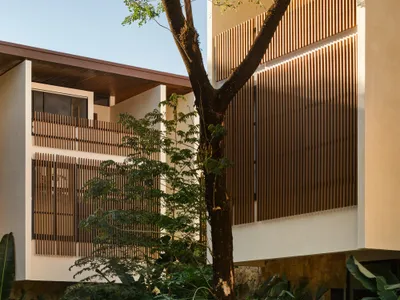
FAMM Arquitectura Organizes Ten Villas Around Courtyards and Jungle in Nosara, Costa Rica
El Molino pairs two elongated volumes with deep overhangs and timber louvers to build a compact coastal community five minutes from the beach.
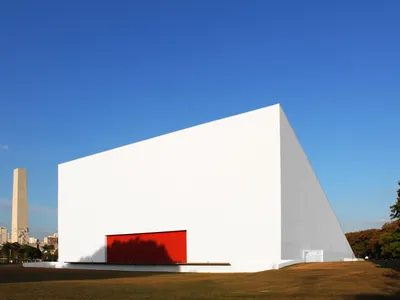
Oscar Niemeyer's Ibirapuera Park Pavilions Define São Paulo's Cultural Identity in Concrete and Curve
A constellation of modernist volumes set within São Paulo's most important urban park, conceived for the city's 400th anniversary in 1954.
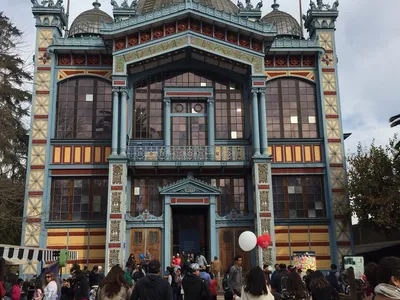
How Henri Picq's 1889 Paris Pavilion Traveled 11,000 Kilometers to Become Santiago's Artequín Museum
A prefabricated iron and glass pavilion built for the Paris Universal Exposition found a second life as a children's art museum in Chile.
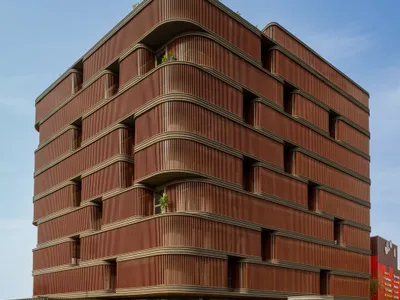
Sanjay Puri Architects Wraps a Jaipur Office Tower in Capsule-Shaped Green Buffers
A nine-level climate-responsive workplace near Jaipur Airport uses stacked planter terraces and aluminium screens to fight 40°C heat.


Explore Architecture Competitions
Discover active competitions in this discipline



Challenge to reimagine the Iron Throne


Photograph architecture without architects


Illustrate the lost glory of Angkor Wat - Render Challenge


Design challenge to reuse E-waste
Comments (0)
Please login or sign up to add comments
No comments yet. Be the first to comment!