
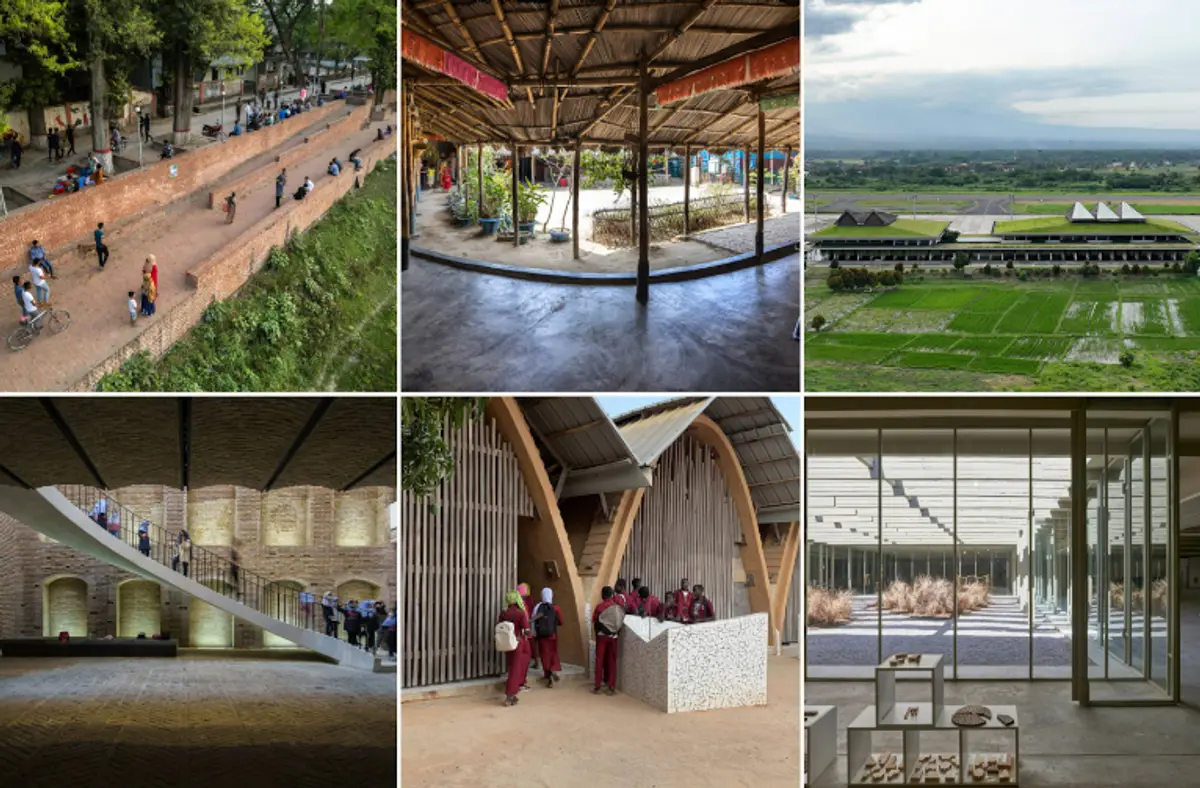
2022 Aga Khan Award for Architecture Honors Winners with Stunning Designs
Groundbreaking Projects from Around the World are Recognized for their Innovative Design and Impact

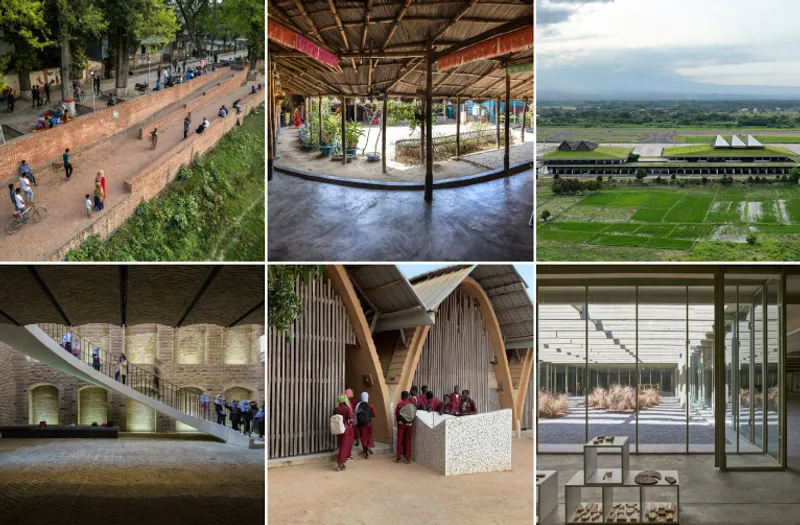
The results of the 2022 Aga Khan Award for Architecture (AKAA) were revealed on September 22, 2022. The six triumphant recipients of this prestigious award, each of whom will receive a portion of the $1 million prize money, stand as beacons of hope for communities, showcasing creativity and a strong commitment to preserving the environment. This is one of the largest architectural awards in the world.
Bangladesh
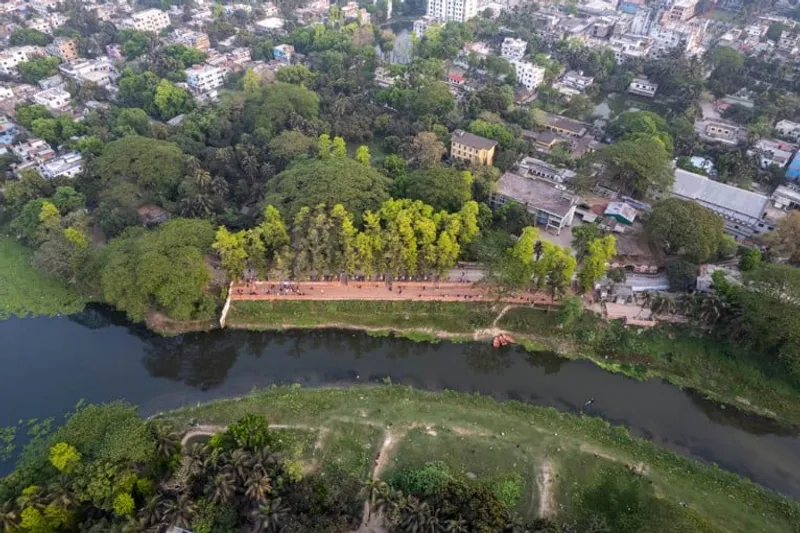
Urban River Spaces, Jhenaidah by Co.Creation Architects / Khondaker Hasibul Kabir, Suhailey Farzana
Through consistent community participation and appropriation, extensive involvement of women and marginalised groups, and a local workforce, the seemingly simple undertaking of cleaning up the access to the Nabaganga river in Jhenaidah led to a thoughtful and minimal landscaping project with local materials and construction techniques, thus transforming a derelict informal dump site into an attractive and accessible multifunctional space that is valued by Jhenaidah’s diverse communities. As such, the project managed to reverse the ecological degradation and health hazards of the river and its banks and induce effective ecological improvement of the river, in one of the most riverine countries on earth. [Extract, Jury Citation]
 ©Aga Khan Trust for Culture / Asif Salman (photographer)
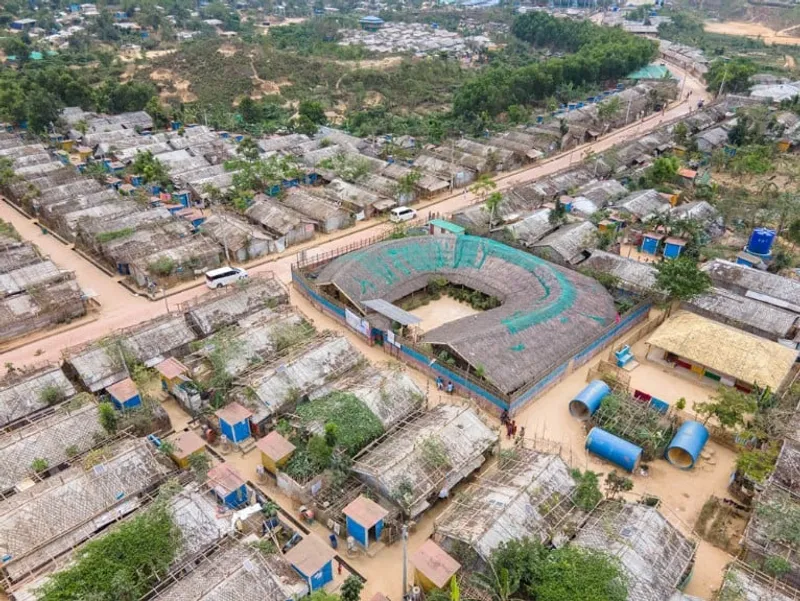
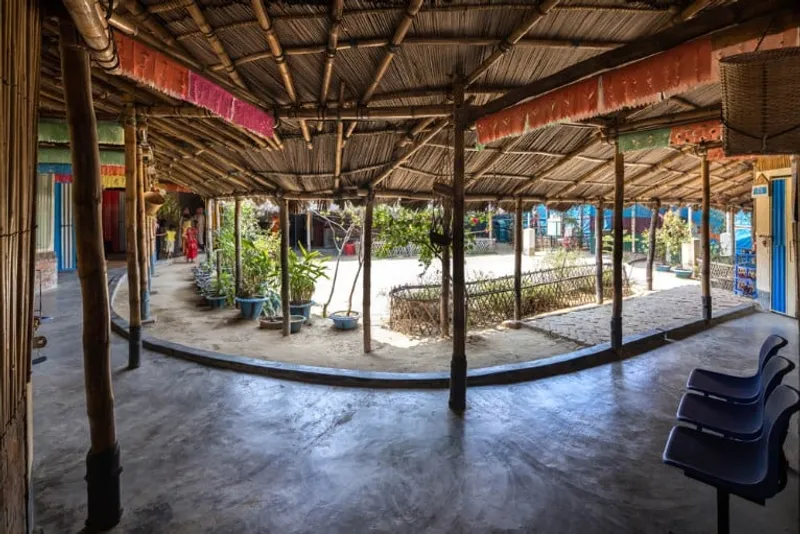
The six temporary community spaces of the Rohingya Refugee Response programme provide a dignified, sensitive and ingenious response to emergency needs related to the major influx of Rohingya refugees into Bangladeshi host communities, with particular attention to the safety of women and girls. The concept and design of the six spaces are the results of appropriate planning, solid partnerships and inclusive processes involving the diverse refugee and host communities, such as defining spatial and functional needs. [Extract, Jury Citation]
 ©Aga Khan Trust for Culture / Asif Salman (photographer)
 ©Aga Khan Trust for Culture / Asif Salman (photographer)
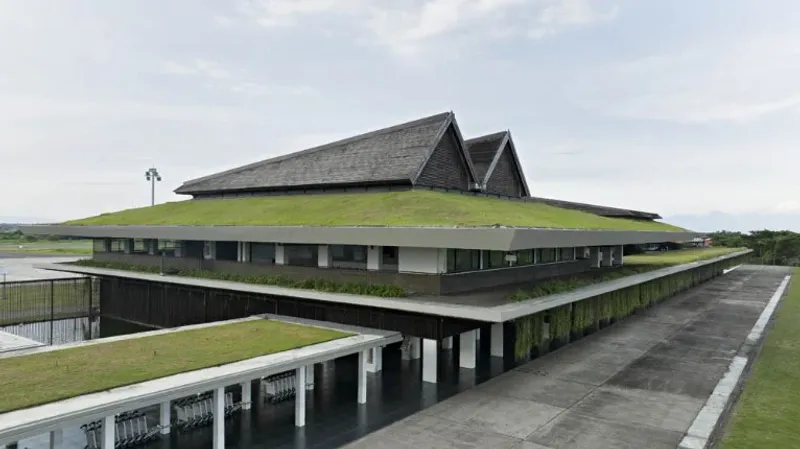
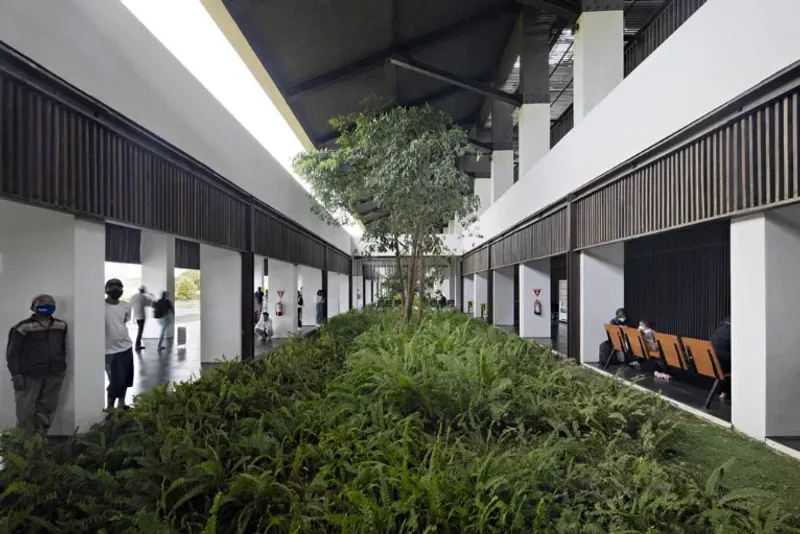
Arising from a sea of paddy fields, the building extends the language of the landscape into a concentrated event that coalesces architecture, and functionality and sets in a seamless yet discernible disposition. Modern and efficient in all aspects, but at home in its place, Banyuwangi International Airport may be a game-changer in airport architecture, especially considering that the Indonesian government is set to build some 300 airports in the near future. [Extract, Jury Citation]
 ©Aga Khan Trust for Culture / Mario Wibowo (photographer)
 ©Aga Khan Trust for Culture / Mario Wibowo (photographer)
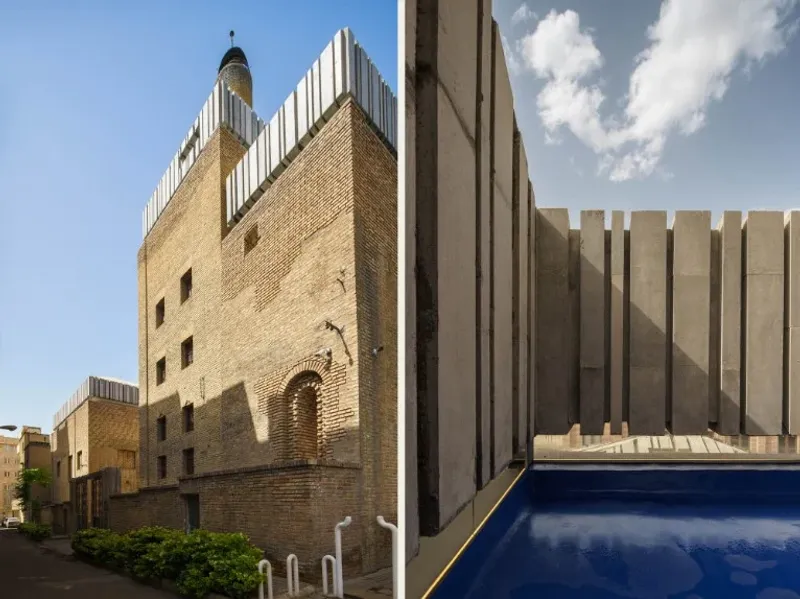
In the dense urban neighbourhood that is Tehran’s historical centre, this untypical reuse and conservation project has transformed the Argo Factory – a former brewery whose activities were moved 10 years before the Iranian Revolution, for pollution reasons, to a site outside the city – into a private museum for contemporary art. From the ruins of the original building, the existing brewery was renovated and new surfaces were built with a subtle approach and design. A variety of spaces for exhibitions, talks and films were developed over four levels, and a new artist residence was built adjacent to the museum. [Extract, Jury Citation]
 © Aga Khan Trust for Culture / Deed Studio (photographer)
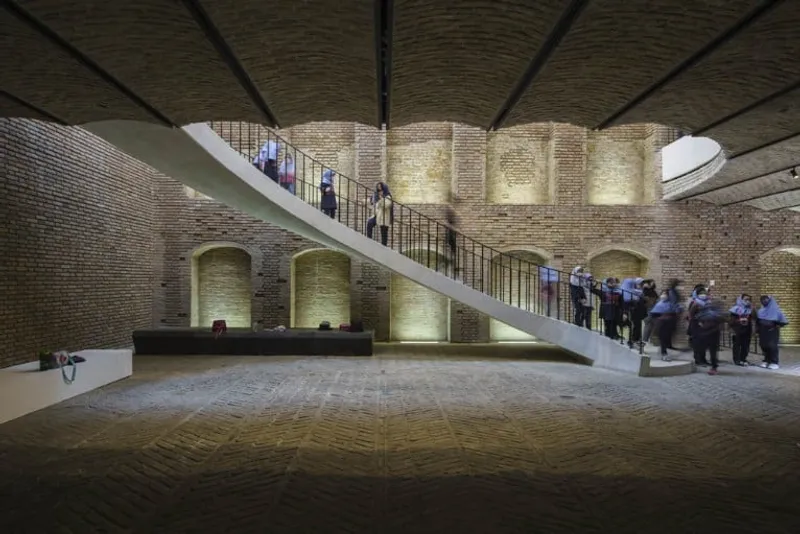 ©Aga Khan Trust for Culture / Deed Studio (photographer)
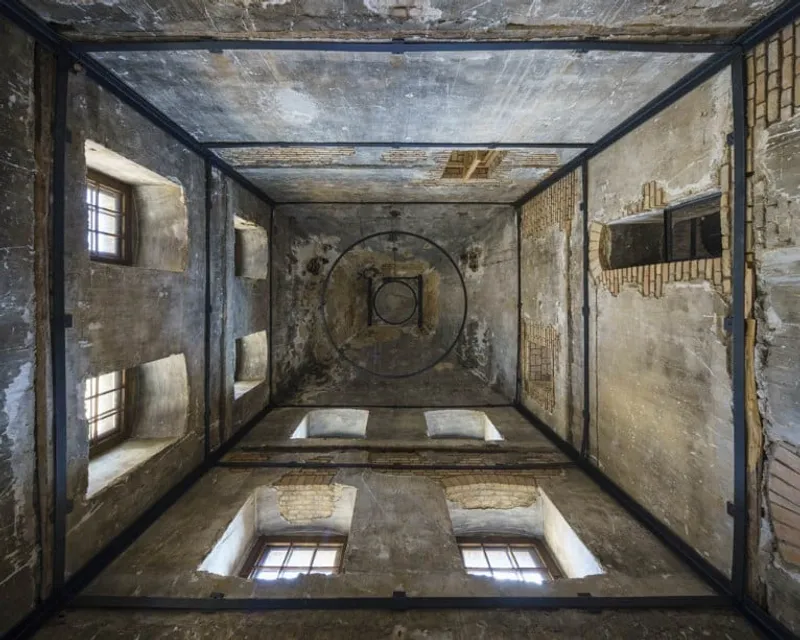 ©Aga Khan Trust for Culture / Deed Studio (photographer)
The renovation of the Niemeyer Guest House is an inspiring tale of architecture’s capacity for repair, at a time of dizzying, entangled crisis around the world, and in Lebanon in particular, as the country faces unprecedented political, socio-economic and environmental collapse. Located on the outskirts of Tripoli – one of the oldest and most beautiful port cities, once renowned for its craft but today ravaged by extreme poverty, migration and lack of public space – the rehabilitation of the Guest House is part of the Rachid Karami International Fair (RKIF), the unfinished masterpiece of the architect Oscar Niemeyer. [Extract, Jury Citation]
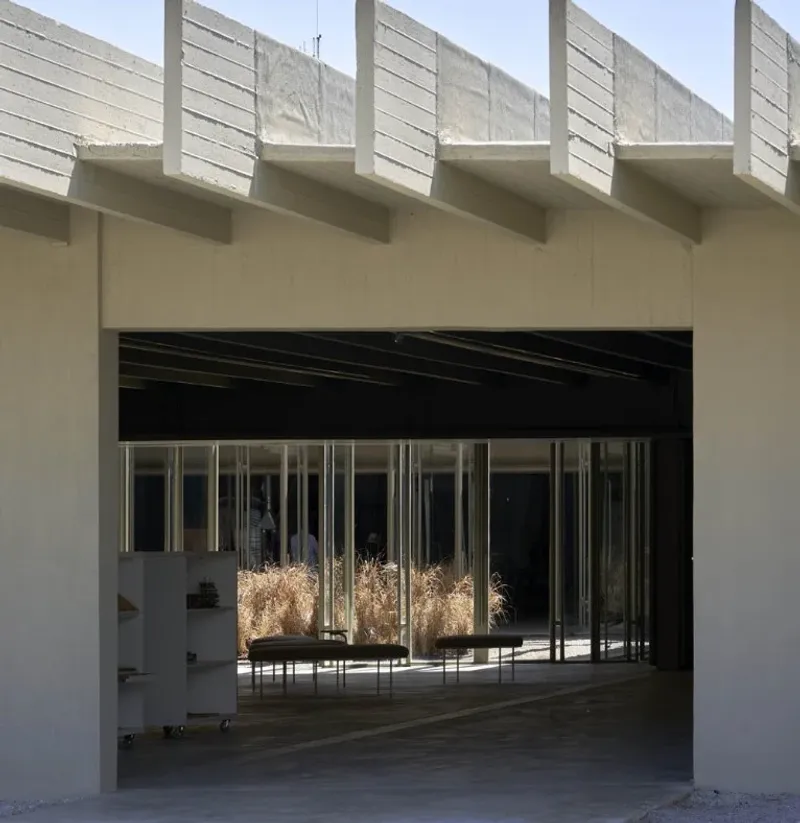 ©Aga Khan Trust for Culture / Cemal Emden (photographer)
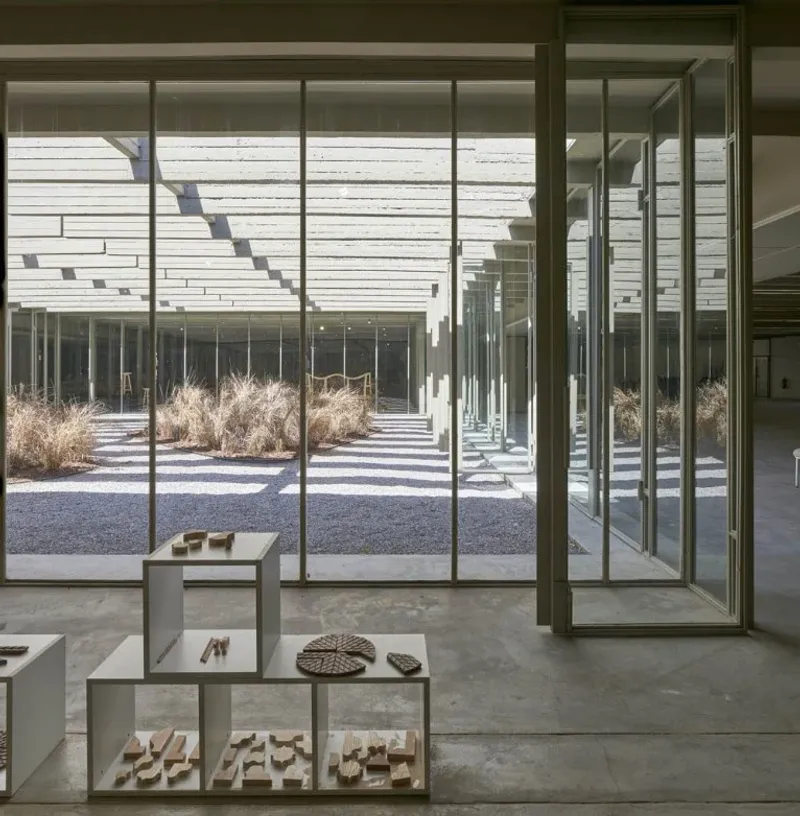 ©Aga Khan Trust for Culture / Cemal Emden (photographer)
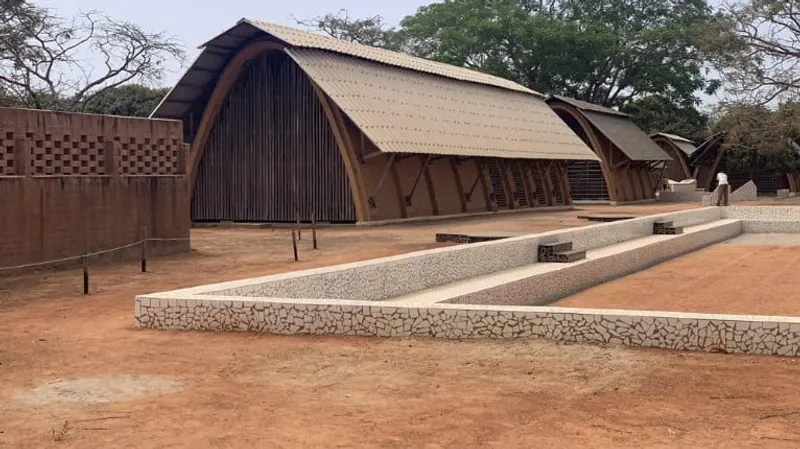
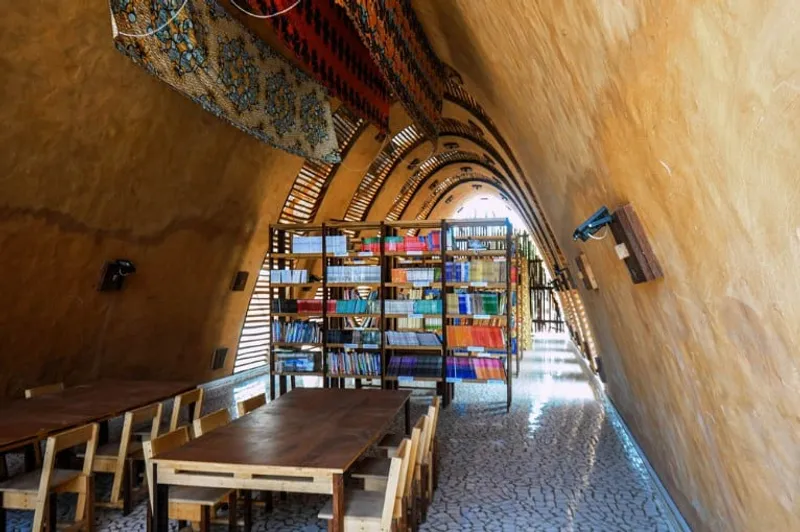
A campus replete with infrastructure, buildings, landscapes and furnishings, the Kamanar Secondary School is unique in that it addresses the multiple scales of urbanism, landscape, architecture and building technologies with equal commitment and virtuosity. The site’s topography and flora are the key founding conditions of this project, prompting the introduction of a grid of classroom pods organised around pre-existing tree canopies, adopting their shade as social spaces that serve the students and teachers alike. [Extract, Jury Citation]
The Aga Khan Award for Architecture was established in 1977 by His Highness the Aga Khan, the 49th hereditary Imam of the Ismaili Muslims. Its purpose is to recognize and promote building concepts that effectively meet the needs and desires of communities where Muslims have a significant presence. The selection process prioritizes architecture that caters to both physical, social, and economic needs, while also fostering cultural aspirations.
 ©Aga Khan Trust for Culture / Amir Anoushfar (photographer)
 ©Aga Khan Trust for Culture / Amir Anoushfar (photographer)
This year marks the 45th anniversary of the Aga Khan Award for Architecture. In February 2022, a group of nine independent Master Jury members shortlisted 20 projects from a pool of 463 nominees for the 15th Award Cycle (2020-2022). After conducting on-site evaluations, the jury ultimately awarded six projects.
The 2022 Award Master Jury
Members The independent Master Jury that selected the 20 shortlisted projects consisted of nine members: Nada Al Hassan, an architect specializing in the preservation of architectural and urban heritage; Amale Andraos, Professor at Columbia University Graduate School of Architecture, Planning, and Preservation; Kader Attia, an artist examining the impact of western cultural dominance and colonialism; Kazi Khaleed Ashraf, director-General of Bengal Institute for Architecture, Landscapes, and Settlements in Dhaka, Bangladesh; Sibel Bozdoğan, a Visiting Professor of Modern Architecture and Urbanism at the Department of the History of Art and Architecture at Boston University; Lina Ghotmeh, a French-Lebanese architect who runs a practice that draws on a vernacular past to create new projects; Diébédo Francis Kéré, an AKAA laureate and well-known Burkinabè architect who won the award in 2004 for his elementary school project in Gando, Burkina Faso; Anne Lacaton, founder of Lacaton & Vassal in Bordeaux in 1989, with a focus on maximizing space and minimal resources; Nader Tehrani, the founding principal of NADAAA, a practice dedicated to design innovation, collaboration, and engaging with the construction industry.
References (1)

Popular Articles
Popular articles from the community


Singing Woman: An Opera House That Performs Before the Curtain Rises
Ovidiu Cristian Pavel's conceptual opera house translates Estonia's choral identity into a sculpted waterfront landmark facing the Baltic Sea.


David Ortega Stacks a Two-Story Mexico City Penthouse Around a Steel Stair and a Pergola-Shaded Roof Terrace
In Colonia Roma, a 300 m² penthouse uses oak joinery, a planted steel stair and a slatted roof pergola to make a new-build apartment feel like a house.

Aquadapt: An Underwater Habitat That Rewrites Its Rooms by the Hour
Curved modules ring the seabed while one shell shifts from breakfast room to cinema, farm and football pitch as residents' needs change.

graciastudio Turns a Viewless Tijuana Lot Inward Around a Courtyard of Concrete, Timber and Trees
In Tijuana, Jorge Gracia's GA2 House stacks a timber-clad private floor over exposed concrete and replaces a missing view with a planted interior patio.

Similar Reads
You might also enjoy these articles

Rede Arquitetos Turns Circulation into Civic Space at the Educar II SESC School in Fortaleza
In Fortaleza, Brazil, Educar II SESC-CE trades a signature form for mesh screens, yellow thresholds and courtyard walkways built for equatorial heat.
116 Rokeby Building, Collingwood
Sustainable Collingwood office building featuring double-skin façade, natural ventilation, rooftop amenities, and carbon-neutral design focused on wellbeing and longevity.
Contemporary Apartment Renovation in Spain: RV House by BIAN Opens Up to the Sea
A minimalist 1930s apartment in Santander is transformed into a flexible, sea-facing home through contemporary Spanish renovation.
3 Marías House: A Contemporary Mediterranean Courtyard Retreat by Bajet Giramé + Burckhardt
Mediterranean courtyard home blending traditional architecture with modern design, terracotta flooring, flexible interiors, sustainable climate strategies, and garden integration.

Explore World Capital of Architecture Competitions
Discover active competitions in this discipline


Challenge to reimagine the Iron Throne

Photograph architecture without architects

Illustrate the lost glory of Angkor Wat - Render Challenge

Bring back Drive In's
Comments (0)
Please login or sign up to add comments
No comments yet. Be the first to comment!