
'21 CHAIR
TECHNICAL DEVELOPMENT

MECHANICAL STRUCTURE
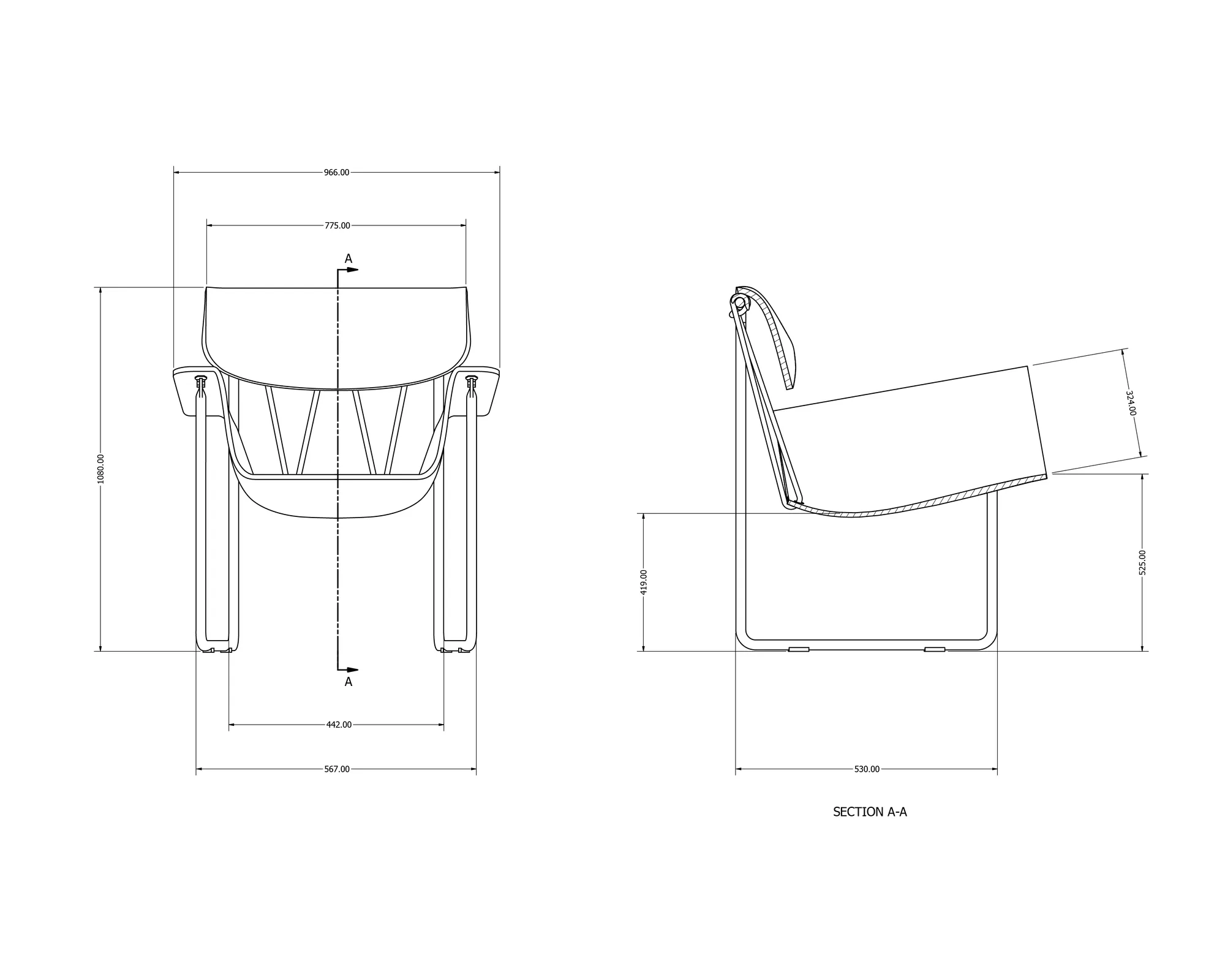
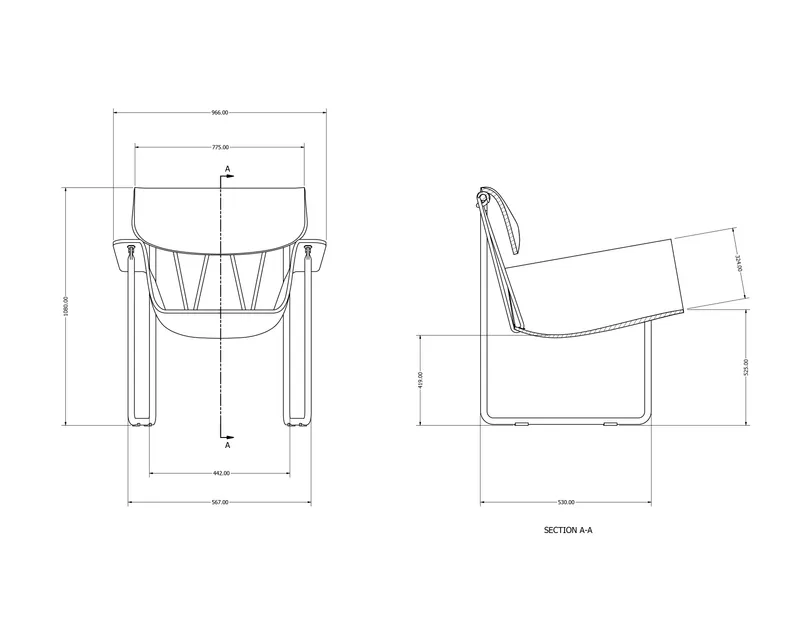
The '21 CHAIR's design was achieved after several iterations looking for the ideal compromise between minimal material use and comfort. In fact, the chair's structural design was conceived from the beginning as a metaphor for this search for a balance: by putting together tension and compression elements the right way, a perfect, almost fun to see equilibrium of forces can be reached.
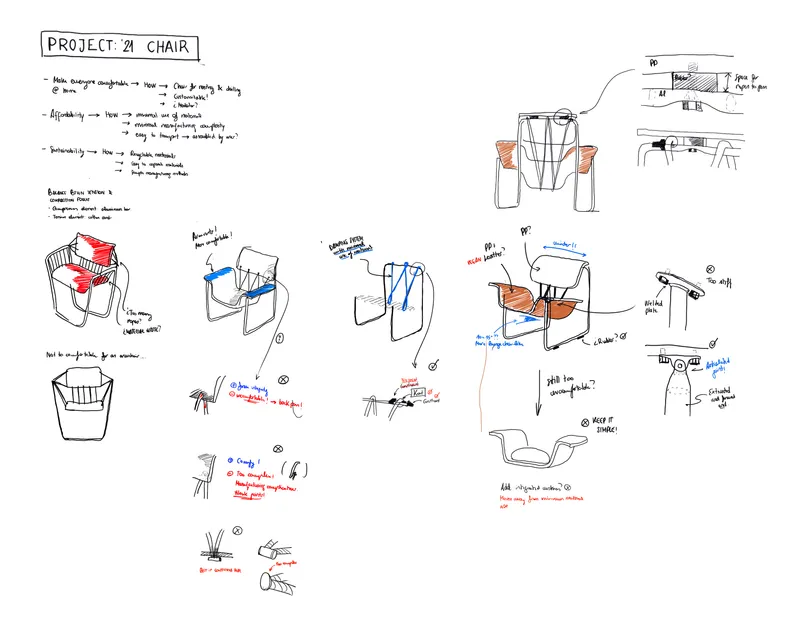
As much as the concept behind it stayed the same —playfully combining ropes and extruded tubes—, the mechanical structure's balance between simplicity and comfort shifted both ways throughout its several iterations:
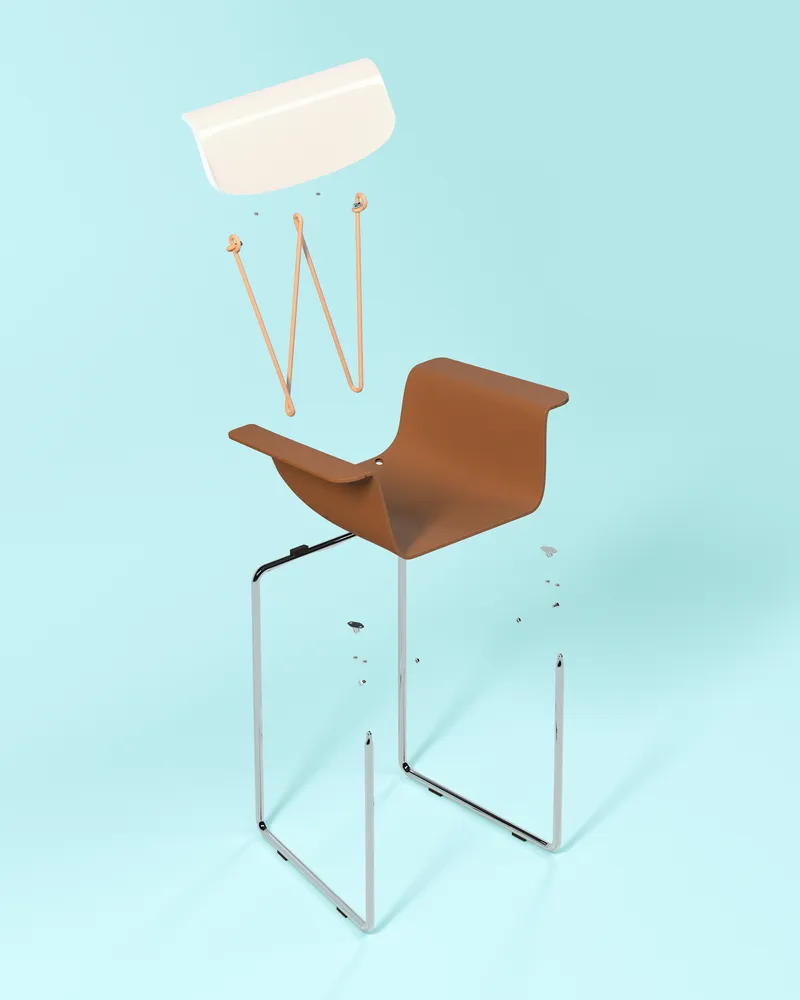
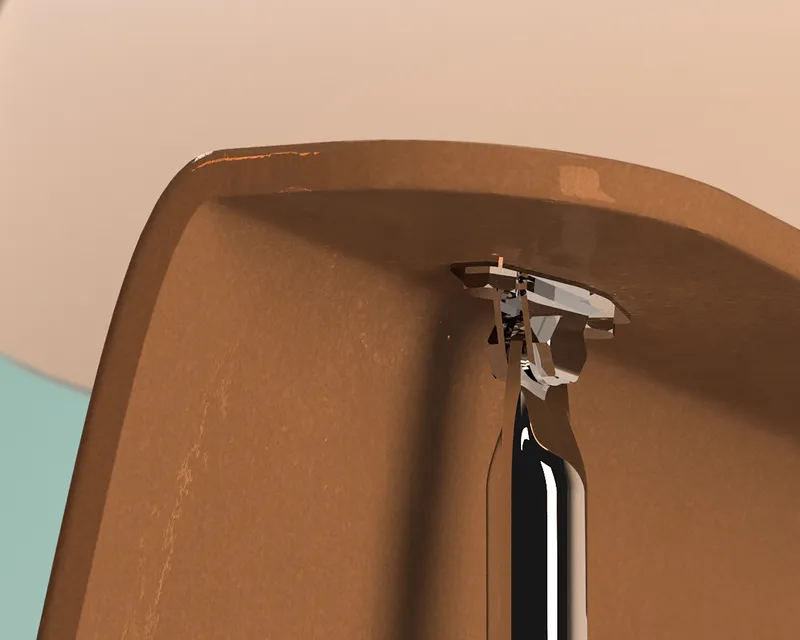
Another key design aspect that was pursued from the beginning was structural honesty: in accordance with its minimalistic aims, the structure's joints are always left visible, unapologetically laying the beauty of these industrial elements bare, and also making it easier for the user to detach and reassemble the chair's components when needed.
MATERIAL SELECTION
Following the project's intention to build a sustainable, accessible, easy-to-move chair, all chosen materials had to be recyclable, light and cheap. The material selection was carried out following these basic principles, while also looking for the most appropriate solution to satisfy each component's mechanical and comfort requirements.
Aluminum
The high purity aluminum extrusion tube defines the main structure of the '21 CHAIR.
Aluminum is a very light metal with respect to its remarkable mechanical properties. In addition, it is not only 100% recyclable, but recycling it can provide energy savings of up to 95% compared to obtaining it from ore.
To accomplish its glossy finish, this tube is subjected to a polishing process that can achieve similar results to those of chrome-plated steel, a material whose cost and weight are higher.
Polypropilene
Both the seat and back of the chair are made of polypropylene (PP) by injection molding.
PP is a widely used, low cost polymer that can be recycled. This material is very light compared to other polymers with similar properties, such as HDPE. Furthermore, it allows for brighter, more aesthetic finishes.
Faux leather
The injection-molded seat is also protected by a synthetic leather cover that gives it a softer, more pleasant touch.
Synthetic leather is obtained from polyurethane by a water-based process that avoids toxic solvents (DMF-free).
Cotton
The sturdy cords of the '21 CHAIR perform the structural function of supporting the back end of the seat.
These cords are made of cotton, which is the most widely used natural fiber given its excellent durability, fineness and, above all, softness. Additionally, the CHAIR '21 cords' cotton is micro-woven on the outside, giving them an even smoother touch.
Steel
The chair's bolted joints are made of stainless steel.
Steel is the most commonly used material for this type of joints, due to its excellent resistance and durability. In addition, it is relatively inexpensive, and alloying it with chrome and nickel makes it stainless and gives it a good shine when polished. Just like aluminum, it is 100% recyclable, and thanks to its magnetic properties, it can be very easily recovered in recycling plants.



Popular Articles
Popular articles from the community


The Ocean Hive: Sustainable Architecture for a Self-Sufficient Civilization at Sea
The Ocean Hive imagines sustainable architecture at sea, where modular habitats, algae, wave power and ocean waste sustain a growing colony.

Co-Life: Senior Housing Design That Reconnects Older Adults With the City
Co-Life reimagines senior housing design through healing gardens, shared streets, workshops, and a sustainable community across generations.

AL-JANNAH: Sustainable Architecture and Permaculture for Afghan Widows
AL-JANNAH uses sustainable architecture and permaculture to create resilient oasis of housing, learning, work and renewal for Afghan widows.

Hill & Cross Opera: Sculptural Opera House Architecture Shaped by Tallinn’s Landscape and Identity
Hill & Cross Opera reimagines opera house architecture in Tallinn through its sculptural hill, civic plaza, glass wave and a luminous cross.


Similar Reads
You might also enjoy these articles

Day and Night Park: A Time-Based Urban Newsstand in Beijing
A temporary urban newsstand in Beijing blending travel, light, and reading through poetic colors, compact form, and community-focused design.

Modernist Patio Renovation in El Masnou, Barcelona by Oliver Segura Arquitectura + Cebrià Arquitectura
Modernist patio renovation blending tradition and innovation with a movable pool, leveled floors, and Catalan materials in El Masnou.

Alto Residencial Coop: Cooperative Housing Development in Santiago de Compostela by Carbajo Barrios Arquitectos
A linear cooperative housing complex blending white volumes and perforated metal façades, enhancing community living, natural light, privacy, and urban integration.

Vil Genis School by BPA ARCHITECTURE – Massy, France
Vil Genis School in Massy, France, features sustainable design, south-facing classrooms, community integration, accessible spaces, and modern educational architecture.

Explore Lounge Chair Competitions
Discover active competitions in this discipline



Challenge to merge furniture with learning


Design challenge to equip cities with modern furniture

Competition to design a workstation for architects

Packaging challenge - Design meets sustainability
Comments (0)
Please login or sign up to add comments
No comments yet. Be the first to comment!