

25 Pavilion by Dum Dum Lab + Departamento de Arquitectura UTFSM: Celebrating Landscape, Learning, and Wood Innovation in Valparaíso, Chile
Pabellón 25 is a wooden interpretive pavilion celebrating nature, education, and architecture atop Chile’s Federico Santa María Cliffs Sanctuary.


Nestled on the dramatic cliffs of Valparaíso, Chile, the 25 Pavilion emerges as a striking piece of landscape-responsive architecture. Designed by Dum Dum Lab in collaboration with the Departamento de Arquitectura UTFSM, this small yet conceptually rich structure was developed in 2022 as part of an academic initiative. The project commemorates 25 years of the Department of Architecture at Universidad Técnica Federico Santa María (UTFSM) and highlights the ecological and cultural value of the Federico Santa María Cliffs Sanctuary.

A Pavilion Rooted in Ecosystem Awareness and Academic Exploration
More than just a temporary installation, 25 Pavilion serves as an interpretive architectural intervention—a platform from which visitors can engage with the surrounding ecosystem. It was initiated with the support of the Fondart 2022 Artistic Creation Grant, and designed collaboratively by architecture faculty members Francisco Calvo, Katherine Cáceres, and Amaya Glaría, together with third-year architecture students at UTFSM.
The studio emphasized an experimental design methodology, focusing on wooden tectonic systems and iterative frameworks that explore repetition and variation. The workshop challenged students to engage with real-world constraints—topography, materials, and ecological context—to design an architecture that both blends with and celebrates its environment.
Design Strategy: Wooden Trusses and a Radial Language
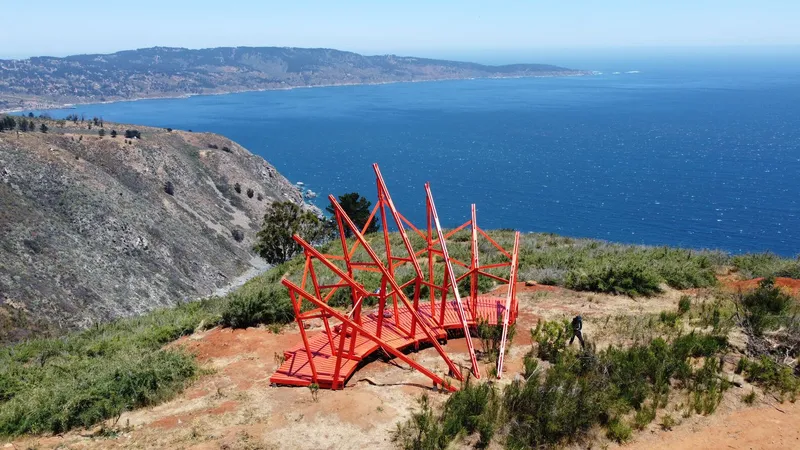
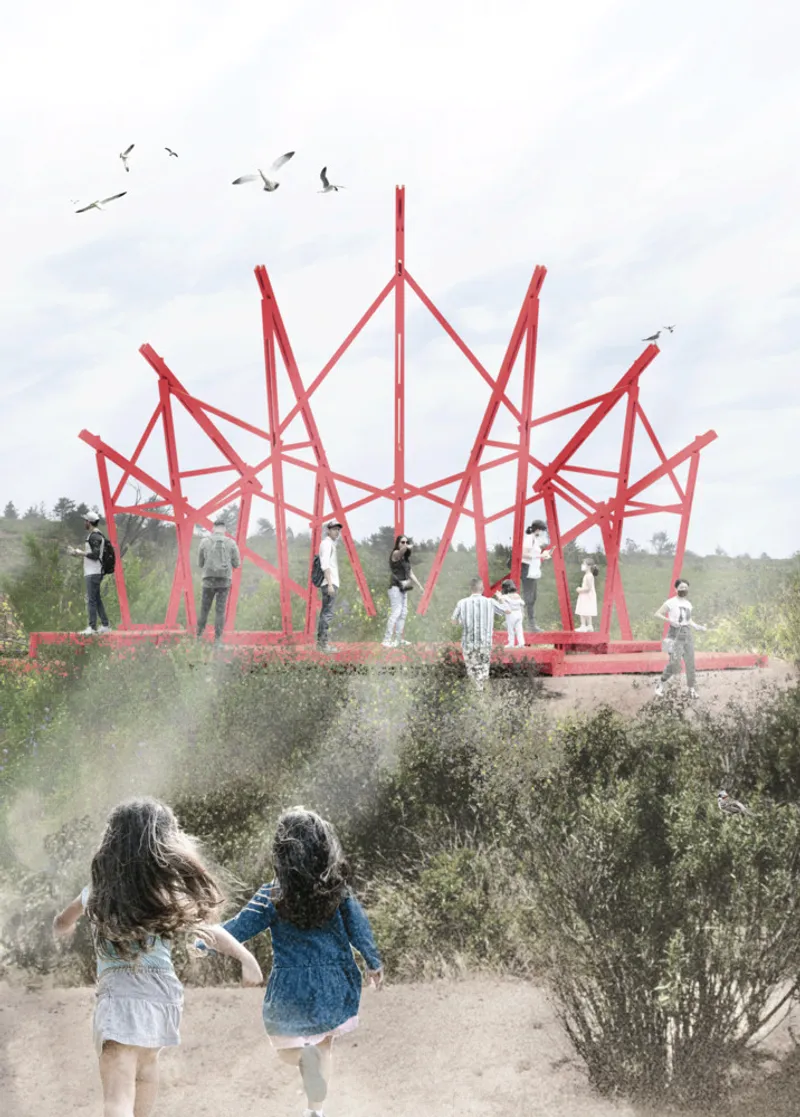
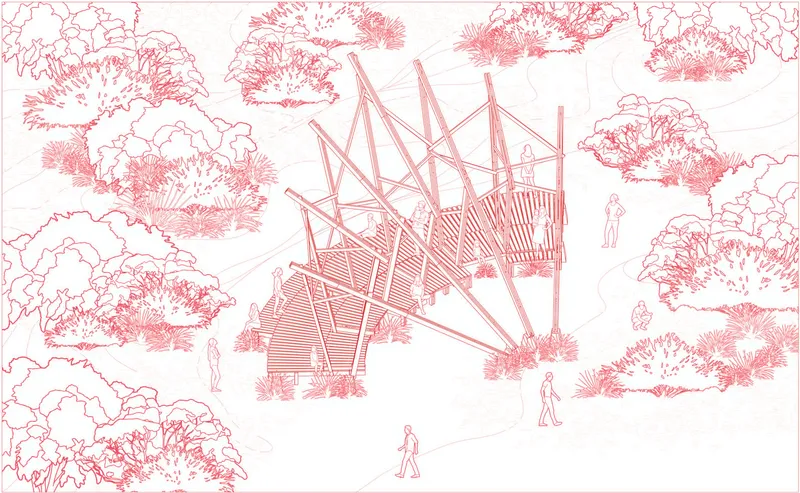
The final design, selected through an internal competition among student teams, is defined by seven radial wooden trusses that expand from a base height of 3.5 meters to a peak of 6.8 meters at the center. This creates a spatial and visual crescendo, establishing the pavilion as a landmark within the sanctuary.
The radial formation also defines the user experience. A circular platform steps down along the slope, accommodating both group gatherings and moments of solitary pause. The pavilion is a hybrid of didactic infrastructure and passive shelter, crafted to host educational activities, birdwatching, and ecosystem interpretation.
Local Materials and Tectonic Expression
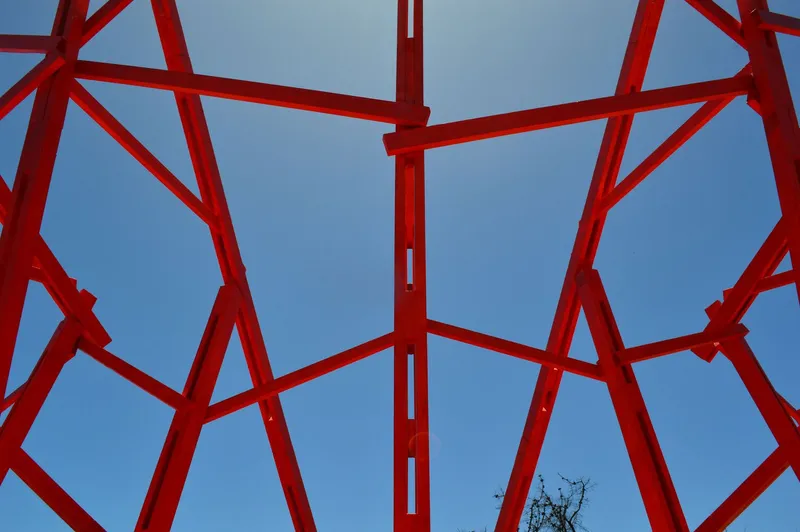
The pavilion utilizes timber from Concón Maderas Impregnadas, specially treated for durability in the coastal, salt-laden air of Valparaíso. Structural elements—trusses and floor beams—are formed using 2x6" and 2x3" timber, with 1.5x5" planks for the steps. The foundations use concrete piers with custom steel connectors, fabricated in the university’s materials lab, emphasizing hands-on student learning and construction experience.
Interpreting the Landscape Through Architecture
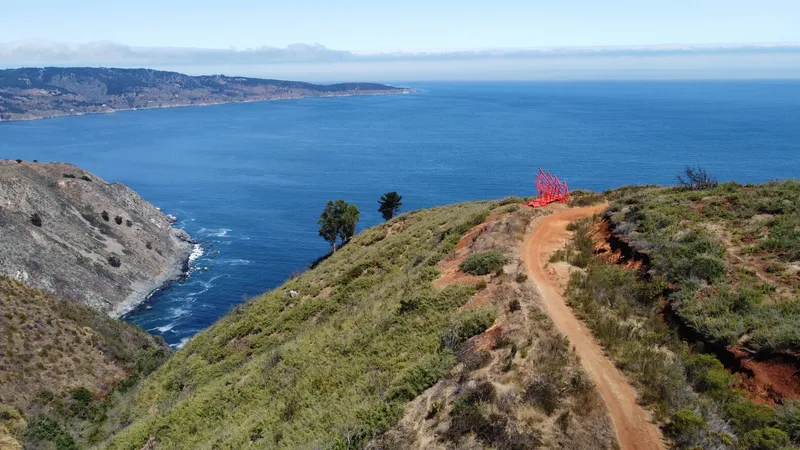
Positioned on the cliffs’ edge, 25 Pavilion frames expansive views of the Pacific Ocean. The site is a haven for endemic flora and native bird species, making the location ideal for environmental education. Integrated into the pavilion are scientific illustrations by marine biologist Sol Pacheco, turning the structure into a living exhibit for the Sanctuary’s biodiversity.
This feature underscores the pavilion’s interpretive mission—to offer more than just shelter or aesthetic intrigue, but a deeper connection to ecological awareness and conservation.
Architecture as a Public Educational Tool
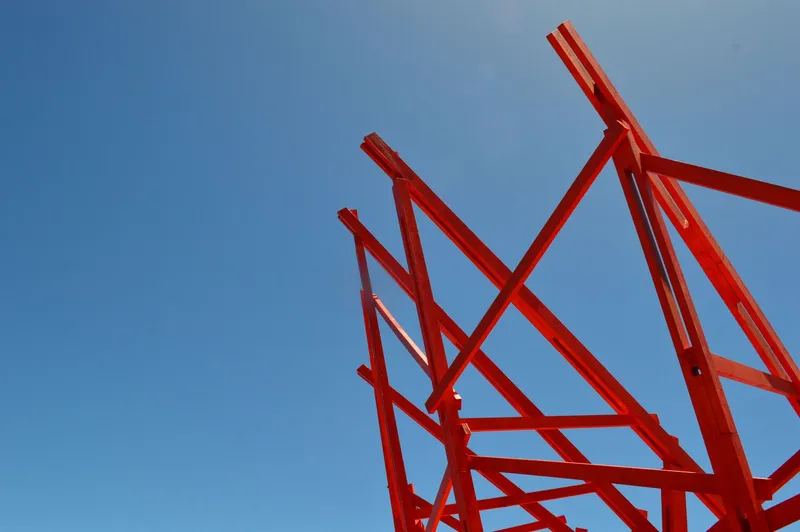
The success of 25 Pavilion lies in its ability to unite academic rigor, ecological sensitivity, and public engagement. The project transcends conventional educational boundaries by involving students in all phases of the design-build process and delivering a real architectural contribution to the community.
It stands as an example of low-impact, site-responsive design that emphasizes modular wood construction, sustainable material choices, and landscape-integrated architecture. As a celebration of 25 years of architectural education at UTFSM, the pavilion embodies the values of collaboration, innovation, and environmental stewardship.
Project Details
- Project Title: 25 Pavilion
- Architects: Dum Dum Lab + Departamento de Arquitectura UTFSM
- Location: Valparaíso, Chile
- Year: 2022
- Area: 30 m²
- Materials: Treated Wood (Concón Maderas Impregnadas), Concrete, Steel
- Lead Faculty: Francisco Calvo, Katherine Cáceres, Amaya Glaría
- Collaborators: Sol Pacheco (Marine Biologist & Illustrator)


Popular Articles
Popular articles from the community


GROUP A Strips a 1969 Rotterdam Harbor Headquarters to Its Frame and Wraps It in Timber Louvers
In Rotterdam's M4H harbor district, Ferro Offices reuses a 1969 frame, adds one timber storey and reaches BREEAM-NL Outstanding.

Juan García Correa, John González and Claudia Rueda Sink a Circular Amphitheater into a Manizales Engineering Building
On the La Nubia campus in Manizales, Colombia, the S1 Building folds labs and offices into a hillside of ramped lawns that double as a campus route.

Architekt Andreas Gruber Scatters 23 Dark Timber Chalets Across a South Tyrolean Forest Edge
In Molini di Tures, Amonti Chalets breaks a resort into a hamlet of gabled timber houses, with parking, storage and services pushed into the slope.

Cube Design Draws an Ecological Corridor Between Two Shenzhen Hills with the Nankai Building
Beside Shenzhen's container docks, the Nankai Building pairs stacked balconies with a climbing green screen to connect two hillsides across its height.

Similar Reads
You might also enjoy these articles


Hodi-Mandai Geram
Project Function: Preservation and revitalization of the Intangible heritage and socio-spatial identity of the Hodi by Housing, Cultural Memory Center, Sacred Grove, landscape, local tourism economy


Olio Towers: A Mid-Rise for Performers That Fuses Housing, Rehearsal, and Stage
Located blocks from Houston's Theater District, this modular tower stacks living units around a central performance atrium.

Oasis: Modular Green Housing Carved into Dhaka's Urban Fabric
A shortlisted Plugin Housing entry reclaims unauthorized settlements in Dhaka with stepped concrete volumes, green roofs, and ventilation-driven design.

Black Hole: A Floating Megastructure for the Post-Physical Era
Emiliano Mazzarotto envisions a spherical, self-scaling arena where e-sports, digital hotels, and holographic stadiums replace traditional public space.

Explore Sustainable Design Competitions
Discover active competitions in this discipline

Challenge to reimagine the Iron Throne

Photograph architecture without architects

Illustrate the lost glory of Angkor Wat - Render Challenge

Design challenge to reuse E-waste
Comments (0)
Please login or sign up to add comments
No comments yet. Be the first to comment!