
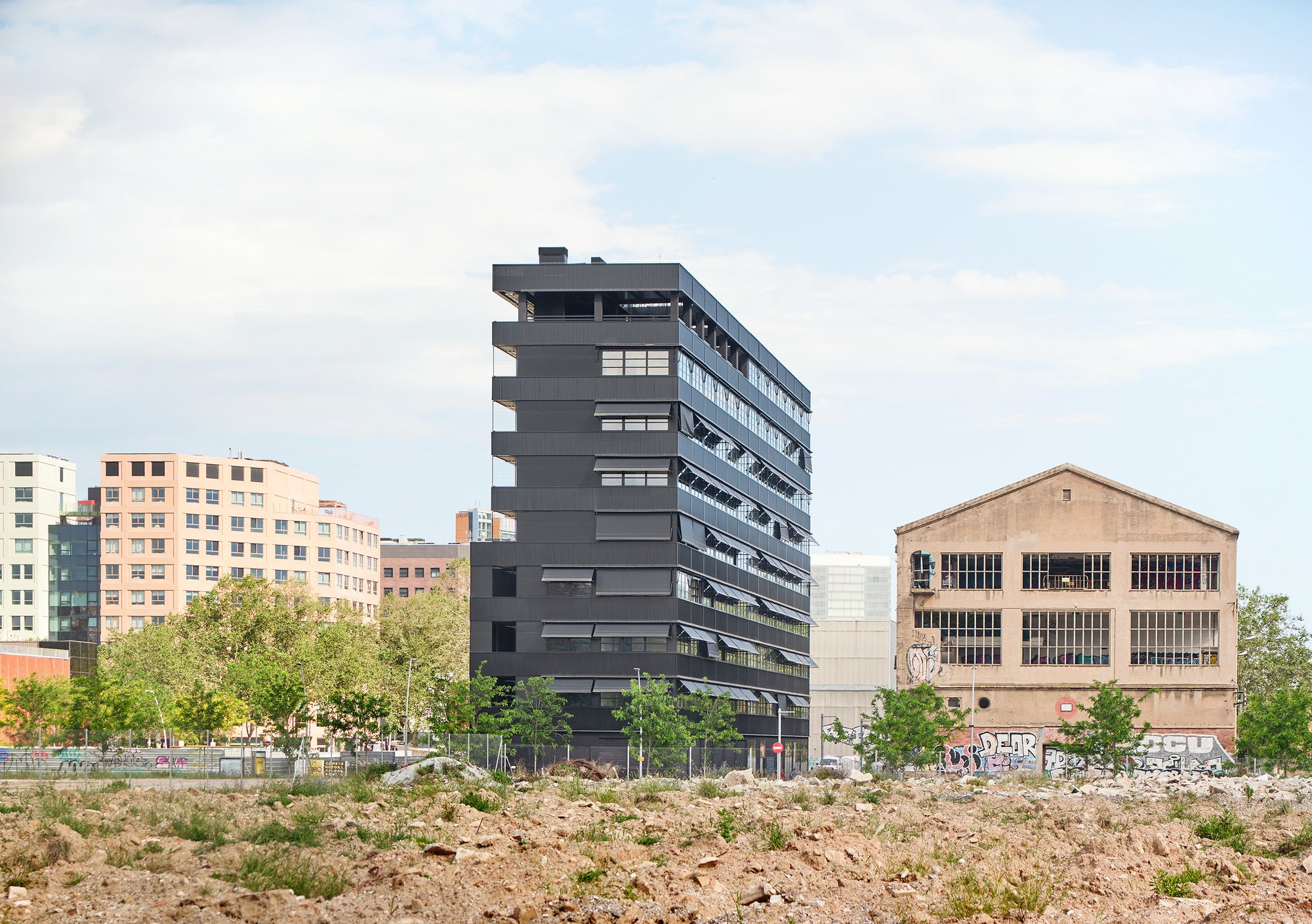
45 Industrialized Social Housing Units by Vivas Arquitectos: A Model for Sustainable Prefabricated Urban Living in Barcelona
Innovative modular social housing in Barcelona by Vivas Arquitectos, featuring prefabricated 3D units, sustainable design, and vibrant community-focused spaces.

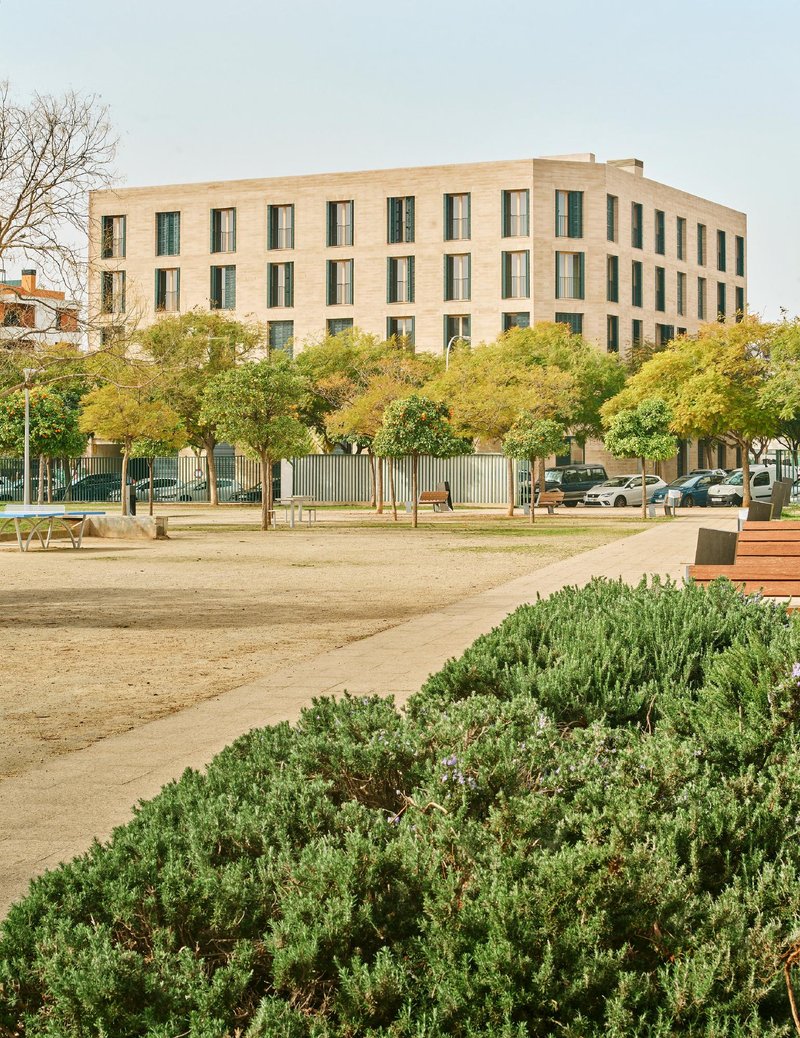
Located in Barcelona, Spain, the 45 Industrialized Social Housing Units by Vivas Arquitectos represent a new vision for sustainable, affordable, and efficient urban housing. Designed by César Vivas Millaruelo and Cristian Vivas Millaruelo, the 4,569-square-meter project redefines how social housing can be both cost-effective and architecturally progressive, leveraging the advantages of prefabricated 3D modular construction.
Industrial Inspiration and Modular Design
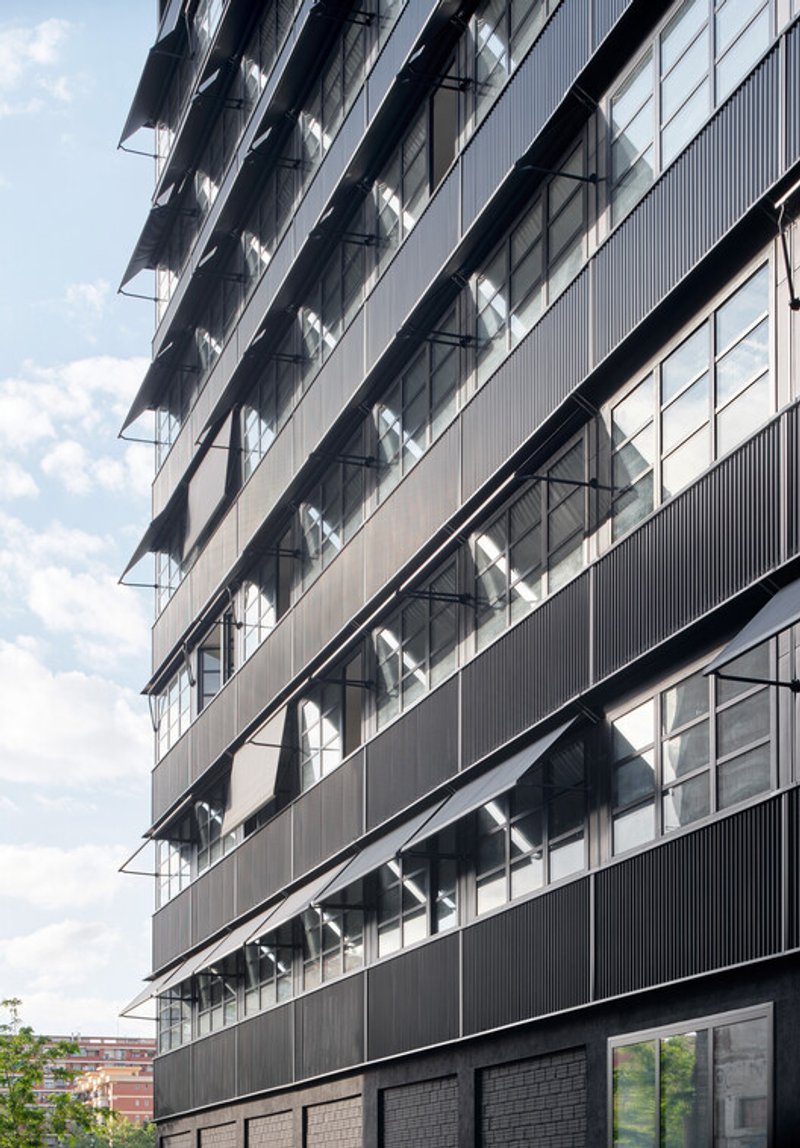
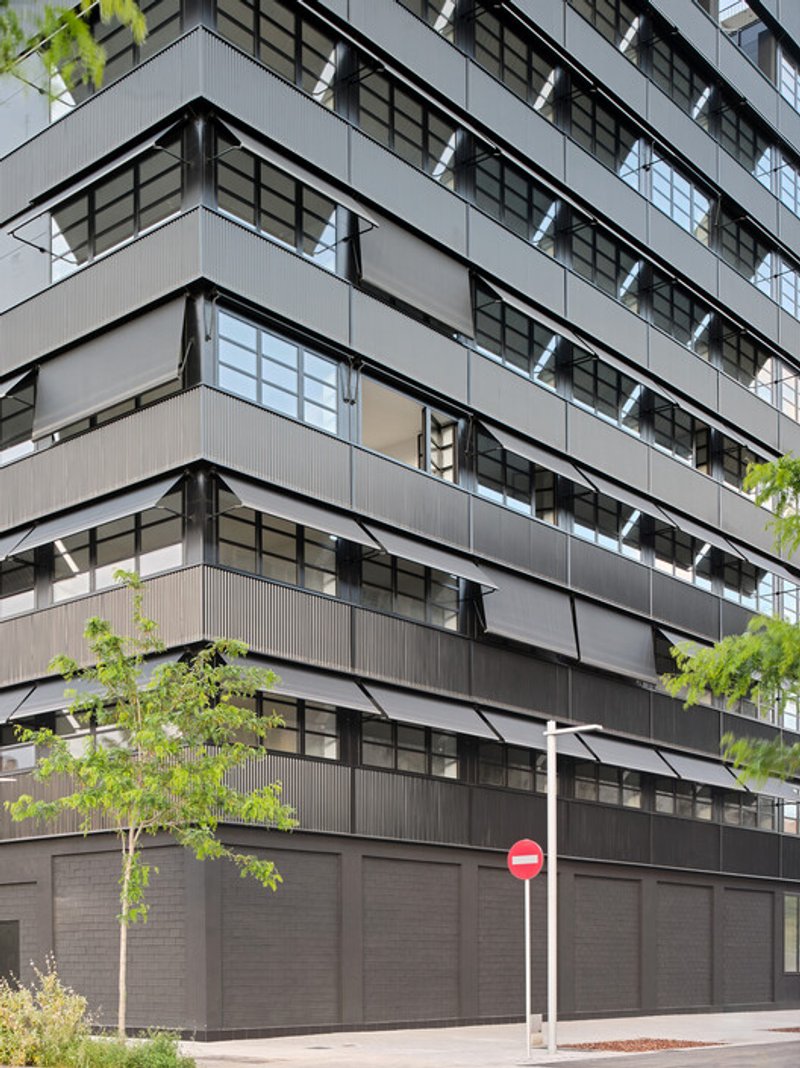
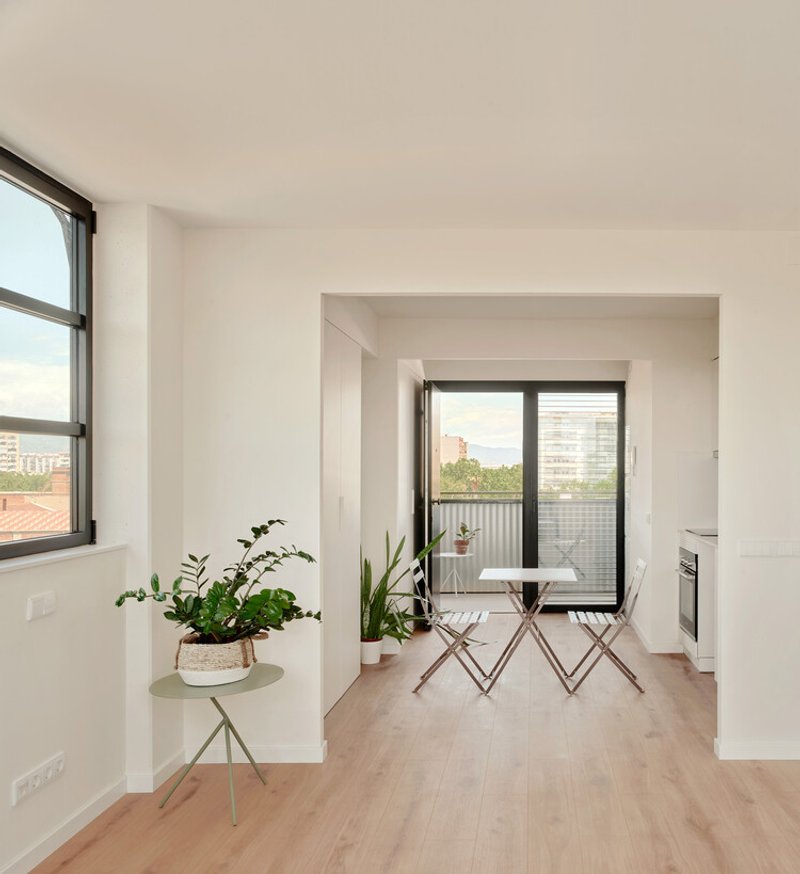
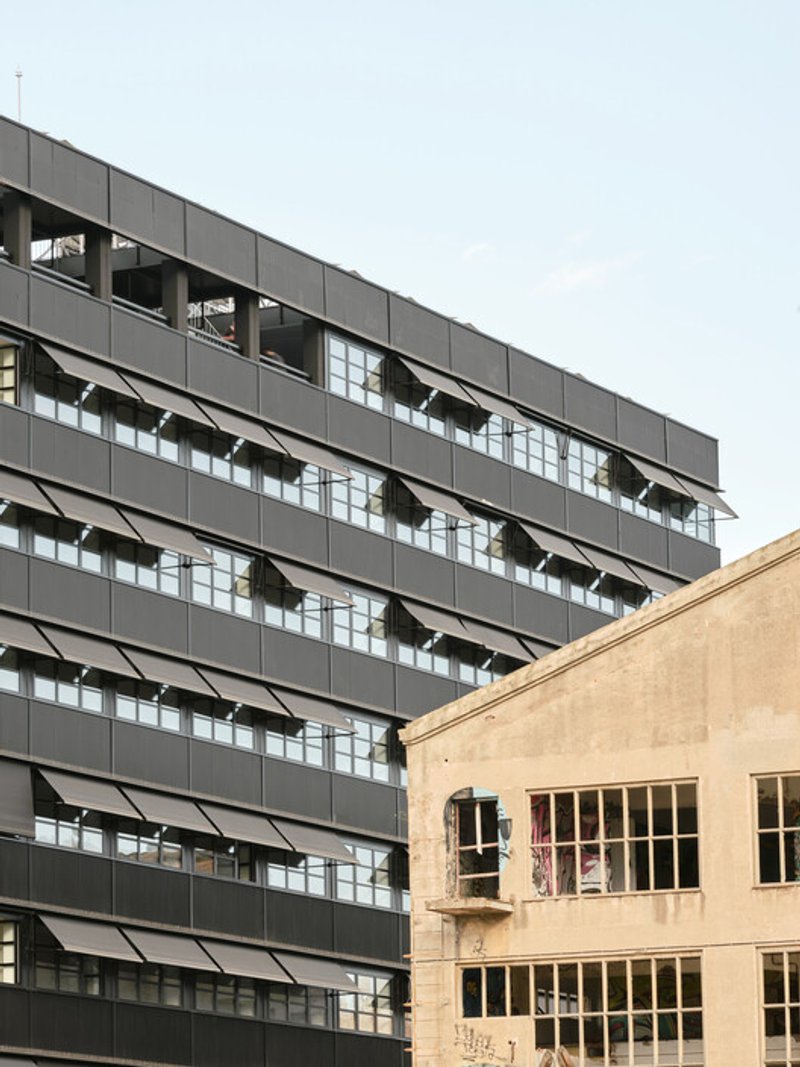
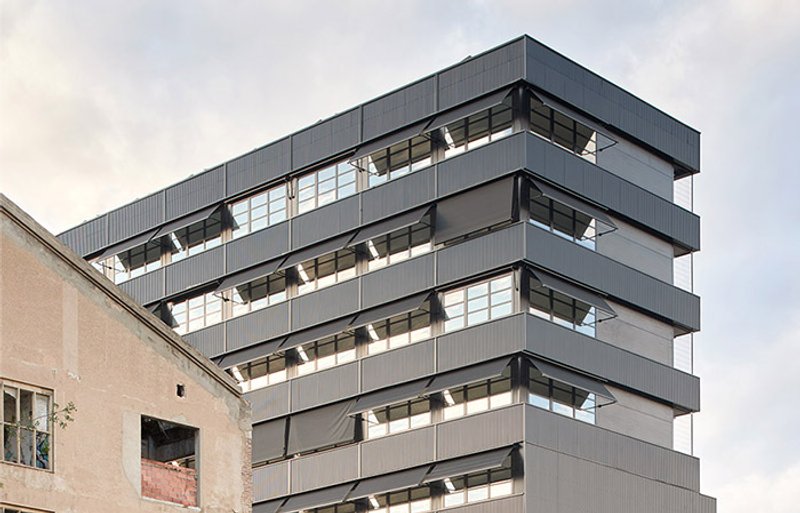
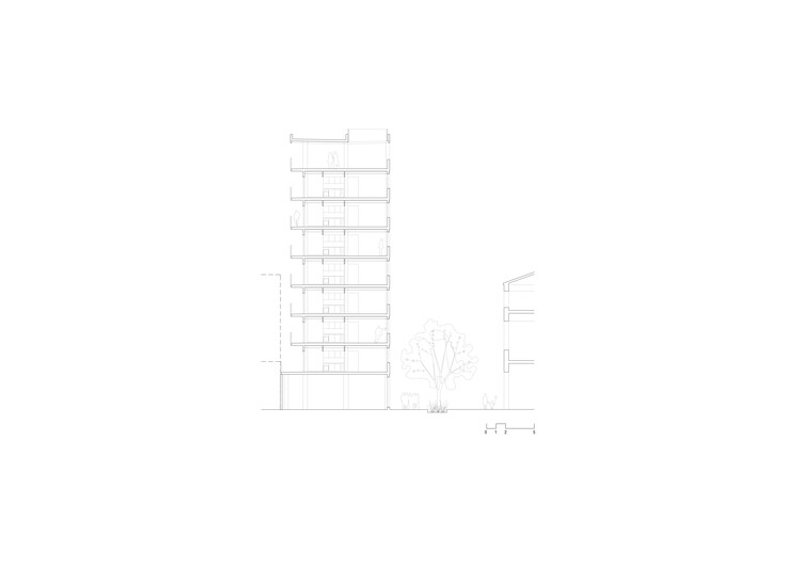
The architectural concept draws inspiration from the site's industrial surroundings, echoing the character of nearby textile factories through a clean, modular design language. The building is envisioned as a “livable infrastructure,” one that adapts over time and allows flexibility in use. Each of the 45 units features two bedrooms, distributed across eight levels, ensuring a balance between density, comfort, and affordability.
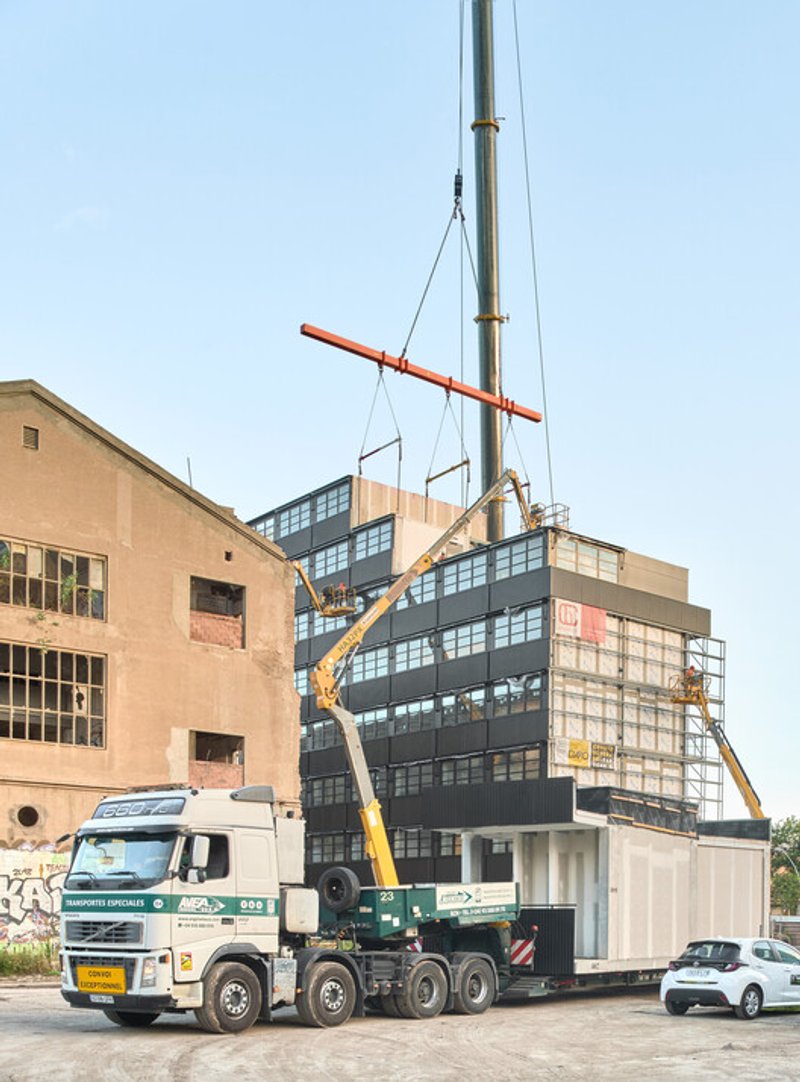
Vivas Arquitectos approached the project as a prototype for industrialized housing systems, embracing prefabrication as a way to reduce waste, control quality, and improve construction timelines. The prefabricated modules were built entirely off-site, incorporating structure, finishes, enclosures, installations, and furniture, then transported and assembled in just 15 days — a groundbreaking timeline in residential construction.
Community and Connectivity
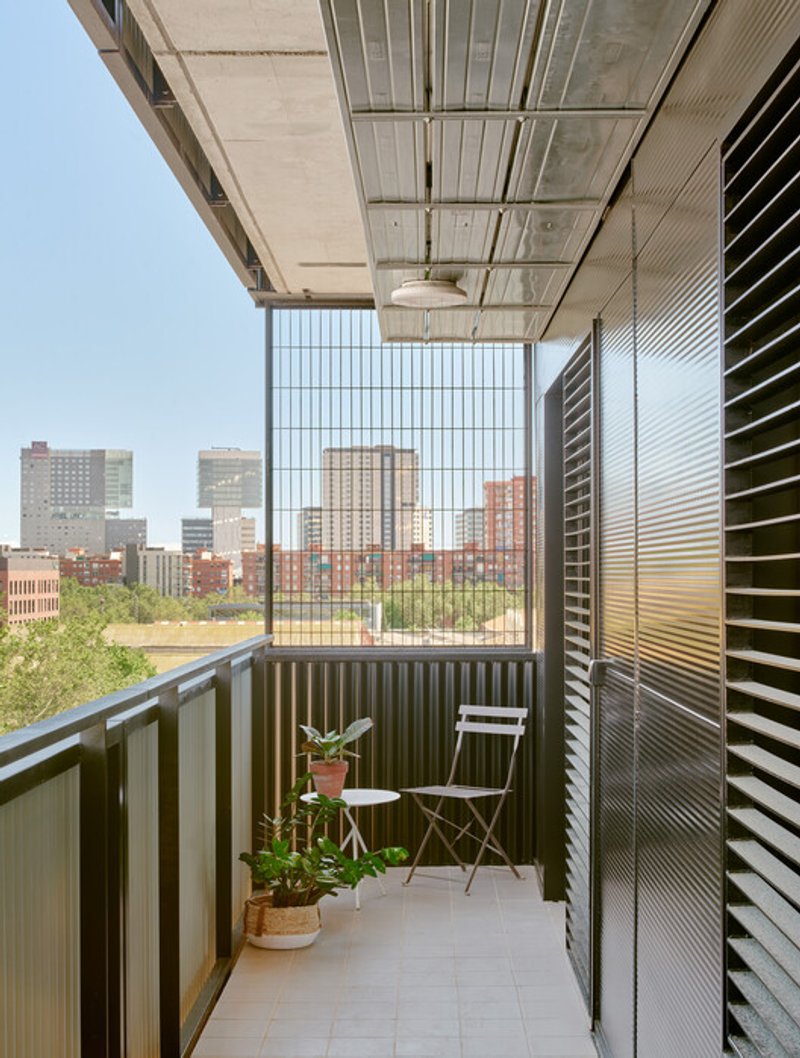
The project emphasizes social interaction and community living. The architects designed a gradient of public-to-private transitions — from the main street to a shaded entrance porch, elevated access walkways, and private residences. These “exterior passages” function as semi-public extensions of the home, fostering casual encounters and social ties among neighbors.
On the ground floor and rooftop, shared spaces such as multi-purpose rooms, landscaped terraces, and shaded porches provide additional amenities. These communal areas strengthen the sense of belonging while supporting recreational and social activities within the building.
Constructive Duality and Efficiency
The project exemplifies a hybrid construction method — combining traditional “on-site” work for the foundations and base structure with advanced “off-site” prefabrication for the modular units. This dual strategy optimizes both time and cost, while maintaining high standards of quality and precision.
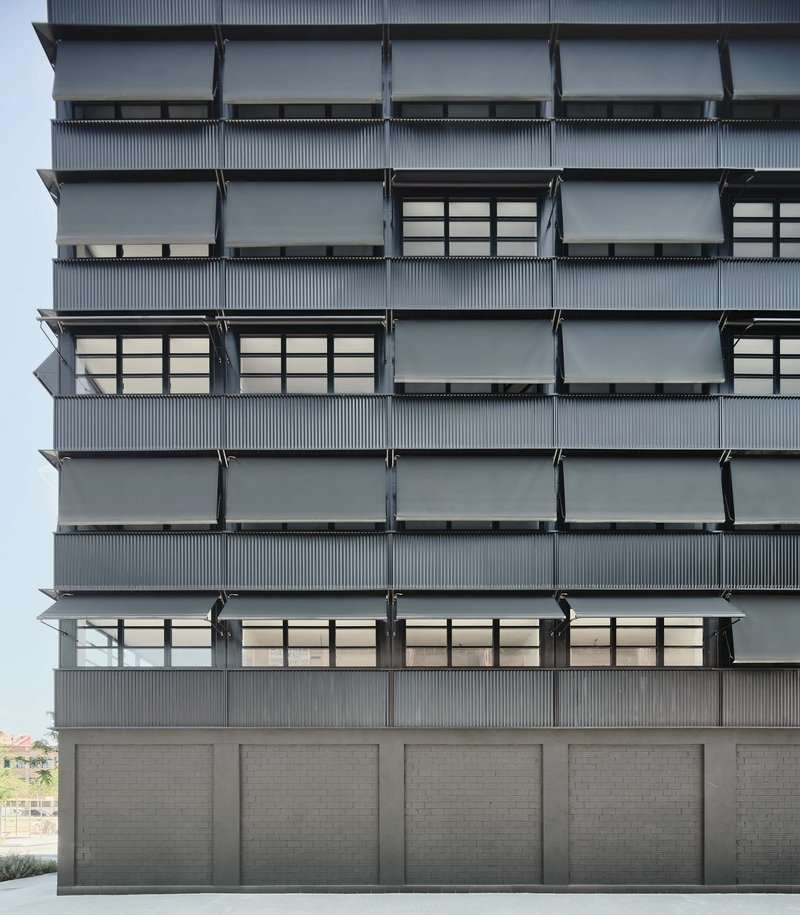
A total of 104 prefabricated 3D modules form the residential units, creating a rational and adaptable structure supported by concrete columns and lightweight reinforced slabs. This approach minimizes material use and allows flexibility for future reconfiguration or repurposing of spaces.
The prefabrication process also ensures superior quality control, as modules are tested and waterproofed in the factory before transport. The lightweight design minimizes foundation depth, reduces energy demand during construction, and enhances worker safety.
Sustainability and Energy Efficiency
The building achieves A-grade energy certification, reflecting a strong commitment to sustainability. Both passive and active strategies have been integrated to reduce energy demand and promote environmental responsibility.
Key features include:
- Bioclimatic design for optimized thermal comfort.
- Aerothermal systems for heating and cooling.
- Photovoltaic solar panels for renewable energy generation.
- LED lighting and efficient water systems to minimize consumption.
The entire project aims for nearly zero non-renewable energy consumption, aligning with Spain’s broader sustainability goals.
A New Era for Industrialized Social Housing
Completed in just 13 months, the 45 Industrialized Social Housing Units stand as a benchmark in prefabricated construction. The project demonstrates how design innovation, social inclusivity, and sustainability can coexist within public housing frameworks.
By merging industrial precision with human-centered design, Vivas Arquitectos has created more than just a residential complex — it’s a flexible, scalable, and sustainable model for the future of urban housing in Europe and beyond.
All the photographs are works of José Hevia




Popular Articles
Popular articles from the community

Three Architects Stitch a Social Center into a Crumbling Galician Hamlet
In Muimenta, Spain, timber and plywood volumes graft onto granite ruins to anchor a rural revitalization effort.
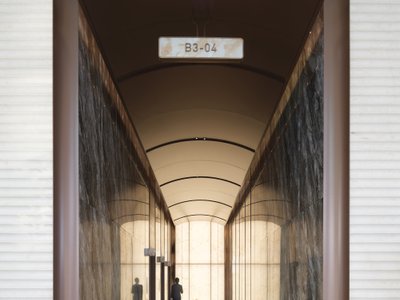
Guangzhou's Twin Towers Interiors Move Like Water
DuShe Architectural Design shapes the lobbies of a massive Guangzhou transit hub with undulating ceilings and deep geological materiality.
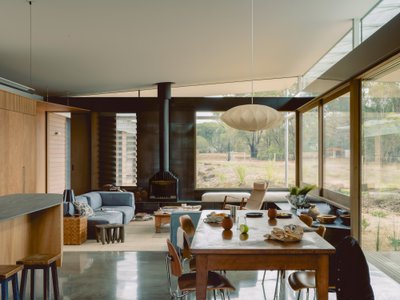
Not All Architecture Grounds a Timber Retreat in Victoria's Coastal Bushland
Ironbark House stretches low beneath eucalyptus canopy, threading a quiet domestic life between courtyard, deck, and landscape.
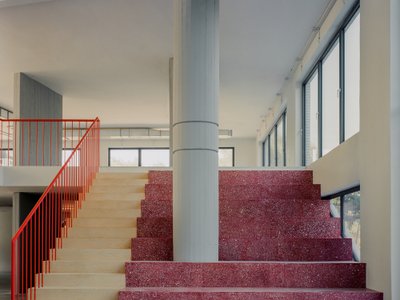
Art 1 Office Strips Athens Back to Its Bones
Neiheiser Argyros transforms a 40-year-old Athens office building into a vivid, materially rich workplace anchored by red steel, exposed concrete, and roof


Similar Reads
You might also enjoy these articles

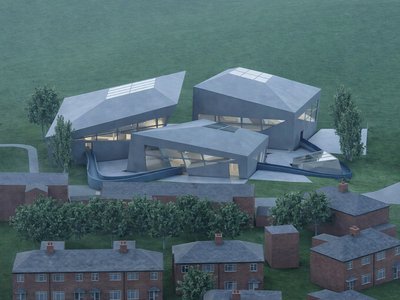
Filtering Space: A Gradual Spatial Experience
From urban intensity to spatial calm.


The Ken Roberts Memorial Delineation Competition (Krob)
As the most senior architectural drawing competition currently in operation anywhere in the world, it draws hundreds of entries each year, awarding the very best submissions in a series of medium-based categories.

Waterfront Redevelopment and Urban Revitalization in Mumbai: Forging a New Dawn for Darukhana
A transformative waterfront redevelopment project reimagining Darukhana’s shipbreaking heritage into an inclusive urban future.

OUT-OF-MAP: A Call for Postcards on Feminist Narratives of Public Space
Rhizoma Design and Research Lab invites artists, designers, architects, researchers, and students to reflect on how feminist perspectives can reshape public space. Selected works will be exhibited in Barcelona, October 2026. Submissions open until 15 April 2026.


Explore Architecture Competitions
Discover active competitions in this discipline




The International Standard for Design Portfolios


The Global Benchmark for Architecture Dissertation Awards


The Global Benchmark for Graduation Excellence


Challenge to reimagine the Iron Throne
Comments (0)
Please login or sign up to add comments
No comments yet. Be the first to comment!