
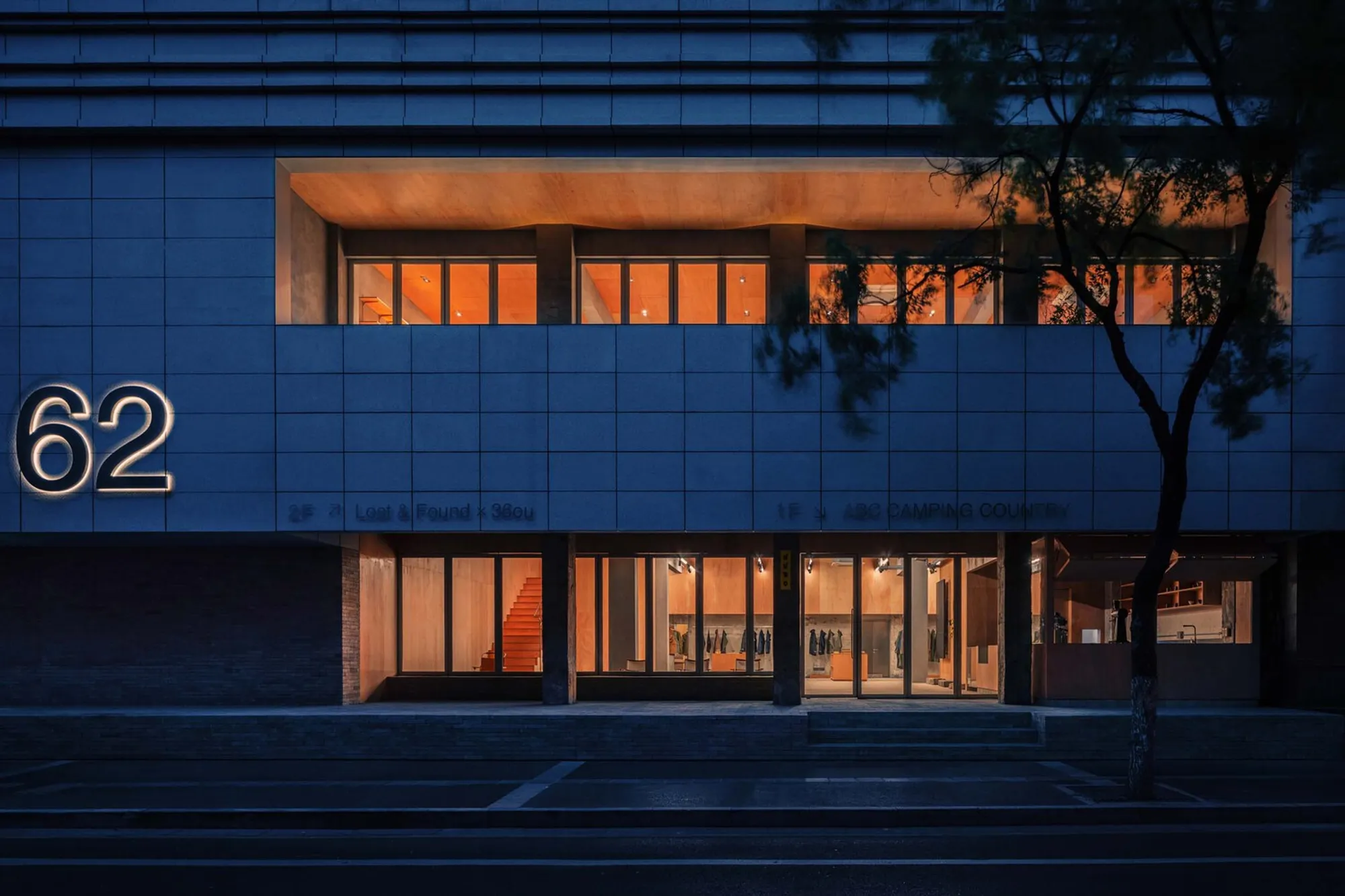
62 Beiting Lane Store by MOU Architecture Studio – A Modern Retail Landmark in Nanjing
62 Beiting Lane Store by MOU Architecture Studio transforms Nanjing retail with transparent interiors, atriums, flexible layouts, and street-engaging, community-focused design.


This 600 m² project in Nanjing, completed in 2022 by MOU Architecture Studio, blends refined materiality with contemporary spatial clarity. Captured by photographer Ang Wu, the design integrates products from leading manufacturers, creating a cohesive architectural environment defined by precision, modern craftsmanship, and a thoughtful response to its urban context.
Project Overview: Revitalizing Nanjing’s Streetscape
In 2022, MOU Architecture Studio was commissioned to design a unique retail experience in Nanjing’s historic Fine Arts Building at 62 Beiting Lane. The project spans two floors and 600 m², accommodating three lifestyle brands: the ground floor hosts ABC CAMPING COUNTRY, an outdoor lifestyle shop, while the first floor features Lost&Found x 36ou, combining furniture, apparel, and lifestyle products.
Located at the intersection of Yangtze River Road and Beiting Lane, the site sits in a district steeped in history. This location has witnessed Nanjing’s evolution from the Six Dynasties to the Republic of China era, giving the street a rich and textured urban character. MOU Architecture Studio sought to capture this historical pulse while creating a modern, inviting space that engages both the street and local community.
Contextual Design: Integrating Street and Shop
The narrow north-south street features a one-way road, cycling lanes, and pedestrian walkways, forming a compact, lively urban alley. Across the street lies the National Art Museum, designed by pioneering Chinese architect Yang Tingbao. The proximity to such a historic landmark inspired a sensitive approach to the street-shop relationship.
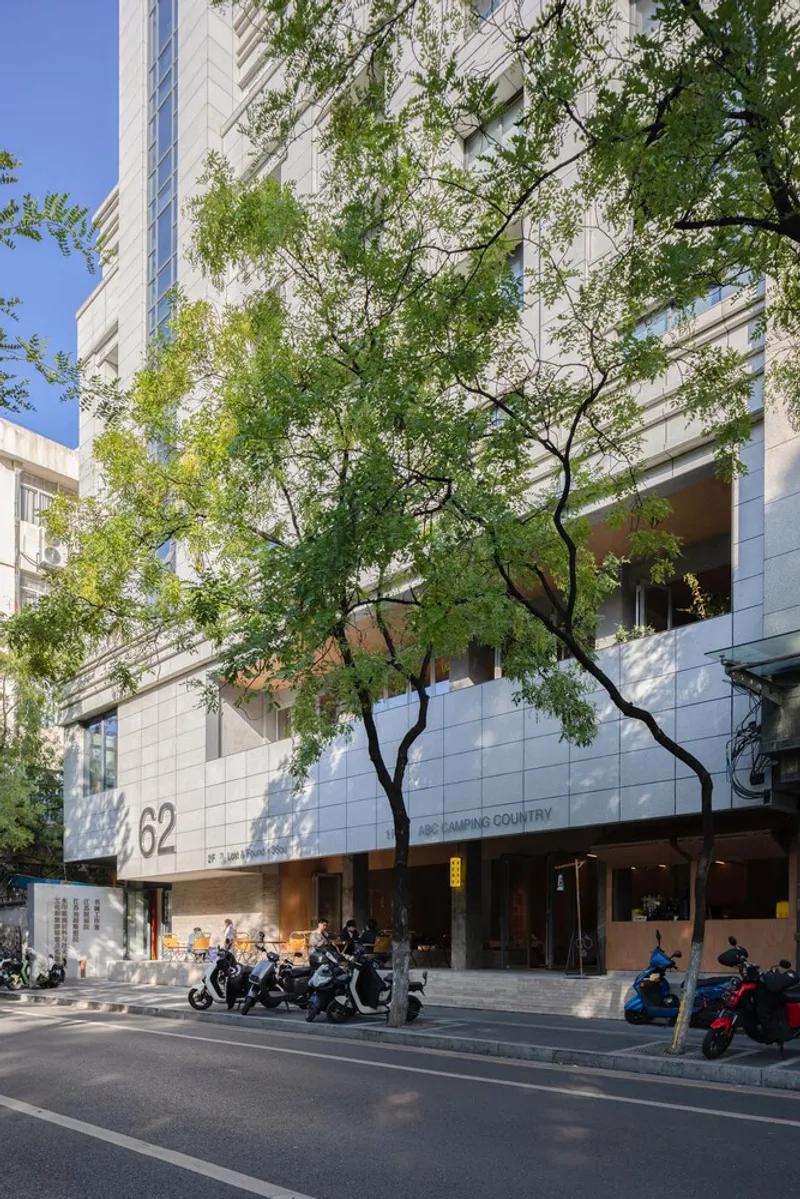
To address challenges like limited pedestrian space and exposure to weather, MOU Architecture Studio reimagined the shop façade rather than extending externally. By setting back the two floors inward and creating a gable open to the street, the store respects the building’s traditional sloped roof while providing shelter and a welcoming public space.
Interior Design: A Harmonious Urban Living Room
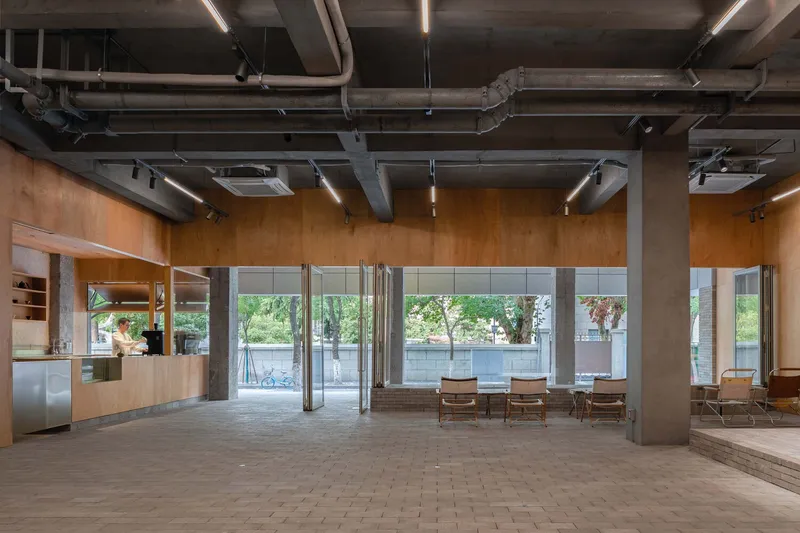
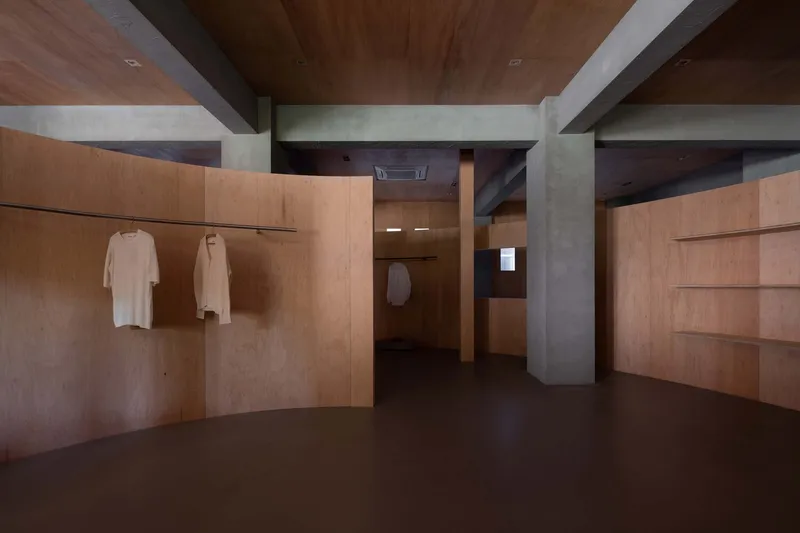
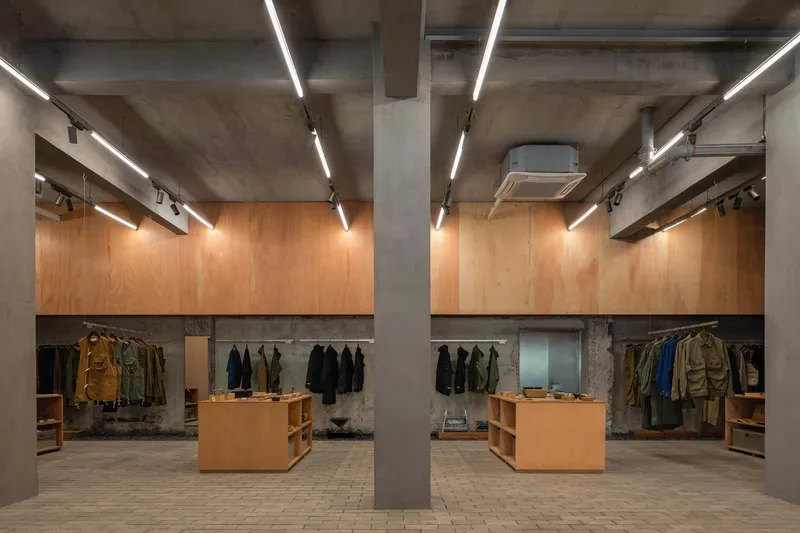
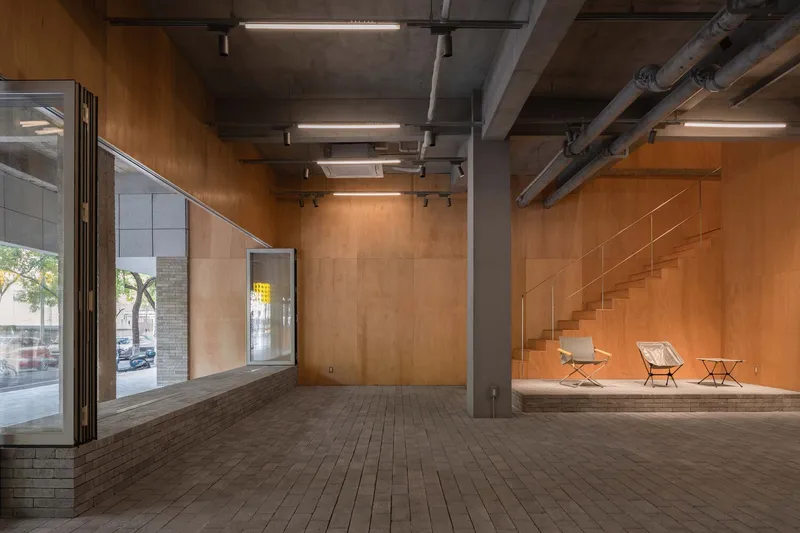
Originally, the ground floor was divided by a central staircase, creating obscured rear areas. The design team relocated the staircase to the far left, using minimal volume to enhance visibility and create a fluid “urban living room”. This design encourages interaction between passersby and the shop, while flexible wall-mounted displays allow the store to adapt to changing retail needs.
Folding glass doors connect the interior with the street, creating transparency and inviting both residents and visitors into the store. The design prioritizes community engagement, allowing for natural interaction and leisure while maintaining the flow of urban life.
Functional and Visual Innovation: Kiosks and Façade Design
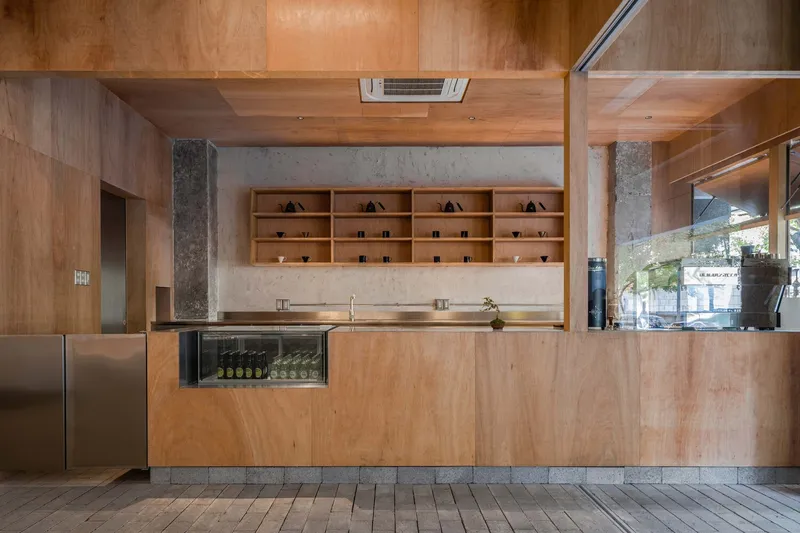
To connect street-level activity with retail operations, MOU Architecture Studio incorporated a coffee kiosk between two structural pillars. The kiosk aligns with the street’s pedestrian level, fostering equality and interaction between shop staff and customers.
The façade is intentionally subdued, with a height of 2.6 meters, creating a cozy refuge that harmonizes with the National Art Museum opposite. Low-intervention materials and design strategies ensure the shop complements rather than overwhelms its historic surroundings.
First Floor: Atriums, Circulation, and Retail Integration
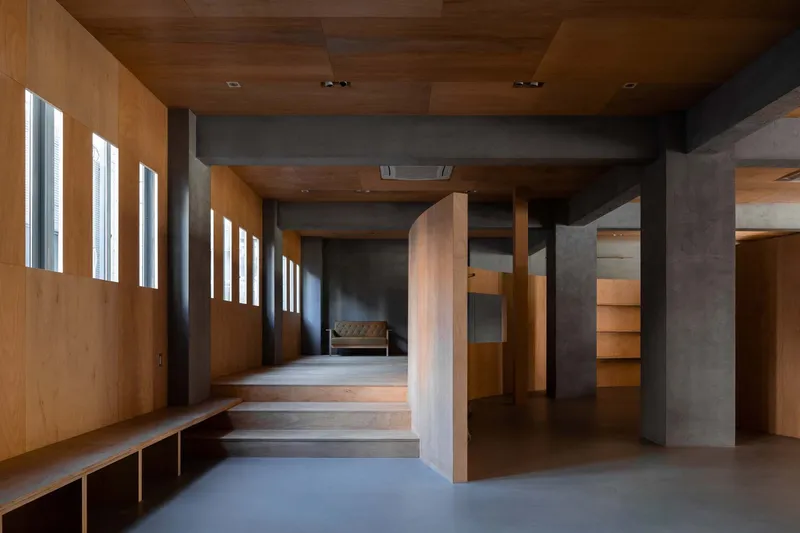
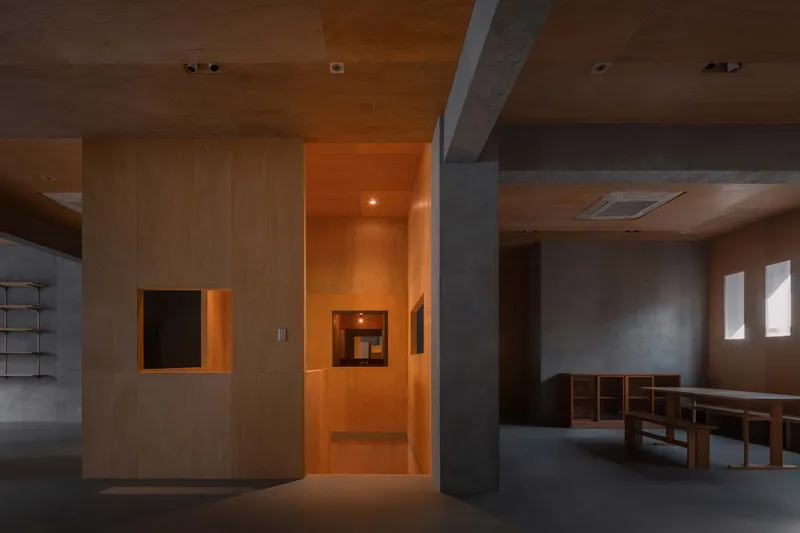
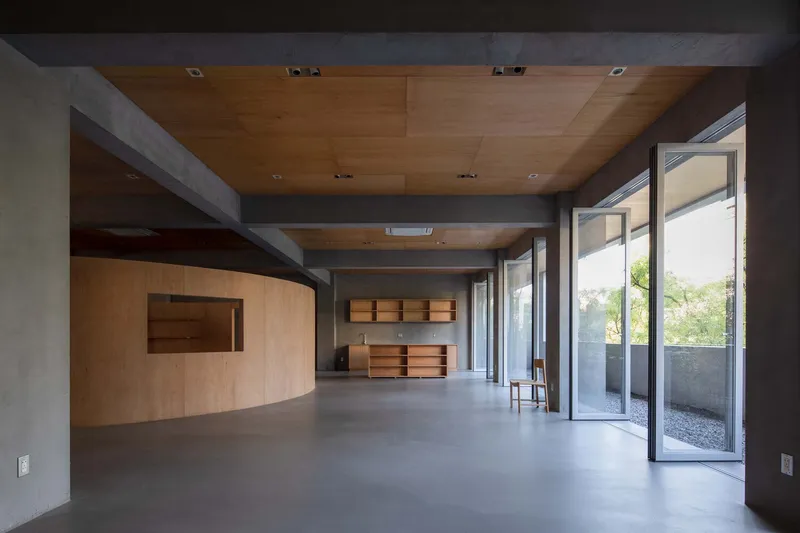
The first floor integrates furniture, apparel, and lifestyle products across a flexible, exploratory layout. Central to this design are two atriums:
- A square atrium, acting as a courtyard that anchors the space.
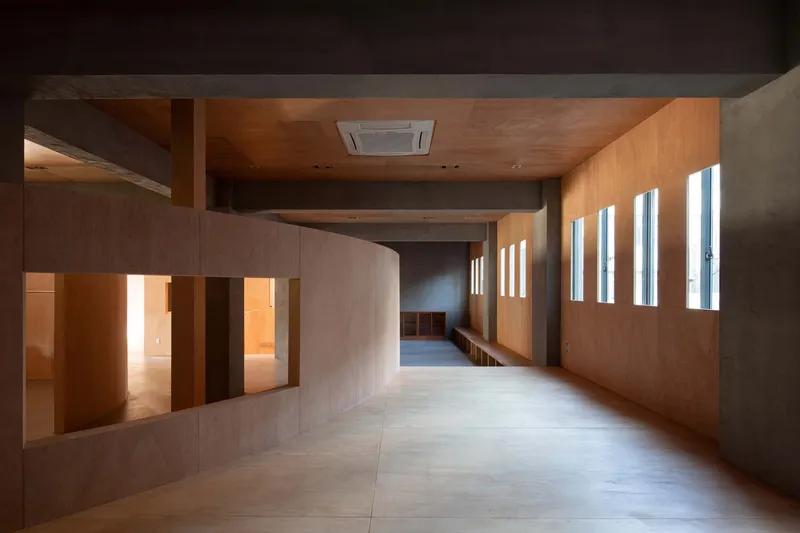
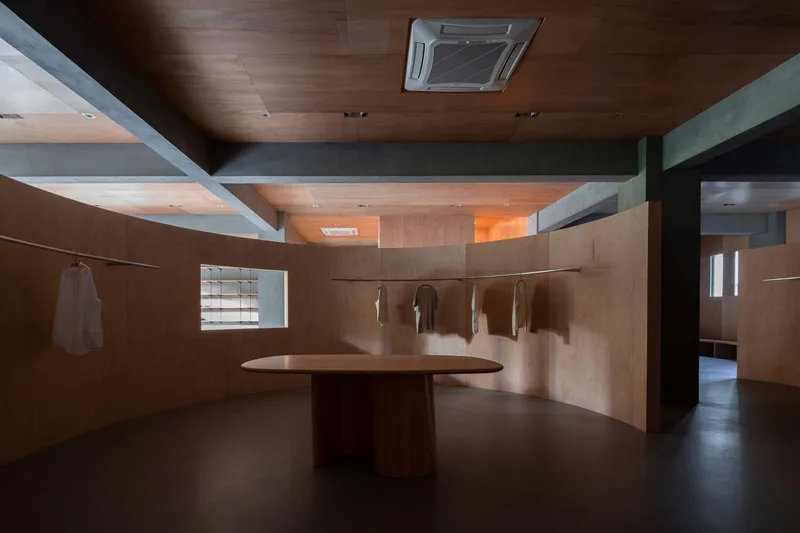
- A curved atrium, shaped like a "6", introducing dynamic pathways and visual intrigue.
The atriums create multiple circulation paths—straight, narrow, wide, and curved—encouraging exploration and interaction with different products and home settings. Furniture displays from Lost&Found feature living, dining, and bedroom setups, while 36ou’s apparel integrates seamlessly, offering a vivid, holistic lifestyle experience.
Raised terrace sections and rhythmically varied steps add physical and psychological engagement, allowing customers to navigate the space intuitively while enjoying views of the city and natural light.
Detailing: Windows, Views, and Natural Light
East and west-facing windows were strategically modified to maximize daylight and obscure less appealing views. The incorporation of Jade and Exquisite Study rose windows adds subtle layering and depth, creating visual sequences that enrich the visitor’s experience. A gable setback connects the interior with the street, reinforcing an open, inclusive, and playful environment.
The overall design encourages exploration, interaction, and lifestyle immersion, making the 62 Beiting Lane Store more than just a retail space—it becomes a community hub and cultural extension of Nanjing’s historical streetscape.
All photographs are works of Ang Wu



Popular Articles
Popular articles from the community


Conexión: Biophilic Design Reimagines High-Rise Living in Hong Kong
Conexión reimagines high-rise living in Hong Kong through biophilic design, green facades, shared spaces, daylight, water and nature within.

The Earth Pod: 3D Printed Homes for Resilient Refugee Communities
The Earth Pod reimagines refugee housing through 3D printed homes made from clay, combining resilience, self-sufficiency, and rapid shelter.

Hill & Cross Opera: Sculptural Opera House Architecture Shaped by Tallinn’s Landscape and Identity
Hill & Cross Opera reimagines opera house architecture in Tallinn through its sculptural hill, civic plaza, glass wave and a luminous cross.

EW PARK: Sustainable Architecture Reimagines the Future of Urban Parking
EW PARK reimagines city parking as a modular wooden tower combining automation, solar energy, electric mobility, and adaptable urban design.


Similar Reads
You might also enjoy these articles


Hodi-Mandai Geram
Project Function: Preservation and revitalization of the Intangible heritage and socio-spatial identity of the Hodi by Housing, Cultural Memory Center, Sacred Grove, landscape, local tourism economy


Olio Towers: A Mid-Rise for Performers That Fuses Housing, Rehearsal, and Stage
Located blocks from Houston's Theater District, this modular tower stacks living units around a central performance atrium.

Oasis: Modular Green Housing Carved into Dhaka's Urban Fabric
A shortlisted Plugin Housing entry reclaims unauthorized settlements in Dhaka with stepped concrete volumes, green roofs, and ventilation-driven design.

Black Hole: A Floating Megastructure for the Post-Physical Era
Emiliano Mazzarotto envisions a spherical, self-scaling arena where e-sports, digital hotels, and holographic stadiums replace traditional public space.

Explore Interior Design Competitions
Discover active competitions in this discipline


Challenge to design luxury tourism on rails


Challenge to reimagine the Iron Throne


Photograph architecture without architects


VR headsets Storefront design competition
Comments (0)
Please login or sign up to add comments
No comments yet. Be the first to comment!