

8 de Maio Square Mansards Renovation by Tisem: Historic Preservation Meets Modern Comfort
The 8 de Maio Square Mansards renovation blends historic preservation with modern comfort, featuring mansard roof restoration, natural wood interiors, and luminous apartments.


Situated atop the iconic 8 de Maio Square in the historic heart of Figueira da Foz, the 8 de Maio Square Mansards project represents a meticulous rehabilitation of a 19th-century building with significant patrimonial value. With commanding views over the river and the square, this three-story building with an attic and symmetrical elevations presented both challenges and opportunities for Tisem architects, who embraced the restoration with a careful balance of tradition and modern living standards.
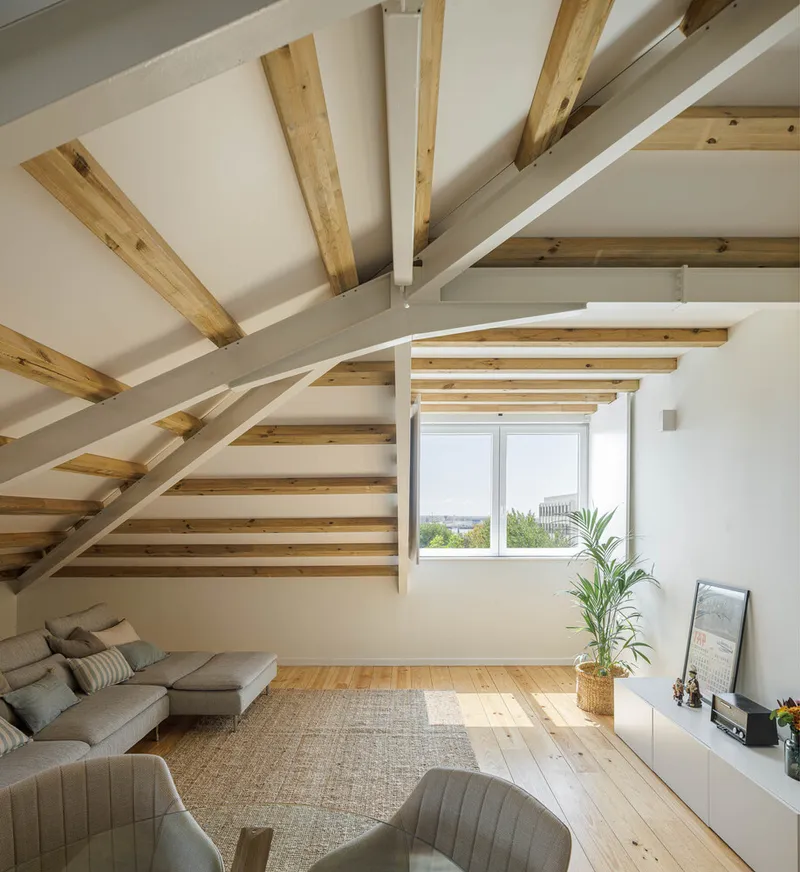
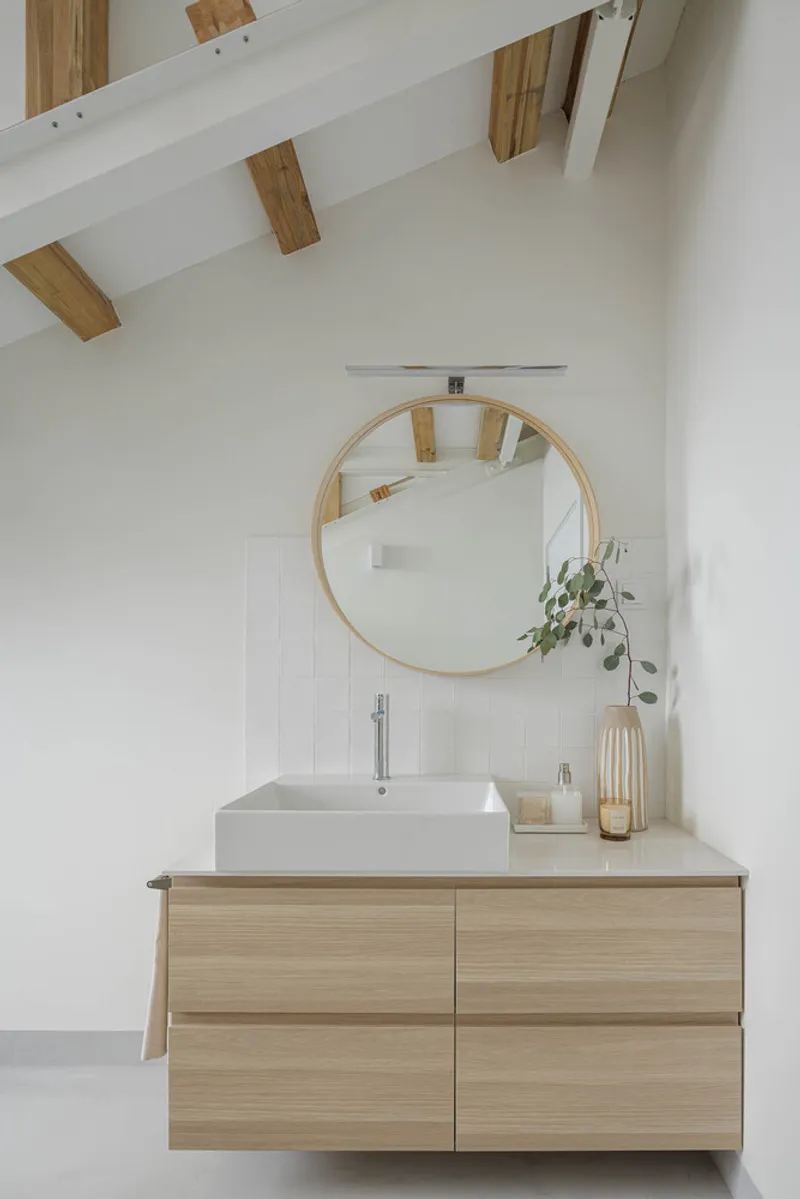
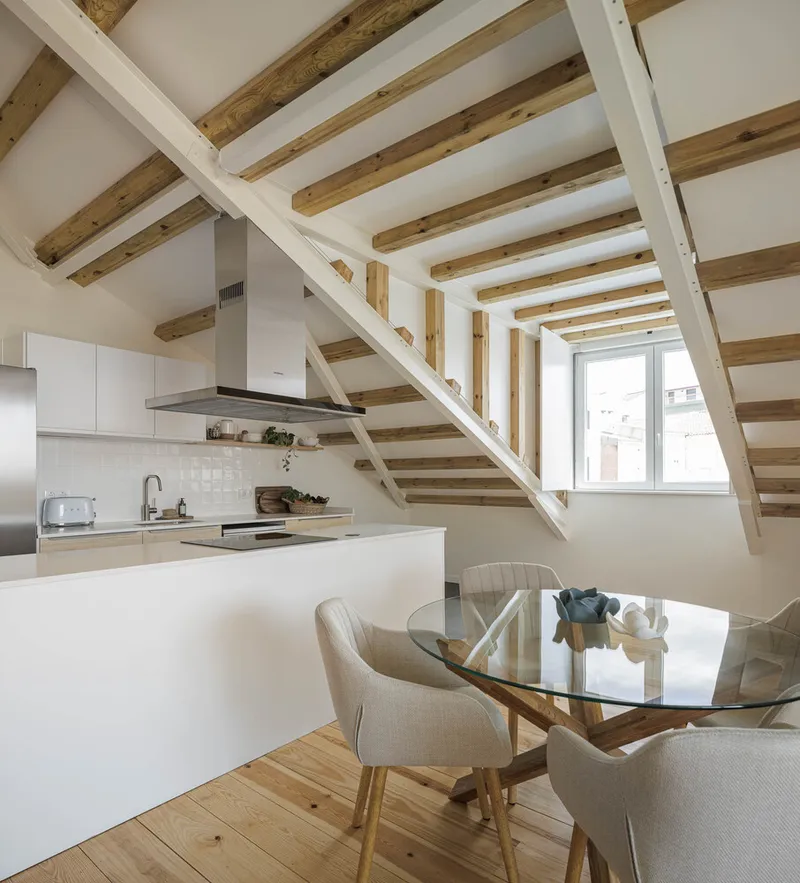
The existing mansard roof exhibited structural pathologies, providing a unique opportunity to rethink the attic’s layout. The project focused on preserving and enhancing the architectural character while improving structural safety, comfort, and energy performance. By optimizing the usable space on the top floor, the renovation also ensured financial viability while creating a harmonious dialogue between old and new.
Design Strategy and Architectural Interventions
Tisem’s design strategy centered on several key objectives:
- Maximizing views of the square and river for all living spaces.
- Rebuilding the roof with three Marseille-tiled slopes and a hidden gutter, replicating the original aesthetic while improving structural integrity.
- Reinforcing the existing wooden structure of the top floor to increase longevity.
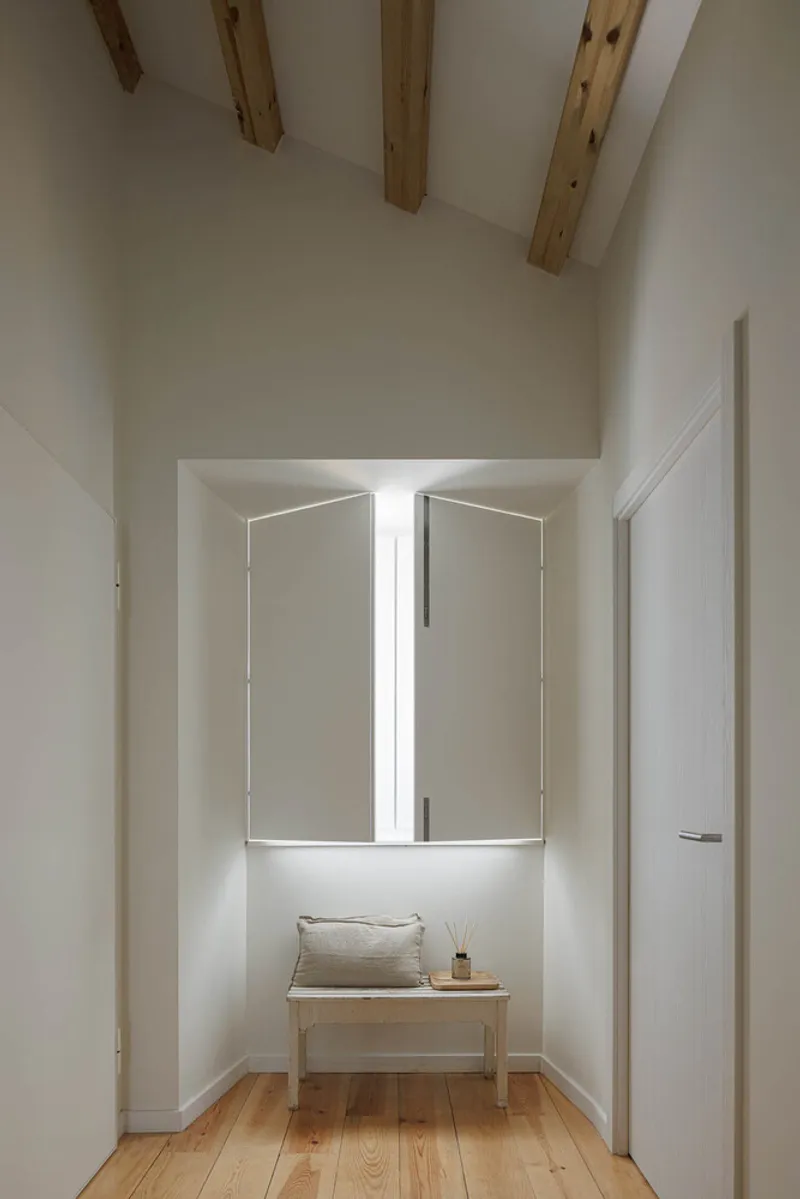
- Integrating natural light and ventilation through zinc-coated mansard windows aligned with the lower-floor openings.
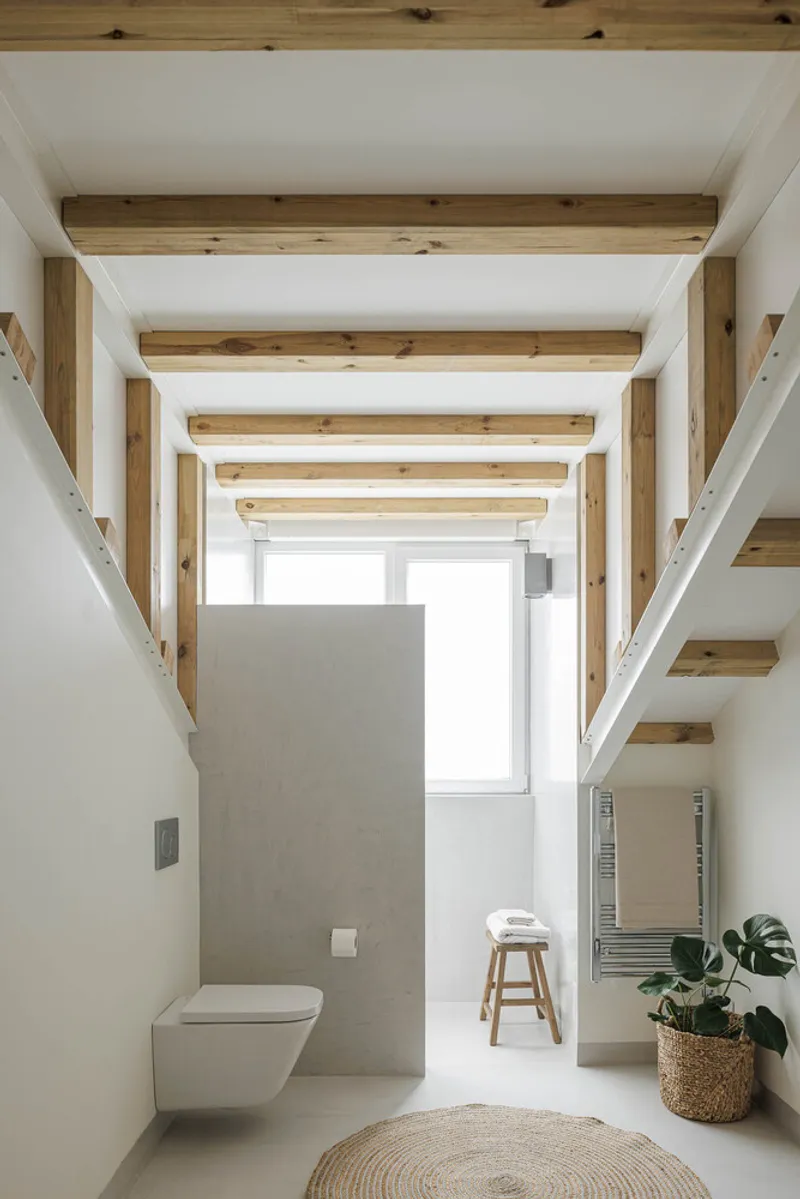
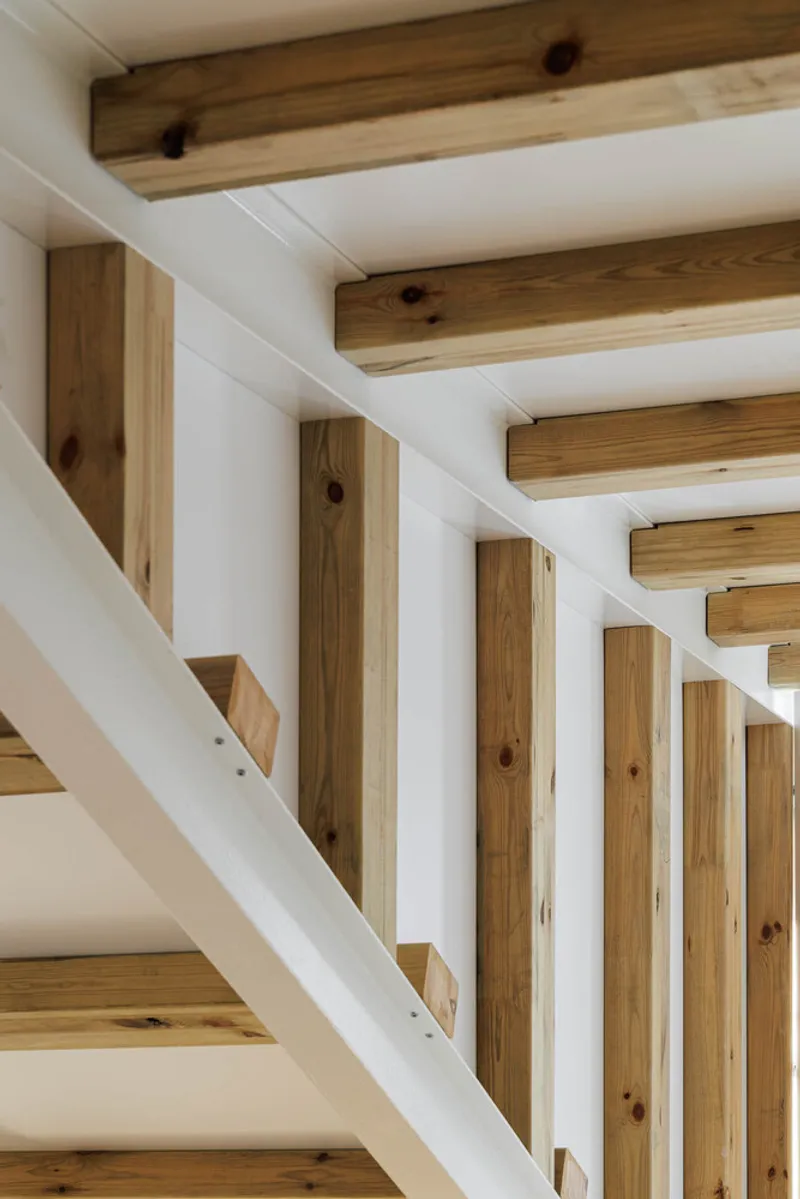
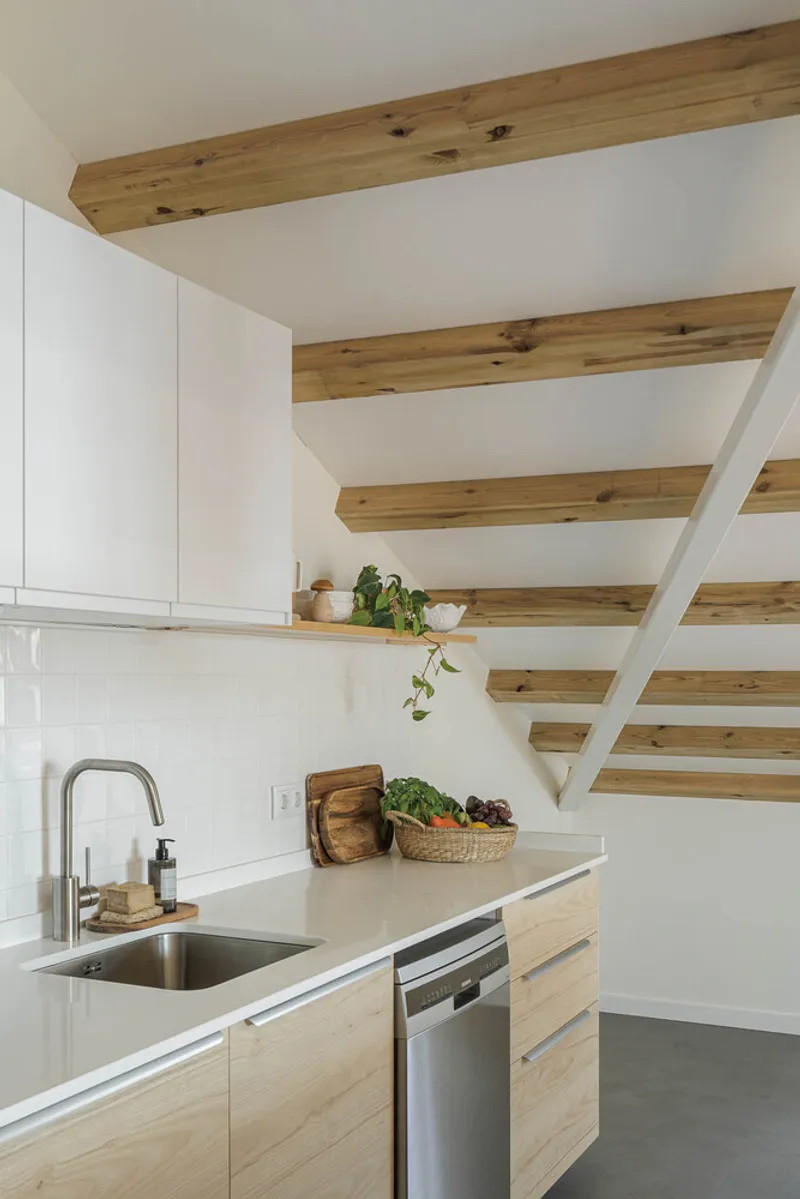
- Highlighting structural rhythm as an interior design feature, emphasizing the geometry and materiality of the new roof structure.
- Enhancing spatial height and comfort, ensuring all rooms are functional and luminous.
Layout and Apartment Configuration
The renovated attic now hosts two modern apartments designed for optimal functionality and comfort:
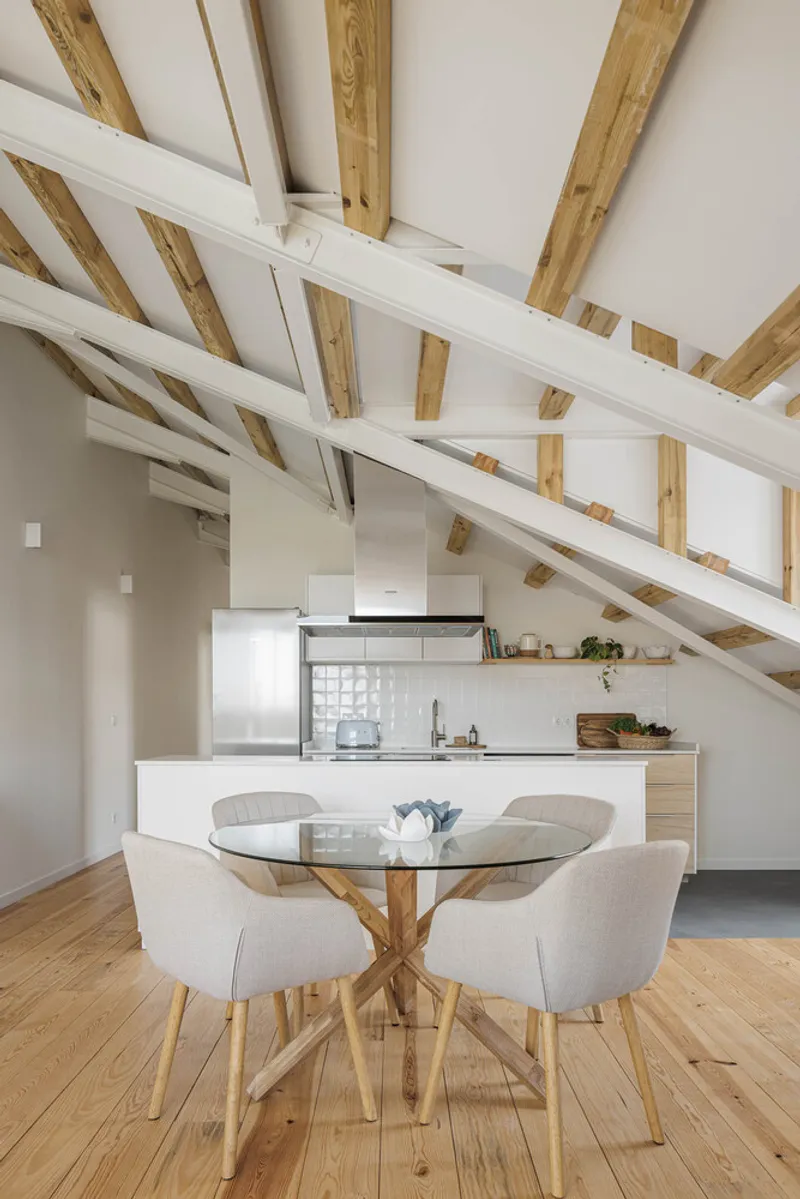
- Two-Room Apartment: Open-plan living and kitchen area, one bedroom, a bathroom, and technical/storage space.
- Three-Room Apartment: Similar layout with an additional bedroom and extended living area, featuring a kitchen island.
Both apartments have living rooms oriented southward, capturing views of the square and river, while other rooms face east and west to ensure natural light throughout.
Interior Design and Materials
The interiors celebrate simplicity, light, and warmth. Key features include:
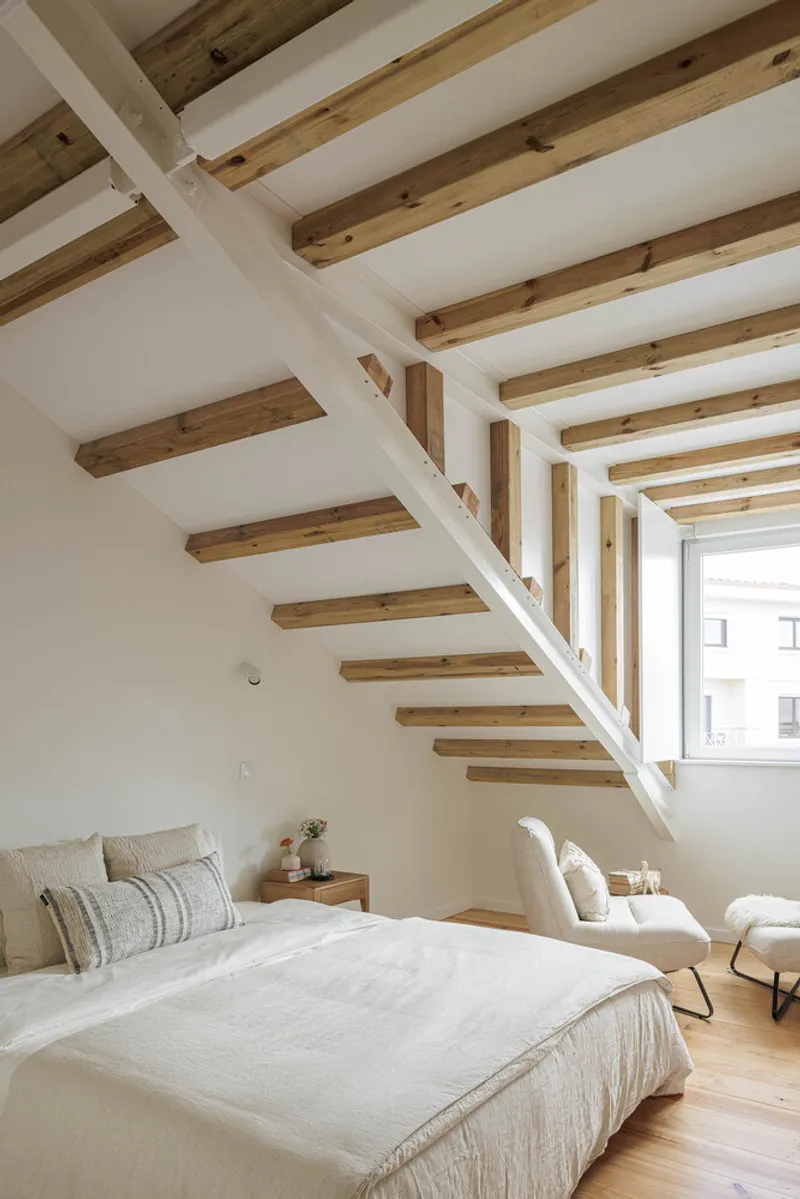
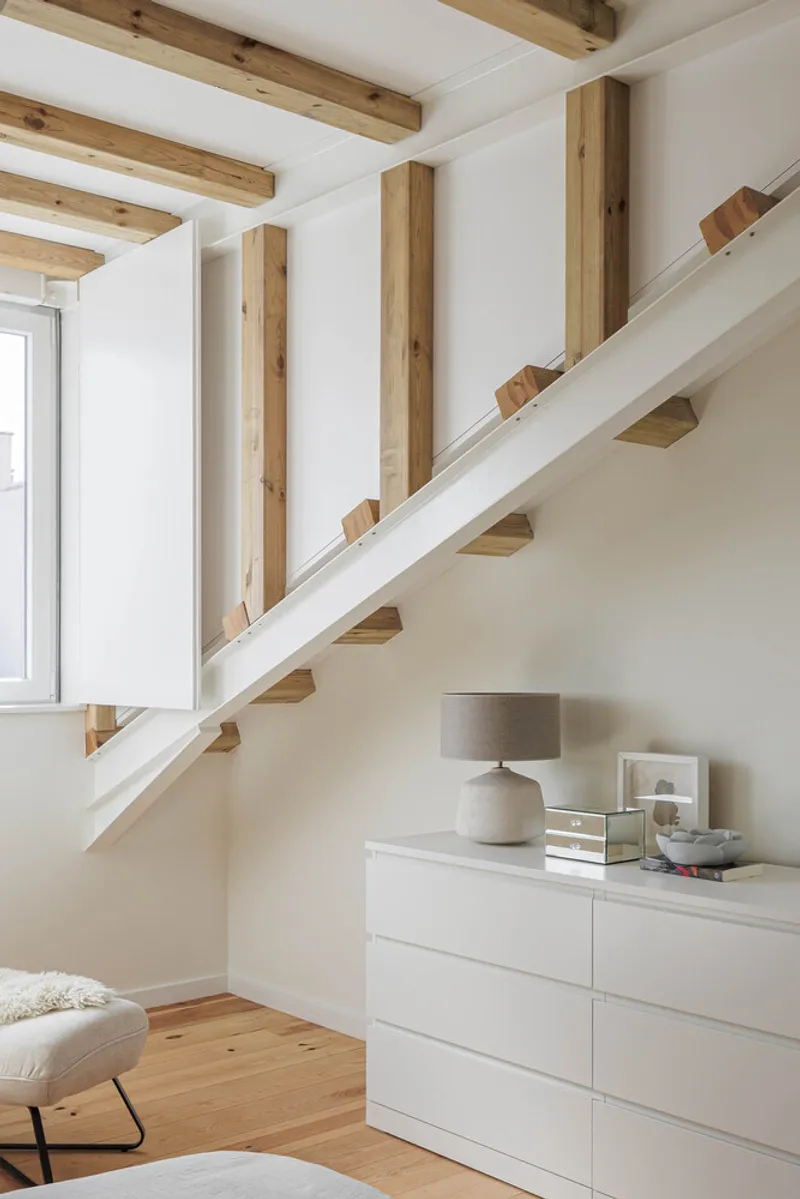
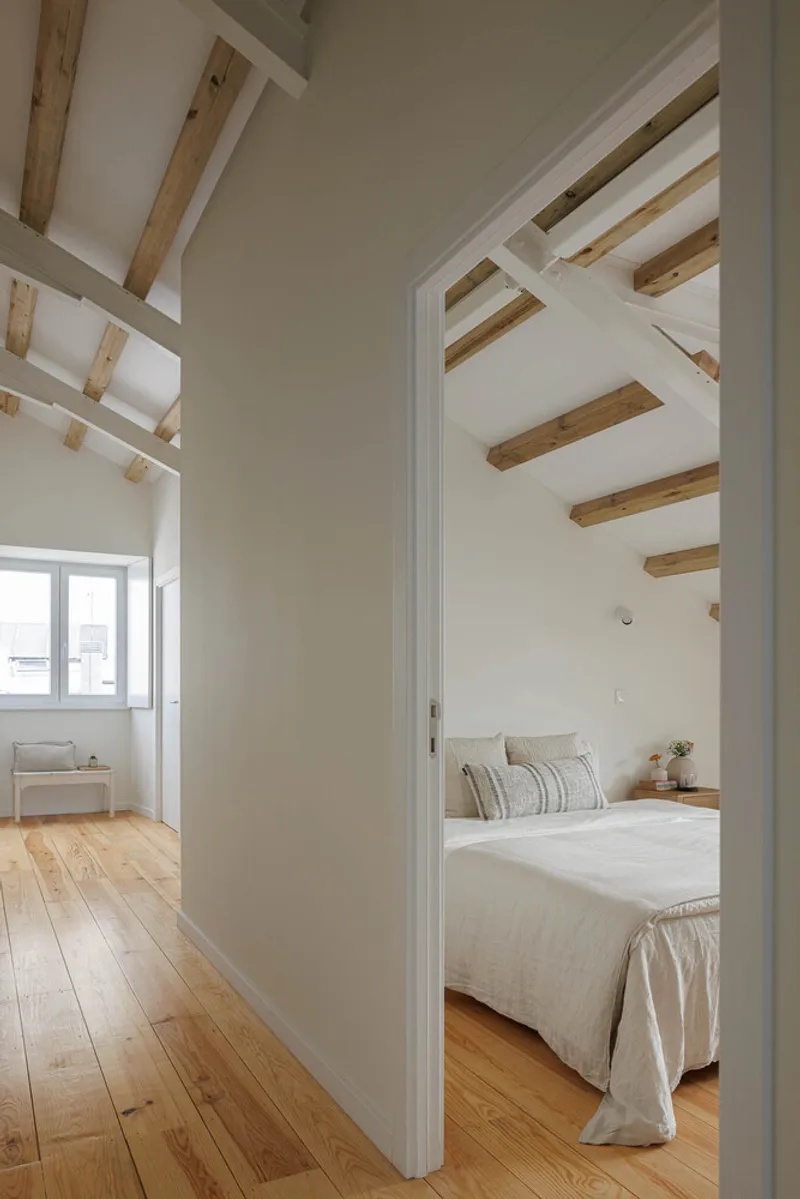
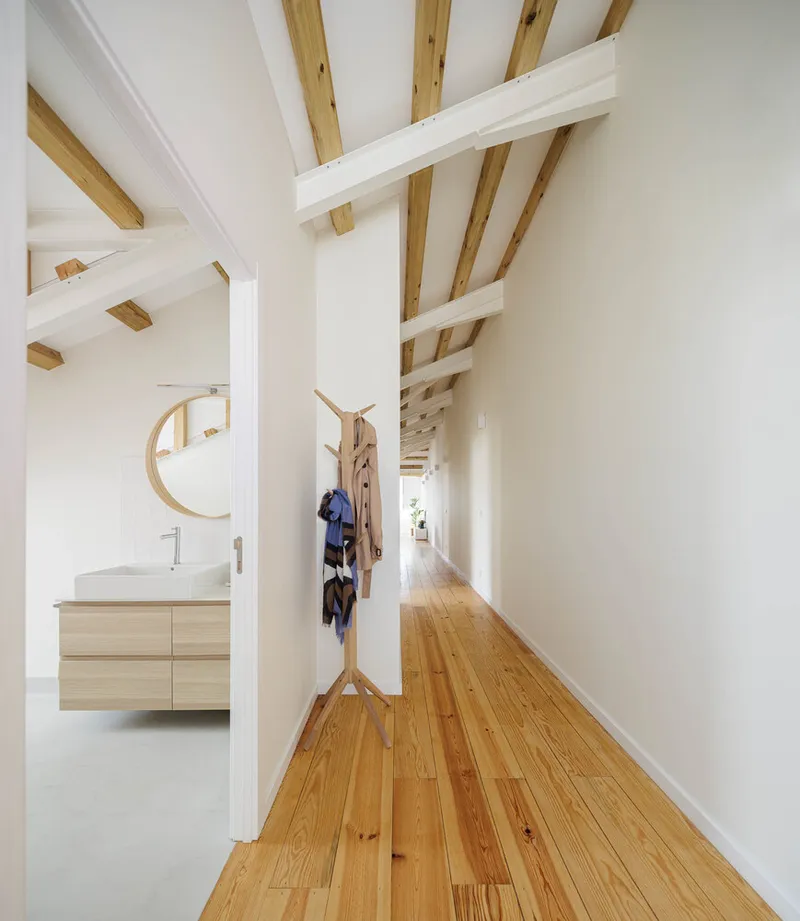
- White interior finishes that enhance natural light and spatial clarity.
- Natural wood textures on floors and ceilings, providing warmth and continuity.
- Exposed structural grids from the roof, creating a rhythmic and harmonious spatial experience.
Tisem’s approach embraces a modern interpretation of historic preservation, where interventions respect the building’s legacy while reflecting contemporary design principles. The architecture remains unpretentious yet refined, ensuring that each intervention continues the story of the building without imitating the past.
Architectural Significance
The 8 de Maio Square Mansards project demonstrates how sensitive restoration can simultaneously:
- Preserve cultural heritage.
- Enhance habitable quality and safety.
- Introduce modern amenities and energy efficiency.
- Maintain visual and material continuity between old and new.




Popular Articles
Popular articles from the community


Co-Life: Senior Housing Design That Reconnects Older Adults With the City
Co-Life reimagines senior housing design through healing gardens, shared streets, workshops, and a sustainable community across generations.

Hill & Cross Opera: Sculptural Opera House Architecture Shaped by Tallinn’s Landscape and Identity
Hill & Cross Opera reimagines opera house architecture in Tallinn through its sculptural hill, civic plaza, glass wave and a luminous cross.

AL-JANNAH: Sustainable Architecture and Permaculture for Afghan Widows
AL-JANNAH uses sustainable architecture and permaculture to create resilient oasis of housing, learning, work and renewal for Afghan widows.

Co-life: Sustainable Architecture for Age-Friendly Community Living
Co-life reimagines sustainable architecture for seniors through courtyards, rammed earth, shared gardens, and spaces designed for belonging.


Similar Reads
You might also enjoy these articles


Hodi-Mandai Geram
Project Function: Preservation and revitalization of the Intangible heritage and socio-spatial identity of the Hodi by Housing, Cultural Memory Center, Sacred Grove, landscape, local tourism economy


Olio Towers: A Mid-Rise for Performers That Fuses Housing, Rehearsal, and Stage
Located blocks from Houston's Theater District, this modular tower stacks living units around a central performance atrium.

Oasis: Modular Green Housing Carved into Dhaka's Urban Fabric
A shortlisted Plugin Housing entry reclaims unauthorized settlements in Dhaka with stepped concrete volumes, green roofs, and ventilation-driven design.

Black Hole: A Floating Megastructure for the Post-Physical Era
Emiliano Mazzarotto envisions a spherical, self-scaling arena where e-sports, digital hotels, and holographic stadiums replace traditional public space.


Explore Historic Preservation Competitions
Discover active competitions in this discipline



Challenge to reimagine the Iron Throne


Photograph architecture without architects


Illustrate the lost glory of Angkor Wat - Render Challenge


Design challenge to reuse E-waste
Comments (0)
Please login or sign up to add comments
No comments yet. Be the first to comment!