
80 Charlotte Street: A Sustainable Architectural Landmark by Make Architects
This article explores 80 Charlotte Street, a sustainable architectural project by Make Architects blending offices, housing, and public spaces.


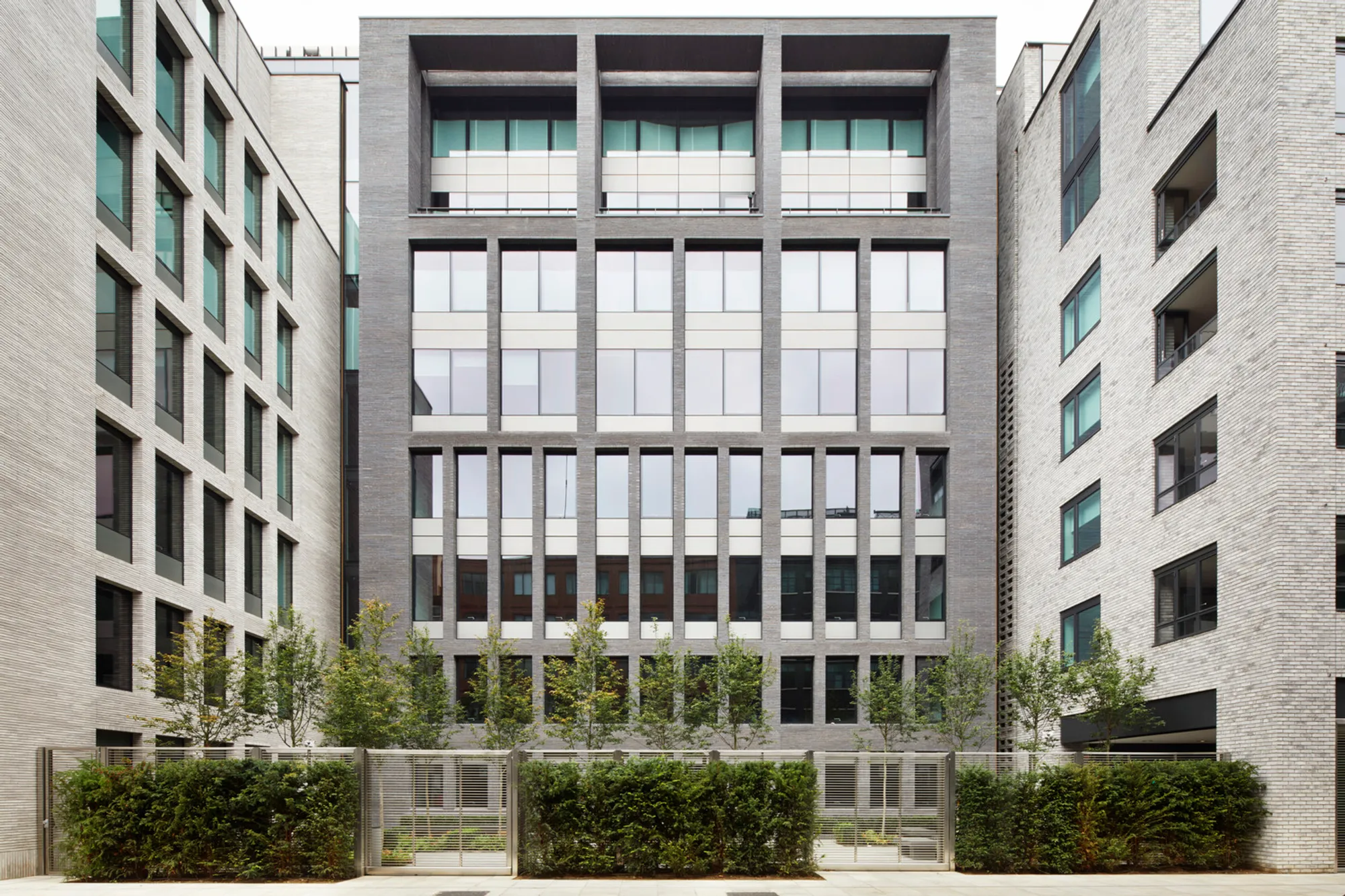
80 Charlotte Street by Make Architects is a transformative architectural project that exemplifies sustainable urban design in the heart of London. Completed in 2021, the building represents Derwent London's largest project to date and redefines mixed-use architecture by combining commercial, residential, and public spaces in an environmentally conscious design.

Project Overview
Location and Scale
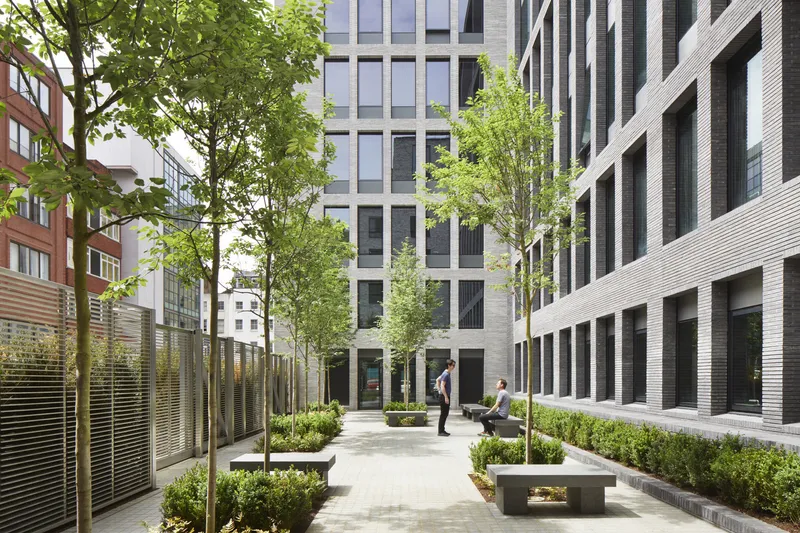
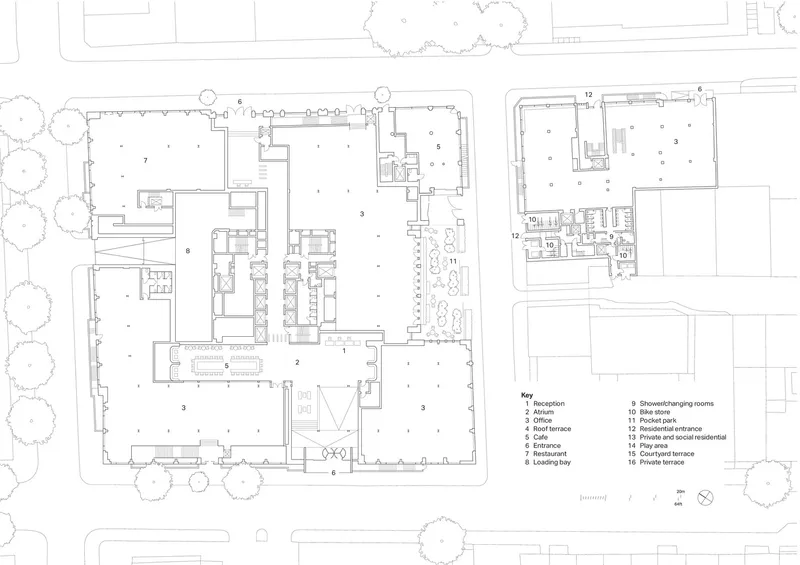
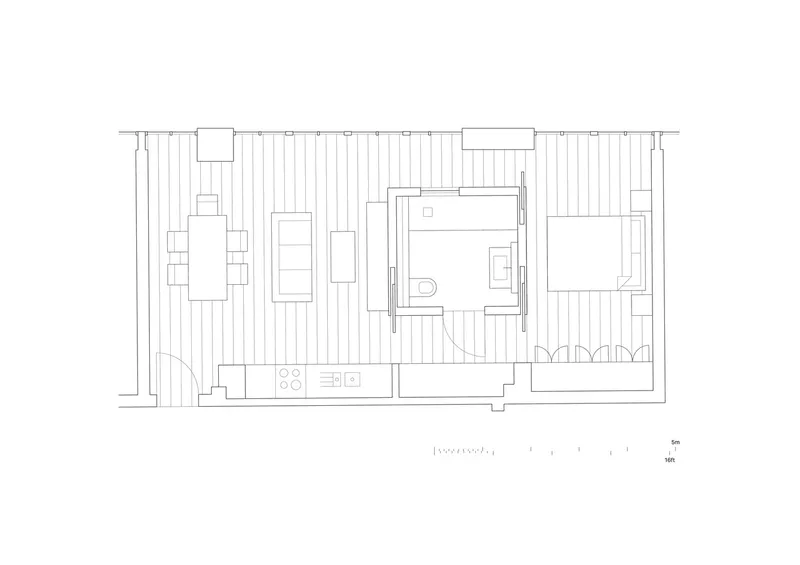
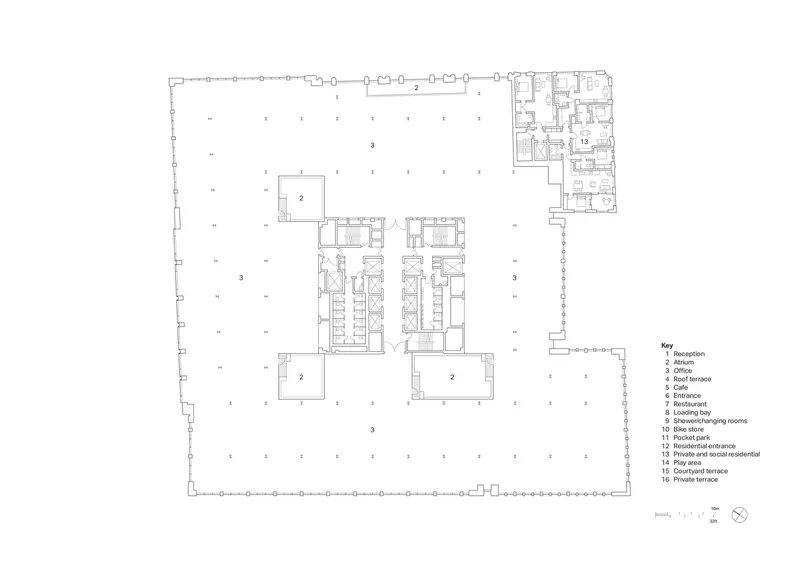
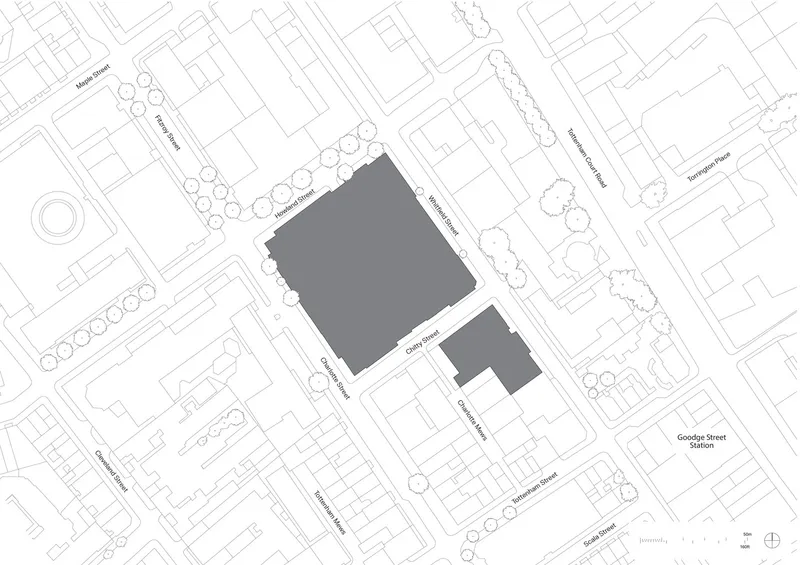
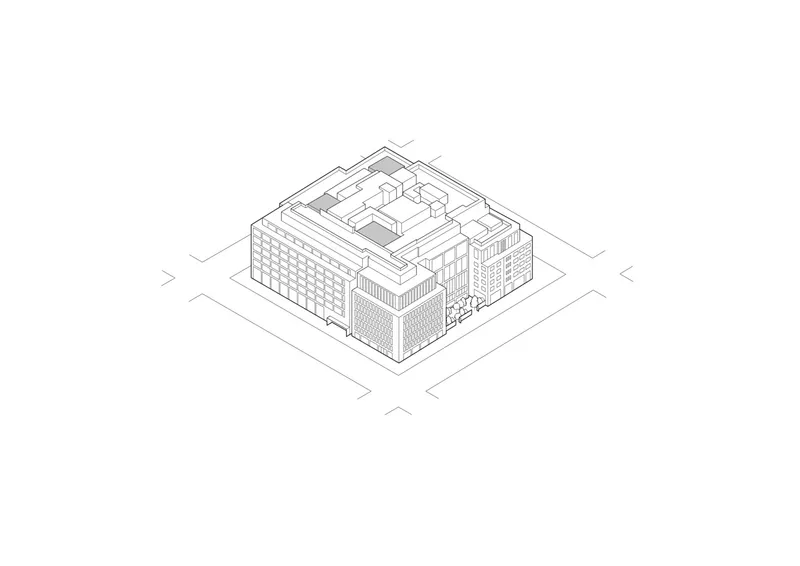
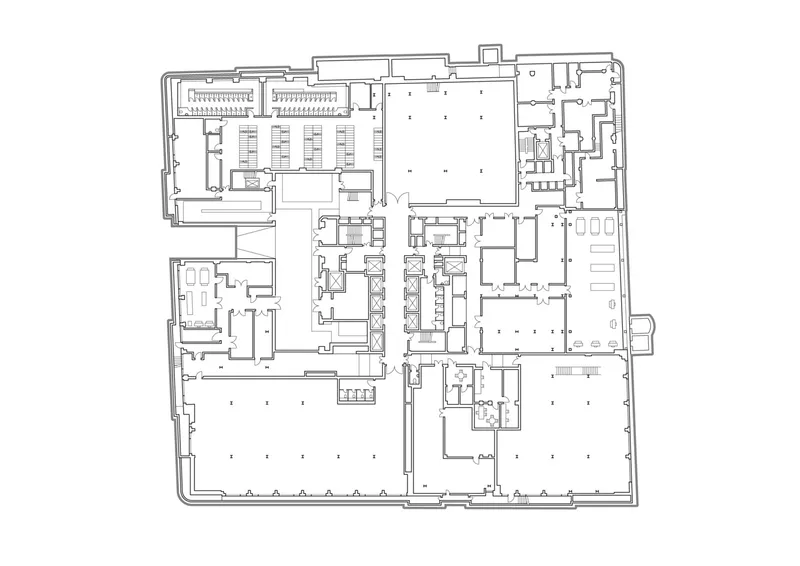
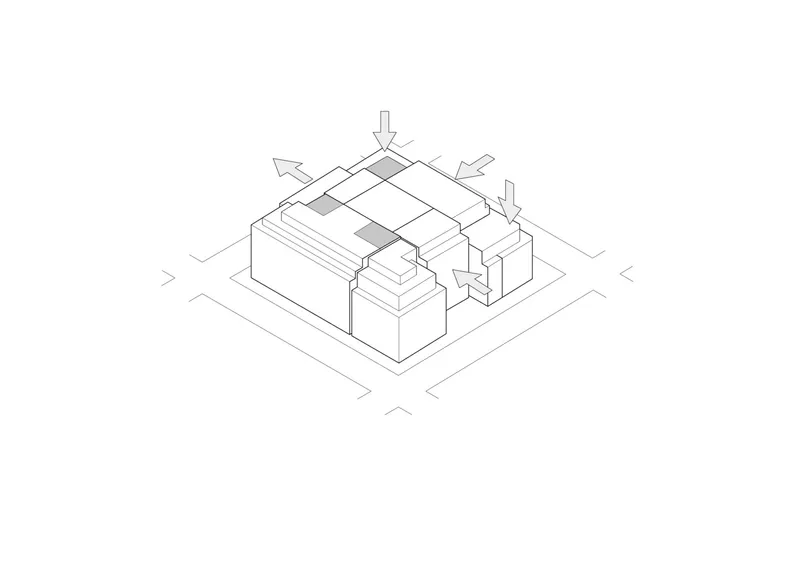
Situated in Fitzrovia, London, the building spans 366,000 square meters, featuring office space, private apartments, social housing, and public gardens. The project's scale and mixed-use composition make it a unique addition to London's architectural landscape.

Design Philosophy
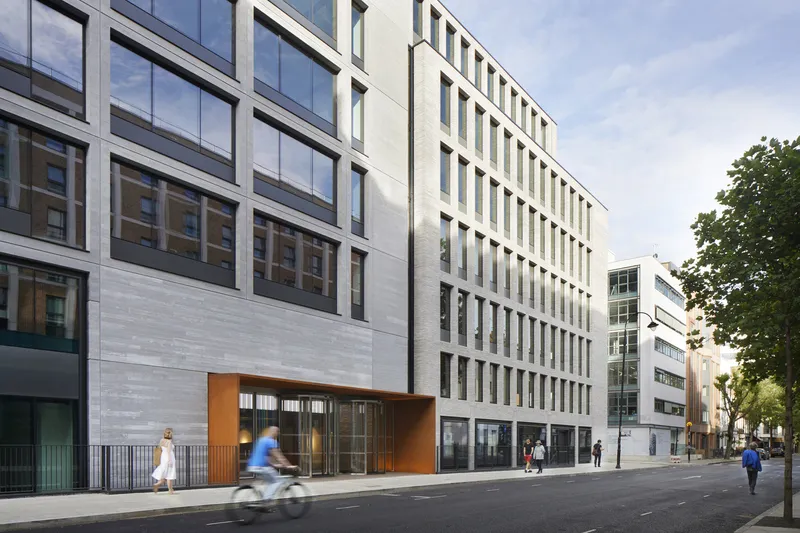
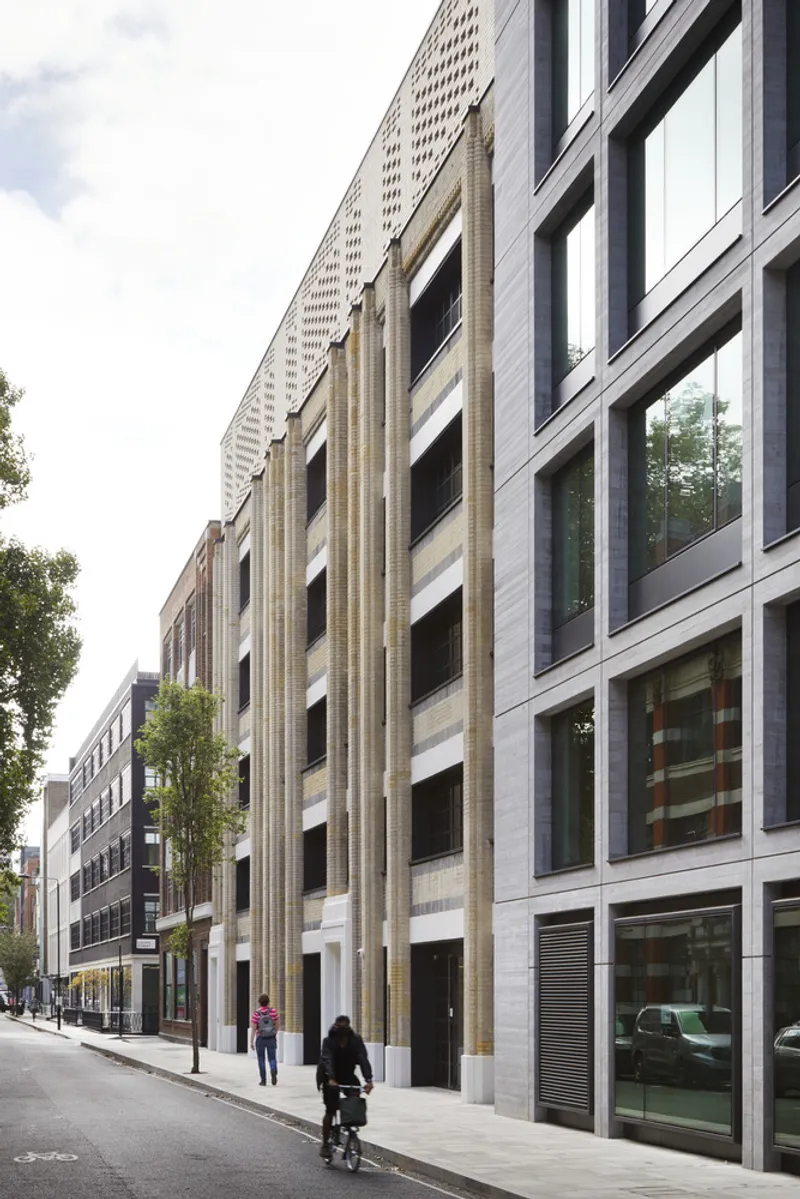
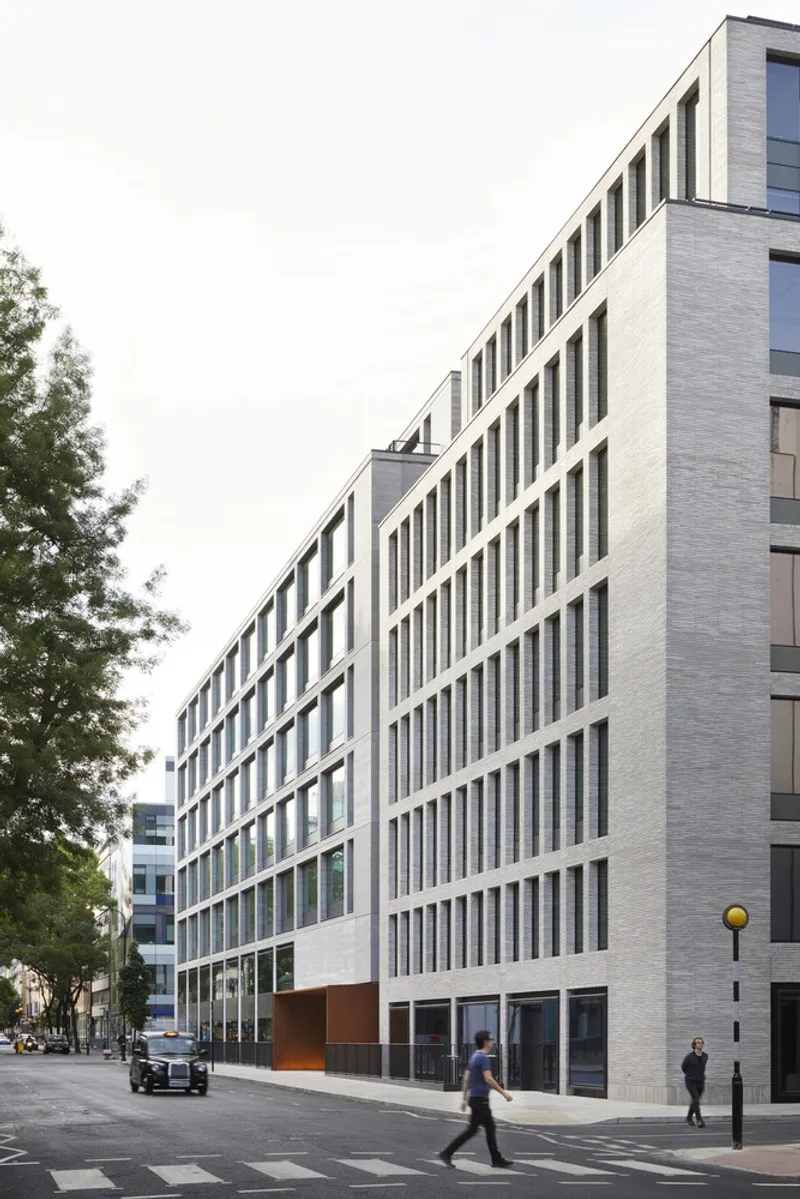
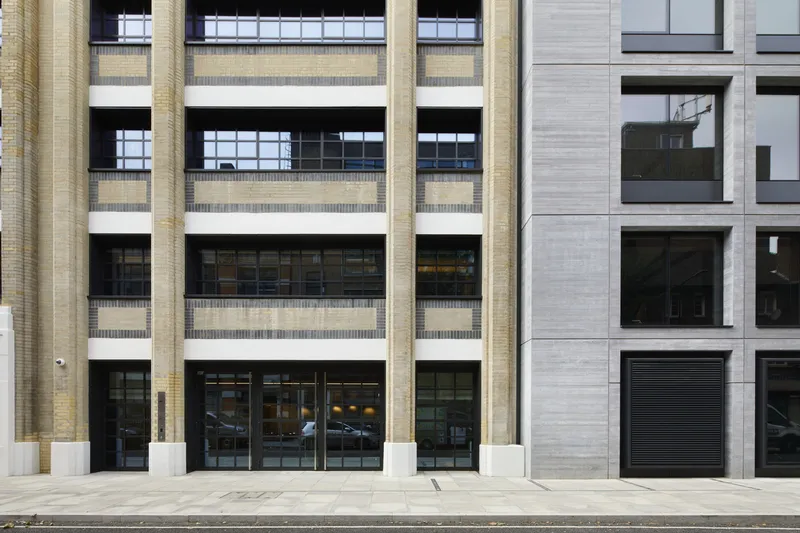
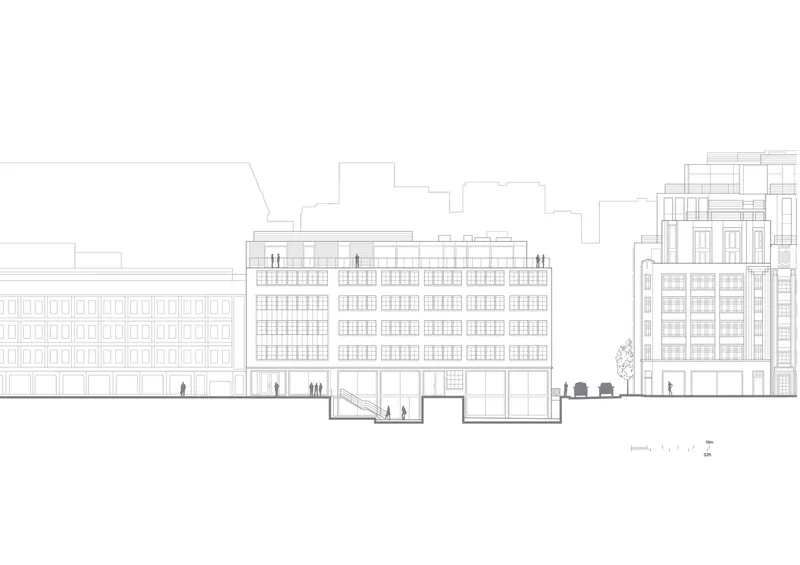
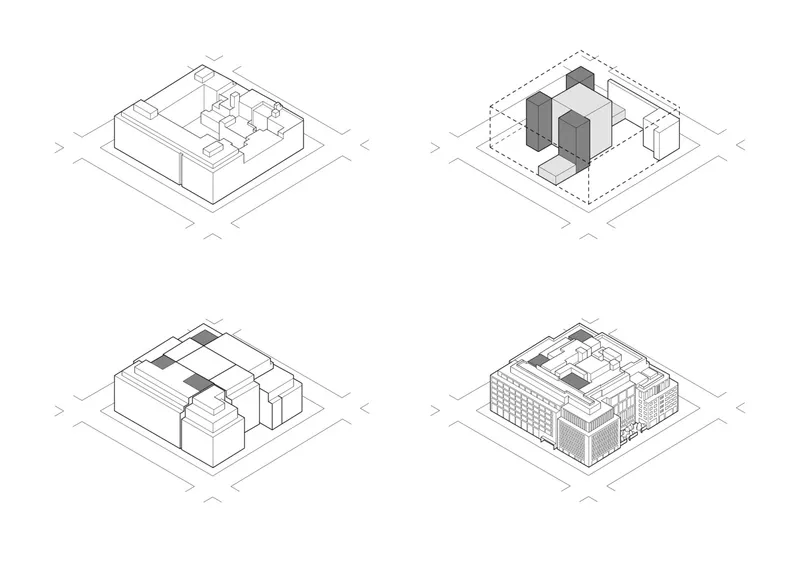
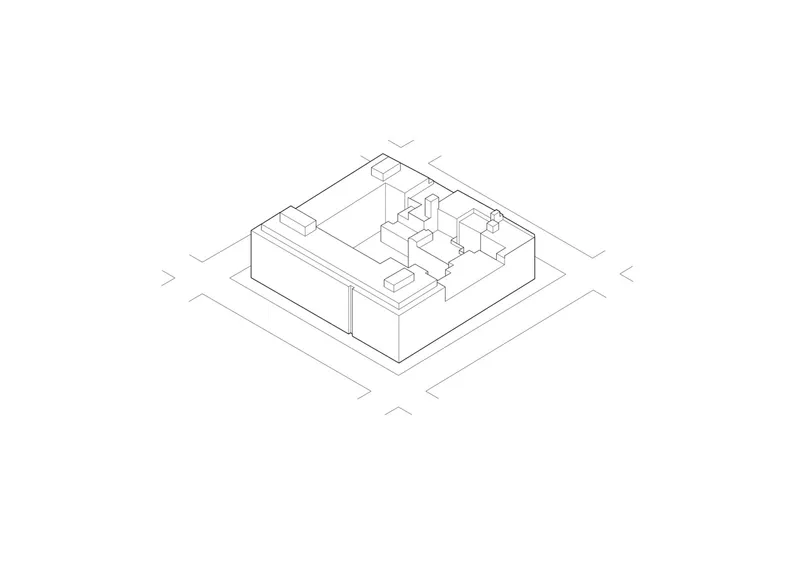
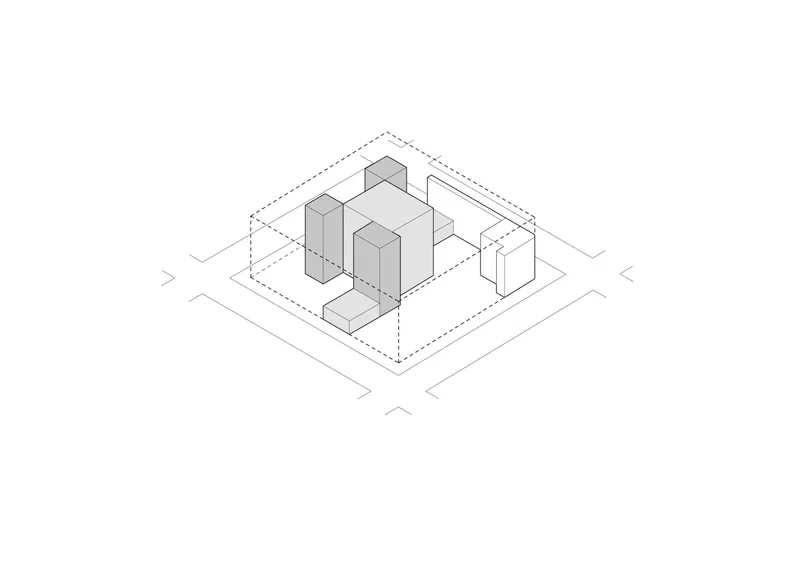
Make Architects' design reimagines the former post office headquarters, retaining elements of the existing structure while integrating new-build features. The architecture merges old and new materials to honor Fitzrovia's historic character and establishes a strong connection to the local community.

Sustainable Features and Innovation
Renewable Energy and All-Electric Systems
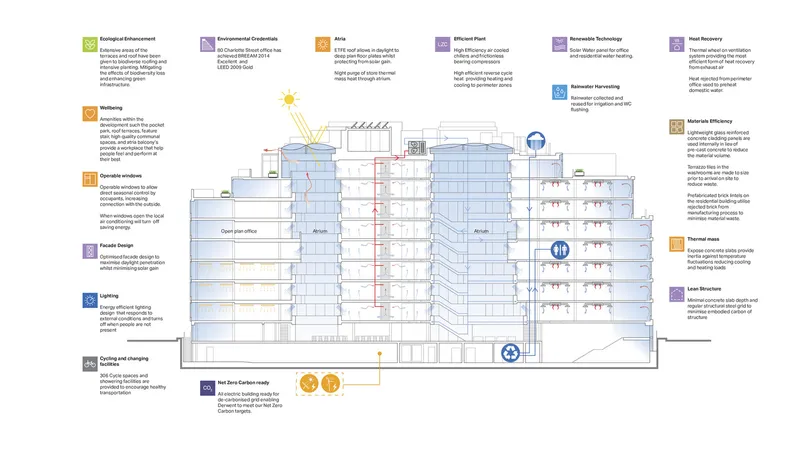
In alignment with London's green goals, 80 Charlotte Street is designed as an all-electric building. This fossil fuel-free approach incorporates renewable electricity, aiming for a future-ready energy system that adapts to London's evolving energy infrastructure.
Natural Ventilation and Atrium Design
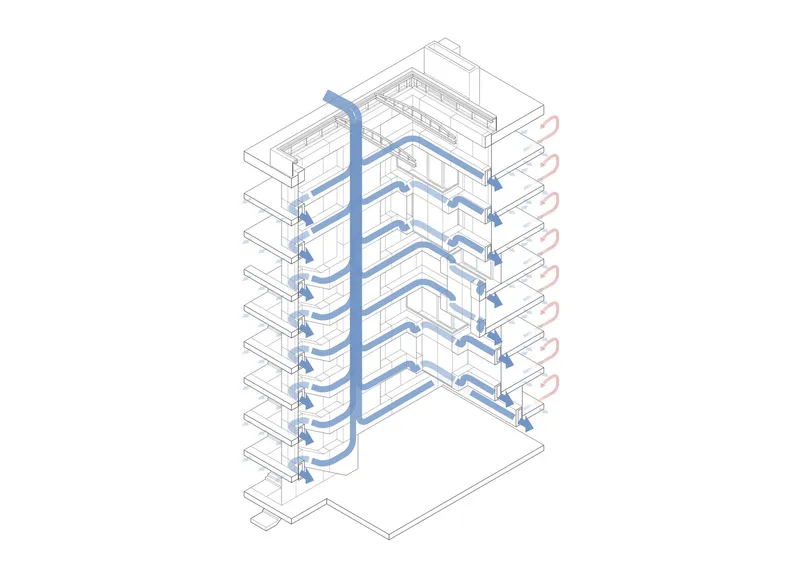
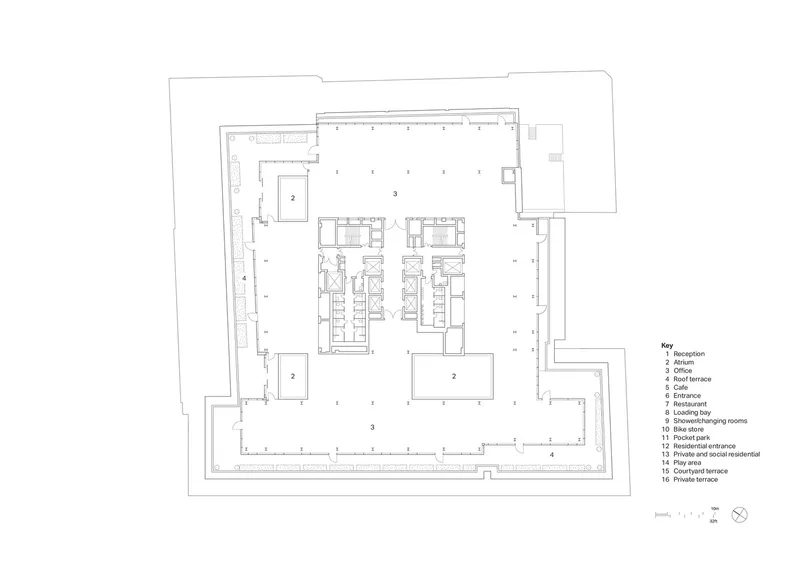
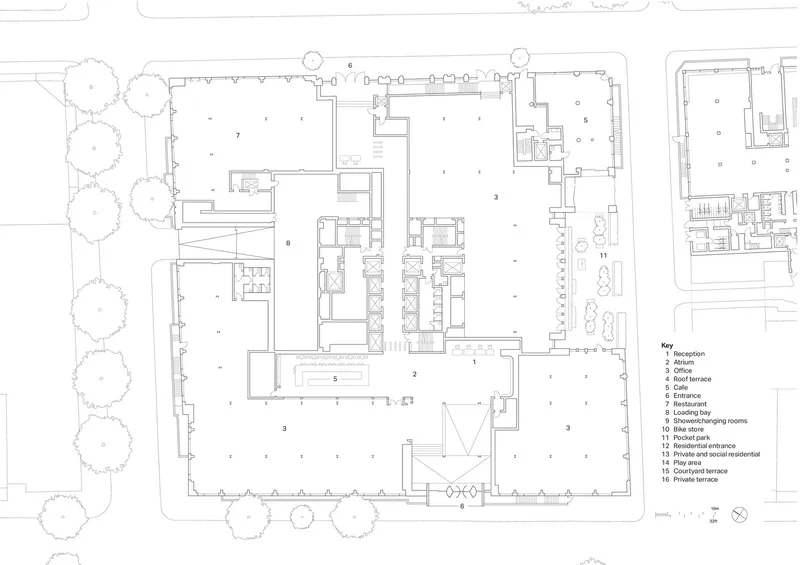
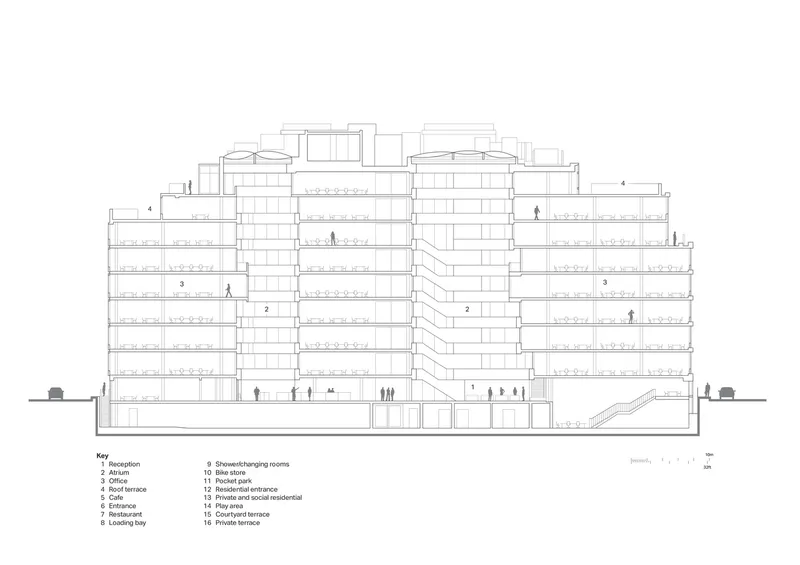
The building includes three atria positioned to maximize natural light and ventilation, reducing dependency on artificial climate control. The atria serve as both aesthetic and functional focal points, creating open spaces that invite natural airflow while enhancing the building's visual appeal.


Recycled and Reused Materials
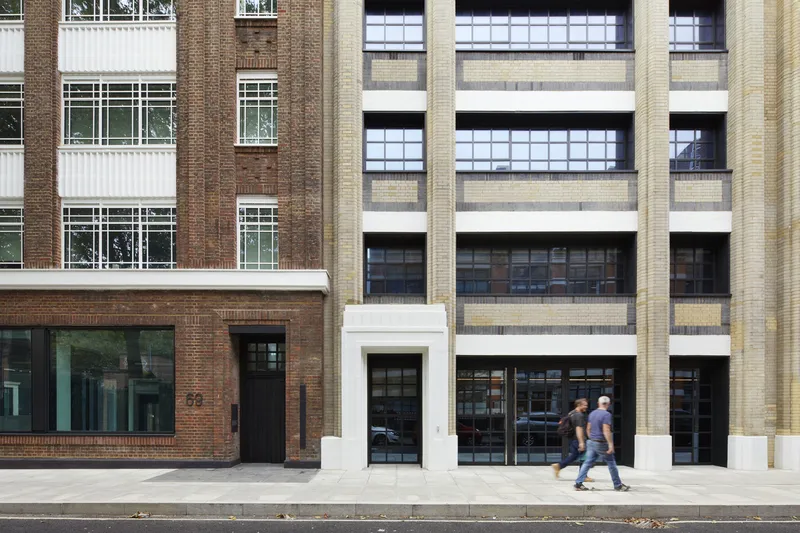
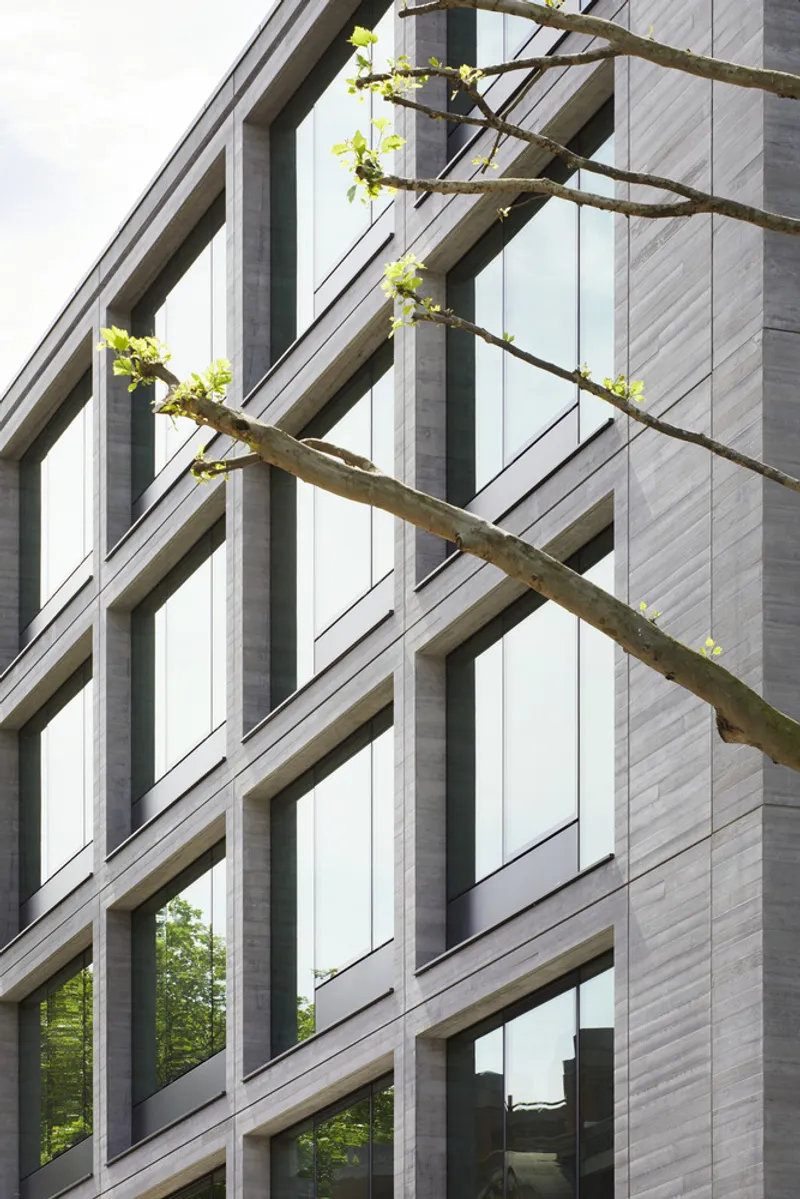
Preservation of the original facades on Whitfield Street reflects Make Architects' commitment to sustainable practices. The use of reclaimed and durable materials, including concrete, steel, and timber, further supports the building’s longevity and minimizes waste.
Architectural Highlights
Dynamic Facades and Terraces
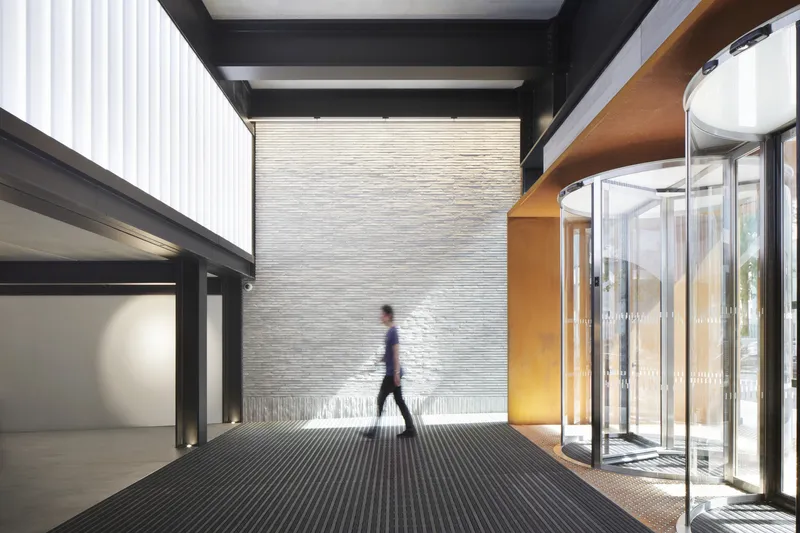
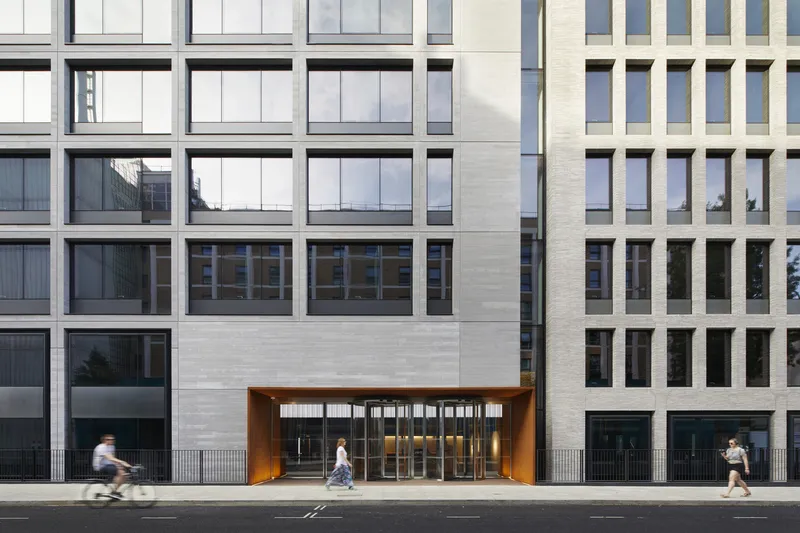
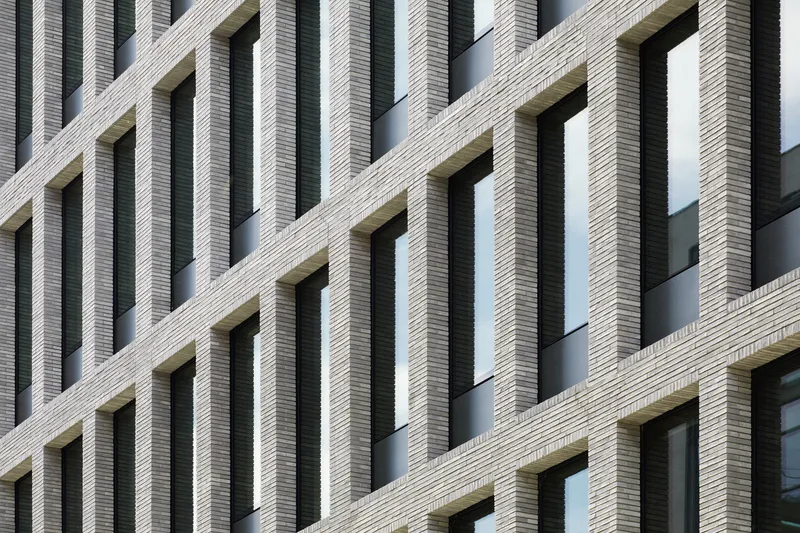
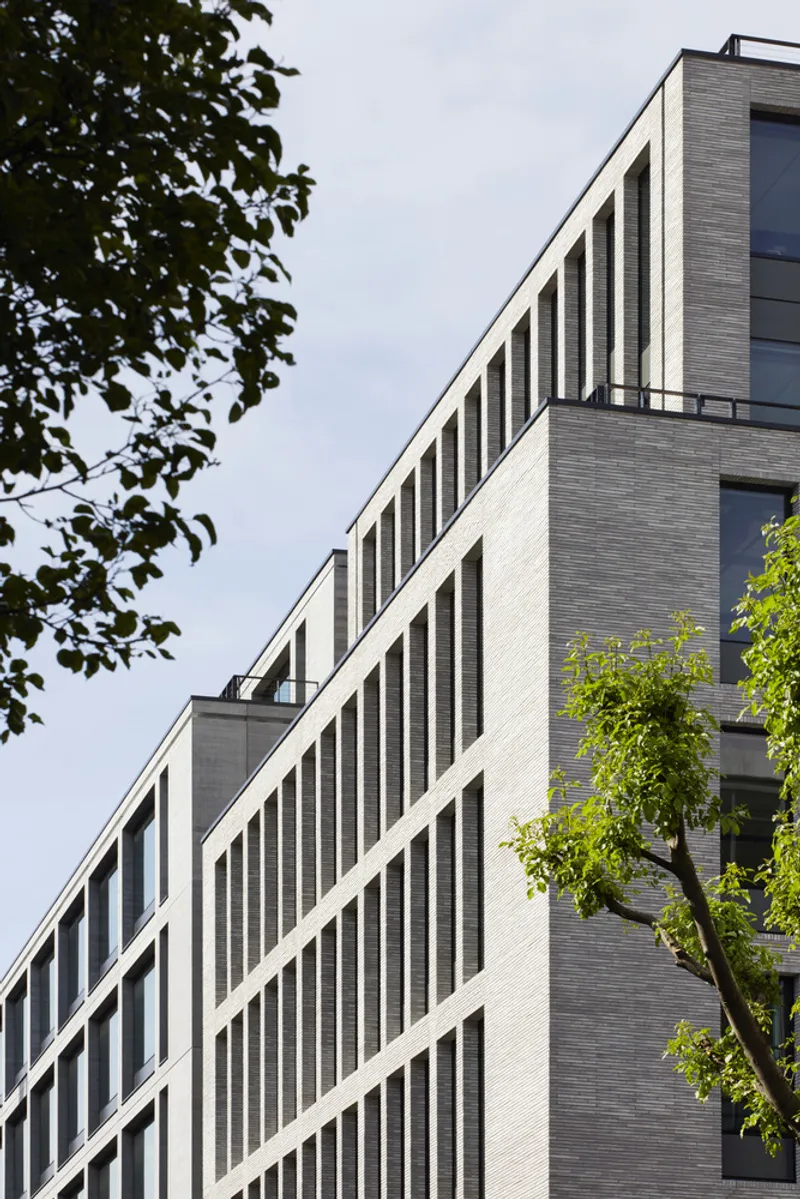
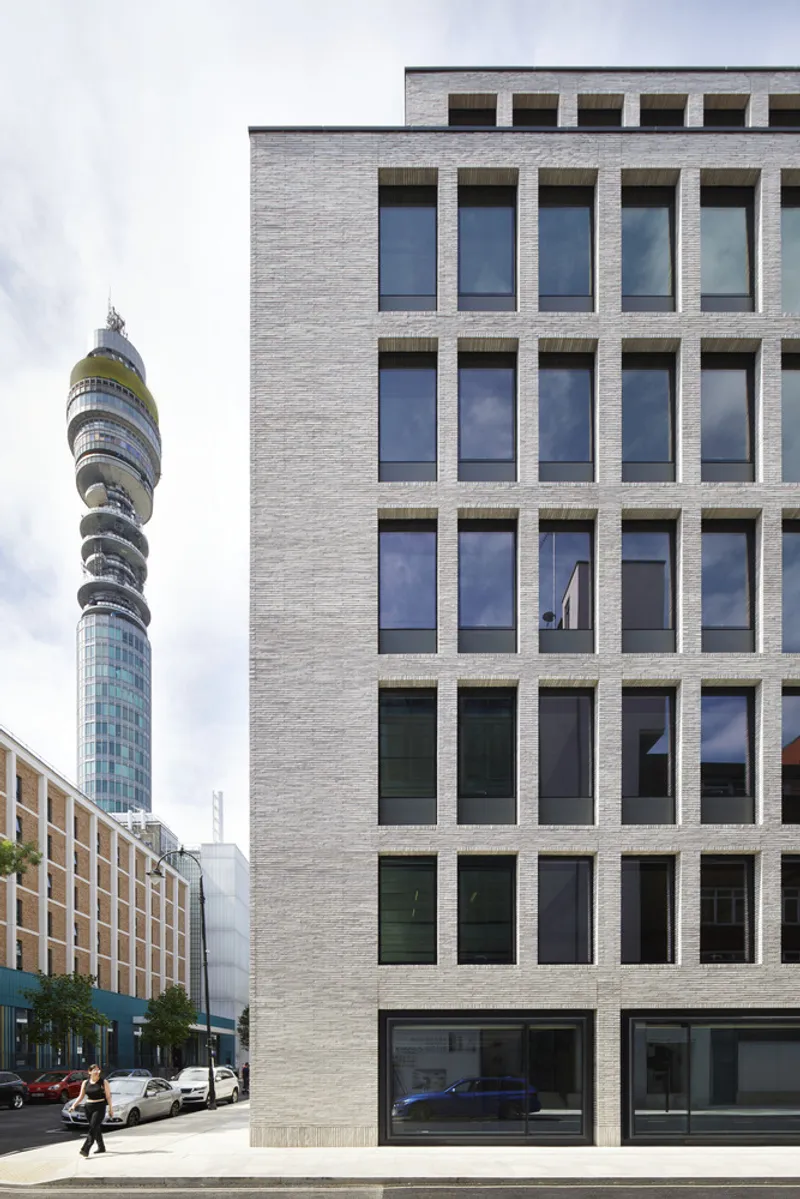
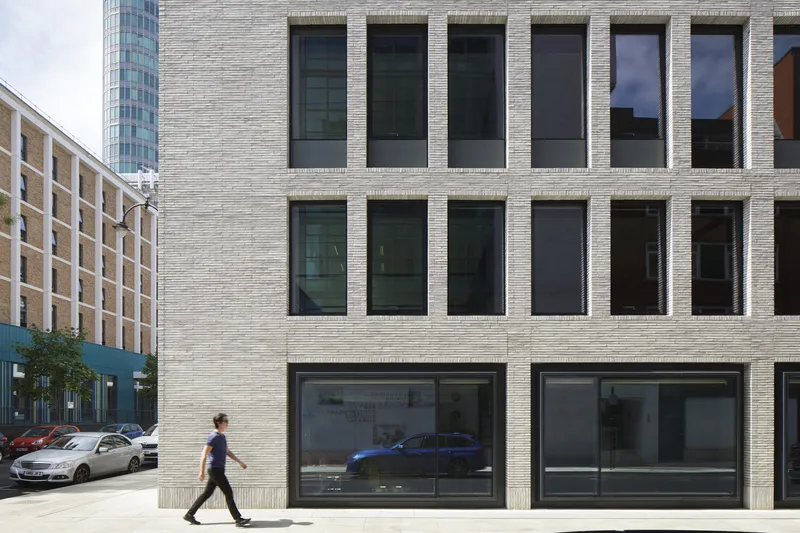
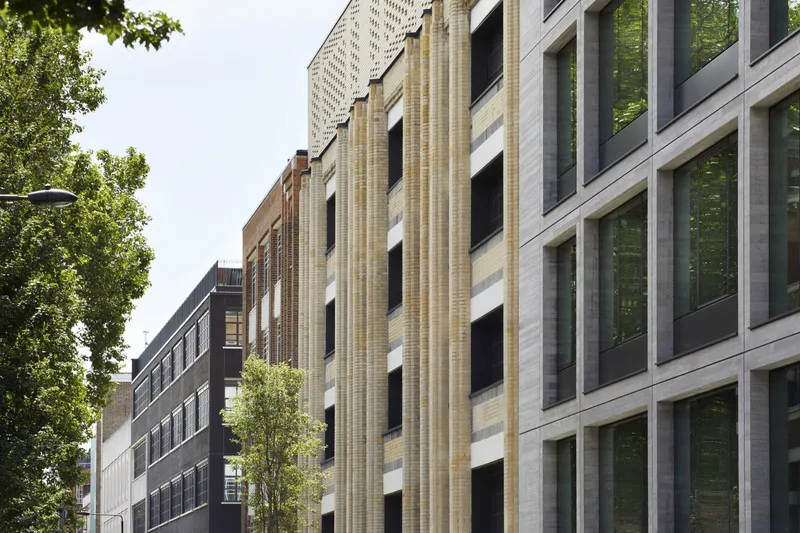
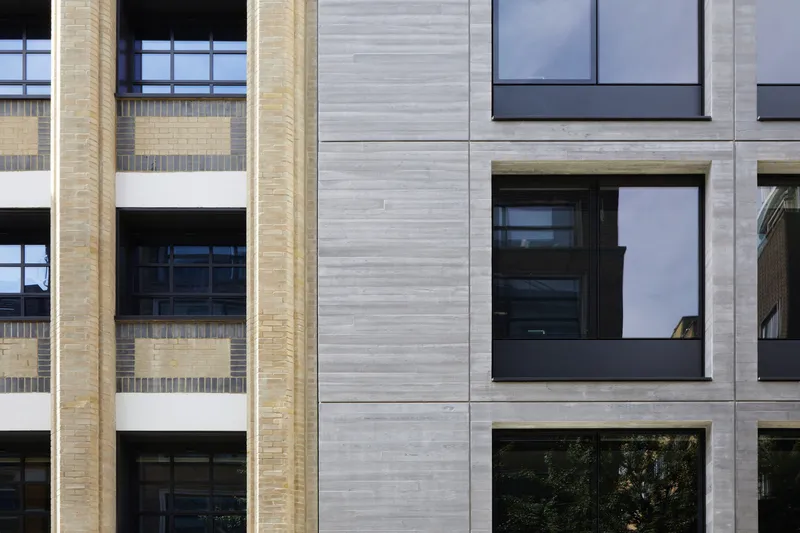
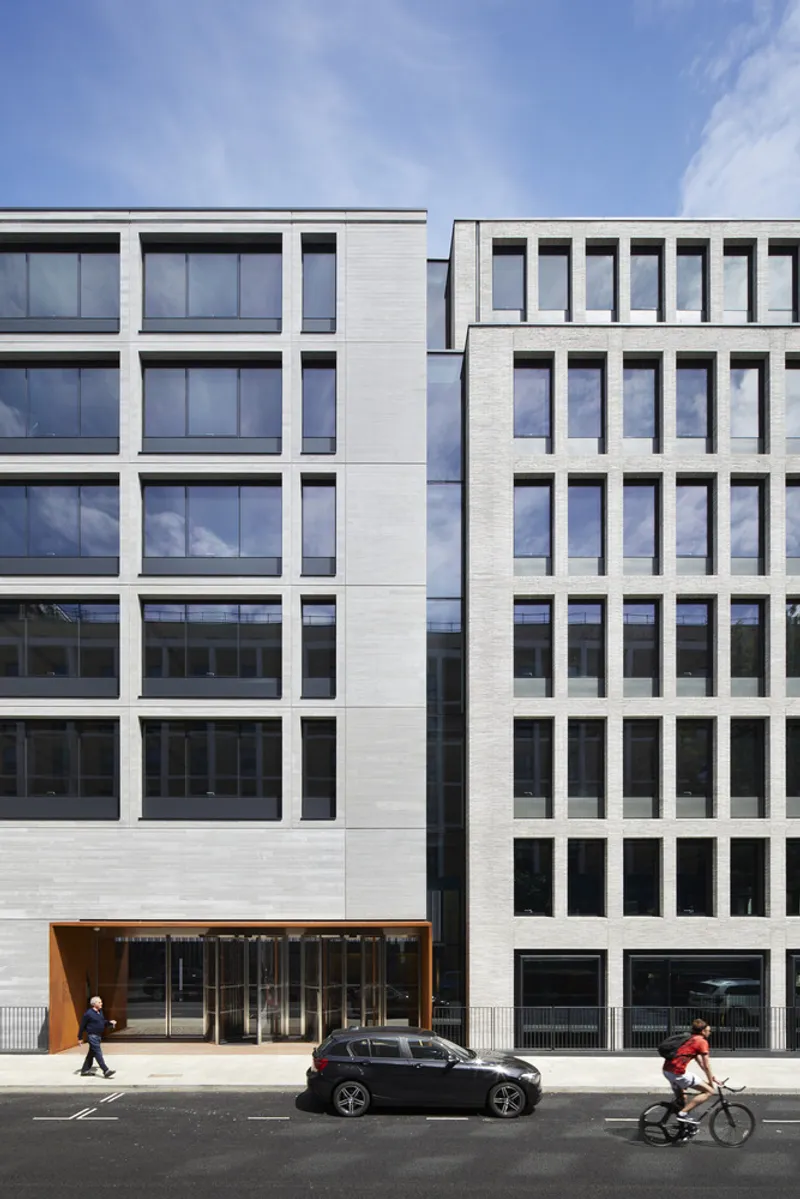
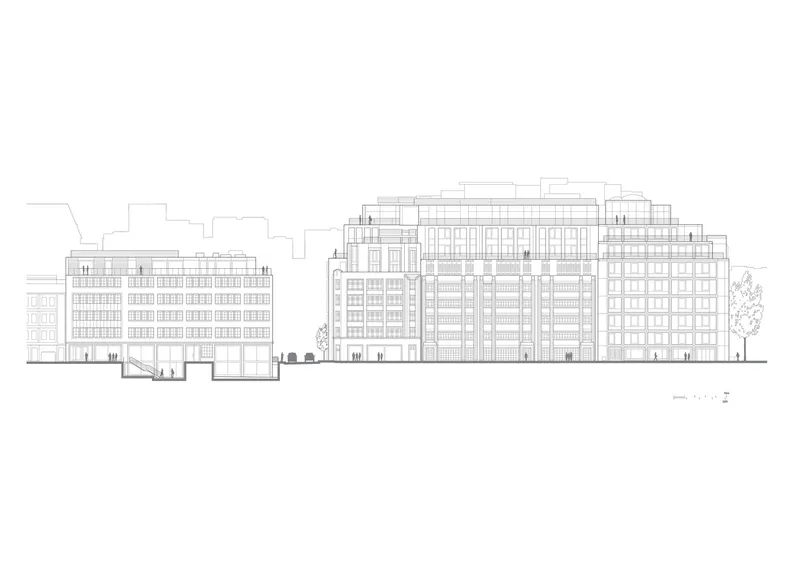
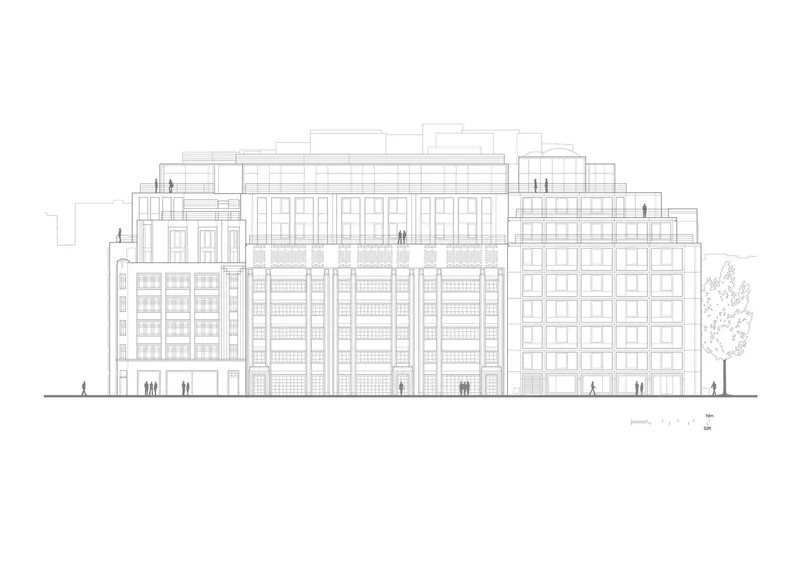
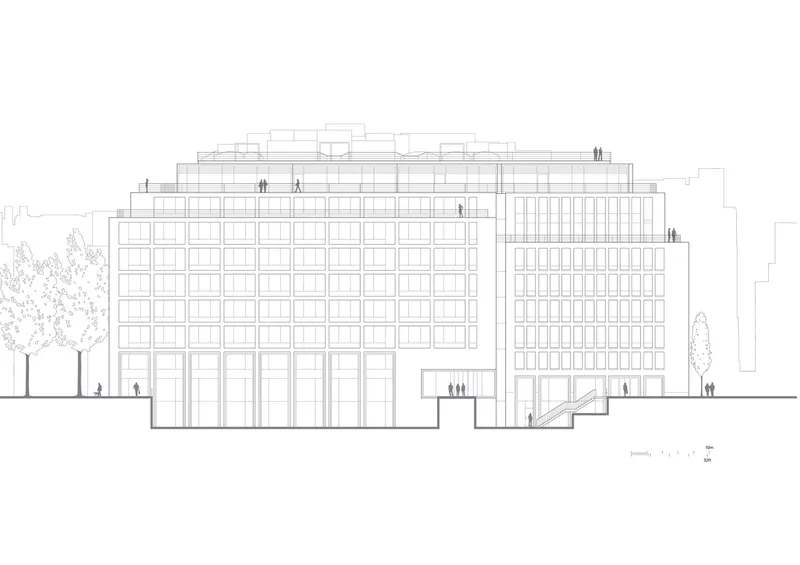
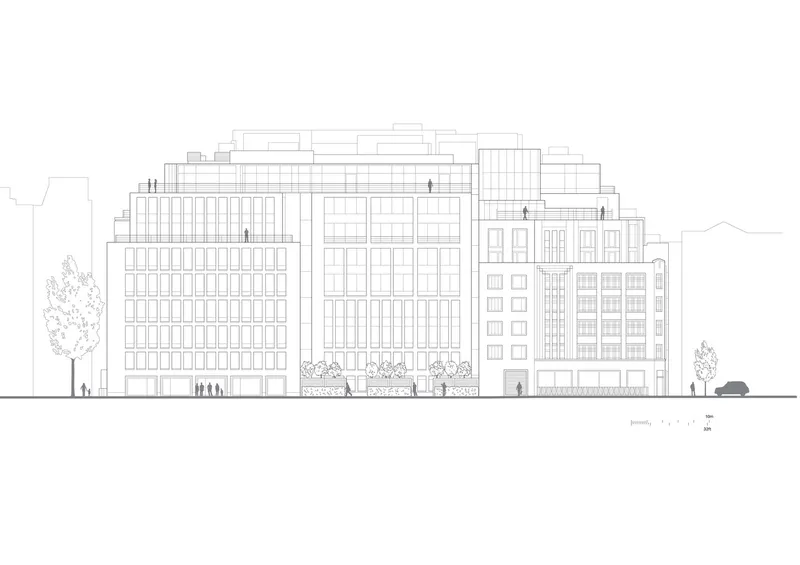
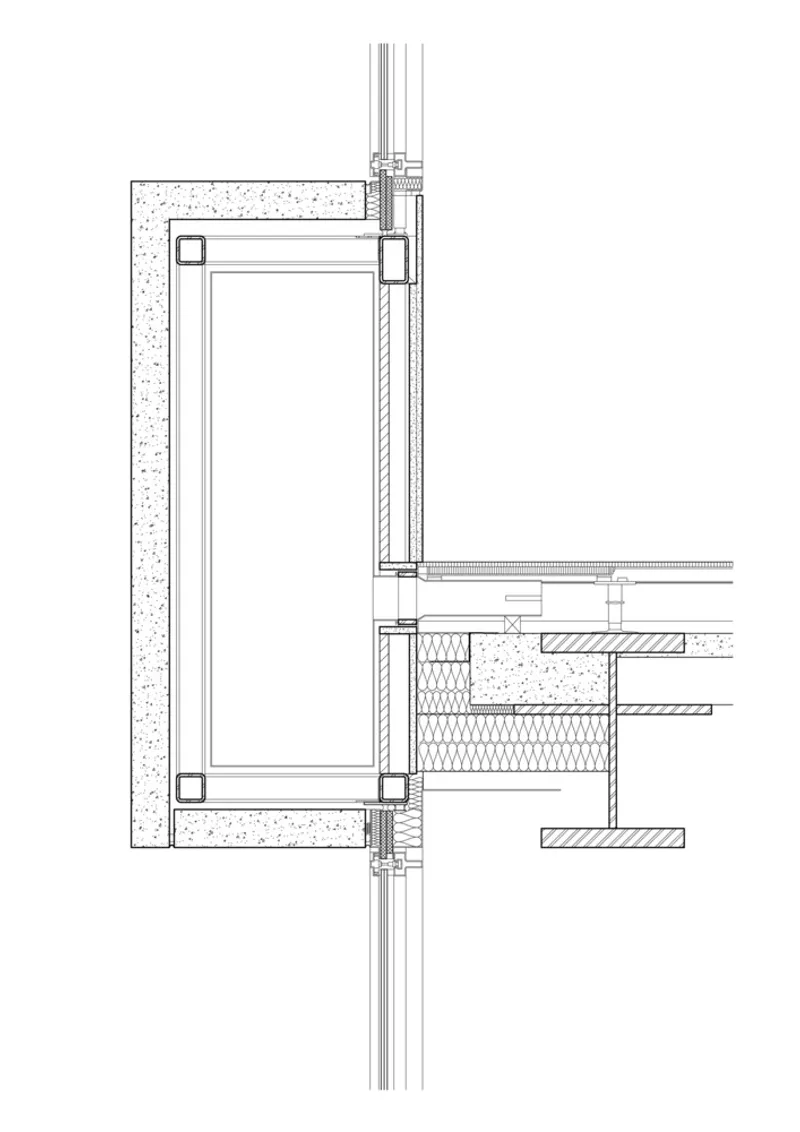
80 Charlotte Street features distinct facade treatments that contribute to a fragmented, smaller-scale appearance, in harmony with the neighborhood's architectural rhythm. Each elevation reflects its surroundings through a combination of red, yellow, and dark gray brickwork, complemented by a weathered steel entrance.
Indoor-Outdoor Integration
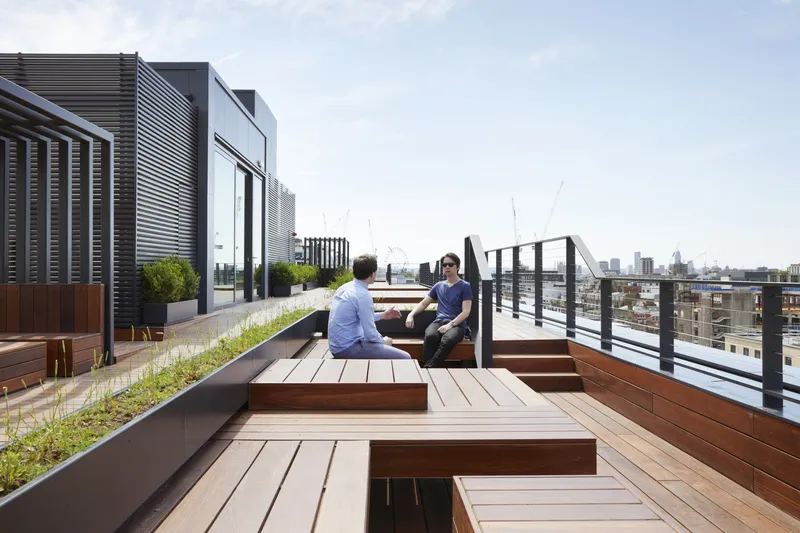
The project creates a seamless flow between indoor and outdoor spaces. A rooftop terrace and garden provide panoramic views, while Poets' Park—a newly created public green space—connects the building to its urban environment.

Mixed-Use Spaces and Community Impact
Office and Social Spaces
With tenants including Boston Consulting Group and Arup, the building offers flexible, light-filled office spaces. The ground floor doubles as a communal hub, complete with an island café-bar for tenants and visitors, fostering social interactions within the workspace.

Residential Integration
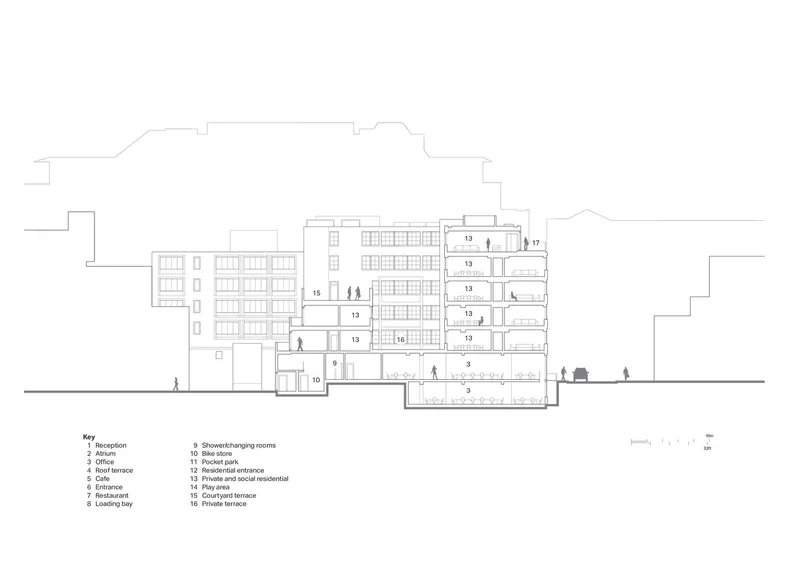
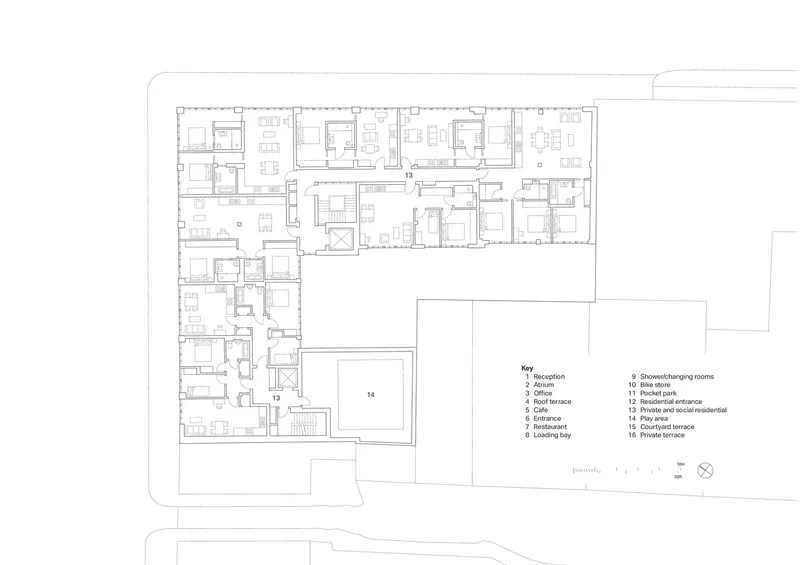
The project includes two residential sections: Charlotte Apartments, featuring private rental units above a café that opens onto Poets' Park, and Asta House, which contains renovated residential spaces and additional offices. Together, these sections create a balanced living and working environment that encourages urban community life.


Environmental and Social Legacy
80 Charlotte Street has established a benchmark for sustainable and socially conscious urban design in Fitzrovia. Jason McColl, the project architect, emphasized the importance of craftsmanship, structural honesty, and a connection to local character. Through sustainable energy solutions, mixed-use spaces, and historical sensitivity, the building reflects Make Architects' vision of urban architecture that not only adapts to but enhances its cityscape.
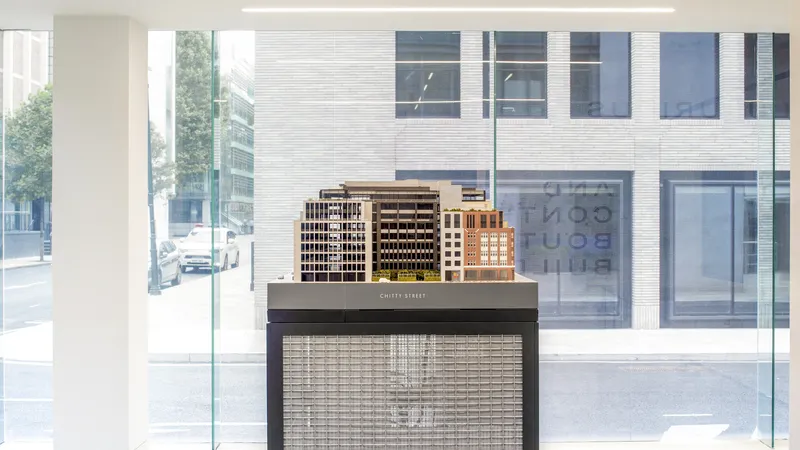
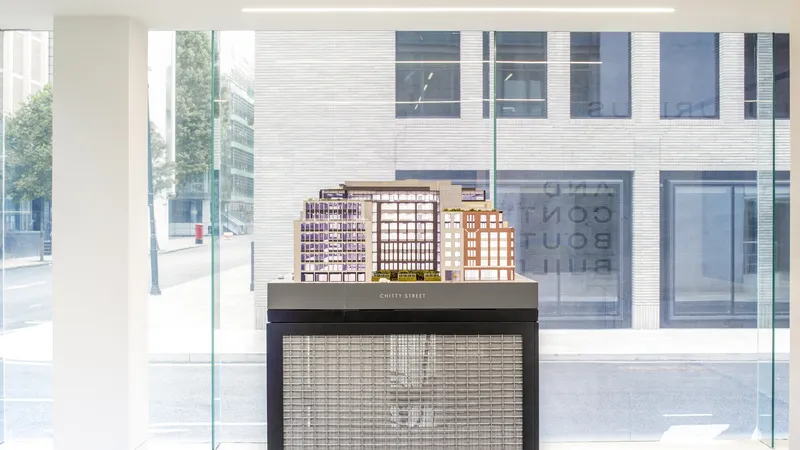
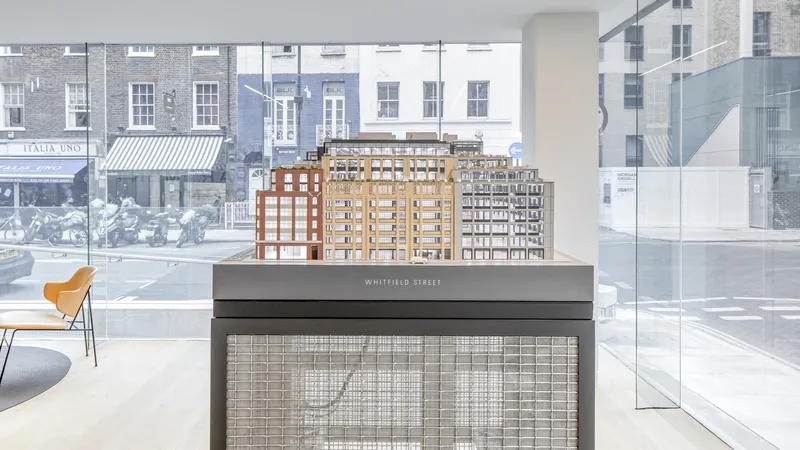
80 Charlotte Street exemplifies Make Architects' commitment to sustainable and community-focused design. The project is a model of adaptive reuse, blending modern architectural practices with sustainable technologies to create a lasting contribution to London’s architectural heritage.
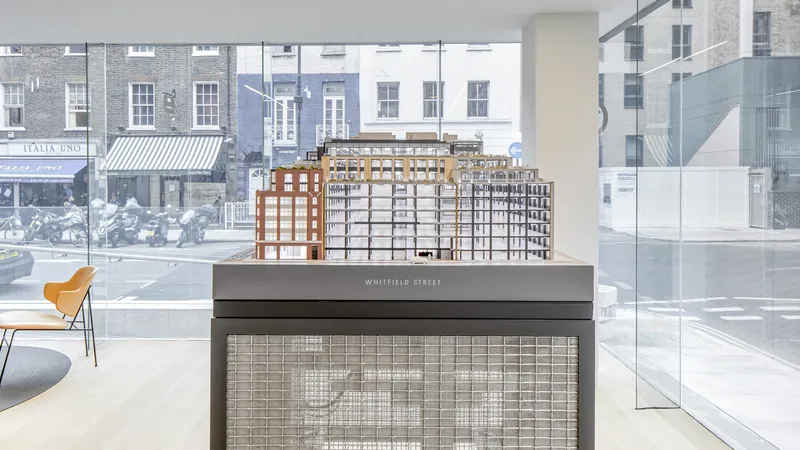
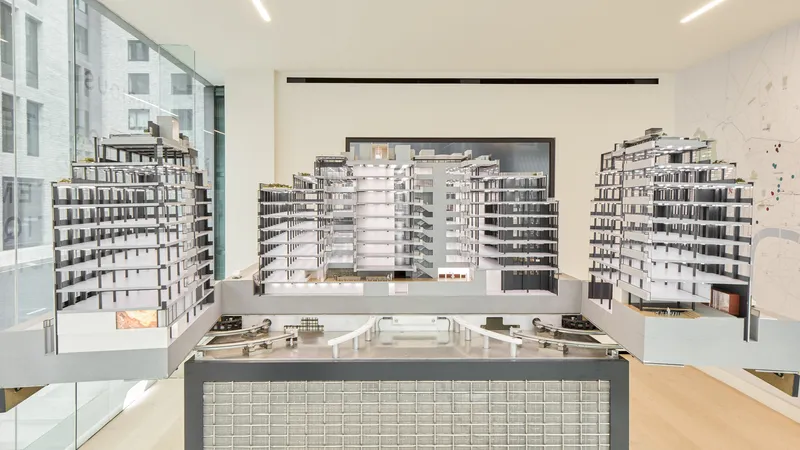
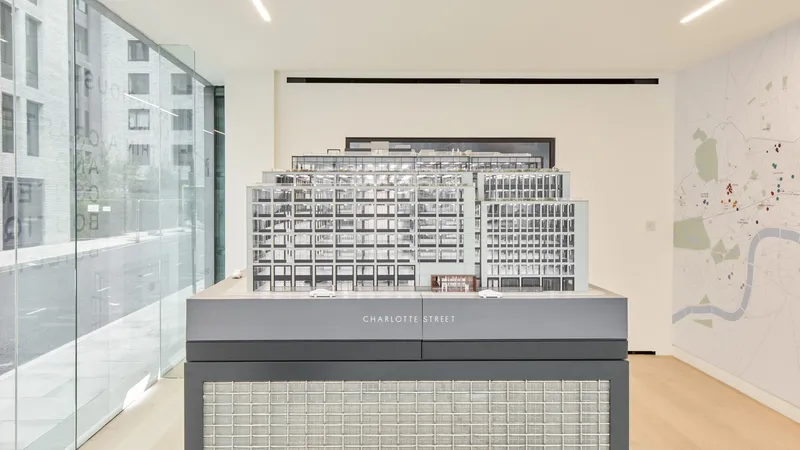
All photographs are work of Jack Hobhouse




Popular Articles
Popular articles from the community


The Earth Pod: 3D Printed Homes for Resilient Refugee Communities
The Earth Pod reimagines refugee housing through 3D printed homes made from clay, combining resilience, self-sufficiency, and rapid shelter.

The Musturak Paradise: Senior Living Architecture for a Connected Future in Temara, Morocco
The Musturak Paradise reimagines senior living architecture in Temara via private homes, social spaces, culture, community, and shared care.

The Ocean Hive: Sustainable Architecture for a Self-Sufficient Civilization at Sea
The Ocean Hive imagines sustainable architecture at sea, where modular habitats, algae, wave power and ocean waste sustain a growing colony.

Riyadh For All: Intergenerational Urban Design for Active Aging in Rabat
Riyadh For All reimagines urban design in Rabat with intergenerational co-living, adaptive courtyards, and Moroccan cultural exchange today.


Similar Reads
You might also enjoy these articles


Hodi-Mandai Geram
Project Function: Preservation and revitalization of the Intangible heritage and socio-spatial identity of the Hodi by Housing, Cultural Memory Center, Sacred Grove, landscape, local tourism economy


Olio Towers: A Mid-Rise for Performers That Fuses Housing, Rehearsal, and Stage
Located blocks from Houston's Theater District, this modular tower stacks living units around a central performance atrium.

Oasis: Modular Green Housing Carved into Dhaka's Urban Fabric
A shortlisted Plugin Housing entry reclaims unauthorized settlements in Dhaka with stepped concrete volumes, green roofs, and ventilation-driven design.

Black Hole: A Floating Megastructure for the Post-Physical Era
Emiliano Mazzarotto envisions a spherical, self-scaling arena where e-sports, digital hotels, and holographic stadiums replace traditional public space.

Explore Architecture Competitions
Discover active competitions in this discipline



Challenge to reimagine the Iron Throne


Photograph architecture without architects


Illustrate the lost glory of Angkor Wat - Render Challenge


Design challenge to reuse E-waste
Comments (0)
Please login or sign up to add comments
No comments yet. Be the first to comment!