
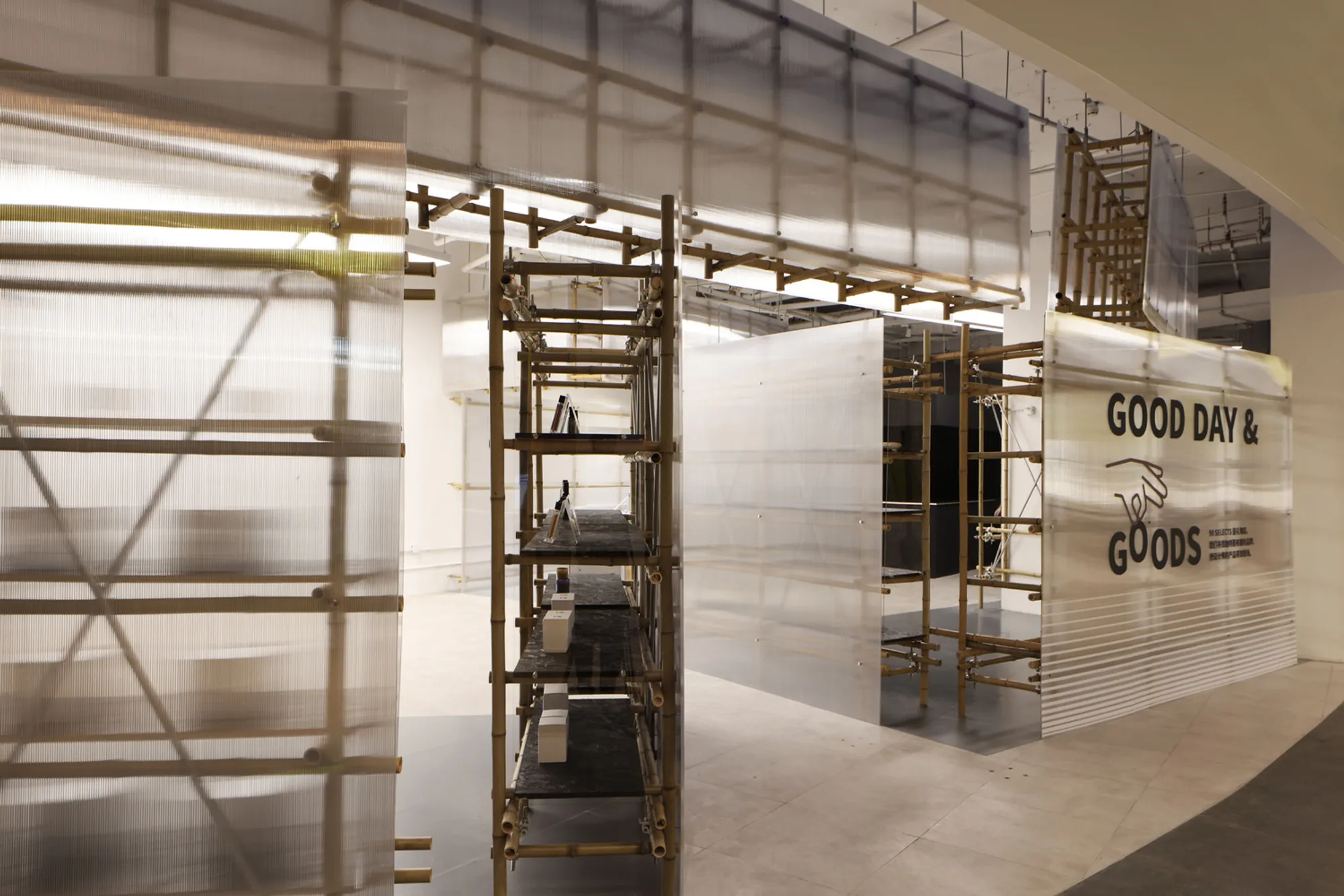
90 Houhaihui Pop-up Store by Ruhaus Studio: A Nomadic Cultural Retail Experience in Shenzhen
Dynamic pop-up in Shenzhen uses bamboo scaffolding, roaming paths, and modular clusters to create immersive, sustainable cultural retail experiences.


Located in Shenzhen, China, the 90 Houhaihui Pop-up Store by Ruhaus Studio spans 170 m² and was completed in 2024. Curated by 韩双羽 (HAN Shuangyu), this innovative retail space serves the self-media platform “90,” a cultural hub dedicated to life, creativity, and curated content. The project embodies a tactile, offline experience where visitors encounter intriguing people and thoughtfully designed environments.
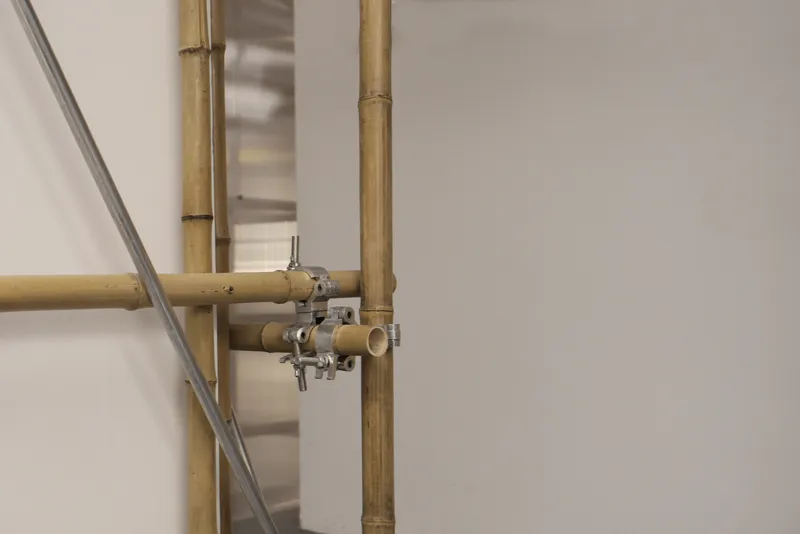
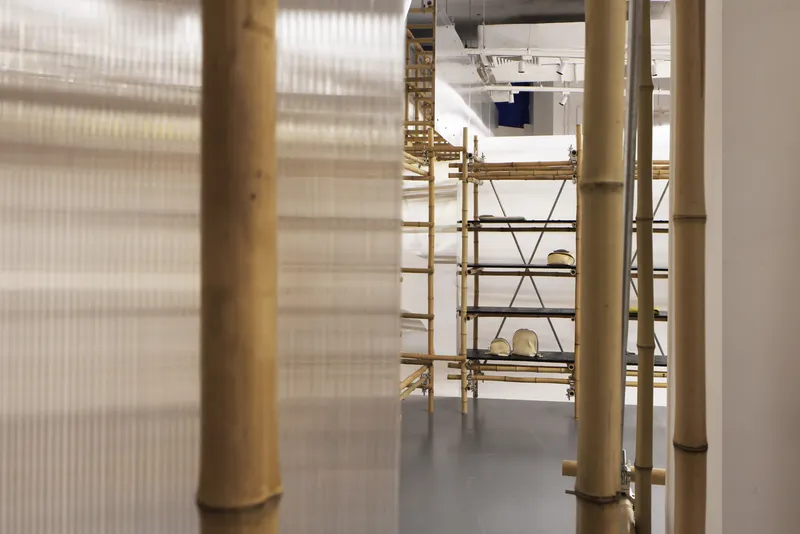
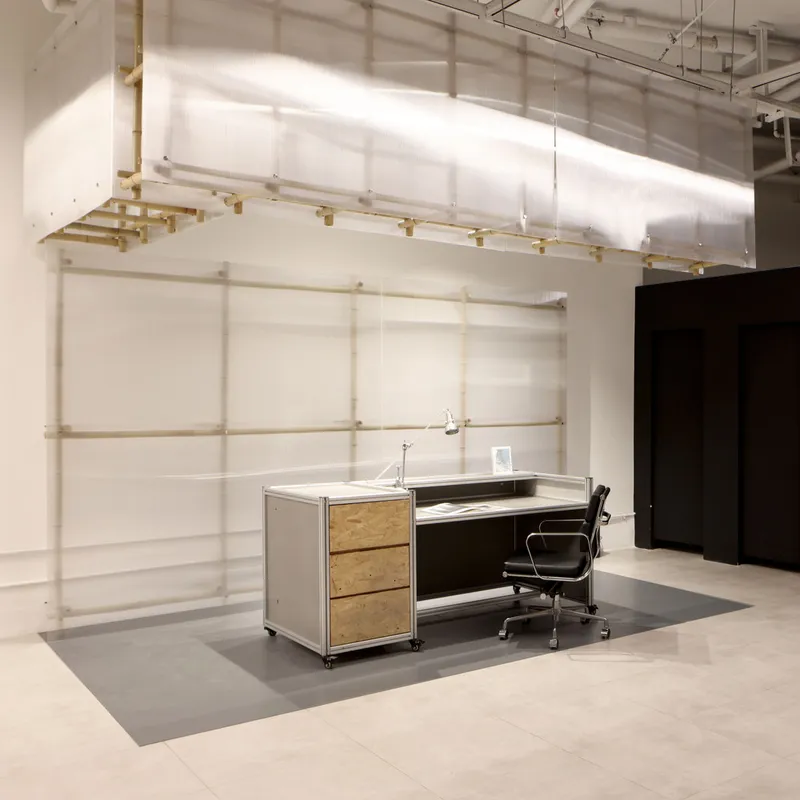
Spatial Concept, Settlements and Roaming Paths: Unlike traditional retail layouts that prioritize large display areas, the store embraces the concept of “chaotic uncertainty.” Ruhaus Studio contained this “chaos” within modular boxes, while pathways act as active circulation lines. By twisting and inserting spatial elements, the expansive store was divided into five distinct exhibition clusters, creating mini “settlements” for brands and experiences. This layout encourages wandering, exploration, and serendipitous discovery, mimicking streets and alleys and fostering memorable consumer interactions.
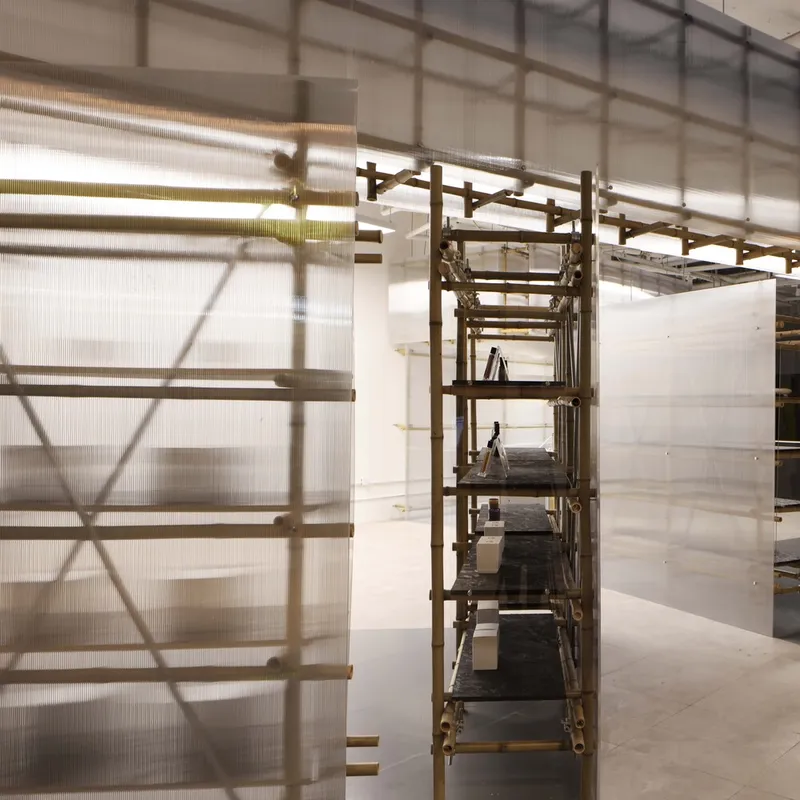
Instant Moments: Visitors experience contrasting internal and external atmospheres through dynamically changing spatial elements. The intentional scale and “gaps” between settlements guide movement, creating unique sensory encounters and spontaneous moments that feel both familiar and novel. Each section becomes a distinct memory for the visitor, emphasizing experiential design over commercial display.
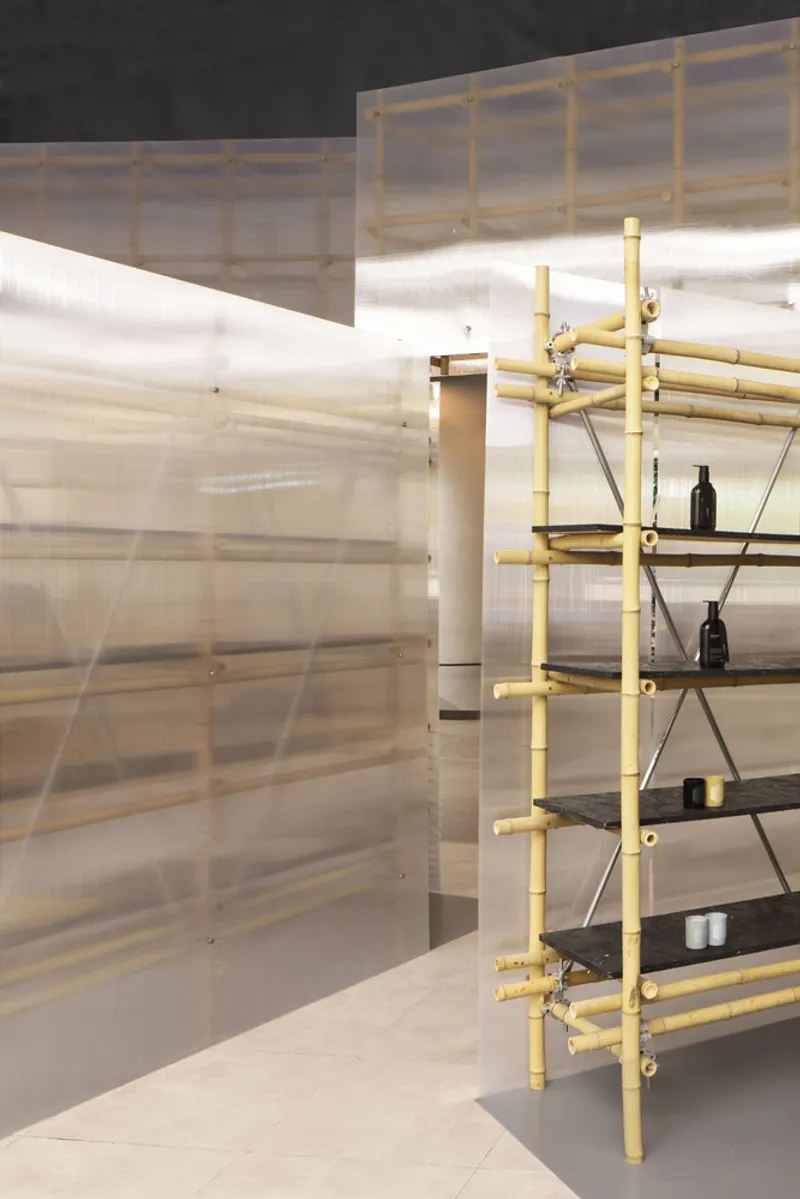
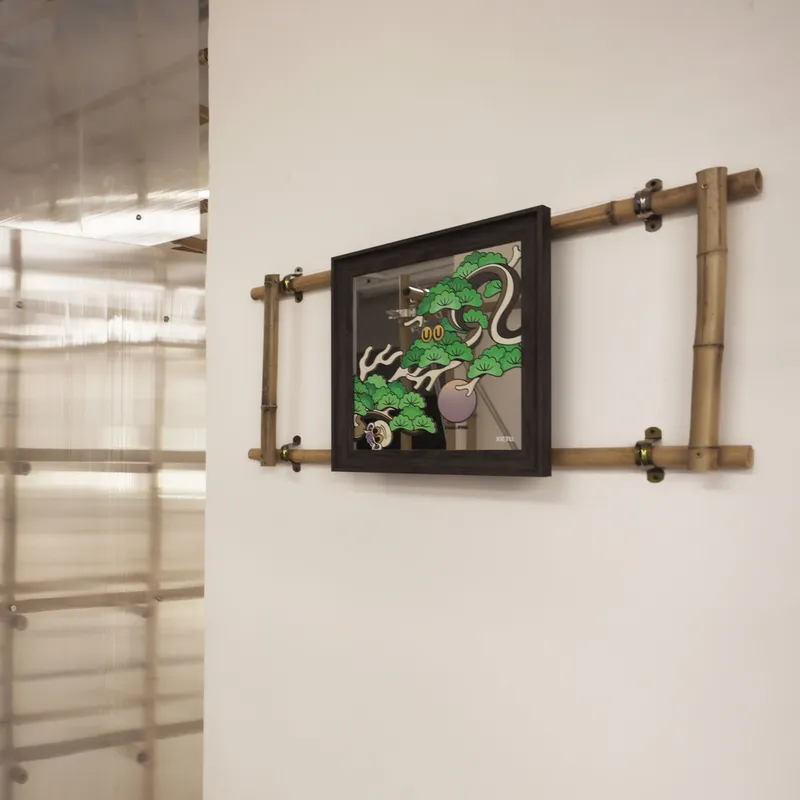
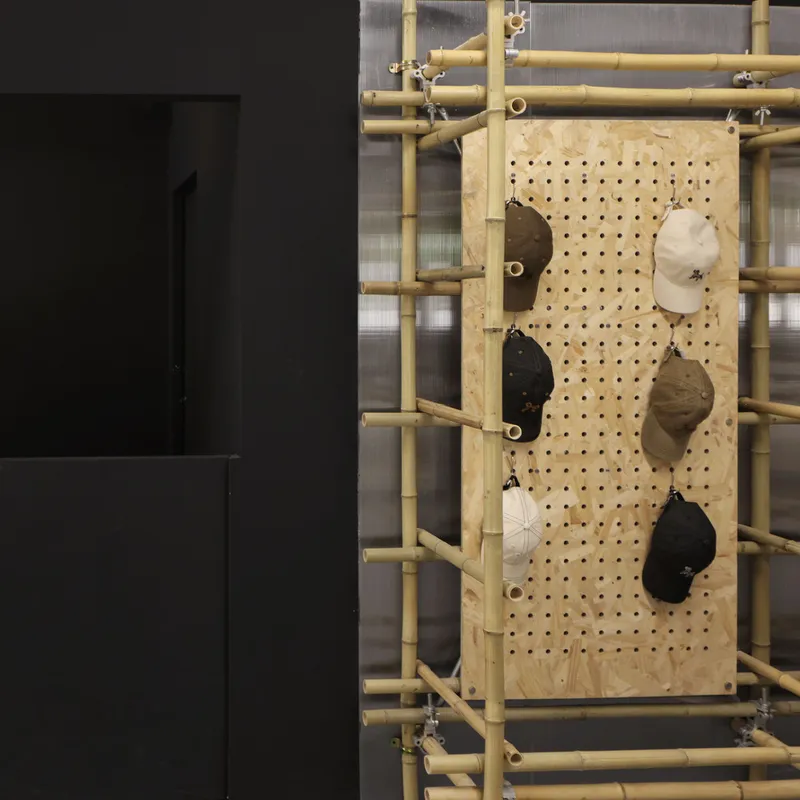
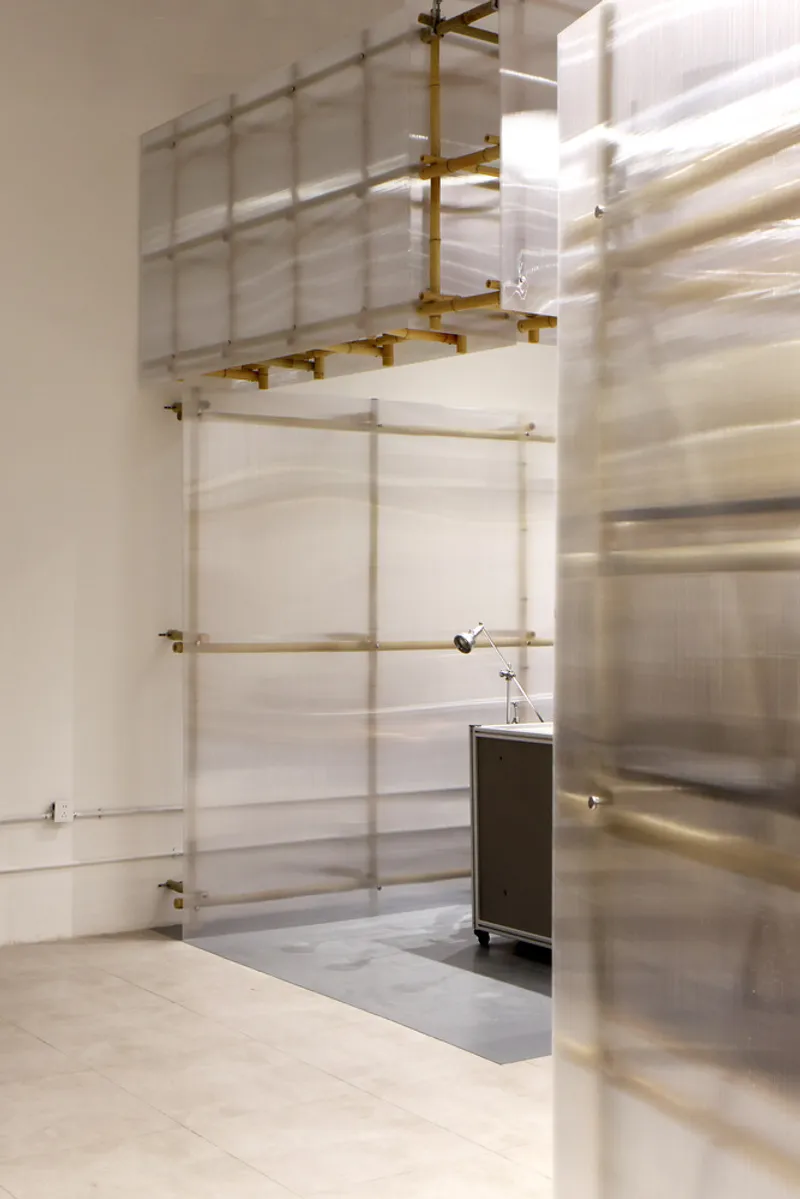
Bamboo Scaffold System: The design employs bamboo scaffolding, commonly seen in Hong Kong construction, to unify the visual language and accommodate diverse brand boxes. This approach establishes a cohesive, modular display system while celebrating an aesthetic of temporary yet durable construction.
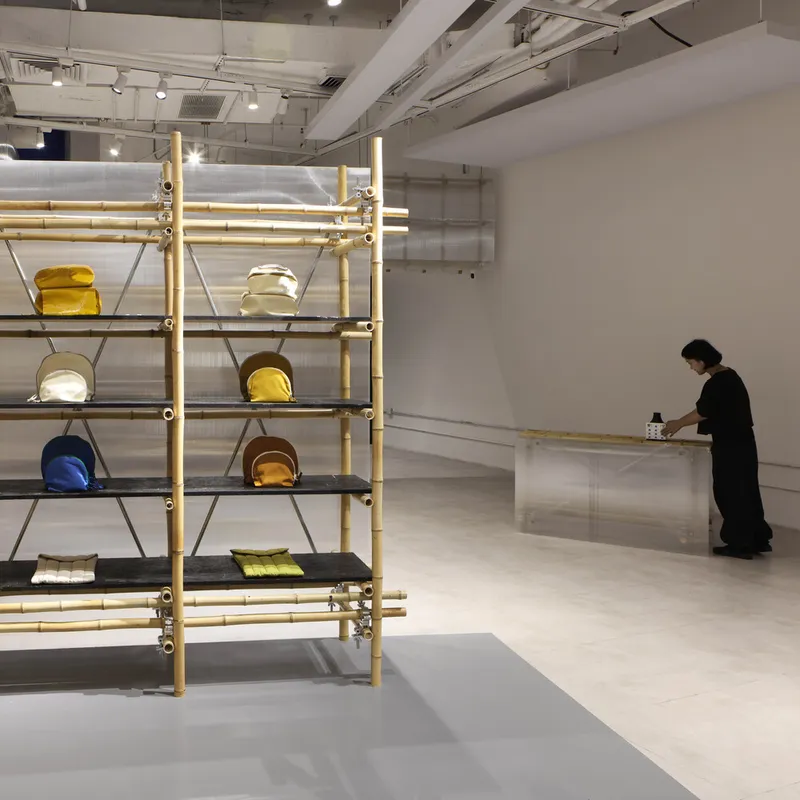
Sustainability and Reutilization: A focus on reuse and efficiency is central to the project. Existing materials, such as black wooden boards from the previous Oasiz ShenYe pop-up, were repurposed as shelving within the new bamboo structure. This strategy minimizes waste, reduces costs, and accelerates setup, reflecting Ruhaus Studio’s commitment to sustainable, circular design practices.
Efficient Implementation: Leveraging lessons from the Nomadic Series, the team completed site replacement and prop setup within just seven days, demonstrating how advanced planning and modular design can optimize both construction time and cost without compromising creativity.
The Nomadic Series Design Philosophy: The pop-up is part of Ruhaus Studio’s ongoing Nomadic Series, a design language responding to the fragmentation of consumerism. The approach emphasizes research-driven collaboration with brands, balancing design quality with construction efficiency. Sustainable design here transcends products, focusing on evolving consumption patterns and socially-conscious circulation practices, reflecting a deeper commitment to environmental and cultural sustainability.
Key Features:
- Modular exhibition clusters
- Bamboo scaffolding display system
- Reutilization of existing materials
- Dynamic roaming paths and sensory experiences
- Rapid setup within seven days
- Sustainable and socially-conscious design approach
All photographs are works of
Sanif



Popular Articles
Popular articles from the community


Hill & Cross Opera: Sculptural Opera House Architecture Shaped by Tallinn’s Landscape and Identity
Hill & Cross Opera reimagines opera house architecture in Tallinn through its sculptural hill, civic plaza, glass wave and a luminous cross.

Co-life: Sustainable Architecture for Age-Friendly Community Living
Co-life reimagines sustainable architecture for seniors through courtyards, rammed earth, shared gardens, and spaces designed for belonging.

Play: Fragments of Their World
Familiar architecture becomes modular playground design, creating safe spaces where displaced children can learn, connect, imagine and play.

The Earth Pod: 3D Printed Homes for Resilient Refugee Communities
The Earth Pod reimagines refugee housing through 3D printed homes made from clay, combining resilience, self-sufficiency, and rapid shelter.


Similar Reads
You might also enjoy these articles

FAMM Arquitectura Organizes Ten Villas Around Courtyards and Jungle in Nosara, Costa Rica
El Molino pairs two elongated volumes with deep overhangs and timber louvers to build a compact coastal community five minutes from the beach.
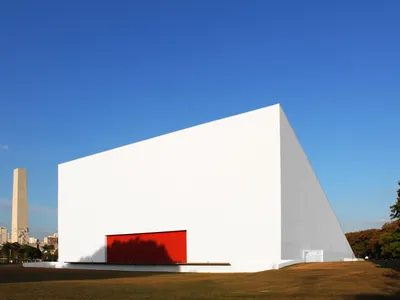
Oscar Niemeyer's Ibirapuera Park Pavilions Define São Paulo's Cultural Identity in Concrete and Curve
A constellation of modernist volumes set within São Paulo's most important urban park, conceived for the city's 400th anniversary in 1954.
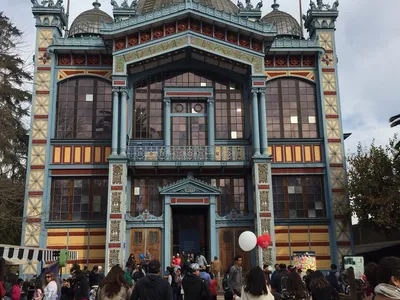
How Henri Picq's 1889 Paris Pavilion Traveled 11,000 Kilometers to Become Santiago's Artequín Museum
A prefabricated iron and glass pavilion built for the Paris Universal Exposition found a second life as a children's art museum in Chile.
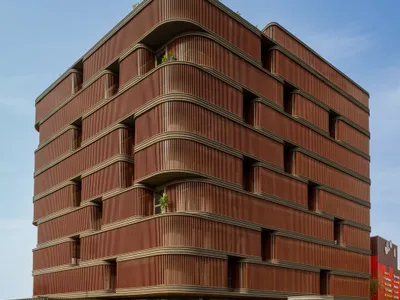
Sanjay Puri Architects Wraps a Jaipur Office Tower in Capsule-Shaped Green Buffers
A nine-level climate-responsive workplace near Jaipur Airport uses stacked planter terraces and aluminium screens to fight 40°C heat.
Explore Architecture Competitions
Discover active competitions in this discipline


Challenge to design luxury tourism on rails


Challenge to reimagine the Iron Throne


Photograph architecture without architects


VR headsets Storefront design competition
Comments (0)
Please login or sign up to add comments
No comments yet. Be the first to comment!