
A Cat Tree House: A Fusion of Architecture and Feline Needs by Tan Yamanouchi & AWGL
A unique cat-friendly home in Kamakura, blending innovative architecture with feline needs, featuring a spiral staircase and lush landscaping.


Designing a Home Through a Cat's Eyes
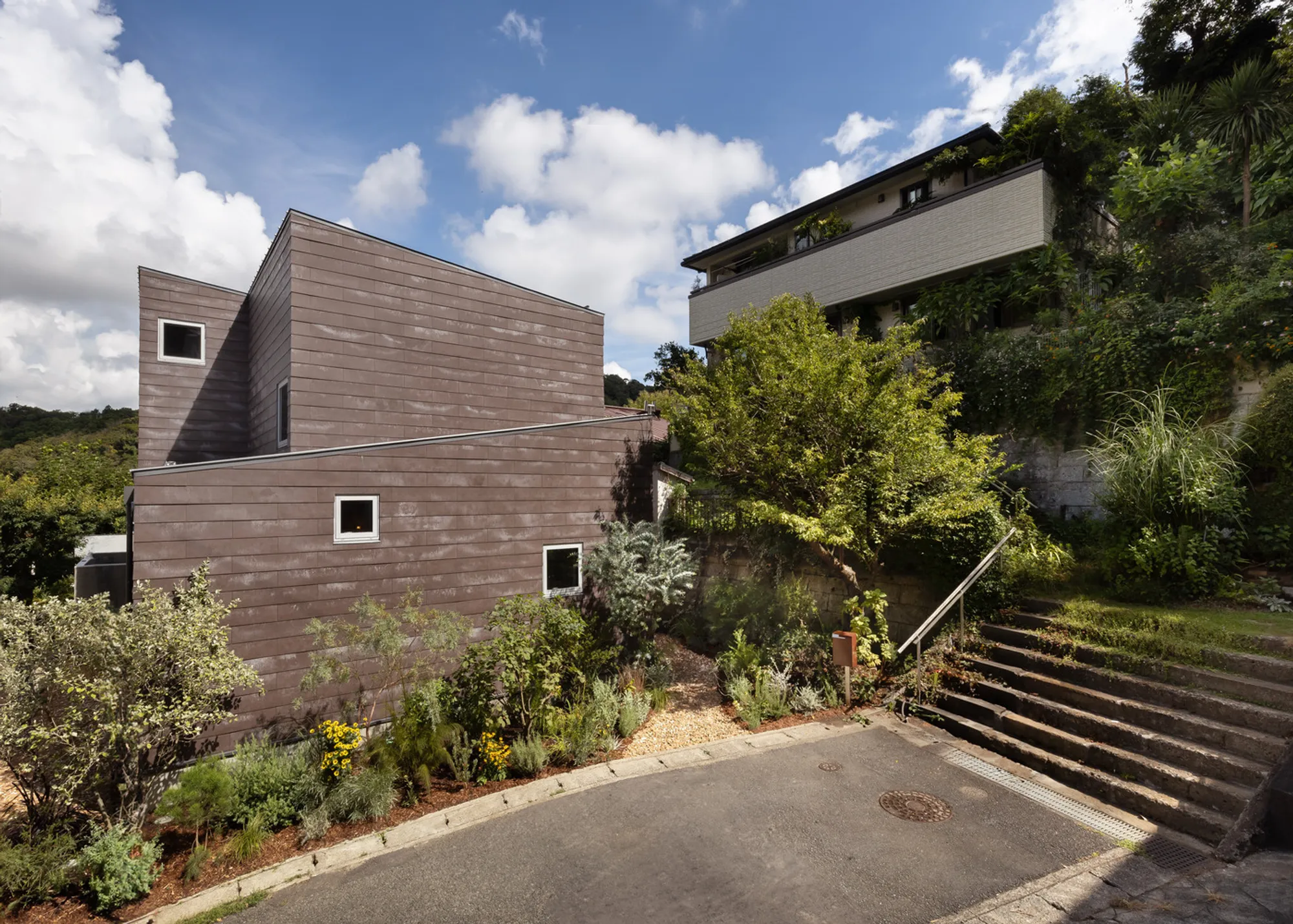
In the serene city of Kamakura, located just an hour from Tokyo, lies a unique residence designed by architects Tan Yamanouchi & AWGL. The “Cat Tree House,” conceived as both a home and studio, caters to a couple in their thirties and their two cats, offering an architectural experiment where the felines are treated as “clients.” This innovative approach allowed the architects to design from the perspective of their cats, integrating their needs into every aspect of the home.
Cat-Centric Design Principles
The cats' primary needs shaped the design in three core ways:
- Temperature Control: Cats, sensitive to subtle temperature changes, can adjust their environment by moving between various levels in the house, each offering different temperatures.
- Social Interaction with Distance: The cats enjoy proximity to their family while maintaining some distance, creating spaces for them to observe and interact comfortably.
- Multiple Safe Spaces: The cats crave a variety of places to retreat to, depending on the season, each offering privacy and comfort.
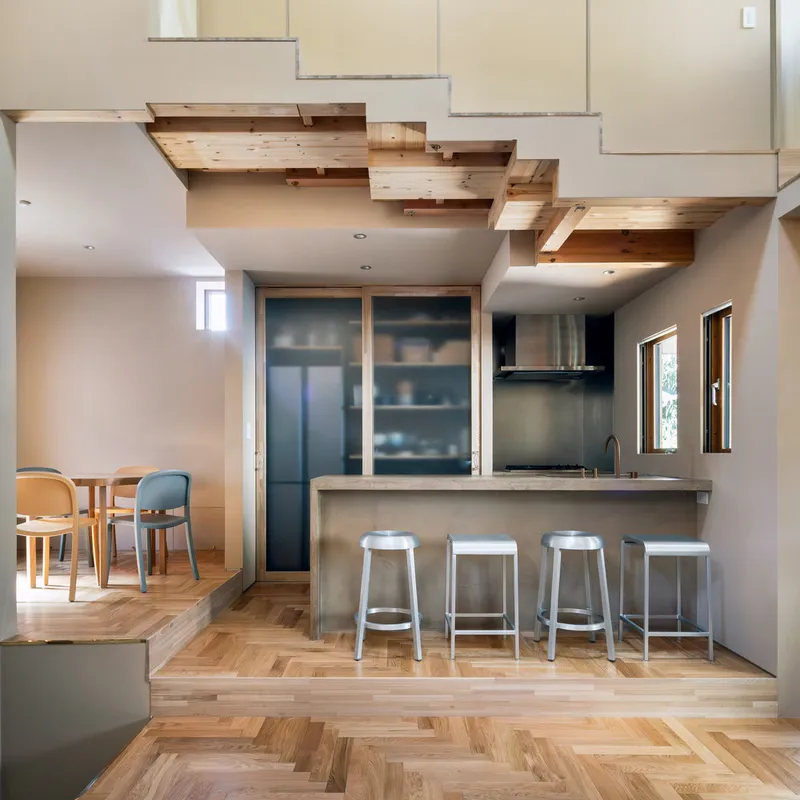
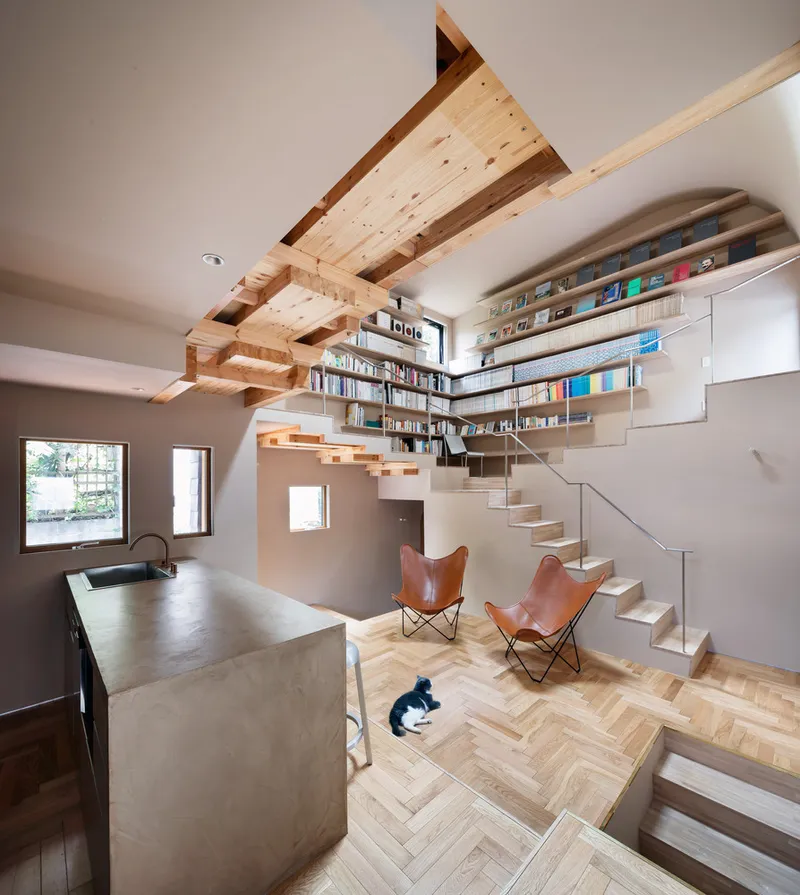
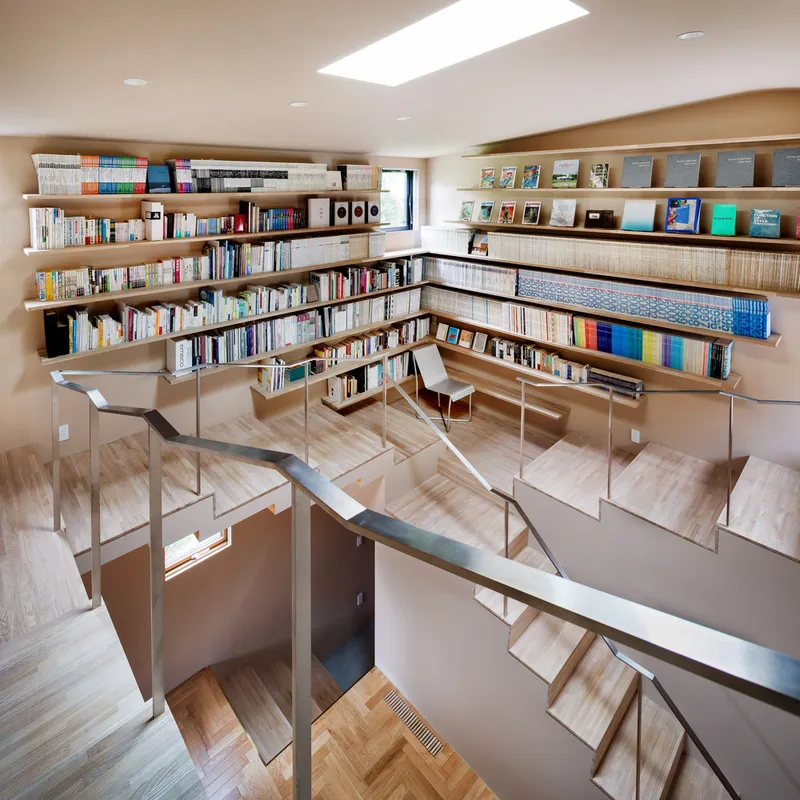
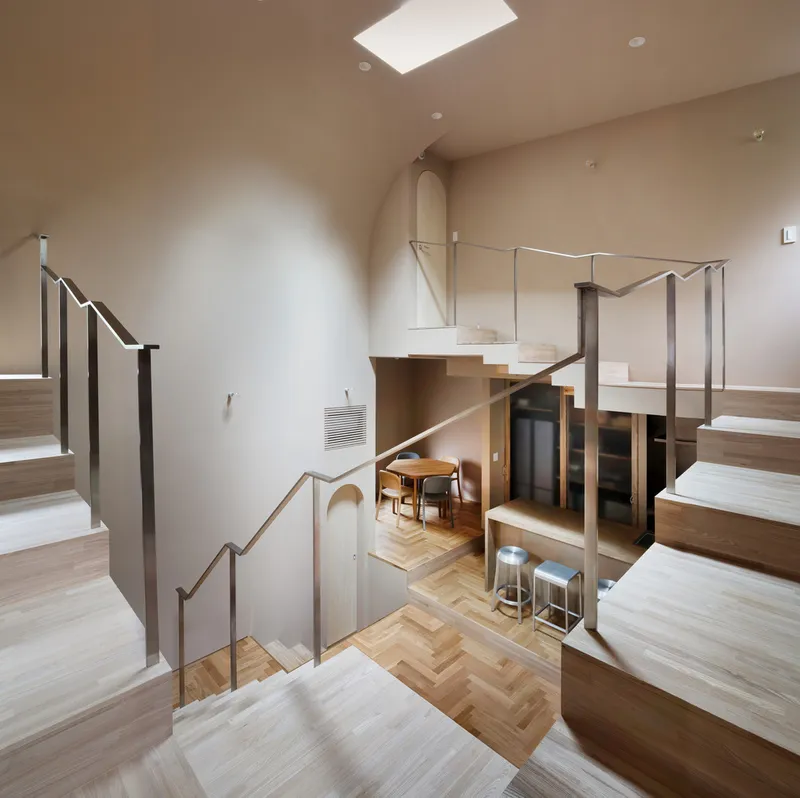
These requests led to the creation of a “cat tree” in the form of a large spiral staircase. With 23 levels, the design allows the cats to explore the space, moving between areas that suit their needs throughout the day.
Spiral Staircase and Architectural Flow
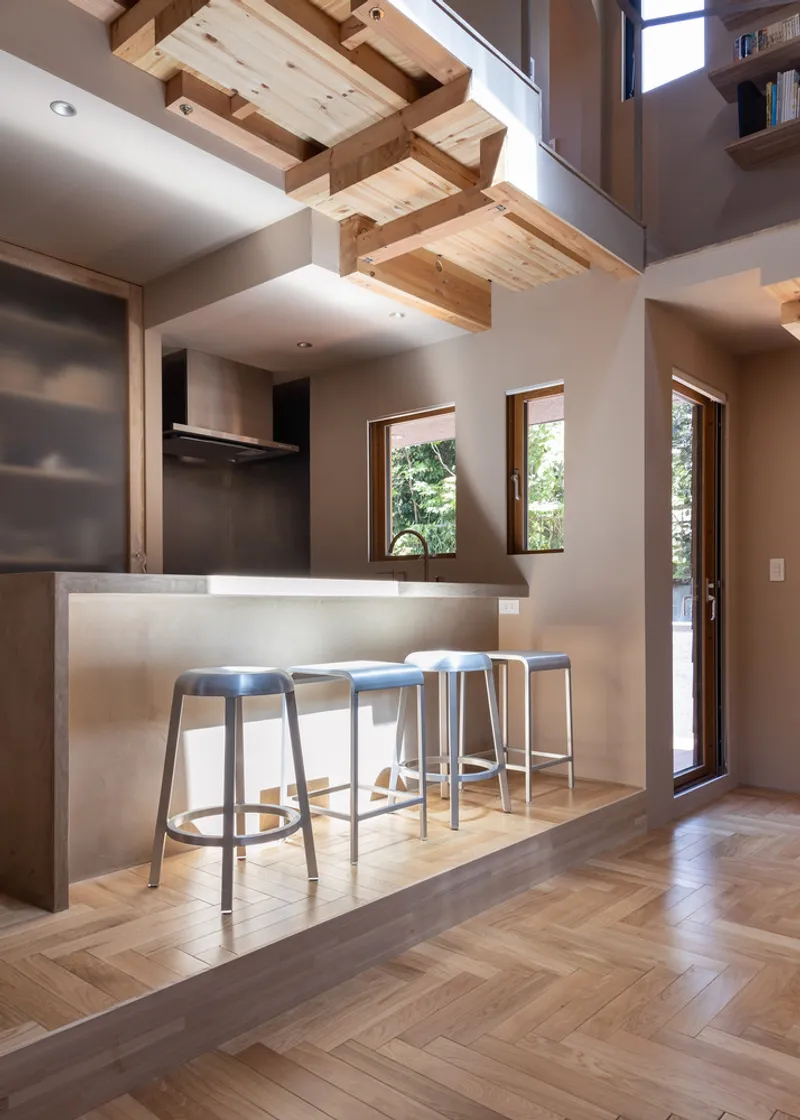
The staircase, inspired by the traditional Japanese bamboo screen tamasudare, was crafted to not only function as a path but also as a library and cat bedding. The cantilevered stairs wrap around an atrium, with natural light streaming through a skylight, illuminating the space dynamically. The dimensions of each step, designed with the cats in mind, provide ample space for the felines to rest, hide, or interact with their human family.
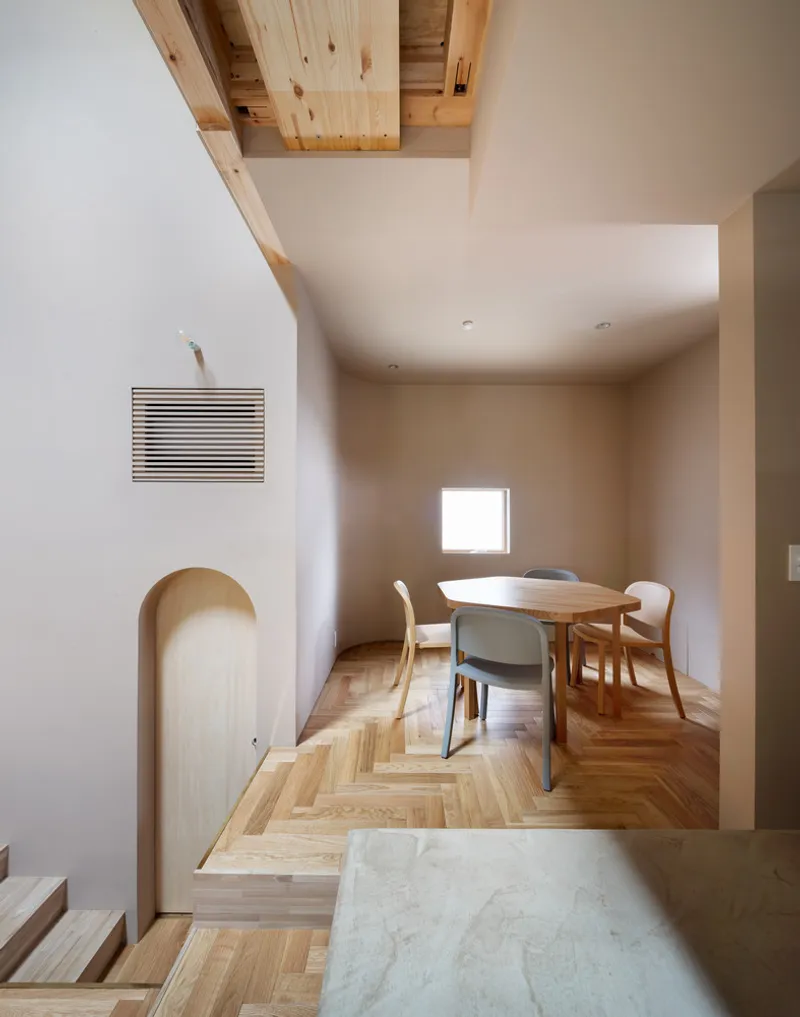
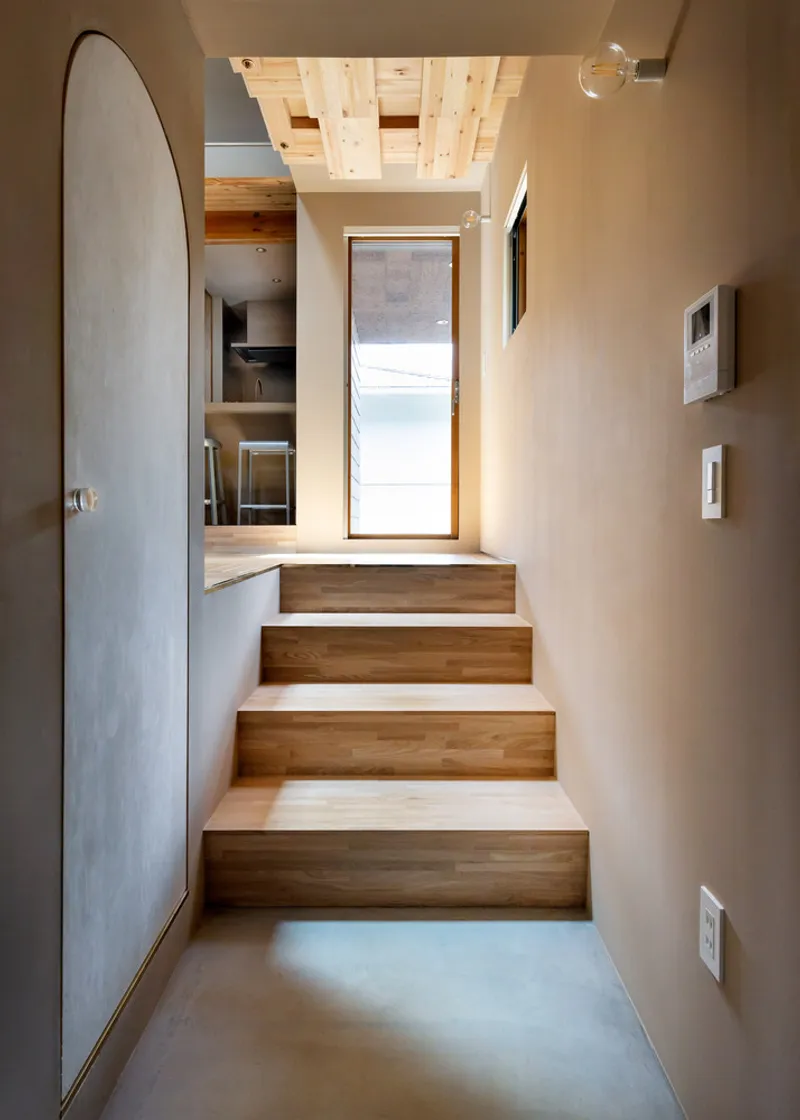
The home’s unique split-level design offers comfort and temperature control, utilizing a buffer zone to balance humidity and heat. The placement of rooms around the spiral staircase ensures that both humans and cats can enjoy private spaces and communal areas without interfering with one another.
Exterior Design and Landscaping
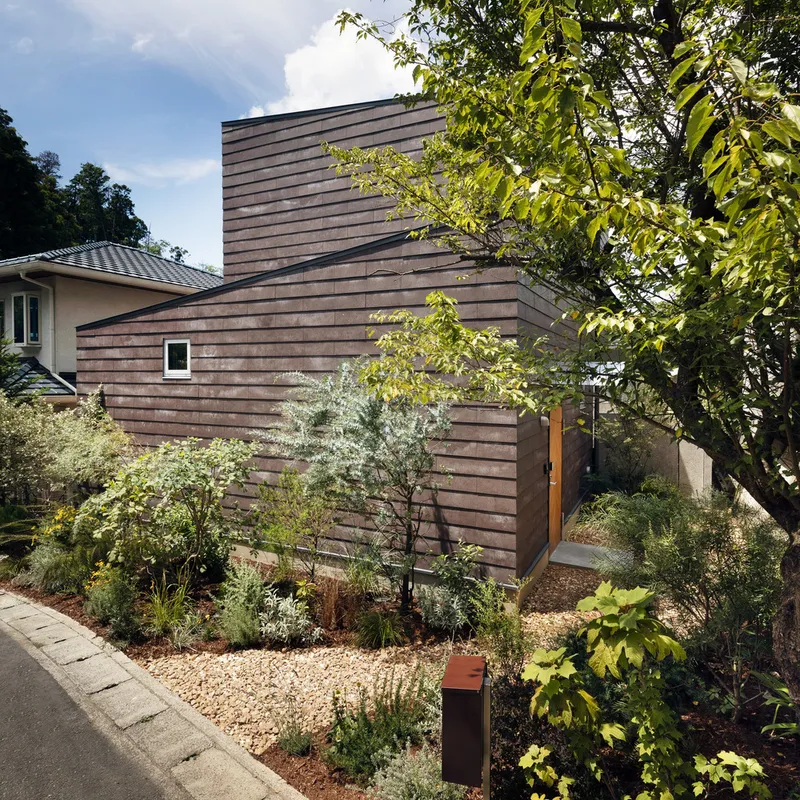
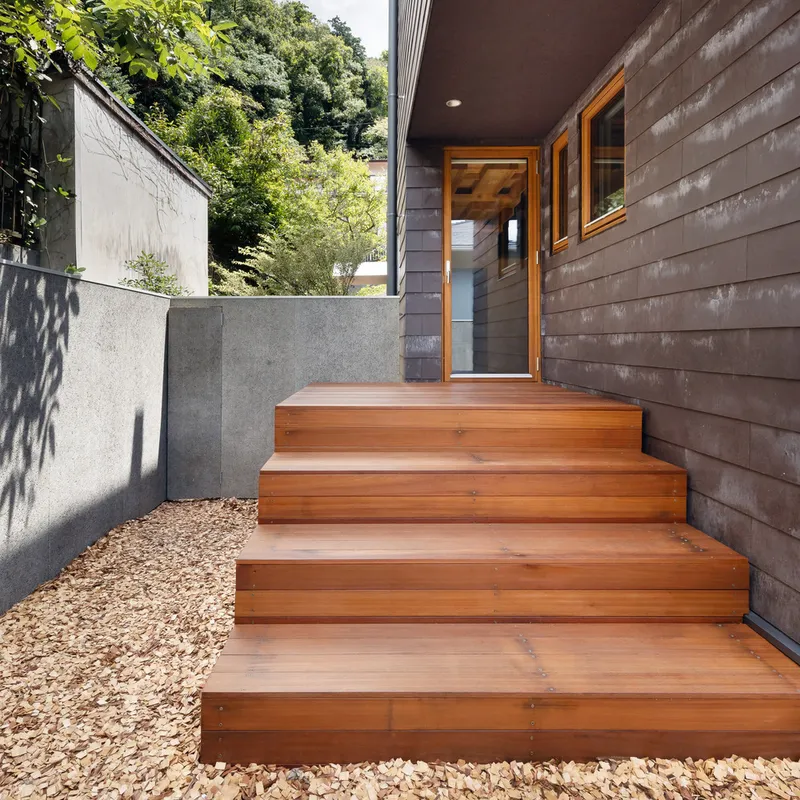
Reflecting the natural beauty of Kamakura, the exterior of the Cat Tree House blends seamlessly with the surrounding landscape. The house’s two L-shaped volumes with contrasting shed roofs create a striking yet harmonious silhouette against the mountains. Large windows are carefully positioned to allow for scenic views while offering a glimpse into the cats' world, turning them into part of the landscape.
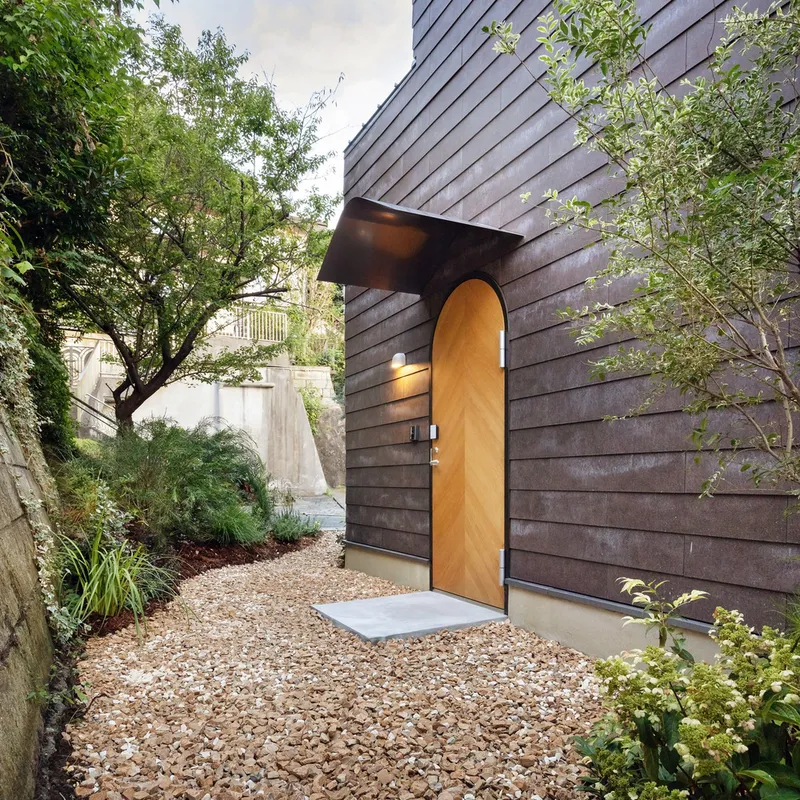
The garden is thoughtfully divided into two zones: the Approach Zone, welcoming visitors with a curated selection of around 80 plant species, and the Terrace Zone, which includes a kitchen garden and a wooden deck area. These spaces provide areas for relaxation and meals, promoting a connection with nature.
A New Architectural Approach to Living with Pets
In Japan, the number of pet cats exceeds that of newborn babies, reflecting a shift in societal values towards animals as integral parts of family life. With this in mind, the architects have approached the design of the Cat Tree House as a response to the evolving relationship between humans and animals, aiming to create a home where both species can thrive. The project not only accommodates the needs of the humans but also prioritizes the well-being of the cats, setting a new precedent for pet-inclusive architecture.
By integrating these elements, Tan Yamanouchi & AWGL have successfully created a home that celebrates both the architecture of the space and the nature of its inhabitants, blending the needs of humans and animals in perfect harmony.
All Photographs are works of Lamberto Rubino



Popular Articles
Popular articles from the community


Co-Life: Senior Housing Design That Reconnects Older Adults With the City
Co-Life reimagines senior housing design through healing gardens, shared streets, workshops, and a sustainable community across generations.

The Ocean Hive: Sustainable Architecture for a Self-Sufficient Civilization at Sea
The Ocean Hive imagines sustainable architecture at sea, where modular habitats, algae, wave power and ocean waste sustain a growing colony.

The Musturak Paradise: Senior Living Architecture for a Connected Future in Temara, Morocco
The Musturak Paradise reimagines senior living architecture in Temara via private homes, social spaces, culture, community, and shared care.

The Earth Pod: 3D Printed Homes for Resilient Refugee Communities
The Earth Pod reimagines refugee housing through 3D printed homes made from clay, combining resilience, self-sufficiency, and rapid shelter.


Similar Reads
You might also enjoy these articles


Hodi-Mandai Geram
Project Function: Preservation and revitalization of the Intangible heritage and socio-spatial identity of the Hodi by Housing, Cultural Memory Center, Sacred Grove, landscape, local tourism economy


Olio Towers: A Mid-Rise for Performers That Fuses Housing, Rehearsal, and Stage
Located blocks from Houston's Theater District, this modular tower stacks living units around a central performance atrium.

Oasis: Modular Green Housing Carved into Dhaka's Urban Fabric
A shortlisted Plugin Housing entry reclaims unauthorized settlements in Dhaka with stepped concrete volumes, green roofs, and ventilation-driven design.

Black Hole: A Floating Megastructure for the Post-Physical Era
Emiliano Mazzarotto envisions a spherical, self-scaling arena where e-sports, digital hotels, and holographic stadiums replace traditional public space.


Explore Architecture Competitions
Discover active competitions in this discipline



Challenge to reimagine the Iron Throne


Photograph architecture without architects


Illustrate the lost glory of Angkor Wat - Render Challenge


Design challenge to reuse E-waste
Comments (0)
Please login or sign up to add comments
No comments yet. Be the first to comment!