
A Contemporary Extension of Beirut’s National Museum
The Nuhad Es-Said Pavilion blends history and modernity, enriching Beirut's National Museum with innovative cultural spaces and timeless design.


The Nuhad Es-Said Pavilion for Culture, designed by Raed Abillama Architects, is a landmark addition to the National Museum of Beirut. Dedicated to celebrating Lebanese art, culture, and heritage, this pavilion merges historical reverence with contemporary design. Commissioned by the National Heritage Foundation in collaboration with the Es-Said family, the project underscores the importance of cultural preservation and modern adaptability.
Preserving a Legacy
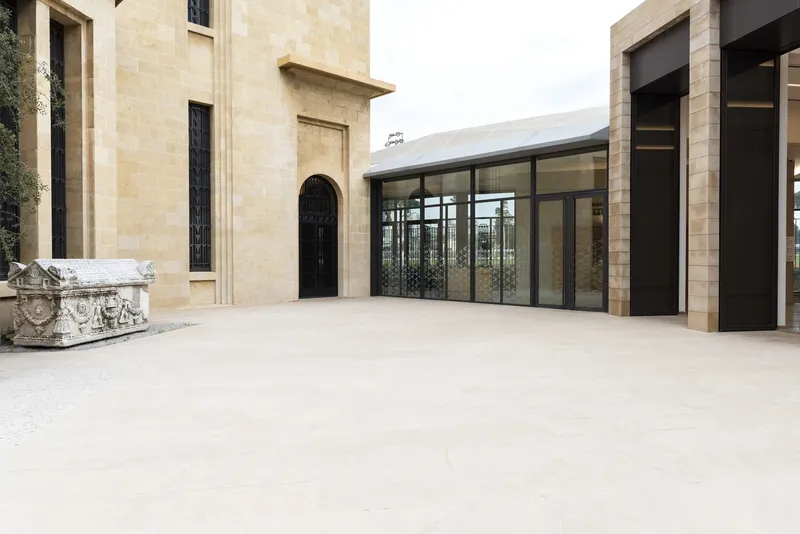
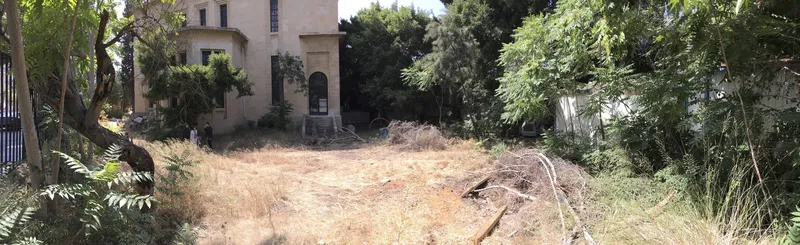
Opened in 1942, the National Museum of Beirut stands as a monument to Lebanon’s rich cultural history. Initially designed by Antoine Nahas and Pierre Leprince Ringuet, the museum’s neo-classical structure was envisioned with two wings flanking the main building. However, only the left wing was constructed. The Nuhad Es-Said Pavilion now occupies the right side, completing the original vision while offering a modern interpretation of the museum’s architectural language.
Honoring Nuhad Es-Said’s Legacy
Named after Nuhad Es-Said, a passionate art collector, the pavilion strengthens the National Museum’s identity as a cultural hub. By introducing this extension, the museum expands its capacity for innovative exhibitions, community engagement, and the promotion of Lebanese artistry. This evolution also ensures continued financial support for the museum’s operations, securing its role as a living institution bridging the past, present, and future.
A Contemporary Design Rooted in Heritage
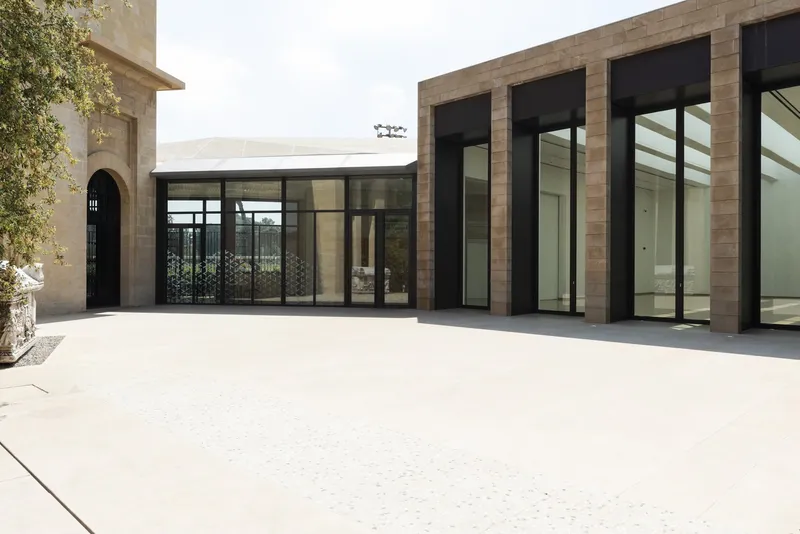
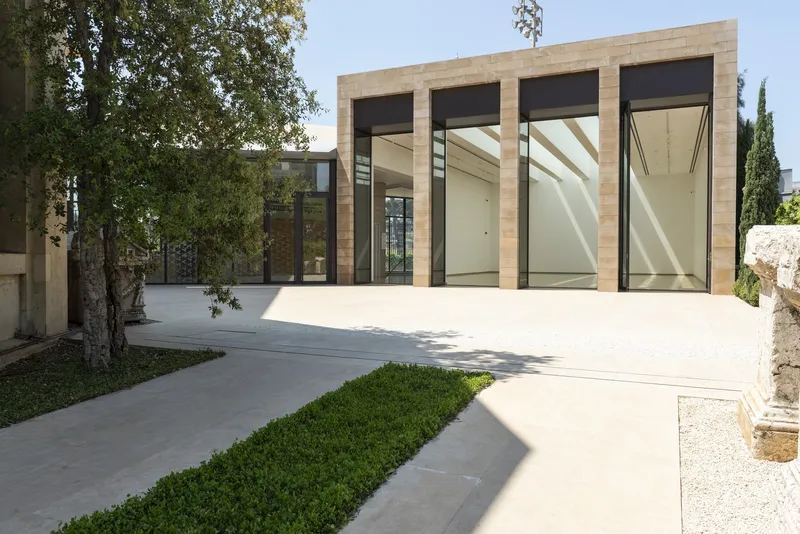
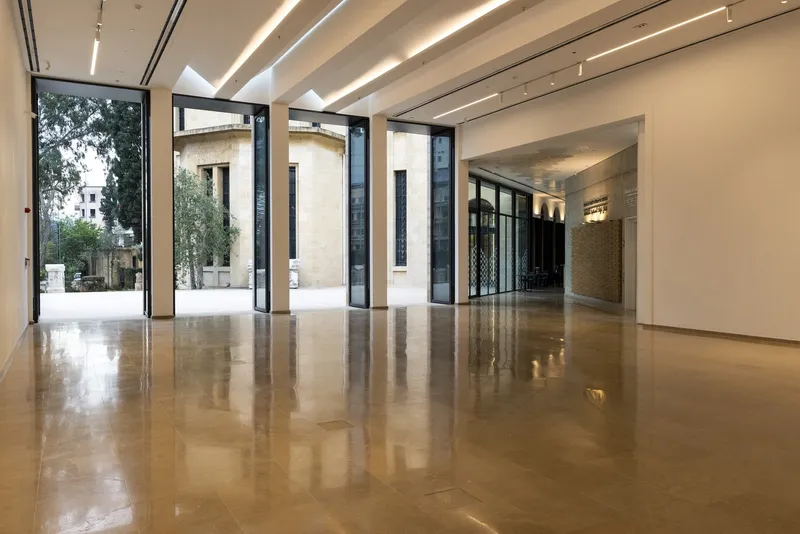
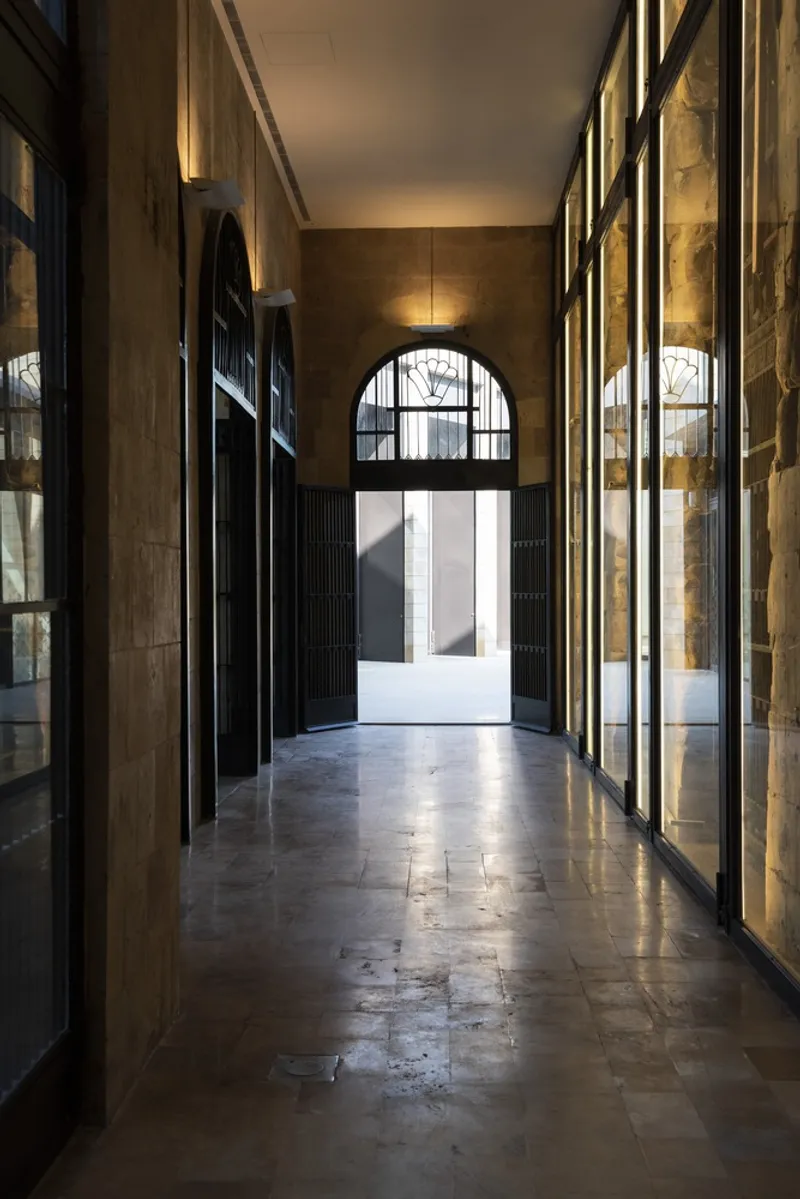
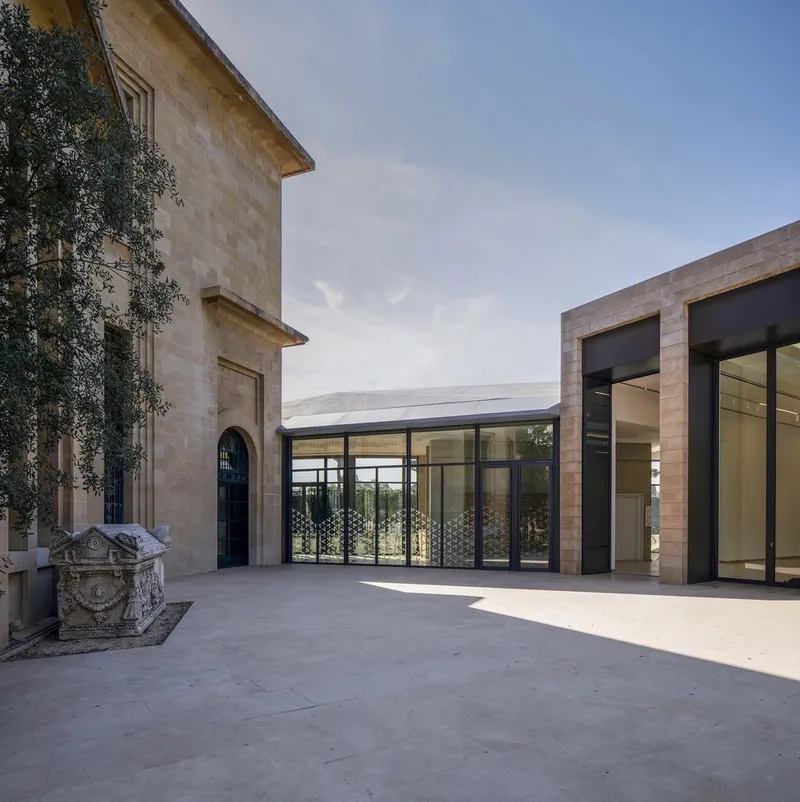
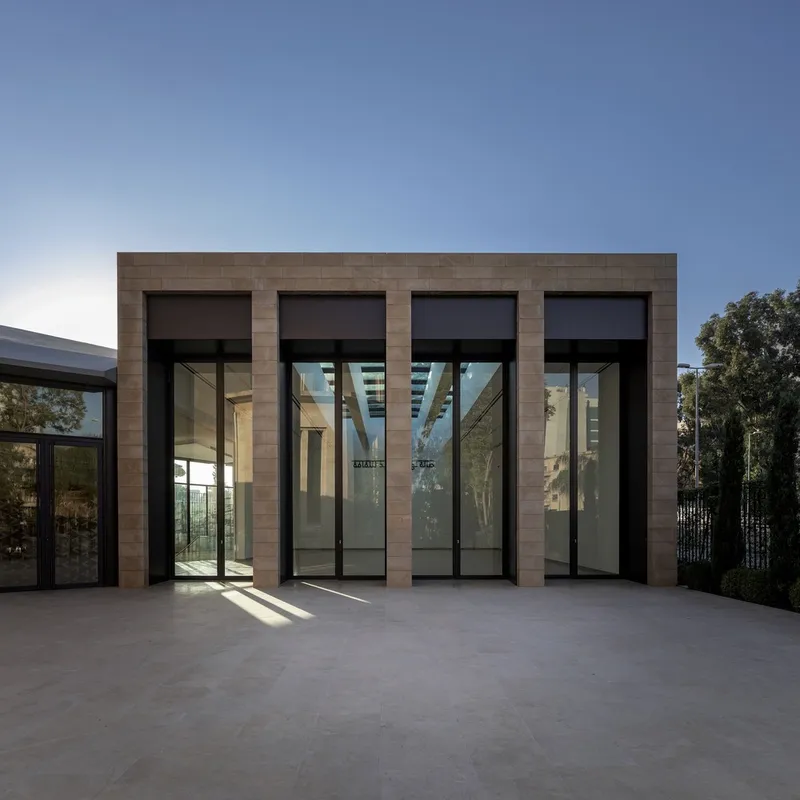
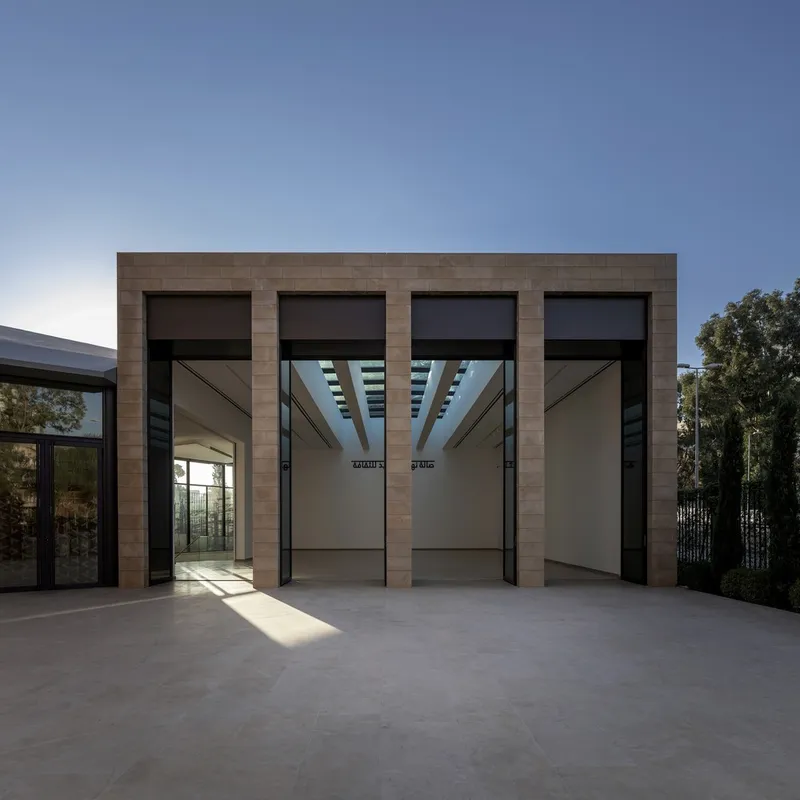
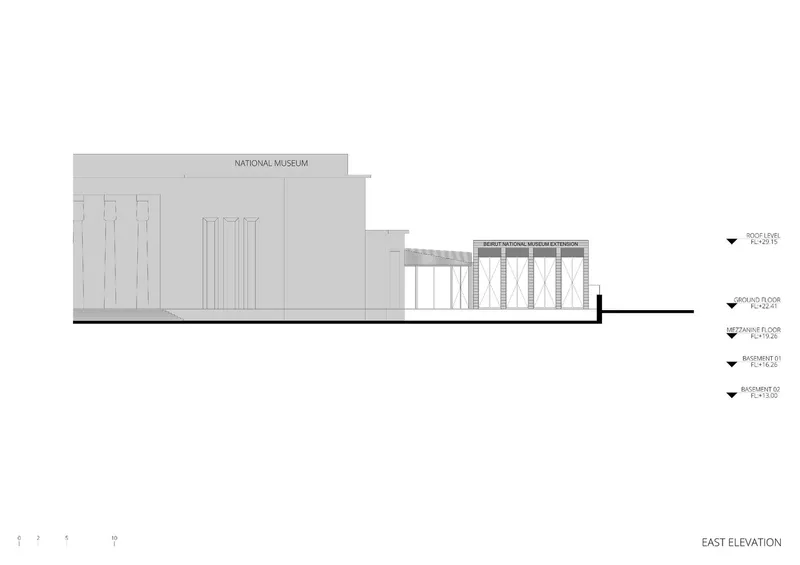
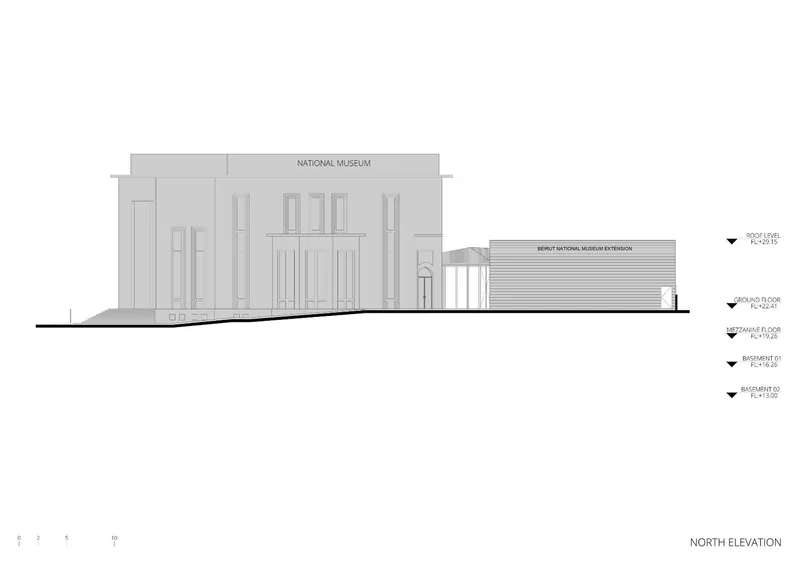
The pavilion’s design maintains a dialogue between the historic and the modern. The façade features large floor-to-ceiling glass panels framed by columns of yellow local stone, echoing the museum's neo-classical aesthetic. While the structure respects the museum’s original proportions, it stands out with a distinctively contemporary form, establishing a harmonious balance between past and present.
Key Architectural Features
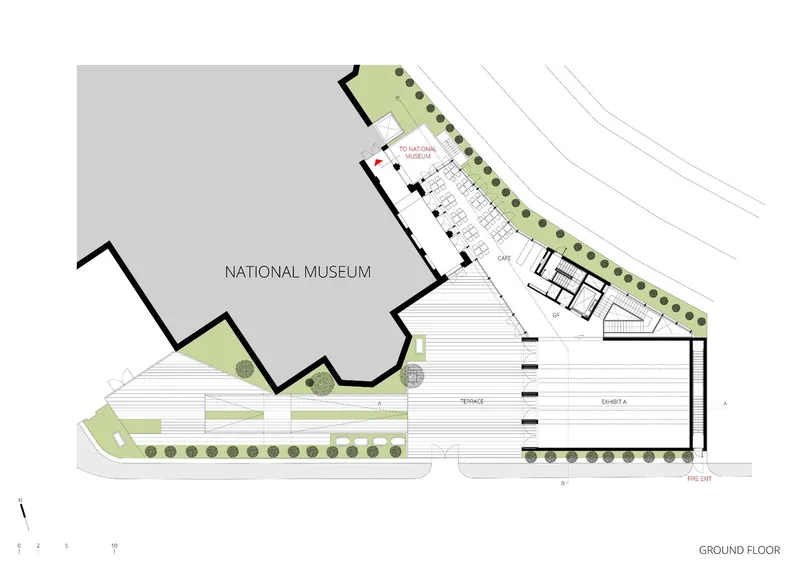
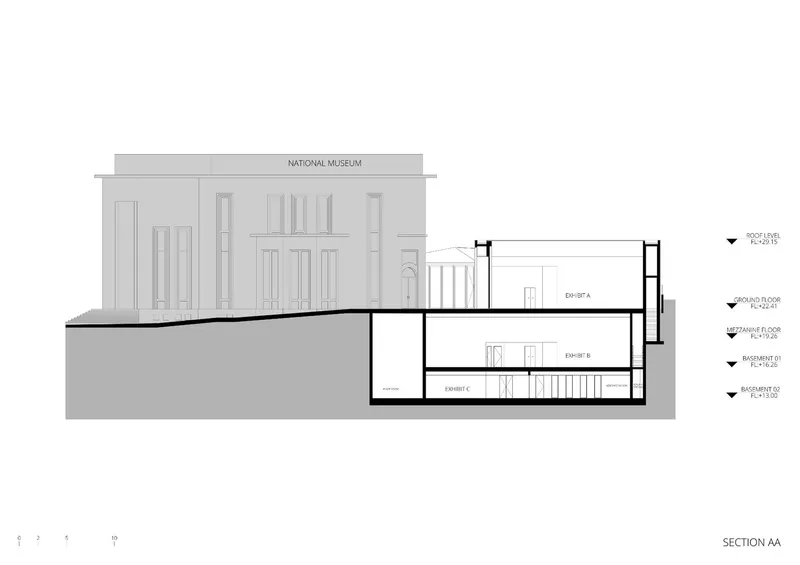
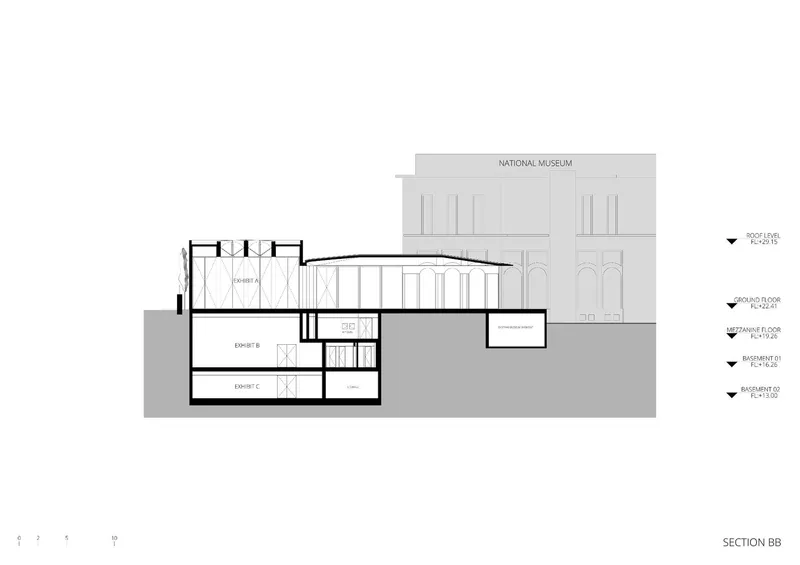
The pavilion comprises three main components: a landscaped garden, a cafeteria, and the exhibition space itself.
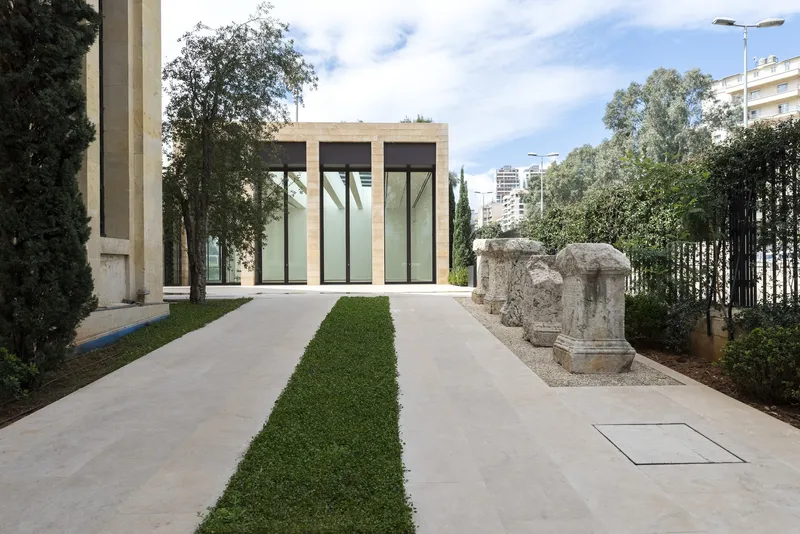
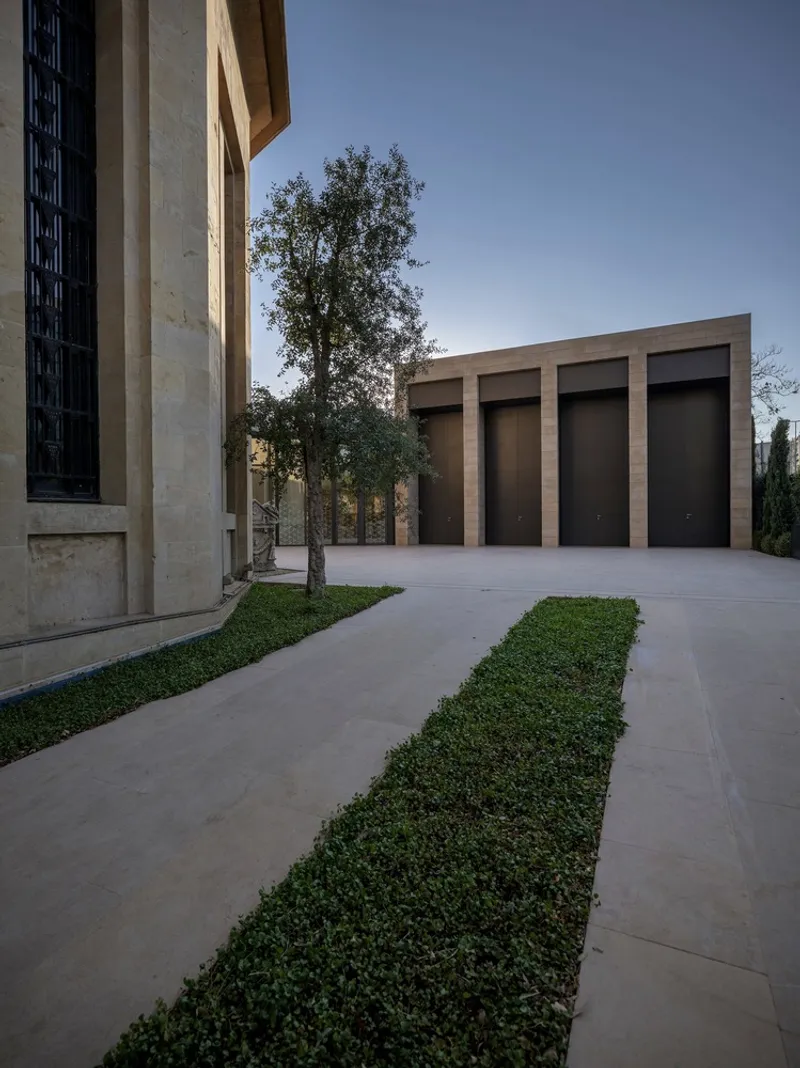
- Landscaped Garden: The processional garden connects the museum to the pavilion, creating a serene transition between spaces.
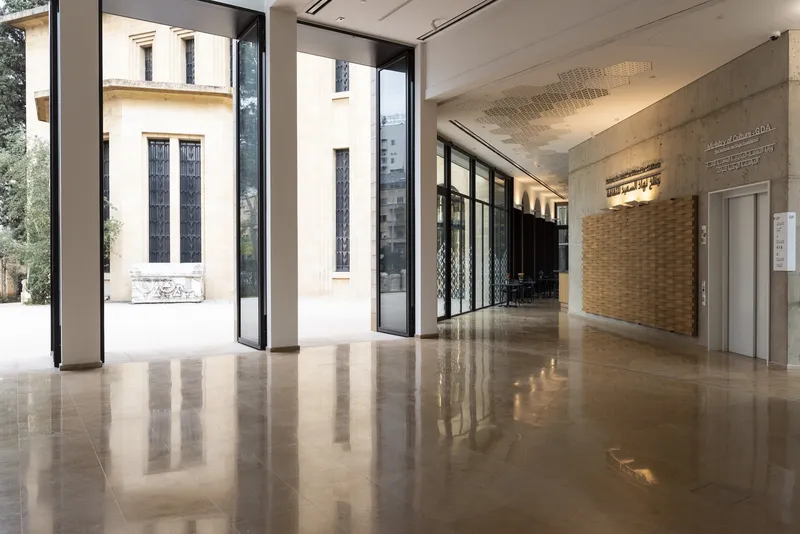
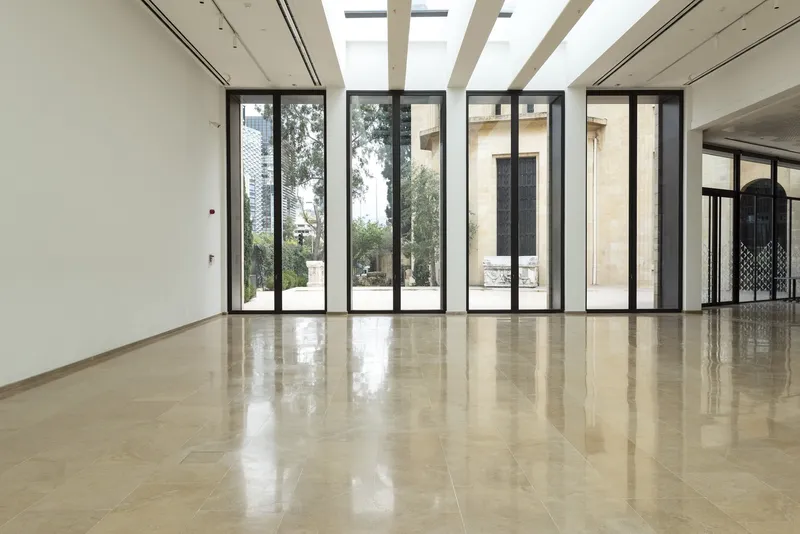
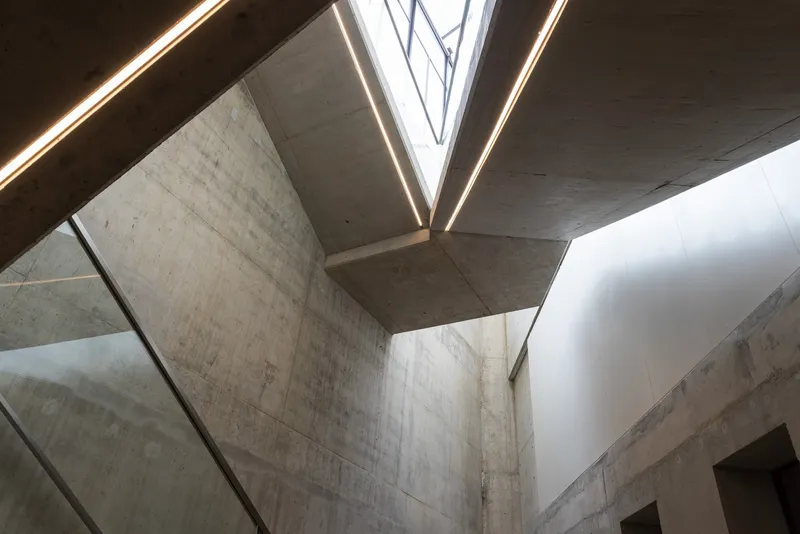
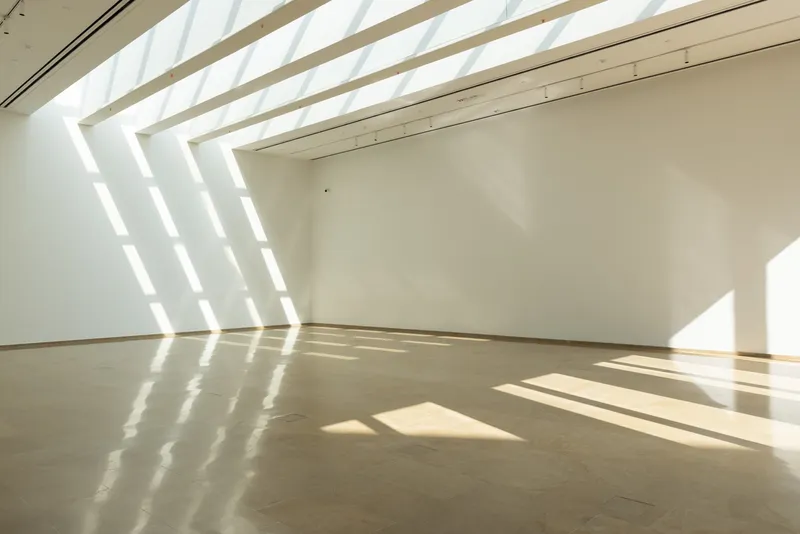
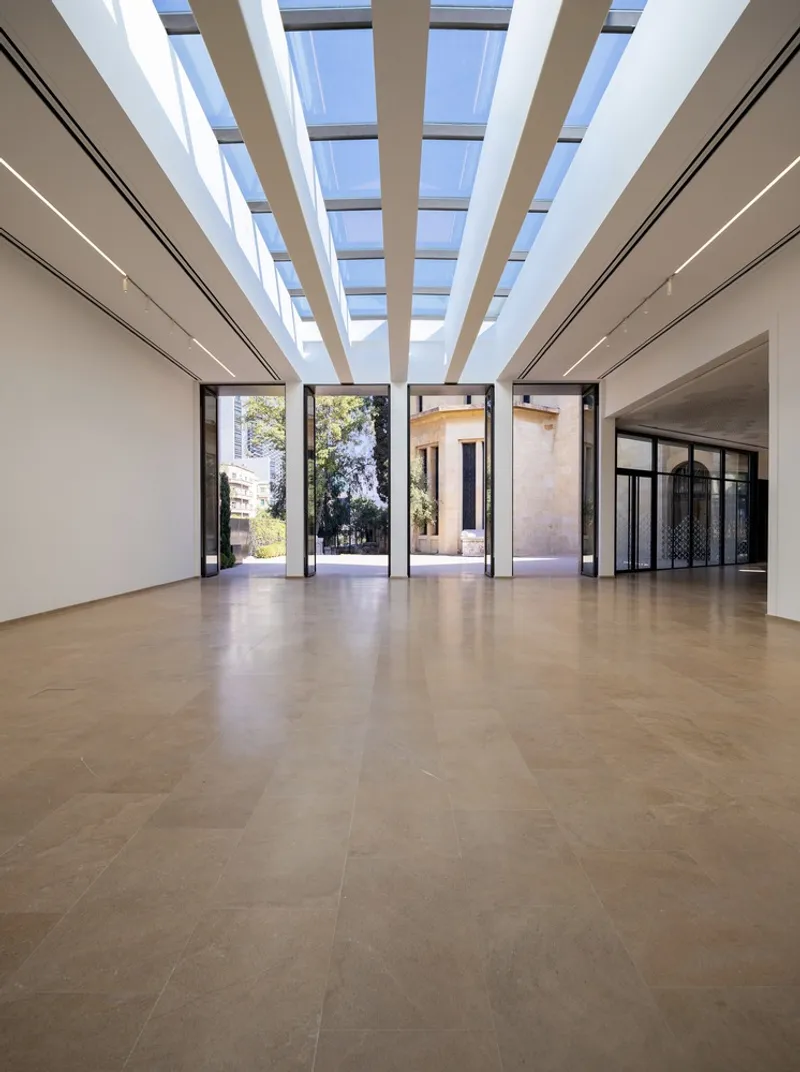
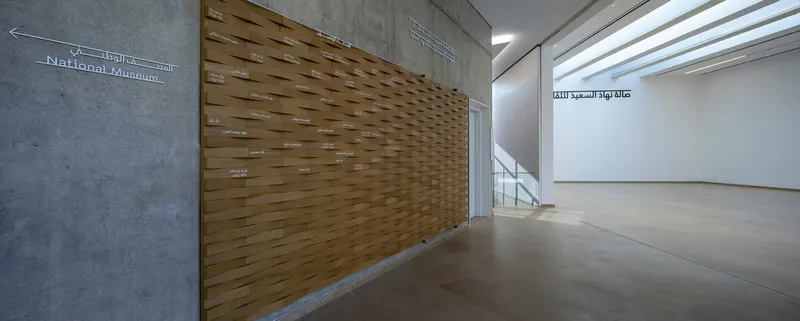
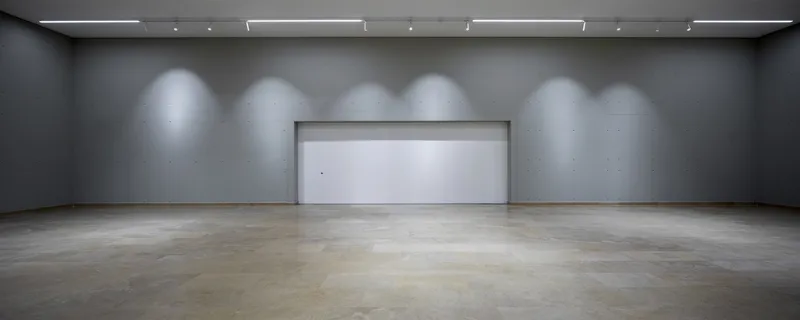
- Pavilion Structure: At ground level, the pavilion offers a flexible, open space with vast glass façades and natural light from skylights. Its side and rear walls, equipped with display panels, make it ideal for exhibitions.
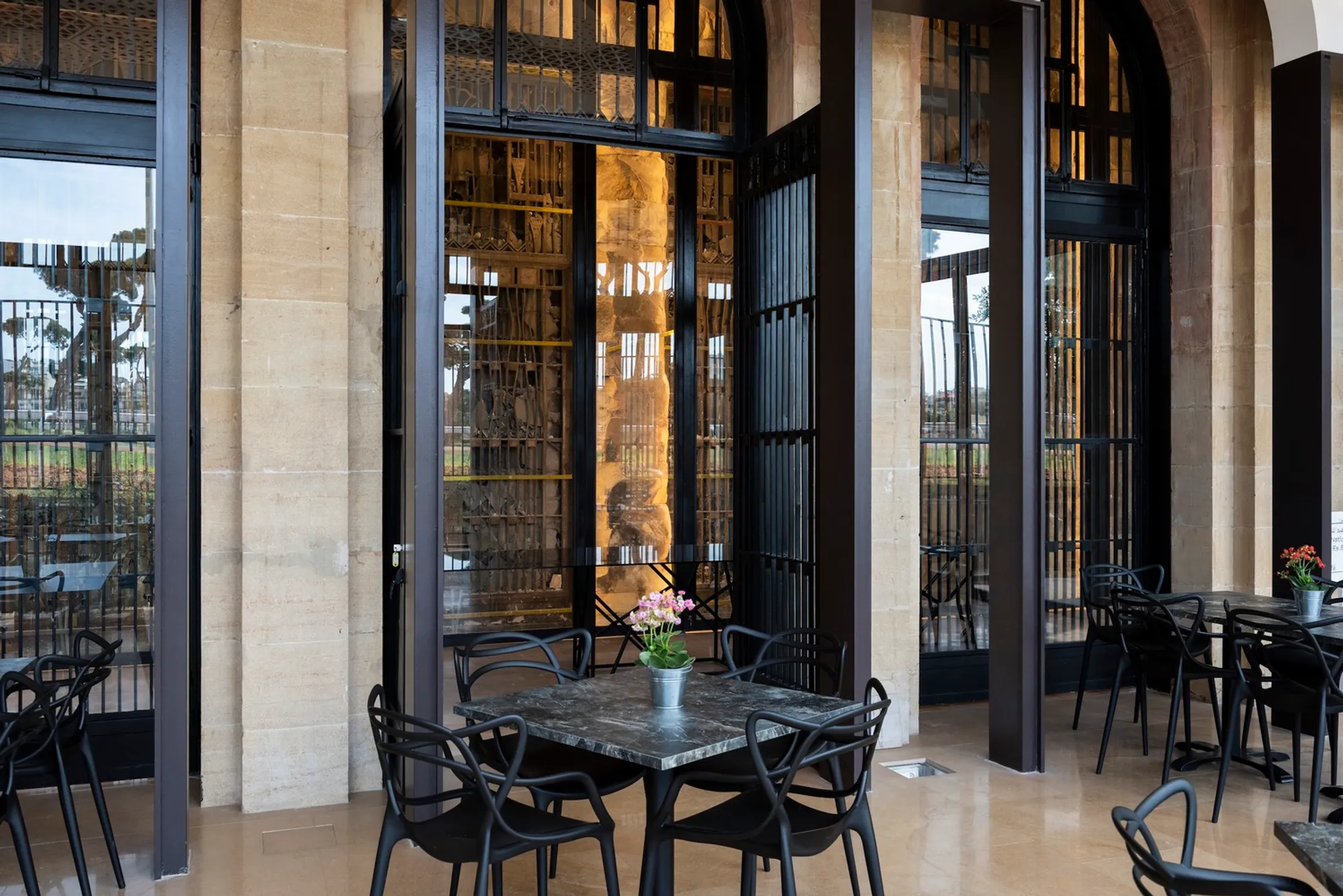
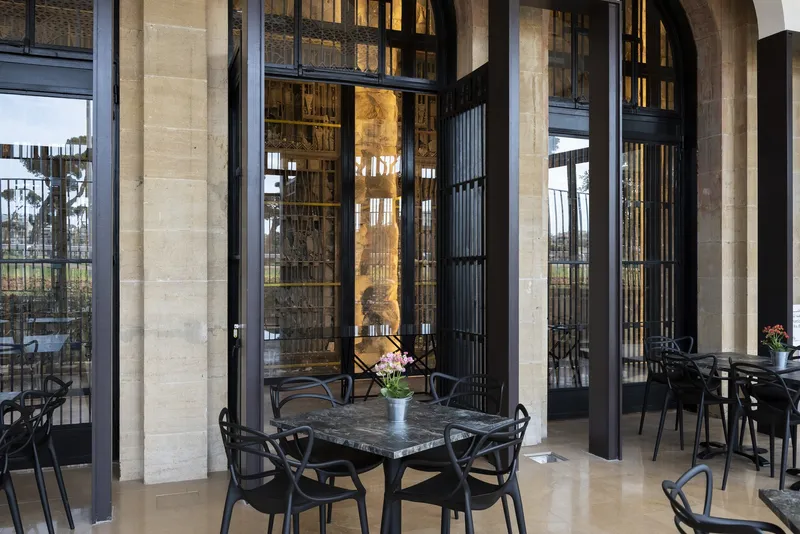
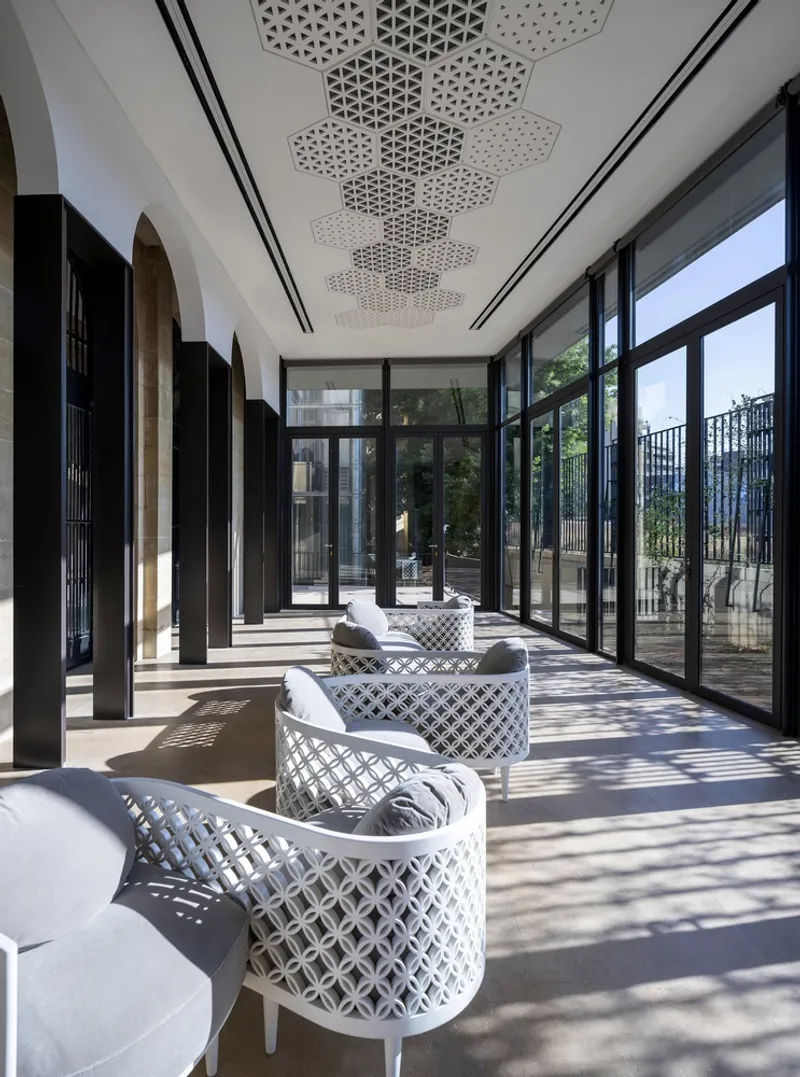
- Cafeteria Bridge: The pavilion café, a glazed connector between the main museum and the pavilion, offers stunning views of Beirut’s Hippodrome.
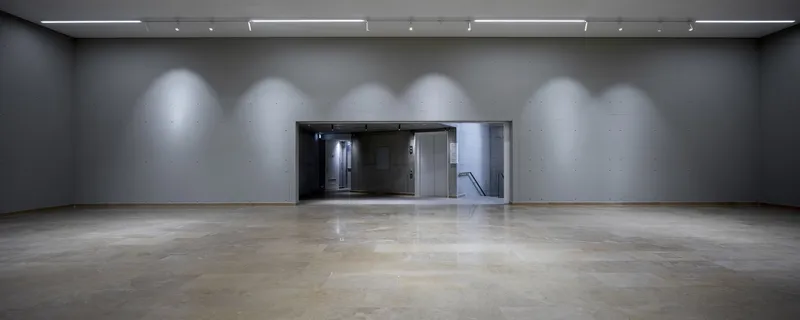
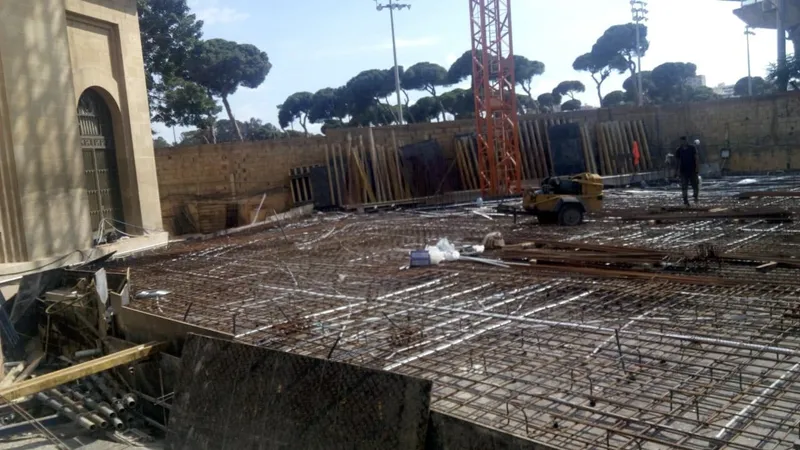
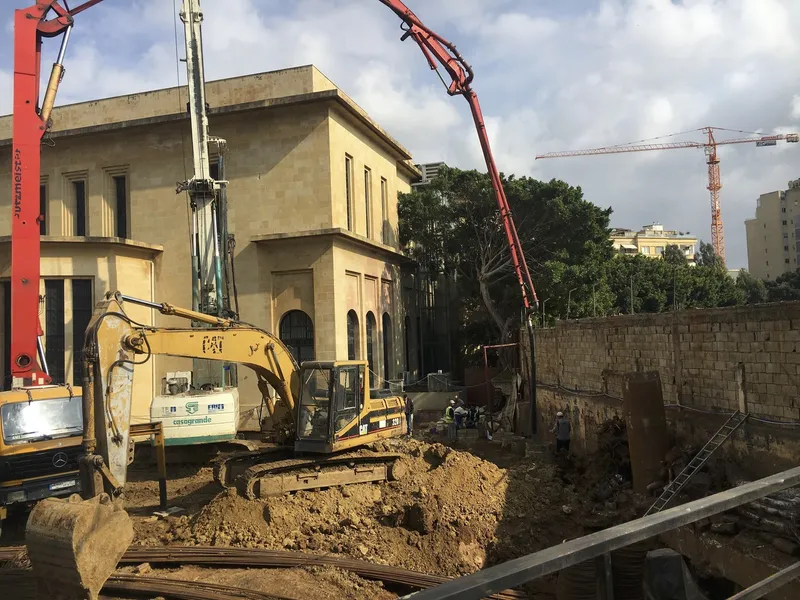
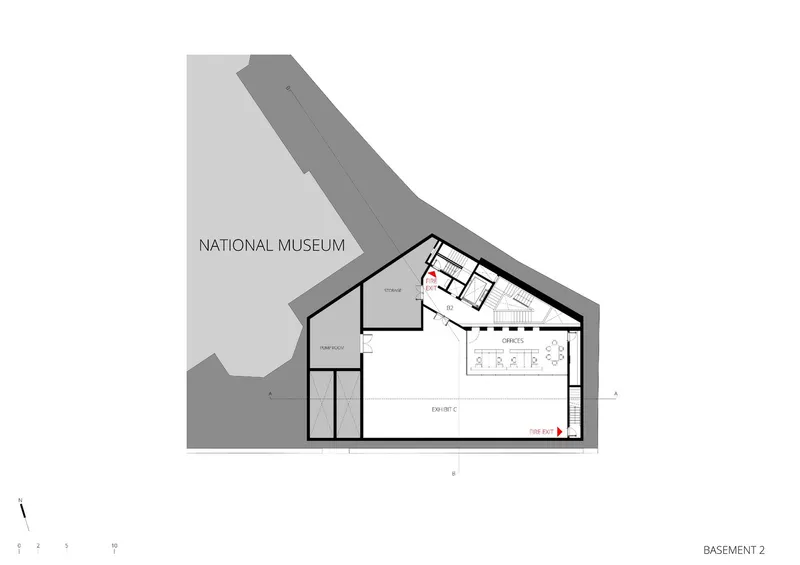
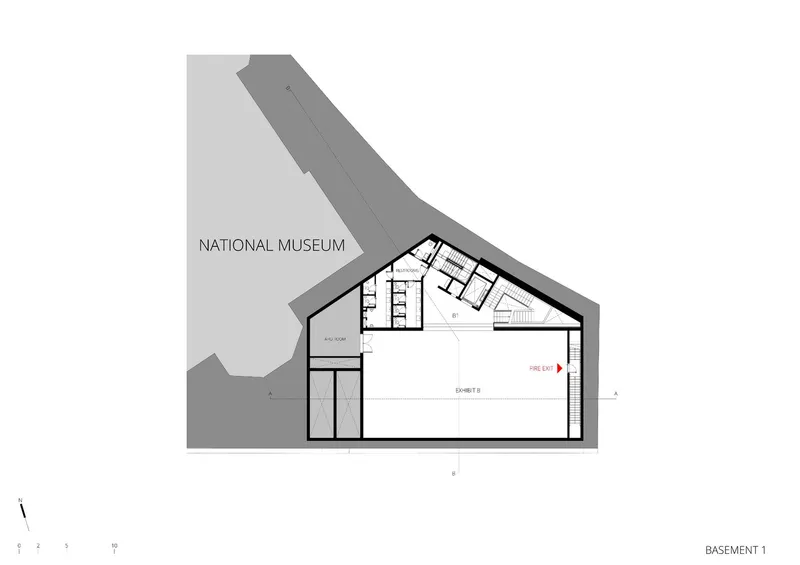
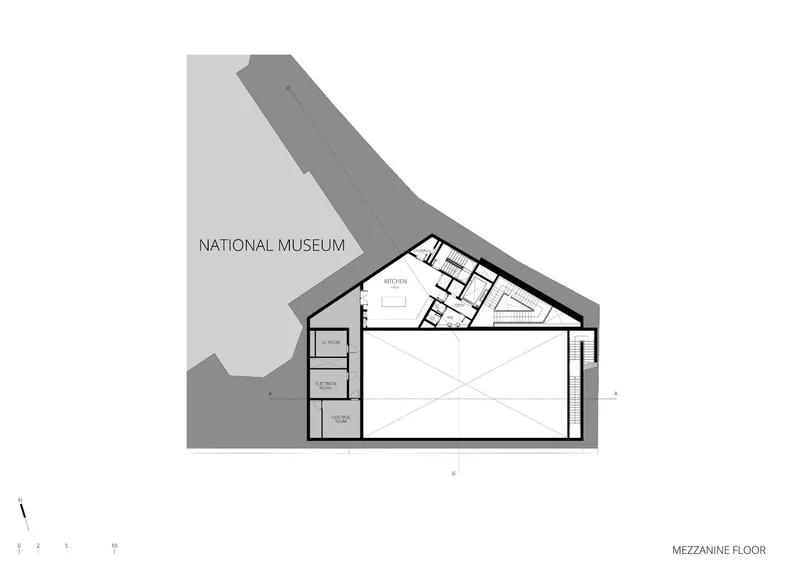
To maximize functionality, the pavilion also includes two basement levels, accommodating multi-purpose halls, technical facilities, and storage areas. This efficient use of space addresses the constraints of its narrow site while enhancing the museum’s operational capacity.
Sustainable and Functional Design
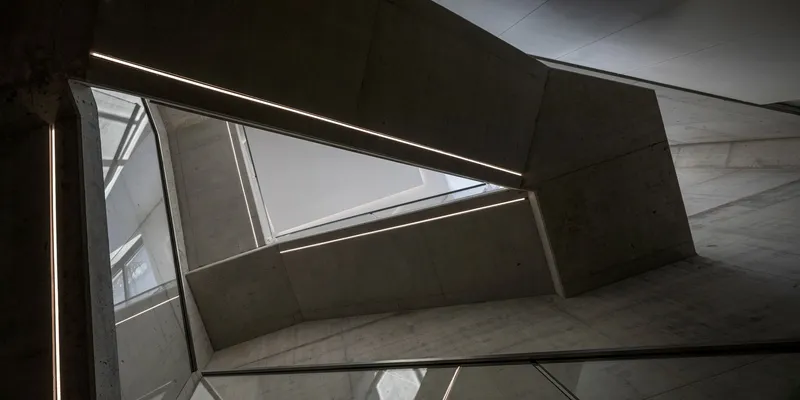
The pavilion emphasizes sustainability and adaptability. The skylights, paired with an integrated shading system, allow controlled daylight to flood the interiors, minimizing reliance on artificial lighting. The use of local materials, such as yellow limestone, reduces the environmental impact while maintaining a connection to the site’s heritage.
Bridging History and Modernity
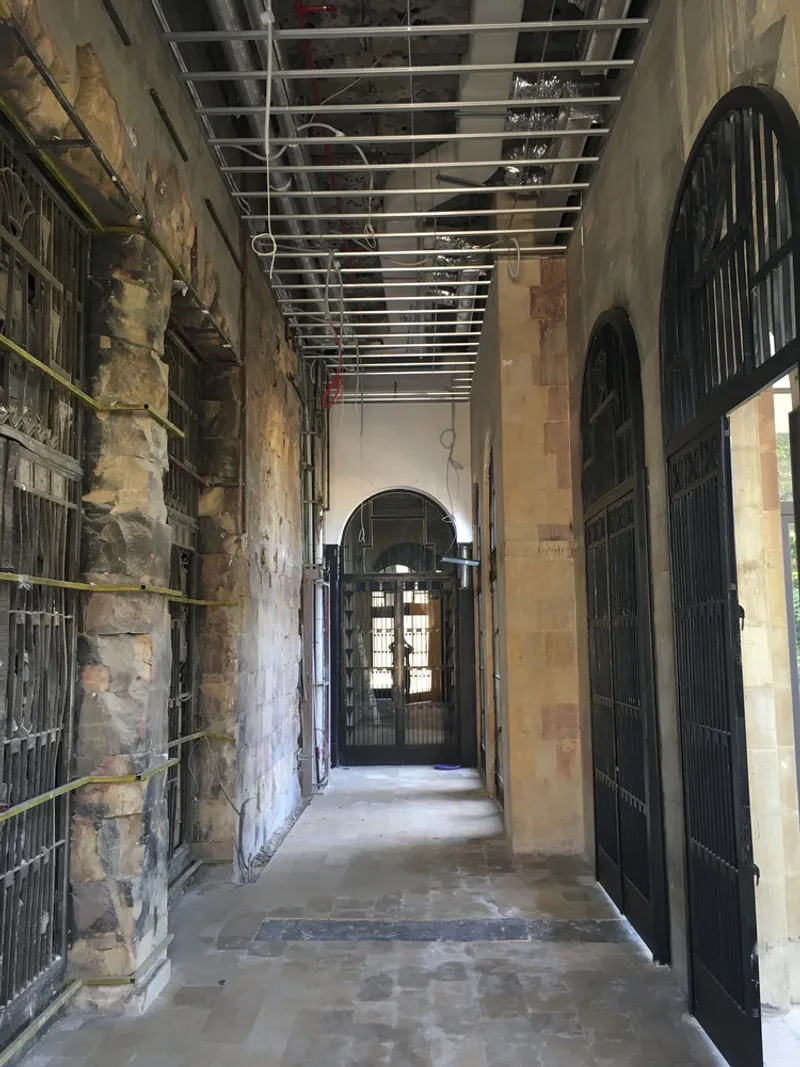
The Nuhad Es-Said Pavilion for Culture is more than an extension; it is a testament to Lebanon’s cultural resilience. By seamlessly integrating historical elements with modern architectural innovation, the pavilion reaffirms the National Museum of Beirut’s significance as a custodian of Lebanon’s rich heritage. Its design not only enhances the museum’s functionality but also inspires future generations to appreciate and preserve their cultural identity.
All Photographs are work of Caroline Tabet



Popular Articles
Popular articles from the community


Riyadh For All: Intergenerational Urban Design for Active Aging in Rabat
Riyadh For All reimagines urban design in Rabat with intergenerational co-living, adaptive courtyards, and Moroccan cultural exchange today.

Co-life: Sustainable Architecture for Age-Friendly Community Living
Co-life reimagines sustainable architecture for seniors through courtyards, rammed earth, shared gardens, and spaces designed for belonging.

Conexión: Biophilic Design Reimagines High-Rise Living in Hong Kong
Conexión reimagines high-rise living in Hong Kong through biophilic design, green facades, shared spaces, daylight, water and nature within.

The Earth Pod: 3D Printed Homes for Resilient Refugee Communities
The Earth Pod reimagines refugee housing through 3D printed homes made from clay, combining resilience, self-sufficiency, and rapid shelter.

Similar Reads
You might also enjoy these articles


Hodi-Mandai Geram
Project Function: Preservation and revitalization of the Intangible heritage and socio-spatial identity of the Hodi by Housing, Cultural Memory Center, Sacred Grove, landscape, local tourism economy


Olio Towers: A Mid-Rise for Performers That Fuses Housing, Rehearsal, and Stage
Located blocks from Houston's Theater District, this modular tower stacks living units around a central performance atrium.

Oasis: Modular Green Housing Carved into Dhaka's Urban Fabric
A shortlisted Plugin Housing entry reclaims unauthorized settlements in Dhaka with stepped concrete volumes, green roofs, and ventilation-driven design.

Black Hole: A Floating Megastructure for the Post-Physical Era
Emiliano Mazzarotto envisions a spherical, self-scaling arena where e-sports, digital hotels, and holographic stadiums replace traditional public space.


Explore Architecture Competitions
Discover active competitions in this discipline



Challenge to reimagine the Iron Throne


Photograph architecture without architects


Illustrate the lost glory of Angkor Wat - Render Challenge


Design challenge to reuse E-waste
Comments (0)
Please login or sign up to add comments
No comments yet. Be the first to comment!