

A light collision
Revitalizing urban spaces in the context of nightlife


Background
Technology has connected us more than ever. Physical absence is compensated by the constant virtual presence at the screens in our hands that have tried to integrate the whole world inside it with the help of applications and high-speed internet. A sad contradiction is that as we get more connected digitally, we are getting more disconnected in real life. The comfort of seeing the world through our devices has now led us to dismiss the need to get out of our houses. A device-free zone has become a necessity for individuals who are overworked and addicted to nothing but devices and technology. A temporary detachment with technology and network has become a necessity to maintain a healthy stability of mind and reconcile real-world relations. This trend might not end anytime soon in the wake of technological advancement, hampering real-world interaction with real people.
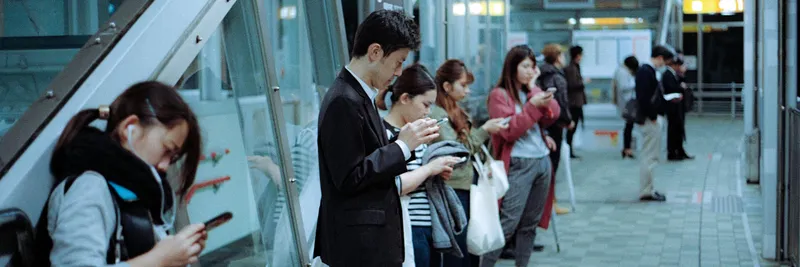
The younger generation is even more susceptible to the new-age devices and their lucrative offerings. It has gradually affected our cognitive skill development and depreciated physical activity. Children are getting more involved in visual forms of entertainment and avoiding playgrounds indicating a dire need for an update, like the technology. Devices have created a platform for pseudo interactions, taking away all the remaining of our wake time making us less social every day. Our devices are getting better day by day, but the neighborhoods we reside in, are still struggling to get an update.
Approaches
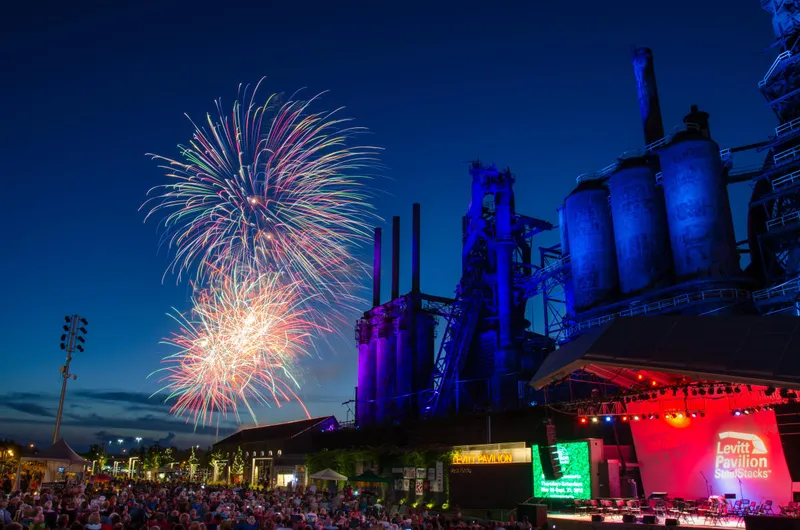
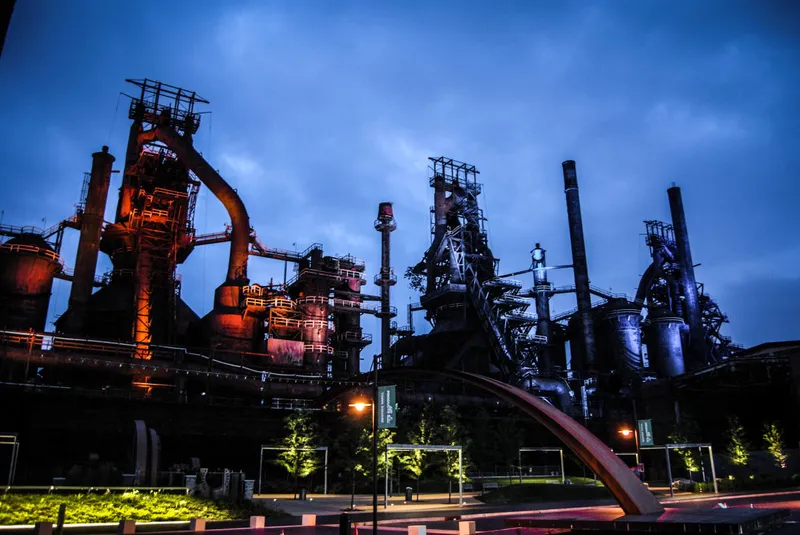
An innovative design approach has been made in projects of revamping dilapidated unused sites into creating vibrant community gathering spaces in the urban context, where digital media has affected the most. One of the best examples is the SteelStacks Arts and Cultural Campus Located in Bethlehem, Pennsylvania. It was a closed steel plant of a post-industrial town that was reforged into a green urban space for the residents of Leigh Valley and serves as a forecourt for the Bethlehem visitor’s Center. It has also converted some of the impervious pieces of land into porous zones minimizing the loss due to stormwater runoff. Steelstacks is a complete multifunctional zone that illuminates the old steel manufacturing equipment through the night. It attracts around 1.5 million visitors every year and is a new typology for post-industrial cities.
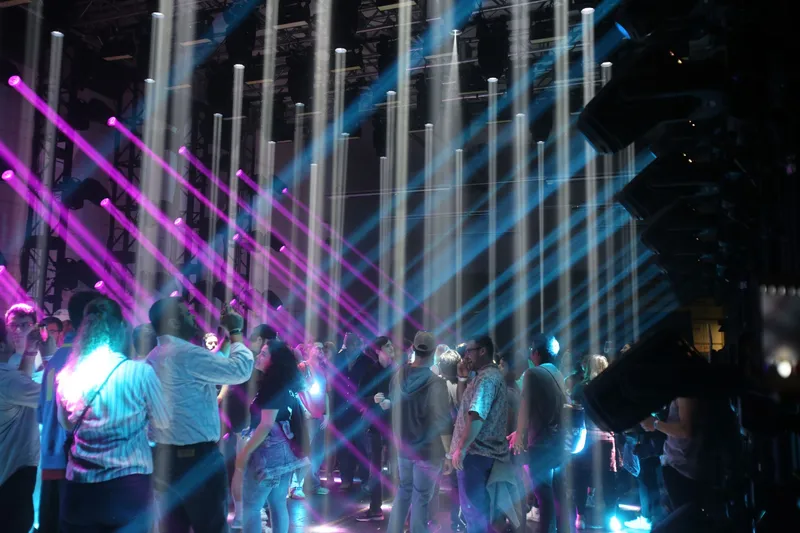
Day for Night Music Festival explores the deep connection between sound, light, space, and technology, hosted its 2016 edition in Barbara Jone Post Office in downtown Houston. It converted an abandoned building into 1.5 sq feet of arresting sensory data, hybrid indoor-outdoor space housed four massive stages with a seamless flow between the stages and immersive art installations. It was a perfect example of revitalizing unused urban spaces into stimulating forms, connecting people in the physical world rather than the virtual.
Nightlife in context with urban areas has changed over the years, which started as a small campfire during ancient nomadic times. It used to be a gathering point for people to connect after a long day, or on a cold winter night. Striking conversations with each other, campfires changed their course and became a luxury for the urban crowd that needed a gate away to enjoy it. The scope of interactions became lesser, as cities grew larger. Technology updates itself to mold into the human lifestyle but public spaces did not grow at the same pace. A design update is necessary to bring alive human interaction.
Conclusion
Commun has introduced a challenge to re-interpret this “campfire” at an urban level that can bring people together through fresher experiences of public space at night. It aims to accumulate the ideas of social gathering spaces at an urban level instigated by light as its creative feature for nightlife.


Popular Articles
Popular articles from the community


ETEH Reworks the Shared Spaces of São Domingos School in Brazil Around Timber, Color and Hanging Plants
At São Domingos School in Brazil, 436 m² of hall, refectory and library are recast with timber joinery, a yellow and blue code and trailing greenery.


Singing Woman: An Opera House That Performs Before the Curtain Rises
Ovidiu Cristian Pavel's conceptual opera house translates Estonia's choral identity into a sculpted waterfront landmark facing the Baltic Sea.

The Amber Palace Opera: A Geological Fiction Surfaces on Tallinn's Baltic Waterfront
Pierre Brillard reimagines a Baltic legend as a public landscape, opera house, and waterfront promenade rooted in Tallinn's coastal identity.

Aquadapt: An Underwater Habitat That Rewrites Its Rooms by the Hour
Curved modules ring the seabed while one shell shifts from breakfast room to cinema, farm and football pitch as residents' needs change.

Similar Reads
You might also enjoy these articles

Juan García Correa, John González and Claudia Rueda Sink a Circular Amphitheater into a Manizales Engineering Building
On the La Nubia campus in Manizales, Colombia, the S1 Building folds labs and offices into a hillside of ramped lawns that double as a campus route.

Arealis Brasil Wraps a São Paulo Office for Everis's Creative Arm Around a Glowing Curved Counter
In Brooklin Paulista, a 300 m² office for the creative agency Chazz uses timber, metal mesh and ribbed green glass to blur workspace and pub.

LT2A and OPEN Architectes Thread a Brick and Glass High School Through a Wooded Belgian Campus
In Braine-l'Alleud, a 3,000 m² wing for Collège Cardinal Mercier pairs pale brick with a glazed colonnade, deferring to a small chapel and a dense wood.

Atelier Diving Bell Stitches a Hangzhou Food Court Together with a Louvered Steel Canopy
In Hangzhou's Liangzhu Culture Village, a 1,400 m² food court renewal uses canopies, tree benches and props to turn a passage into a place.

Comments (0)
Please login or sign up to add comments
No comments yet. Be the first to comment!