
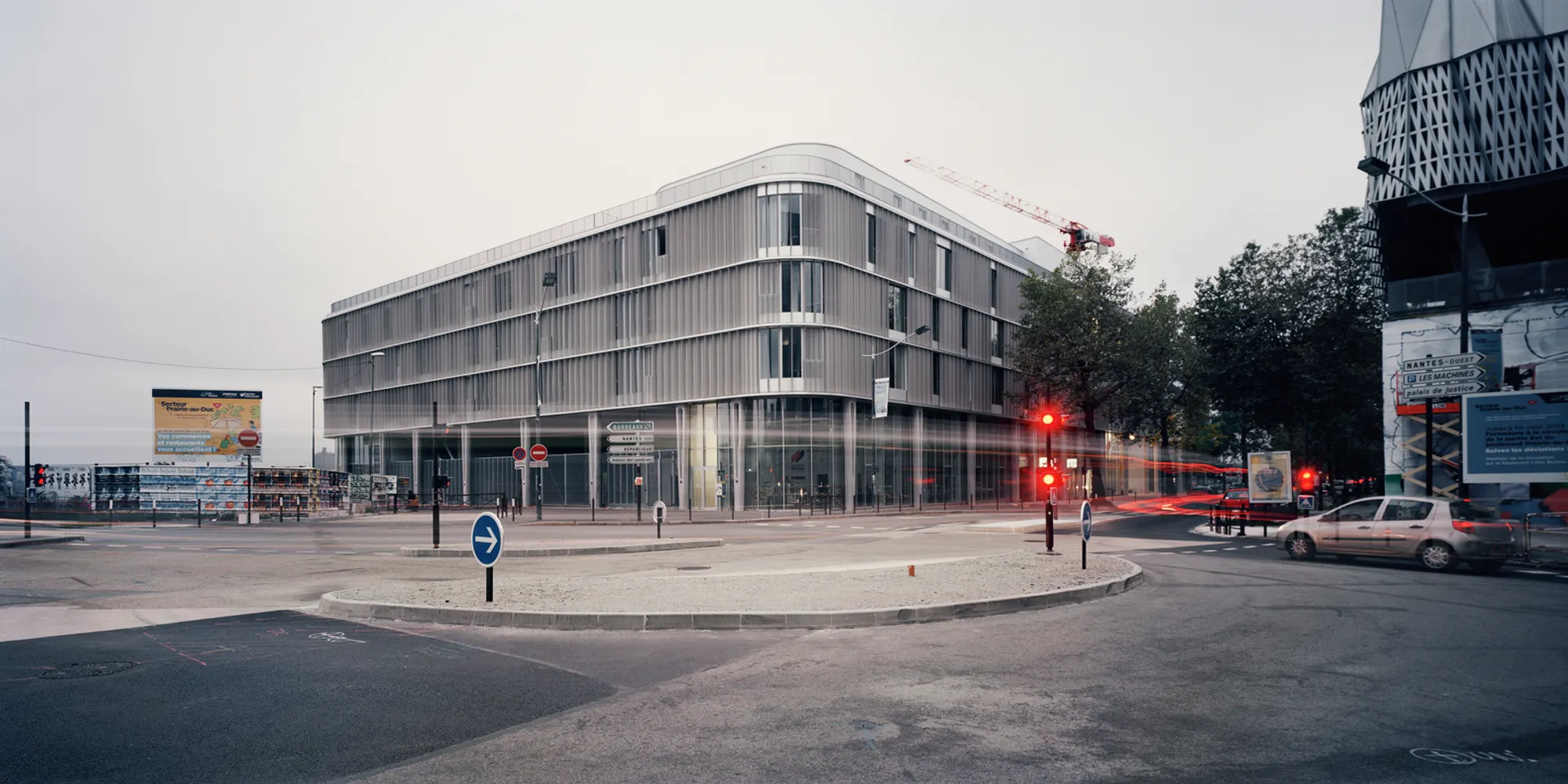
A Modern Masterpiece in the Heart of Nantes
Explore the innovative Nantes School of Design, showcasing modern architectural design by Marc Mimram, blending creativity and sustainability.


Nantes, a city known for its rich cultural heritage, is also home to some of the most innovative and forward-thinking architectural designs in France. One such example is the Nantes School of Design, a stunning project by the renowned architect Marc Mimram. This building not only adds to the city’s architectural beauty but also fosters a dynamic ecosystem for creativity and design. In this article, we will explore the Nantes architectural design of the school, focusing on its unique features, its role in the city's creative landscape, and how it represents the future of urban architecture.
The Vision Behind the Nantes School of Design:
Integrating Education, Innovation, and Urban Space
The Nantes School of Design is more than just an educational building—it is a statement of modern Nantes architectural design. Located on the “Ile de la Création” (Island of Creation), this structure is an essential piece of the city’s creative and academic ecosystem, which includes other institutions such as the School of Fine Arts and the School of Architecture. The goal of the design was to create a space where creativity could flow freely, not only within the building but into the city as well.
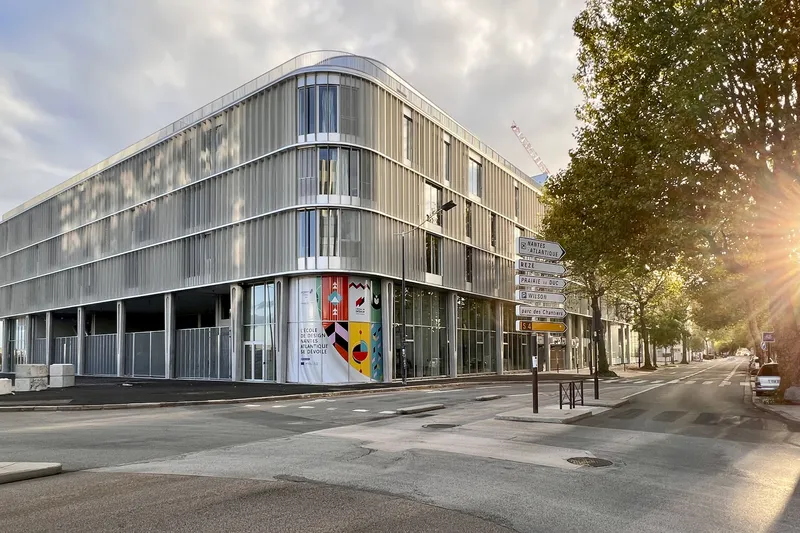
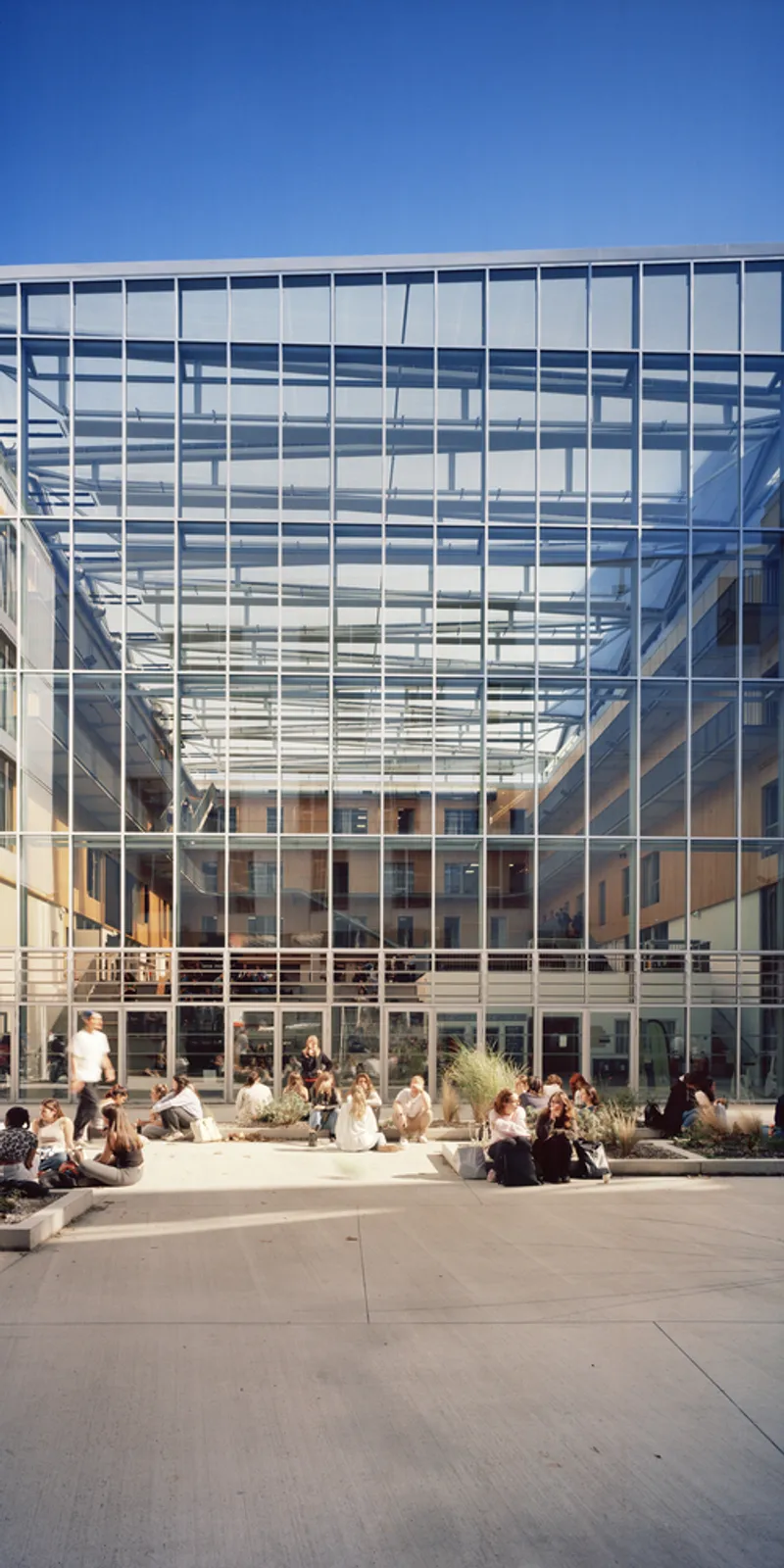
One of the most prominent aspects of Marc Mimram’s design is the seamless integration of the building into the urban fabric of Nantes. The school’s workshops feature large windows that open up to the street, inviting the public to witness the creative processes of students. This openness to the city is a hallmark of contemporary Nantes architectural design, creating an interactive and accessible space that bridges the gap between education, the public, and the built environment.

Key Architectural Features of the Nantes School of Design
Innovative Design for a Modern City
The Nantes School of Design stands as a testament to the innovative spirit of Nantes architectural design. Some of the key features that define this iconic building include:
1. Elevation Above Street Level
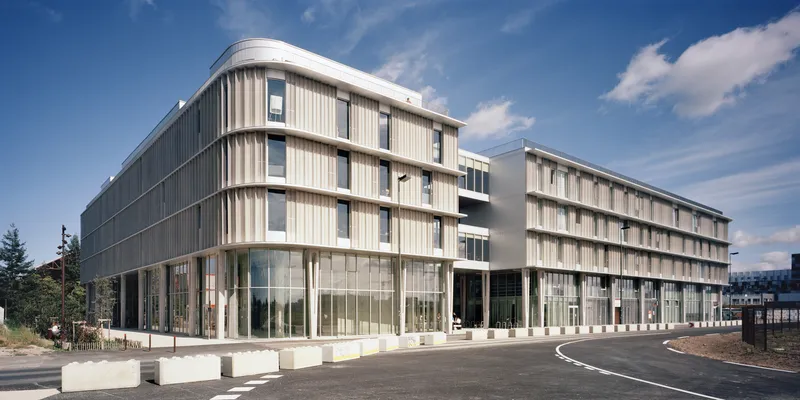
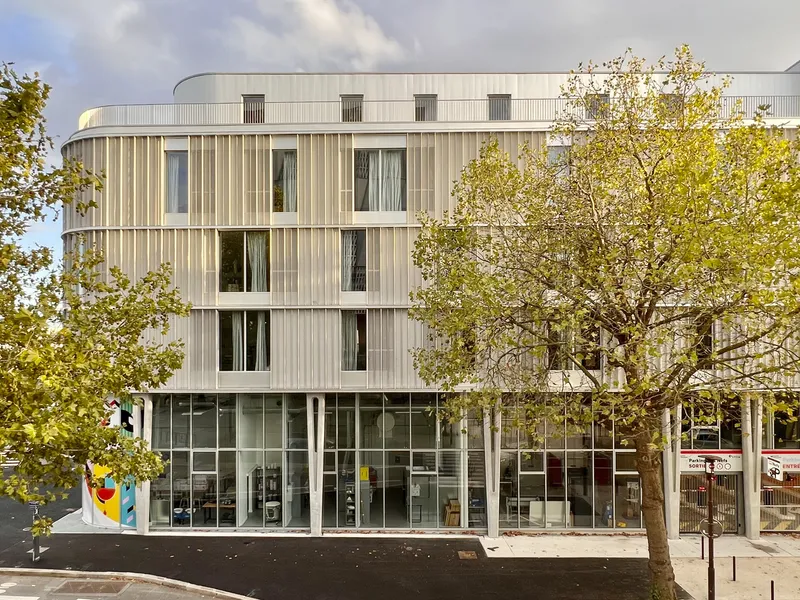
One of the most striking features of the building is its elevation on slender concrete posts. This design choice not only provides a sense of lightness and transparency but also ensures that the school is visually and physically connected to the city below. The space beneath the building is left open, allowing for free pedestrian movement, which enhances the public’s engagement with the space.
2. Folds in the Facade
The upper section of the building is wrapped in a unique series of folds that vary based on the building’s orientation. This innovative use of cladding gives the building a dynamic, ever-changing appearance throughout the day. The folds also serve a functional purpose, helping to regulate natural light and energy consumption, which is a key aspect of sustainable Nantes architectural design.
3. The Agora – A Community Hub
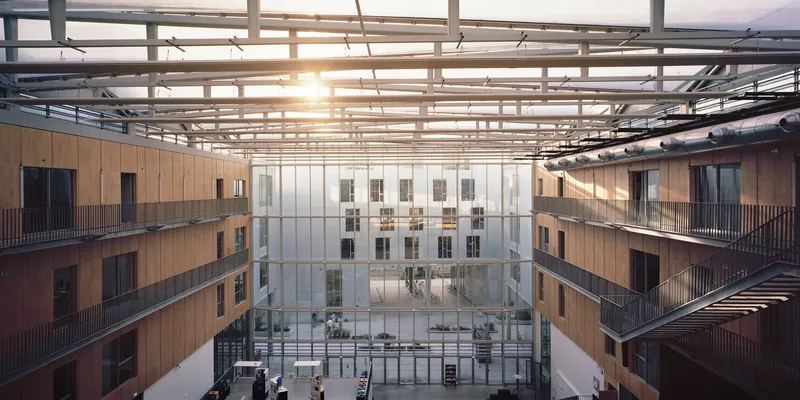
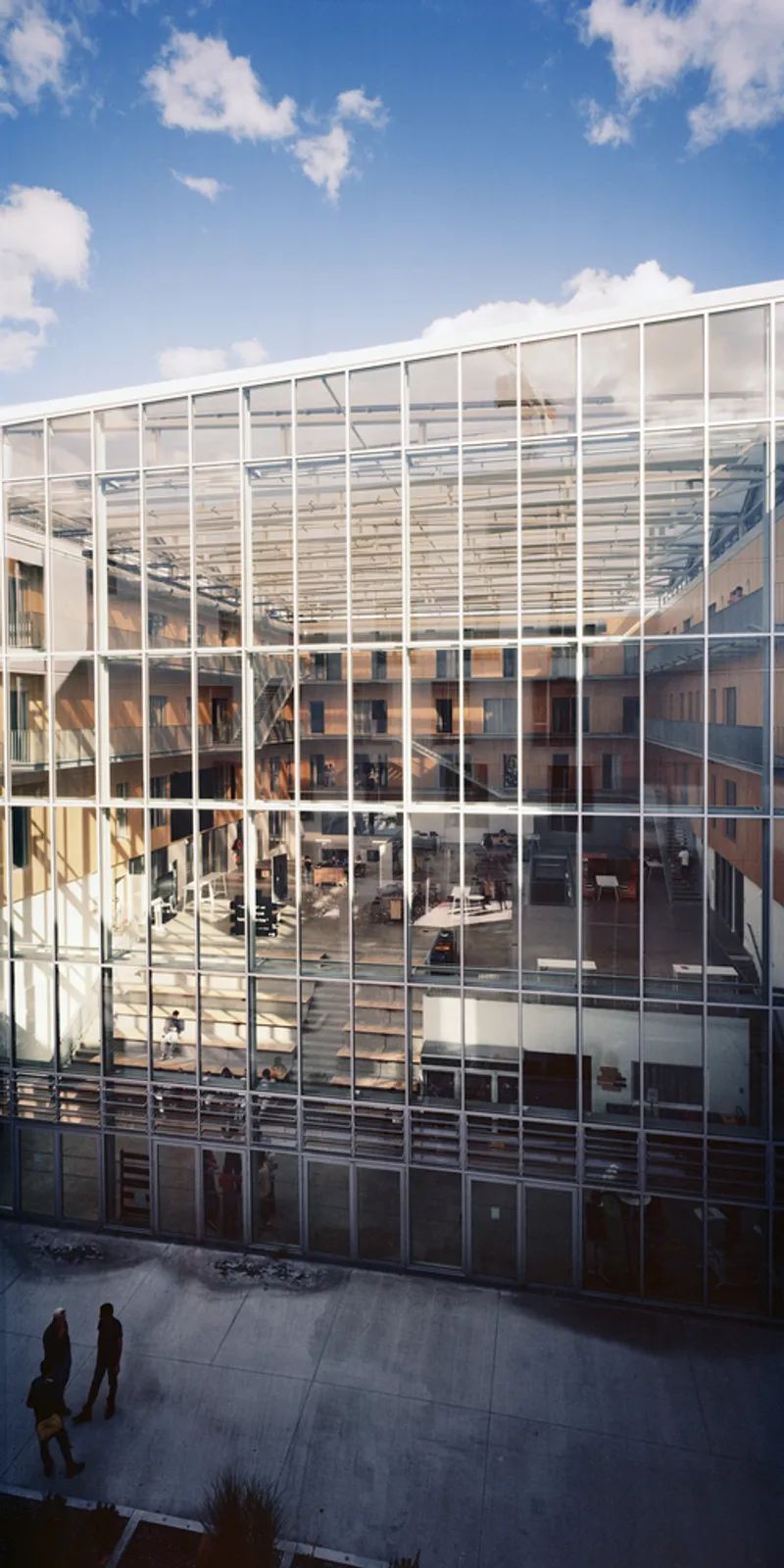
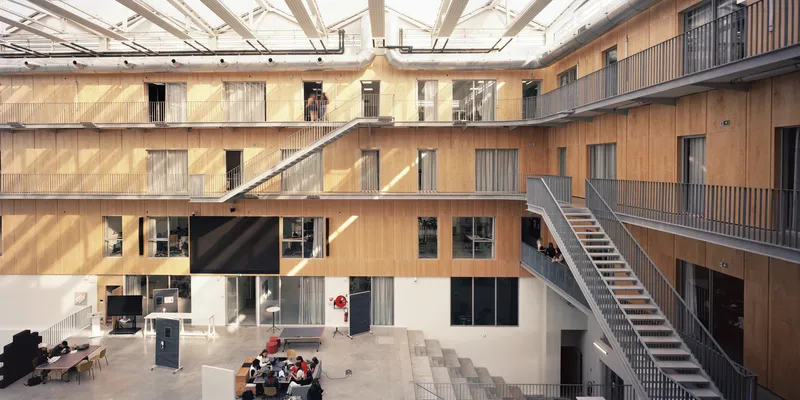
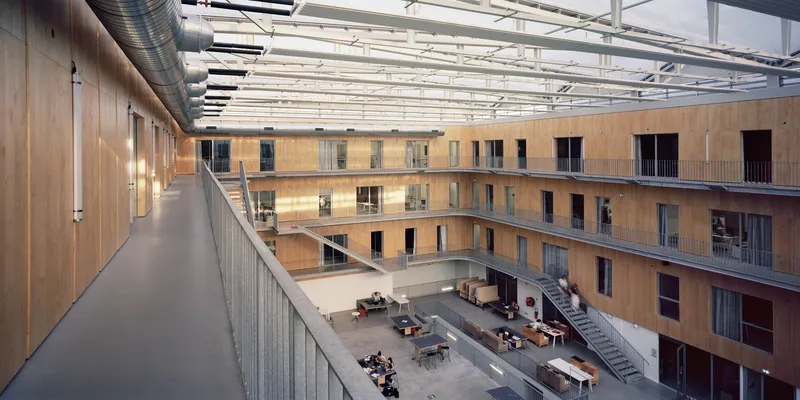
At the heart of the Nantes School of Design is the Agora, a vast, flexible space designed for collaboration, learning, and public engagement. This area is open to the city, providing a venue for exhibitions, conferences, and other events. The Agora also serves as a gathering point for students, professors, and the local community, fostering a spirit of innovation and interaction. This space is a perfect example of how Nantes architectural design is evolving to include public engagement and connectivity as essential elements of modern architecture.
4. Sustainable Design and Comfort
Sustainability is a core principle in the design of the Nantes School of Design. Mimram has incorporated passive design strategies to reduce the building's energy consumption. Solar shading on the roof prevents overheating, while thermal and acoustic treatments on the lower levels ensure comfort year-round. The Nantes architectural design also features suspended heating elements in the Agora, providing comfort during colder months. These thoughtful features highlight the building’s commitment to sustainability and environmental responsibility.

The Role of Nantes School of Design in the City’s Architectural Identity (H2):
A New Era of Creativity and Innovation in Nantes
The Nantes School of Design is a cornerstone of the city’s broader architectural and creative vision. This school is part of a larger network of institutions, businesses, and spaces dedicated to design and innovation in Nantes. By integrating the academic world with the public, the school represents a shift in how architecture can foster collaboration and creativity. This building is not just an educational facility; it’s a landmark that symbolizes the future of Nantes architectural design.
The school also serves as a model for future developments in the city, showing how architecture can play a crucial role in shaping an environment that is both sustainable and conducive to innovation. The building's open design encourages collaboration between students, local businesses, and the public, helping to create a vibrant community that drives forward the design and creative industries in Nantes.
A Landmark for Nantes Architectural Design
, the Nantes School of Design is a shining example of modern Nantes architectural design. Through its innovative use of space, commitment to sustainability, and integration with the city, this building stands as a testament to the evolving nature of architecture in Nantes. As the city continues to grow as a hub of creativity and design, the Nantes School of Design will undoubtedly remain a key piece in its architectural identity.
For those interested in cutting-edge Nantes architectural design, the Nantes School of Design offers a unique look at how architecture can influence and inspire both the academic world and the broader public. Its visionary design is not just a place of learning; it is a place where creativity meets community, and the future of Nantes is built.




Popular Articles
Popular articles from the community

EW PARK: Sustainable Architecture Reimagines the Future of Urban Parking
EW PARK reimagines city parking as a modular wooden tower combining automation, solar energy, electric mobility, and adaptable urban design.

The Earth Pod: 3D Printed Homes for Resilient Refugee Communities
The Earth Pod reimagines refugee housing through 3D printed homes made from clay, combining resilience, self-sufficiency, and rapid shelter.

Co-Life: Senior Housing Design That Reconnects Older Adults With the City
Co-Life reimagines senior housing design through healing gardens, shared streets, workshops, and a sustainable community across generations.

AL-JANNAH: Sustainable Architecture and Permaculture for Afghan Widows
AL-JANNAH uses sustainable architecture and permaculture to create resilient oasis of housing, learning, work and renewal for Afghan widows.


Similar Reads
You might also enjoy these articles


Hodi-Mandai Geram
Project Function: Preservation and revitalization of the Intangible heritage and socio-spatial identity of the Hodi by Housing, Cultural Memory Center, Sacred Grove, landscape, local tourism economy


Olio Towers: A Mid-Rise for Performers That Fuses Housing, Rehearsal, and Stage
Located blocks from Houston's Theater District, this modular tower stacks living units around a central performance atrium.

Oasis: Modular Green Housing Carved into Dhaka's Urban Fabric
A shortlisted Plugin Housing entry reclaims unauthorized settlements in Dhaka with stepped concrete volumes, green roofs, and ventilation-driven design.

Black Hole: A Floating Megastructure for the Post-Physical Era
Emiliano Mazzarotto envisions a spherical, self-scaling arena where e-sports, digital hotels, and holographic stadiums replace traditional public space.


Explore Educational Building Competitions
Discover active competitions in this discipline



Challenge to design public laboratory


Challenge to reimagine the Iron Throne


Photograph architecture without architects


Illustrate the lost glory of Angkor Wat - Render Challenge
Comments (0)
Please login or sign up to add comments
No comments yet. Be the first to comment!