
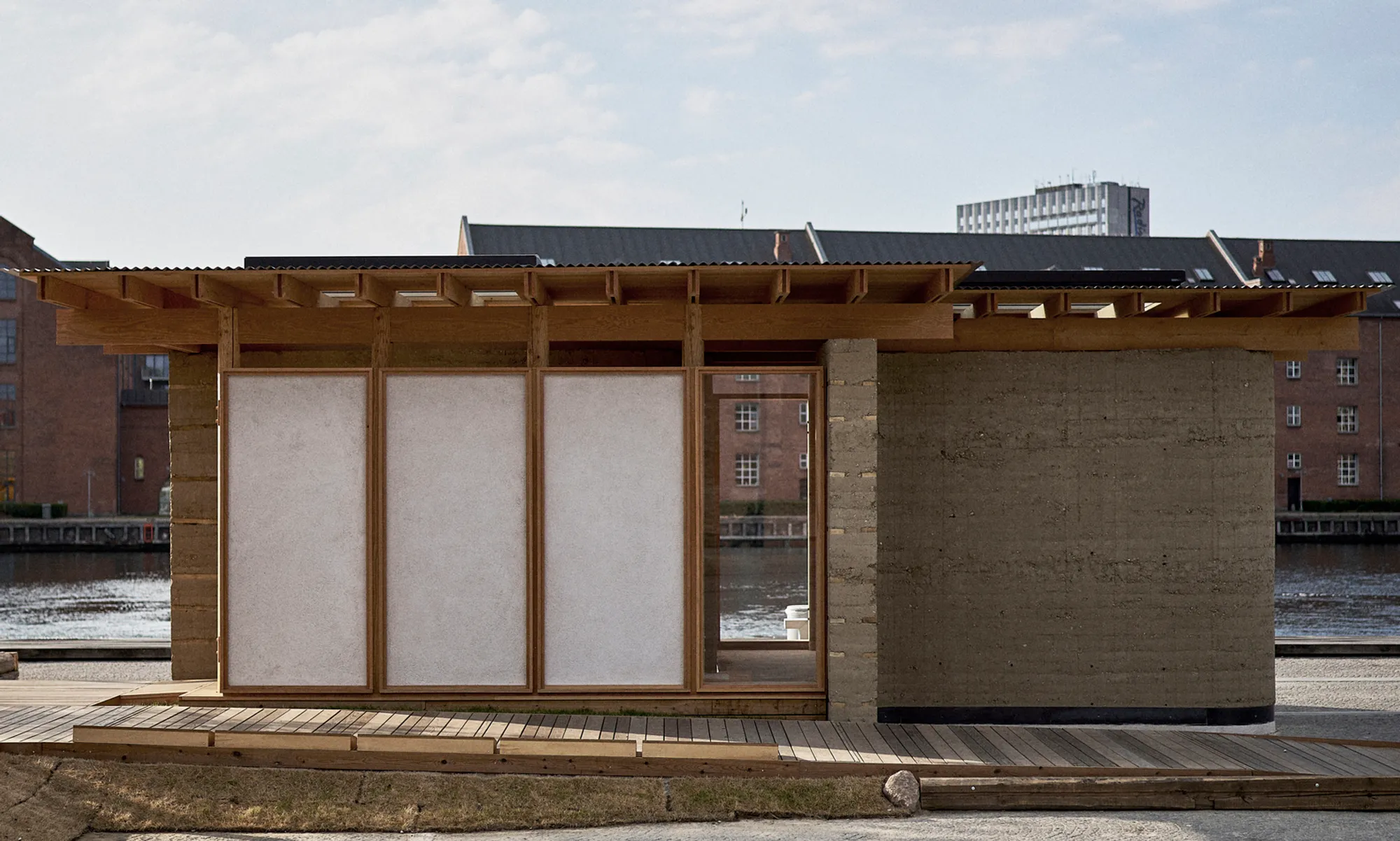
A Natural Pavilion by ReVærk: Pioneering Sustainable Architecture with Natural Materials in Copenhagen
A Natural Pavilion by ReVærk showcases sustainable townhouse design using rammed earth, timber, and wood fiber for eco-friendly living.


A Natural Pavilion, designed by the innovative Danish studio ReVærk, embodies a visionary approach to sustainable housing and environmental responsibility. Located in København (Copenhagen), Denmark, and completed in 2023, this 45-square-meter pavilion is more than just a temporary installation—it’s a tangible representation of ReVærk’s groundbreaking housing concept, NaturligRækkerne.
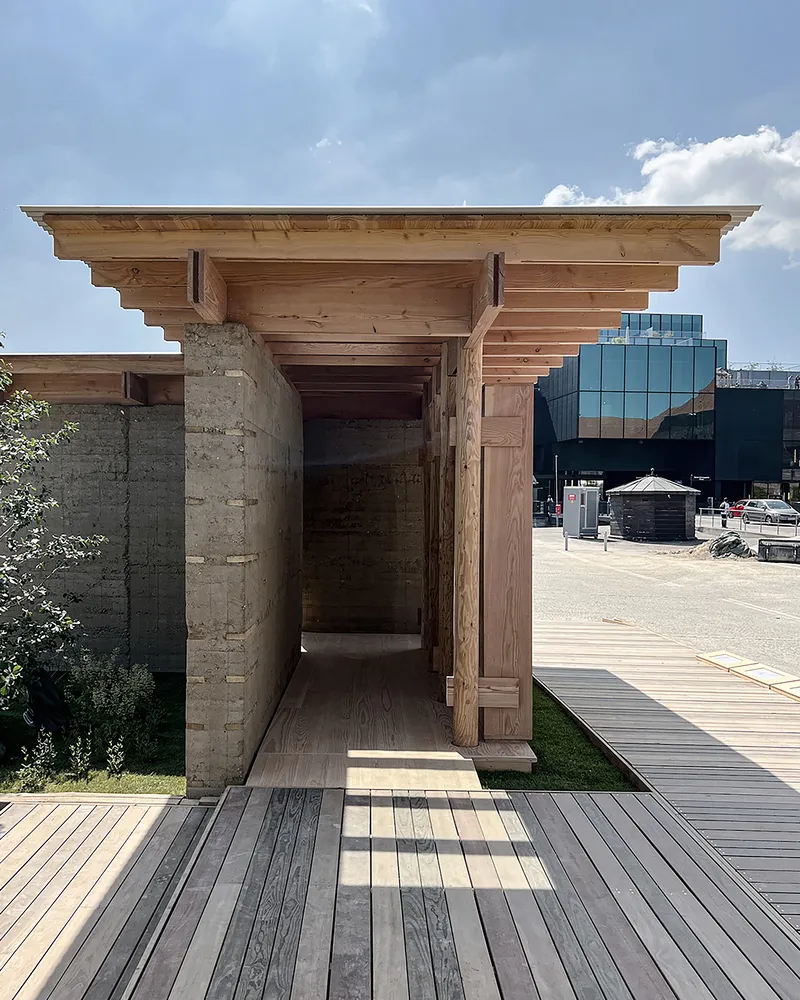

A Showcase for Sustainable Development Goals in Architecture
Developed as part of the ‘4to1 planet’ initiative, funded by the prestigious Realdania and Villum Fonden foundations, this pavilion aligns with global sustainability objectives. It forms a key part of the Sustainable Development Goals (SDG) pavilions, an initiative launched by the Danish Association of Architects and the UIA World Congress of Architects 2023 in collaboration with Copenhagen Municipality and City & Harbour. This collaboration aims to inspire architects, urban planners, and policymakers to rethink the future of housing with sustainability as a core principle.


The NaturligRækkerne Townhouse Concept: A Sustainable Housing Vision
At the heart of the pavilion is ReVærk’s NaturligRækkerne townhouse concept—an eco-conscious take on a familiar housing typology in Denmark. This concept targets the widely popular townhouse model but reimagines it through the lens of radical sustainability and natural materials. The idea is to harness the inherent benefits of townhouse scale and layout while drastically reducing the environmental footprint.
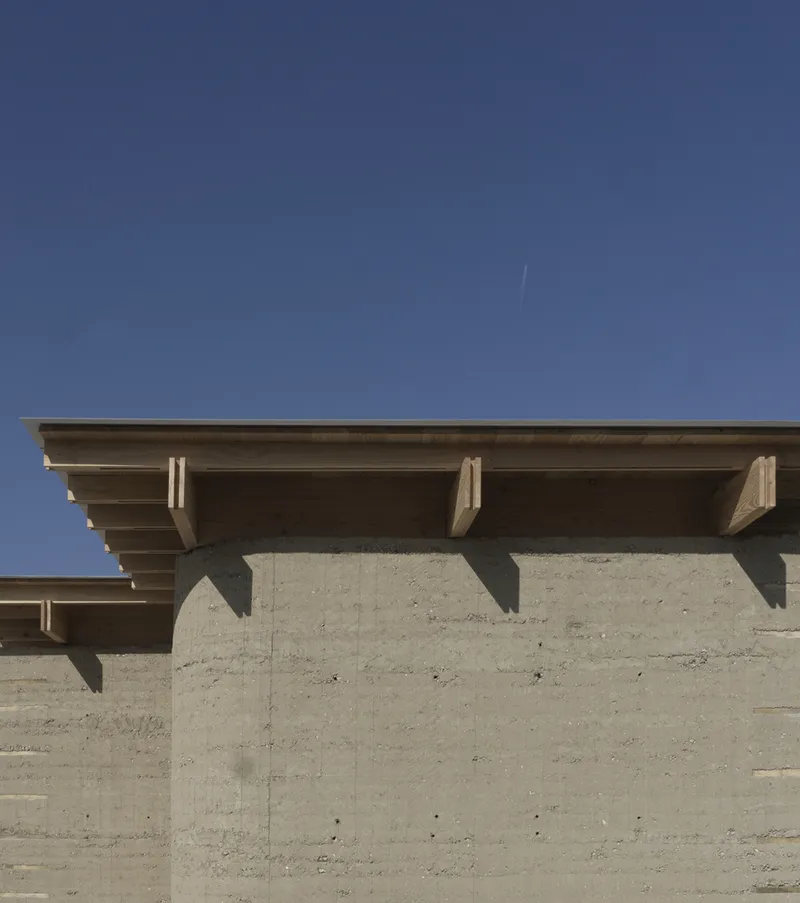
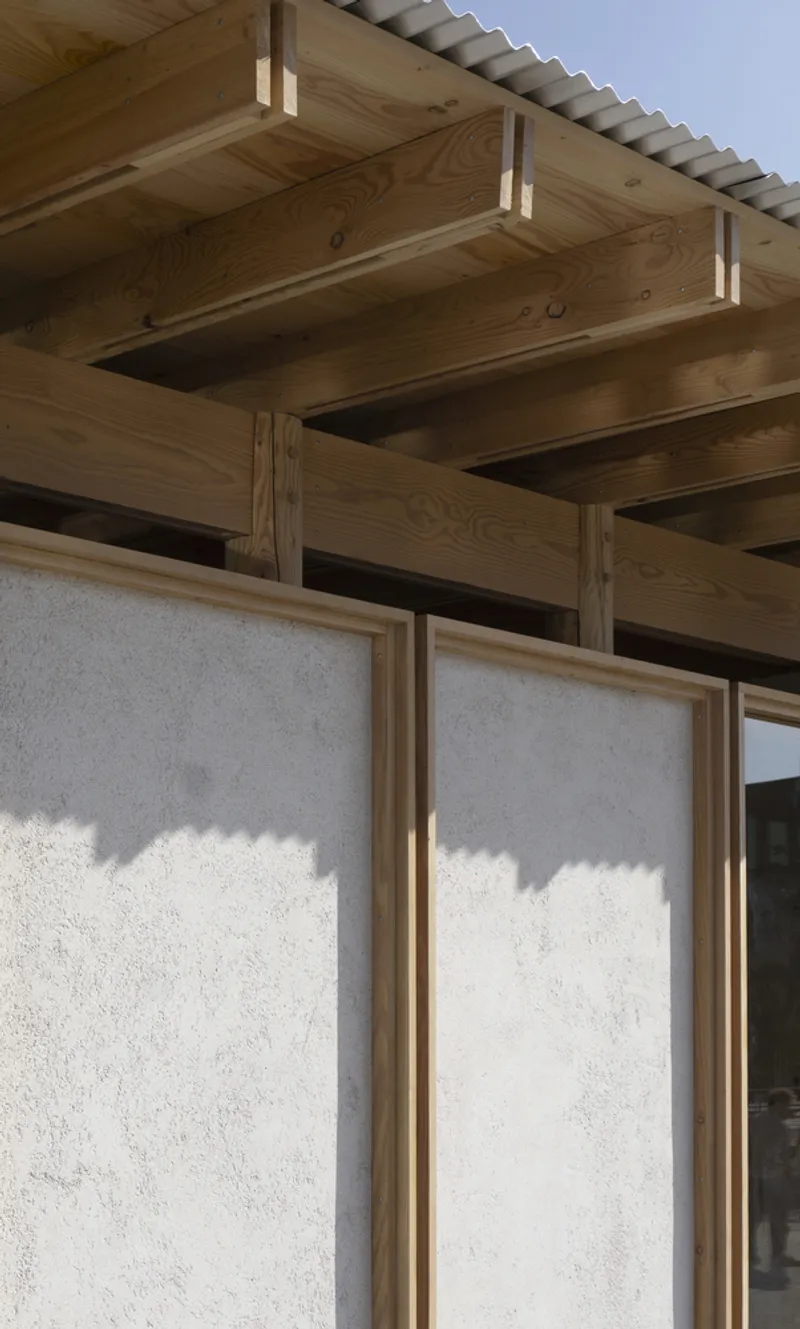
Natural Materials Driving Radical Sustainability
The construction strategy focuses on minimizing carbon emissions and enhancing indoor environmental quality by using a limited yet effective palette of natural materials. These include:
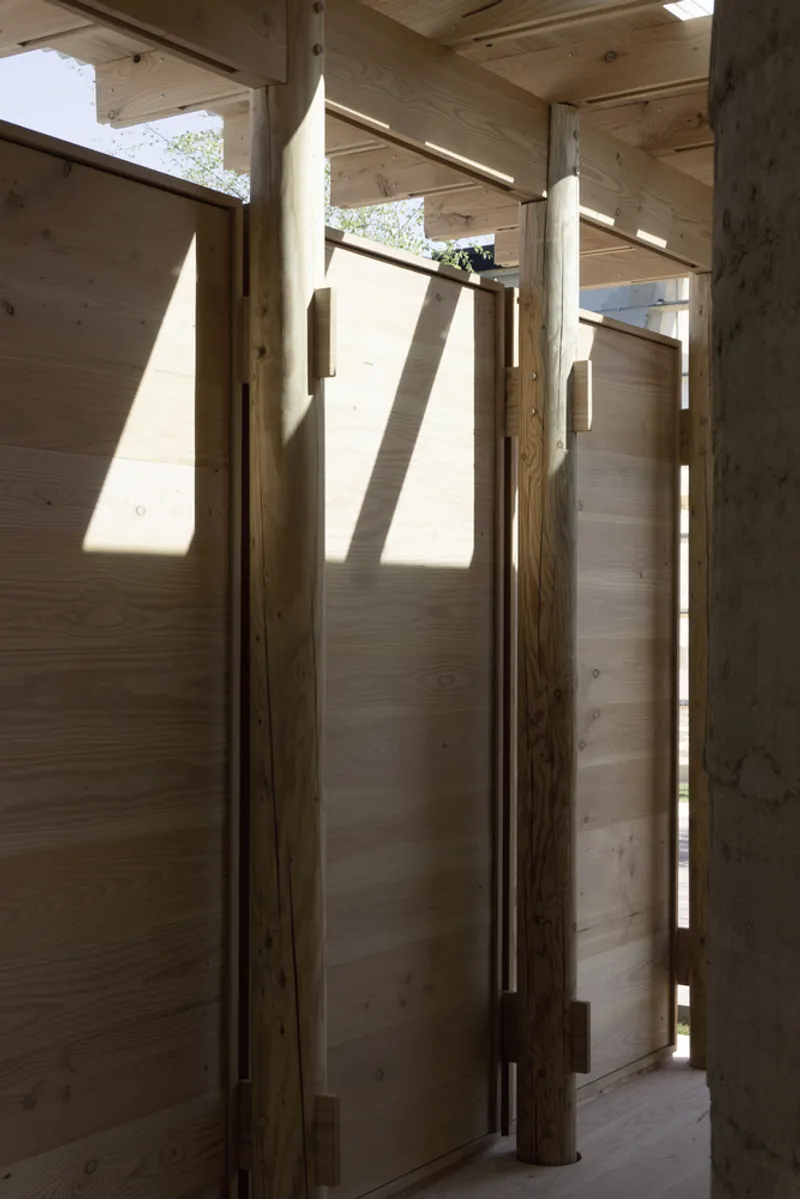
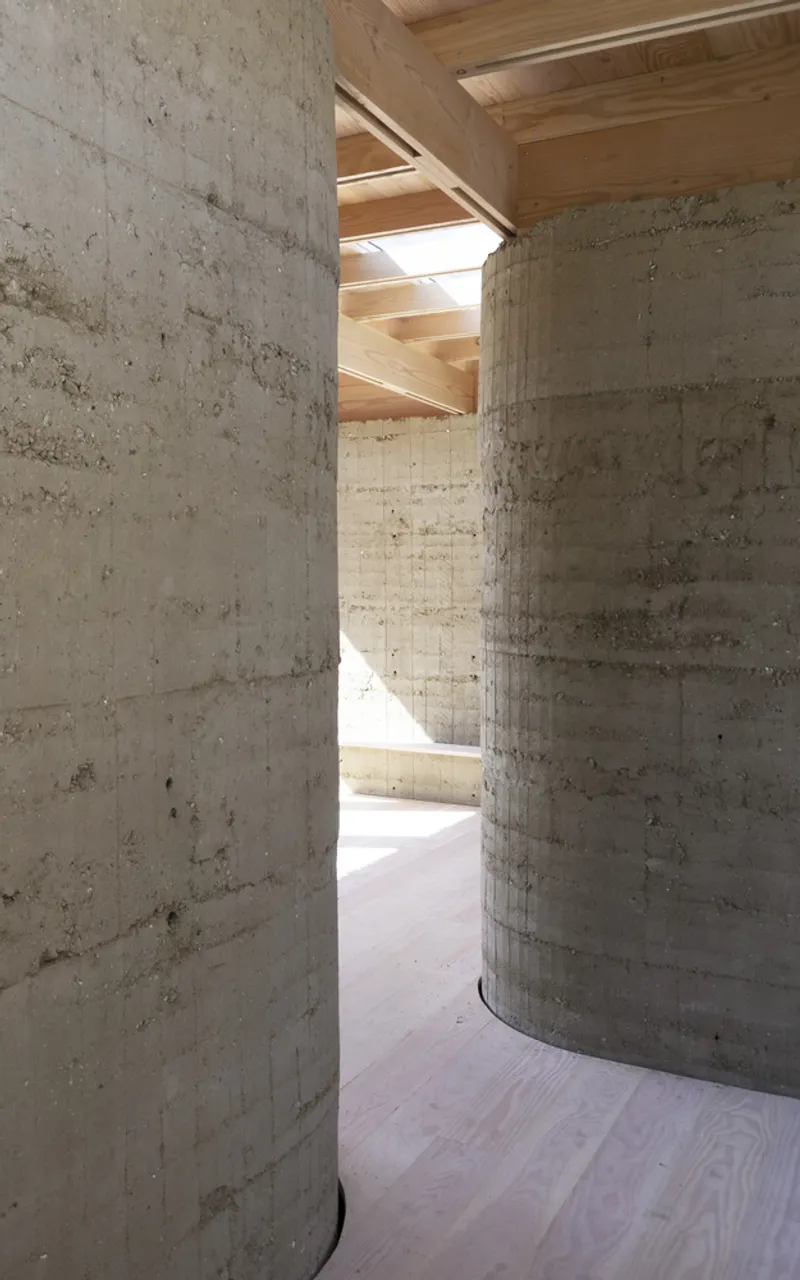
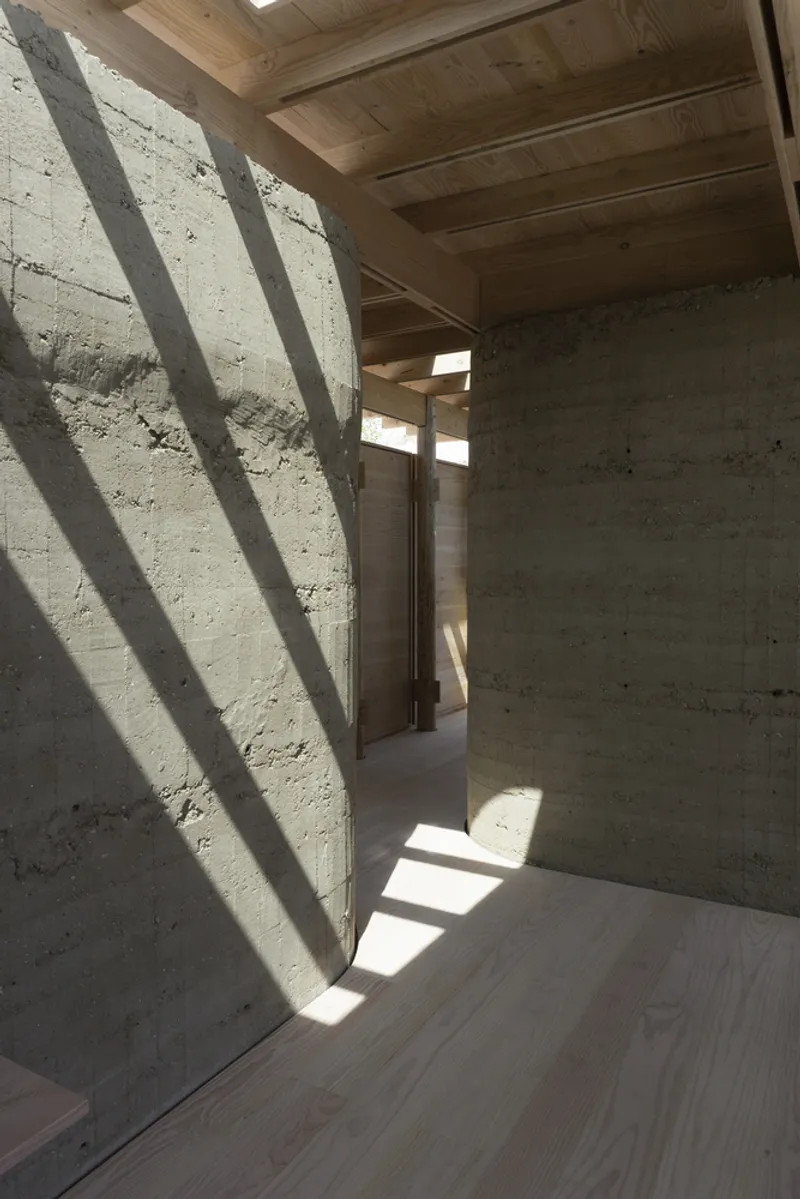
- Rammed earth for separating walls, providing thermal mass and natural regulation of humidity
- Loadbearing timber structures inside, emphasizing renewable and lightweight building methods
- Biogenic wood fiber insulation cassettes on the exterior, delivering excellent insulation performance with minimal environmental impact
This pared-down material palette not only reduces embodied carbon but also creates an architecture that feels tactile, authentic, and rooted in historical building traditions.

Bridging Past Craftsmanship with Future Architecture
The architects behind A Natural Pavilion sought to challenge preconceptions about natural materials. While rammed earth, wood fiber insulation, and round timber might seem old-fashioned or incompatible with modern design, ReVærk demonstrates their potential for refinement and sensory richness in contemporary architecture.
By revitalizing historic building practices—using local soils for tamping, natural wood from Dinesen, and advanced wood fiber boards—the pavilion presents a model for future homes that are both environmentally responsible and aesthetically compelling.

Addressing a Critical Gap in Danish Sustainable Architecture
One key motivation behind this project is the shortage of qualified architectural exemplars showcasing sustainable materials and methods in Denmark. Through this pavilion, ReVærk offers a compelling, tactile example of how these materials can be used successfully at scale. The project proves that sustainability doesn’t have to compromise architectural quality; rather, it can enhance it.


Craftsmanship and Materiality in Execution
In practical terms, the pavilion employs:
- Wood fiber boards for external insulation cassettes, delivering biogenic insulation solutions
- Local soil sourced on site for rammed earth wall construction, emphasizing circular material flows
- Unsorted natural wood from Dinesen for floors, walls, beams, and rafters, showcasing the beauty and versatility of natural timber
This commitment to local sourcing and craft supports not only environmental goals but also the regional economy and traditional building skills.

All Photographs are works of ReVærk



Popular Articles
Popular articles from the community


The Ocean Hive: Sustainable Architecture for a Self-Sufficient Civilization at Sea
The Ocean Hive imagines sustainable architecture at sea, where modular habitats, algae, wave power and ocean waste sustain a growing colony.

The Earth Pod: 3D Printed Homes for Resilient Refugee Communities
The Earth Pod reimagines refugee housing through 3D printed homes made from clay, combining resilience, self-sufficiency, and rapid shelter.

Play: Fragments of Their World
Familiar architecture becomes modular playground design, creating safe spaces where displaced children can learn, connect, imagine and play.

The Musturak Paradise: Senior Living Architecture for a Connected Future in Temara, Morocco
The Musturak Paradise reimagines senior living architecture in Temara via private homes, social spaces, culture, community, and shared care.

Similar Reads
You might also enjoy these articles


Hodi-Mandai Geram
Project Function: Preservation and revitalization of the Intangible heritage and socio-spatial identity of the Hodi by Housing, Cultural Memory Center, Sacred Grove, landscape, local tourism economy


Olio Towers: A Mid-Rise for Performers That Fuses Housing, Rehearsal, and Stage
Located blocks from Houston's Theater District, this modular tower stacks living units around a central performance atrium.

Oasis: Modular Green Housing Carved into Dhaka's Urban Fabric
A shortlisted Plugin Housing entry reclaims unauthorized settlements in Dhaka with stepped concrete volumes, green roofs, and ventilation-driven design.

Black Hole: A Floating Megastructure for the Post-Physical Era
Emiliano Mazzarotto envisions a spherical, self-scaling arena where e-sports, digital hotels, and holographic stadiums replace traditional public space.


Explore Nordic Sustainable Architecture Competitions
Discover active competitions in this discipline



Challenge to reimagine the Iron Throne


Photograph architecture without architects


Illustrate the lost glory of Angkor Wat - Render Challenge


Design challenge to reuse E-waste
Comments (0)
Please login or sign up to add comments
No comments yet. Be the first to comment!