
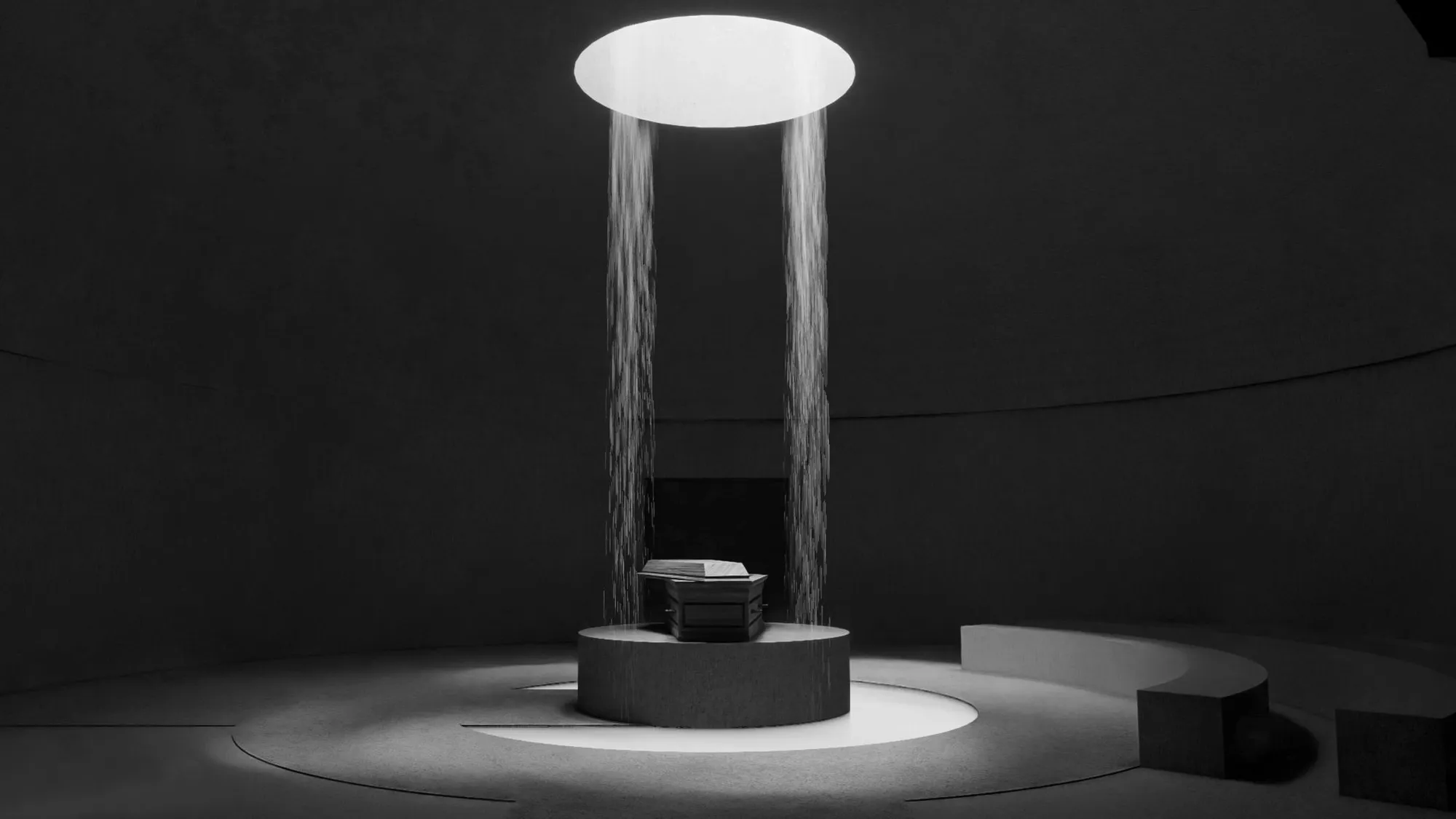
A Space of Dialogue: A Crematorium for Agnostics with Columbaria and Therapeutic Gardens
Reimagining the architecture of mourning and remembrance through a unique design that fosters healing and acceptance.


The project "A Space of Dialogue Between the Living and the Dead," designed by Sandra Chodura, presents a groundbreaking vision for a crematorium designed specifically for agnostics. This innovative concept, the winning entry in the Relieve competition, reimagines the architecture of mourning and remembrance by integrating columbaria and therapeutic gardens into a cohesive and emotionally resonant environment.
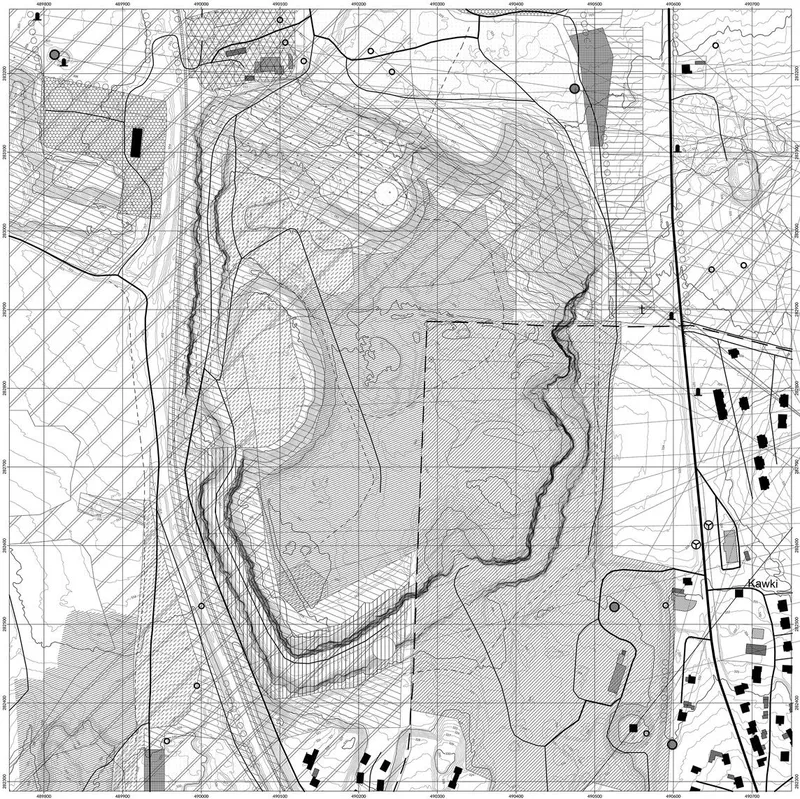
Situated within the crater of a former dolomite mine in Poland, the project seeks to reclaim a scarred landscape and transform it into a place of healing, reflection, and dialogue between the living and the deceased.

Location
The chosen location, the Bobrowniki Quarry, carries a history of industrial activity and environmental transformation. By situating the crematorium within this crater, the project seeks to create a symbolic juxtaposition between the past and the future, acknowledging the impact of human activity on the landscape while simultaneously demonstrating the potential for renewal and regeneration. The presence of a natural spring and a flooded area within the quarry further enhances the project's connection to the natural world and its potential for healing.
Design Concept and Objectives
The core concept driving the design is the creation of a space that facilitates dialogue between the living and the dead, offering visitors a unique journey of self-discovery and emotional processing during the mourning period. This space is intended to provide a framework for agnostics, who may not subscribe to traditional religious beliefs, to engage with loss and remembrance in a meaningful and personalized way. The integration of therapeutic gardens plays a crucial role in this process, providing a restorative environment that promotes healing and emotional well-being.

Key Features and Design Elements
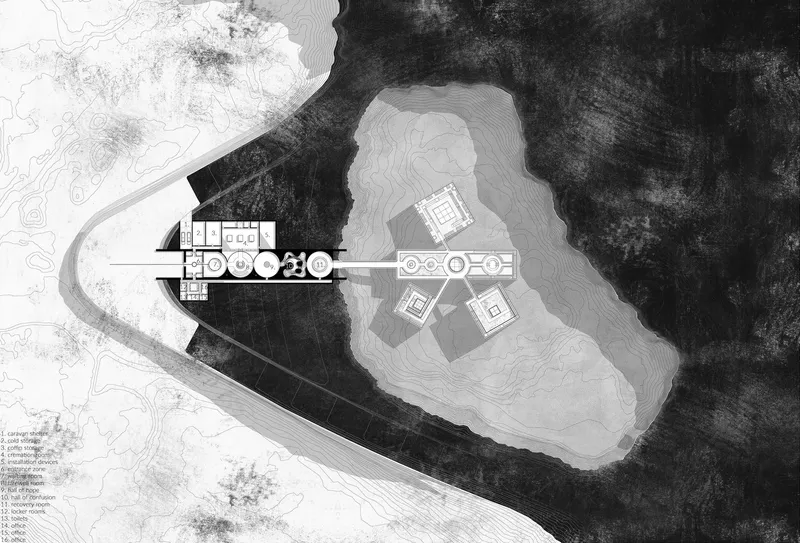
Terrain Modification: The project begins with a deliberate reshaping of the existing terrain. A platform is created for the entrance zone, an embankment conceals the crematorium building, and a depression is formed to house the columbarium structures. This strategic manipulation of the landscape establishes a sense of progression and discovery as visitors move through the site.
Water as a Guiding Element: A natural stream flowing from the existing spring is channeled through the crematorium building, acting as a constant companion and guide for visitors. The presence of water, with its soothing sounds and visual appeal, creates a calming atmosphere and symbolizes the cyclical nature of life and death.
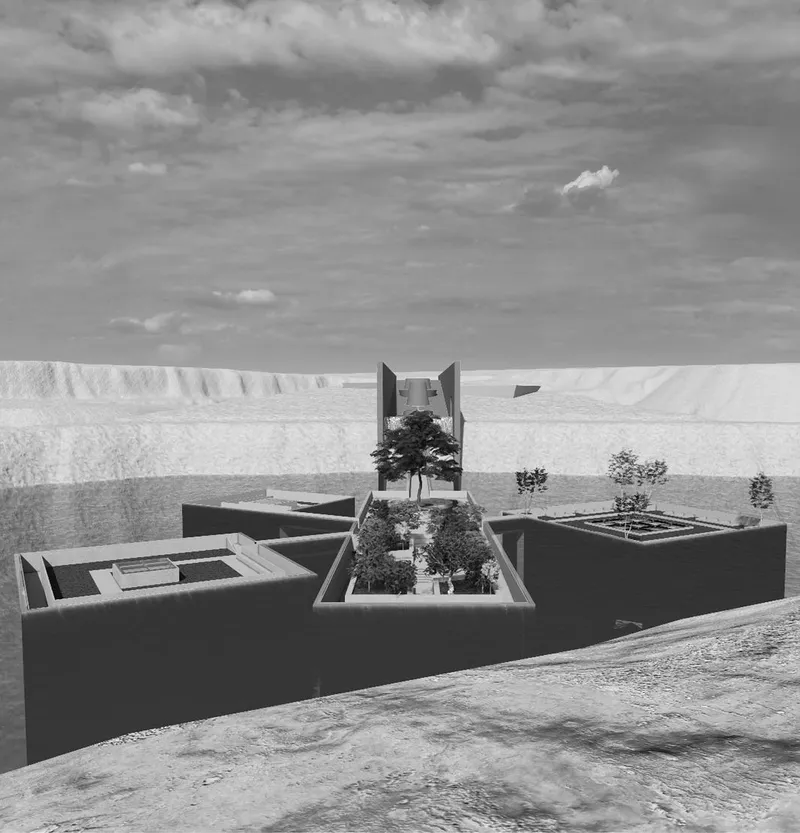
The Waterfall and Columbarium: The water's journey culminates in a dramatic waterfall that gradually fills the depression surrounding the columbarium buildings. This gradual submergence creates a powerful visual metaphor for the passage of time and the acceptance of loss.
Therapeutic Gardens: The final stage of the project involves the development of therapeutic gardens on the roofs of the columbaria. These gardens, designed according to principles of stress reduction and sensory stimulation, provide a restorative environment for visitors to engage with nature and process their emotions. The active participation of mourners in the garden's development fosters a sense of ownership and connection to the space.
Architectural Journey: The crematorium building itself is designed to guide visitors through a sequence of spaces that mirror the stages of mourning. From the entrance area to the farewell room and beyond, each space is carefully crafted to evoke specific emotions and facilitate reflection and healing.
Flexibility and Individual Needs: The farewell room, adjacent to the cremation chamber, features movable walls that allow for both private and public cremation ceremonies. This adaptability recognizes the diverse needs and preferences of individuals during the grieving process.
Therapeutic Principles and Benefits
The design of the therapeutic gardens draws upon established principles of regenerative garden design, incorporating elements that promote stress reduction, emotional restoration, and sensory stimulation. These elements include:
Water features: Hydrotherapy, the therapeutic use of water, plays a central role in the gardens, providing both visual and auditory stimulation.
Natural character: The use of natural materials and the integration of the existing landscape create a sense of harmony and connection to the environment.
Color palette: Earth tones and natural colors are favored to evoke a sense of tranquility and connection to nature.
Seasonal variability: The changing seasons and the cyclical nature of plant life provide a reminder of the ephemeral nature of existence and the ongoing cycle of life and death.
Sense of control and privacy: The gardens offer a variety of spaces, from secluded areas to open gathering places, allowing visitors to choose the environment that best suits their needs.
Symbolism and Meaning
Overall design is rich in symbolism, reflecting the complex emotions associated with loss and remembrance. The water flowing through the building represents the journey of life, while the waterfall and the gradual submergence of the columbarium symbolize the passage of time and the acceptance of death. The therapeutic gardens, with their emphasis on renewal and growth, offer a message of hope and the possibility of healing after loss.
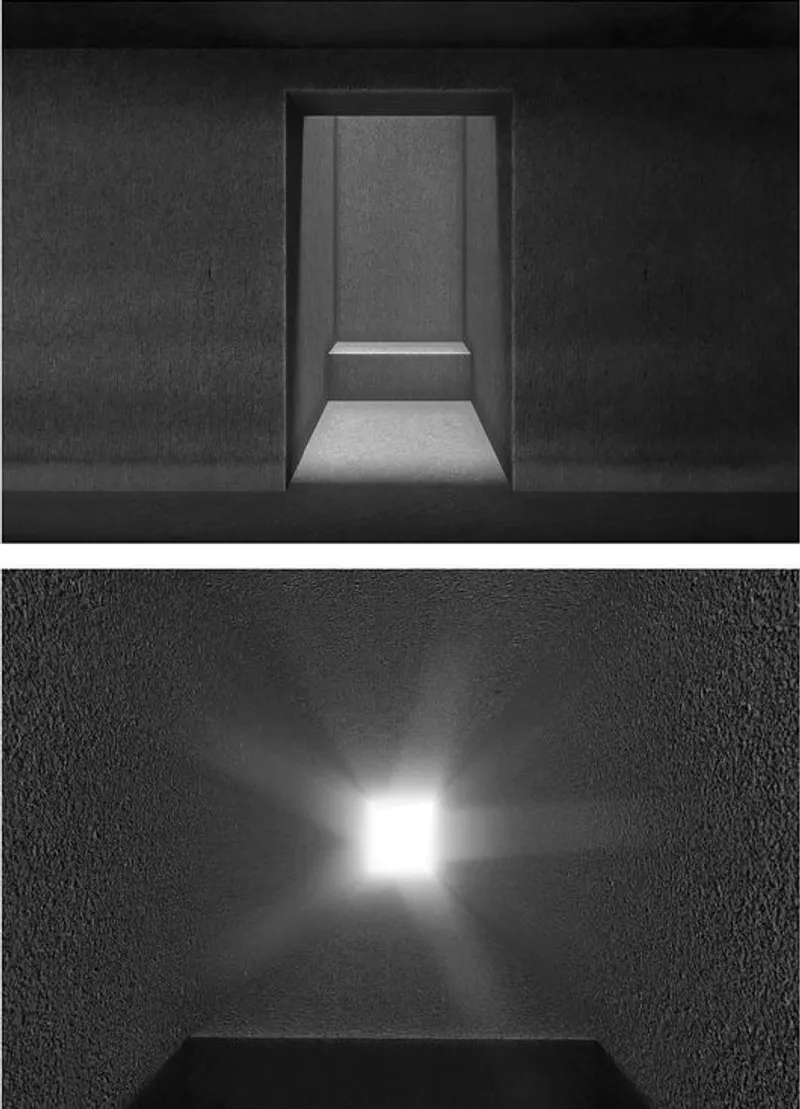
"A Space of Dialogue Between the Living and the Dead" is a powerful and innovative architectural response to the need for spaces that address the emotional and psychological dimensions of mourning and remembrance. By combining a sensitive approach to site and landscape with a deep understanding of the therapeutic potential of nature, the project offers a unique and compelling vision for a crematorium that fosters healing, acceptance, and dialogue between the living and the deceased.
This project has the potential to serve as a model for future crematorium designs, demonstrating the power of architecture to create spaces that support individuals and communities during times of loss and transition.


Popular Articles
Popular articles from the community


Co-Life: Senior Housing Design That Reconnects Older Adults With the City
Co-Life reimagines senior housing design through healing gardens, shared streets, workshops, and a sustainable community across generations.

Riyadh For All: Intergenerational Urban Design for Active Aging in Rabat
Riyadh For All reimagines urban design in Rabat with intergenerational co-living, adaptive courtyards, and Moroccan cultural exchange today.

Hill & Cross Opera: Sculptural Opera House Architecture Shaped by Tallinn’s Landscape and Identity
Hill & Cross Opera reimagines opera house architecture in Tallinn through its sculptural hill, civic plaza, glass wave and a luminous cross.

The Ocean Hive: Sustainable Architecture for a Self-Sufficient Civilization at Sea
The Ocean Hive imagines sustainable architecture at sea, where modular habitats, algae, wave power and ocean waste sustain a growing colony.

Similar Reads
You might also enjoy these articles

Day and Night Park: A Time-Based Urban Newsstand in Beijing
A temporary urban newsstand in Beijing blending travel, light, and reading through poetic colors, compact form, and community-focused design.

Modernist Patio Renovation in El Masnou, Barcelona by Oliver Segura Arquitectura + Cebrià Arquitectura
Modernist patio renovation blending tradition and innovation with a movable pool, leveled floors, and Catalan materials in El Masnou.

Alto Residencial Coop: Cooperative Housing Development in Santiago de Compostela by Carbajo Barrios Arquitectos
A linear cooperative housing complex blending white volumes and perforated metal façades, enhancing community living, natural light, privacy, and urban integration.
Vil Genis School by BPA ARCHITECTURE – Massy, France
Vil Genis School in Massy, France, features sustainable design, south-facing classrooms, community integration, accessible spaces, and modern educational architecture.


Explore Mourning Spaces Competitions
Discover active competitions in this discipline



Challenge to reimagine the Iron Throne


Photograph architecture without architects


Illustrate the lost glory of Angkor Wat - Render Challenge


Design challenge to reuse E-waste
Comments (0)
Please login or sign up to add comments
No comments yet. Be the first to comment!