
A Tale of Two Buildings in Nantou: Adaptive Reuse Architecture in Practice
The article explores adaptive reuse architecture through the renovation of two buildings in Nantou, blending preservation with modern functionality.

Adaptive Reuse and the Evolution of Urban Villages
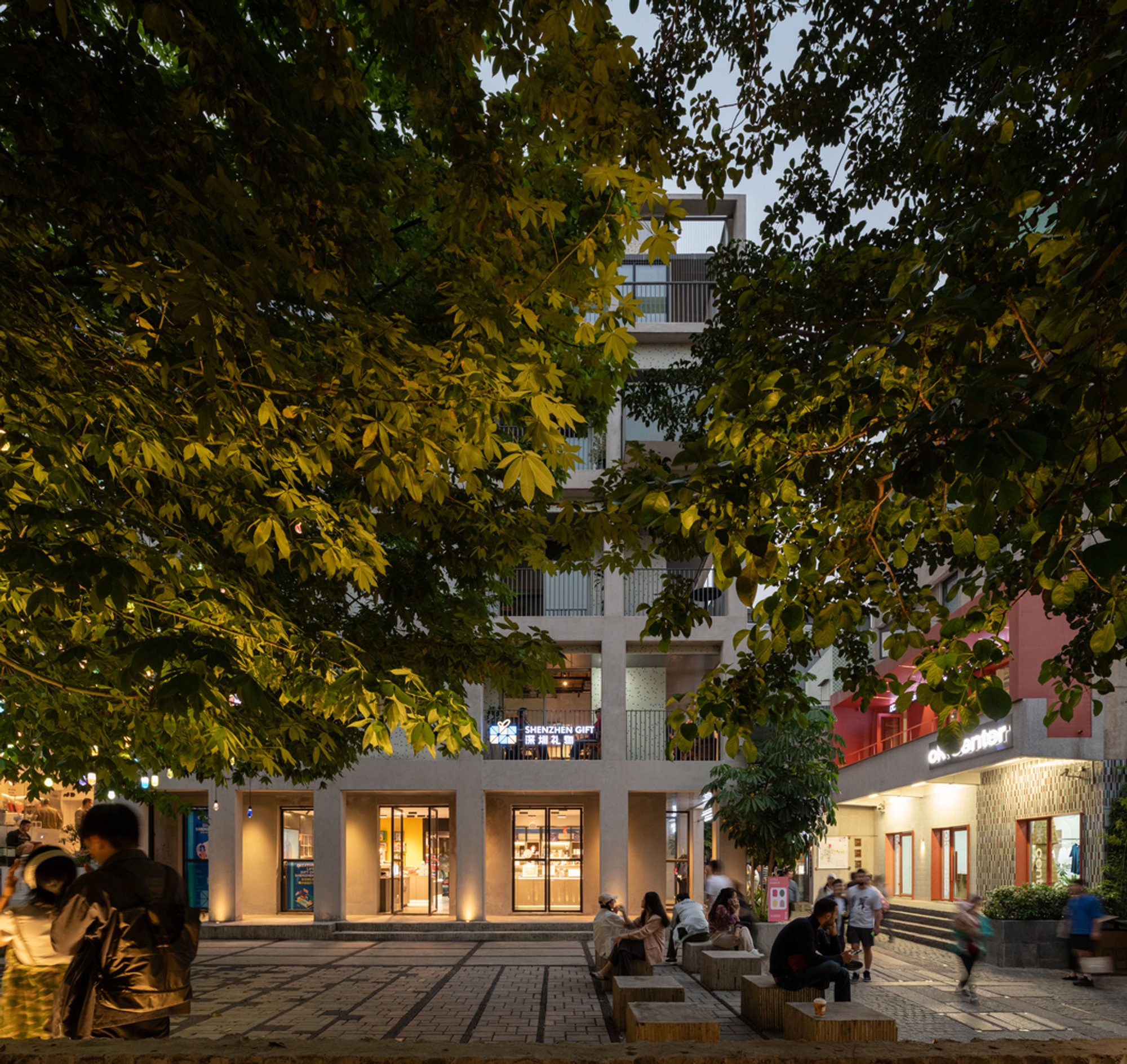
In the rapidly transforming urban landscapes of cities like Nantou, adaptive reuse architecture has become a pivotal method of preserving the past while accommodating modern needs. A prime example of this can be found in the renovation and extension of two self-built houses in Nantou, designed by the architectural firm fabersociety. Through the adaptive reuse approach, these buildings were not just structurally reinforced, but also redefined in terms of their interaction with their urban environment, all while retaining their historical significance.
The Concept of Adaptive Reuse Architecture
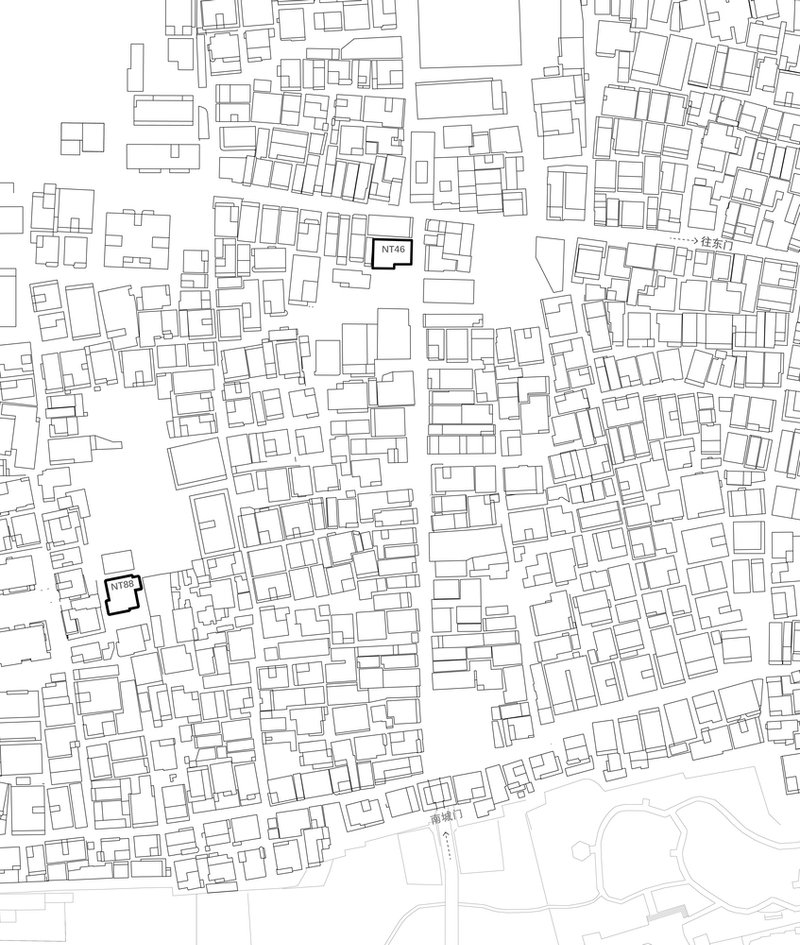
Adaptive reuse refers to the practice of repurposing old buildings for new functions, preserving their historical and architectural integrity while meeting contemporary needs. This approach contrasts with complete demolition and reconstruction, making it a sustainable alternative that reduces waste, preserves cultural heritage, and promotes a more mindful approach to urban development. In the case of NT46 and NT88, two buildings in Nantou, adaptive reuse plays a significant role in their transformation from private residential spaces to public commercial or office spaces.
NT46: Balancing Preservation with Modern Needs
The Challenge of Retaining Identity
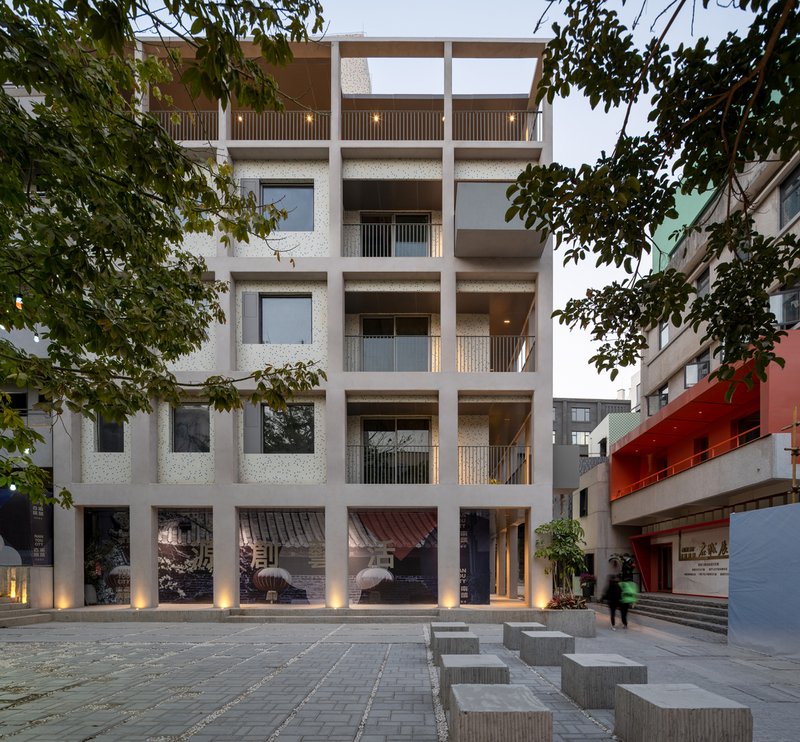
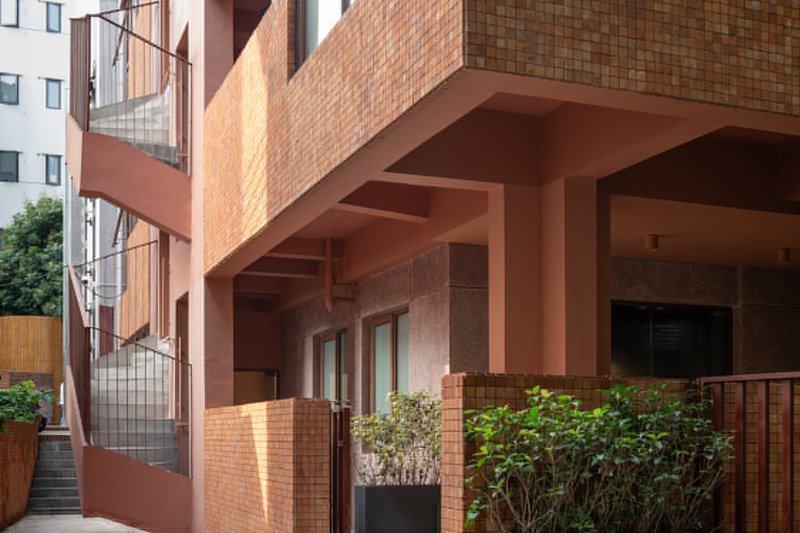
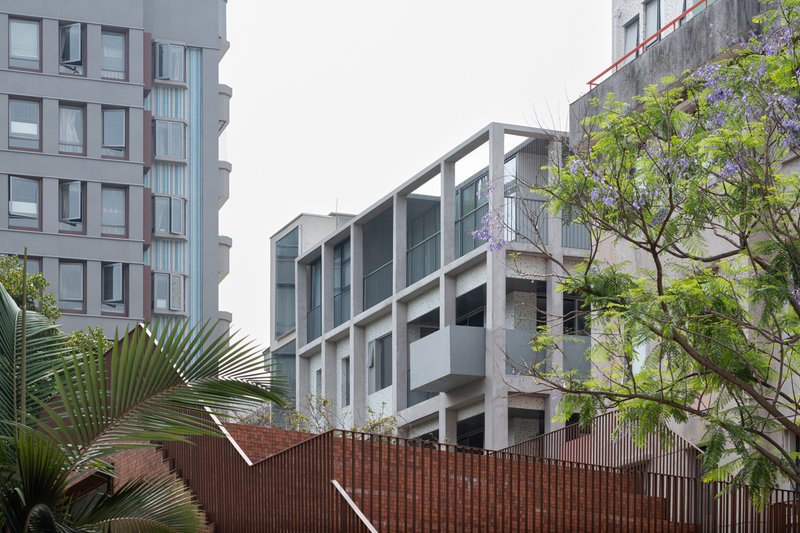
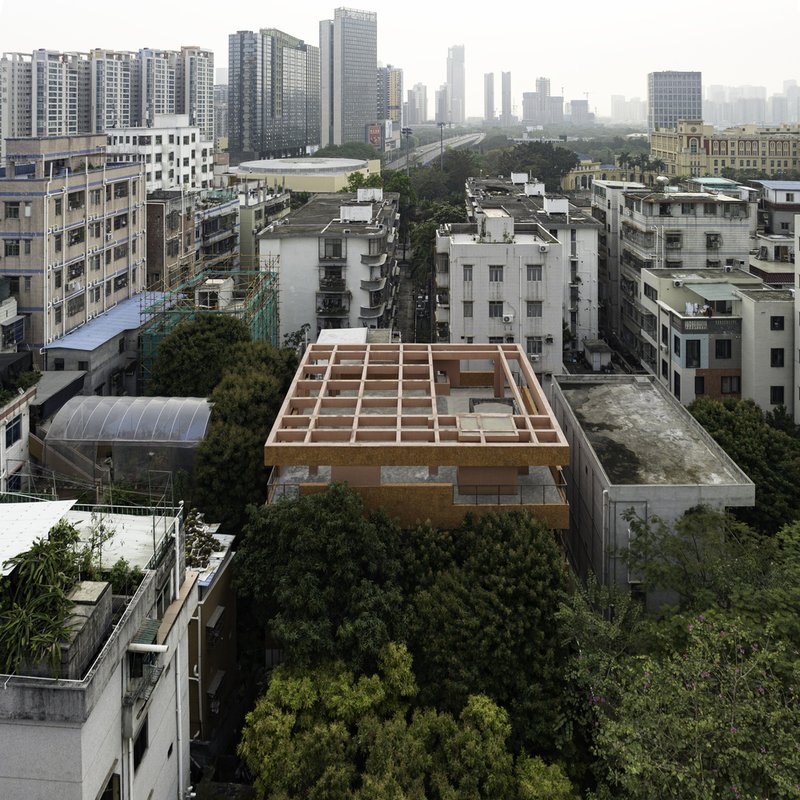
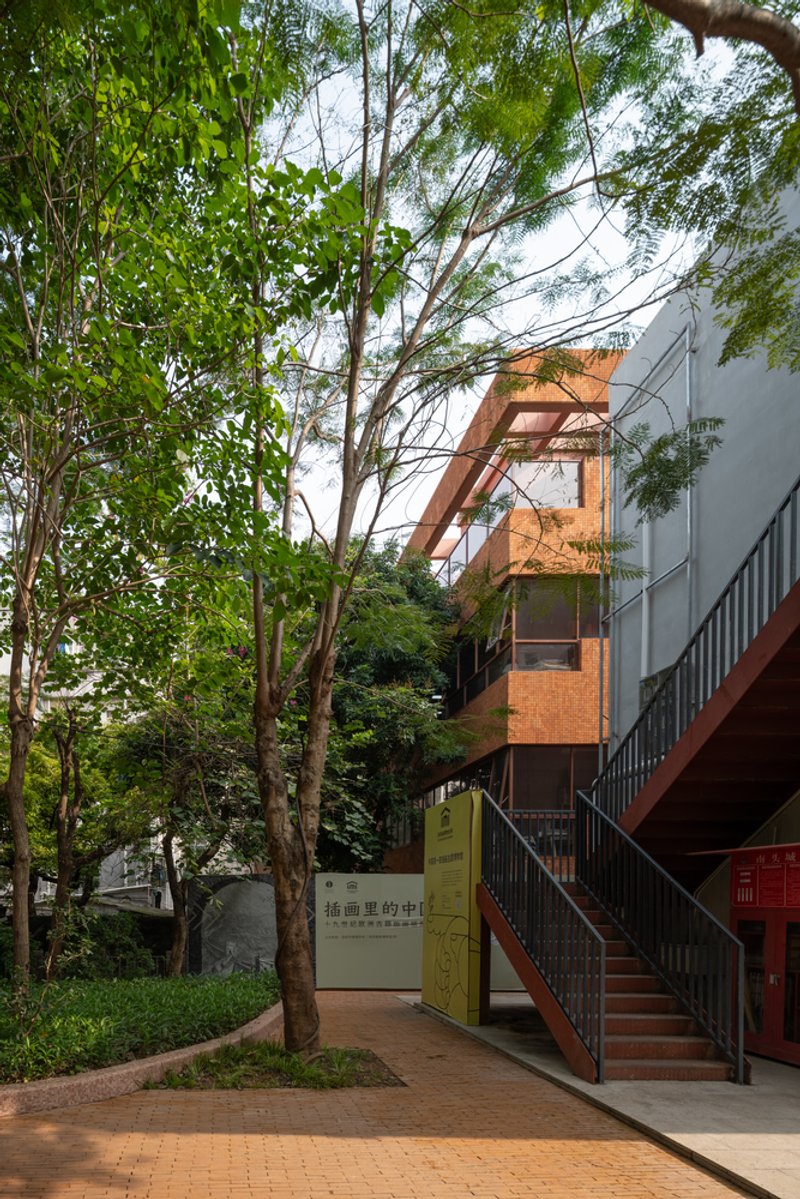
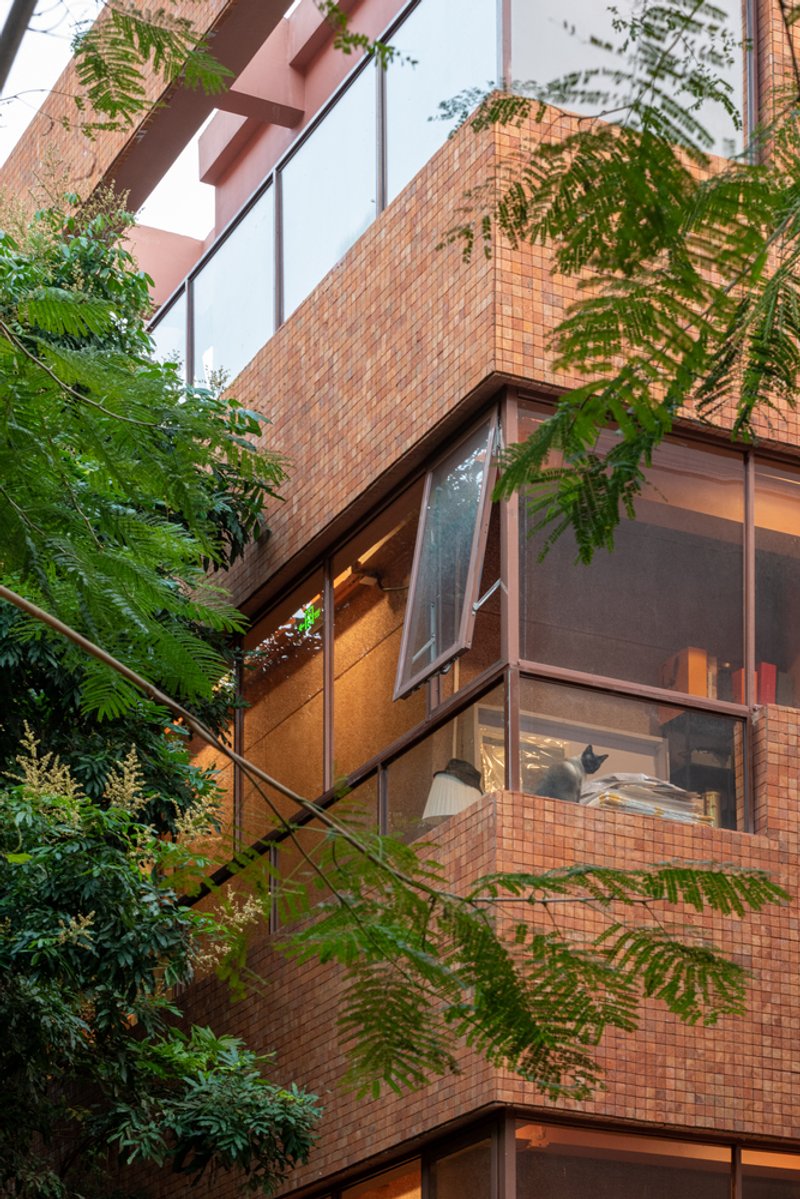
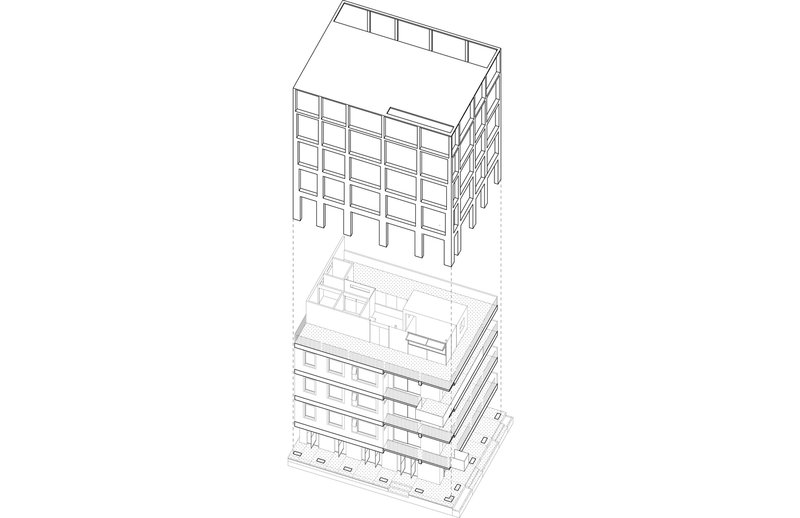
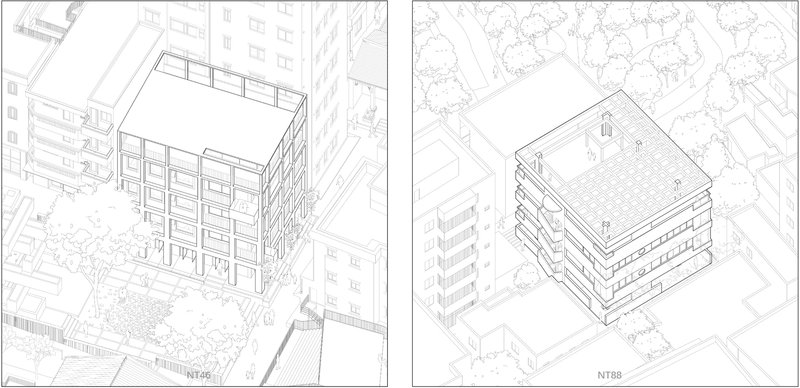
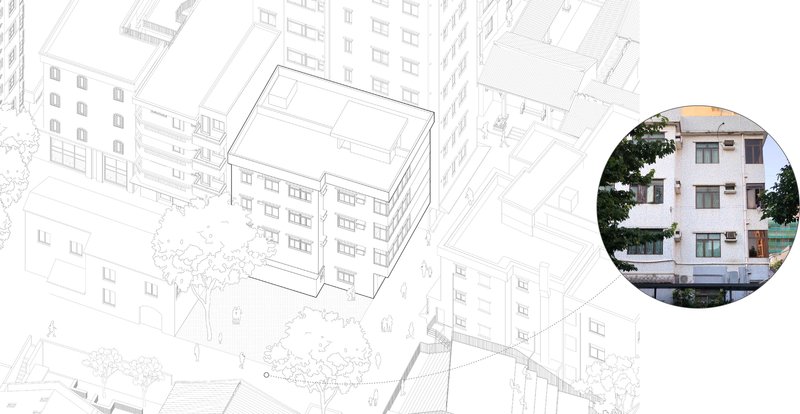
NT46 is situated near a busy square in Nantou, offering a rare opportunity for self-expression within the dense, cramped city fabric. However, the challenge for fabersociety was to respect the building’s original identity while adapting it for modern use. The building’s mosaic façade, a defining feature of Nantou’s architecture, was preserved as much as possible. The architects reorganized the building's shape, adding a new platform, reconfiguring the balcony, and opening up new corridor spaces—all without compromising the original aesthetics.
Structural Reinforcement and the Externalized Solution
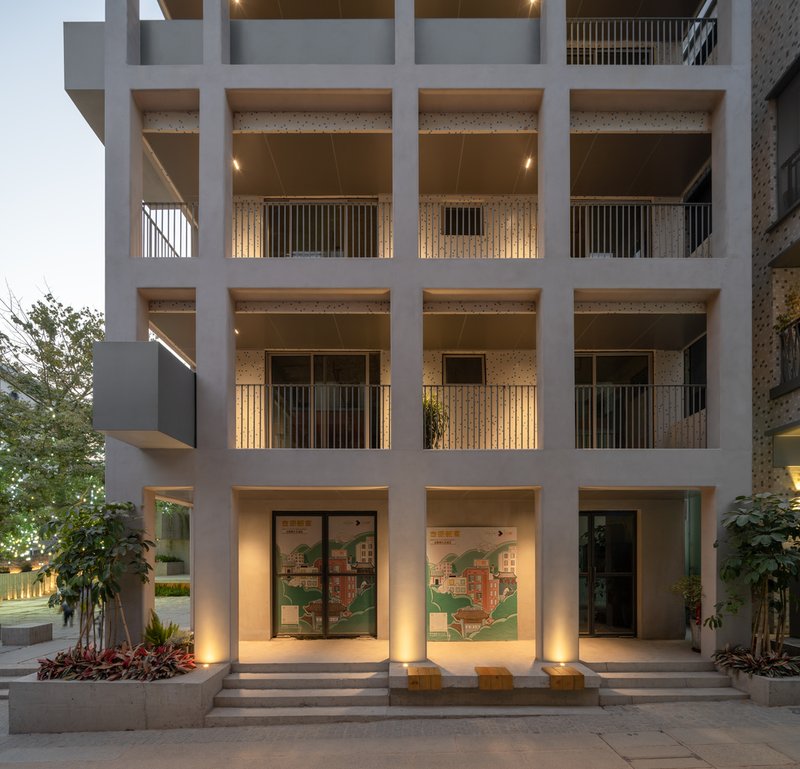
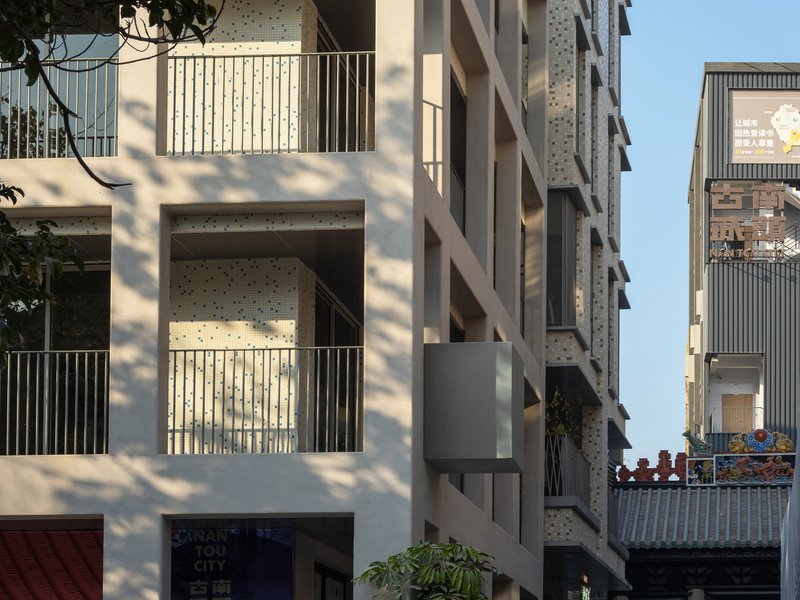
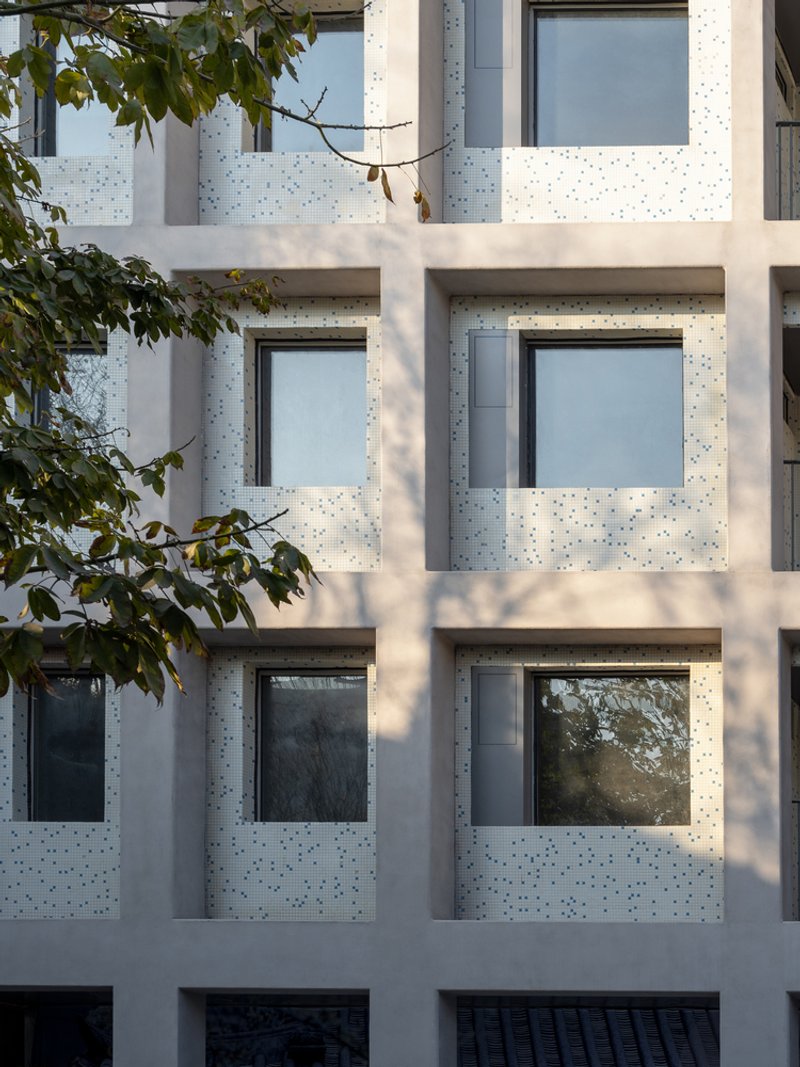
One of the most notable aspects of this adaptive reuse project is the externalization of structural reinforcement. Buttress columns were added to the façade, reinforcing the building’s structural integrity while forming a new architectural pattern. This "visible reinforcement" not only meets safety standards but also makes the process an integral part of the building's identity, blending old and new seamlessly. The choice to use structural buttressing as a visible element rather than traditional surface-level interventions (such as painting or replacing windows) reflects the building's evolving role in the urban environment.
NT88: Responding to Changing Contexts
The Challenge of Visibility and Transformation
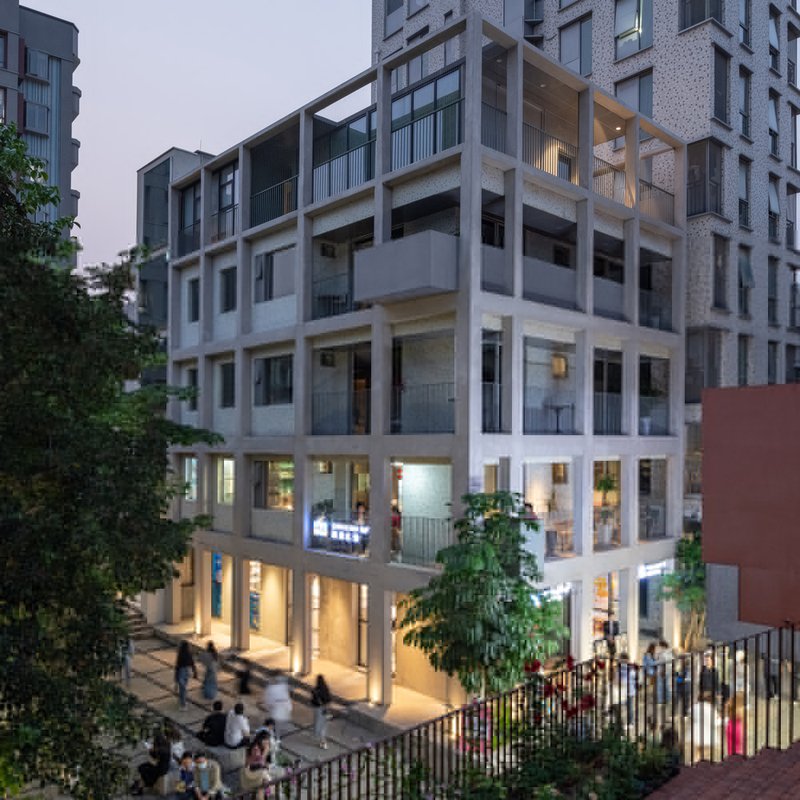
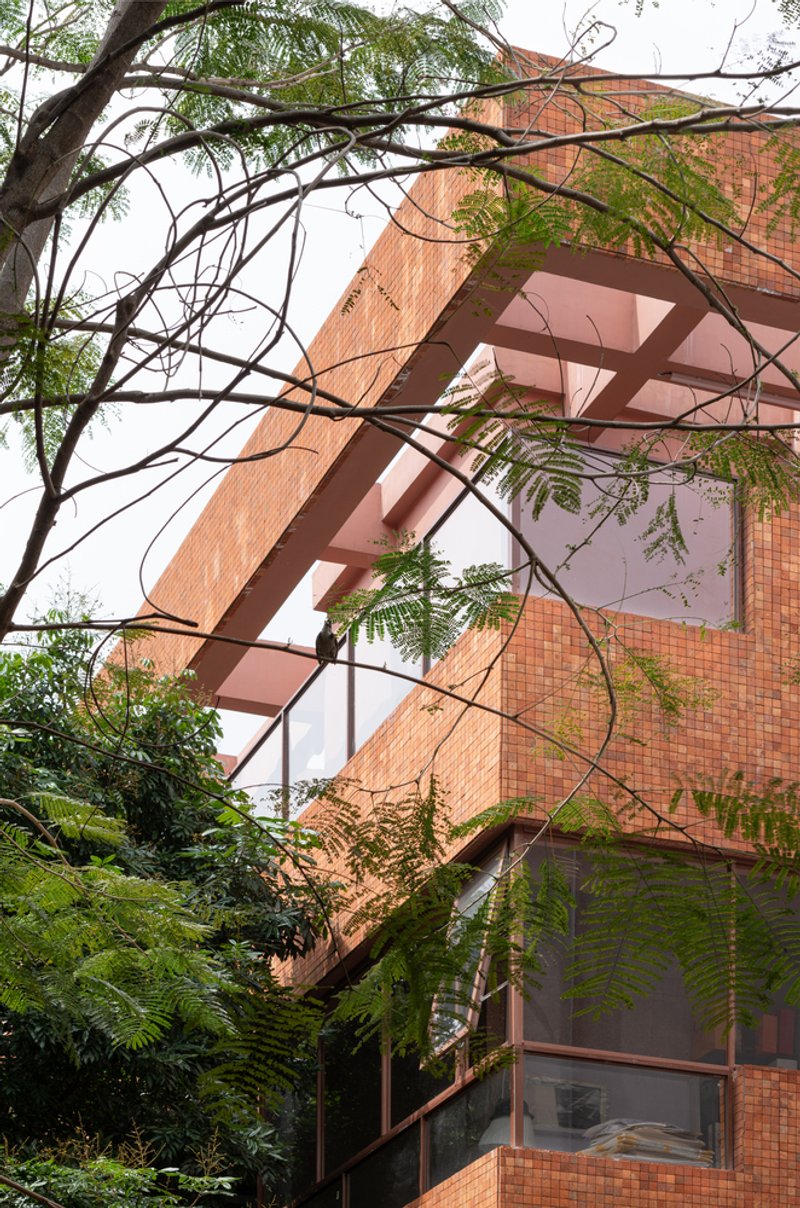
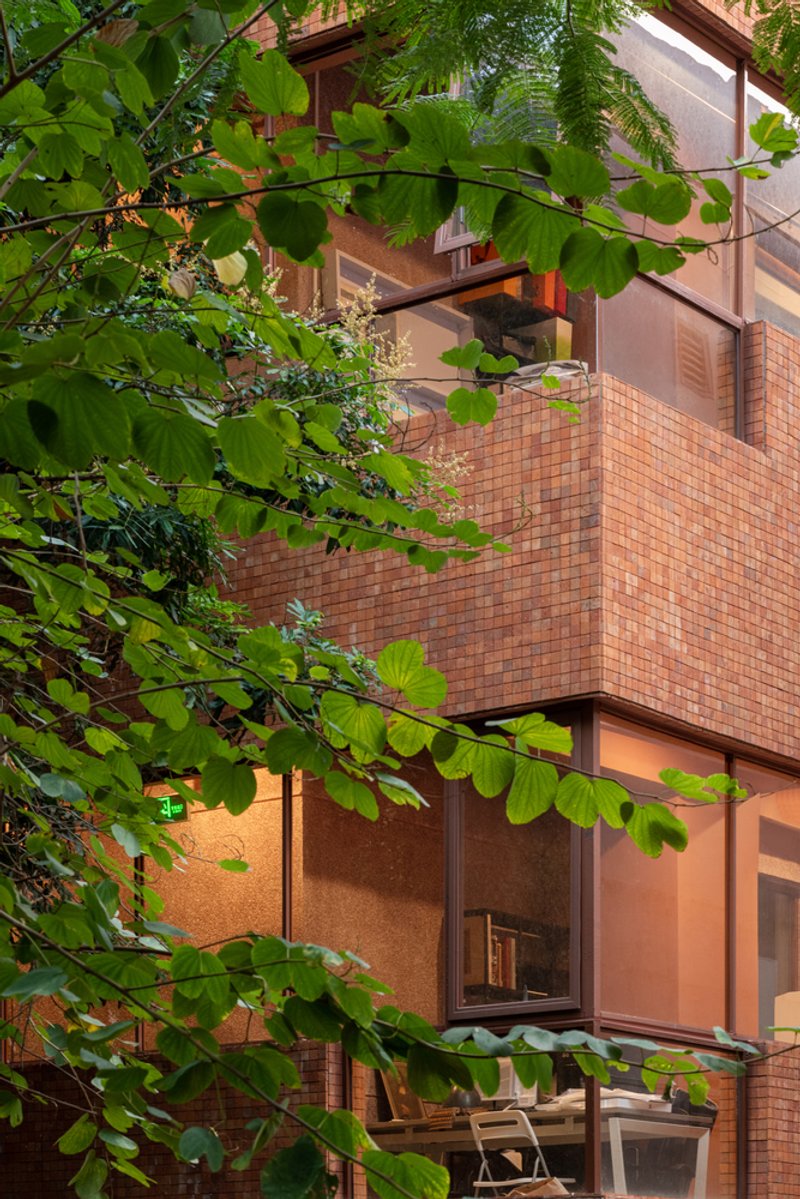
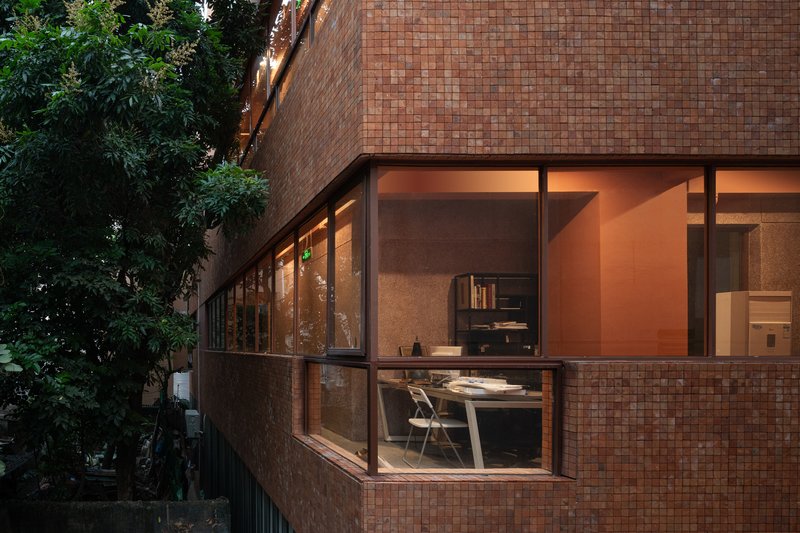
Like NT46, NT88 faced its own set of challenges, primarily stemming from the site’s changing context. Originally designed with an open park in mind, NT88's facade was soon obstructed by a substation, losing its intended prominence. However, this setback led to an innovative approach in how the building would interact with its surroundings. The architects redefined the building's "edge" by introducing a new layer of corridors that not only addressed the need for additional space but also softened the building's interaction with its environment.
The New Facade: Adding Layers and Functionality
To accommodate new functional requirements without altering the building's height, a circular corridor was added around the building. This addition created a new volume and allowed for increased flexibility in the internal layout. The building’s new facade, with horizontally aligned windows, provides ample natural light and opens up new views, creating a dialogue between the interior and exterior that was previously limited.
Incorporating a Shear Wall System
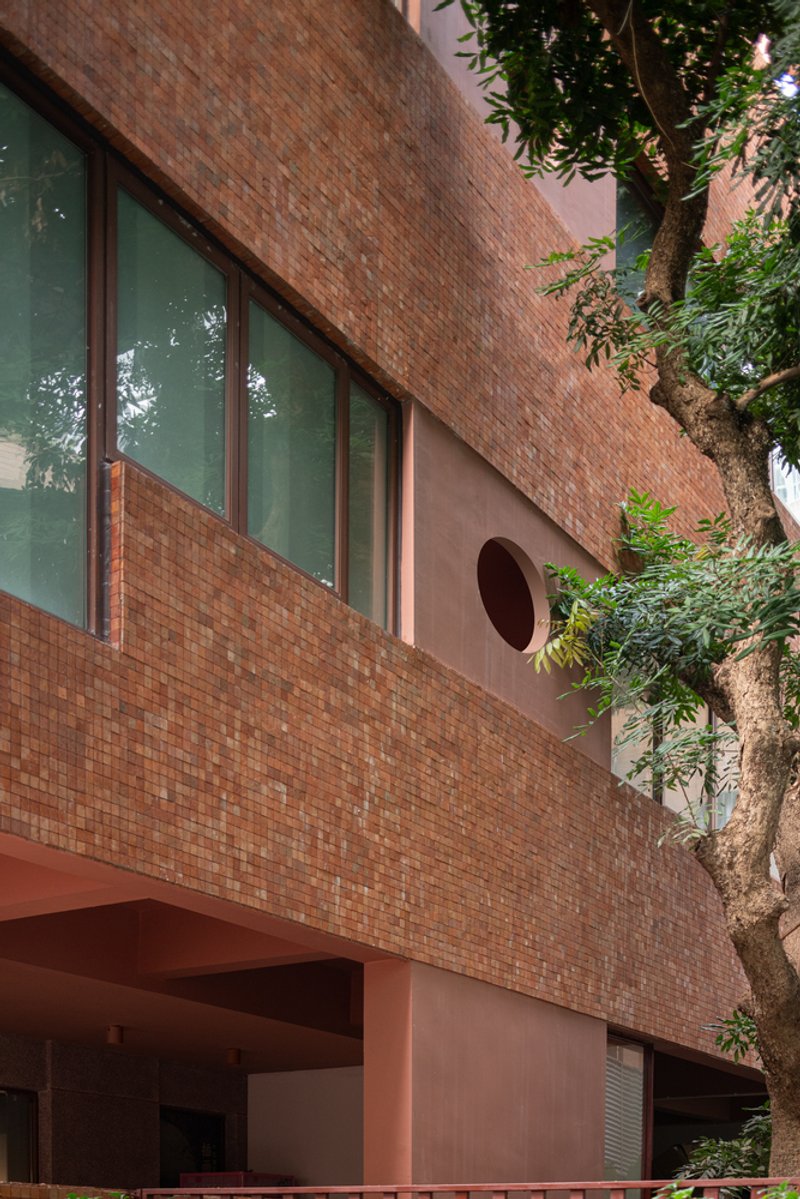
Incorporating a windmill-shaped shear wall system allowed NT88 to withstand the added weight of the new corridors without overwhelming the original structure. This innovative solution preserves the building's existing layout while accommodating new needs, further showcasing the flexibility and sustainability of adaptive reuse architecture.
Structural Reinforcement: The Key to Adaptive Reuse
Both NT46 and NT88 demonstrate the importance of structural reinforcement in adaptive reuse projects. The architects’ decision to externalize the reinforcement not only improved the buildings' safety but also gave them a unique aesthetic identity. By embracing the reinforcement process as a visible feature, the buildings communicate a narrative of transformation, emphasizing the delicate balance between preservation and progress.
The Future of Adaptive Reuse Architecture
The renovations of NT46 and NT88 are a testament to the power of adaptive reuse architecture in shaping the future of urban spaces. By integrating new functionality with historical preservation, these buildings in Nantou reflect the broader evolution of urban villages from marginal to normative spaces. They highlight the importance of respecting both the past and the future, demonstrating how architecture can serve as a bridge between history and contemporary life.
Adaptive reuse is not just a trend; it is a necessity in our increasingly urbanized world. As cities continue to grow, these projects provide valuable lessons on sustainability, heritage preservation, and the dynamic nature of urban architecture.
All photographs are work of Yong Zhang



Popular Articles
Popular articles from the community

BAST Slots a Four-Story Glass House into a Narrow Gap Between Toulouse Townhouses
In the dense Bonnefoy district, a stepped infill building merges home and office while preserving a majestic hackberry tree.
HCCH Studio Wraps a Shanghai High-Rise Office in Curved Walls of Translucent Glass
A 1,000 square meter fit-out in Lujiazui replaces the typical tech-office palette with layered glass, micro-cement, and quiet rigor.
Fausto Terán and Toro Fuse Japanese Craft with Mexican Tradition in a Lakeside Retreat
Nakamura House pairs Shou-Sugi-Ban charred pine with handmade clay tile at the foot of Atlangatepec Lagoon in Mexico.

20 Most Popular Office Building Projects of 2025
From biophilic workspaces in India to net-positive energy offices in New Delhi, 20 office building projects that defined architecture in 2025.


Similar Reads
You might also enjoy these articles
Olio Towers: A Mid-Rise for Performers That Fuses Housing, Rehearsal, and Stage
Located blocks from Houston's Theater District, this modular tower stacks living units around a central performance atrium.
Oasis: Modular Green Housing Carved into Dhaka's Urban Fabric
A shortlisted Plugin Housing entry reclaims unauthorized settlements in Dhaka with stepped concrete volumes, green roofs, and ventilation-driven design.

Black Hole: A Floating Megastructure for the Post-Physical Era
Emiliano Mazzarotto envisions a spherical, self-scaling arena where e-sports, digital hotels, and holographic stadiums replace traditional public space.
Compact & Sustainable Living in Piraeus: A Four-Level Family Home Built Around Light and Air
A narrow townhouse in one of Greece's densest port cities uses a central atrium and passive strategies to house three generations under one roof.

Explore Architecture Competitions
Discover active competitions in this discipline




The International Standard for Design Portfolios


The Global Benchmark for Architecture Dissertation Awards


The Global Benchmark for Graduation Excellence

Challenge to design mud housing for contemporary communities
Comments (0)
Please login or sign up to add comments
No comments yet. Be the first to comment!