
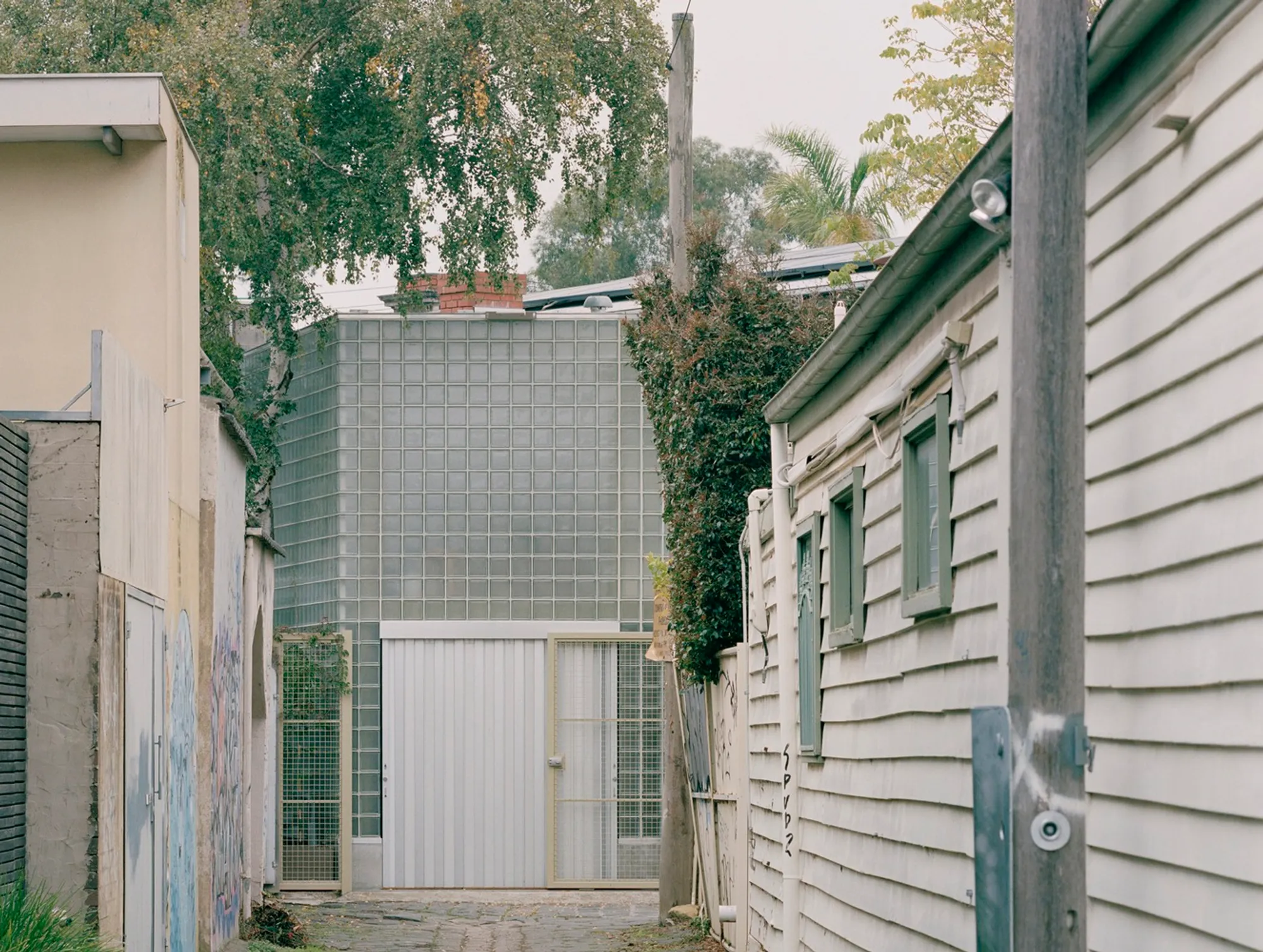
A Thoughtful Extension by Baracco+Wright Architects
The Outbuilding with Deep Garden by Baracco+Wright Architects is a compact, transparent structure designed in response to its site and garden.


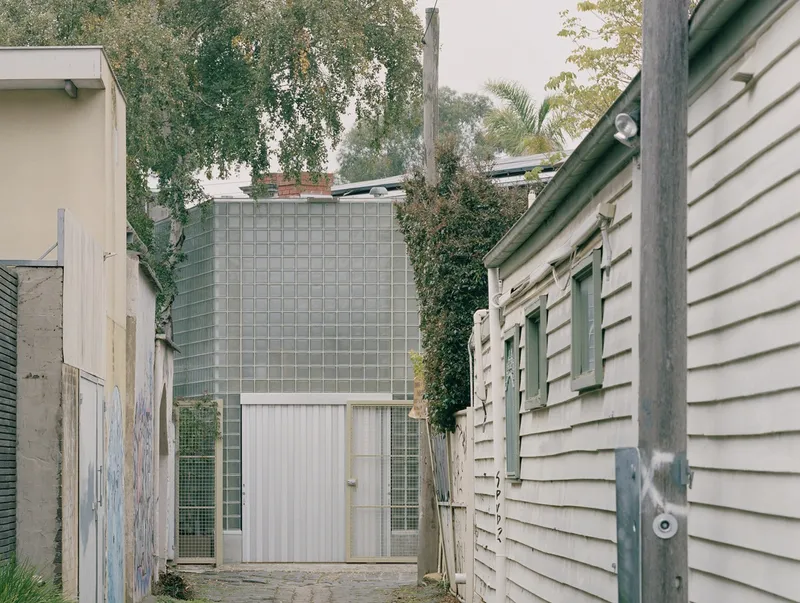
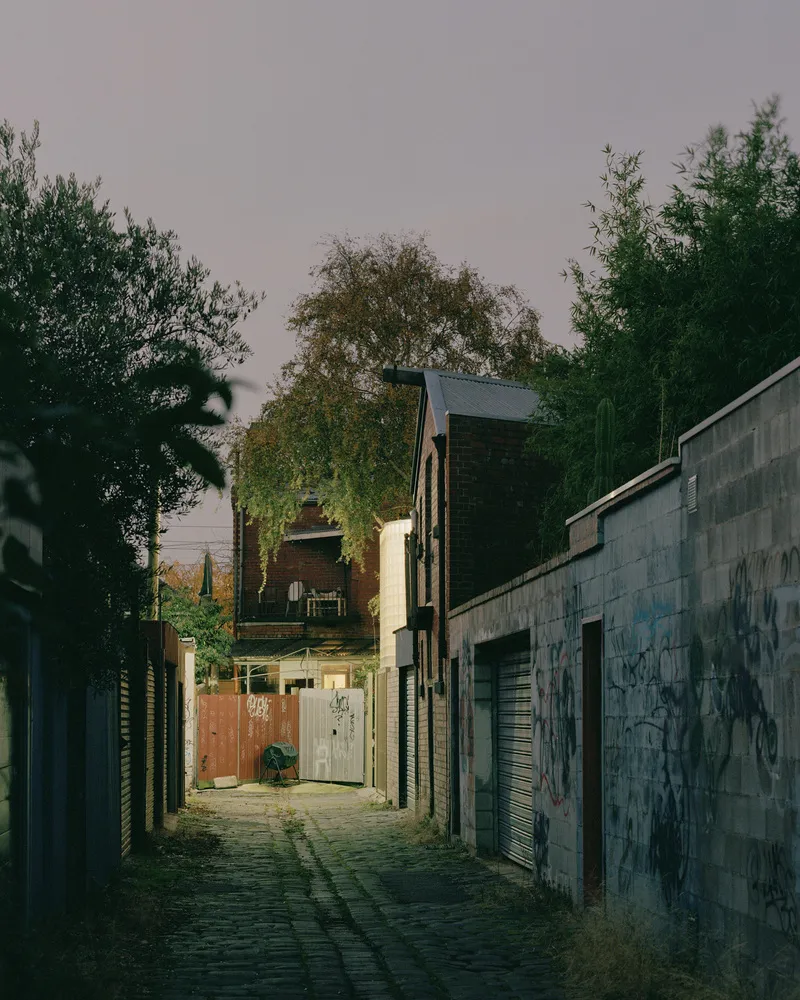
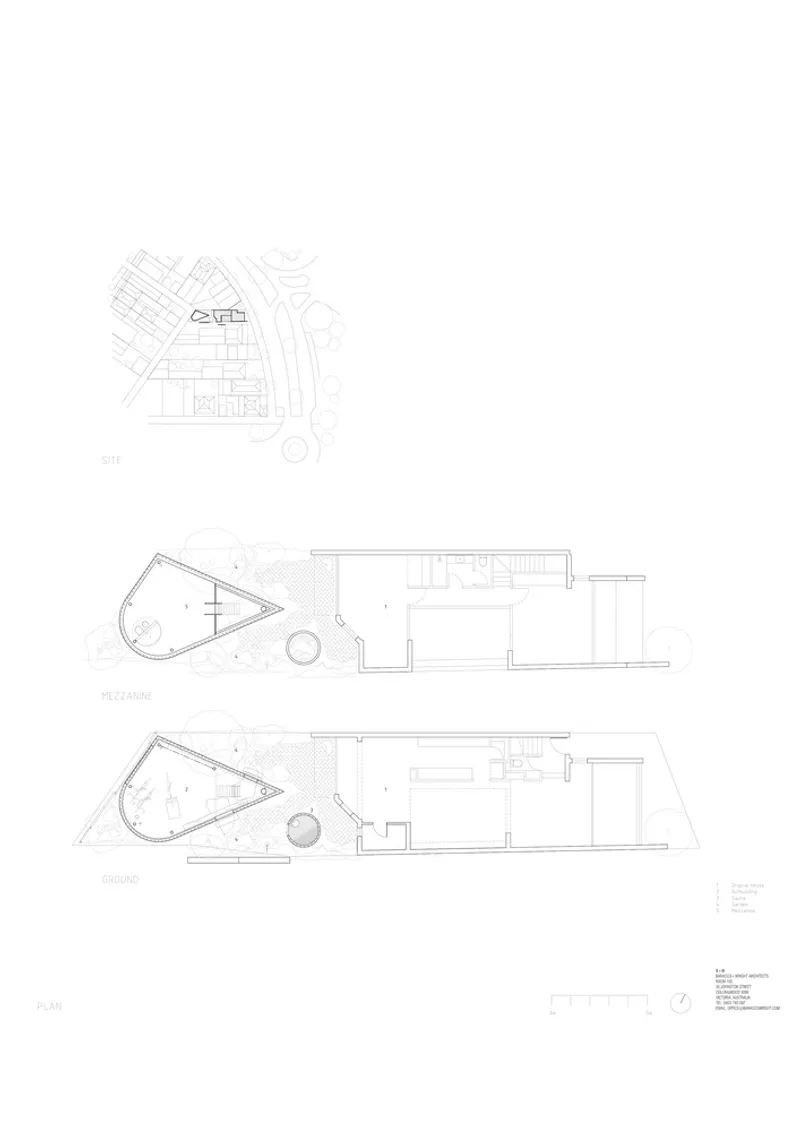
The Outbuilding with Deep Garden, designed by Baracco+Wright Architects, is a contemporary extension to a 1980s concrete block house in Fitzroy North, Melbourne. This compact 26m² structure features a mezzanine and is designed to serve as a multi-functional outbuilding that accommodates various activities, such as housing bikes, garden tools, and providing a flexible space for other uses. Its unique architectural form is a thoughtful response to both the constraints of the site and the original house's design language.
A Compact, Thoughtful Design
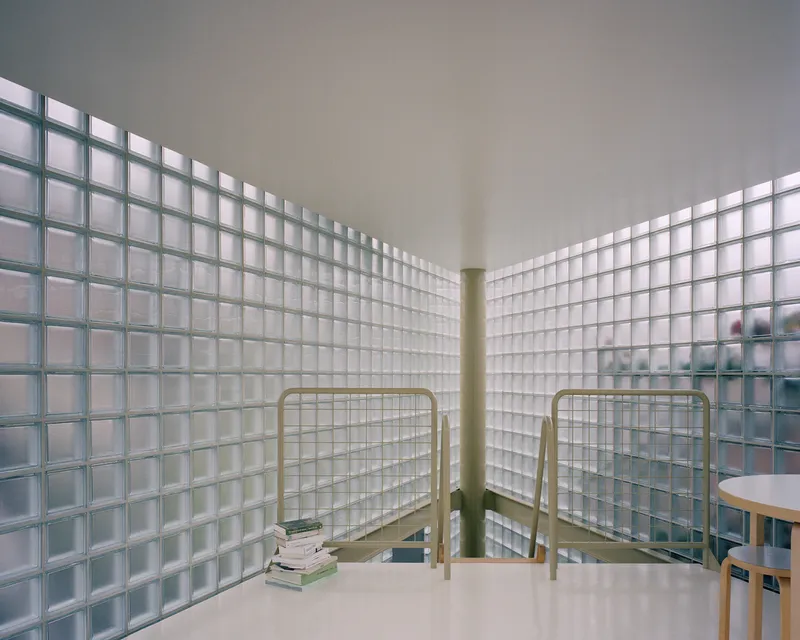
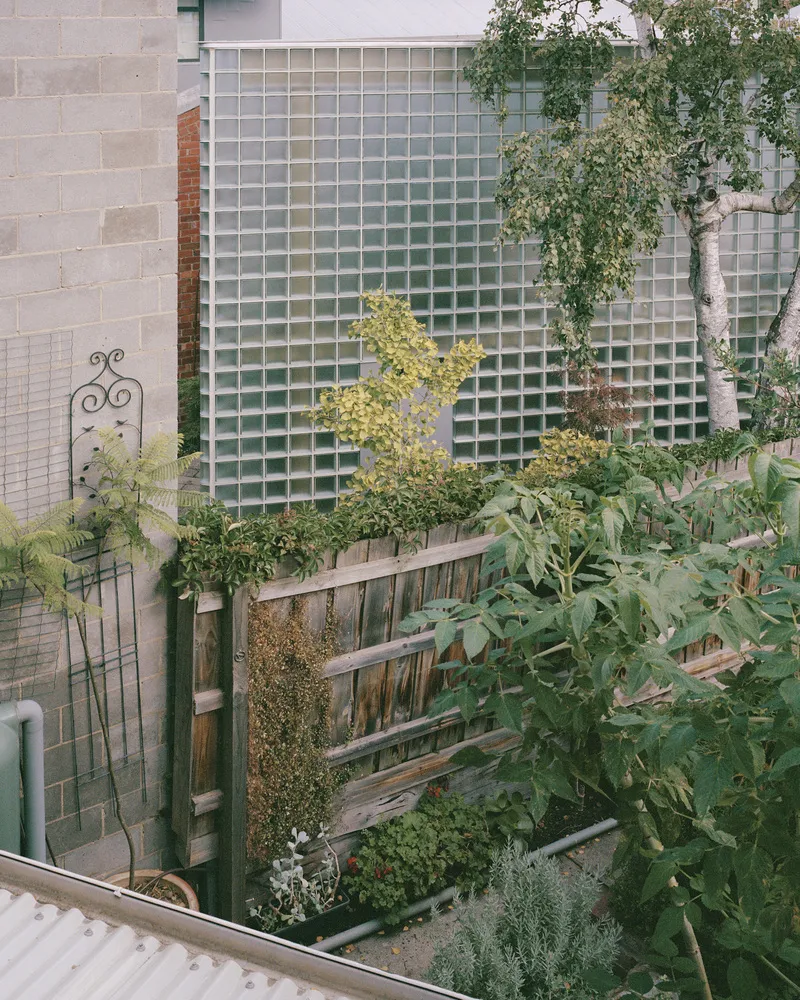
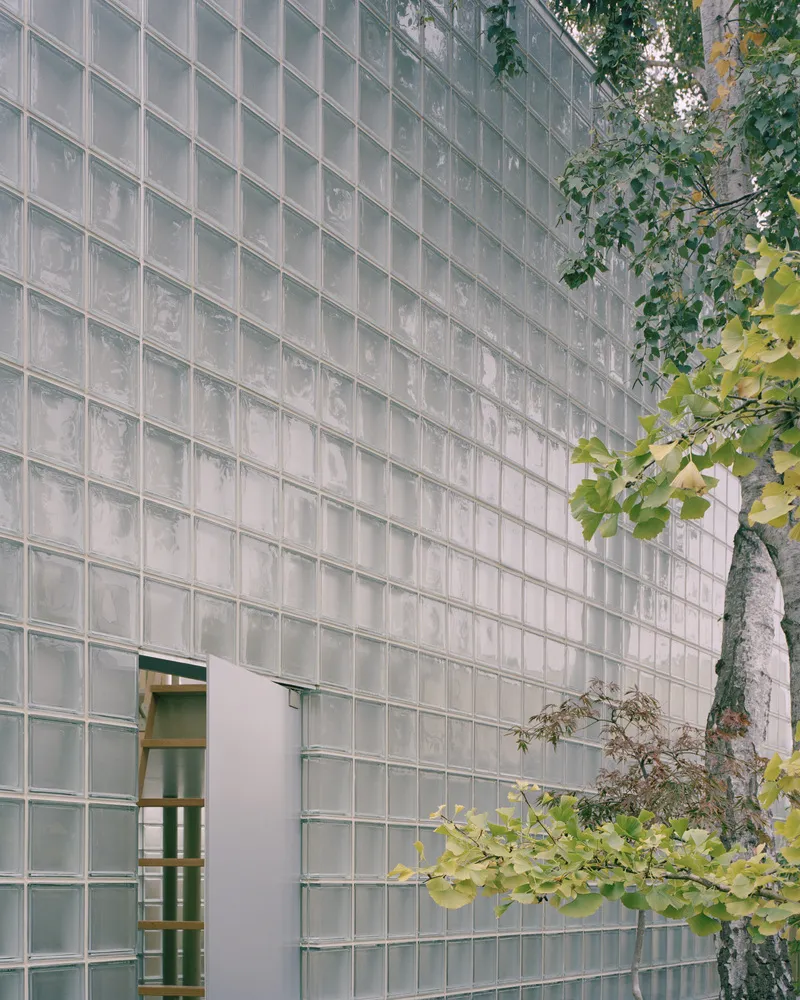
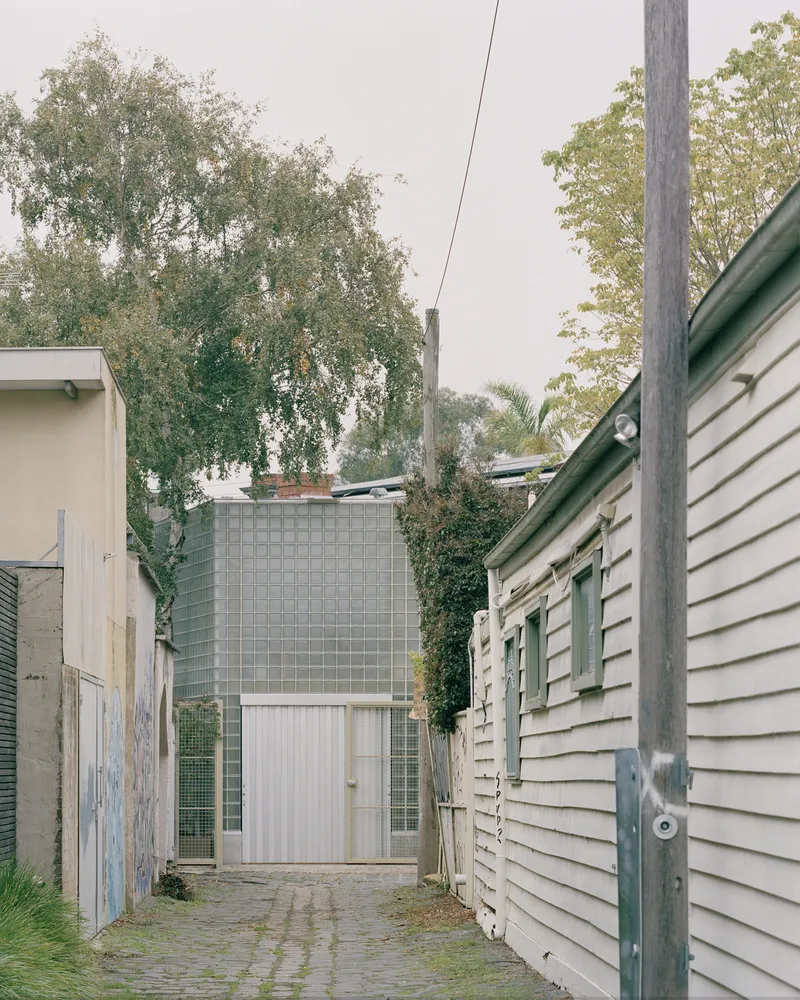
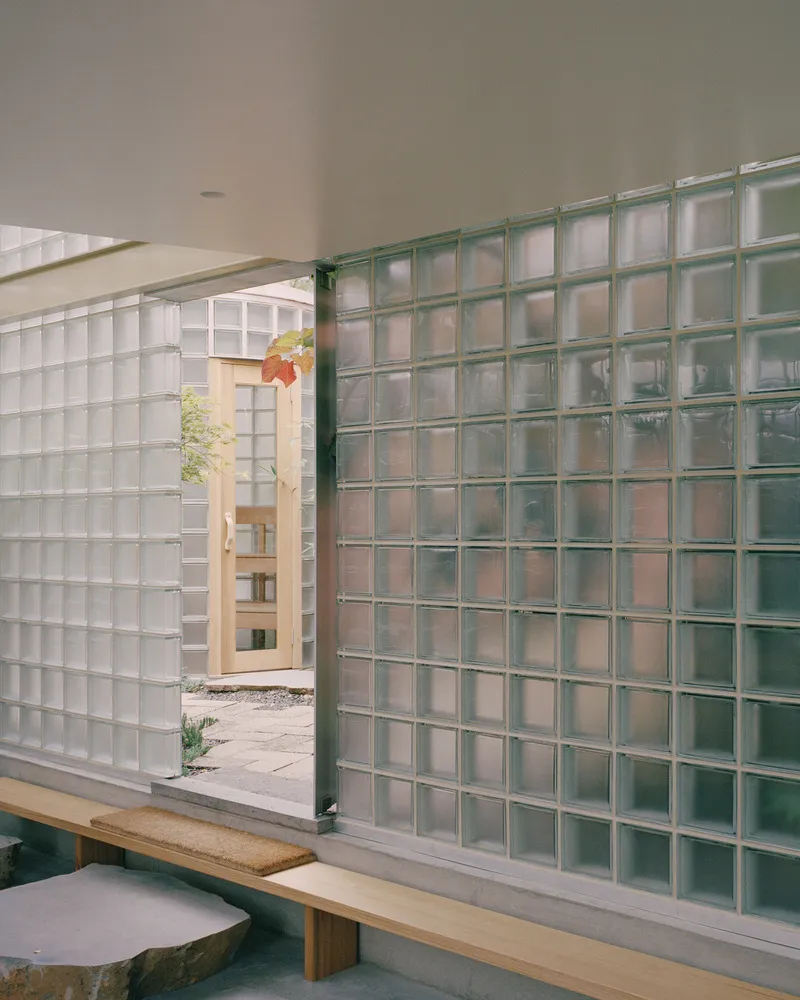
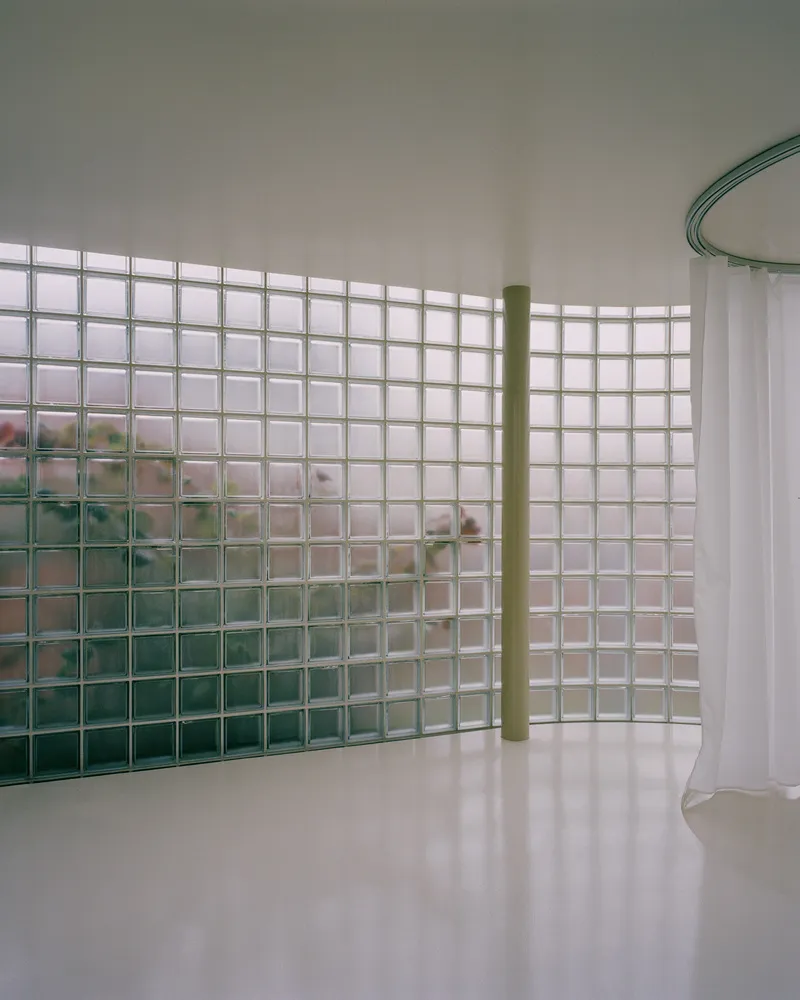
The outbuilding is conceived as an independent structure rather than a traditional extension to the existing house. The existing concrete block house, designed by Ross Perrett in the 1980s, had a solid and geometric Brutalist style, which influenced the design approach for the new outbuilding. Baracco+Wright Architects sought to maintain this dialogue between the new and old by translating the original structure's heaviness into a more transparent form using glass blocks. These glass blocks allow natural light to filter through, enhancing the feeling of spaciousness inside while creating a connection to the surrounding garden.
Unique Geometry and Site Response
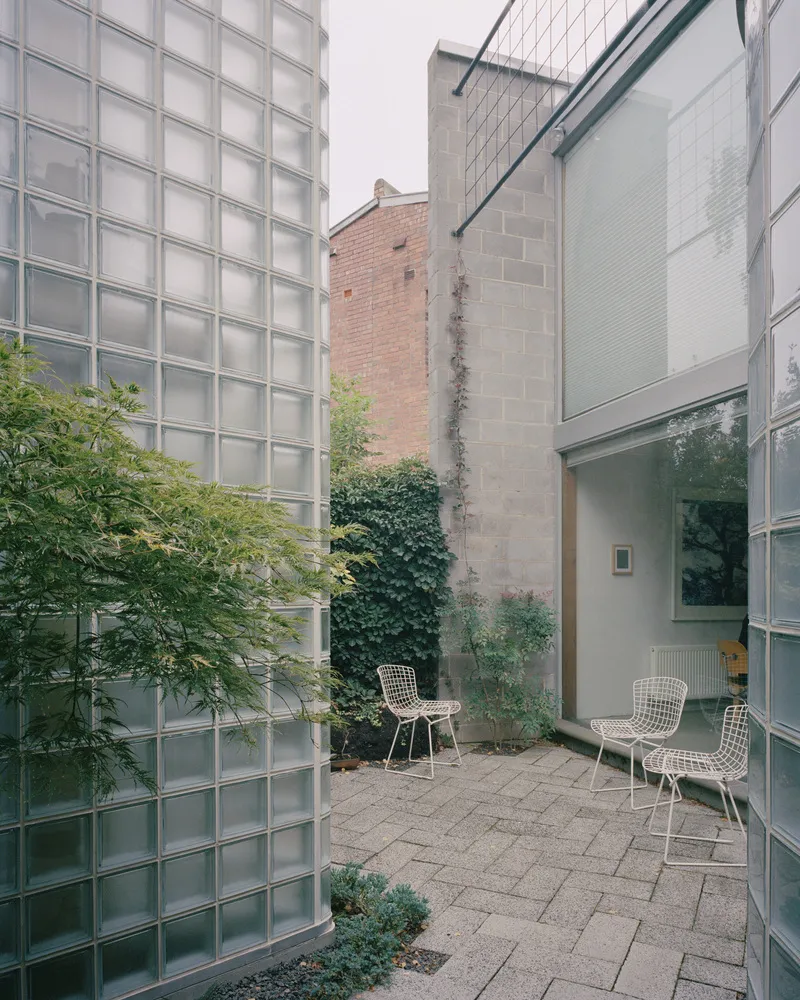
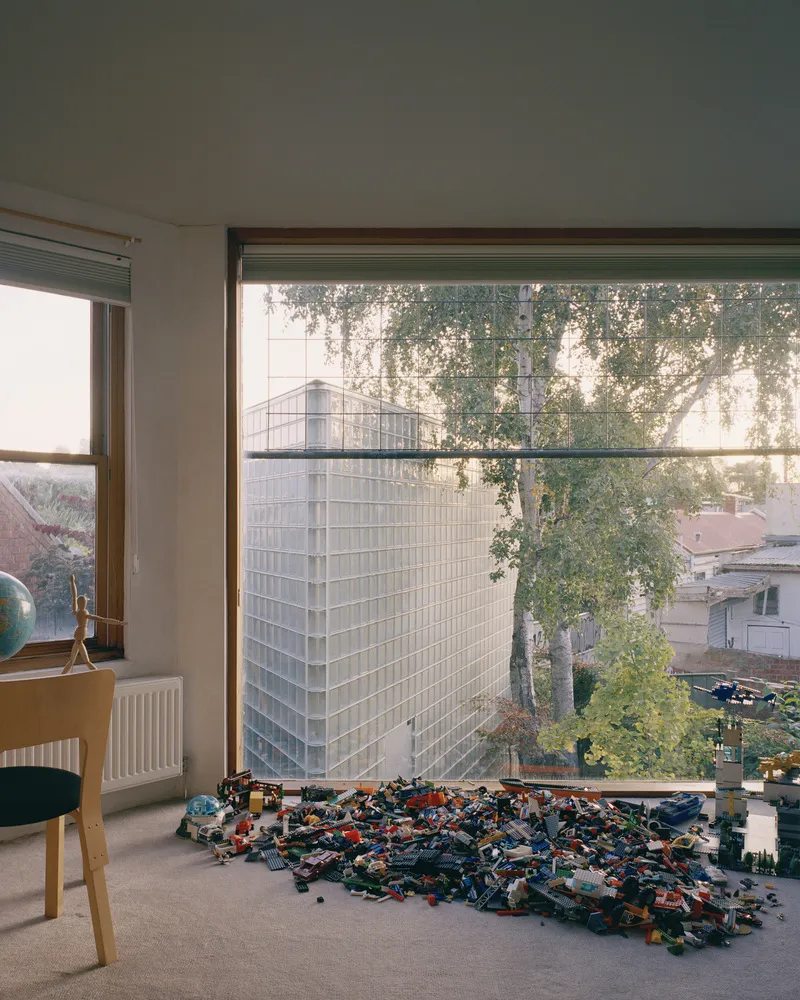
The outbuilding's triangular shape results from several design considerations: the simple geometry of the original house, site constraints, and the desire to avoid overshadowing neighboring properties. The shape also enhances the perception of depth, which aligns with the deep garden beds that flank the building. One of the garden beds features a mature Birch tree, whose root ball was carefully preserved during construction. The building's wedge-shaped plan helps maintain this garden space and creates a visual link between the house and the surrounding greenery.
Integration with the Garden
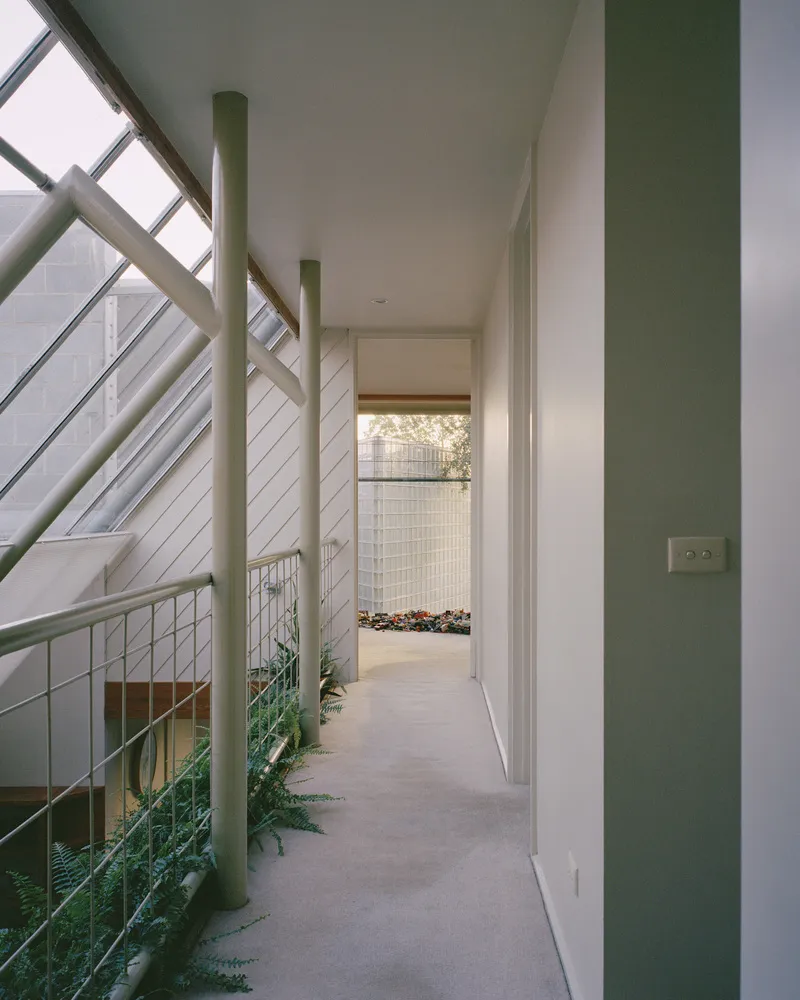
The site’s design responds to the existing garden, which plays a significant role in shaping the spatial experience of the building. The garden areas on both sides of the outbuilding create a sense of expansion, making the building appear smaller from the house while amplifying the size of the garden. A small, round structure housing a sauna sits off to one side, offering a contrasting form and contributing to the overall play of shapes within the garden. This interaction between the building and garden fosters a sense of openness and fluidity between interior and exterior spaces.
Materiality and Light
The materiality of the outbuilding is integral to its connection with the house and garden. The use of glass blocks is key to the design’s transparency, allowing light to pass through the solid mass of the building. This transparency not only brightens the interior space but also reinforces the connection to the garden. The deep garden beds surrounding the building create changing light and shadow patterns, which contribute to the dynamic spatial experience inside.
A Small Footprint with Big Impact
Despite its modest size, the Outbuilding with Deep Garden is a well-executed example of how a small footprint can have a significant architectural impact. The building’s thoughtful design maximizes the available space while respecting the constraints of the site and maintaining a harmonious relationship with the original house and surrounding garden. It provides a multi-functional, flexible space while enhancing the aesthetic quality of the overall site, creating a strong connection between the architecture, the landscape, and the residents' daily lives.
All Photographs are work of Rory Gardiner




Popular Articles
Popular articles from the community


Hill & Cross Opera: Sculptural Opera House Architecture Shaped by Tallinn’s Landscape and Identity
Hill & Cross Opera reimagines opera house architecture in Tallinn through its sculptural hill, civic plaza, glass wave and a luminous cross.

The Earth Pod: 3D Printed Homes for Resilient Refugee Communities
The Earth Pod reimagines refugee housing through 3D printed homes made from clay, combining resilience, self-sufficiency, and rapid shelter.

Lunar Spiral: Space Architecture Shaped by the Mathematics of the Universe
Lunar Spiral reimagines space architecture through Fibonacci geometry, lunar regolith, levitating habitats, and self-sustaining Moon living.

Play: Fragments of Their World
Familiar architecture becomes modular playground design, creating safe spaces where displaced children can learn, connect, imagine and play.

Similar Reads
You might also enjoy these articles


Hodi-Mandai Geram
Project Function: Preservation and revitalization of the Intangible heritage and socio-spatial identity of the Hodi by Housing, Cultural Memory Center, Sacred Grove, landscape, local tourism economy


Olio Towers: A Mid-Rise for Performers That Fuses Housing, Rehearsal, and Stage
Located blocks from Houston's Theater District, this modular tower stacks living units around a central performance atrium.

Oasis: Modular Green Housing Carved into Dhaka's Urban Fabric
A shortlisted Plugin Housing entry reclaims unauthorized settlements in Dhaka with stepped concrete volumes, green roofs, and ventilation-driven design.

Black Hole: A Floating Megastructure for the Post-Physical Era
Emiliano Mazzarotto envisions a spherical, self-scaling arena where e-sports, digital hotels, and holographic stadiums replace traditional public space.


Explore Building Extension Competitions
Discover active competitions in this discipline



Challenge to reimagine the Iron Throne


Photograph architecture without architects


Illustrate the lost glory of Angkor Wat - Render Challenge


Design challenge to reuse E-waste
Comments (0)
Please login or sign up to add comments
No comments yet. Be the first to comment!