

A110 Office by Esteras Perrote: Urban Restoration Meets Contemporary Design in Córdoba, Argentina
A110 Office by Esteras Perrote revitalizes a historic Córdoba building, blending heritage restoration, contemporary design, natural light, greenery, and urban integration.


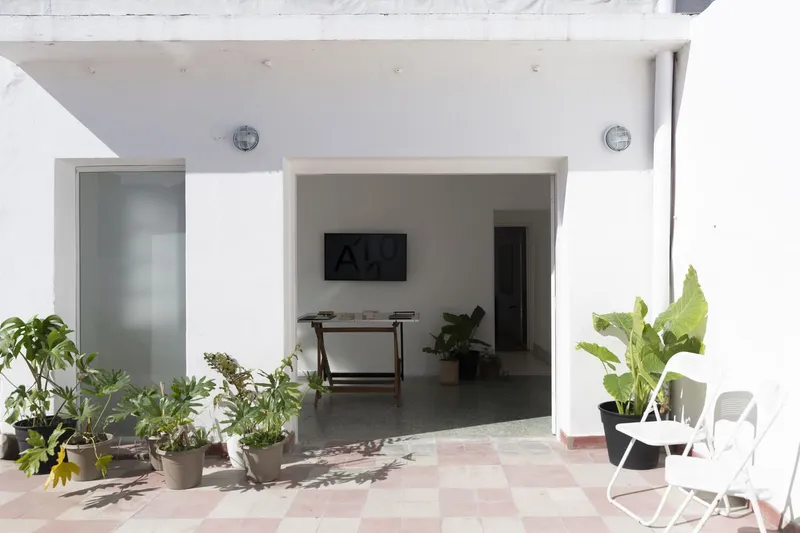
The A110 Office project by Esteras Perrote exemplifies the transformative power of architecture, blending restoration, adaptive reuse, and contemporary interventions within Córdoba's vibrant urban center. Situated on Miguel Calixto del Corro Street, just steps from La Cañada, Paseo Sobremonte, the Córdoba City Hall, and the Palace of Justice, the three-story building is deeply embedded in the city’s historic urban fabric.

Reimagining Urban Presence
The project emerges from a desire to reinhabit the city center, rethinking both workspace design and urban engagement. Córdoba’s bustling streets, green spaces, civic squares, and modern architectural landmarks inspired a design that celebrates urban coexistence. From tipa-lined La Cañada to the ornamental fountains of Paseo Sobremonte, the architects drew on the richness of the cityscape, aiming to recover and enhance the urban fabric while offering a functional and welcoming workspace.


Heritage Restoration and Historical Identity
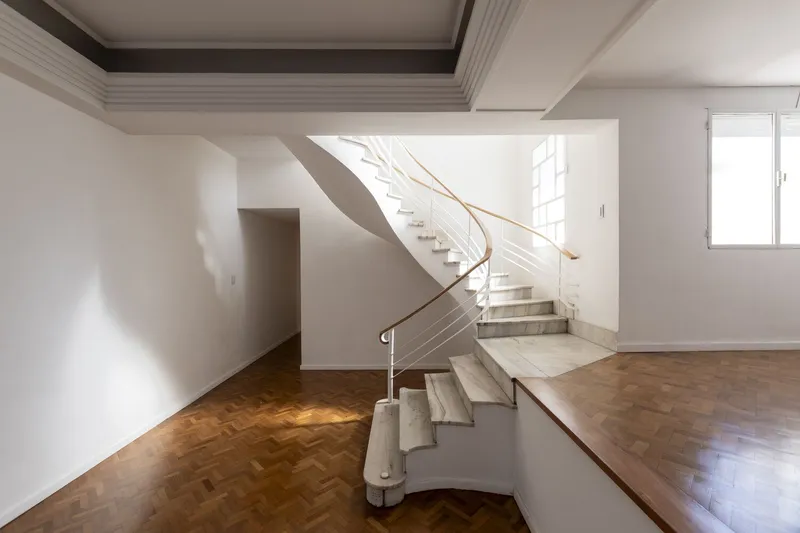
Originally constructed in the early 20th century, the property underwent multiple transformations over the decades. Initially a two-level residence, a third level was added in the 1940s, creating a distinctive vertical circulation featuring a marble staircase and spiral stairs that remain central to the building's identity. Thick walls, white-painted high ceilings, wooden floors, and marble elements defined the historic character, which had been compromised over years of alternative use and neglect.
The architects approached the project as an act of urban and architectural recovery, restoring the building’s original walls, floors, and openings. This process honored the history of the space while creating a functional platform for contemporary use, respecting the integrity of heritage materials and spatial qualities.


Contemporary Interventions and Spatial Flow
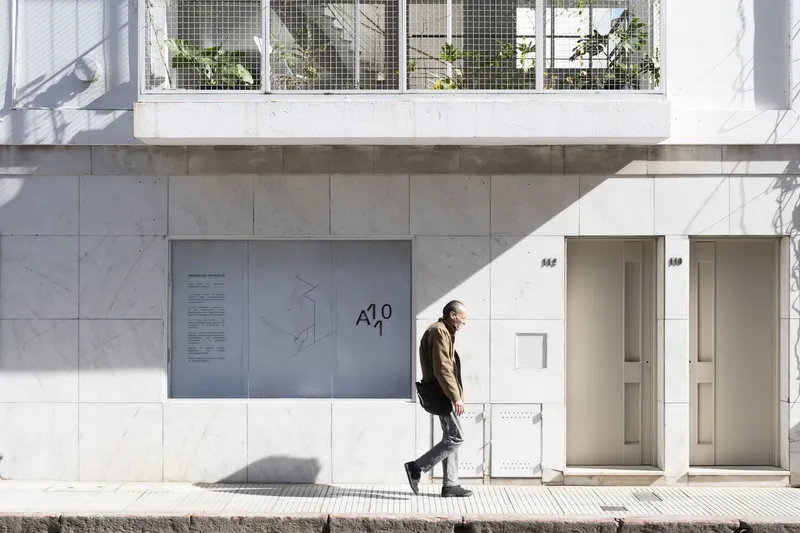
Esteras Perrote introduced subtle interventions to enhance interior circulation and connectivity between inside and outside. The design incorporates patios that provide natural light and ventilation, while a lightweight metal framework and mesh façade serves as an intermediary between public and private realms. This structure allows greenery to gradually occupy the façade, introducing a vertical layer of urban nature that mitigates environmental noise and enhances interior comfort.
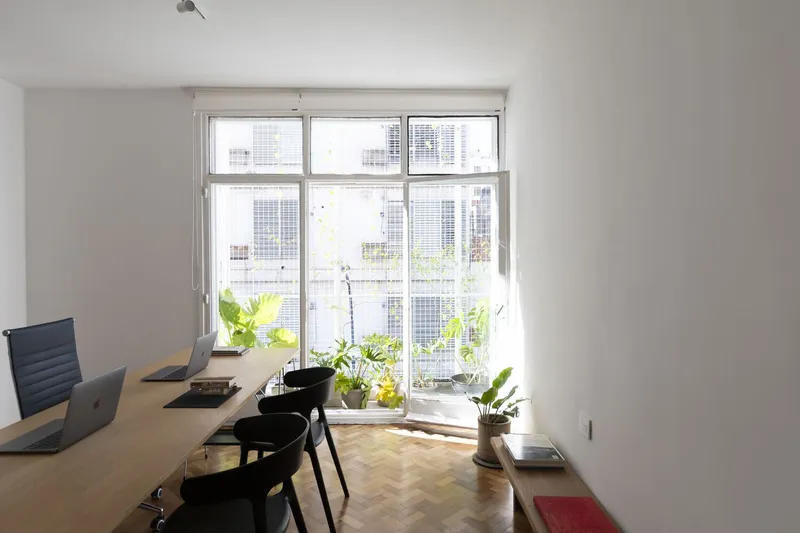
The interplay between restored heritage elements and modern design gestures emphasizes the fluidity of space, creating a dynamic yet harmonious environment for creative work. By opening certain areas to the public, A110 Office pays homage to Córdoba’s urban context while fostering interaction and inclusivity.

Sustainable Urban Design
Beyond aesthetic and functional considerations, A110 Office exemplifies sustainable urban design practices. The restoration prioritized material preservation, adaptive reuse, and natural ventilation, reducing environmental impact while improving the building’s habitability. By reintegrating greenery into the façade, the project contributes to urban biodiversity and softens the effects of heavy traffic and limited open space in the city center.


A110 Office / Esteras Perrote is a compelling example of how heritage restoration and contemporary architecture can converge to create a functional, sustainable, and aesthetically rich urban workspace. This project demonstrates that respecting historical identity, enhancing urban connectivity, and integrating green interventions can redefine the role of architecture in a modern city context.

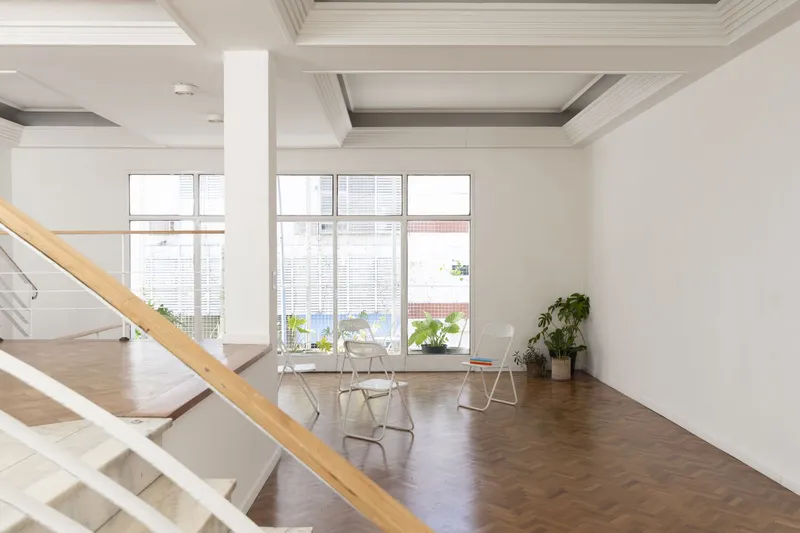
All photographs are works of Juan Cruz Paredes



Popular Articles
Popular articles from the community


The Musturak Paradise: Senior Living Architecture for a Connected Future in Temara, Morocco
The Musturak Paradise reimagines senior living architecture in Temara via private homes, social spaces, culture, community, and shared care.

The Ocean Hive: Sustainable Architecture for a Self-Sufficient Civilization at Sea
The Ocean Hive imagines sustainable architecture at sea, where modular habitats, algae, wave power and ocean waste sustain a growing colony.

AL-JANNAH: Sustainable Architecture and Permaculture for Afghan Widows
AL-JANNAH uses sustainable architecture and permaculture to create resilient oasis of housing, learning, work and renewal for Afghan widows.

Conexión: Biophilic Design Reimagines High-Rise Living in Hong Kong
Conexión reimagines high-rise living in Hong Kong through biophilic design, green facades, shared spaces, daylight, water and nature within.

Similar Reads
You might also enjoy these articles


Hodi-Mandai Geram
Project Function: Preservation and revitalization of the Intangible heritage and socio-spatial identity of the Hodi by Housing, Cultural Memory Center, Sacred Grove, landscape, local tourism economy


Olio Towers: A Mid-Rise for Performers That Fuses Housing, Rehearsal, and Stage
Located blocks from Houston's Theater District, this modular tower stacks living units around a central performance atrium.

Oasis: Modular Green Housing Carved into Dhaka's Urban Fabric
A shortlisted Plugin Housing entry reclaims unauthorized settlements in Dhaka with stepped concrete volumes, green roofs, and ventilation-driven design.

Black Hole: A Floating Megastructure for the Post-Physical Era
Emiliano Mazzarotto envisions a spherical, self-scaling arena where e-sports, digital hotels, and holographic stadiums replace traditional public space.

Explore Office Building Competitions
Discover active competitions in this discipline



Challenge to reimagine the Iron Throne


Photograph architecture without architects


Illustrate the lost glory of Angkor Wat - Render Challenge


Design challenge to reuse E-waste
Comments (0)
Please login or sign up to add comments
No comments yet. Be the first to comment!