
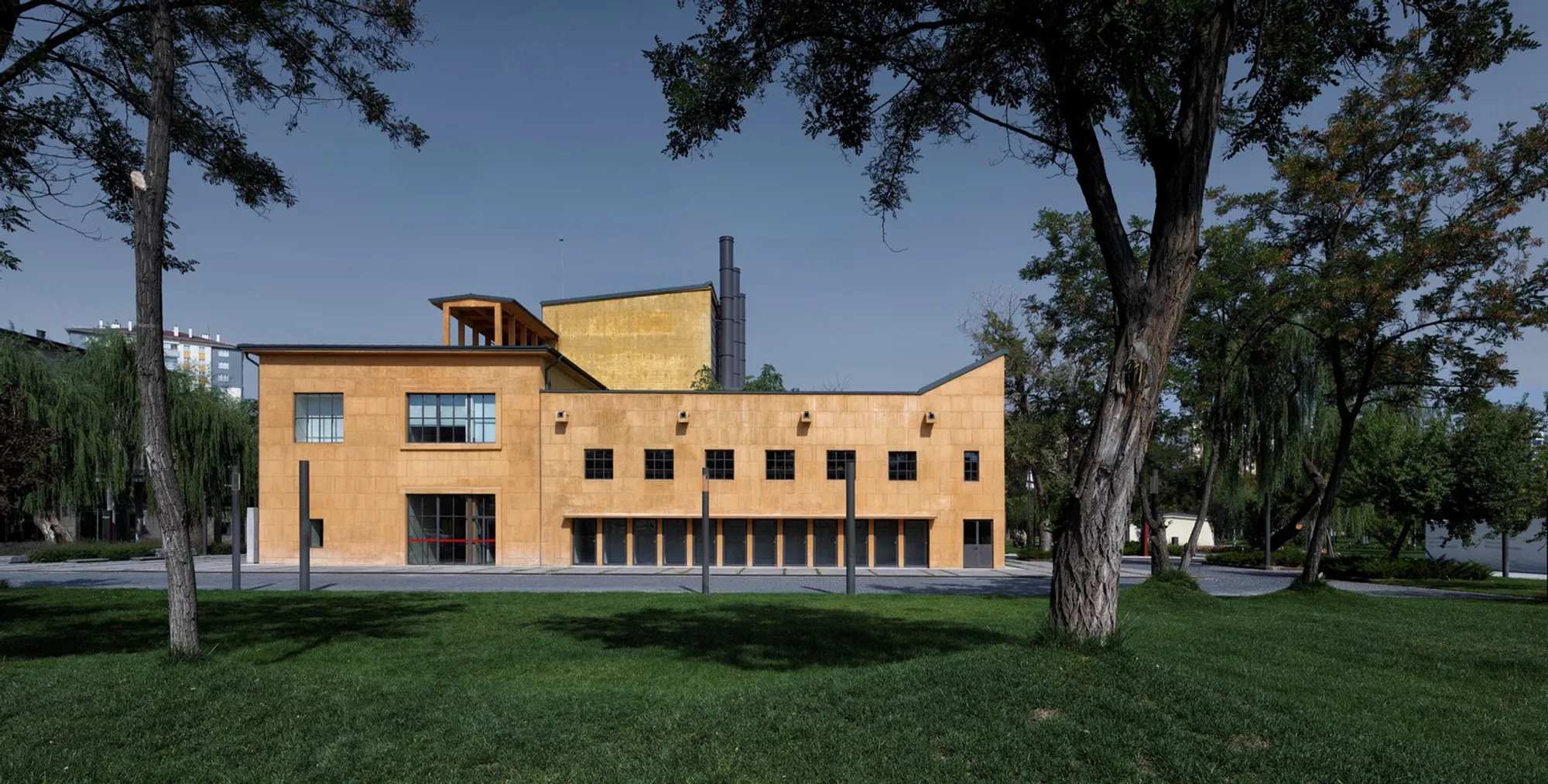
Abdullah Gül Presidential Museum and Library: A Masterful Blend of Heritage and Modernity by EAA – Emre Arolat Architecture
A stunning adaptive reuse project transforming an industrial site into a modern museum and library, blending heritage with contemporary design.


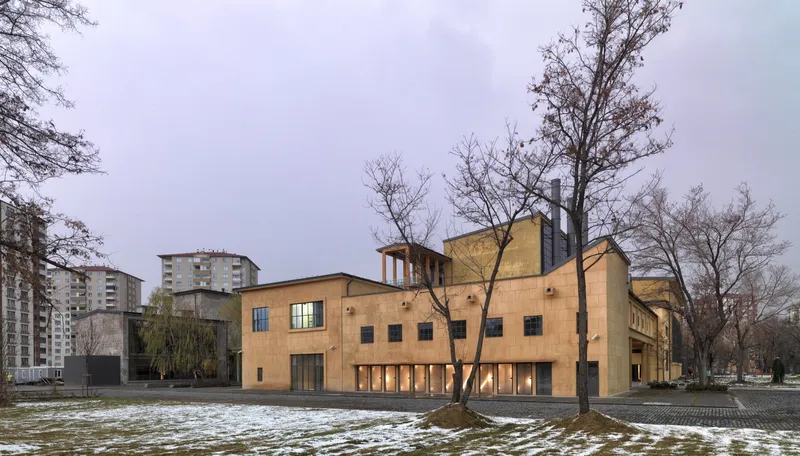
Once a powerhouse of Turkey’s early industrialization, the Sümerbank Textile Factory in Kayseri has been transformed into a vibrant cultural landmark—the Abdullah Gül Presidential Museum and Library. Designed by the award-winning studio EAA – Emre Arolat Architecture, this renovation exemplifies adaptive reuse at its finest, breathing new life into Turkey's modernist heritage.


From Industrial Hub to Cultural Icon
Originally constructed between 1933 and 1935 by Russian architect Ivan Nikolaev, the Sümerbank Factory was a cornerstone of the young Turkish Republic’s industrial ambitions. Its buildings are textbook examples of Russian Constructivist architecture, symbolizing a pivotal era of modernization.
After decades of operation, the factory closed in 1999. It wasn’t until 2012 that the site began its transformation, when the newly founded Abdullah Gül University (AGU) claimed the historic complex as its main campus. That same year, President Abdullah Gül commissioned Emre Arolat to develop a comprehensive master plan for the adaptive reuse of the entire complex.

A Thoughtful Restoration
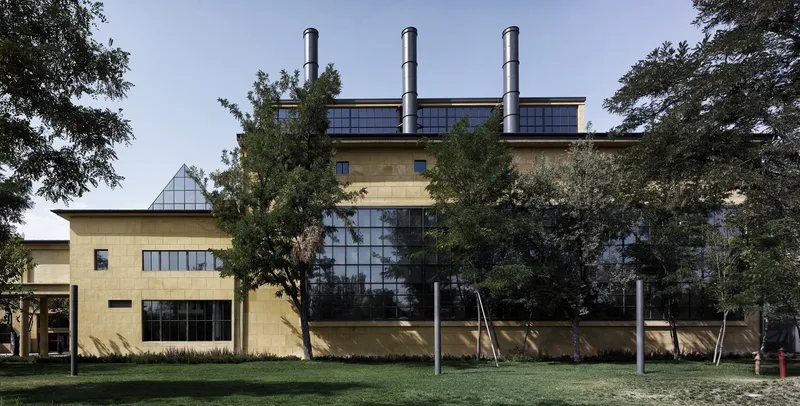
Two of the campus buildings—the Power Station and the Steam Plant—were selected in 2013 for conversion into the museum and library. Despite years of neglect, these structures retained much of their architectural soul, with generous spatial volumes and traces of original materials. Emre Arolat’s design philosophy centered around conserving the authentic character of the site while carefully integrating new elements.
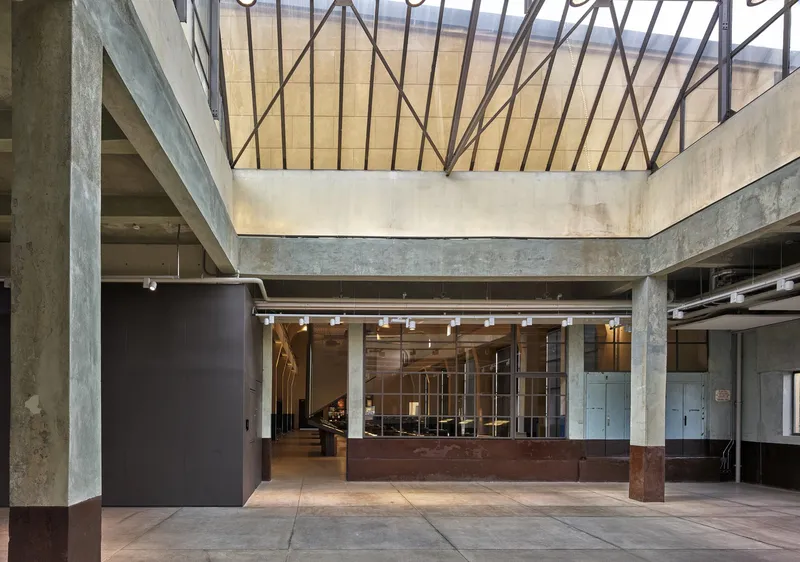
Rather than create a stark contrast between old and new, the architectural intervention sought a harmonious blend. The original features—beams, ash pits, concrete silos—were not hidden but highlighted, offering visitors an immersive experience into the building’s history. The preservation of these industrial remnants became a core part of the exhibition design.
Interior Reimagining: Where History Meets Innovation
The Power Plant was reconfigured to function as a museum, featuring carefully curated exhibition paths that respect the building’s industrial scale, natural lighting, and material textures. The original ash pits, discovered beneath layers of cladding, were revealed and incorporated as dramatic historical features.
In the Steam Plant, the transformation was more ambitious. A bold three-story bookshelf structure now anchors the central hall, creating a striking visual narrative while maximizing storage and functionality. The remaining concrete silo bases were preserved and transformed into cozy reading nooks, embracing the building’s history in a relaxed and engaging environment.
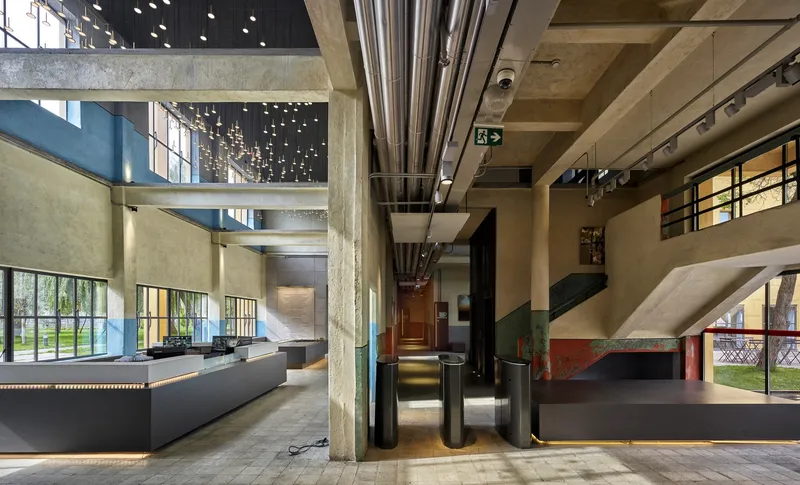

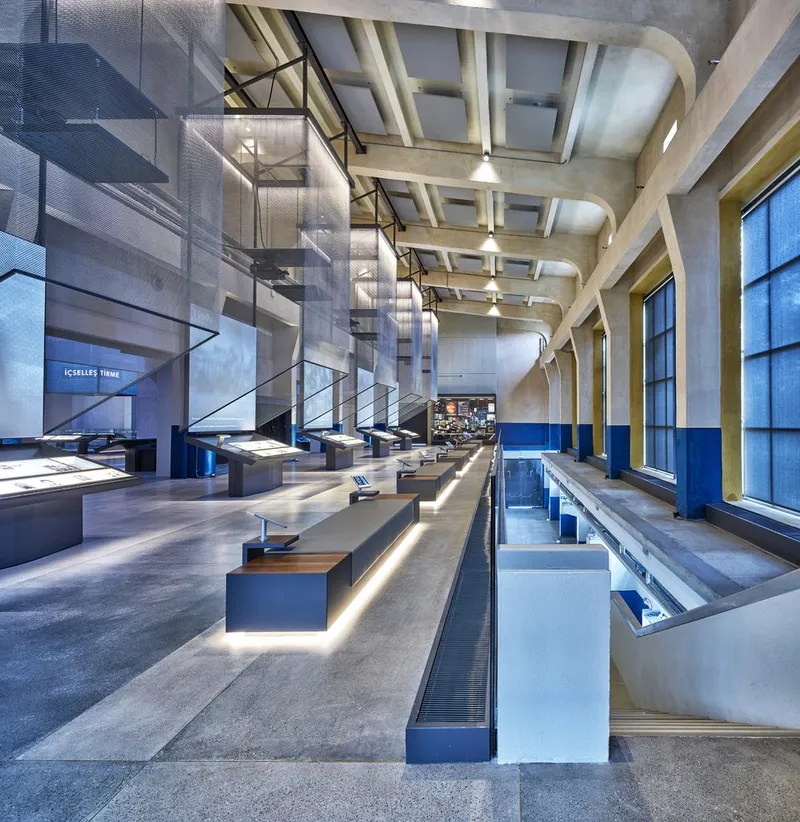
A Cultural Beacon in the Urban Fabric
More than just a renovation, the Abdullah Gül Presidential Museum and Library is a cultural regeneration project. The exhibition design draws on Turkish cultural values and traditions, creating a narrative that is both national and deeply personal. Through thematic spaces and a respectful design language, the museum offers a reflective journey through modern Turkish identity, framed by the architectural past.
Completed in 2016, this project is now a global benchmark for sustainable restoration and adaptive reuse. It stands as a testament to how architecture can both honor the past and serve the future—a true urban center for learning, reflection, and cultural exchange.
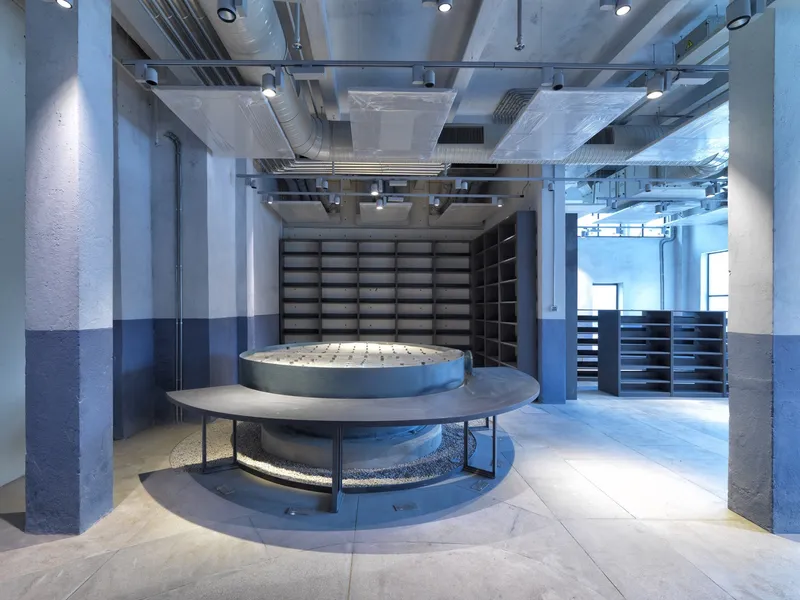
All the photographs are works of Cemal Emden




Popular Articles
Popular articles from the community


Conexión: Biophilic Design Reimagines High-Rise Living in Hong Kong
Conexión reimagines high-rise living in Hong Kong through biophilic design, green facades, shared spaces, daylight, water and nature within.

The Earth Pod: 3D Printed Homes for Resilient Refugee Communities
The Earth Pod reimagines refugee housing through 3D printed homes made from clay, combining resilience, self-sufficiency, and rapid shelter.

Co-life: Sustainable Architecture for Age-Friendly Community Living
Co-life reimagines sustainable architecture for seniors through courtyards, rammed earth, shared gardens, and spaces designed for belonging.
AL-JANNAH: Sustainable Architecture and Permaculture for Afghan Widows
AL-JANNAH uses sustainable architecture and permaculture to create resilient oasis of housing, learning, work and renewal for Afghan widows.

Similar Reads
You might also enjoy these articles


Hodi-Mandai Geram
Project Function: Preservation and revitalization of the Intangible heritage and socio-spatial identity of the Hodi by Housing, Cultural Memory Center, Sacred Grove, landscape, local tourism economy


Olio Towers: A Mid-Rise for Performers That Fuses Housing, Rehearsal, and Stage
Located blocks from Houston's Theater District, this modular tower stacks living units around a central performance atrium.

Oasis: Modular Green Housing Carved into Dhaka's Urban Fabric
A shortlisted Plugin Housing entry reclaims unauthorized settlements in Dhaka with stepped concrete volumes, green roofs, and ventilation-driven design.

Black Hole: A Floating Megastructure for the Post-Physical Era
Emiliano Mazzarotto envisions a spherical, self-scaling arena where e-sports, digital hotels, and holographic stadiums replace traditional public space.


Explore Educational Building Competitions
Discover active competitions in this discipline


Challenge to design public laboratory


Challenge to reimagine the Iron Throne


Photograph architecture without architects


Illustrate the lost glory of Angkor Wat - Render Challenge
Comments (0)
Please login or sign up to add comments
No comments yet. Be the first to comment!