
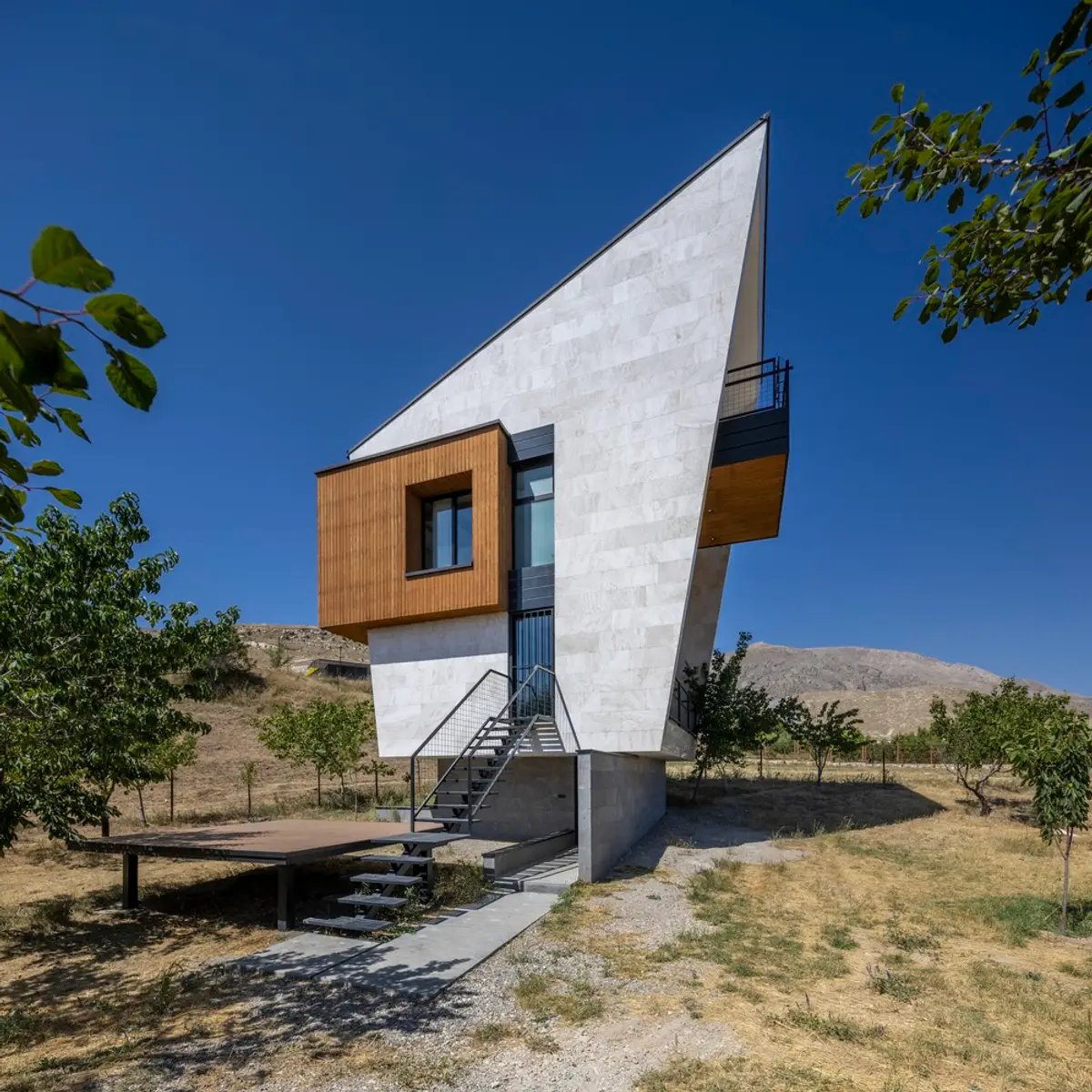
Abra Garden House: A Harmonious Retreat Amidst the Highlands of Maku
Abra Garden House by White Cube Atelier blends minimalist design with nature, offering a peaceful retreat in Maku's highlands.


The Abra Garden House, located in the Maku Free Zone in the highlands of Qarah Khach, Iran, is an architectural masterpiece designed by White Cube Atelier. This retreat, nestled within pristine nature and untouched landscapes, offers a peaceful escape from the chaos of urban life. With its minimalistic design, the house provides both tranquility and functionality, blending seamlessly with the environment.
Location and Concept: A Tranquil Escape from Urban Life
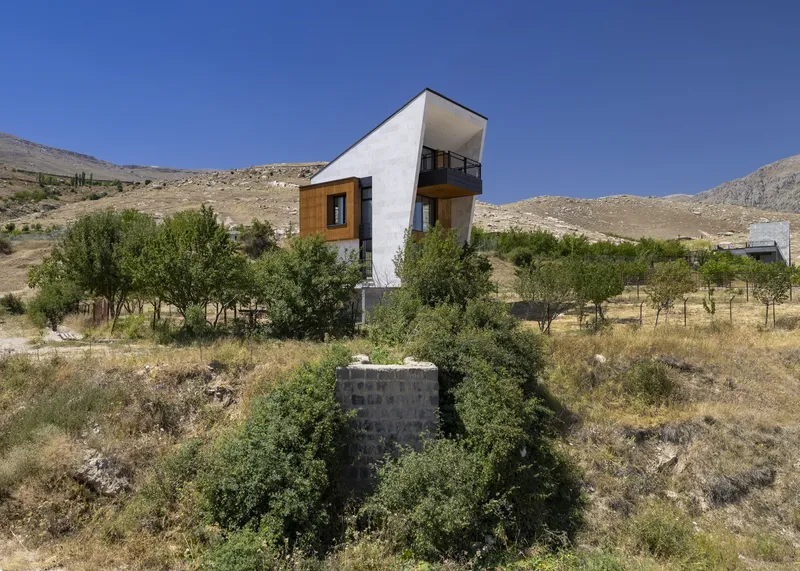
The Abra Garden House is located in the non-urban setting of Maku Free Zone, surrounded by the serene highlands of Qarah Khach. The site is characterized by its mysterious landscapes, fog, and clouds, which inspired the design of the house. The architects envisioned a space that offers a retreat from the fast-paced rhythm of city life, encouraging relaxation and rejuvenation in the embrace of nature.
The design concept of the house draws from the architects’ childhood memories and the desire to create a structure that floats "like a white cloud" between the sky and the earth. This ethereal quality adds a layer of intrigue and invites passers-by and visitors to experience the house in a unique way.
Efficient Design: Maximizing Space on a Limited Footprint
One of the primary challenges faced during the design process was the limited gross area allowed for the project, a constraint typical of garden houses in agricultural zones. To comply with these regulations, the architects focused on creating an efficient layout that would maximize the use of space while maintaining a sense of openness and comfort.
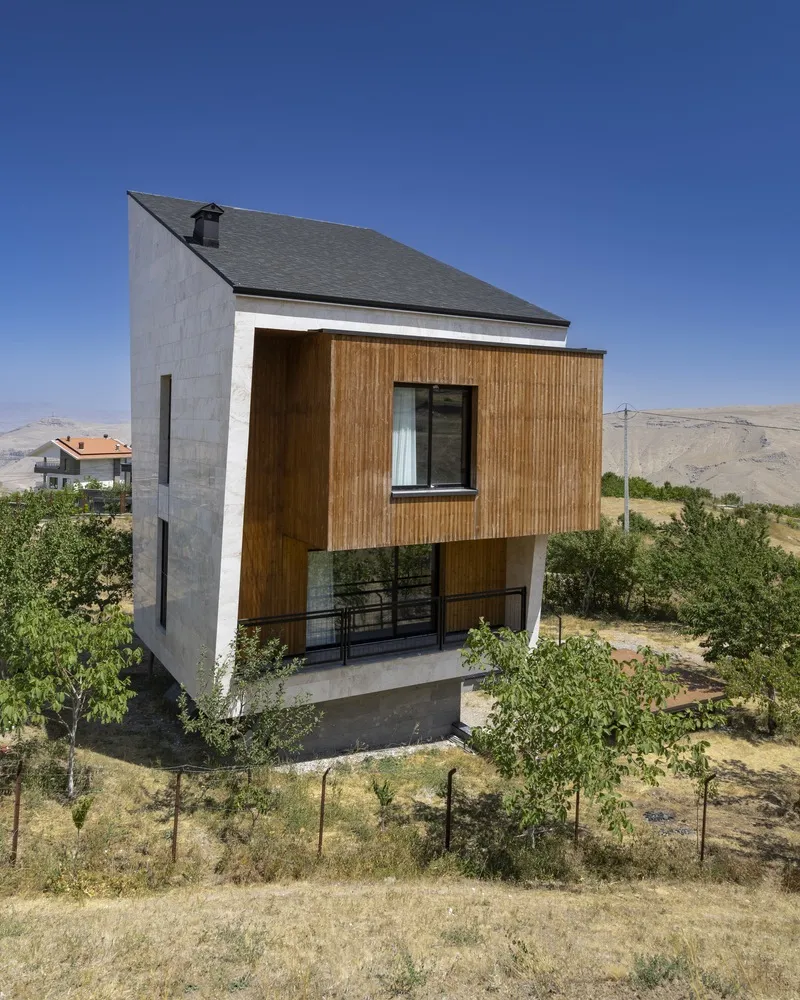
The house follows a 4×5 square grid, with cantilevers extending on all sides, creating a larger platform of 6×6 meters. The design strategy ensures that the house stays within the area limitations while offering the necessary spaces for living and relaxation.
Key Features:
- Limited gross area: Designed within the constraints of local regulations.
- Efficient space utilization: Maximizing the functional area without compromising on the experience.
- Cantilevered structure: Expanding the platform for greater spatial freedom.
Four Levels of Living: Basement, Living Room, Resting Space, and Observation Deck
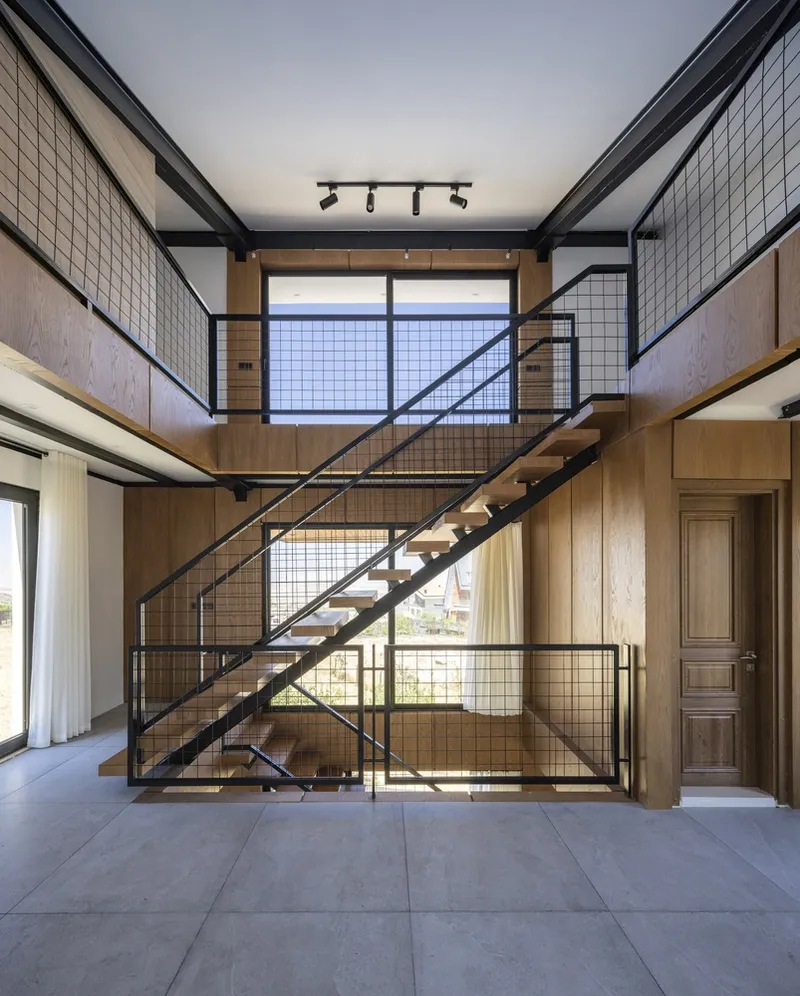
The Abra Garden House is organized into four distinct levels, each serving a unique purpose:
- Basement – Provides storage and utility space.
- Living Room – A central hub for daily activities, offering expansive views of the surrounding landscape.
- Resting Space – Designed for relaxation and quiet contemplation, this level ensures comfort and tranquility.
- Attic/Observation Deck – A lookout area that offers panoramic views of the highland surroundings, perfect for appreciating the natural beauty of the location.
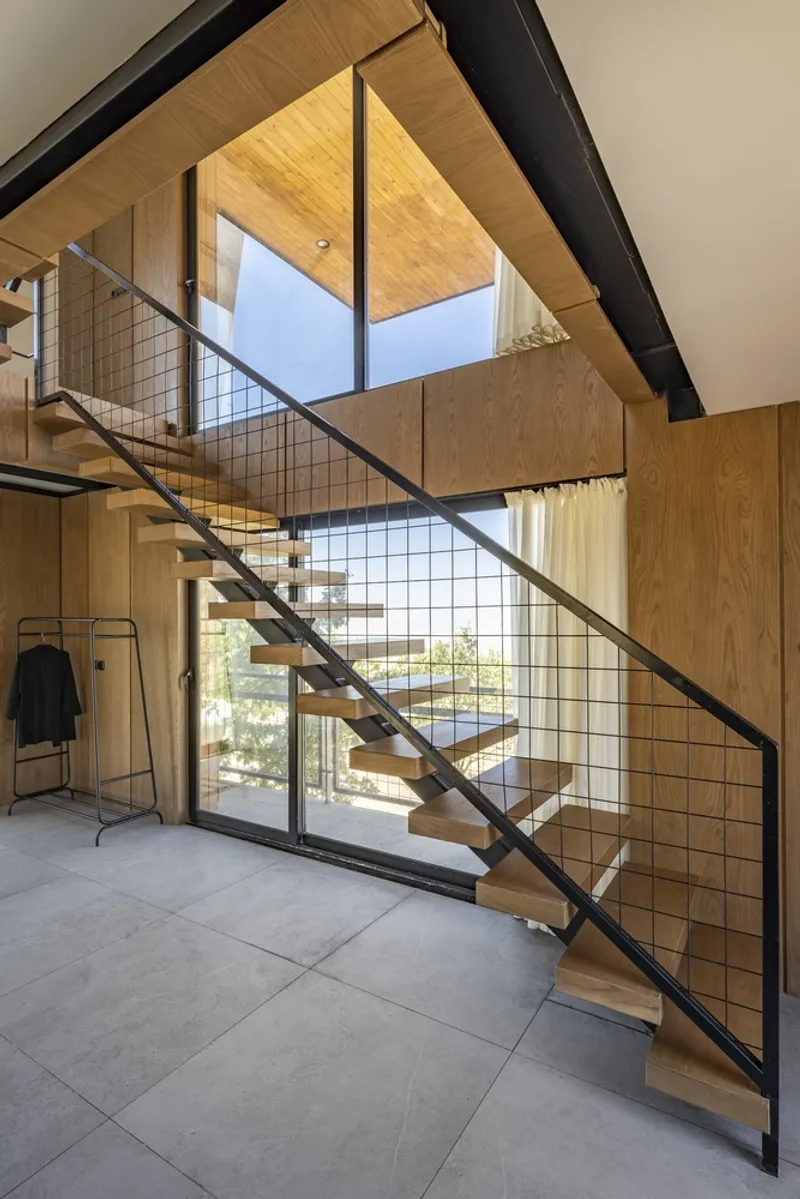
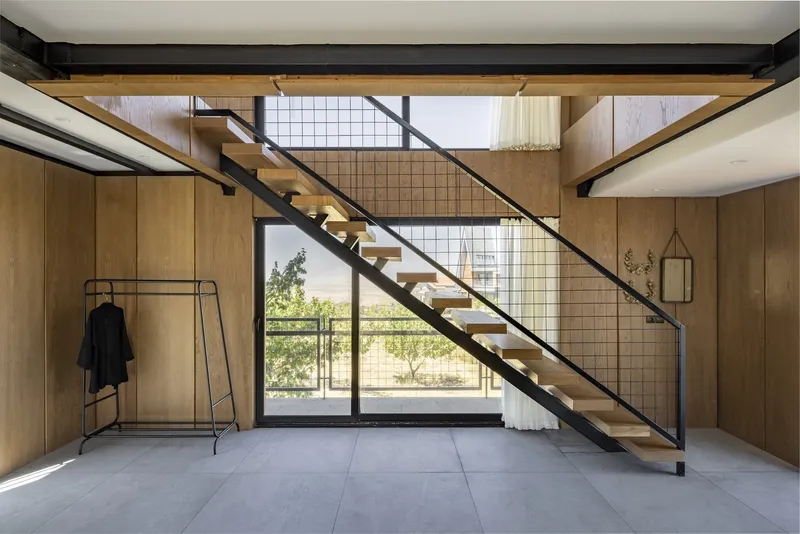
The layered approach not only optimizes the use of space but also creates a dynamic interaction between the interior and exterior environments.
Natural Materials and Sustainability
White Cube Atelier emphasized the use of natural materials in the construction of Abra Garden House. The materials were selected not only for their aesthetic appeal but also for their environmental benefits. Basalt stone, used in the house’s foundation and walls, complements the landscape’s natural textures, while Palermo ceramic adds warmth and elegance to the interior spaces. These materials align with the project’s philosophy of sustainability and minimal environmental impact.
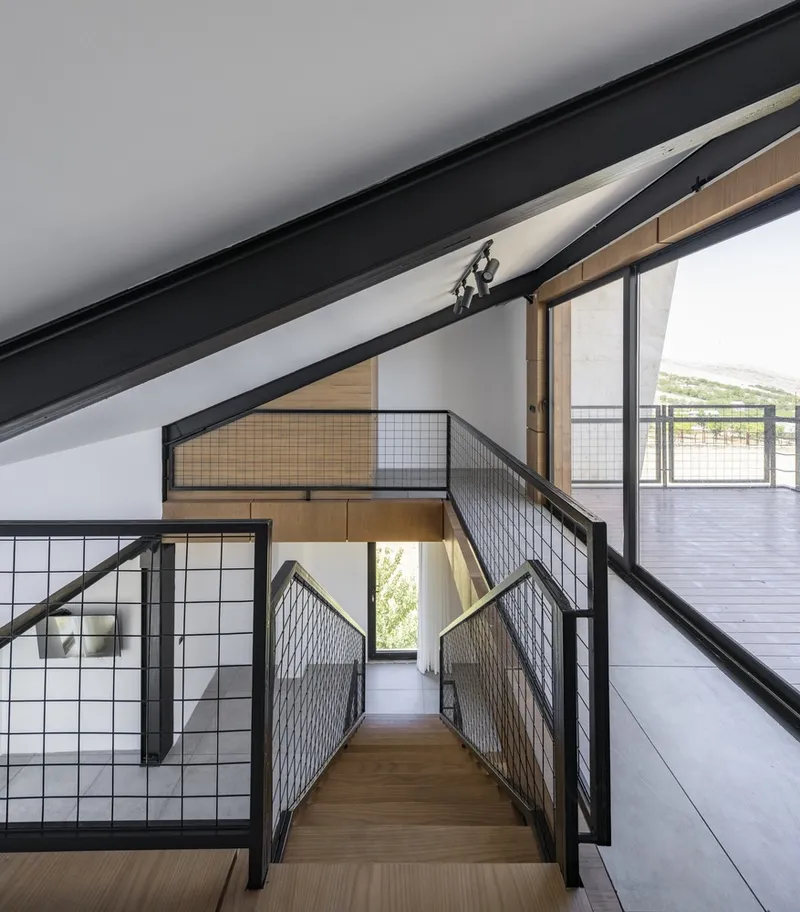
The integration of large windows throughout the design allows for abundant natural light, reducing the need for artificial lighting during the day. The strategic placement of openings also ensures optimal ventilation, contributing to the house’s energy efficiency.
Architectural Aesthetics: Minimalism and Elegance
The architectural form of Abra Garden House is rooted in minimalist design principles. Clean lines, simple shapes, and a white exterior create a timeless aesthetic that emphasizes the surrounding natural environment rather than competing with it. The house’s floating appearance is achieved through the use of cantilevered structures, which enhance the sense of weightlessness and add a modern touch to the traditional garden house design.
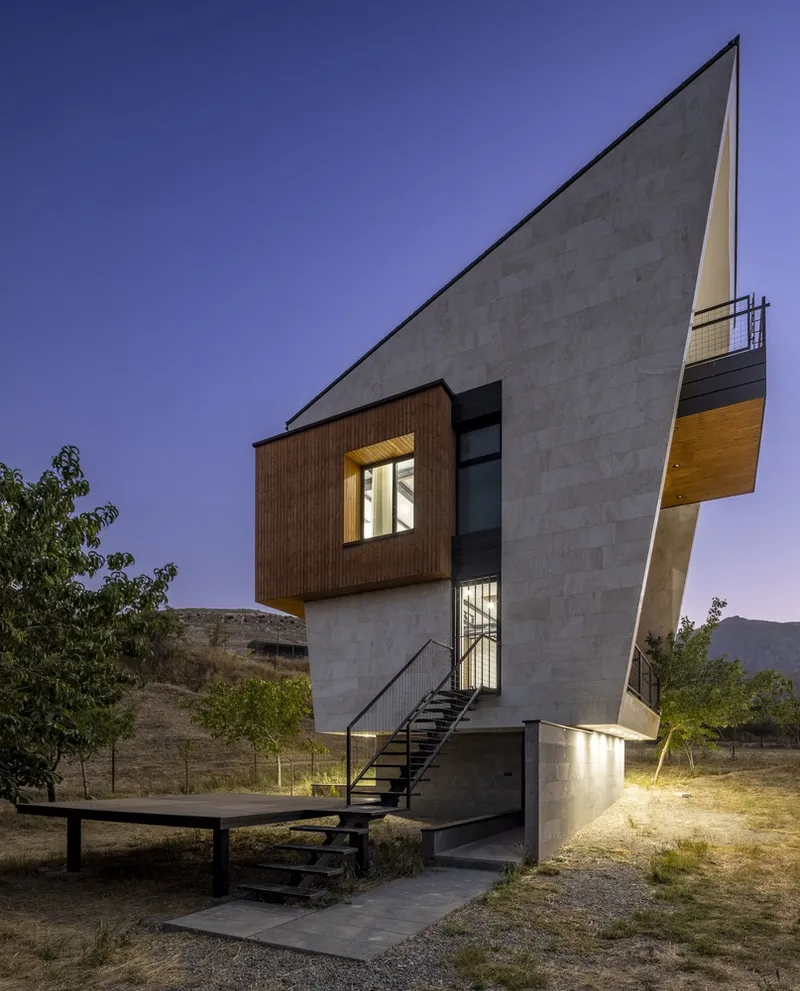
Features of the Design:
- Minimalist architecture: Simple, clean lines and neutral tones.
- Floating form: A cantilevered structure that creates a sense of suspension.
- Seamless integration with nature: The house is designed to blend harmoniously with its surroundings.
The Relationship Between Architecture and Nature
The design of Abra Garden House goes beyond the mere combination of form and volume. It seeks to establish a deep relationship between architecture and the environment, fostering a profound connection between the building and its occupants. The house’s strategic design elements, such as the cantilevers and expansive windows, ensure that visitors constantly feel connected to the stunning natural landscape.
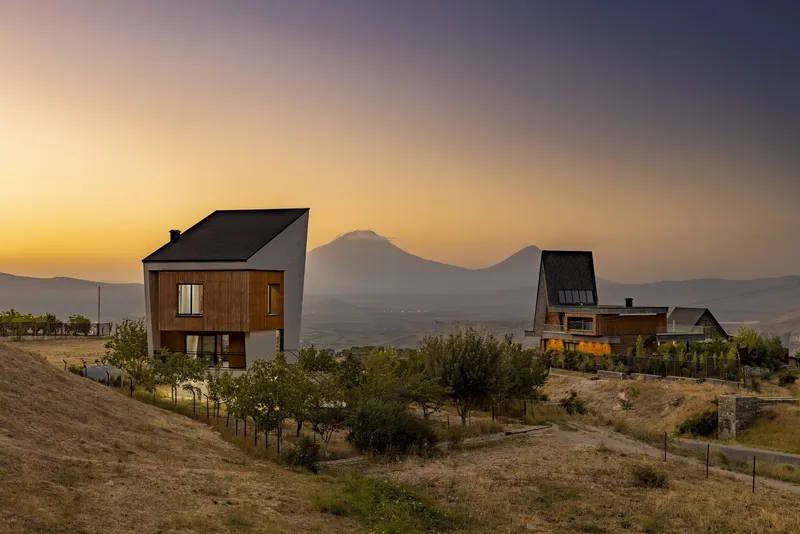
This interaction between the built environment and nature is a central theme in the architecture of White Cube Atelier. The house is not only a physical structure but also an experience that immerses residents in the beauty and tranquility of the highlands of Maku.
All Photographs are work of
:Parham Taghioff


Popular Articles
Popular articles from the community


Co-life: Sustainable Architecture for Age-Friendly Community Living
Co-life reimagines sustainable architecture for seniors through courtyards, rammed earth, shared gardens, and spaces designed for belonging.

ALGAL REALM: A Bio-Integrated Lunar Habitat Design for Life Beyond Earth
ALGAL REALM reimagines lunar habitat design with algae-powered life support, 3D-printed regolith, and vertical living for a lunar future.

Little Red Riding Hood: Architectural Design as a Journey Through Fear, Light, and Storytelling
Little Red Riding Hood reimagines the fairy tale through architectural design shaped by fear, light, scale, memory, uncertainty, and choice.

Hill & Cross Opera: Sculptural Opera House Architecture Shaped by Tallinn’s Landscape and Identity
Hill & Cross Opera reimagines opera house architecture in Tallinn through its sculptural hill, civic plaza, glass wave and a luminous cross.

Similar Reads
You might also enjoy these articles


Hodi-Mandai Geram
Project Function: Preservation and revitalization of the Intangible heritage and socio-spatial identity of the Hodi by Housing, Cultural Memory Center, Sacred Grove, landscape, local tourism economy


Olio Towers: A Mid-Rise for Performers That Fuses Housing, Rehearsal, and Stage
Located blocks from Houston's Theater District, this modular tower stacks living units around a central performance atrium.

Oasis: Modular Green Housing Carved into Dhaka's Urban Fabric
A shortlisted Plugin Housing entry reclaims unauthorized settlements in Dhaka with stepped concrete volumes, green roofs, and ventilation-driven design.

Black Hole: A Floating Megastructure for the Post-Physical Era
Emiliano Mazzarotto envisions a spherical, self-scaling arena where e-sports, digital hotels, and holographic stadiums replace traditional public space.

Explore Architecture Competitions
Discover active competitions in this discipline

Challenge to reimagine the Iron Throne

Photograph architecture without architects

Illustrate the lost glory of Angkor Wat - Render Challenge

Design challenge to reuse E-waste
Comments (0)
Please login or sign up to add comments
No comments yet. Be the first to comment!