
Adaptive Reuse of Surga House: A 21st-Century Cultural Hub by Nd_Arquitectos
The Surga House renovation transforms a historic palace into a sustainable cultural center, blending heritage conservation with contemporary architectural innovation.


Revitalizing Heritage: From Historic Palace to Modern Cultural Center
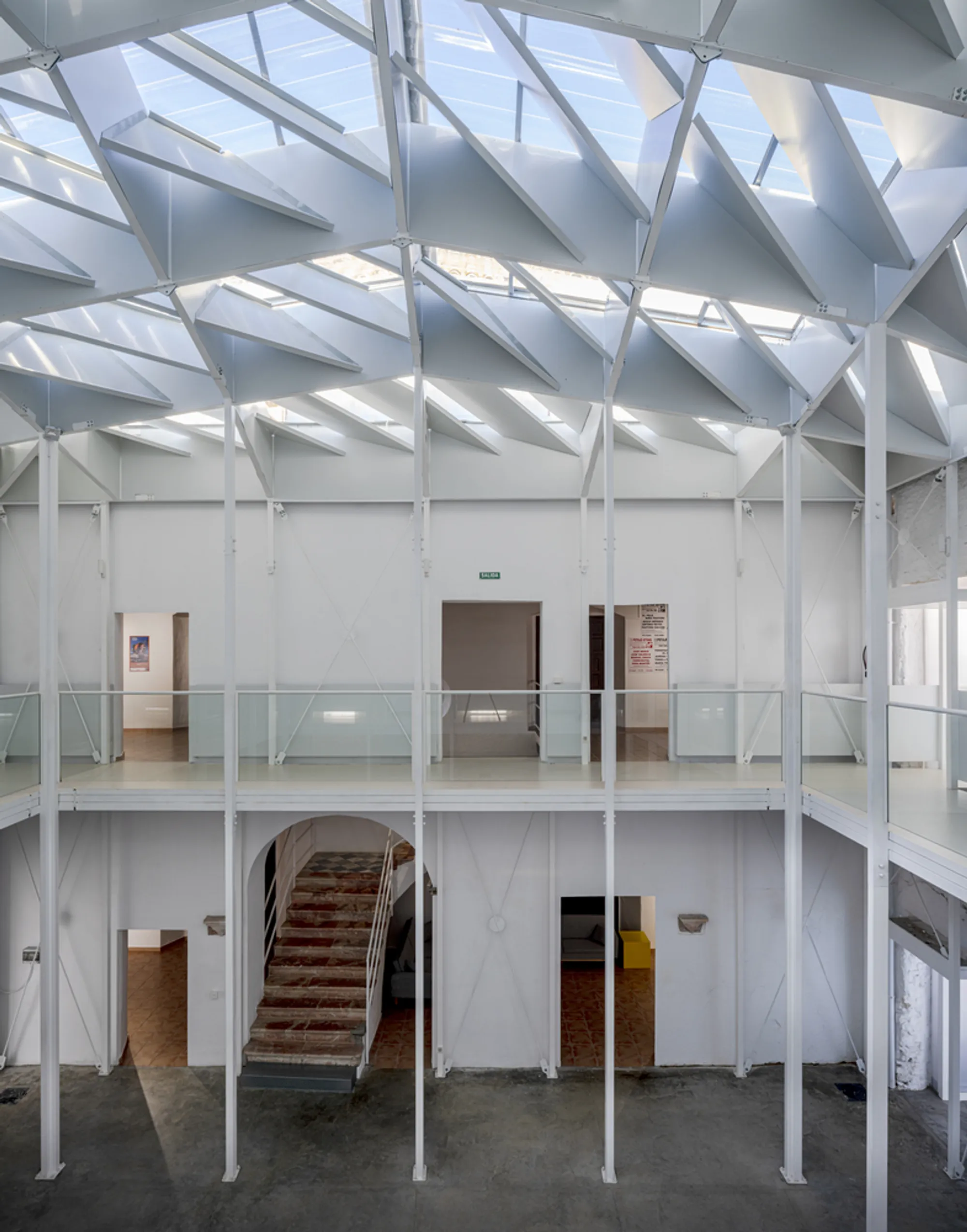
Located in Utrera, Spain, the Surga House dates back to 1778. Originally a noble residence, this historic palace has undergone a transformative refurbishment led by Nd_Arquitectos, turning it into a state-of-the-art Cultural Center. The architectural intervention seamlessly blends the rich historical context of the building with contemporary design strategies, sustainability solutions, and functional upgrades.
A New Approach to Heritage Conservation
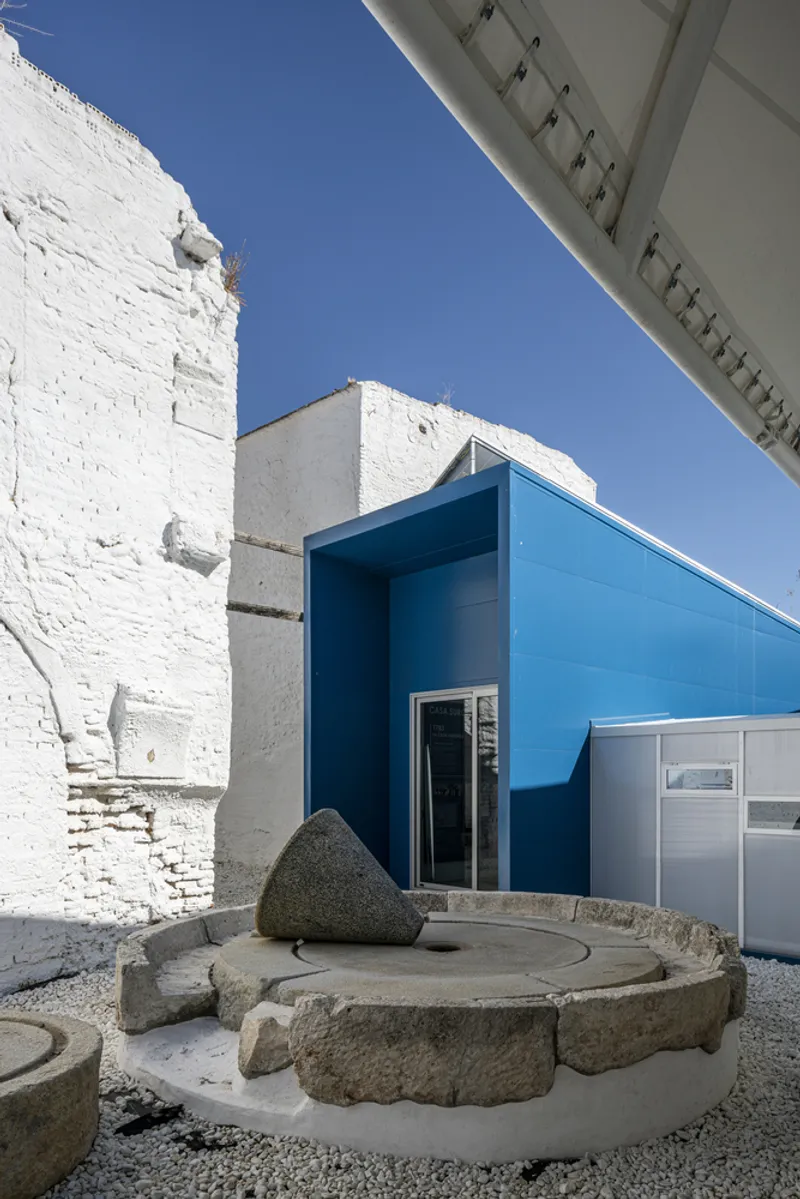
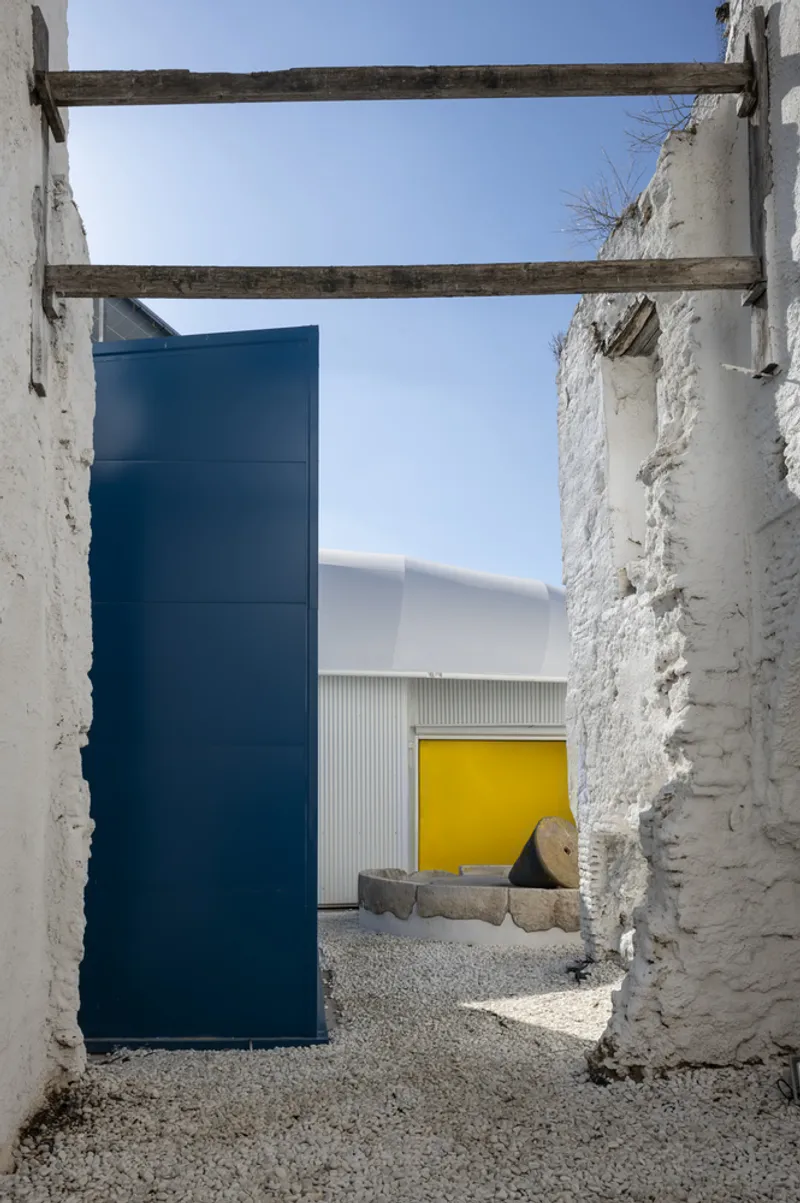
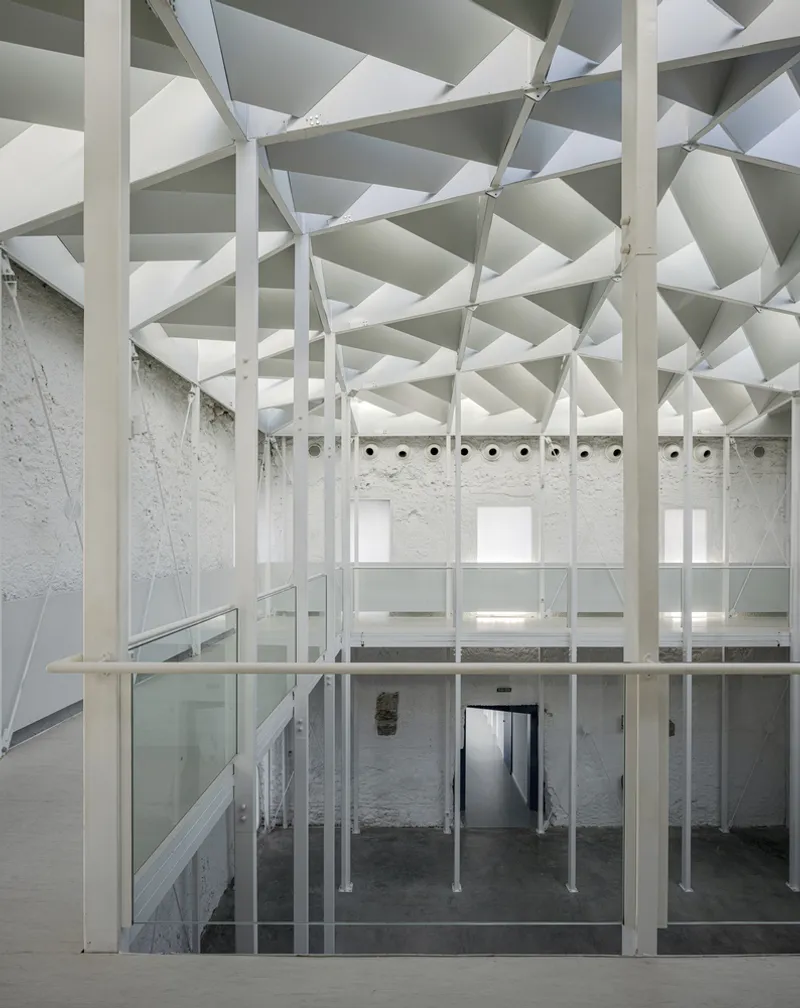
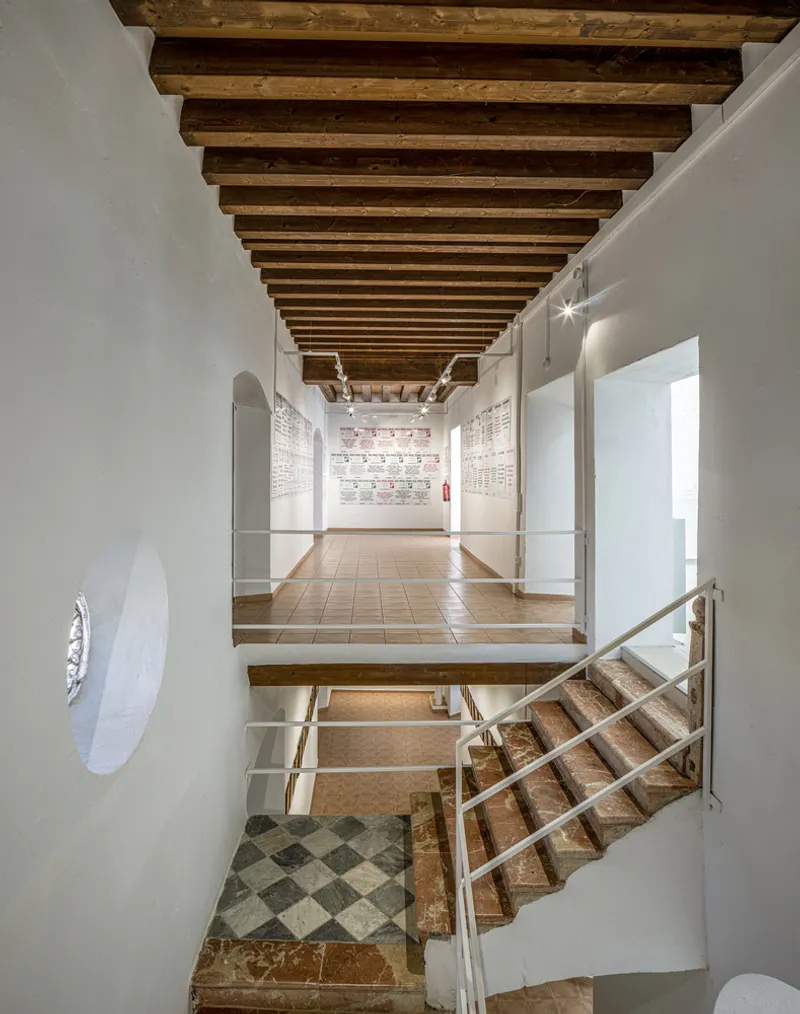
The renovation project respects the building’s original character while introducing a new layer of modernity. Instead of treating it as a static relic, the architects embraced its organic evolution over time, integrating both old and new materials. The main courtyard, which once served as the heart of the residence, has been restored and reinterpreted as a climate-responsive space that enhances the visitor experience.
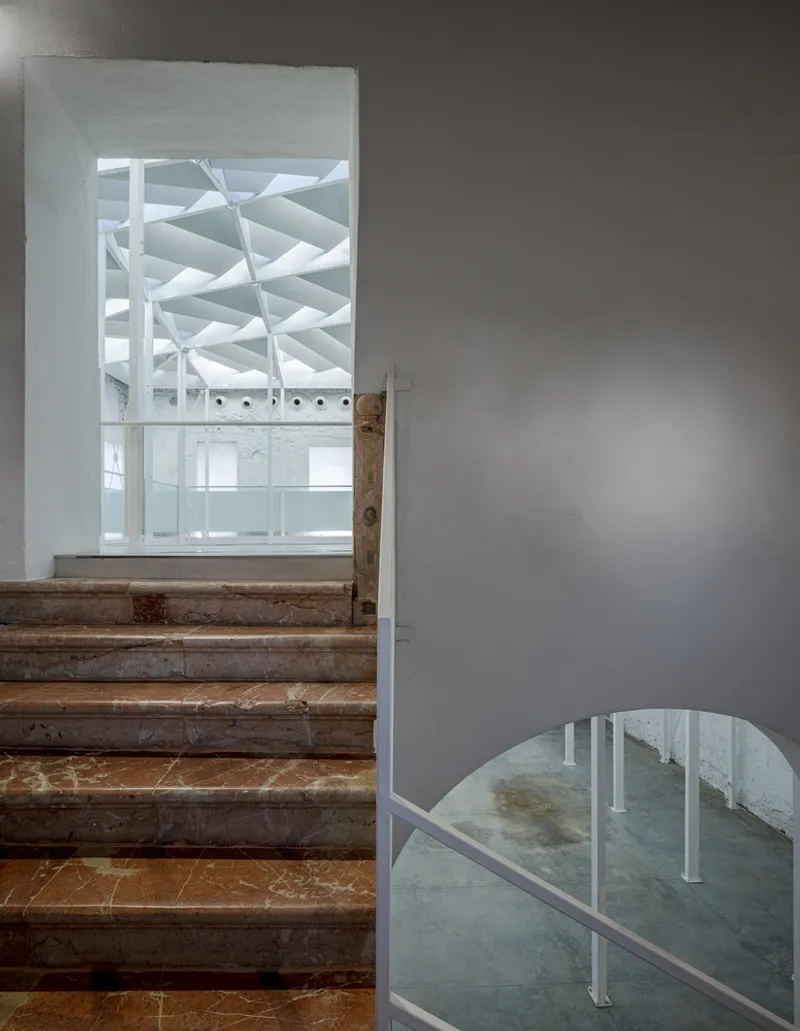
The renovation prioritizes spatial continuity by utilizing permeable galleries that allow visual connectivity between the historical elements and the new architectural interventions. This approach preserves the authenticity of the Surga House while making it accessible and functional for 21st-century cultural activities.
Sustainable Architectural Strategies
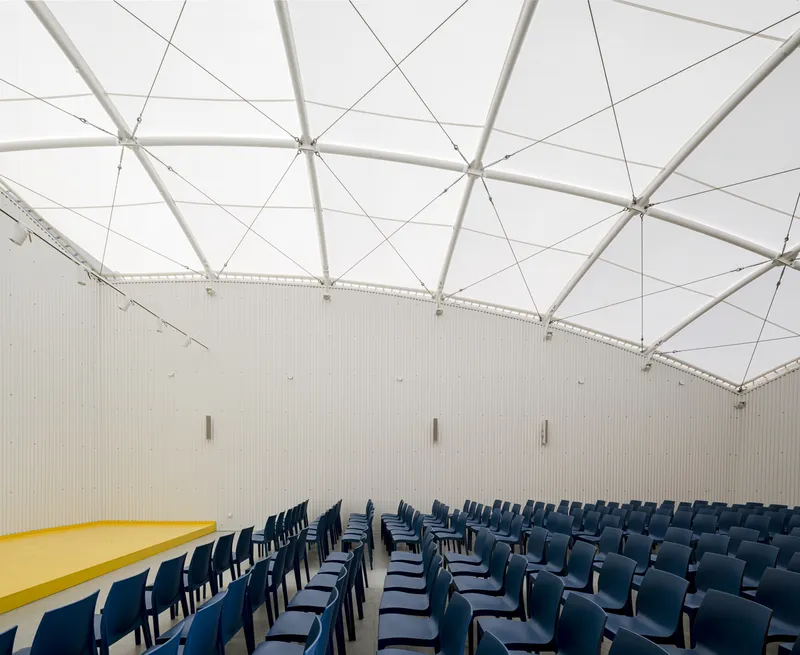
One of the most remarkable aspects of the project is its commitment to sustainable architecture. The intervention in the main courtyard integrates passive cooling strategies, including:
- A lightweight, slatted roof system to provide shade and reduce solar gain.
- Temperature-controlled air extractors combined with evaporative cooling systems to enhance thermal comfort.
- Photovoltaic panels that generate renewable energy, making the building near self-sufficient.
These features ensure that the Surga House Cultural Center operates with minimal energy consumption while maintaining a comfortable environment for visitors.
Spatial Organization and Functional Design
The project also redefines the circulation flow within the building. The main entrance was strategically relocated to Calle Ramón y Cajal to preserve the monumental façade, maximizing exhibition space inside. Upon entry, visitors pass through an information area that narrates the building’s history and the cultural events hosted within.
From this space, visitors can access different programmatic areas, including:
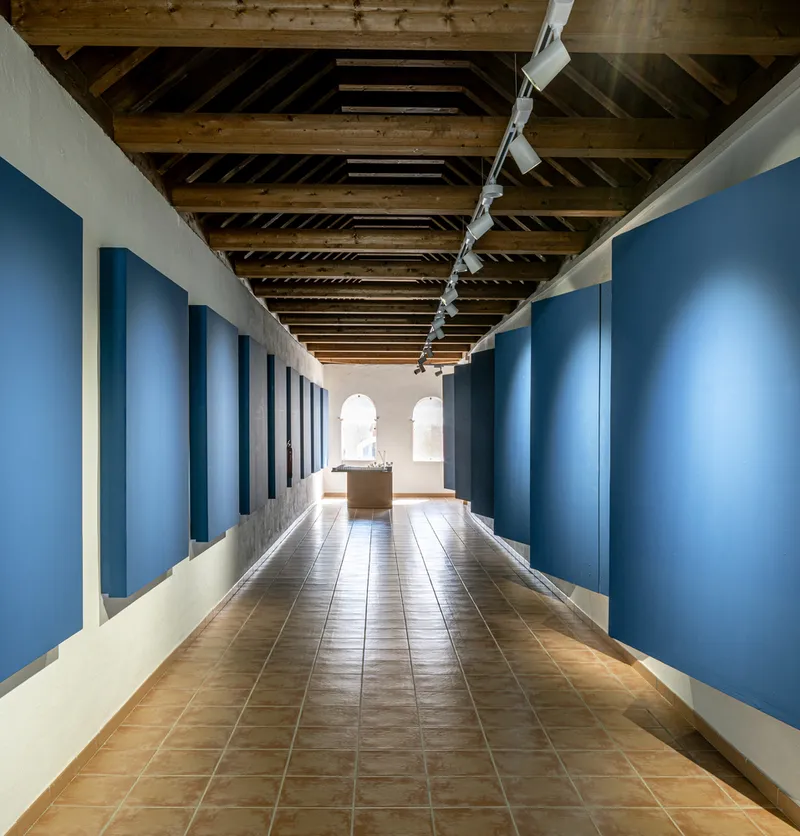
- Exhibition halls that showcase art, history, and cultural artifacts.
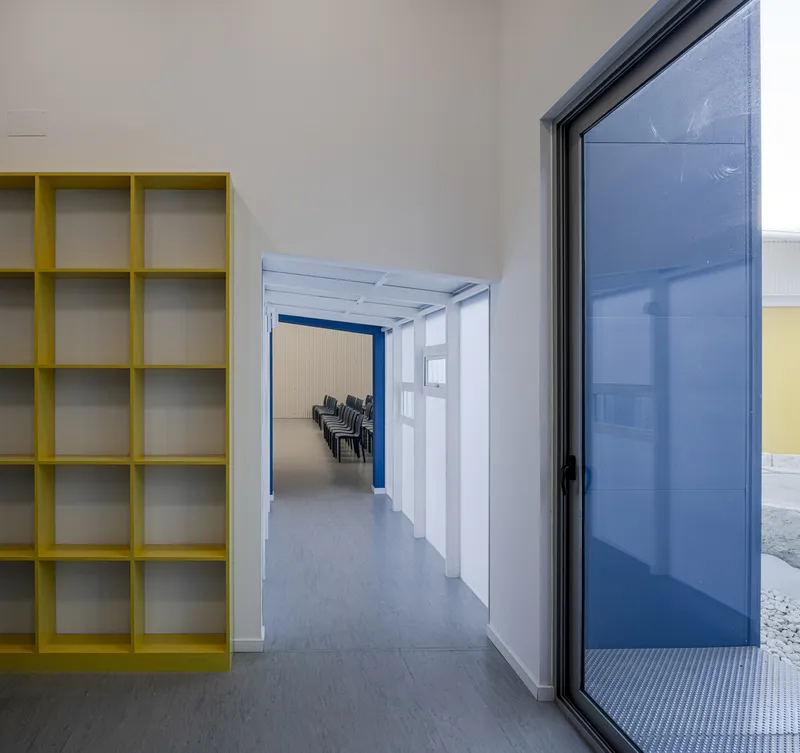
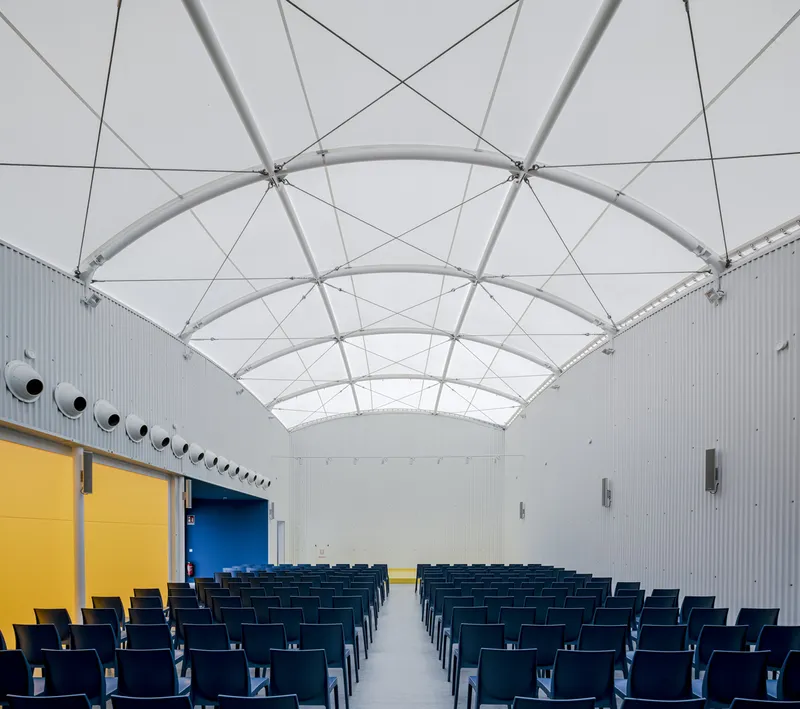
- An auditorium designed for lectures, performances, and community gatherings.
- Restoration of existing spaces to maintain their historical essence while accommodating modern uses.
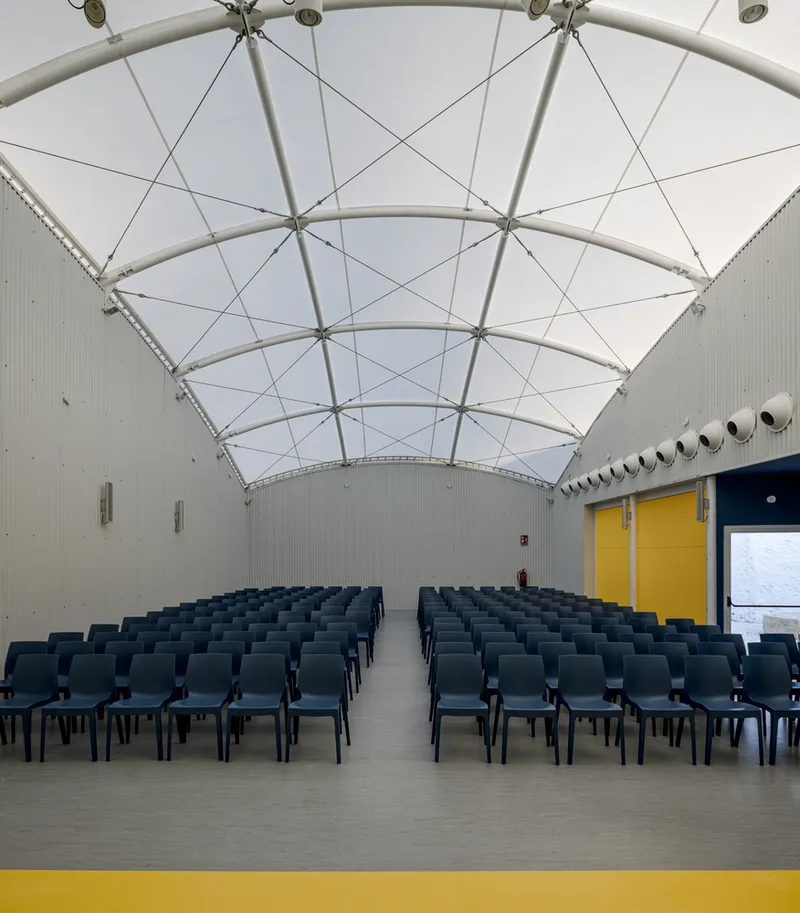
The auditorium space is particularly noteworthy. Designed as a lightweight capsule structure, it features a network of arches, a tensioned textile membrane roof, and metallic panel cladding. This contemporary addition respects the pre-existing materiality while standing as a distinct architectural element.
Enhancing Visitor Experience Through Design Innovation
A crucial design decision was the removal of interior carpentry to allow unrestricted visual access to the central courtyard. This enhances the sense of openness and invites natural light into the building, reinforcing its original spatial qualities.
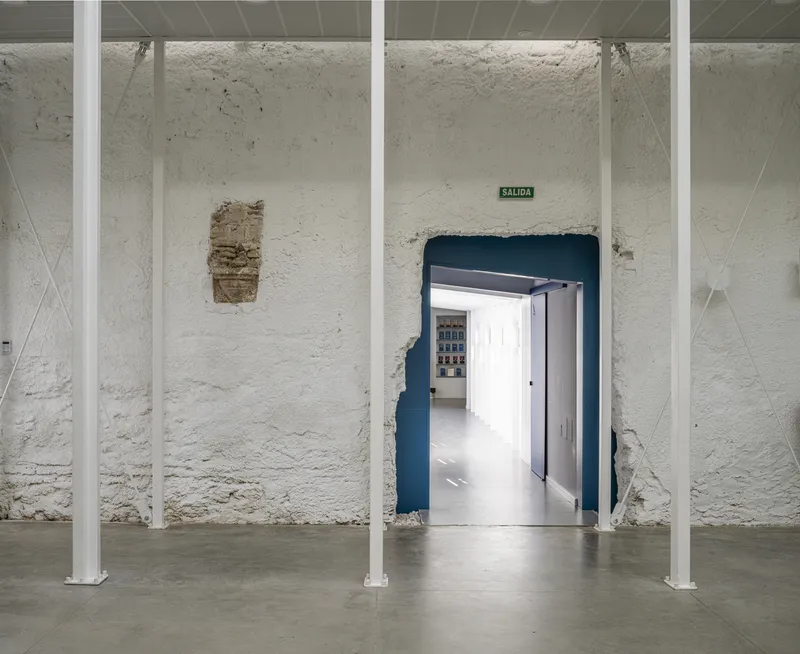
The auditorium experience is further enriched with an adaptable side wall that, when lifted, reveals archaeological remnants of an ancient oil mill, connecting past and present through design. At night, RGB LED lighting enhances the visual identity of the space, casting dynamic light projections onto the historic walls.
A Model for Adaptive Reuse in Protected Heritage Sites
This project serves as a benchmark for adaptive reuse, demonstrating how historic buildings can be transformed without compromising their integrity. By leveraging digital simulations and environmental analysis tools, the architects optimized natural light, ventilation, and solar energy collection. The lightweight and reversible construction systems ensure that the intervention remains respectful of the building’s historic character while being energy-efficient and environmentally responsible.
By integrating cultural heritage, sustainable design, and contemporary architecture, Nd_Arquitectos has successfully redefined the Surga House as a cultural landmark that bridges the past and the future.
All Photographs are works of Jesús Granada




Popular Articles
Popular articles from the community


Lunar Spiral: Space Architecture Shaped by the Mathematics of the Universe
Lunar Spiral reimagines space architecture through Fibonacci geometry, lunar regolith, levitating habitats, and self-sustaining Moon living.

The Ocean Hive: Sustainable Architecture for a Self-Sufficient Civilization at Sea
The Ocean Hive imagines sustainable architecture at sea, where modular habitats, algae, wave power and ocean waste sustain a growing colony.

Co-life: Sustainable Architecture for Age-Friendly Community Living
Co-life reimagines sustainable architecture for seniors through courtyards, rammed earth, shared gardens, and spaces designed for belonging.

Conexión: Biophilic Design Reimagines High-Rise Living in Hong Kong
Conexión reimagines high-rise living in Hong Kong through biophilic design, green facades, shared spaces, daylight, water and nature within.


Similar Reads
You might also enjoy these articles


Hodi-Mandai Geram
Project Function: Preservation and revitalization of the Intangible heritage and socio-spatial identity of the Hodi by Housing, Cultural Memory Center, Sacred Grove, landscape, local tourism economy


Olio Towers: A Mid-Rise for Performers That Fuses Housing, Rehearsal, and Stage
Located blocks from Houston's Theater District, this modular tower stacks living units around a central performance atrium.

Oasis: Modular Green Housing Carved into Dhaka's Urban Fabric
A shortlisted Plugin Housing entry reclaims unauthorized settlements in Dhaka with stepped concrete volumes, green roofs, and ventilation-driven design.

Black Hole: A Floating Megastructure for the Post-Physical Era
Emiliano Mazzarotto envisions a spherical, self-scaling arena where e-sports, digital hotels, and holographic stadiums replace traditional public space.

Explore Cultural Architecture Competitions
Discover active competitions in this discipline



Challenge to reimagine the Iron Throne


Photograph architecture without architects


Illustrate the lost glory of Angkor Wat - Render Challenge


Bring back Drive In's
Comments (0)
Please login or sign up to add comments
No comments yet. Be the first to comment!