

African Flow Kindergarten: A Revolutionary Educational Architecture in Cameroon
African Flow Kindergarten in Cameroon blends ancestral architecture, local materials, and sustainable design to create fluid, educational, and community-centered learning spaces.


Embracing Ancestral Architecture for Modern Learning
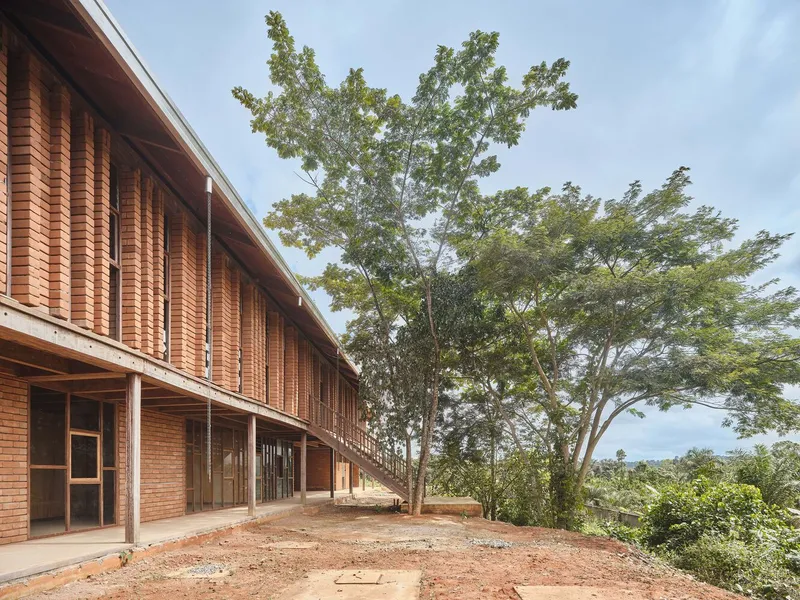
African Flow Kindergarten, designed by Urbanitree, is a groundbreaking educational project that reimagines how children experience school in Africa. Situated in Soa, near Cameroon's capital Yaoundé, this 1,600 m² kindergarten draws inspiration from ancestral African architecture, fostering a deep emotional connection between children and their environment. The design emphasizes fluidity and intuitive movement, allowing students to engage with spaces that stimulate creativity, collaboration, and self-reflection.
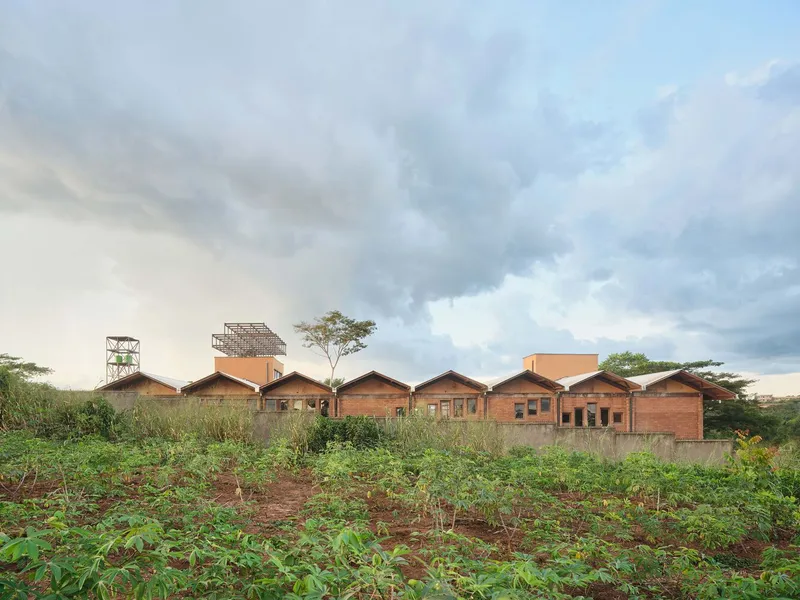
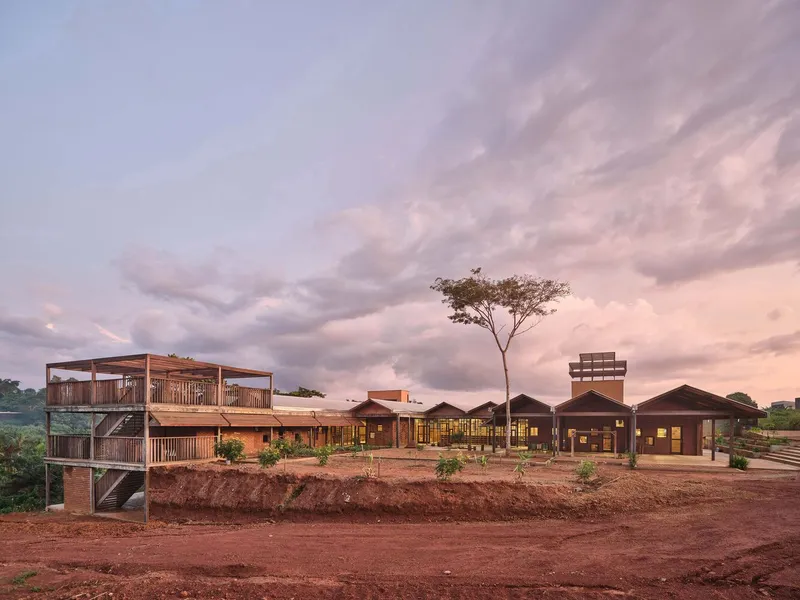
Architects Vicente Guallart and Daniel Ibáñez envisioned a low-tech, sustainable building, collaborating closely with local artisans to utilize indigenous materials such as wood and rammed earth bricks. This approach addresses the challenges of rapid urban development while preserving the local cultural identity.
Innovative Educational Design Through Ecosystems
The kindergarten is organized around four distinct ecosystems—Mountain, Village, Savanna, and Forest—each designed to promote specific learning experiences and social interactions:
- Mountain: A place for inspiration and creativity, featuring a grotto for introspective activities.
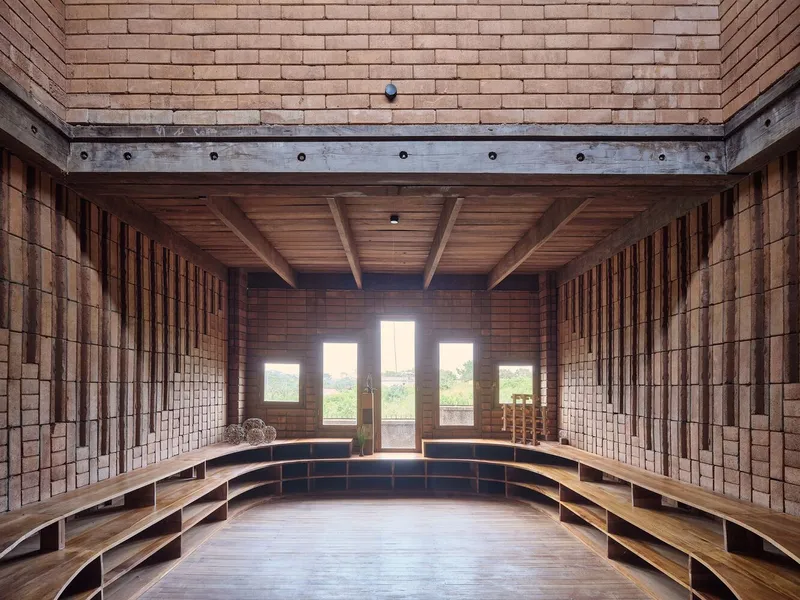
- Village: A communal space for exchange and reflection, including a chapel designed with perforated walls to encourage silence and focus.
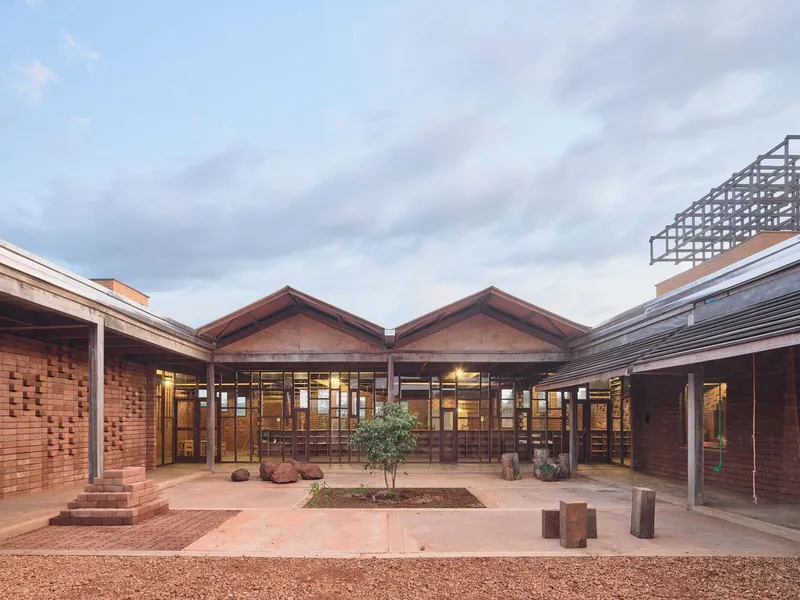
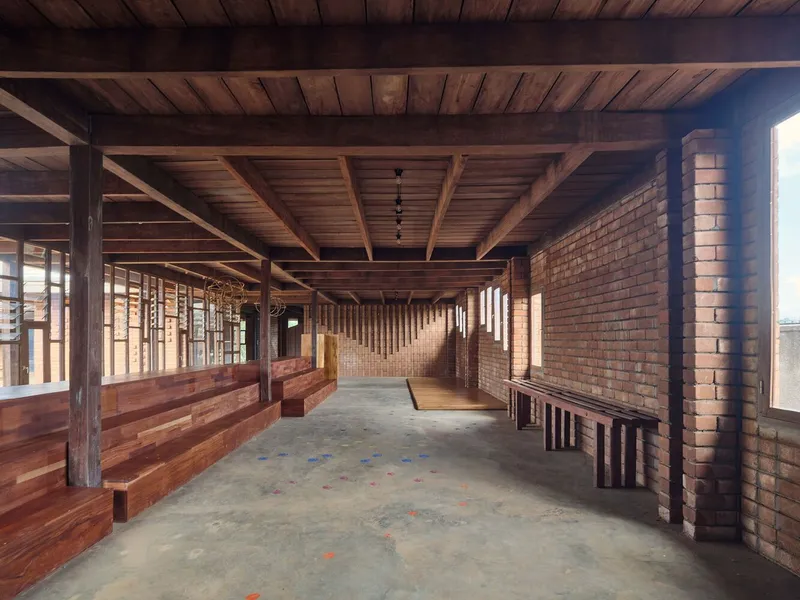
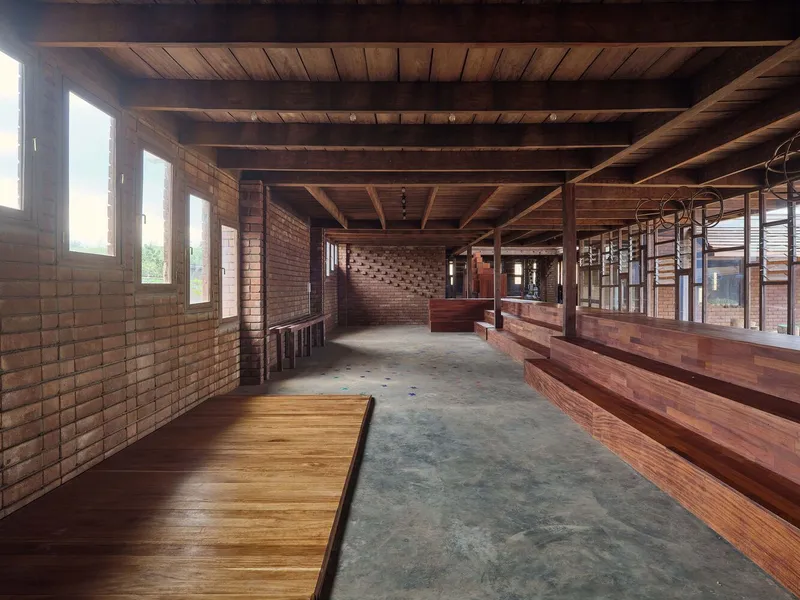
- Savanna: A flexible linear area for group learning and play, reminiscent of traditional campfire gatherings, with stepped seating for storytelling and collaborative activities.
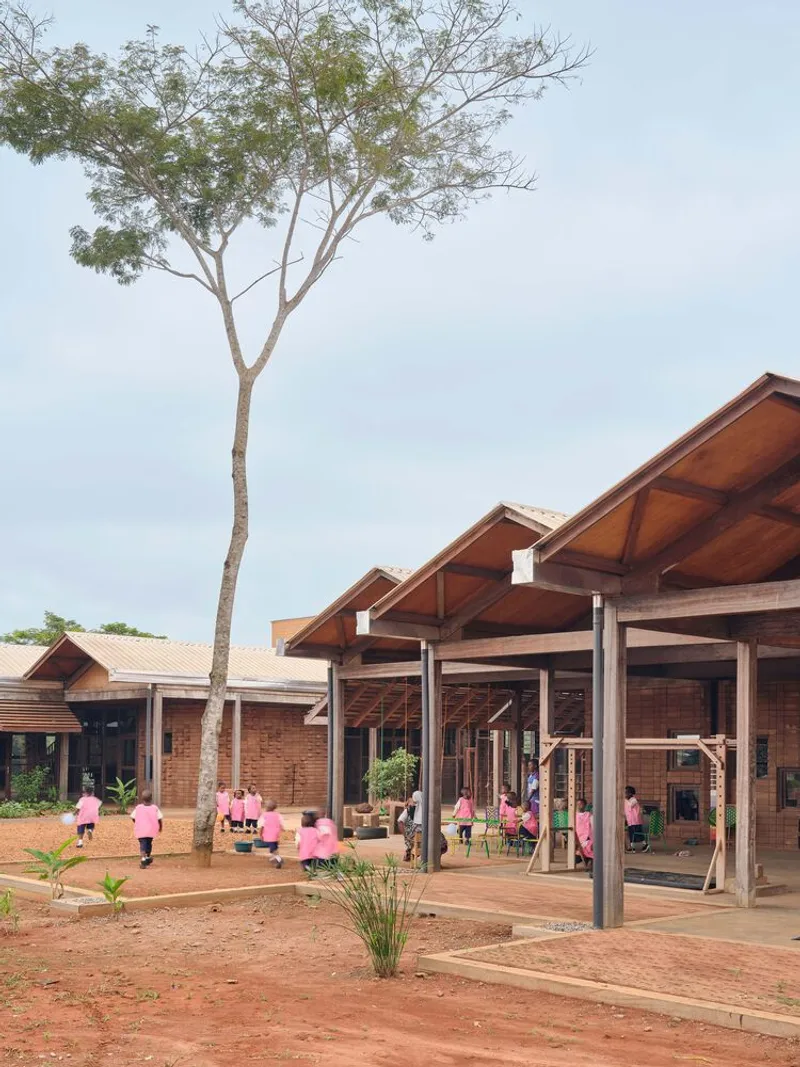
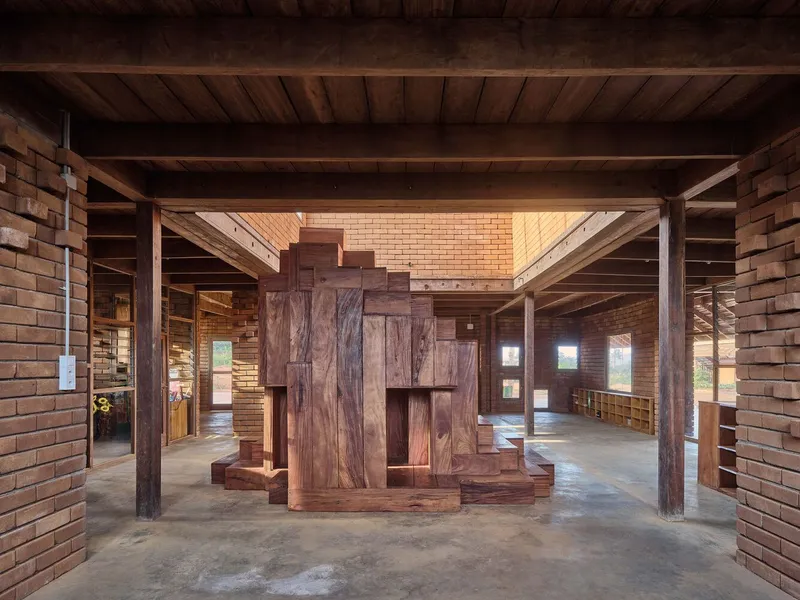
- Forest: A transitional indoor-outdoor space with an inhabitable constructed tree and a small natural forest to encourage exploration and interaction with nature.
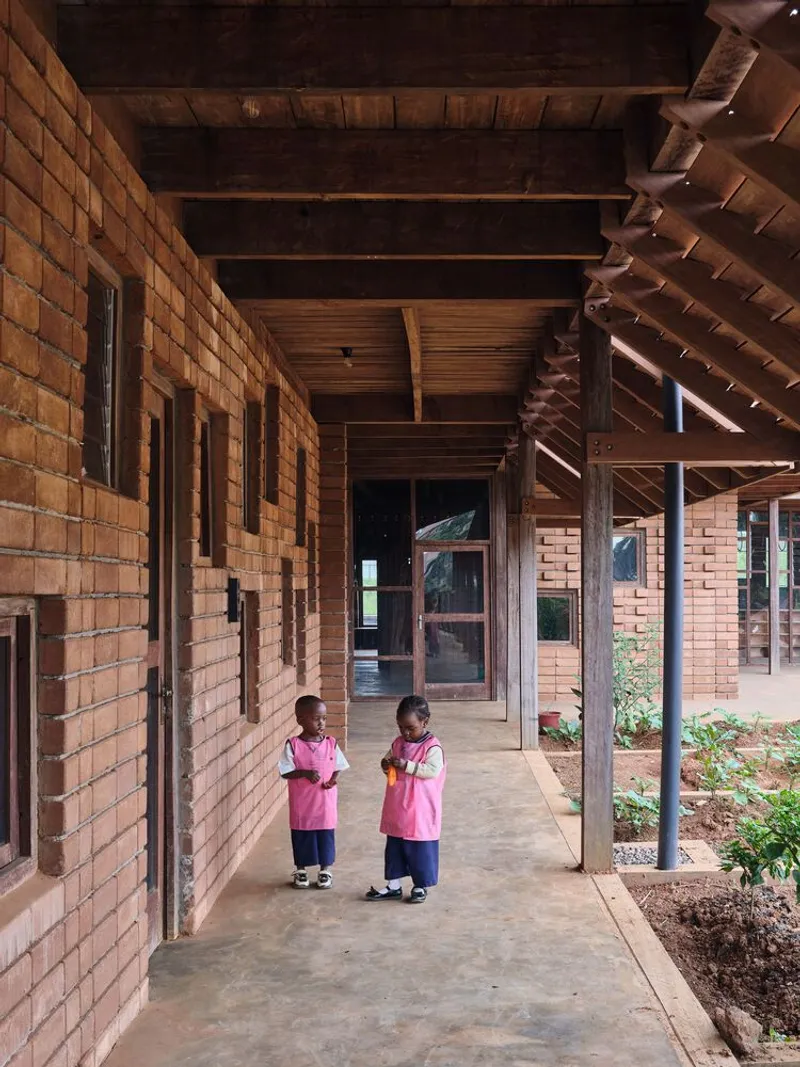
These ecosystems are interconnected via corridors that allow children to move freely, developing skills in diverse environments while nurturing social cohesion. Daily activities—from assemblies and sensory stimulation to music sessions and materials exploration—are thoughtfully paired with these spaces, creating a holistic learning experience that blends play, creativity, and education.
Sustainable Construction and Local Empowerment
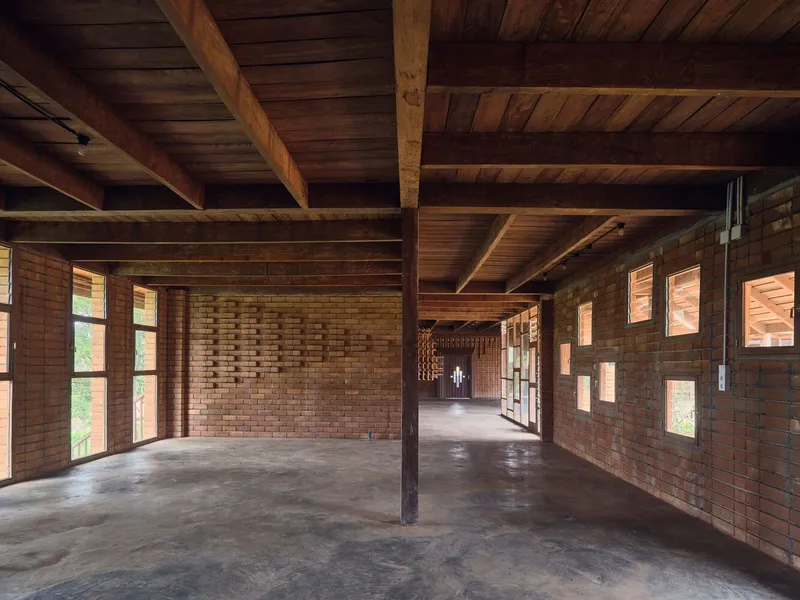
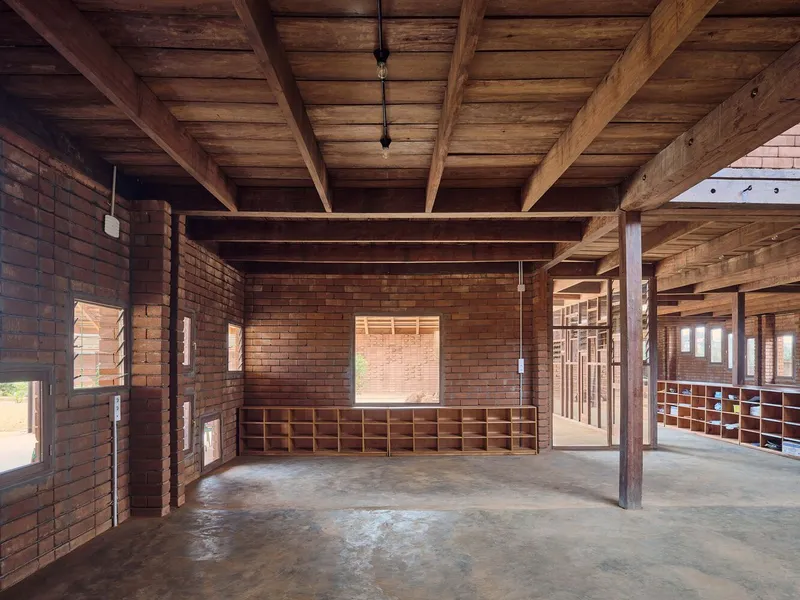
African Flow Kindergarten is more than a school; it’s a model for sustainable construction in Africa. The project employs local, low-carbon materials such as azobé, iroko, sapele, doussie, and movingui wood, ensuring durability and cultural resonance. The rammed earth brick enclosures filter light naturally and create continuity with the reddish Cameroonian soil.
The construction process itself was a tool for community empowerment. Local laborers, many with no prior experience in woodwork, learned new techniques, enabling skills transfer and future replication of low-emission building practices. Additionally, partnerships with local suppliers strengthened the regional economy while supporting the use of indigenous materials over imported alternatives.
Resilient and Renewable Infrastructure
One of the standout features is the reimagined water tower, constructed from wood and overlaid with a photovoltaic surface, ensuring a reliable supply of electricity and water despite frequent power outages. This forward-thinking integration of renewable energy systems reflects a commitment to both environmental sustainability and community resilience.
The design achieves a balance between ancestral African architecture and modern functionality, employing simple geometric patterns and straightforward construction systems that are both culturally relevant and adaptable to the local environment.
A Vision for Africa’s Educational Future
African Flow Kindergarten is the first phase of a larger educational vision. Over the coming years, the complex will expand to offer a complete educational cycle from kindergarten to secondary school, strengthening community ties while modeling innovative, sustainable, and culturally rooted educational architecture.
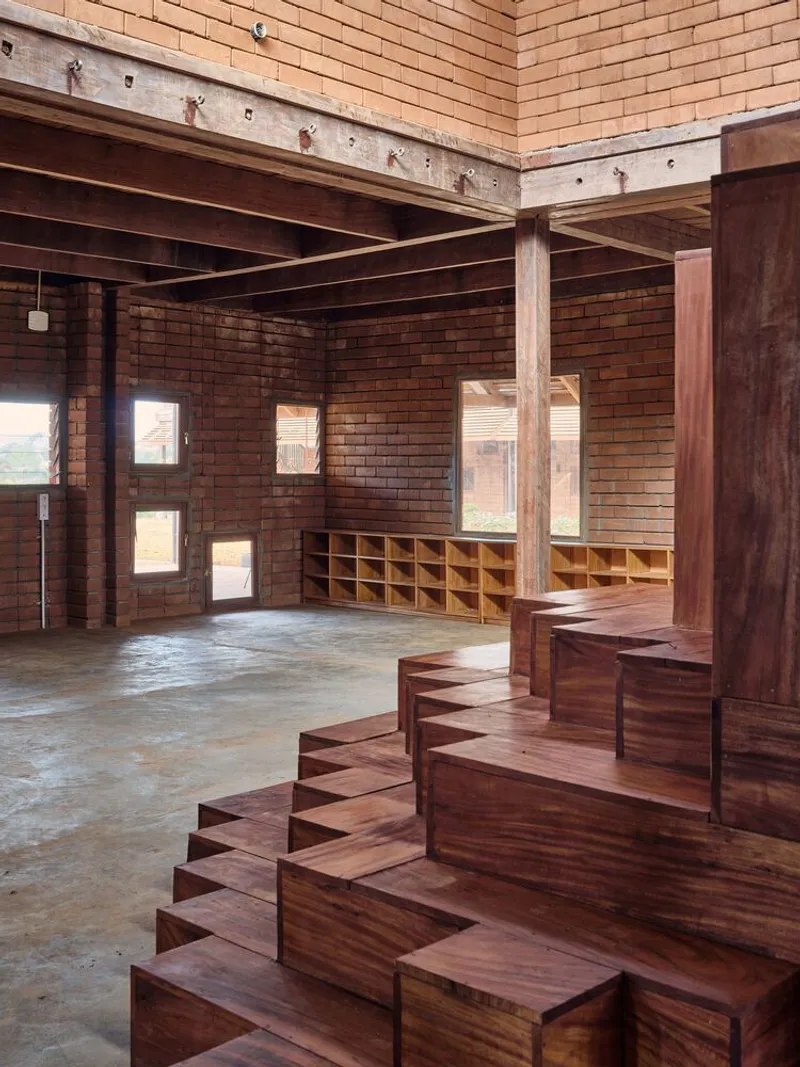
By combining ancestral design principles, local materials, and sustainable construction methods, African Flow Kindergarten serves as a blueprint for future educational architecture in Africa—one that celebrates culture, empowers communities, and inspires generations of learners.
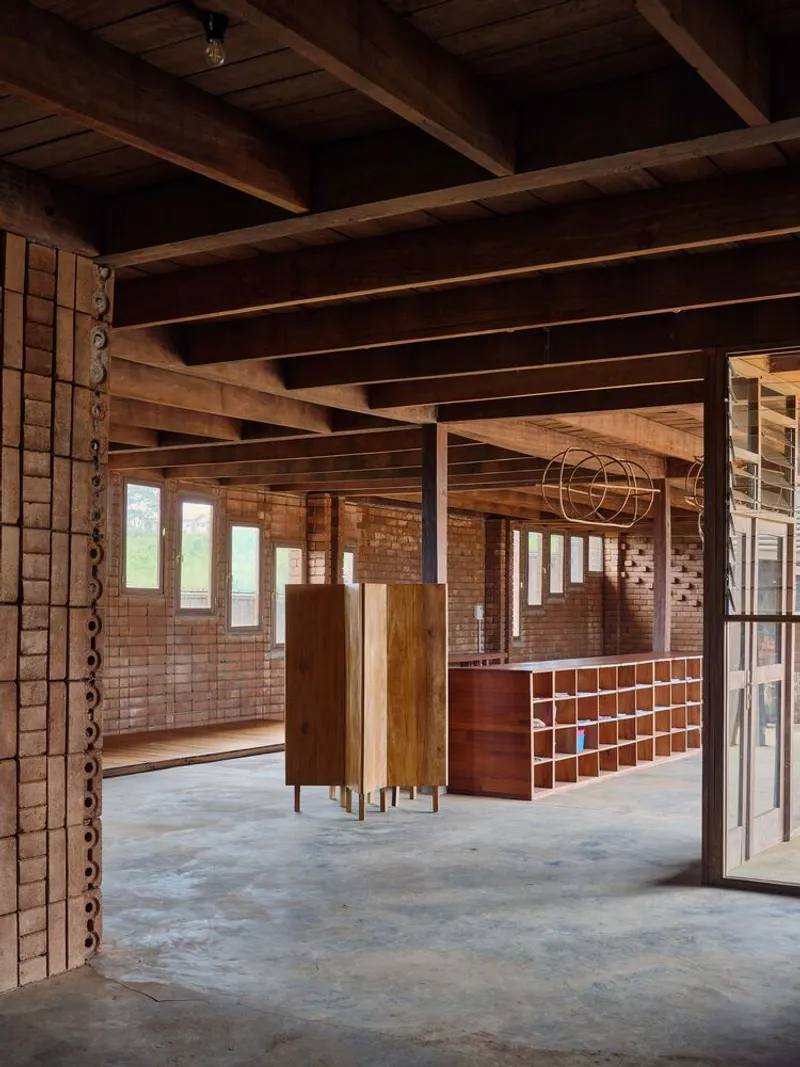
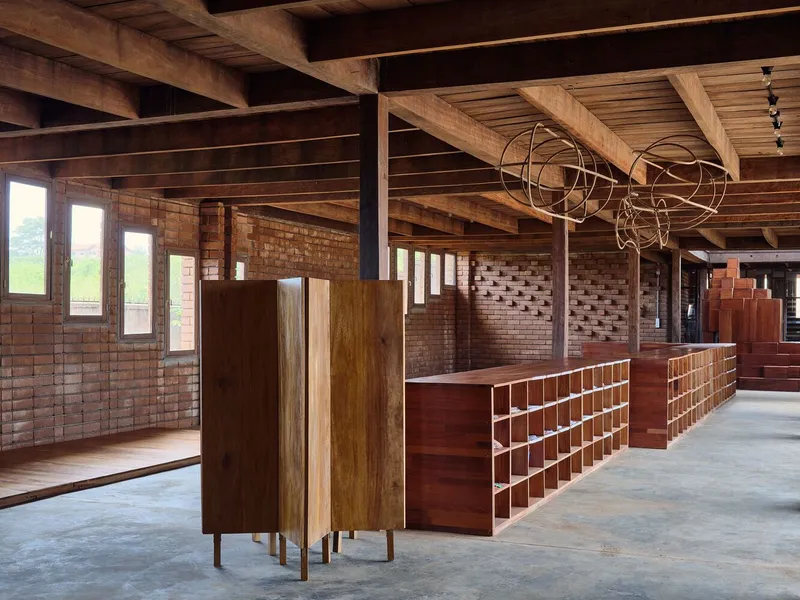
All photographs are works of
Adrià Goula


Popular Articles
Popular articles from the community


Cube Design Draws an Ecological Corridor Between Two Shenzhen Hills with the Nankai Building
Beside Shenzhen's container docks, the Nankai Building pairs stacked balconies with a climbing green screen to connect two hillsides across its height.

ETEH Reworks the Shared Spaces of São Domingos School in Brazil Around Timber, Color and Hanging Plants
At São Domingos School in Brazil, 436 m² of hall, refectory and library are recast with timber joinery, a yellow and blue code and trailing greenery.


The Amber Palace Opera: A Geological Fiction Surfaces on Tallinn's Baltic Waterfront
Pierre Brillard reimagines a Baltic legend as a public landscape, opera house, and waterfront promenade rooted in Tallinn's coastal identity.

Singing Woman: An Opera House That Performs Before the Curtain Rises
Ovidiu Cristian Pavel's conceptual opera house translates Estonia's choral identity into a sculpted waterfront landmark facing the Baltic Sea.

Similar Reads
You might also enjoy these articles


Hodi-Mandai Geram
Project Function: Preservation and revitalization of the Intangible heritage and socio-spatial identity of the Hodi by Housing, Cultural Memory Center, Sacred Grove, landscape, local tourism economy


Olio Towers: A Mid-Rise for Performers That Fuses Housing, Rehearsal, and Stage
Located blocks from Houston's Theater District, this modular tower stacks living units around a central performance atrium.

Oasis: Modular Green Housing Carved into Dhaka's Urban Fabric
A shortlisted Plugin Housing entry reclaims unauthorized settlements in Dhaka with stepped concrete volumes, green roofs, and ventilation-driven design.

Black Hole: A Floating Megastructure for the Post-Physical Era
Emiliano Mazzarotto envisions a spherical, self-scaling arena where e-sports, digital hotels, and holographic stadiums replace traditional public space.

Explore African Architecture Competitions
Discover active competitions in this discipline

Challenge to reimagine the Iron Throne

Photograph architecture without architects

Illustrate the lost glory of Angkor Wat - Render Challenge

Design challenge to reuse E-waste
Comments (0)
Please login or sign up to add comments
No comments yet. Be the first to comment!