

Agnews K12 Campus: A Modern Model for Sustainable Educational Architecture
The Agnews K12 Campus combines sustainability, collaboration, and modern design, creating a dynamic educational environment for all grade levels.


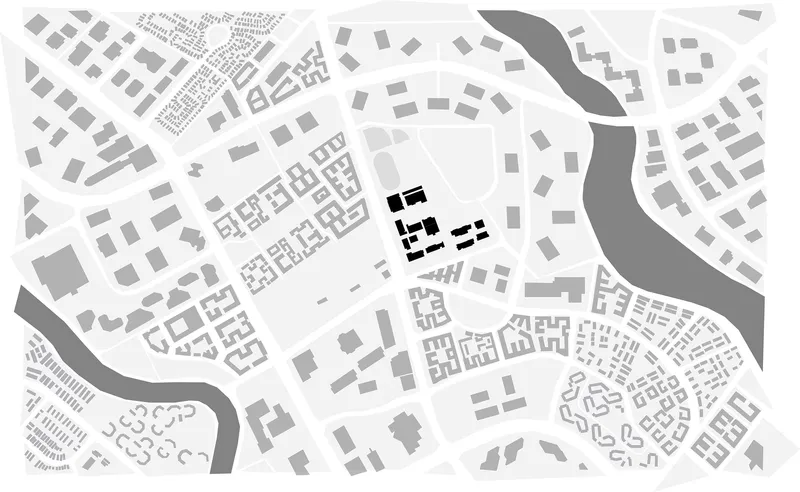
The Agnews K12 Campus in Santa Clara, California, is a groundbreaking educational facility designed by LPA that combines elementary, middle, and high school campuses into a cohesive, sustainable space. The campus is located on a 55-acre site that was previously home to a historic mental health facility, showcasing a blend of history and modernity.
A Unified Vision with Distinct Identity
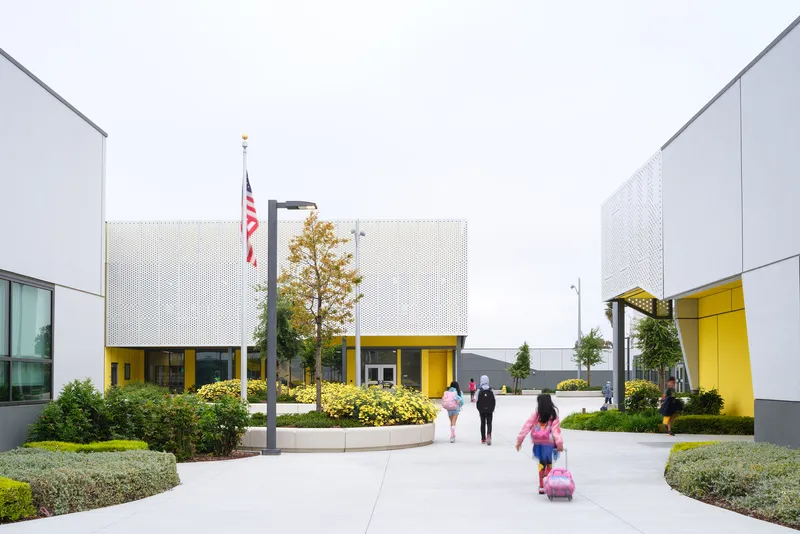
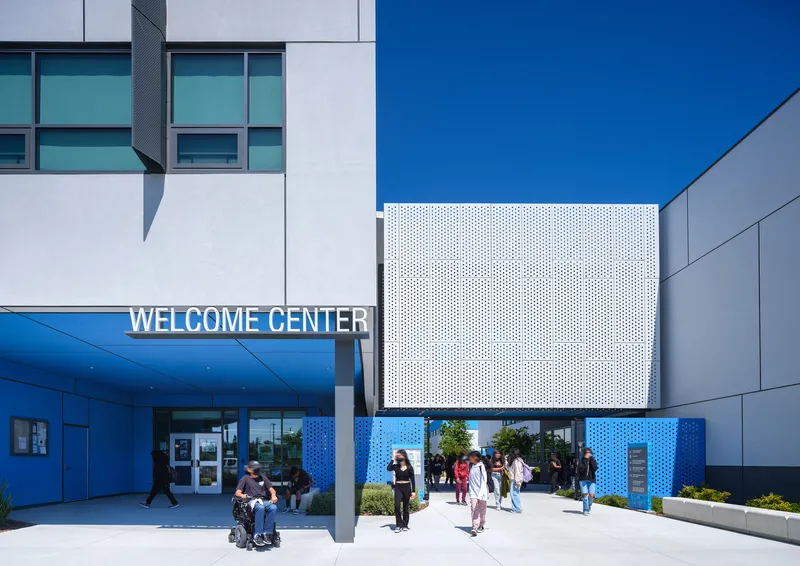
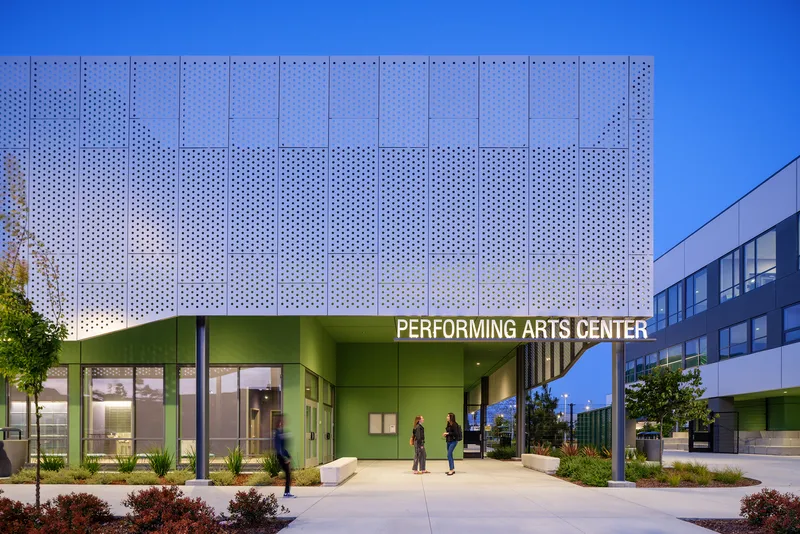
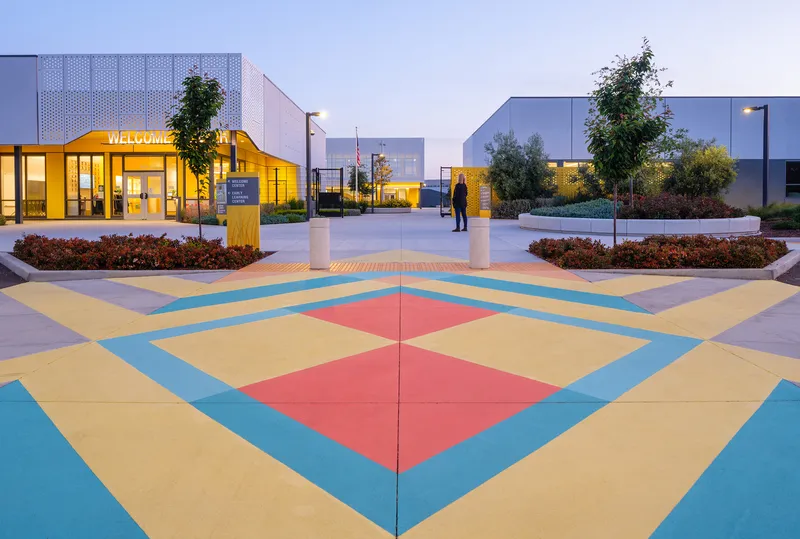
The design of the Agnews K12 Campus fosters an environment of collaboration, learning, and growth. The three schools share a unified architectural language, using color, scale, and landscape to establish distinct identities for each. The layout encourages peer mentoring and collaboration across all grade levels, with shared spaces designed to enhance student and faculty engagement.
S.M.A.R.T. Campus Design Principles
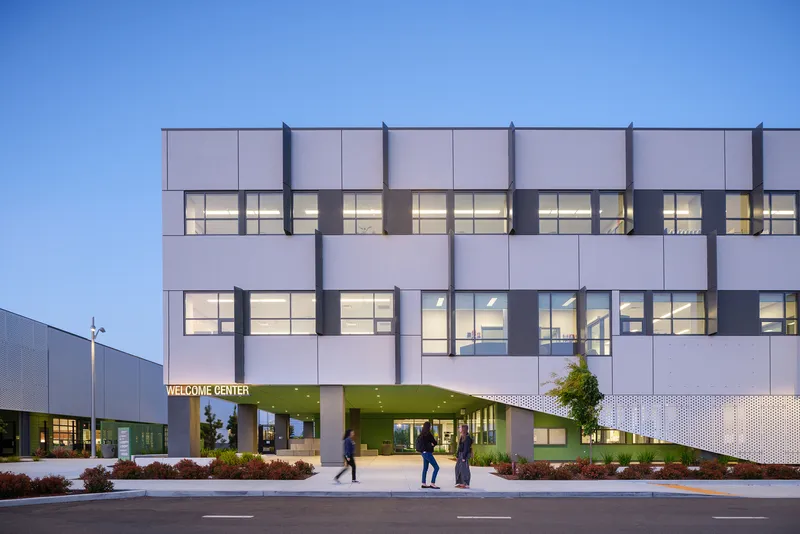
The S.M.A.R.T. design approach—focused on Sustainability, Mindfulness, Adaptability, Relevancy, and Transformation—drives the design principles behind the Agnews campus. By integrating feedback from educators, industry leaders, and the community, the project ensures that each space supports the unique developmental needs of students at different educational stages.
- Elementary School: One-story buildings create a welcoming environment for younger students.
- Middle School: A two-story layout encourages a sense of progression and growth.
- High School: Three-story buildings symbolize the maturity and depth of learning for older students.
Collaborative Spaces and Shared Facilities
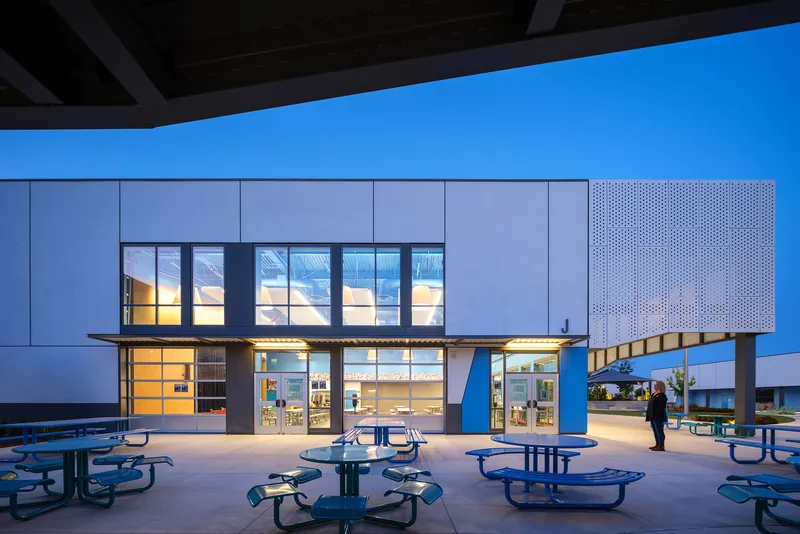
The campus design prioritizes shared-use spaces, encouraging interaction across the schools and creating opportunities for students to engage in cross-disciplinary learning. Shared facilities include:
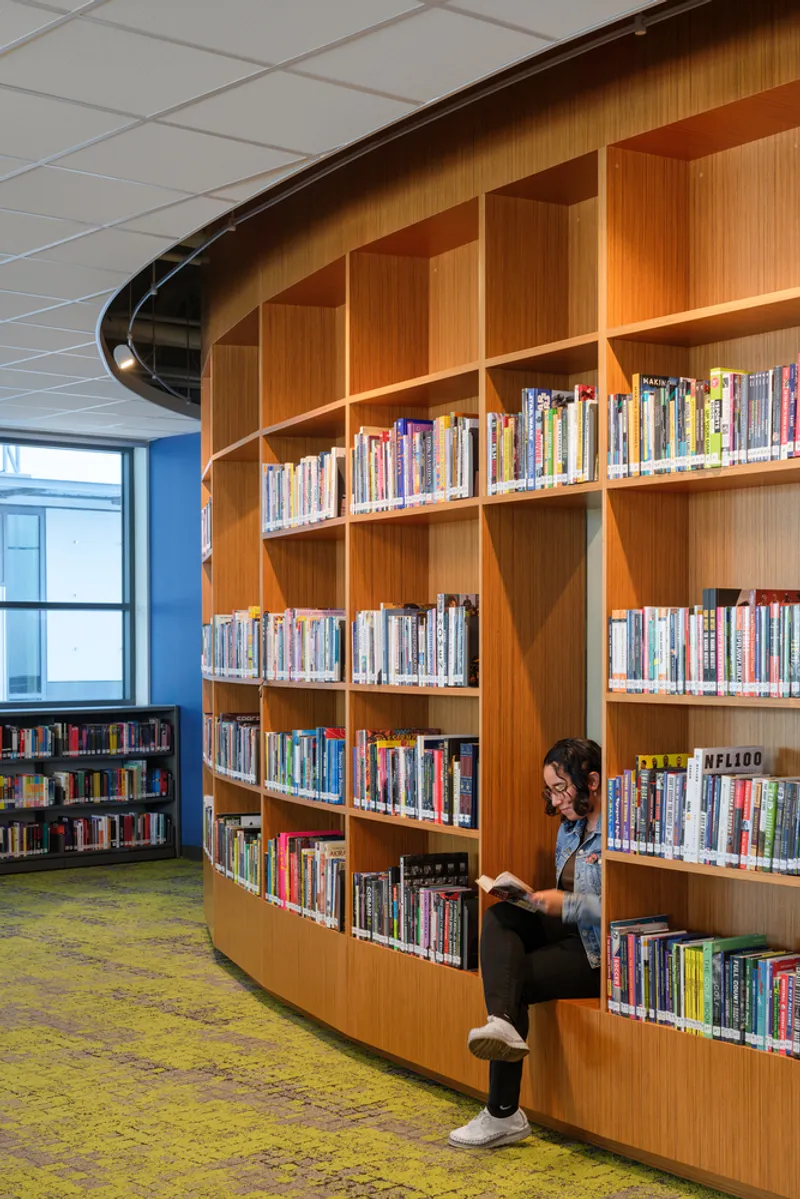
- A Media Center for middle and high school students.
- A Shared Kitchen between the middle and high schools.
- An Outdoor Lounge Area for faculty.
- A Performing Arts Center accessible to all schools.
Each campus also features outdoor spaces that function as extended learning environments. The elementary school quad embraces a grassland-style landscape, the middle school quad showcases growing woodlands, and the high school quad is designed as a mature forest, fostering a connection to nature at every developmental stage.
Sustainability at Its Core
The Agnews K12 Campus employs passive design strategies to enhance sustainability and reduce energy consumption. Strategic site orientation, building massing, and daylighting maximize natural light and reduce the campus' overall energy load. Additionally, native plantings and low-water-use landscaping contribute to a sustainable outdoor environment, while stormwater management strategies ensure that the site’s ecological footprint is minimized.
Interior spaces focus on using sustainable materials that promote indoor air quality, enhancing the learning environment for students. These eco-friendly solutions are integral to the campus’s commitment to environmental responsibility.

A Vision for the Future of Education
Agnews K12 stands as a model for the future of educational campuses, blending functionality, sustainability, and community engagement. The Agnews K12 Campus encourages collaboration, provides cutting-edge facilities, and emphasizes sustainability, all while meeting the unique needs of students at every grade level.
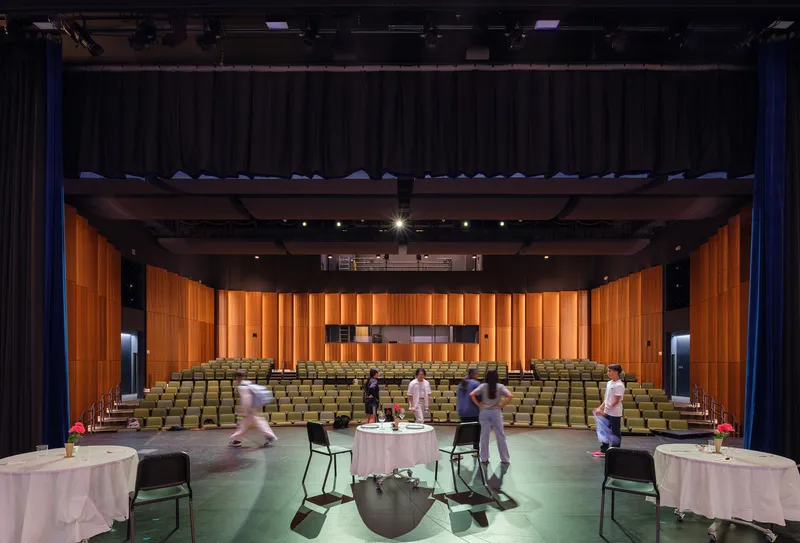
Supporting Sustainable Education
The Agnews K12 Campus is a true reflection of innovative educational architecture, showcasing how sustainable design and thoughtful planning can create spaces that inspire learning while promoting environmental responsibility.
All Photographs are works of Jason O’Rear




Popular Articles
Popular articles from the community


Co-Life: Senior Housing Design That Reconnects Older Adults With the City
Co-Life reimagines senior housing design through healing gardens, shared streets, workshops, and a sustainable community across generations.

The Earth Pod: 3D Printed Homes for Resilient Refugee Communities
The Earth Pod reimagines refugee housing through 3D printed homes made from clay, combining resilience, self-sufficiency, and rapid shelter.

Co-life: Sustainable Architecture for Age-Friendly Community Living
Co-life reimagines sustainable architecture for seniors through courtyards, rammed earth, shared gardens, and spaces designed for belonging.

AL-JANNAH: Sustainable Architecture and Permaculture for Afghan Widows
AL-JANNAH uses sustainable architecture and permaculture to create resilient oasis of housing, learning, work and renewal for Afghan widows.


Similar Reads
You might also enjoy these articles


Hodi-Mandai Geram
Project Function: Preservation and revitalization of the Intangible heritage and socio-spatial identity of the Hodi by Housing, Cultural Memory Center, Sacred Grove, landscape, local tourism economy


Olio Towers: A Mid-Rise for Performers That Fuses Housing, Rehearsal, and Stage
Located blocks from Houston's Theater District, this modular tower stacks living units around a central performance atrium.

Oasis: Modular Green Housing Carved into Dhaka's Urban Fabric
A shortlisted Plugin Housing entry reclaims unauthorized settlements in Dhaka with stepped concrete volumes, green roofs, and ventilation-driven design.

Black Hole: A Floating Megastructure for the Post-Physical Era
Emiliano Mazzarotto envisions a spherical, self-scaling arena where e-sports, digital hotels, and holographic stadiums replace traditional public space.


Explore Educational Building Competitions
Discover active competitions in this discipline



Challenge to design public laboratory


Challenge to reimagine the Iron Throne


Photograph architecture without architects


Illustrate the lost glory of Angkor Wat - Render Challenge
Comments (0)
Please login or sign up to add comments
No comments yet. Be the first to comment!