

AGORA Campus by ArtBuild: A Sustainable Educational Landmark in Maisons-Alfort
AGORA Campus integrates historic preservation, sustainable wood construction, and flexible learning spaces, creating a collaborative, modern educational hub in France.


The AGORA Campus, designed by ArtBuild, represents a transformative addition to the historic National Veterinary School of Alfort in Maisons-Alfort, France. As a forward-thinking educational facility, the project redefines how architecture can bridge heritage preservation with contemporary sustainability and innovation. Built in 2022, this 4,550-square-meter campus building serves as a central hub for learning, collaboration, and research, reinforcing the institution’s legacy while embracing modern pedagogical needs.
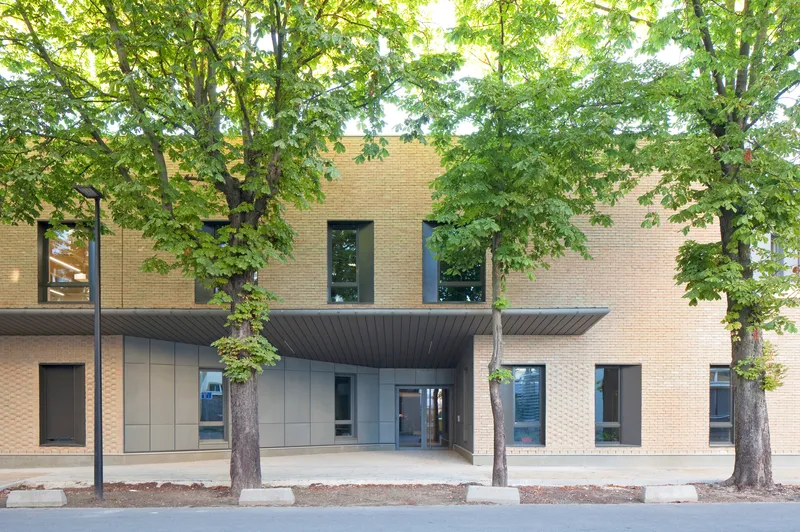
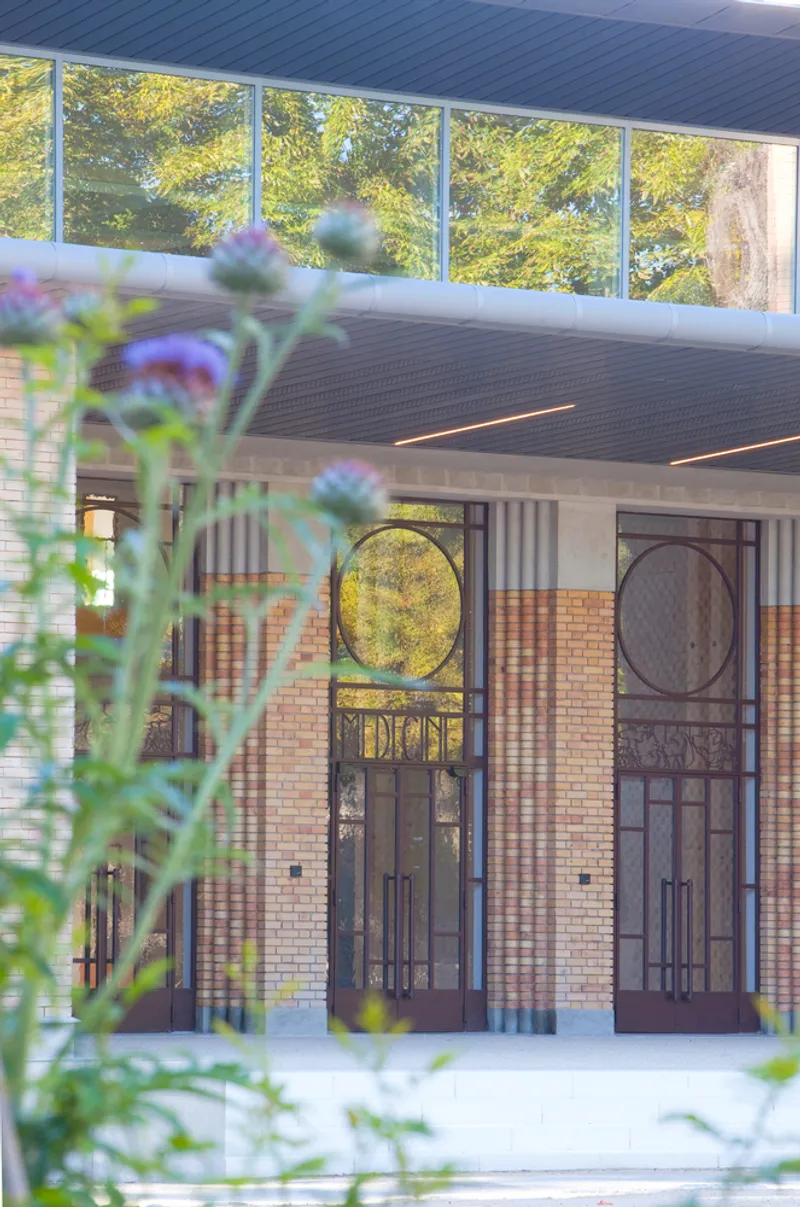
Located within a historically significant campus spanning nearly 10 hectares, AGORA emerges as a cornerstone of a broader renovation strategy. The site, listed as part of the supplementary register of historical monuments, recently celebrated its 250th anniversary, making the integration of new construction within such a context both challenging and meaningful. ArtBuild approached this by carefully studying the existing Brion building, a notable Art Deco structure from 1928, preserving key architectural elements such as the iconic entrance façade and wrought iron gates.
Adaptive Reuse and Heritage Integration
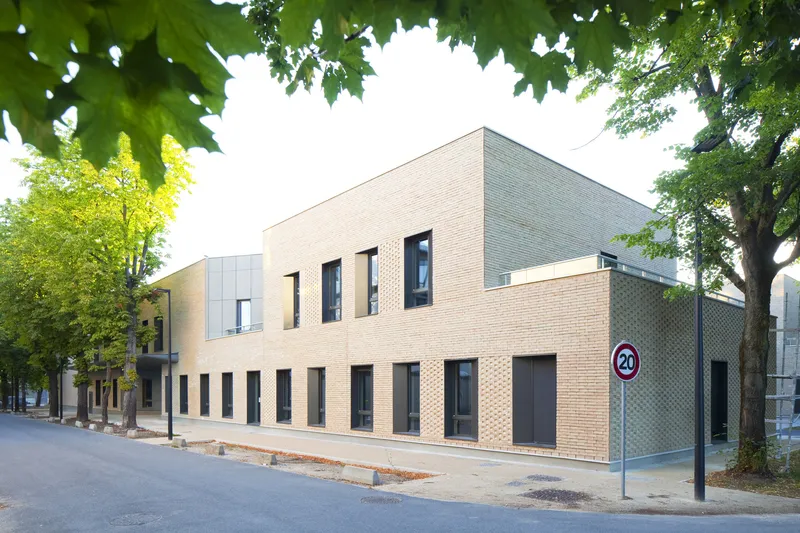
One of the defining aspects of the AGORA Campus is its sensitive approach to adaptive reuse. Instead of erasing the past, the design incorporates reclaimed materials from the partially dismantled Brion building, including reused bricks and preserved stone foundations. This thoughtful dialogue between old and new materials creates a cohesive architectural language that respects the site’s heritage while introducing a contemporary identity.
The project’s central location on campus enhances its role as a unifying structure, both physically and socially. Positioned along a landscaped axis leading to a redesigned entrance connected to public transportation, AGORA improves accessibility and strengthens the spatial organization of the campus.
Sustainable Architecture and Bio-Based Materials
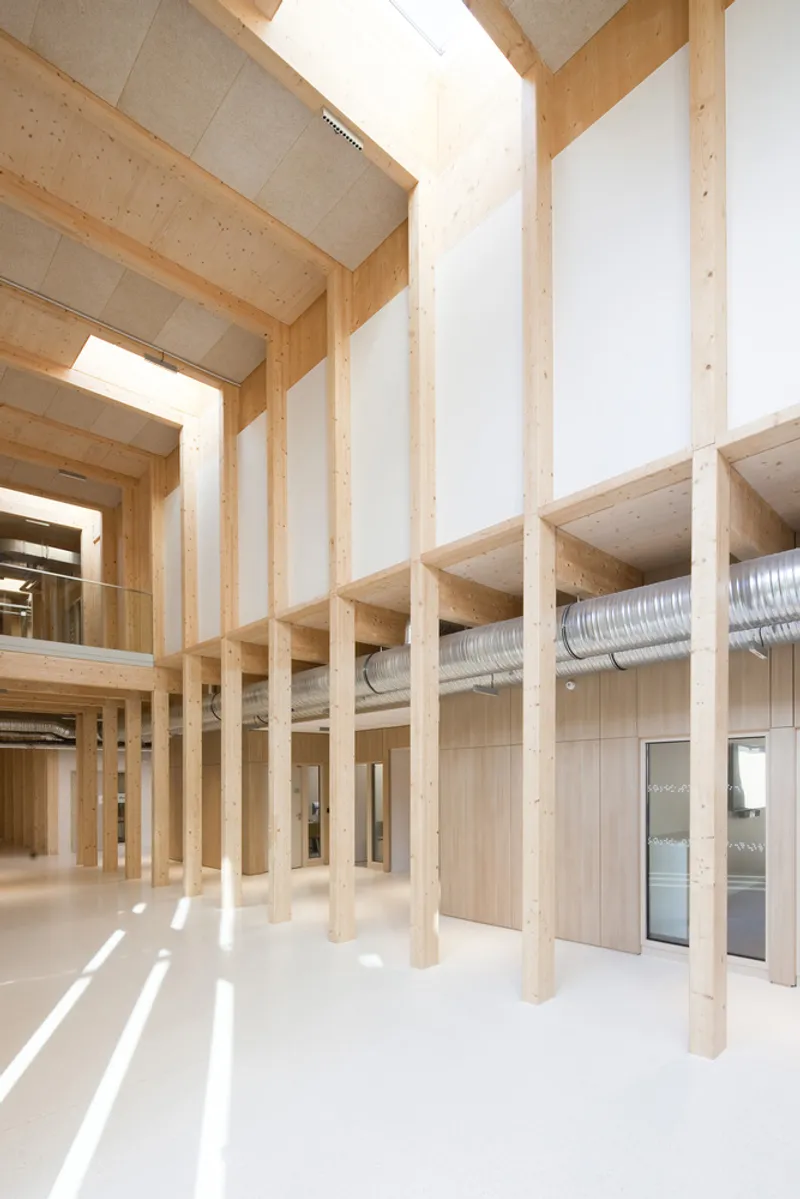
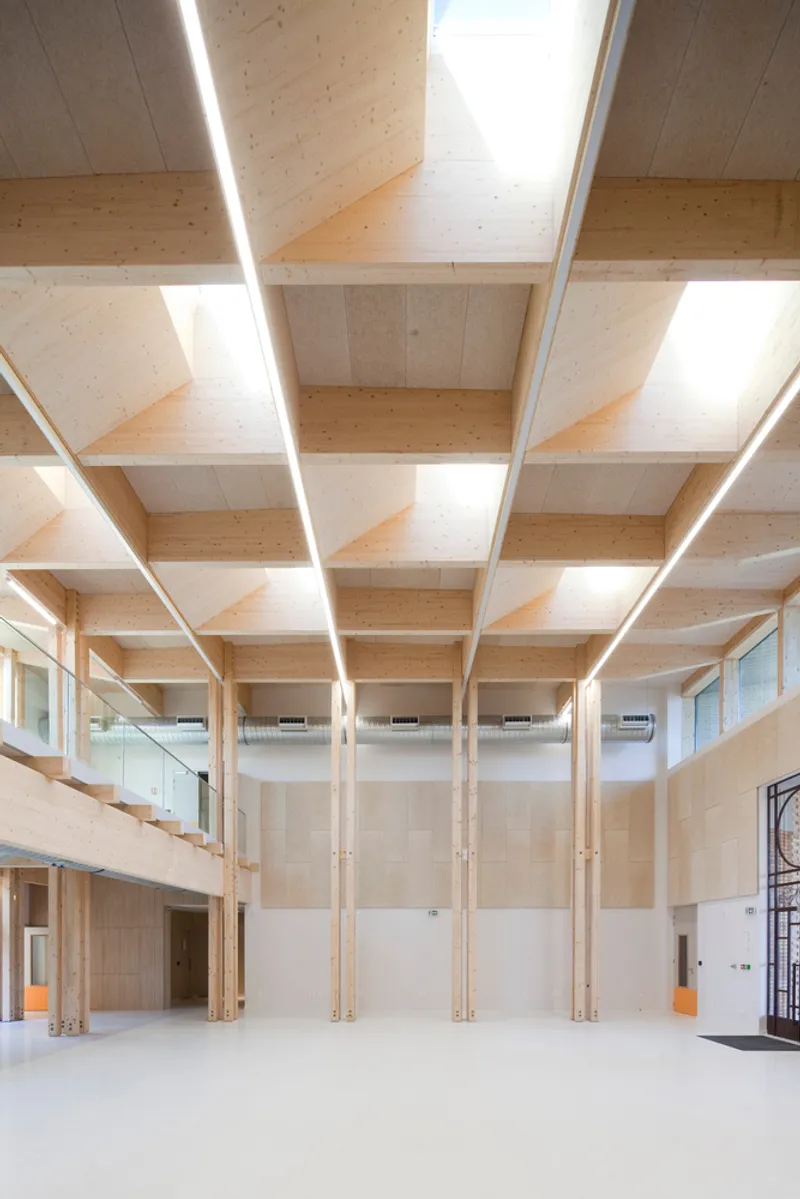
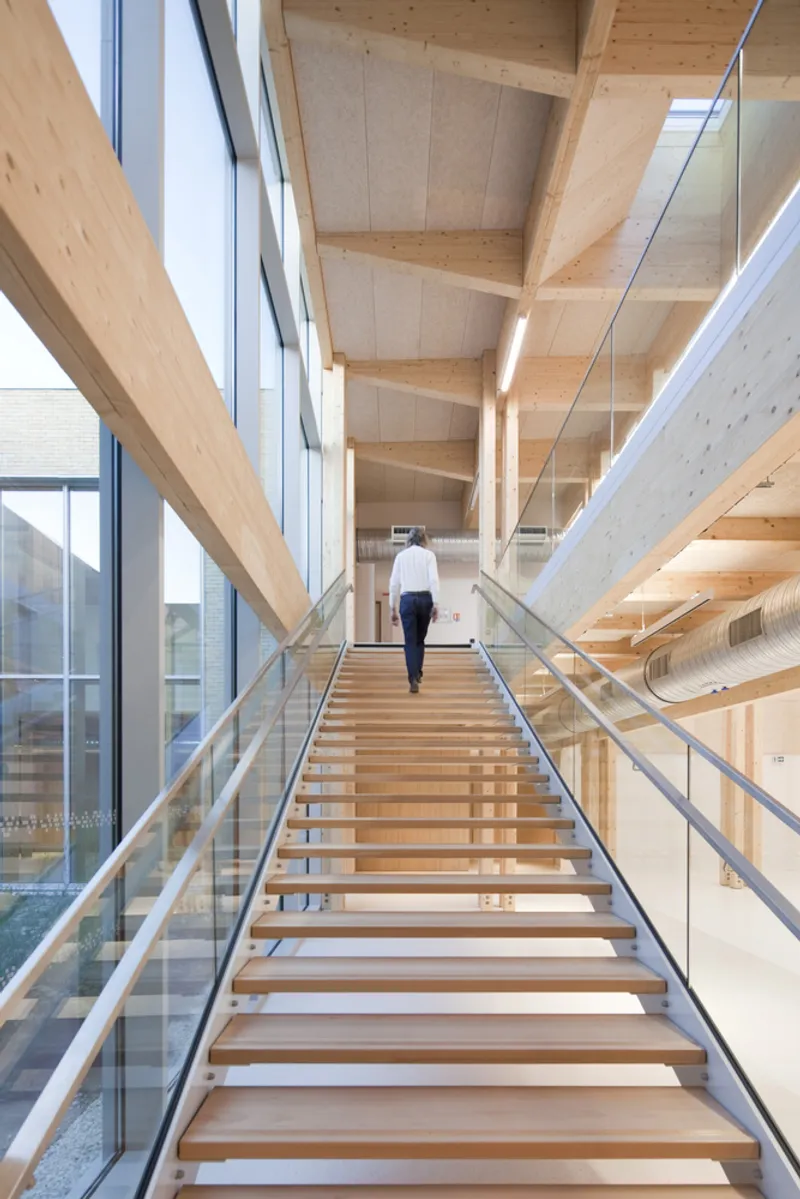
Sustainability lies at the core of the AGORA Campus design. The building stands out as the first structure on the campus to employ a predominantly bio-based construction system. Wood plays a central role, shaping both the structural framework and interior atmosphere, offering warmth, tactility, and a reduced carbon footprint.
Beyond material choices, the project emphasizes environmental responsibility through strategies such as material reuse, energy-efficient systems, and low-impact construction methods. These elements collectively contribute to a more sustainable and future-ready educational environment.
Flexible Learning and Collaborative Spaces
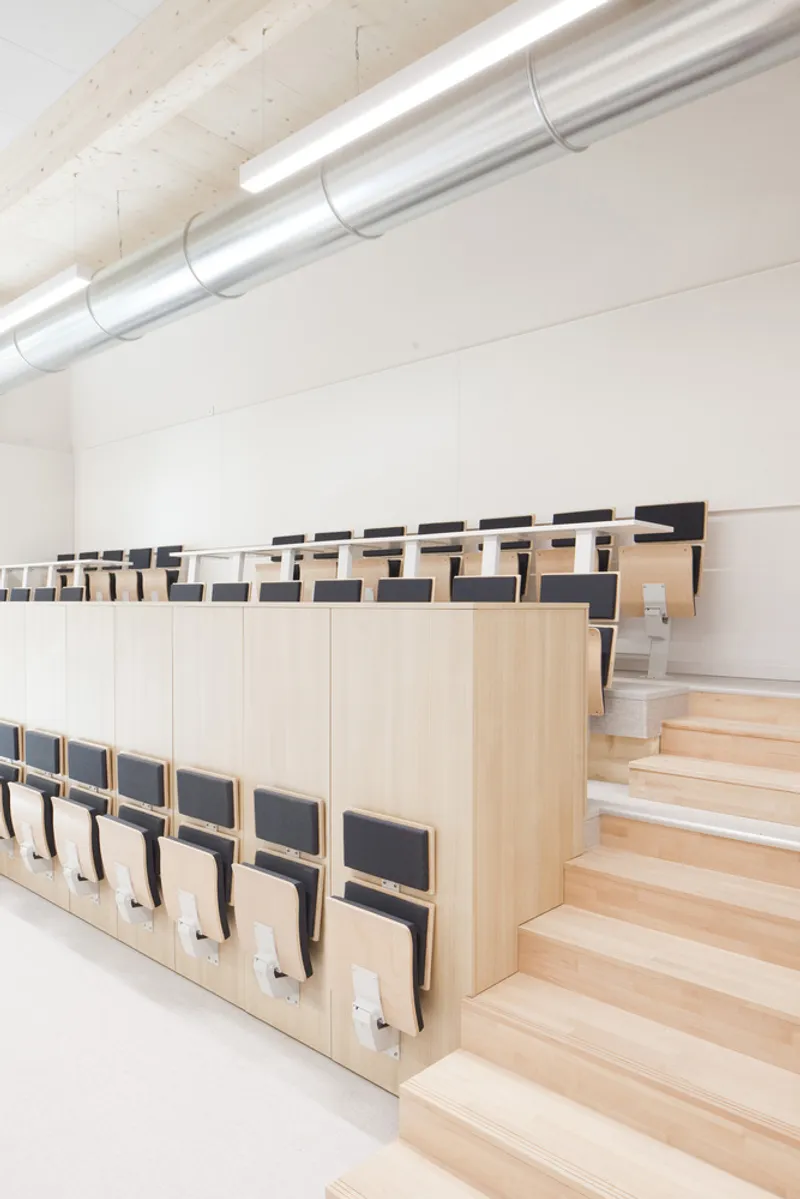
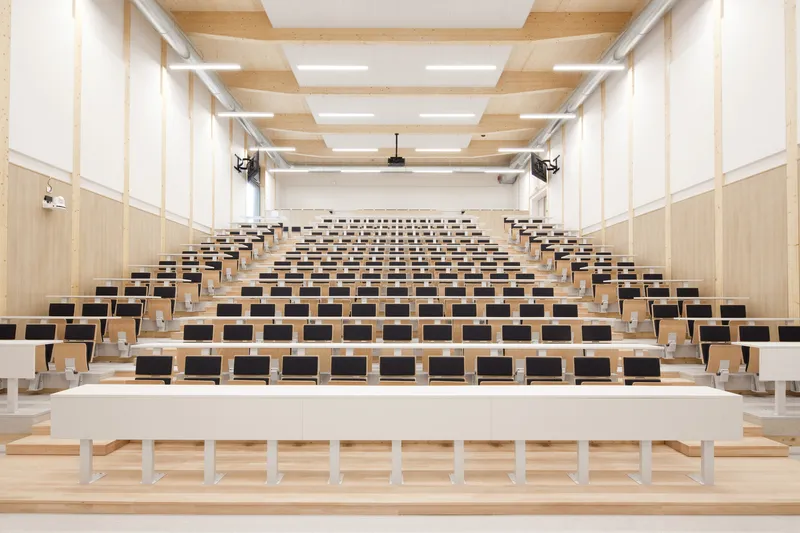
Designed to foster interaction and adaptability, AGORA offers a diverse range of spaces tailored to contemporary educational needs. The facility includes modular teaching rooms with movable partitions, allowing for flexible configurations based on class size and activity. Two large amphitheaters, each accommodating 250 people, and a smaller 80-seat auditorium support lectures, events, and professional training.
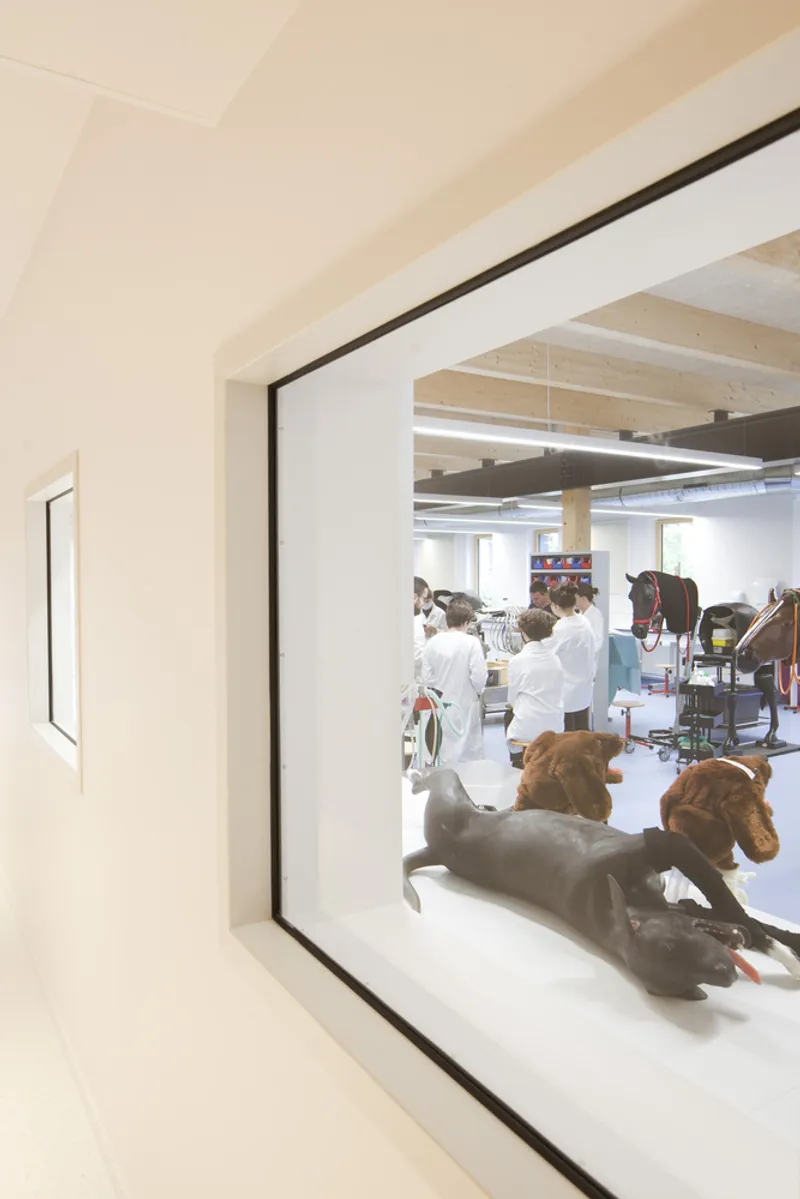
In addition, the campus features collaborative workspaces, administrative offices, and specialized training areas such as simulation rooms (Vet’Sims). Informal zones, including niches and open circulation areas, encourage spontaneous interaction and community engagement, reinforcing the building’s role as a social and intellectual hub.
Architectural Experience and Spatial Quality
The design prioritizes user experience by creating fluid spatial connections, visual transparency, and inviting communal areas. The interplay of natural light, wood textures, and carefully framed views enhances the overall ambiance, making the building both functional and inspiring.
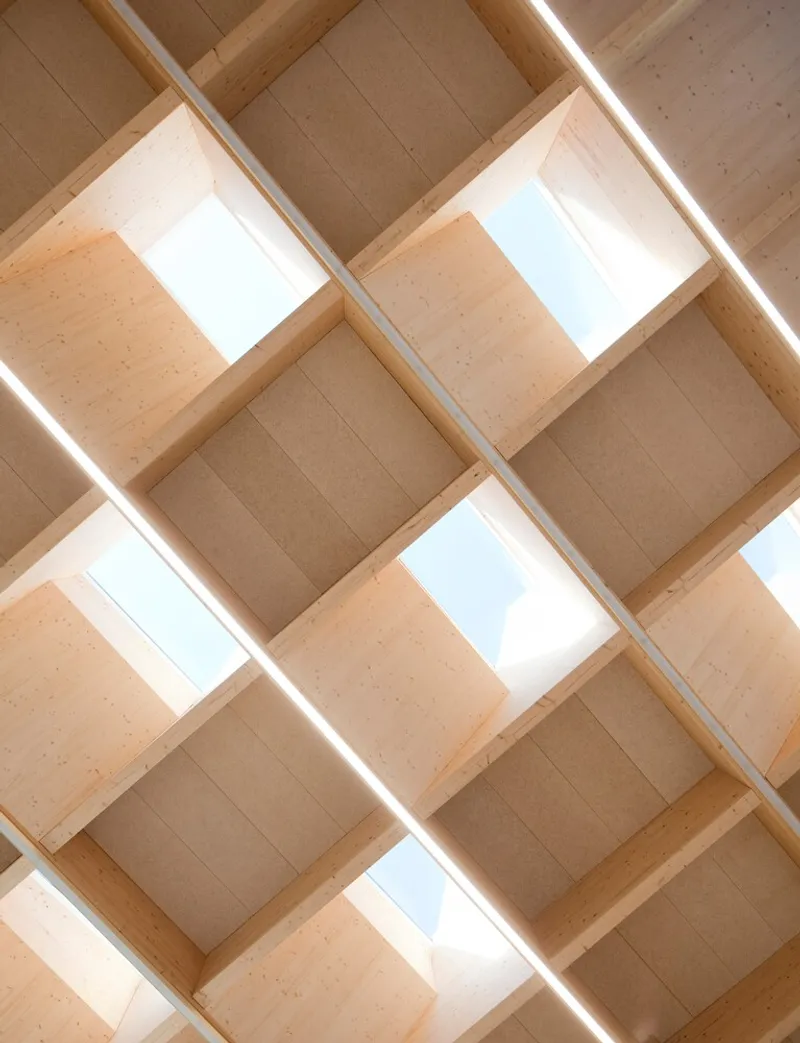
AGORA is more than just an academic facility: it is an architectural statement that demonstrates how educational environments can evolve through sustainability, adaptability, and respect for history. By merging heritage with innovation, ArtBuild has crafted a campus building that not only meets present-day demands but also sets a benchmark for future institutional architecture.
All photographs are works of
©Tristan Dechamps, ©ArtBuild


Popular Articles
Popular articles from the community


The Amber Palace Opera: A Geological Fiction Surfaces on Tallinn's Baltic Waterfront
Pierre Brillard reimagines a Baltic legend as a public landscape, opera house, and waterfront promenade rooted in Tallinn's coastal identity.

Cloaked Colonization: A Mobile Underwater Habitat That Moves Like a Fish
Micah Abaya's shortlisted EHC Pacific entry reimagines ocean settlement as a dispersed network of self-sustaining architectural organisms.

Opera on the Sea: Driftwood Logic Shapes a Timber Opera House on Estonia's Coast
Trevor Orgill's opera house translates the entangled drift of floating timber into a civic building where wood, water, and music converge.
Temporary Home for Dogs: A Reversed Zoo Rethinks Animal Shelter Architecture
In Bucharest, a sinuous corridor and freed landscape flip the logic of containment, designing a shelter that works to make itself unnecessary.

Similar Reads
You might also enjoy these articles


FAMM Arquitectura Organizes Ten Villas Around Courtyards and Jungle in Nosara, Costa Rica
El Molino pairs two elongated volumes with deep overhangs and timber louvers to build a compact coastal community five minutes from the beach.

Oscar Niemeyer's Ibirapuera Park Pavilions Define São Paulo's Cultural Identity in Concrete and Curve
A constellation of modernist volumes set within São Paulo's most important urban park, conceived for the city's 400th anniversary in 1954.

Sanjay Puri Architects Wraps a Jaipur Office Tower in Capsule-Shaped Green Buffers
A nine-level climate-responsive workplace near Jaipur Airport uses stacked planter terraces and aluminium screens to fight 40°C heat.
RHO Converts a Berlin Spree-Side Industrial Courtyard into Enkime's 1,000 m² Agency Headquarters
A social media agency's new home in Charlottenburg trades glossy branding for concrete waffle ceilings, glazed tile, and sheer curtains.

Explore Architecture Competitions
Discover active competitions in this discipline

Challenge to reimagine the Iron Throne

Photograph architecture without architects

Illustrate the lost glory of Angkor Wat - Render Challenge

Design challenge to reuse E-waste
Comments (0)
Please login or sign up to add comments
No comments yet. Be the first to comment!