

Agora des Arts: A Landmark of Adaptive Reuse Architecture in Rouyn-Noranda
A heritage church reborn as a vibrant arts center through exceptional adaptive reuse architecture in Rouyn-Noranda.


Introduction to Agora des Arts
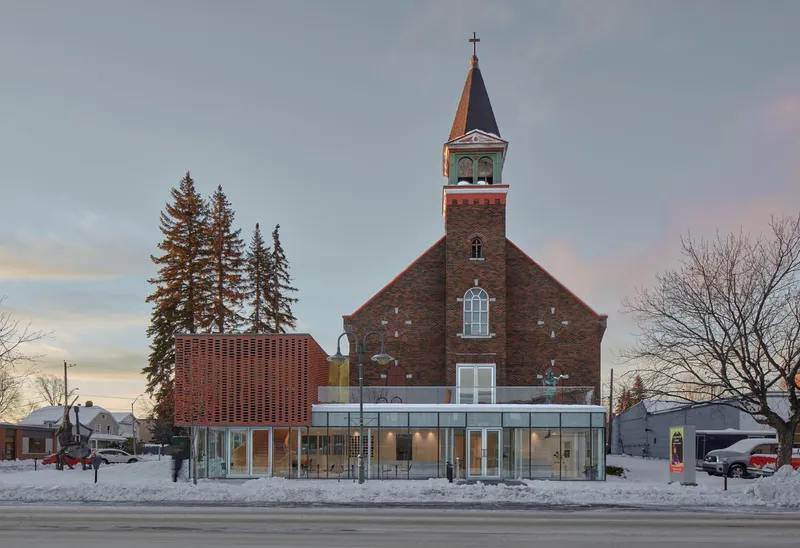
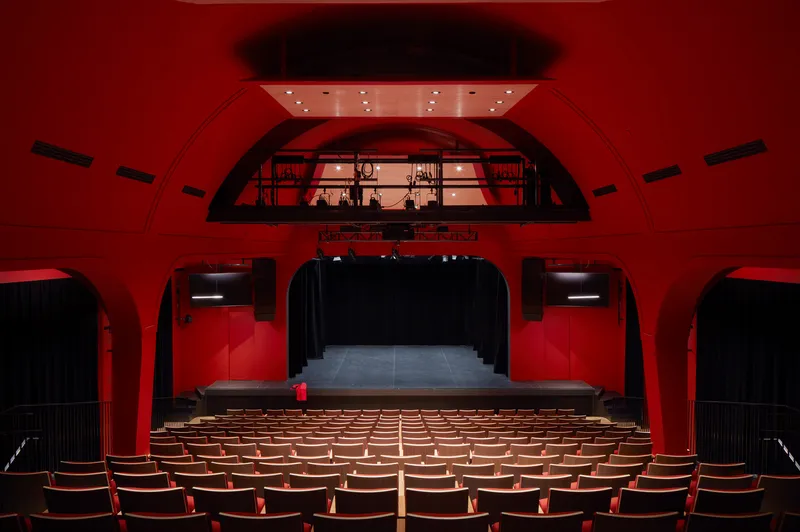
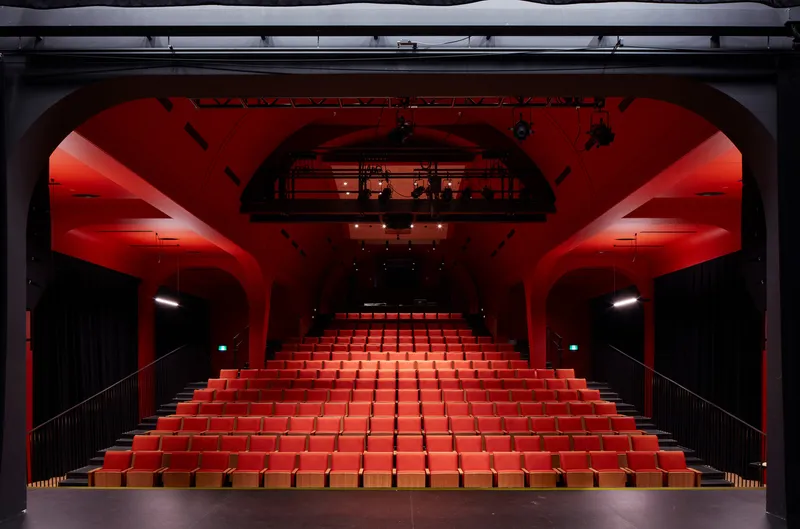
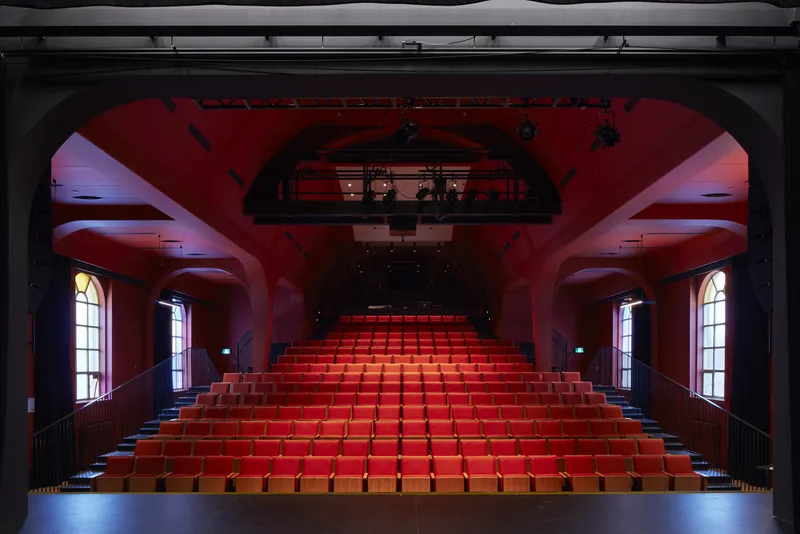
The Agora des Arts in Rouyn-Noranda, Canada, is a stunning example of adaptive reuse architecture, thoughtfully designed by Chevalier Morales Architectes. Completed in 2024, this project transforms the historic Notre-Dame-de-Protection church, a cherished cultural heritage site in Quebec, into a dynamic venue for theatrical productions and acoustic music. By preserving its historical essence while introducing contemporary elements, the project celebrates nearly a century of community gathering and artistic expression.
Revitalizing a Cultural Heritage Site
Located in the heart of the Abitibi-Témiscamingue region, the Agora des Arts brings new life to a beloved landmark. The design team preserved the symbolic role of the church as a community anchor, transforming it into a cultural hub without erasing its historical identity. The building continues to foster social and artistic connections, ensuring its relevance for future generations.
Architectural Transformation and Symbolism
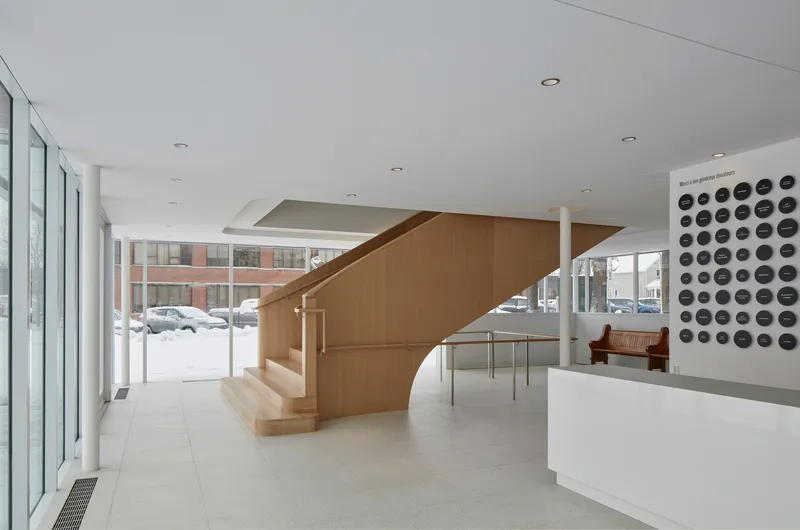
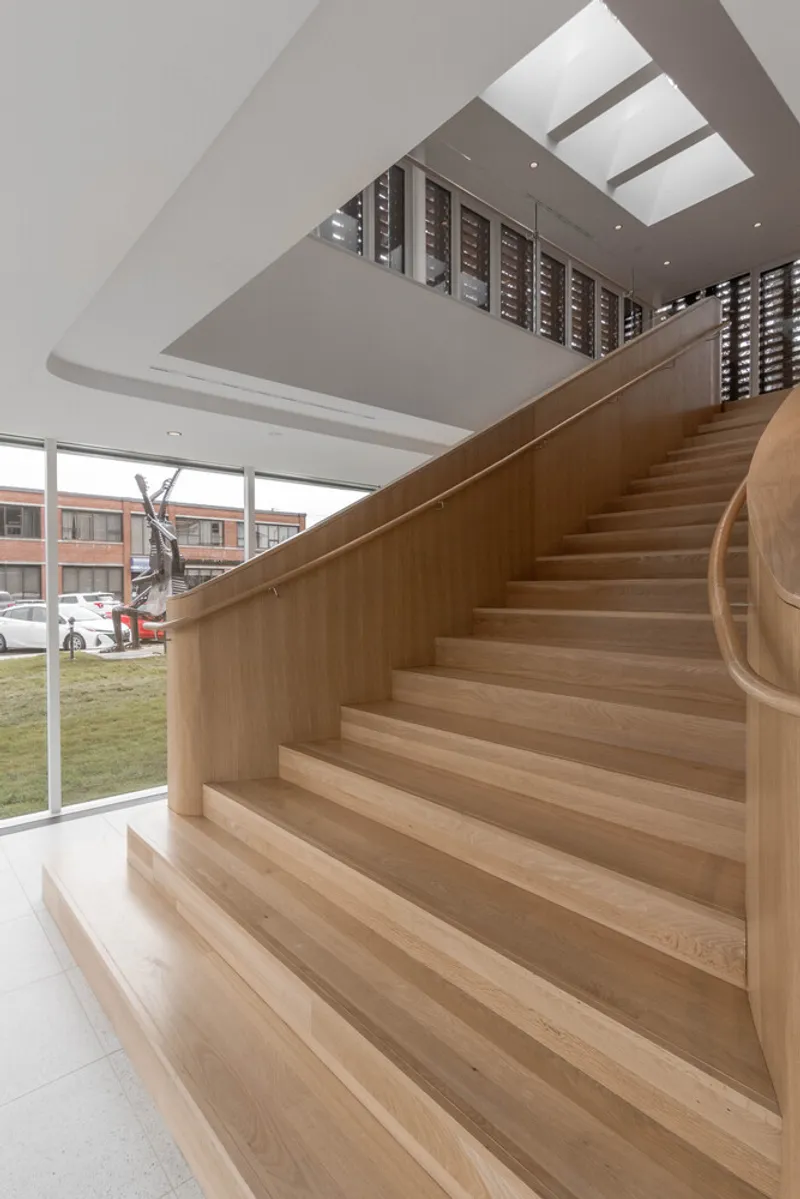
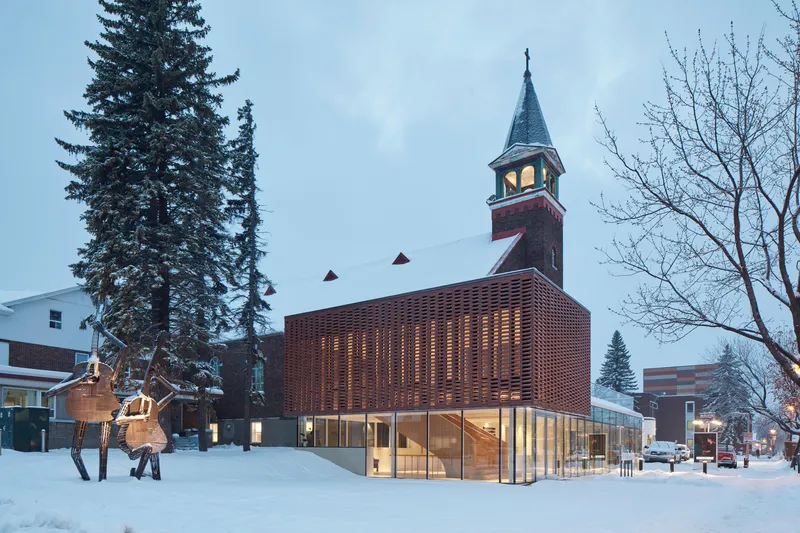
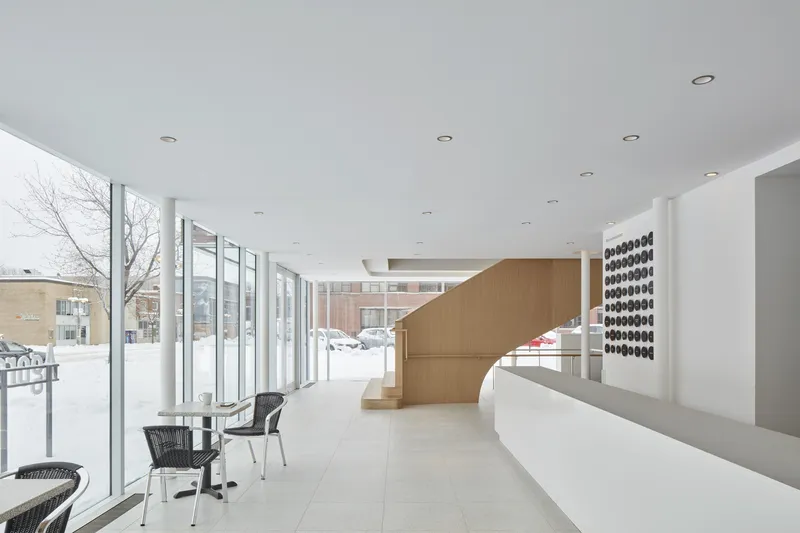
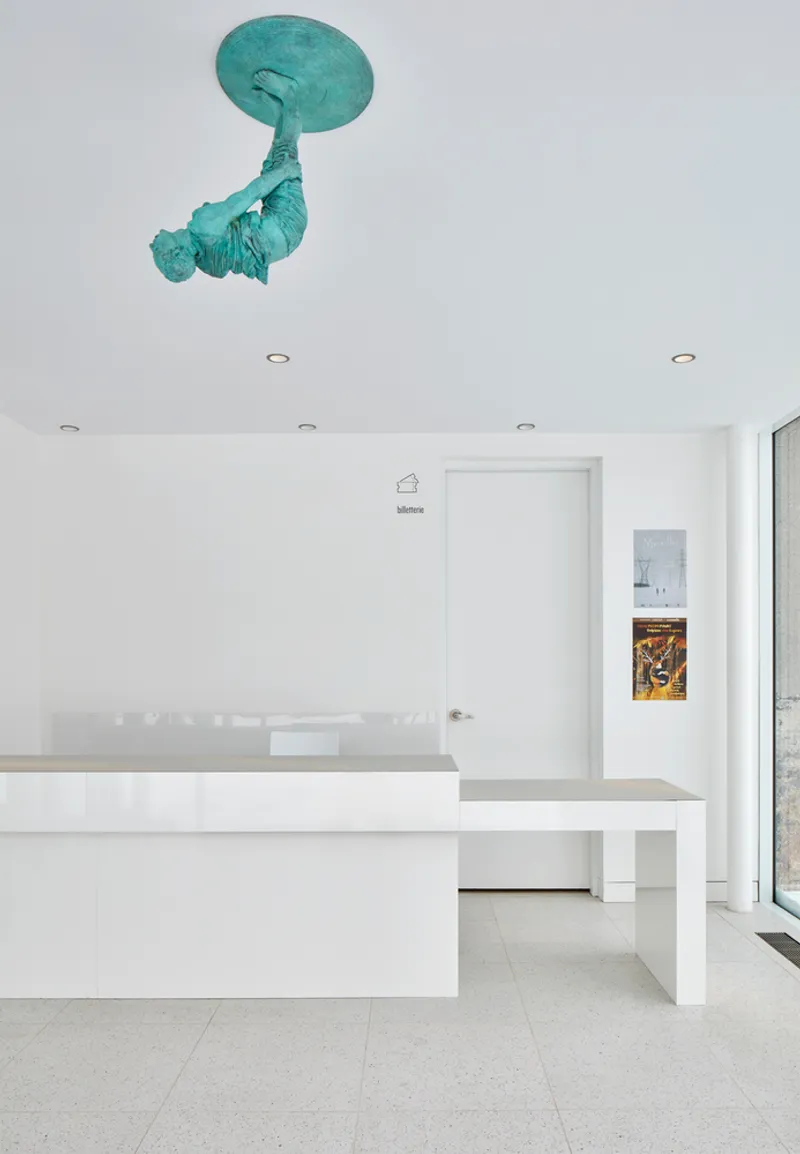
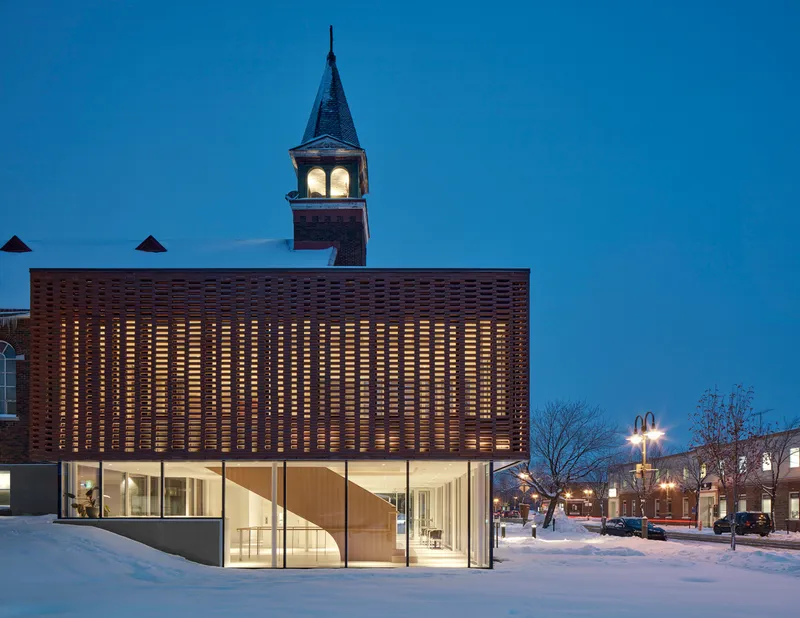
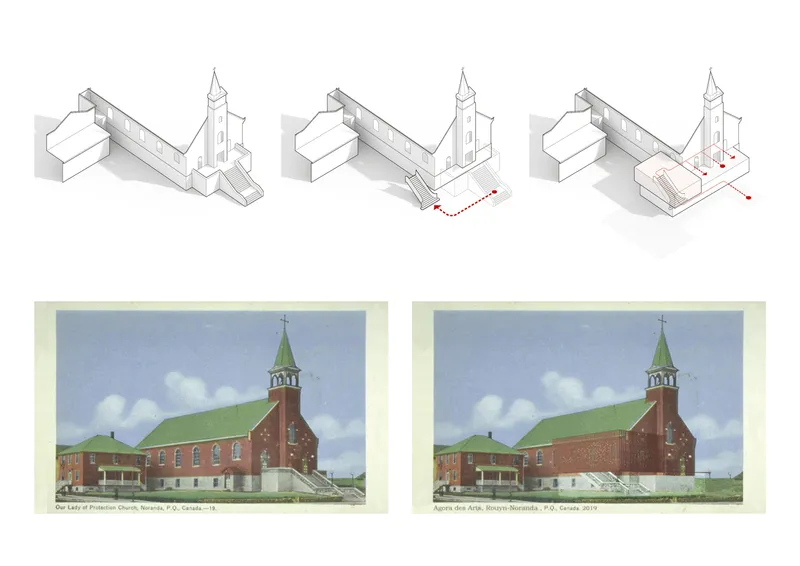
A key feature of the redesign is the symbolic staircase, repositioned laterally within the church to connect the foyer levels. This grand wooden staircase, visible through the expansive glass façade, pays homage to the polished wooden interiors of traditional churches while serving as an architectural bridge between past and present. As visitors ascend the staircase, they are led toward the auditorium, crossing from everyday life into the imaginative world of performance.
Materiality and Light
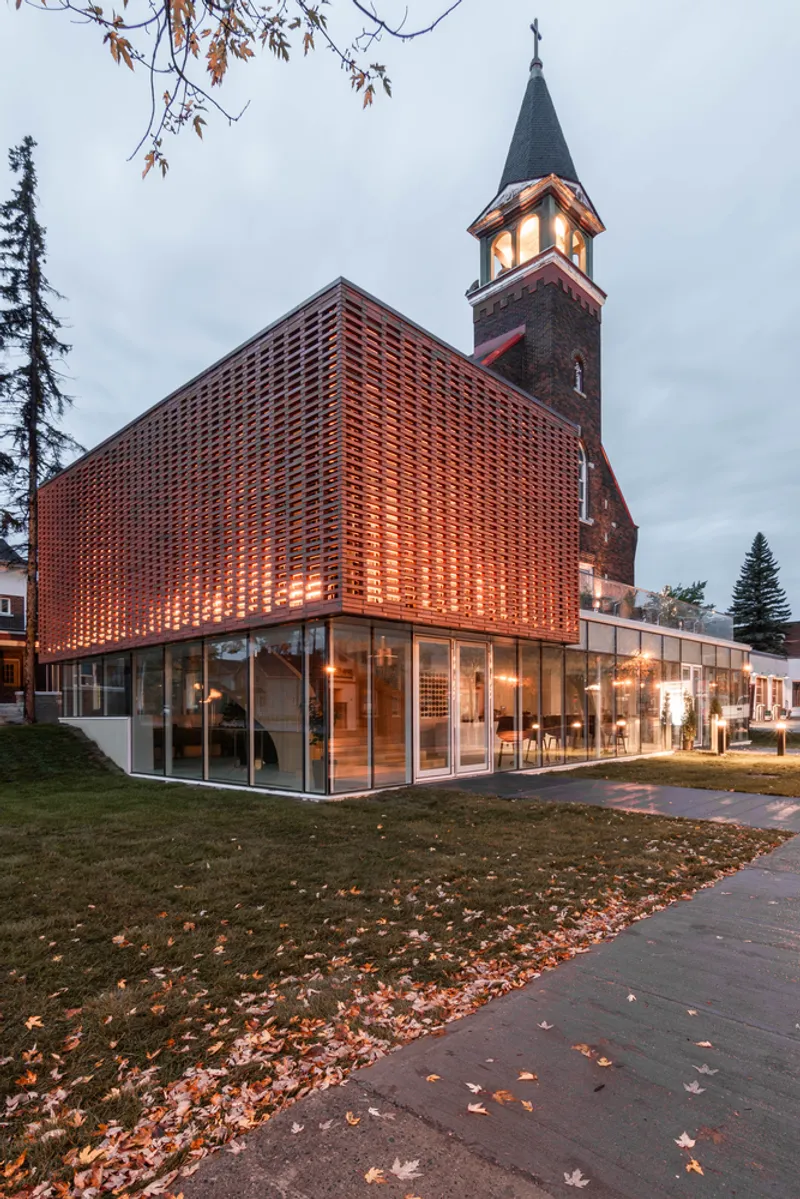
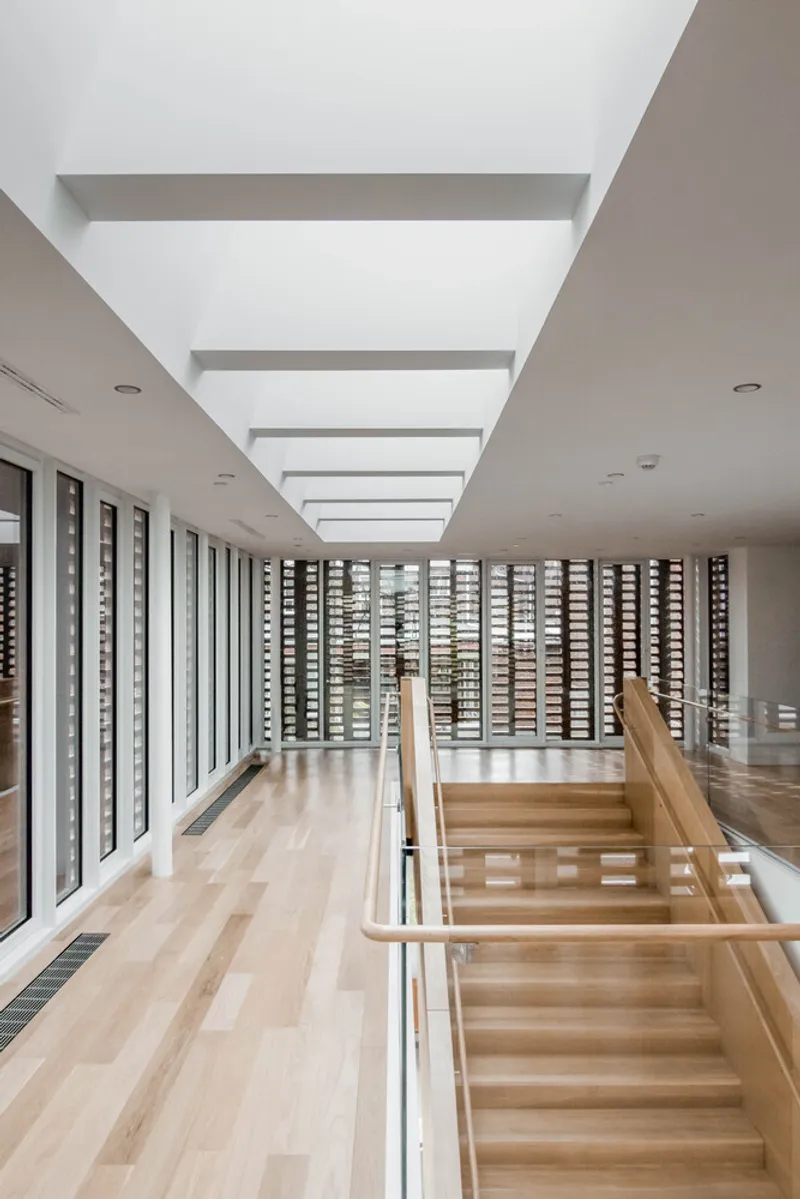
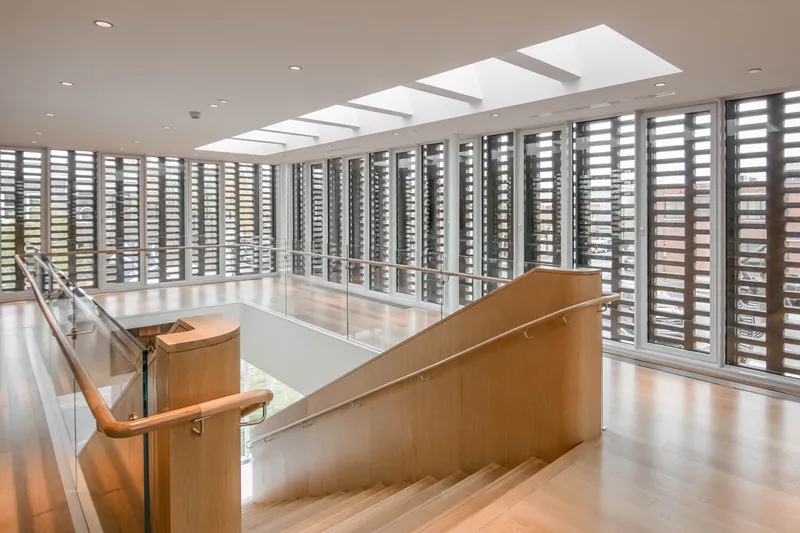
The architects introduced a suspended volume clad in a striking red brick lattice that contrasts beautifully with the transparency of the adjacent glass wall. This thoughtful material juxtaposition allows natural light to fill the interiors, creating a warm, luminous atmosphere that complements the building’s original design. The integration of light and material enriches the spatial experience, making the Agora des Arts both inviting and monumental.

Outdoor Gathering and Community Focus
The project includes a rooftop terrace that echoes the church’s original forecourt, offering a unique outdoor gathering space. This terrace extends the building’s function beyond the walls, inviting the community to engage with the space in new and meaningful ways. The Agora des Arts is more than a performance venue; it is a beacon of cultural exchange, artistic creation, and civic pride in the region.
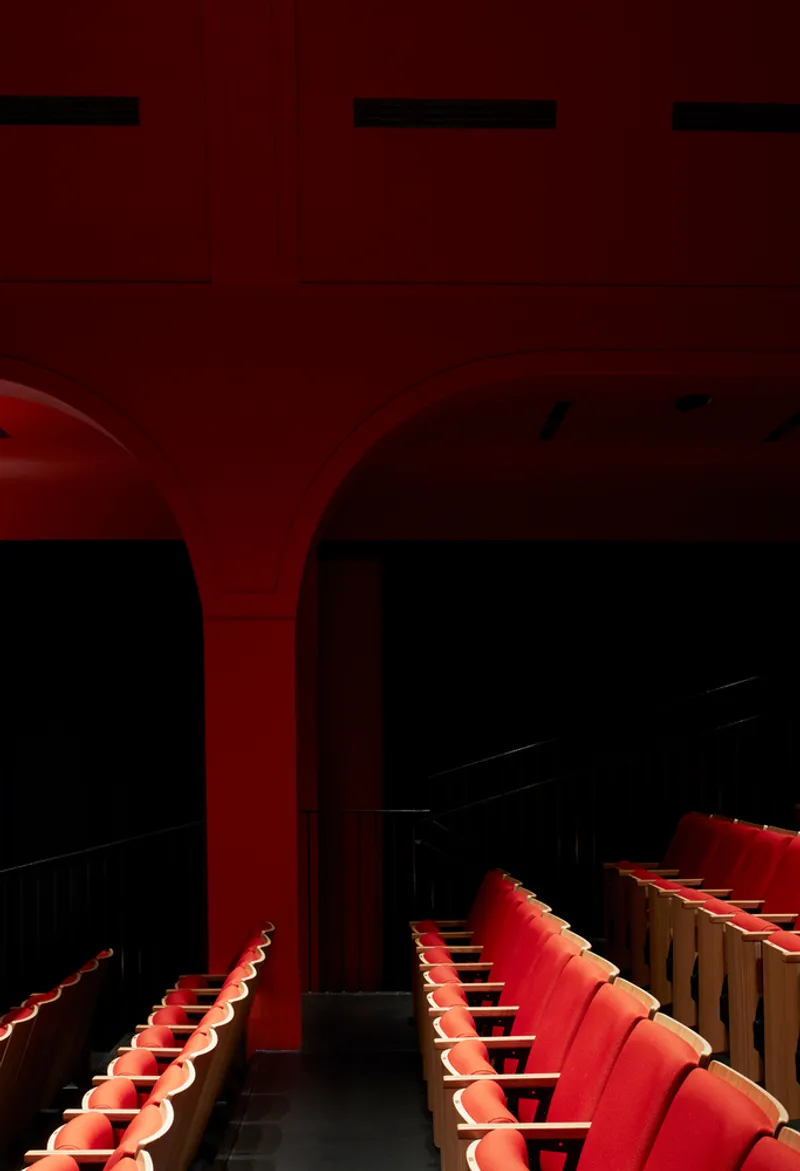


A Model of Adaptive Reuse Architecture
Agora des Arts by Chevalier Morales Architectes exemplifies the potential of adaptive reuse architecture to preserve historical significance while meeting contemporary needs. By merging heritage with innovation, the project reinforces the importance of cultural continuity, offering a space where past, present, and future coexist harmoniously. As a cornerstone of artistic expression and community life in Abitibi-Témiscamingue, the Agora des Arts stands as a model for transforming heritage sites into living, breathing cultural landmarks.


All the photographs are works of James Brittain




Popular Articles
Popular articles from the community


Conexión: Biophilic Design Reimagines High-Rise Living in Hong Kong
Conexión reimagines high-rise living in Hong Kong through biophilic design, green facades, shared spaces, daylight, water and nature within.

EW PARK: Sustainable Architecture Reimagines the Future of Urban Parking
EW PARK reimagines city parking as a modular wooden tower combining automation, solar energy, electric mobility, and adaptable urban design.

Hill & Cross Opera: Sculptural Opera House Architecture Shaped by Tallinn’s Landscape and Identity
Hill & Cross Opera reimagines opera house architecture in Tallinn through its sculptural hill, civic plaza, glass wave and a luminous cross.

AL-JANNAH: Sustainable Architecture and Permaculture for Afghan Widows
AL-JANNAH uses sustainable architecture and permaculture to create resilient oasis of housing, learning, work and renewal for Afghan widows.


Similar Reads
You might also enjoy these articles

FAMM Arquitectura Organizes Ten Villas Around Courtyards and Jungle in Nosara, Costa Rica
El Molino pairs two elongated volumes with deep overhangs and timber louvers to build a compact coastal community five minutes from the beach.
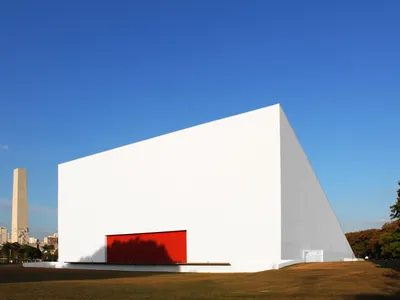
Oscar Niemeyer's Ibirapuera Park Pavilions Define São Paulo's Cultural Identity in Concrete and Curve
A constellation of modernist volumes set within São Paulo's most important urban park, conceived for the city's 400th anniversary in 1954.
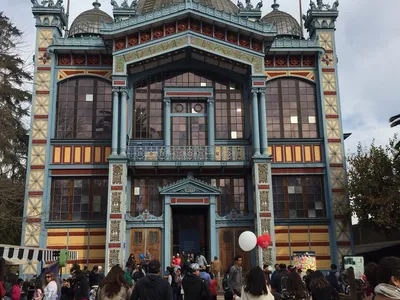
How Henri Picq's 1889 Paris Pavilion Traveled 11,000 Kilometers to Become Santiago's Artequín Museum
A prefabricated iron and glass pavilion built for the Paris Universal Exposition found a second life as a children's art museum in Chile.
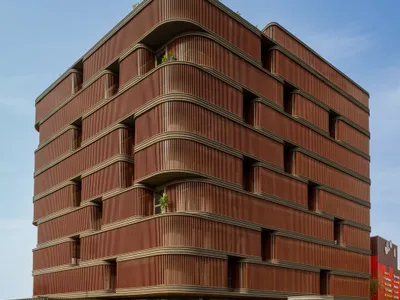
Sanjay Puri Architects Wraps a Jaipur Office Tower in Capsule-Shaped Green Buffers
A nine-level climate-responsive workplace near Jaipur Airport uses stacked planter terraces and aluminium screens to fight 40°C heat.


Explore Architecture Competitions
Discover active competitions in this discipline



Challenge to reimagine the Iron Throne


Photograph architecture without architects


Illustrate the lost glory of Angkor Wat - Render Challenge


Design challenge to reuse E-waste
Comments (0)
Please login or sign up to add comments
No comments yet. Be the first to comment!