
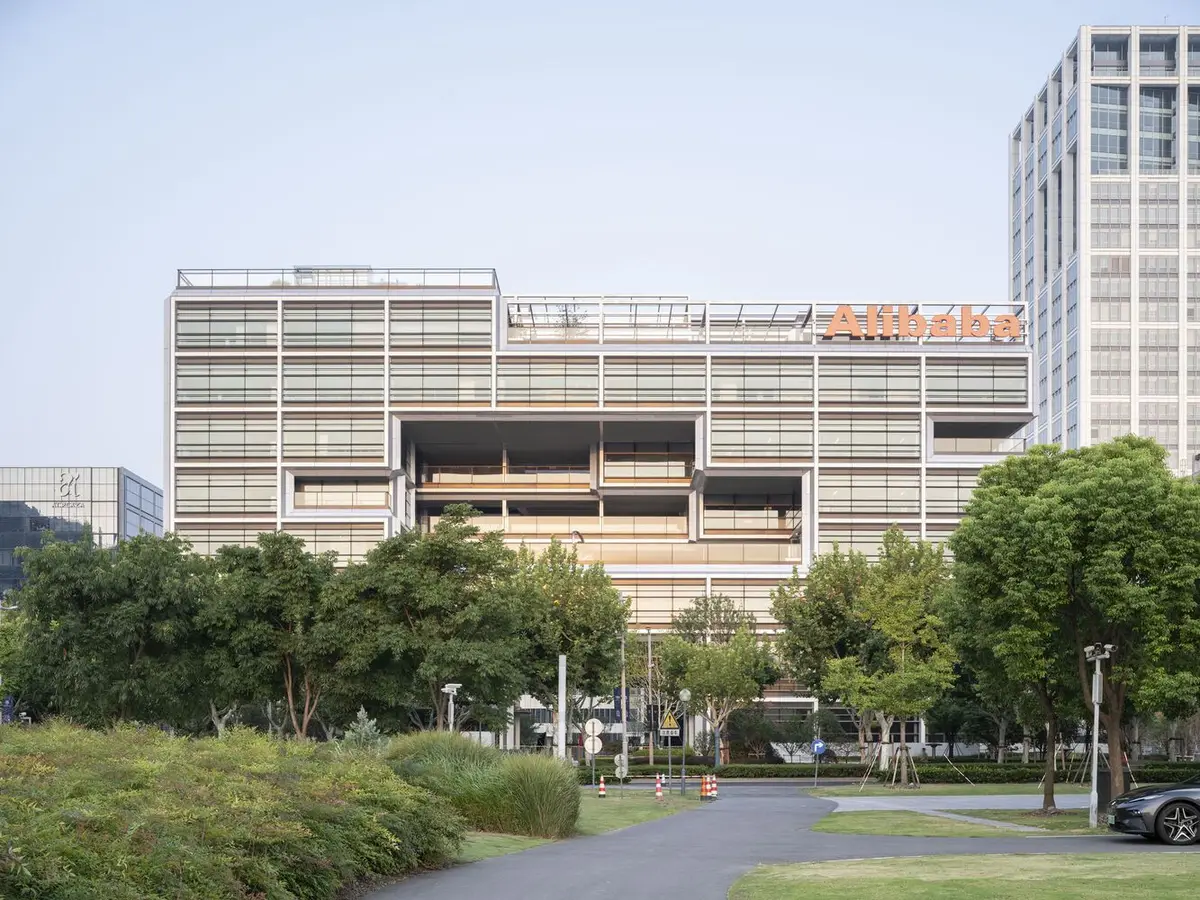
Alibaba Shanghai Campus by Foster + Partners: A New Paradigm in Workplace Architecture
Alibaba Shanghai Campus by Foster + Partners redefines office design with transparency, collaborative spaces, green terraces, natural ventilation, and biophilic, innovative architecture.


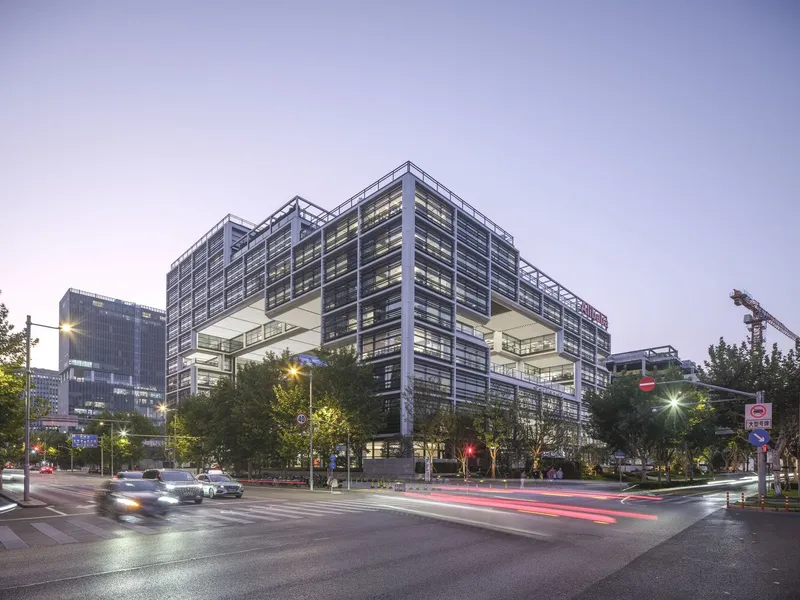
Located in Shanghai’s vibrant Xuhui Riverside district, the Alibaba Shanghai Campus represents a groundbreaking approach to modern office design. Completed in 2024 by the world-renowned Foster + Partners, the project redefines traditional corporate workspaces by seamlessly integrating public space, transparency, and biophilic design. Despite global construction challenges during the Covid-19 pandemic, the campus was delivered ahead of schedule, reflecting both meticulous planning and innovative architectural strategies.
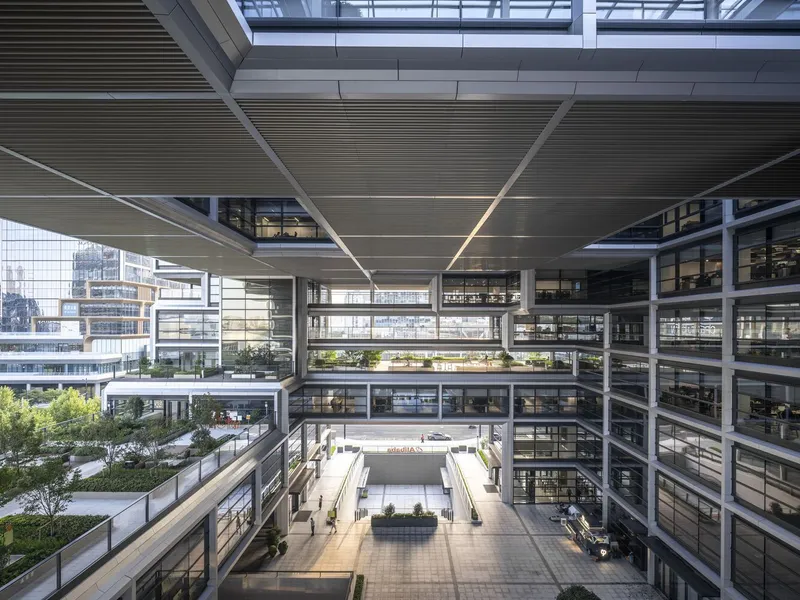
A Collaborative and Transparent Workplace
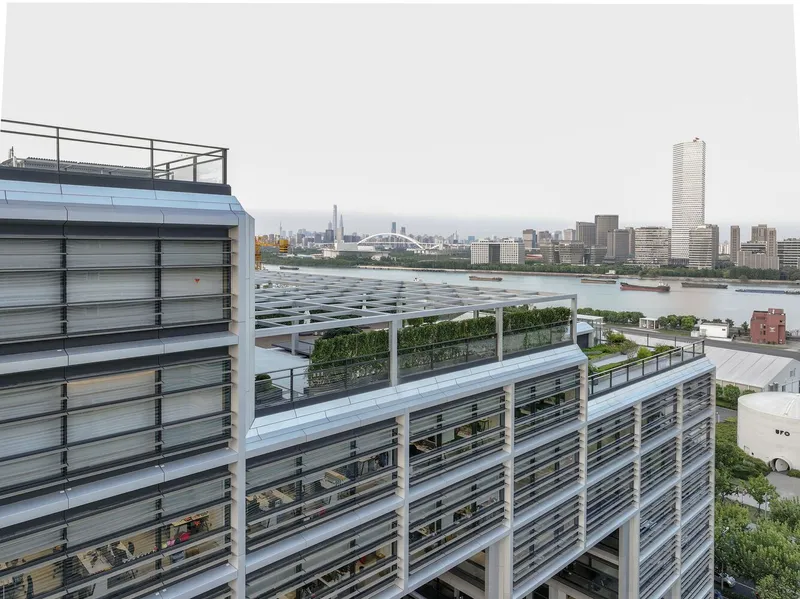
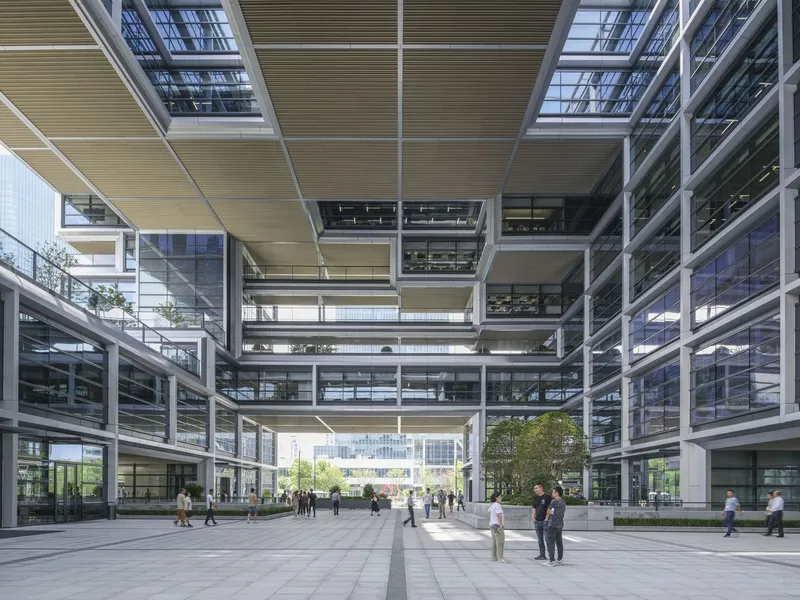
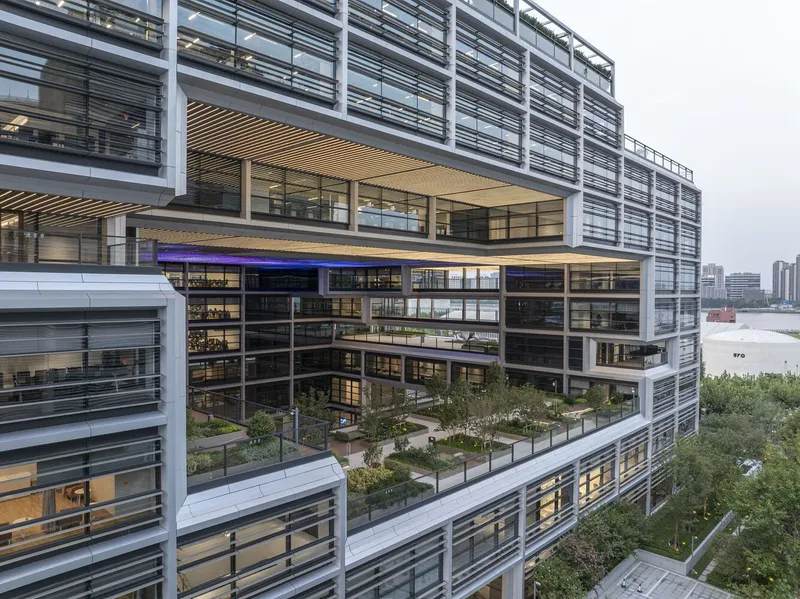
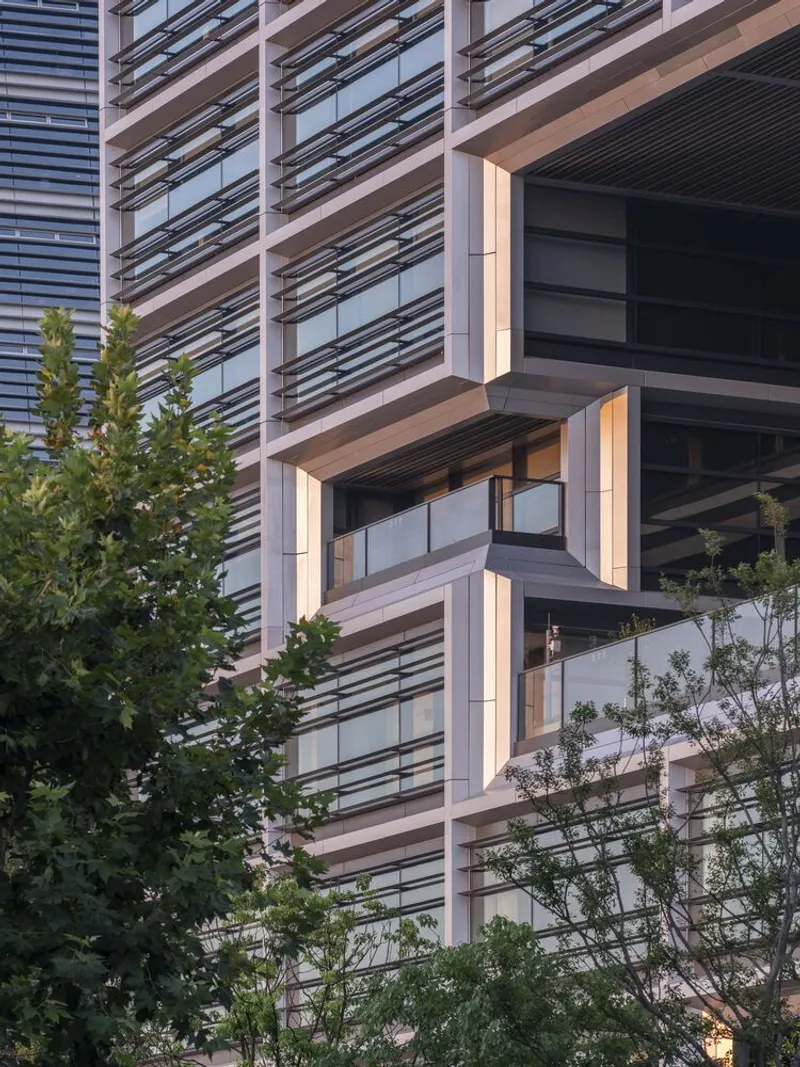
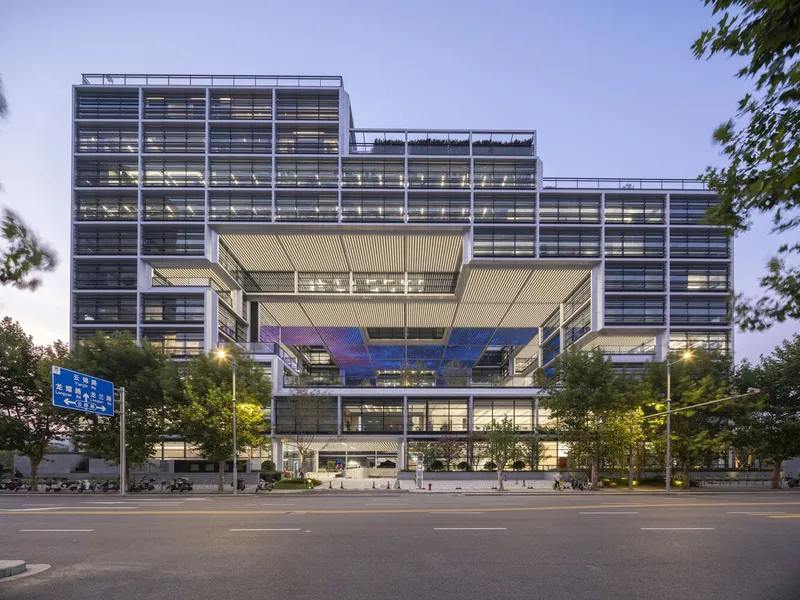
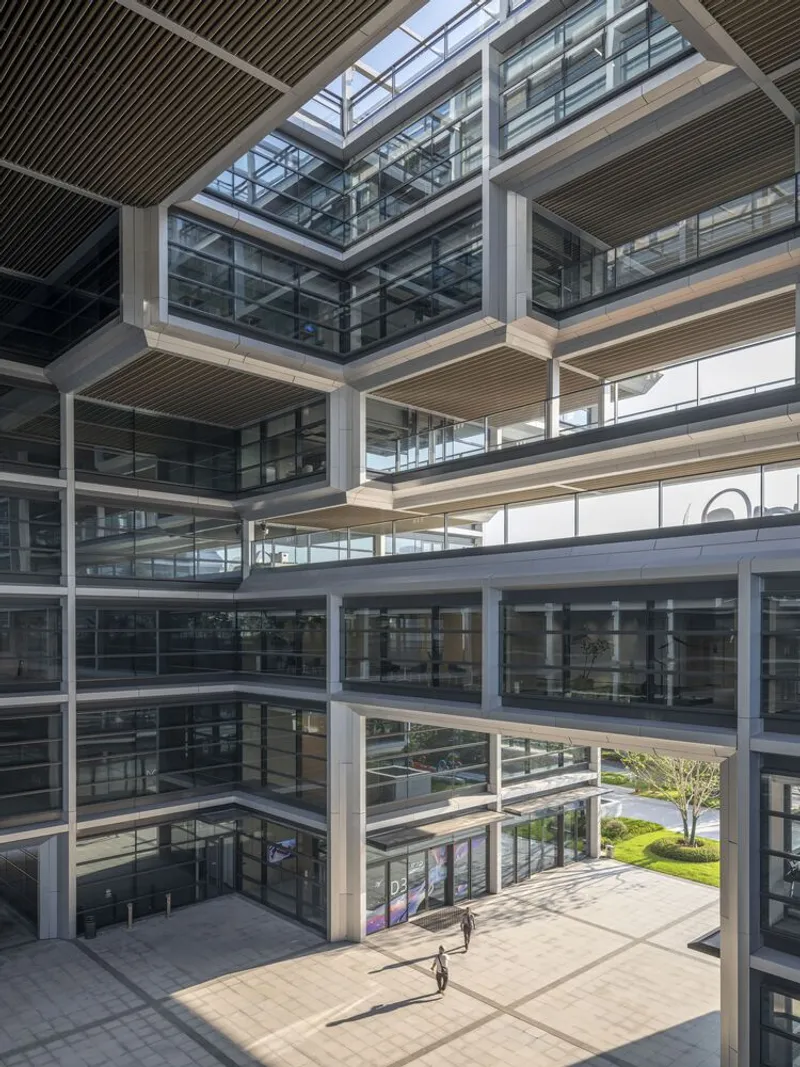
At the heart of the campus lies a central public urban room, serving as the social and collaborative nucleus of the building. This expansive space encourages interaction, creativity, and a sense of community among employees while maintaining clear visual connections between inside and outside. Strategically positioned terraces overlook the central hub, allowing visitors and staff to engage with the building’s dynamic atmosphere. The transparent facade design offers glimpses into Alibaba’s internal operations while preserving panoramic views of the Huangpu River and Pudong CBD, reinforcing the company’s commitment to openness and connectivity.
Nature-Integrated Design for Health and Wellbeing
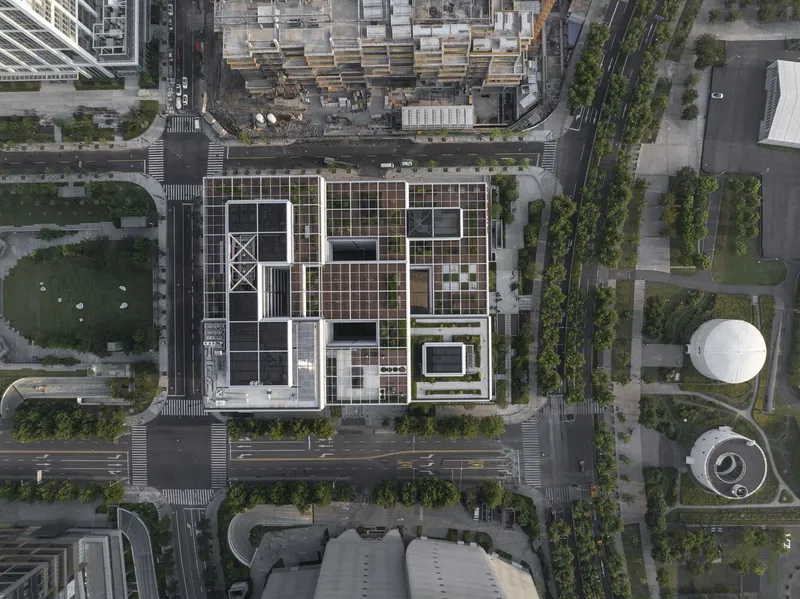
Health, wellbeing, and environmental responsiveness are central to the campus design. Green terraces, operable windows, and natural ventilation systems ensure a healthy, productive work environment. Foster + Partners maximized outdoor areas to encourage social interaction, relaxation, and connection with nature, emphasizing the importance of biophilic office design in fostering employee satisfaction and creativity.
Innovation Through Advanced Design Technology
To optimize the building’s performance and spatial efficiency, Foster + Partners employed a genetic algorithm, tailored to Alibaba’s functional requirements and ethos of collective success. This advanced computational design tool enabled rapid evaluation of thousands of massing options, ensuring optimal natural lighting, external views, and flexible floorplates. Variations in floor layouts enhance adaptability for diverse team structures, creating a workspace that evolves with the company’s changing needs.
Luke Fox, Head of Studio at Foster + Partners, emphasized: "Our design prioritizes collaboration and transparency. By creating a public space at the core, we encourage observation, interaction, and a sense of community, connecting employees to the life of the building and the surrounding city."
Jeremy Kim, Partner at Foster + Partners, added: "The innovative process reflects Alibaba’s culture of collective success. The campus is designed to support collaboration, wellbeing, and innovation for generations to come."
A Landmark for Future Workplace Design
The Alibaba Shanghai Campus is not just an office; it is a landmark of modern corporate architecture, embodying principles of sustainability, innovation, and human-centered design. By prioritizing natural light, outdoor connectivity, and collaborative spaces, Foster + Partners has created a model for future workplace environments that merge productivity, community, and environmental stewardship.
All photographs are works of
Fangfang Tian


Popular Articles
Popular articles from the community


Aquadapt: An Underwater Habitat That Rewrites Its Rooms by the Hour
Curved modules ring the seabed while one shell shifts from breakfast room to cinema, farm and football pitch as residents' needs change.

Singing Woman: An Opera House That Performs Before the Curtain Rises
Ovidiu Cristian Pavel's conceptual opera house translates Estonia's choral identity into a sculpted waterfront landmark facing the Baltic Sea.

Opera on the Sea: Driftwood Logic Shapes a Timber Opera House on Estonia's Coast
Trevor Orgill's opera house translates the entangled drift of floating timber into a civic building where wood, water, and music converge.


David Ortega Stacks a Two-Story Mexico City Penthouse Around a Steel Stair and a Pergola-Shaded Roof Terrace
In Colonia Roma, a 300 m² penthouse uses oak joinery, a planted steel stair and a slatted roof pergola to make a new-build apartment feel like a house.

Similar Reads
You might also enjoy these articles


Hodi-Mandai Geram
Project Function: Preservation and revitalization of the Intangible heritage and socio-spatial identity of the Hodi by Housing, Cultural Memory Center, Sacred Grove, landscape, local tourism economy


Olio Towers: A Mid-Rise for Performers That Fuses Housing, Rehearsal, and Stage
Located blocks from Houston's Theater District, this modular tower stacks living units around a central performance atrium.

Oasis: Modular Green Housing Carved into Dhaka's Urban Fabric
A shortlisted Plugin Housing entry reclaims unauthorized settlements in Dhaka with stepped concrete volumes, green roofs, and ventilation-driven design.

Black Hole: A Floating Megastructure for the Post-Physical Era
Emiliano Mazzarotto envisions a spherical, self-scaling arena where e-sports, digital hotels, and holographic stadiums replace traditional public space.

Explore Office Building Competitions
Discover active competitions in this discipline

Challenge to reimagine the Iron Throne

Photograph architecture without architects

Illustrate the lost glory of Angkor Wat - Render Challenge

Design challenge to reuse E-waste
Comments (0)
Please login or sign up to add comments
No comments yet. Be the first to comment!