
Architectural Retail Design: Unveiling Jisifang Boutique & Woven Moonlight by Neri&Hu
Explore Jisifang Boutique & Woven Moonlight, where Neri&Hu's architectural retail design merges nature with commercial space in Qingpu District, China.


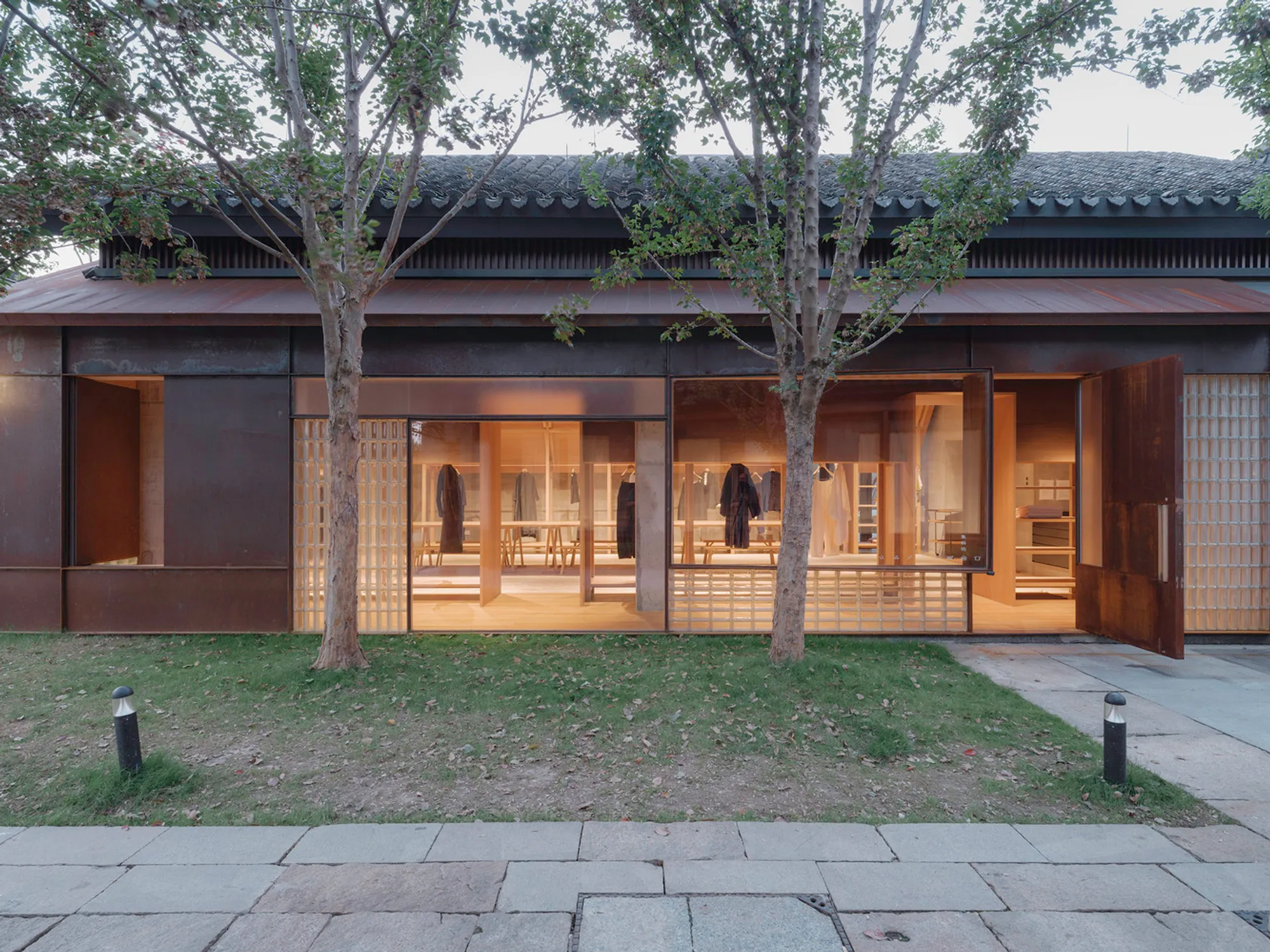
Nestled in the bustling Qingpu District of China, the Jisifang Boutique and its sister store Woven Moonlight stand as exemplars of architectural retail design. These spaces, crafted by the renowned Neri&Hu Design and Research Office, blend sophisticated architecture with retail functionality to create immersive shopping experiences.
Design Philosophy Behind Jisifang & Woven Moonlight
Conceptual Underpinnings
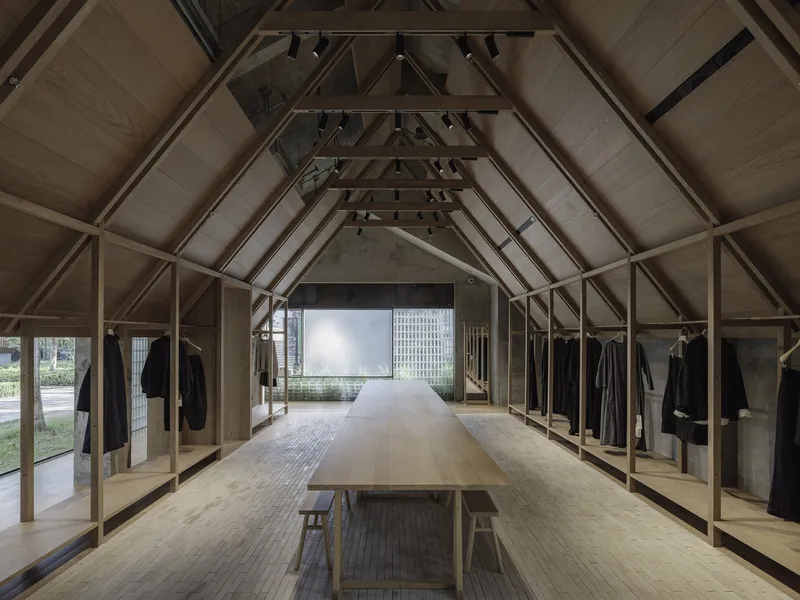
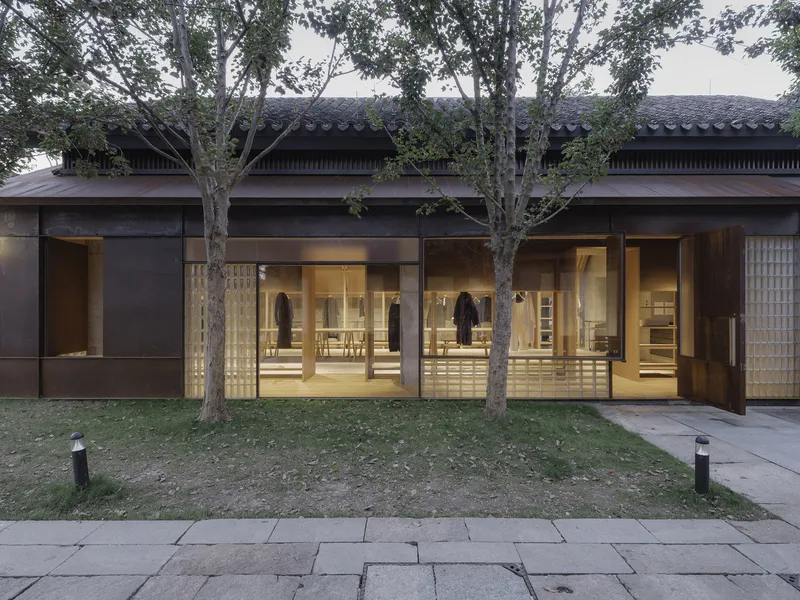
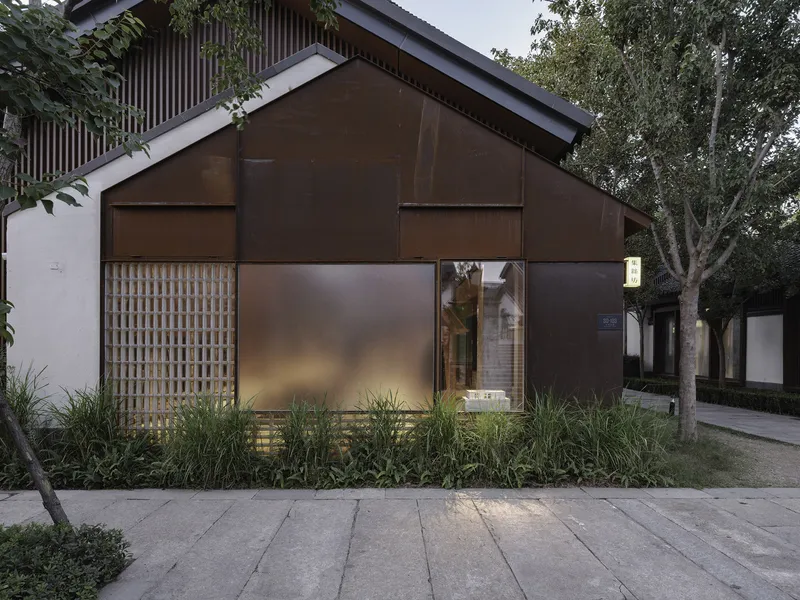
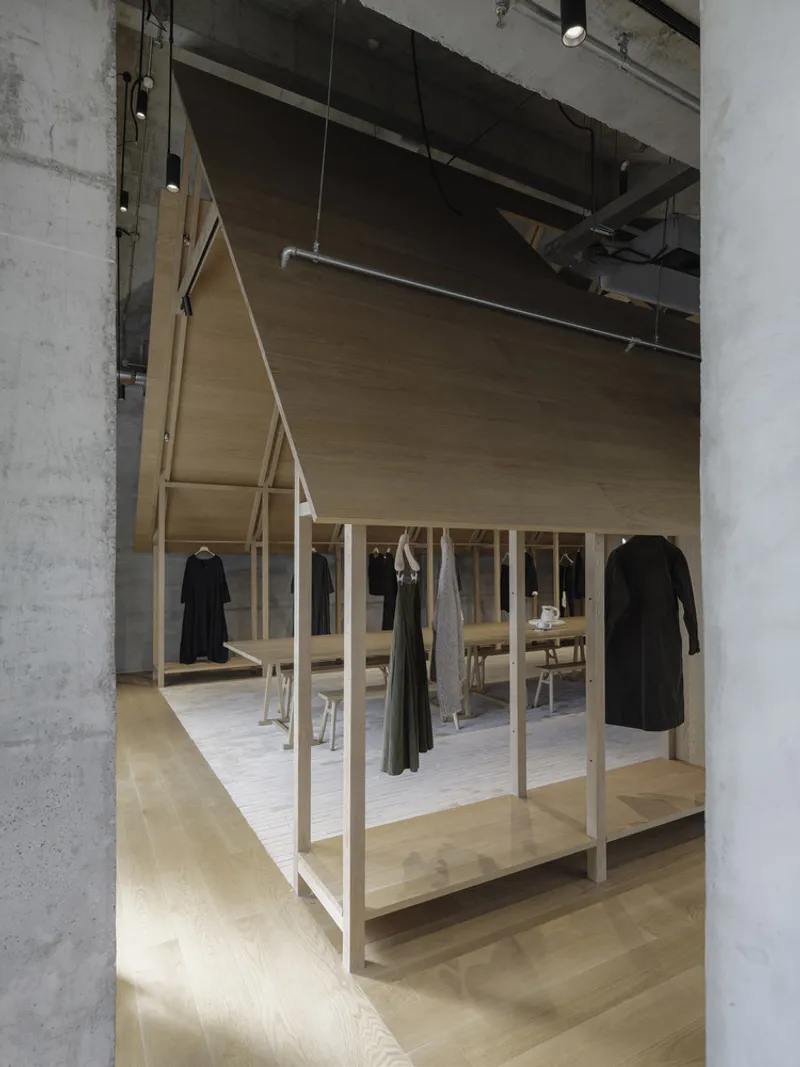
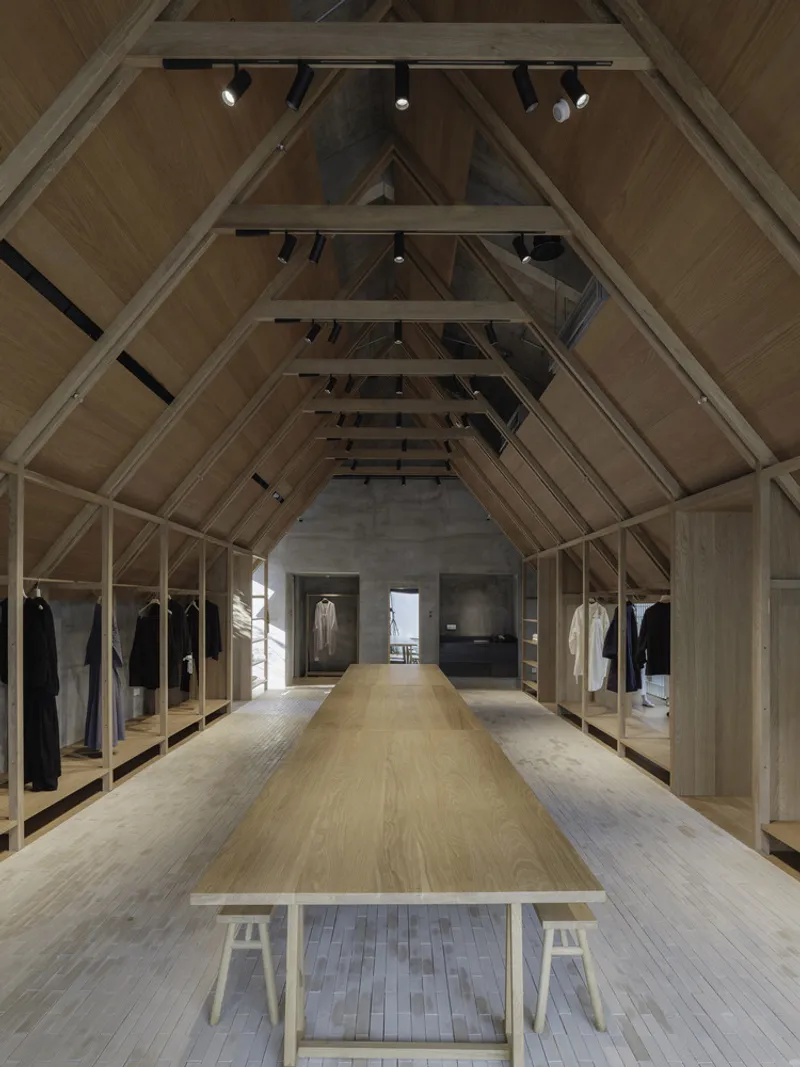
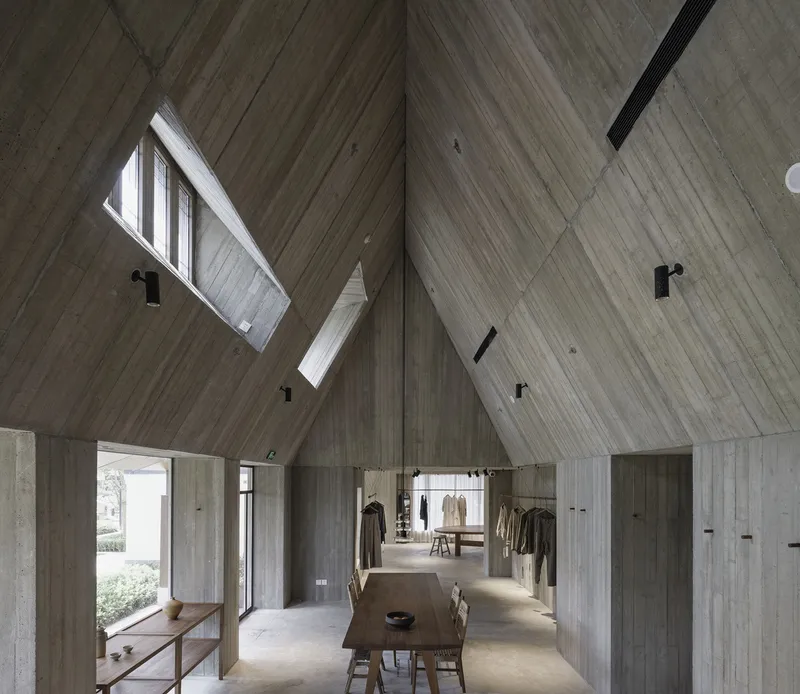
The design of Jisifang Boutique is inspired by the concept of Laugier’s "Primitive Hut," which represents the essence of architectural form and its intrinsic connection to nature. This philosophy resonates through the use of natural materials and the creation of a space that not only serves as a retail environment but also as a sanctuary of tranquility and natural integration.
Woven Moonlight: A Contrast in Form and Material
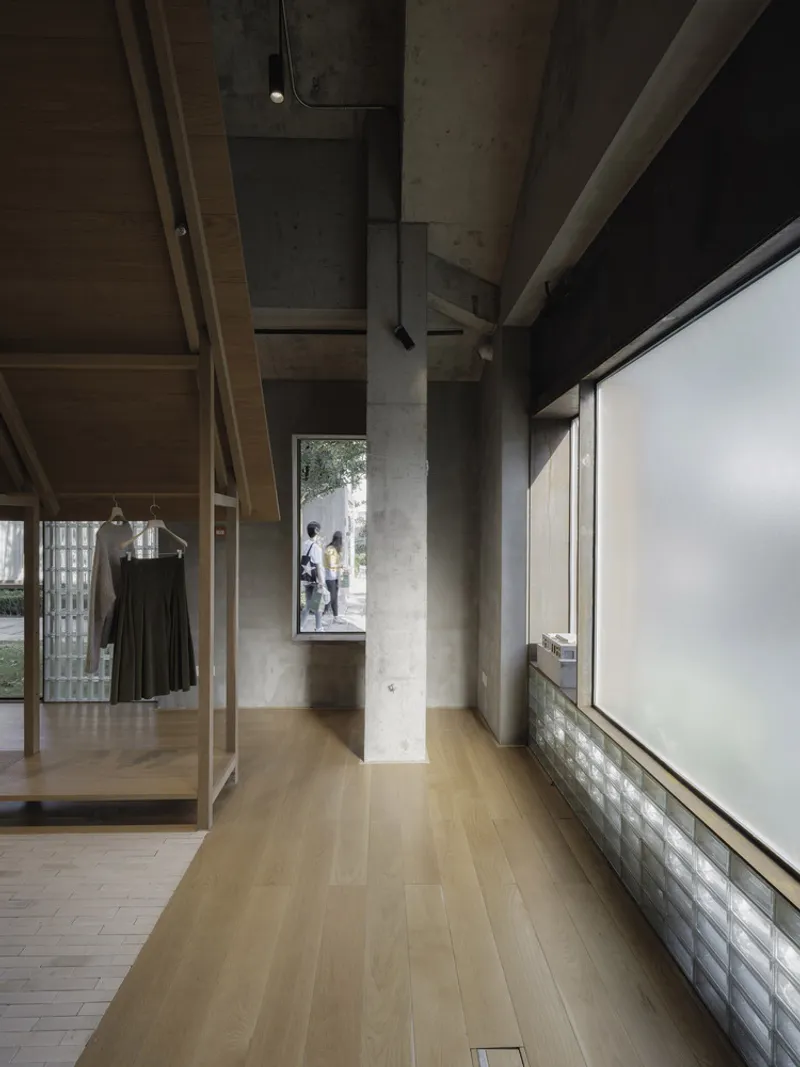
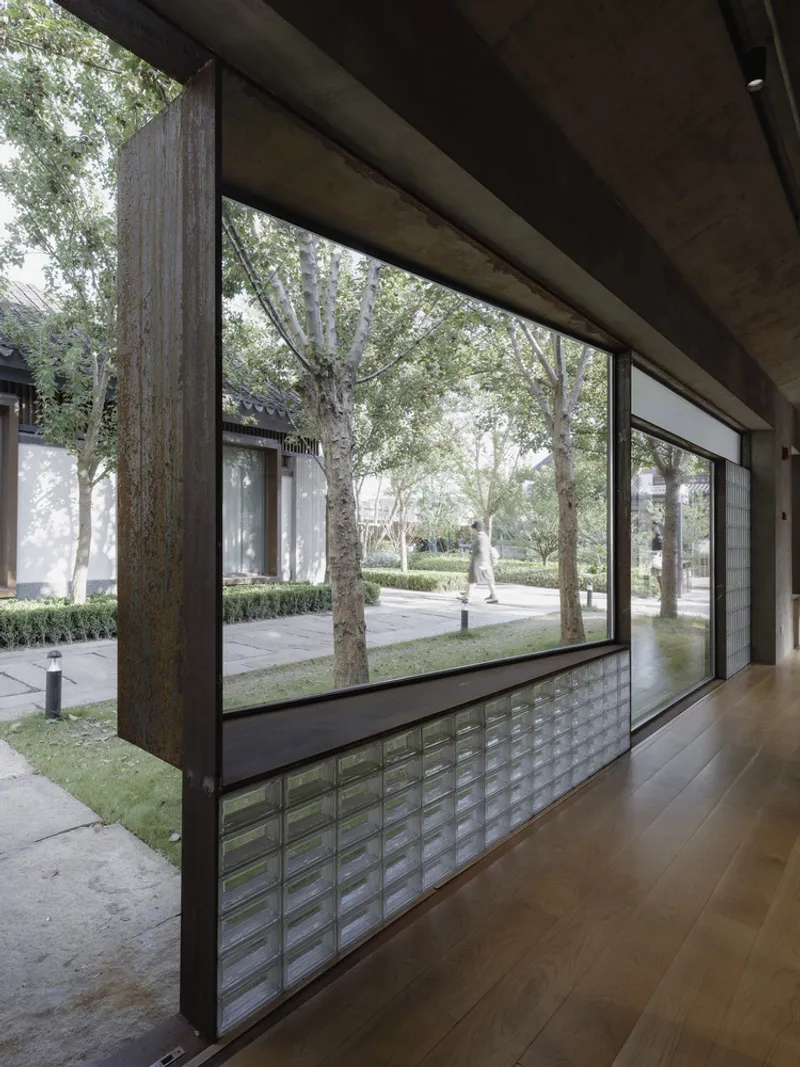
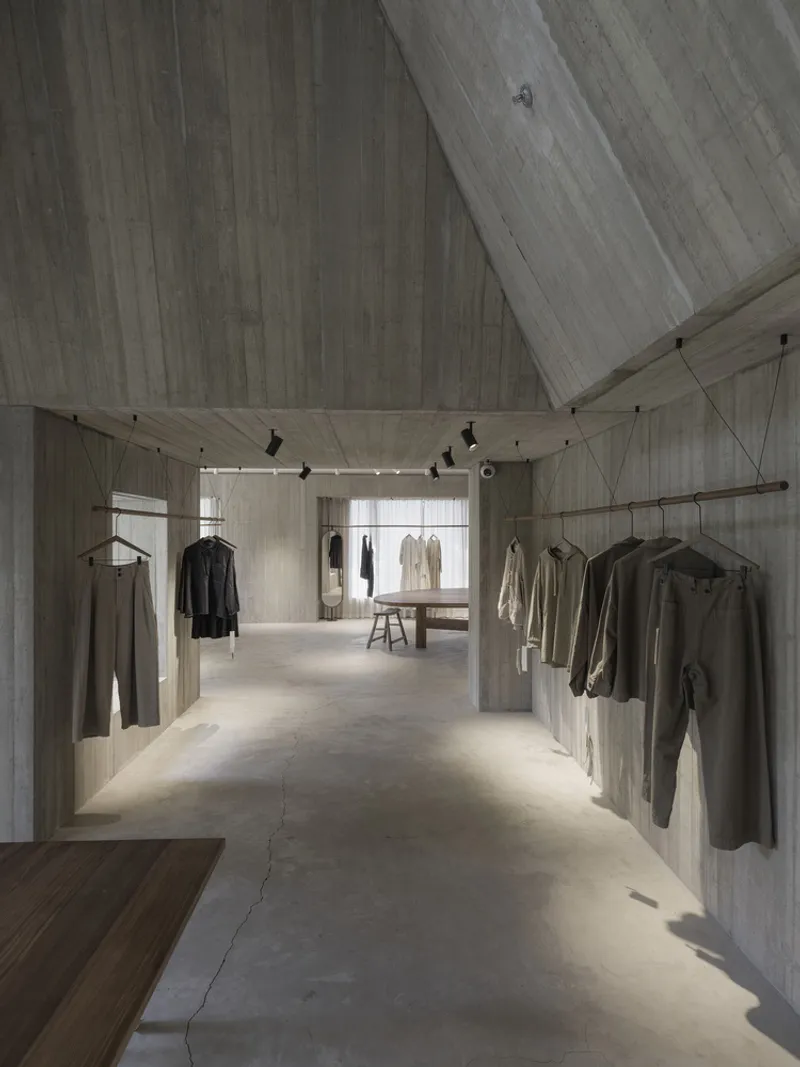
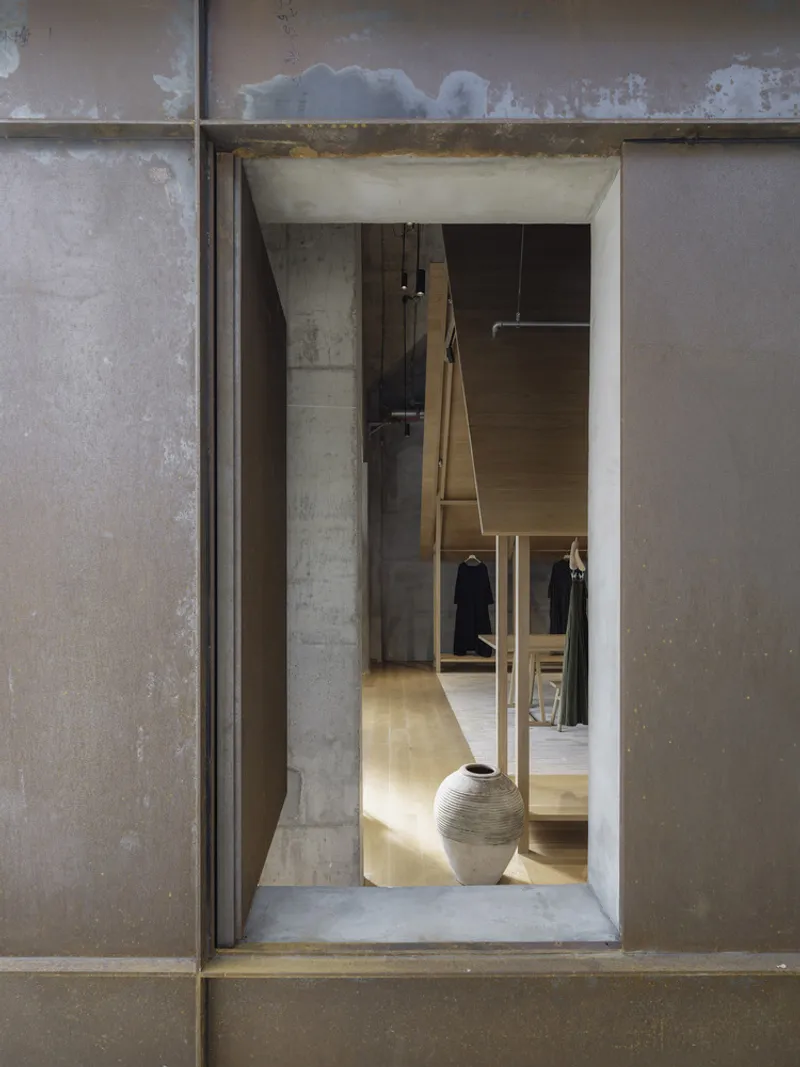
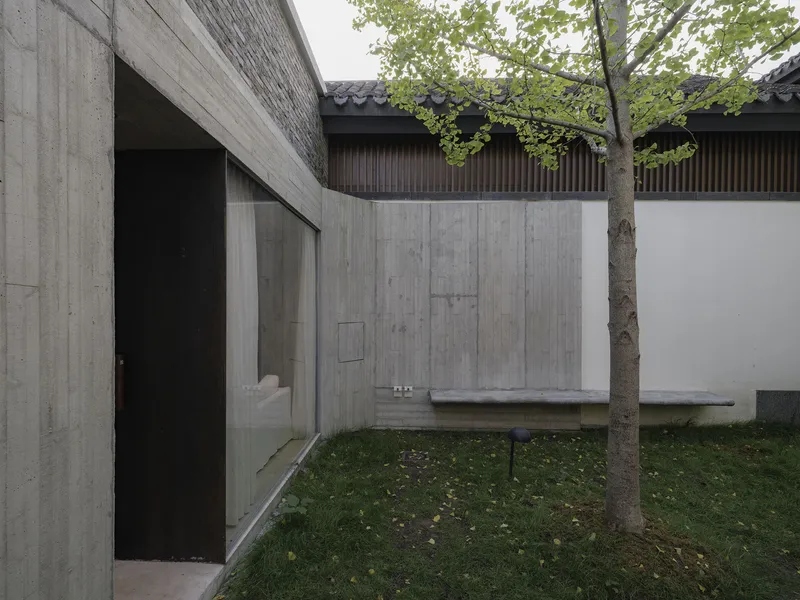
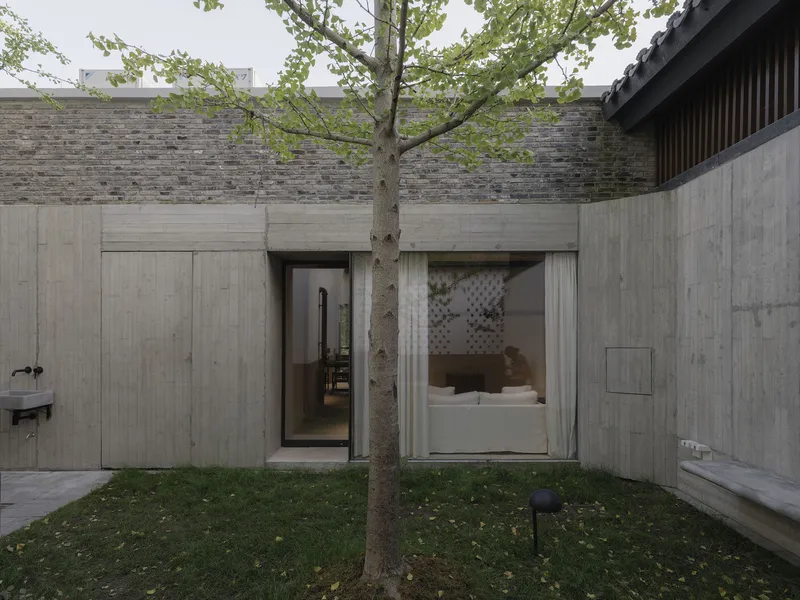
In contrast, Woven Moonlight adopts a more introspective and enclosed form, reminiscent of a cave. This space utilizes concrete and wood-textured walls to create a sheltered ambiance that focuses on interiority and contemplation, providing a stark yet harmonious contrast to the wooden structure of Jisifang.
Key Features of the Stores
Jisifang Boutique: Blending Functionality and Aesthetics
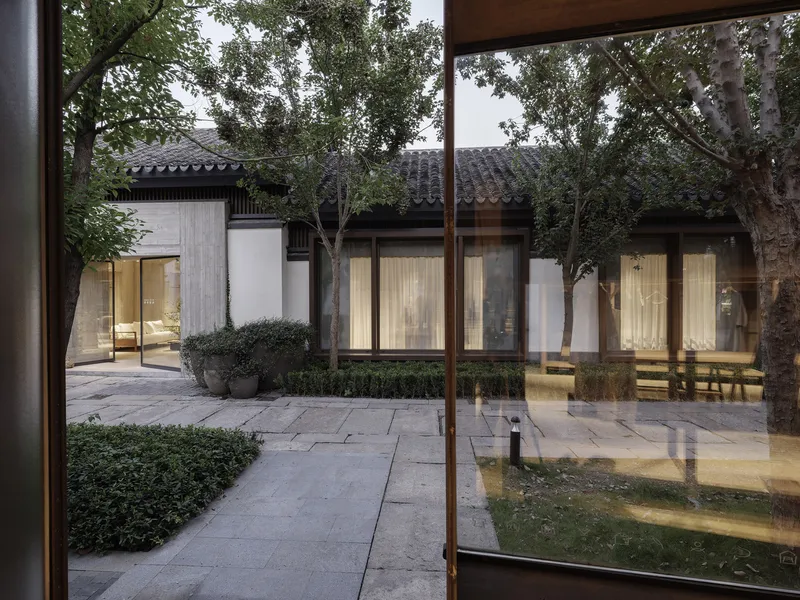
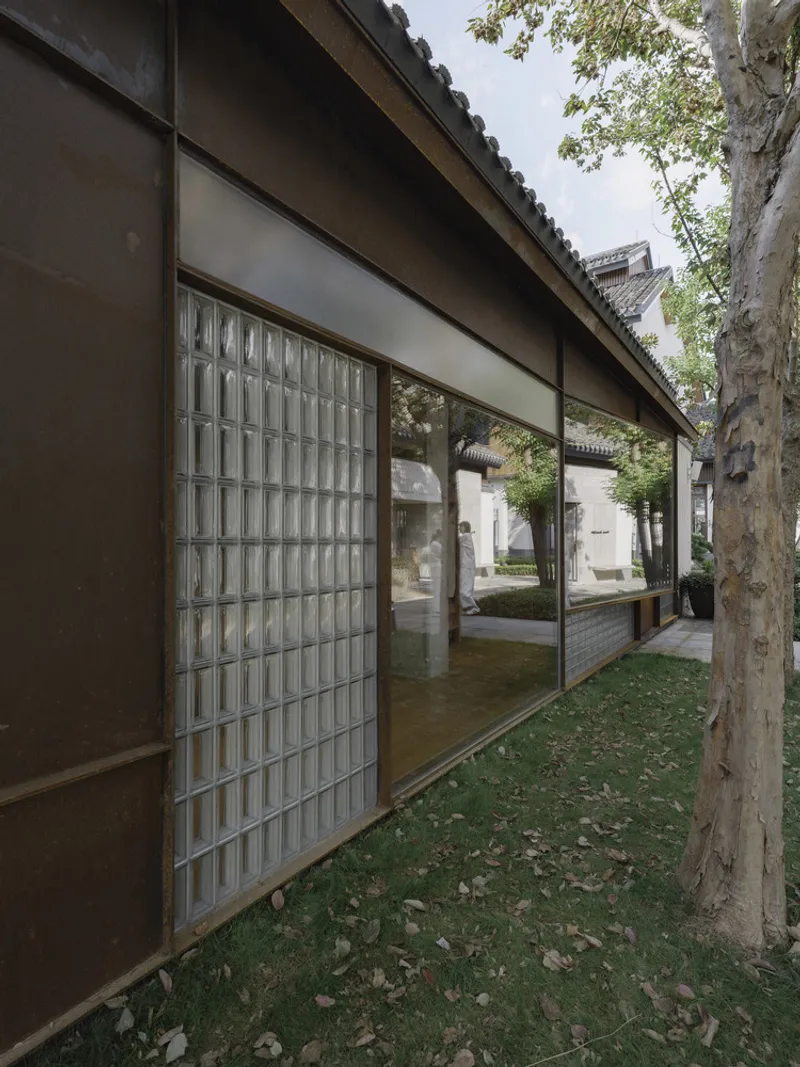
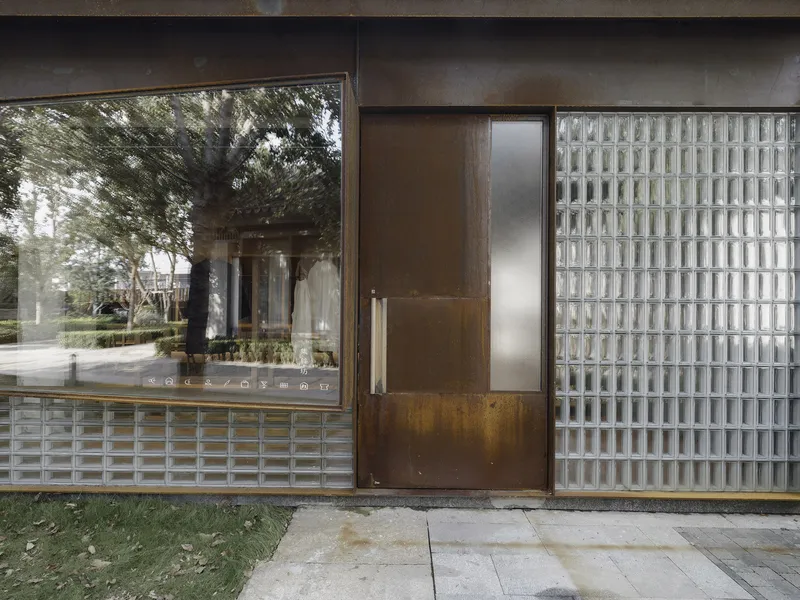
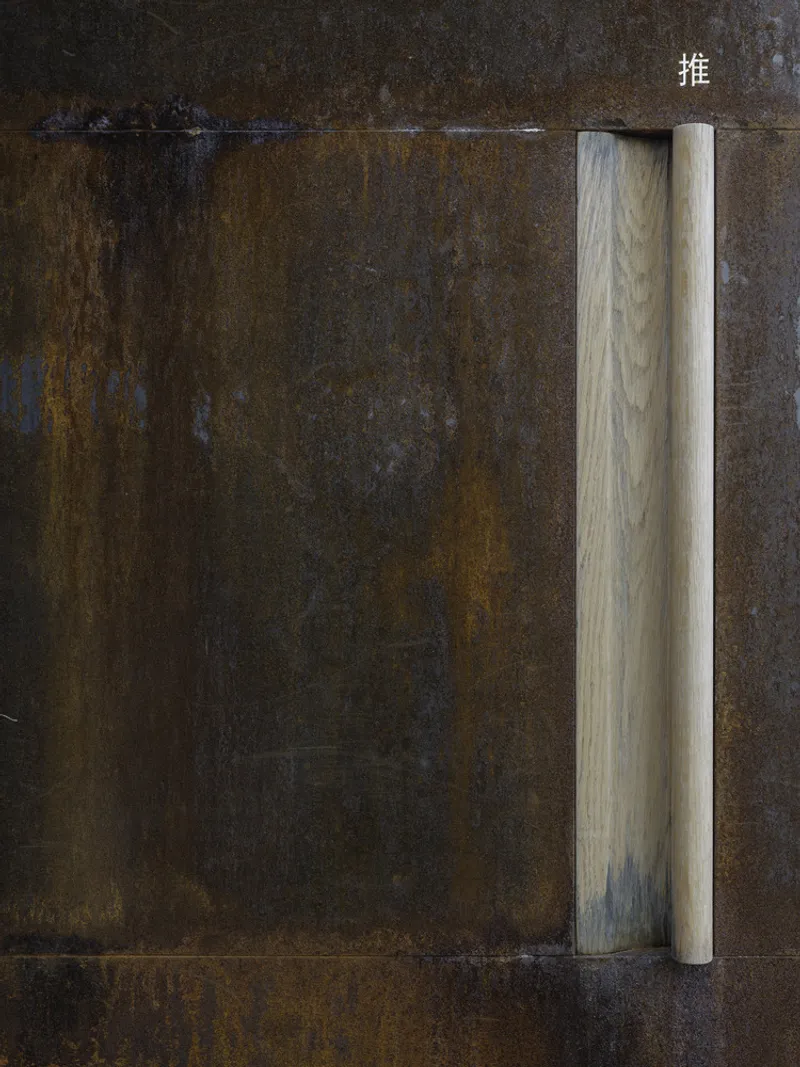
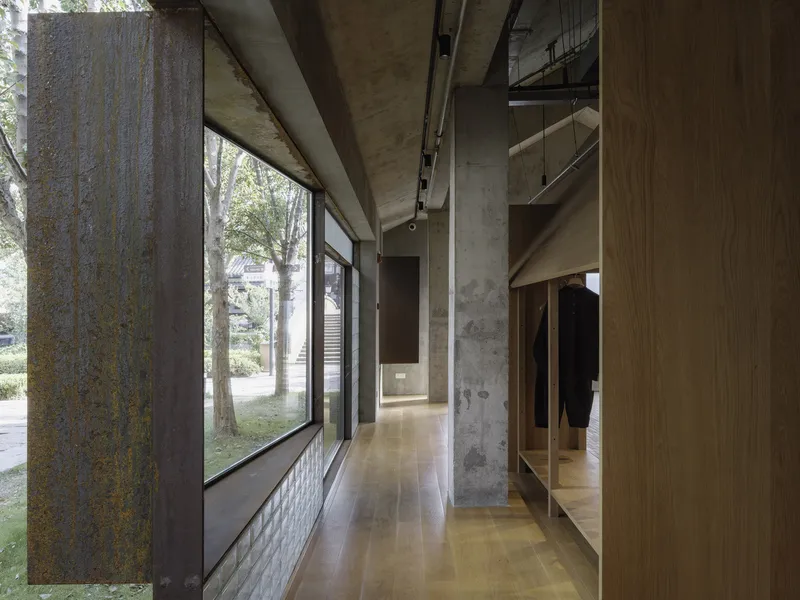
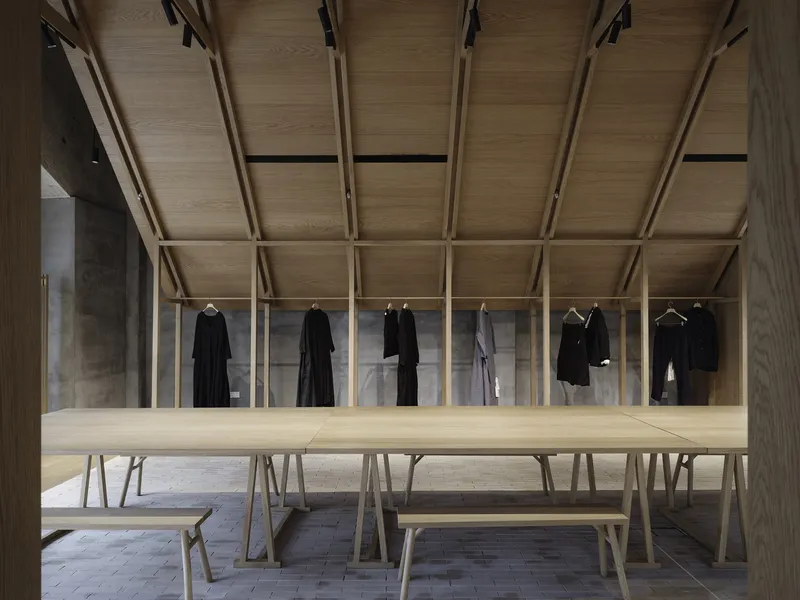
The Jisifang Boutique features a wooden structure that houses the retail functions and supports the thematic narrative of nature’s embrace. The sloping roof and the strategic placement of windows enhance the spatial quality, allowing light to cascade through and create dynamic shadow plays across the linen products.
Woven Moonlight: Crafting a Cave-Like Experience
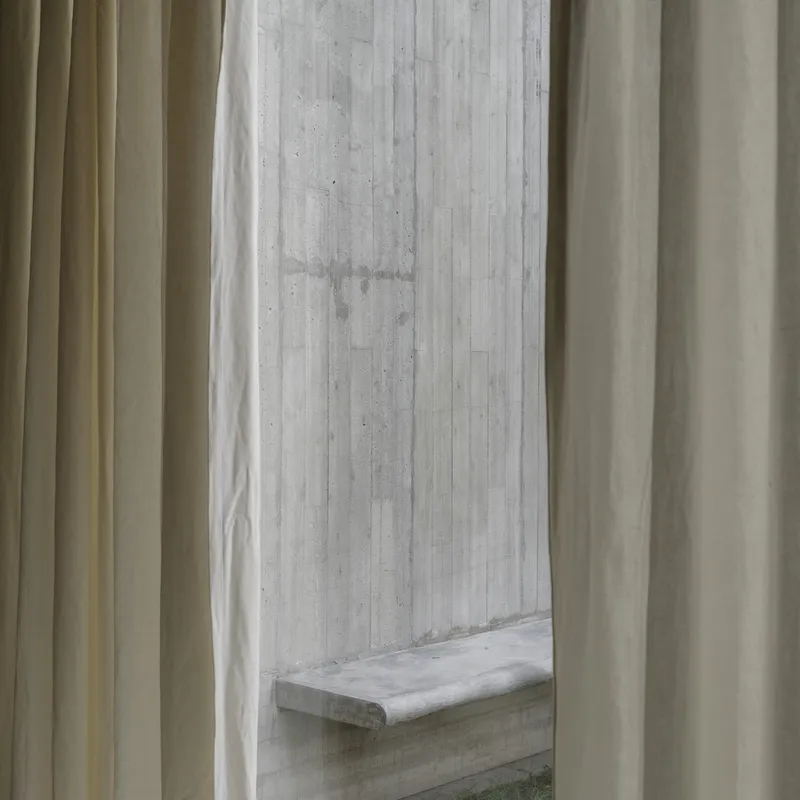
Woven Moonlight’s interior is characterized by its cave-like aesthetics, where niches carved into concrete walls serve both as display areas and intimate spaces for visitors. The use of linen curtains and walnut cabinetry adds layers of texture and warmth, inviting deeper exploration and engagement from visitors.
Impact on Consumer Experience
Enhancing the Shopping Experience
Both stores are designed not just to sell products but to offer unique experiences that elevate customer interaction with the space and merchandise. The architectural elements from natural materiality to the play of light and shadow are thoughtfully integrated to enhance the consumer journey, making every visit memorable.
Creating a Connection to Nature
The architectural retail design of both Jisifang and Woven Moonlight seeks to transcend the typical boundaries of urban retail by fostering a connection to nature. This approach not only differentiates the stores within a competitive retail market but also aligns with broader trends towards sustainability and environmental consciousness in architecture.
The Future of Retail Architecture
Jisifang Boutique and Woven Moonlight by Neri&Hu represent the pinnacle of architectural retail design, where architecture transcends its traditional role and becomes a catalyst for brand identity and consumer engagement. As retail continues to evolve, the integration of architectural excellence and retail functionality will likely become more prevalent, offering new ways for brands to connect with their audiences in meaningful and sustainable ways.
All the photographs are work of Pedro Pegenaute




Popular Articles
Popular articles from the community


Co-life: Sustainable Architecture for Age-Friendly Community Living
Co-life reimagines sustainable architecture for seniors through courtyards, rammed earth, shared gardens, and spaces designed for belonging.

The Musturak Paradise: Senior Living Architecture for a Connected Future in Temara, Morocco
The Musturak Paradise reimagines senior living architecture in Temara via private homes, social spaces, culture, community, and shared care.

Play: Fragments of Their World
Familiar architecture becomes modular playground design, creating safe spaces where displaced children can learn, connect, imagine and play.

The Ocean Hive: Sustainable Architecture for a Self-Sufficient Civilization at Sea
The Ocean Hive imagines sustainable architecture at sea, where modular habitats, algae, wave power and ocean waste sustain a growing colony.


Similar Reads
You might also enjoy these articles


Hodi-Mandai Geram
Project Function: Preservation and revitalization of the Intangible heritage and socio-spatial identity of the Hodi by Housing, Cultural Memory Center, Sacred Grove, landscape, local tourism economy


Olio Towers: A Mid-Rise for Performers That Fuses Housing, Rehearsal, and Stage
Located blocks from Houston's Theater District, this modular tower stacks living units around a central performance atrium.

Oasis: Modular Green Housing Carved into Dhaka's Urban Fabric
A shortlisted Plugin Housing entry reclaims unauthorized settlements in Dhaka with stepped concrete volumes, green roofs, and ventilation-driven design.

Black Hole: A Floating Megastructure for the Post-Physical Era
Emiliano Mazzarotto envisions a spherical, self-scaling arena where e-sports, digital hotels, and holographic stadiums replace traditional public space.

Explore Architecture Competitions
Discover active competitions in this discipline



Challenge to reimagine the Iron Throne


Photograph architecture without architects


Illustrate the lost glory of Angkor Wat - Render Challenge


Design challenge to reuse E-waste
Comments (0)
Please login or sign up to add comments
No comments yet. Be the first to comment!