
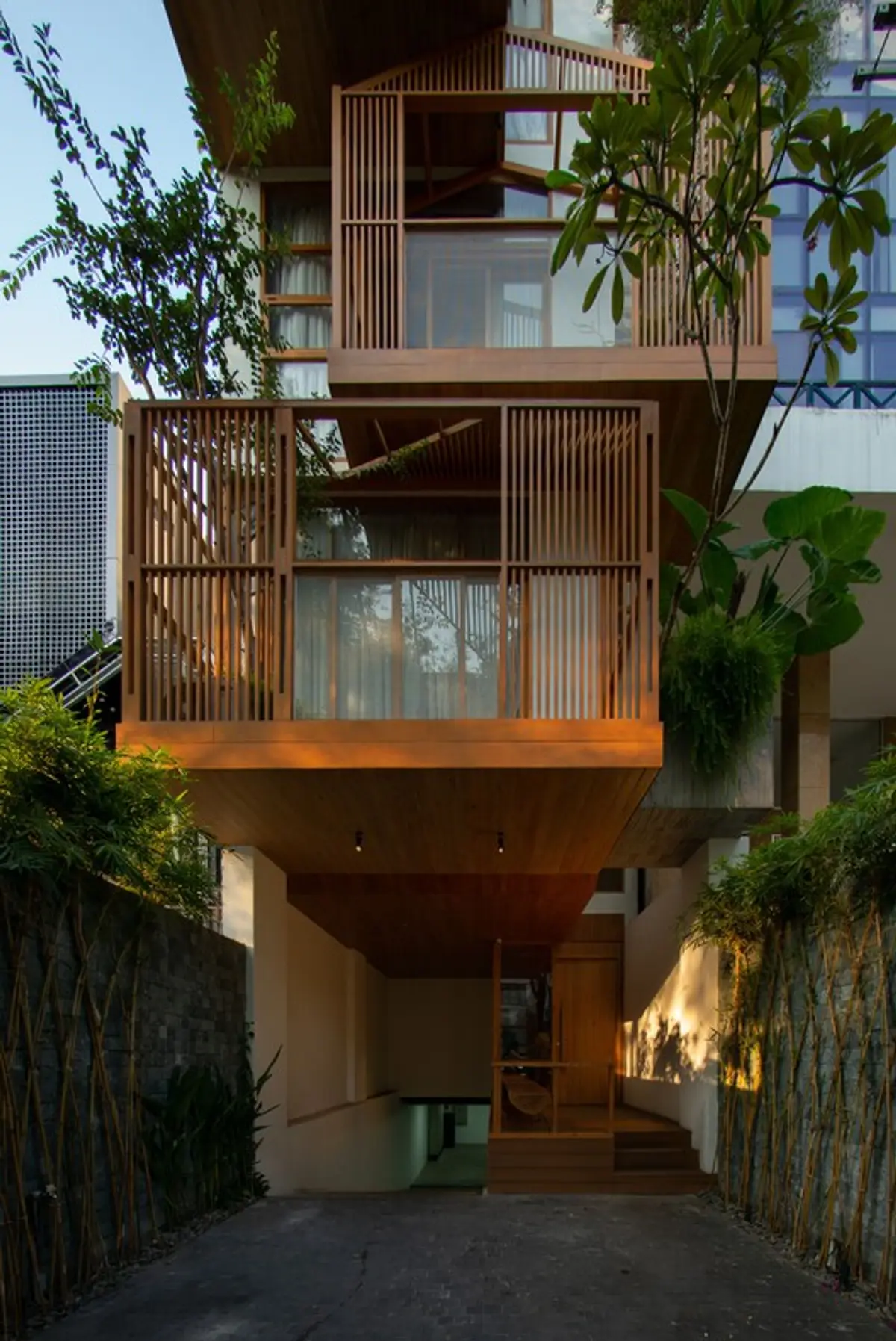
Ariosa Apartments by K.A Studio – Redefining Urban Living in Ho Chi Minh City
Ariosa Apartments by K.A Studio redefines urban housing with natural ventilation, courtyards, eco-friendly materials, and tropical climate-responsive design.


A Fresh Approach to Urban Housing in Vietnam
The Ariosa Apartments by K.A Studio present a thoughtful response to the challenges of urban living in the dense heart of Ho Chi Minh City. Designed as a serviced apartment complex for both short-term and long-term rentals, the project transforms the limitations of narrow urban plots into a refreshing living environment that emphasizes natural ventilation, daylight, and sustainable design solutions.
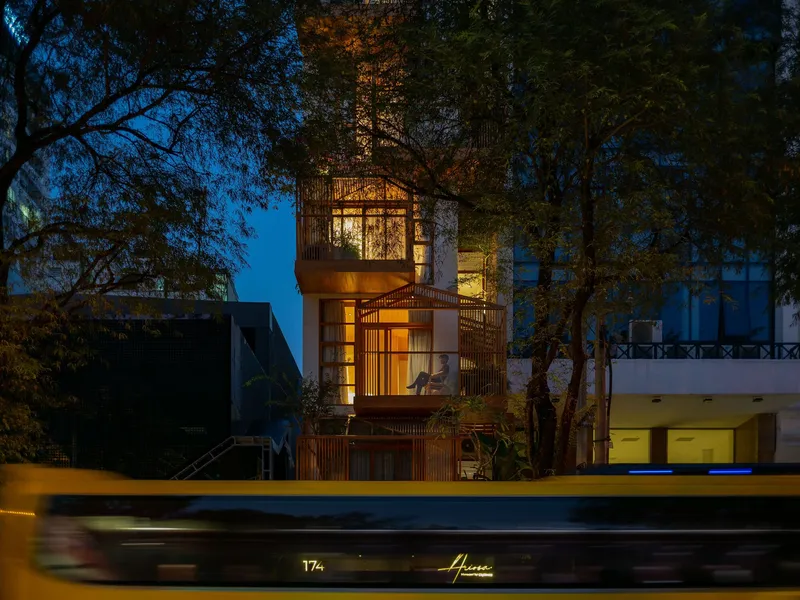
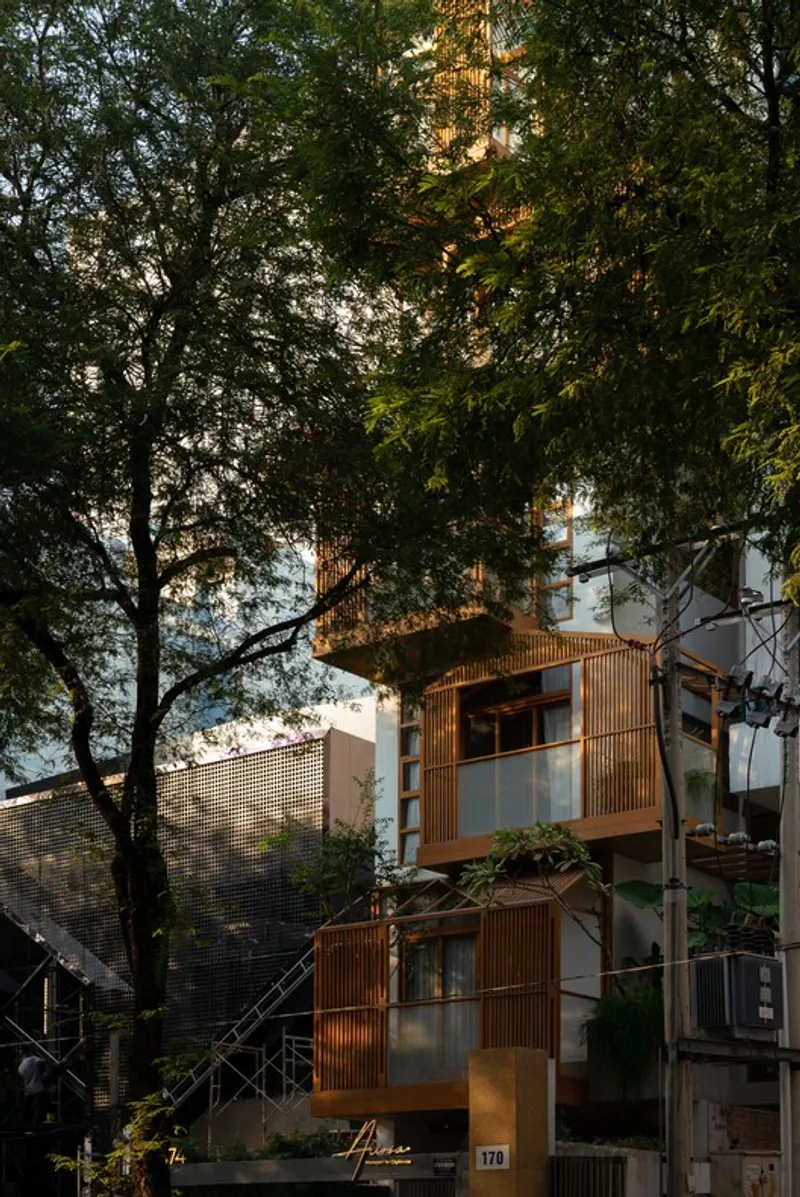
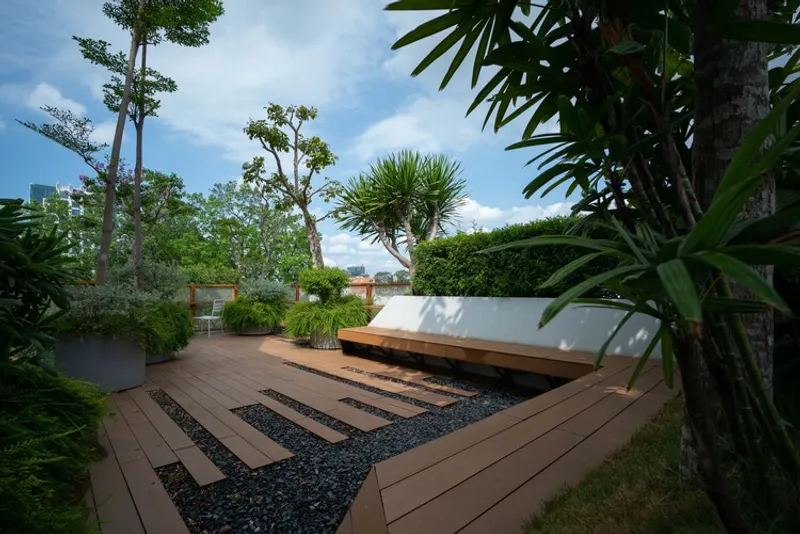
Covering 210 m², the apartments confront the typical challenges of Vietnam’s elongated tube houses—narrow facades, limited light, and poor airflow. Instead of following the conventional street-facing approach, the architects set back the building, creating a welcoming front porch shaded by large tropical trees. This simple yet effective move introduces breathing space in a high-density area while encouraging a connection between residents and their natural surroundings.
Smart Design for Tropical Climate
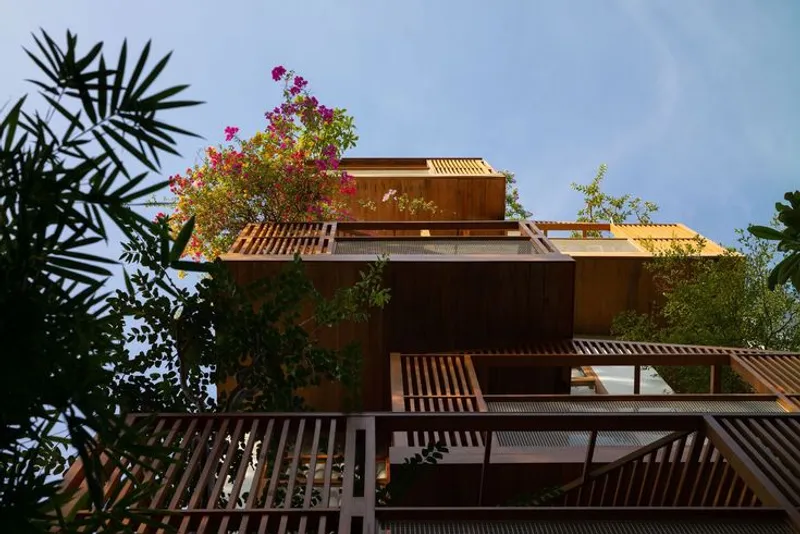
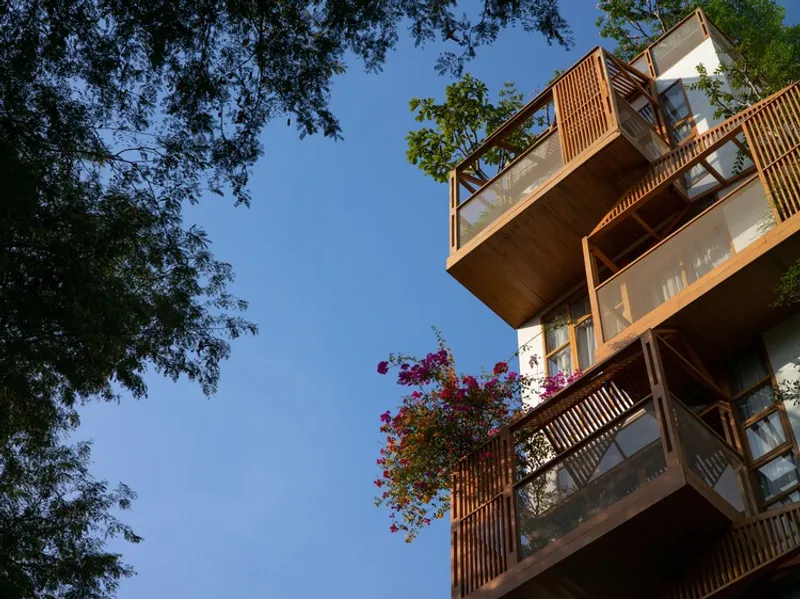
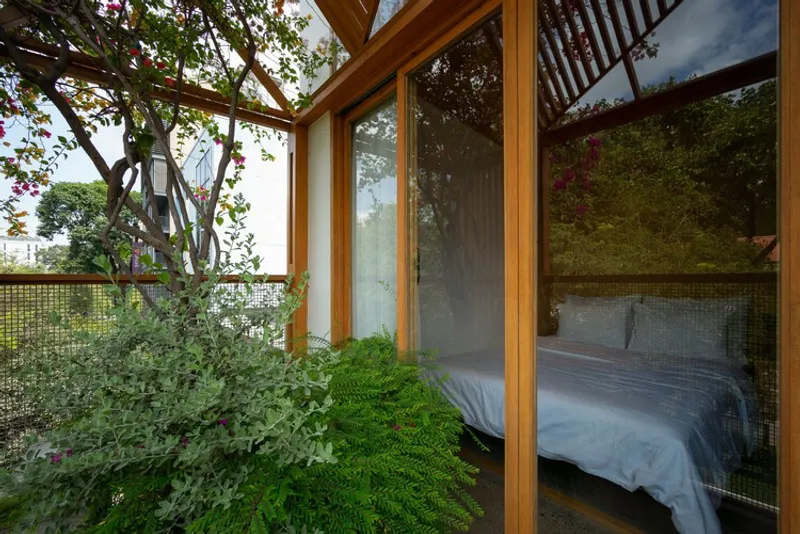
The façade integrates wooden slats and greenery that filter dust, reduce street noise, and shield the building from direct western sunlight. This passive design strategy provides thermal comfort, reduces energy consumption, and enhances privacy while maintaining visual interaction with the lush tree canopy and the nearby Independence Palace gardens.
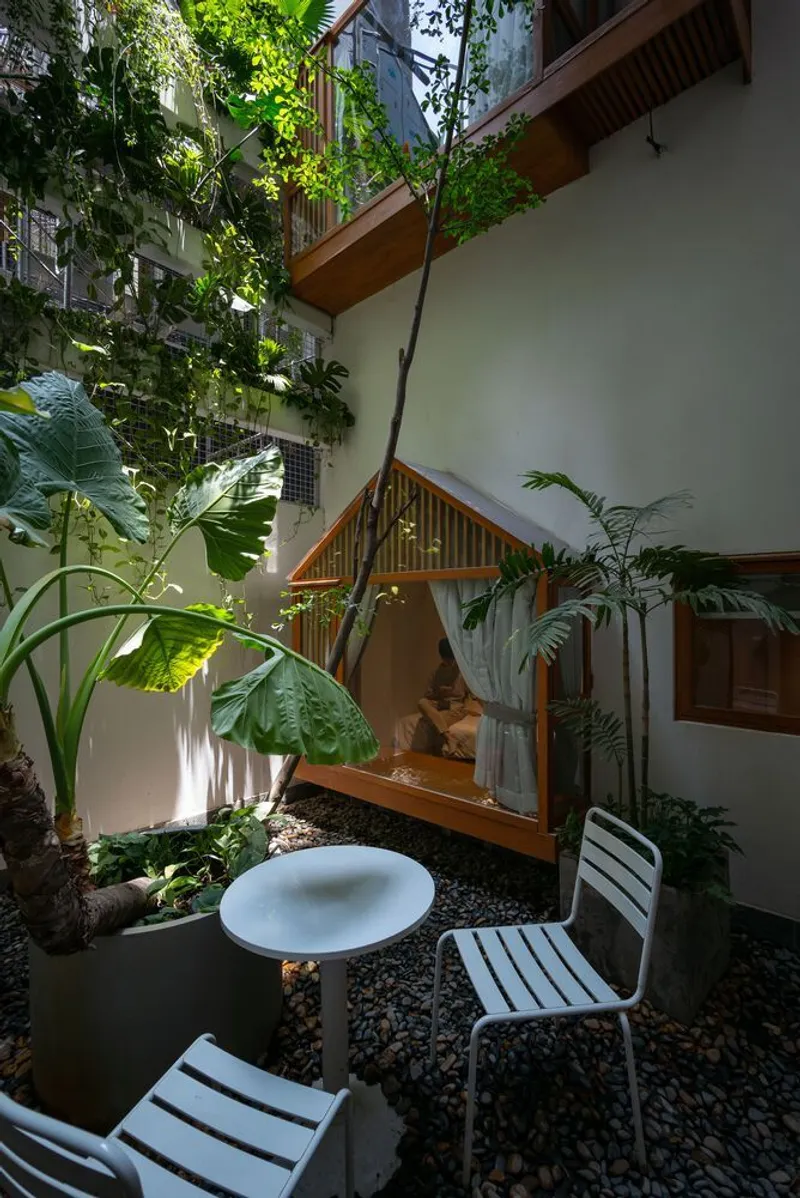
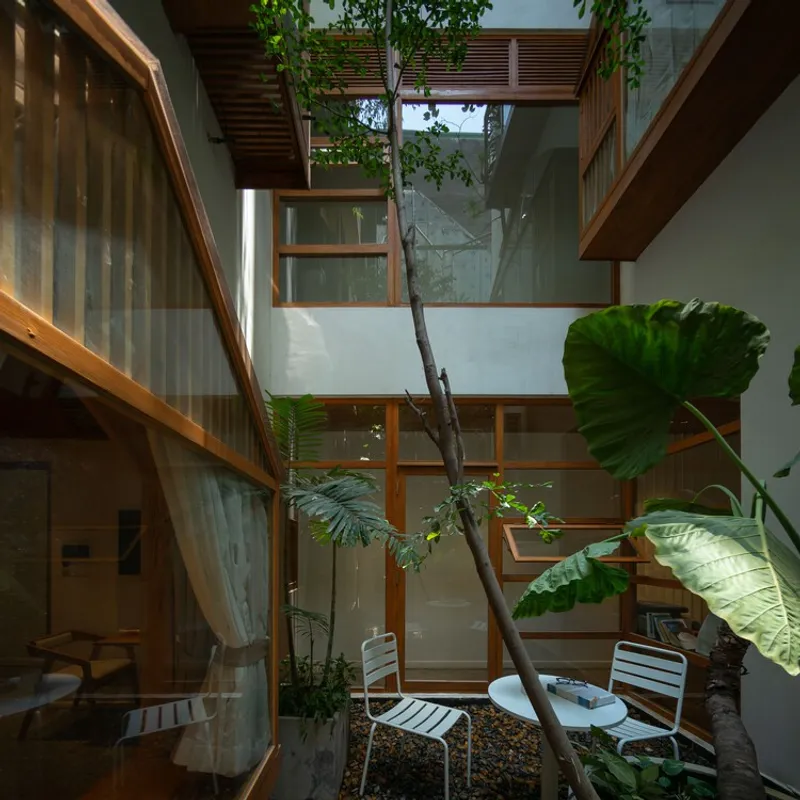
To combat poor ventilation, two open-air courtyards are introduced within the apartments. These courtyards not only improve airflow but also create a microclimate that keeps every room airy and naturally cooled. Daylight filters through shared spaces, visually shortening long corridors and enriching the interiors with a warm, soft glow.
Flexible Interiors and Minimalist Living
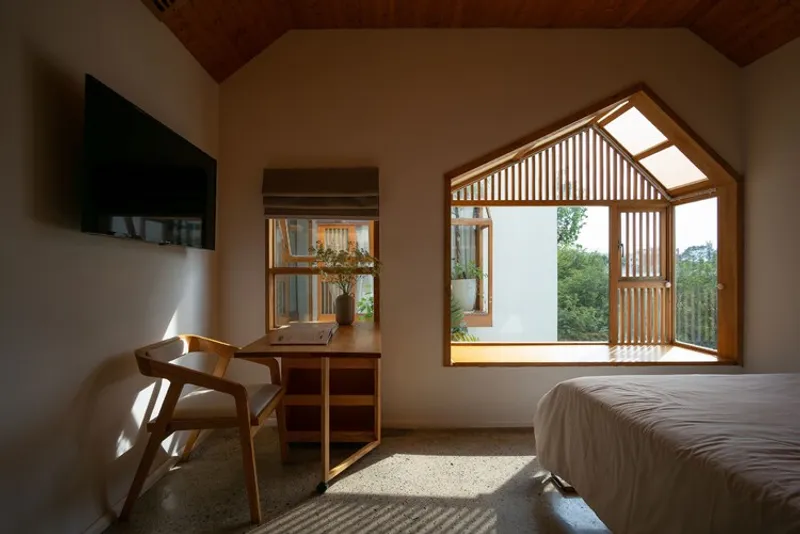
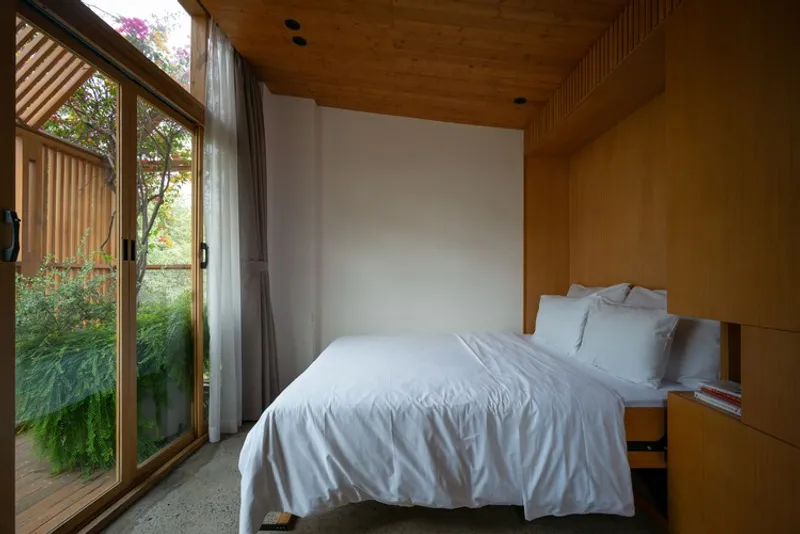
The interiors of Ariosa Apartments reflect a philosophy of flexibility, minimalism, and sustainability. Instead of heavy decoration, the design focuses on adaptable, space-saving furniture. Smart storage solutions and multifunctional elements—like folding beds and dining tables—allow residents to reconfigure their living spaces according to their needs.
Each apartment is conceived as a small independent house, opening towards trees and gardens, with abundant fresh air and daylight. This concept appeals to young, dynamic, and nature-loving residents seeking comfort in an urban setting.
Sustainable and Eco-Friendly Materials
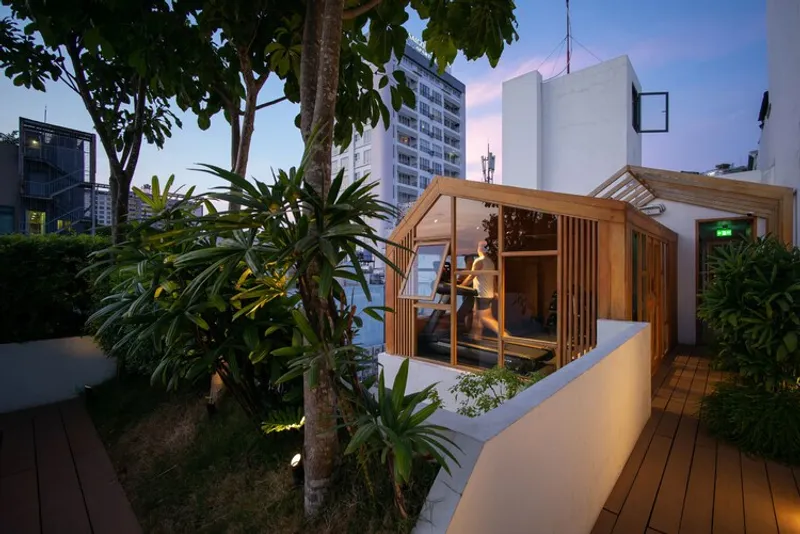
In line with K.A Studio’s focus on eco-conscious architecture, the building uses recycled and regenerated wood, sandblasted concrete, and natural pebbles. These materials ensure durability while keeping the design environmentally responsible. By reducing dependence on artificial cooling and lighting, the apartments offer a sustainable lifestyle in Vietnam’s tropical climate.
Redefining Community-Centered Urban Apartments
Beyond private living spaces, Ariosa Apartments encourage interaction, community, and flexibility. Shared areas allow residents to host gatherings, welcome friends, and experience communal living while still maintaining privacy.
Ultimately, Ariosa Apartments stand as a model for sustainable urban housing in Vietnam, showcasing how thoughtful architecture can improve quality of life, connect people with nature, and create eco-friendly solutions for growing cities.
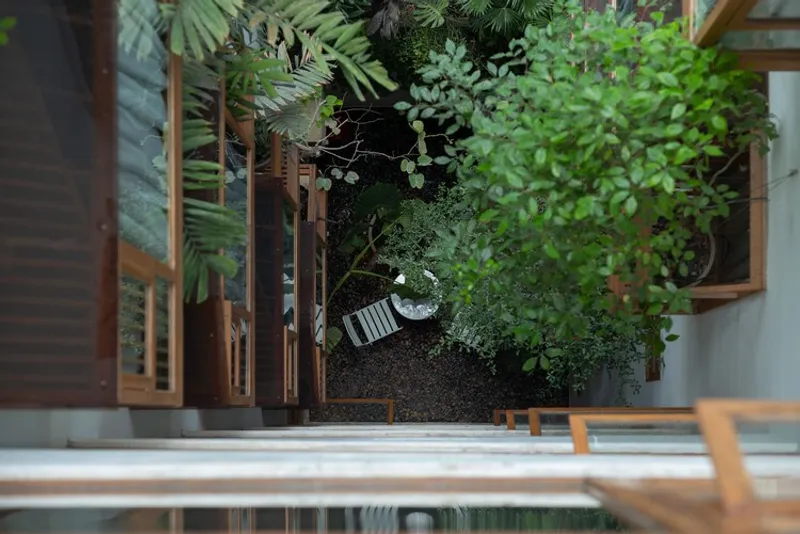
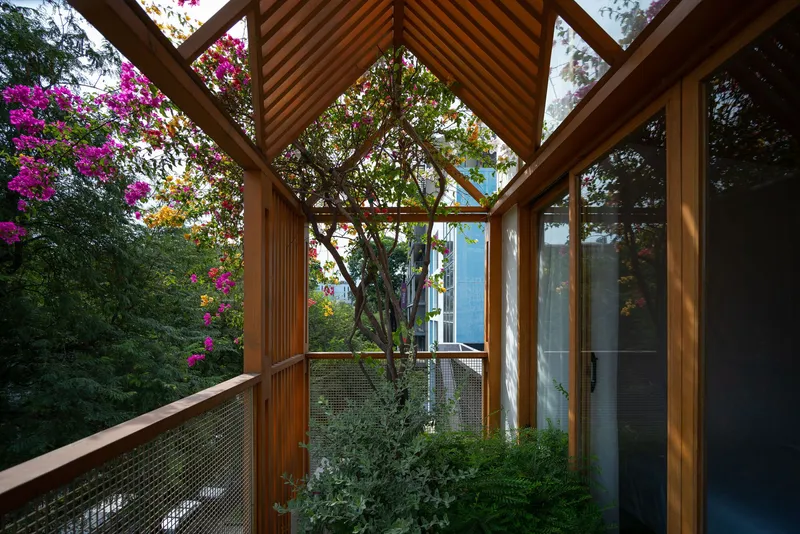
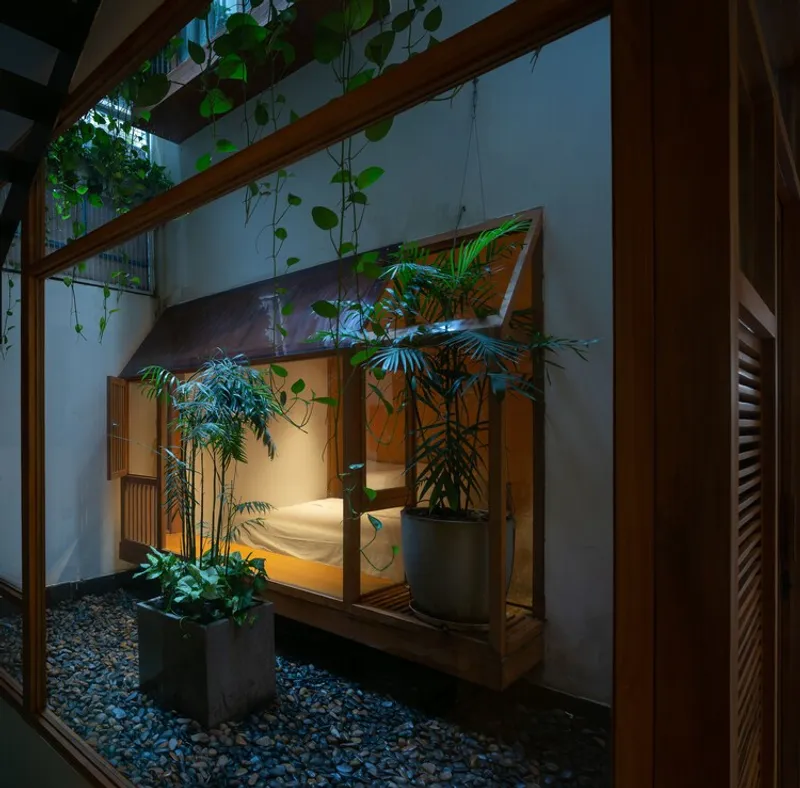
All the photographs are works of Quang Dam


Popular Articles
Popular articles from the community

Manzana Morphosis: Stretching Barcelona's Grid into a Living Landscape for 2050
A radical reworking of the Eixample manzana turns density into a tool for generous public space, vertical ecology, and environmental performance.
Temporary Home for Dogs: A Reversed Zoo Rethinks Animal Shelter Architecture
In Bucharest, a sinuous corridor and freed landscape flip the logic of containment, designing a shelter that works to make itself unnecessary.

Singing Woman: An Opera House That Performs Before the Curtain Rises
Ovidiu Cristian Pavel's conceptual opera house translates Estonia's choral identity into a sculpted waterfront landmark facing the Baltic Sea.
The Amber Palace Opera: A Geological Fiction Surfaces on Tallinn's Baltic Waterfront
Pierre Brillard reimagines a Baltic legend as a public landscape, opera house, and waterfront promenade rooted in Tallinn's coastal identity.

Similar Reads
You might also enjoy these articles


Hodi-Mandai Geram
Project Function: Preservation and revitalization of the Intangible heritage and socio-spatial identity of the Hodi by Housing, Cultural Memory Center, Sacred Grove, landscape, local tourism economy


Olio Towers: A Mid-Rise for Performers That Fuses Housing, Rehearsal, and Stage
Located blocks from Houston's Theater District, this modular tower stacks living units around a central performance atrium.

Oasis: Modular Green Housing Carved into Dhaka's Urban Fabric
A shortlisted Plugin Housing entry reclaims unauthorized settlements in Dhaka with stepped concrete volumes, green roofs, and ventilation-driven design.

Black Hole: A Floating Megastructure for the Post-Physical Era
Emiliano Mazzarotto envisions a spherical, self-scaling arena where e-sports, digital hotels, and holographic stadiums replace traditional public space.

Explore Residential Building Competitions
Discover active competitions in this discipline

Challenge to design mud housing for contemporary communities

Challenge to reimagine the Iron Throne

Photograph architecture without architects

Illustrate the lost glory of Angkor Wat - Render Challenge
Comments (0)
Please login or sign up to add comments
No comments yet. Be the first to comment!