

ARK Neighborhood Facility by LKSA: A Serene Urban Sanctuary in Gangnam
ARK Neighborhood Facility by LKSA in Gangnam blends serene stone architecture, womb-like interiors, and subtle design, creating a tranquil urban sanctuary.


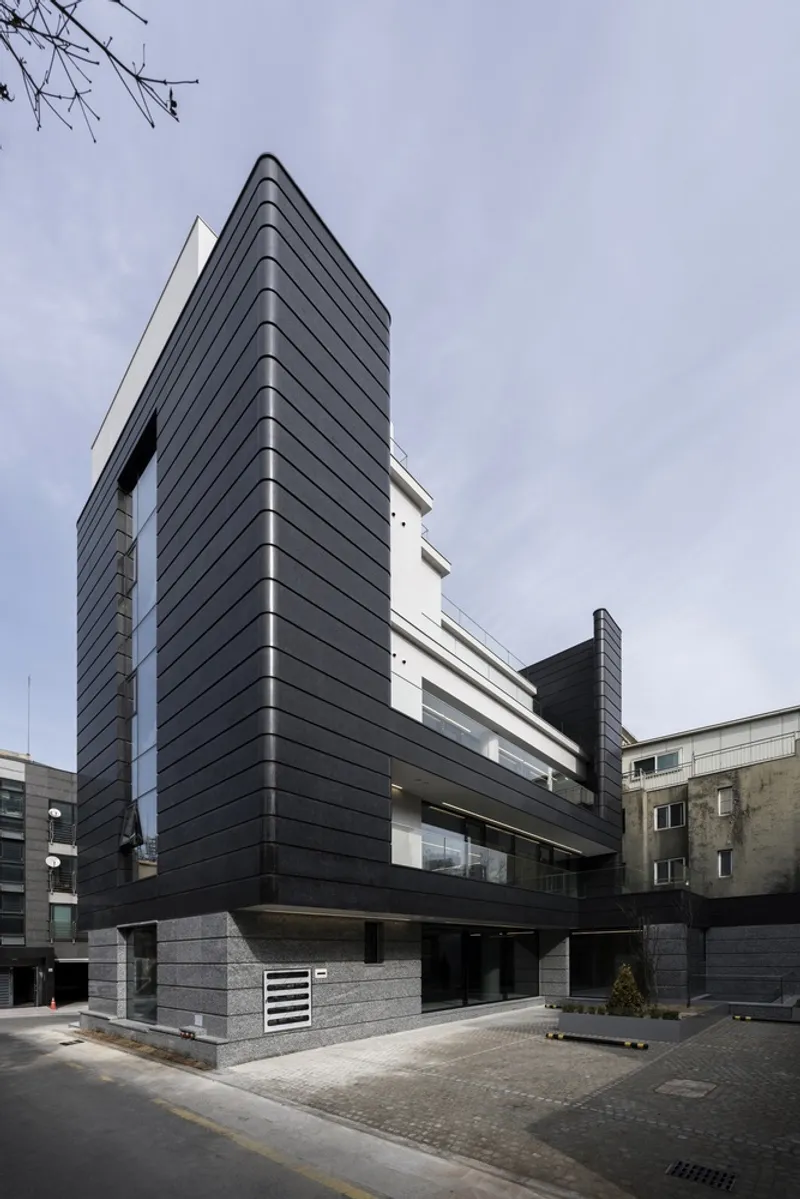
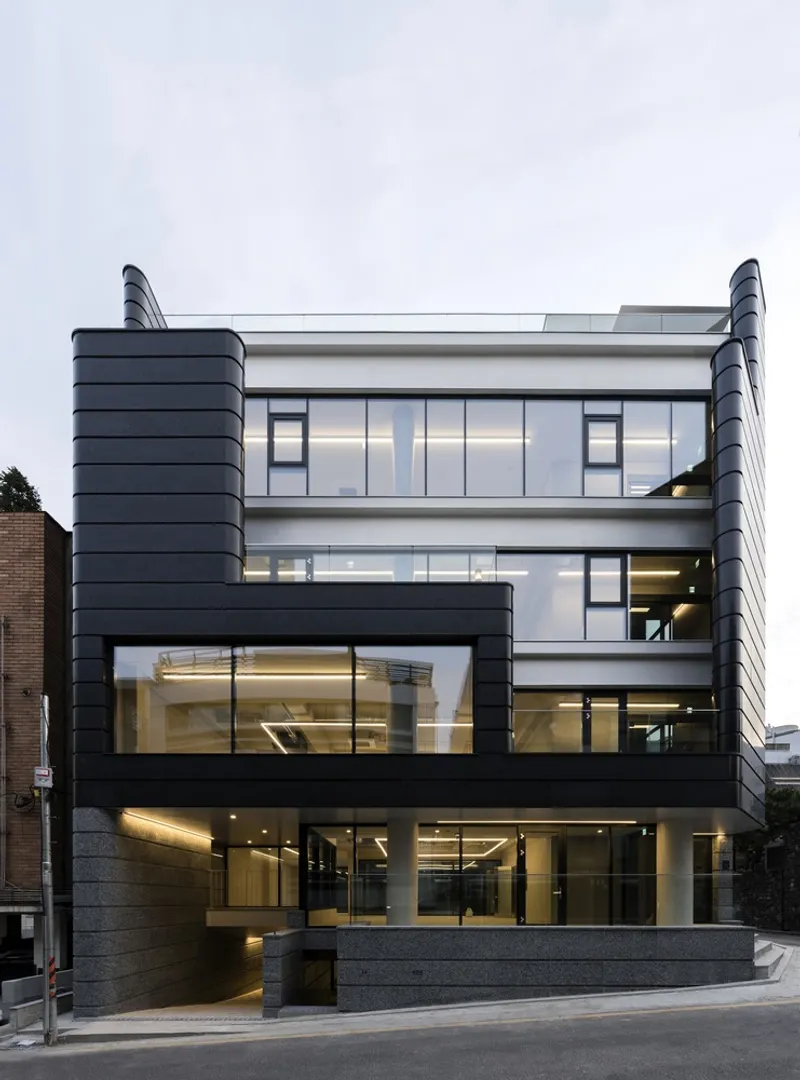
The ARK Neighborhood Facility in Gangnam, South Korea, designed by LKSA, stands as a metaphorical sanctuary within the bustling urban environment. Inspired by the gentle image of a ship floating on the city’s gray sea, the project embodies the concept of an ark, a safe, womb-like space offering tranquility and comfort amidst the urban landscape.
Design Concept and Urban Integration
The architectural design of the ARK Neighborhood Facility is grounded in metaphor-driven architecture, where form and materiality are deliberately used to convey meaning. By giving the structure a sense of weight and presence, LKSA creates a visual sanctuary that contrasts the city’s dynamic rhythm with a sense of calm and permanence.
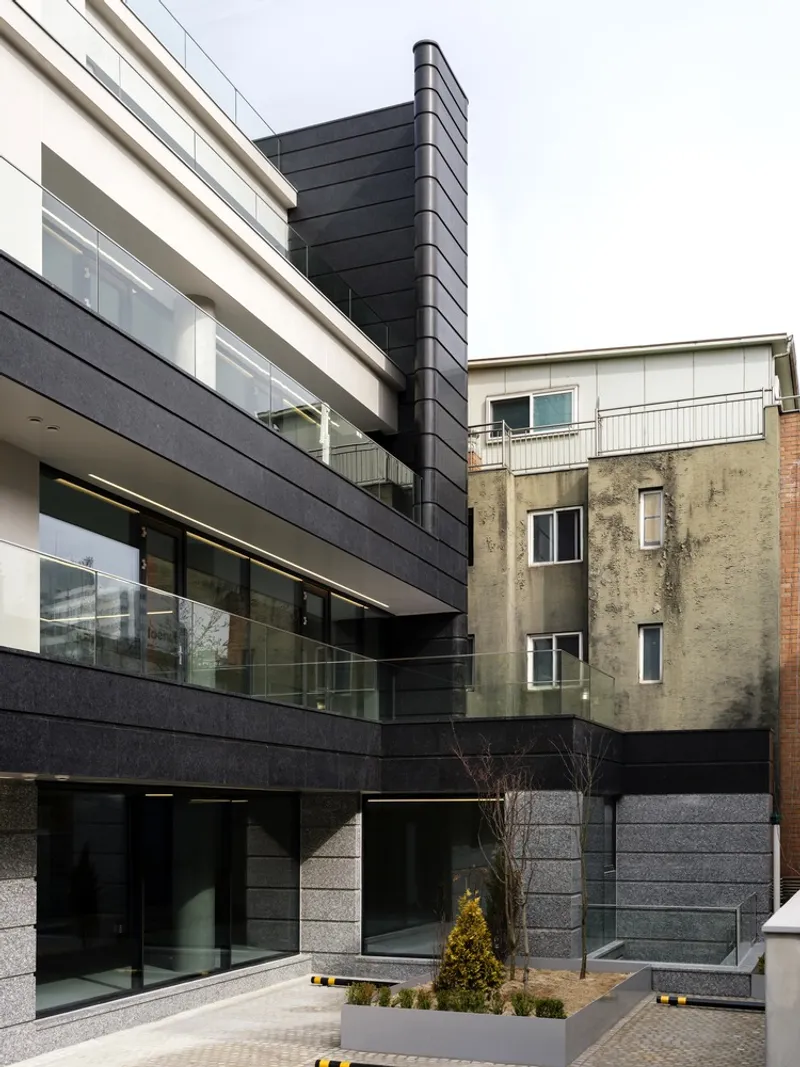
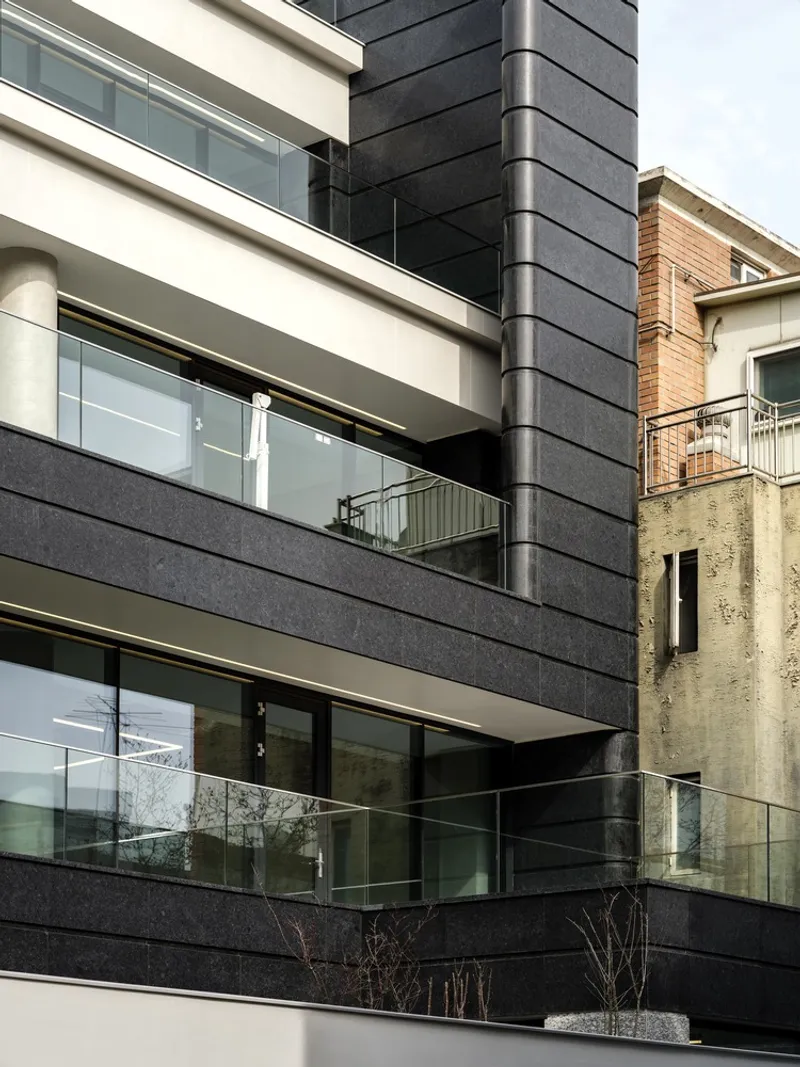
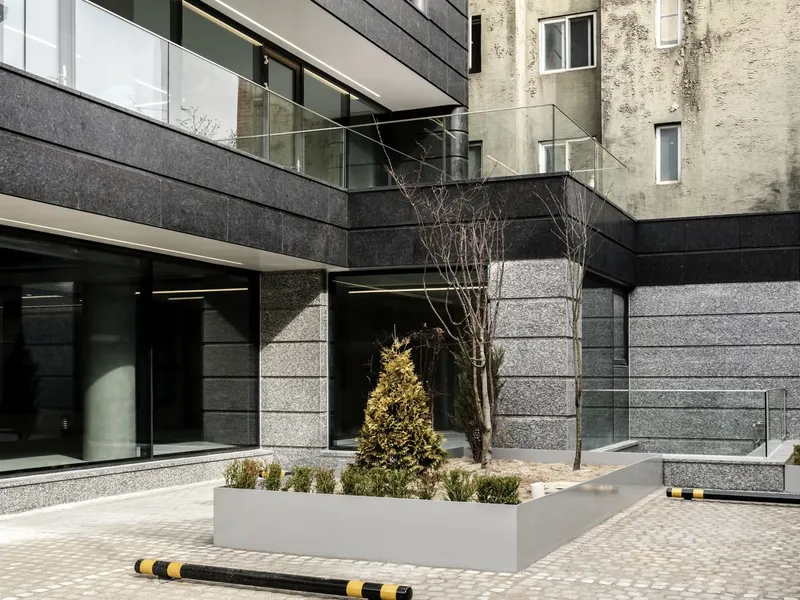
To harmonize with the urban context, the architects selected a monotone color palette, avoiding bright or flashy hues. This approach ensures the building integrates seamlessly with its surroundings while establishing a distinct, serene identity. The facade design incorporates a balanced ratio of openings, creating a thoughtful interaction between the interior and exterior. This careful orchestration enhances the enclosure effect, providing visual stability and a calming atmosphere for visitors.
Materiality and Architectural Details
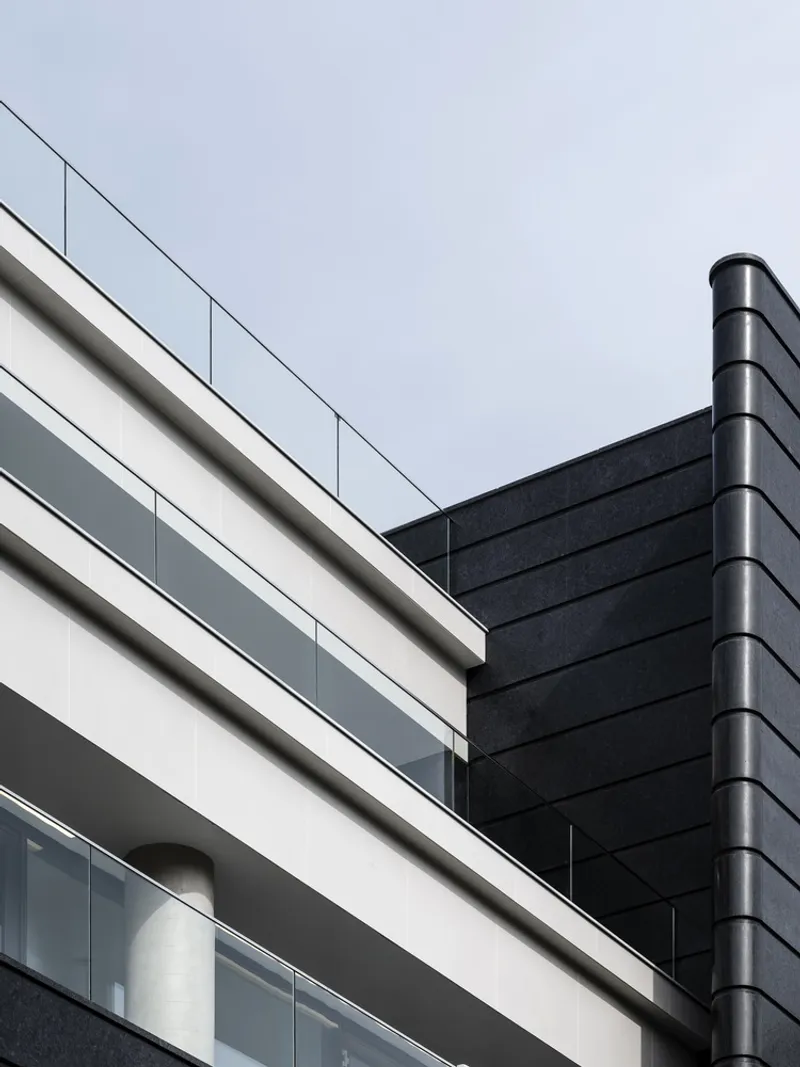
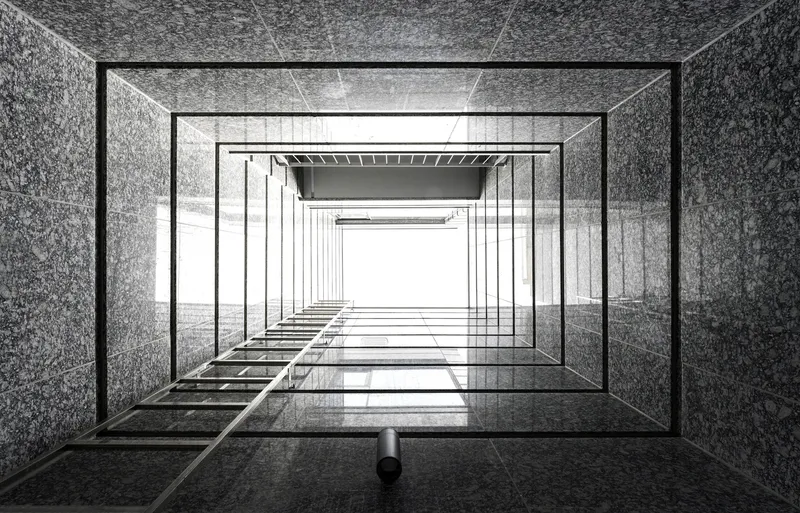
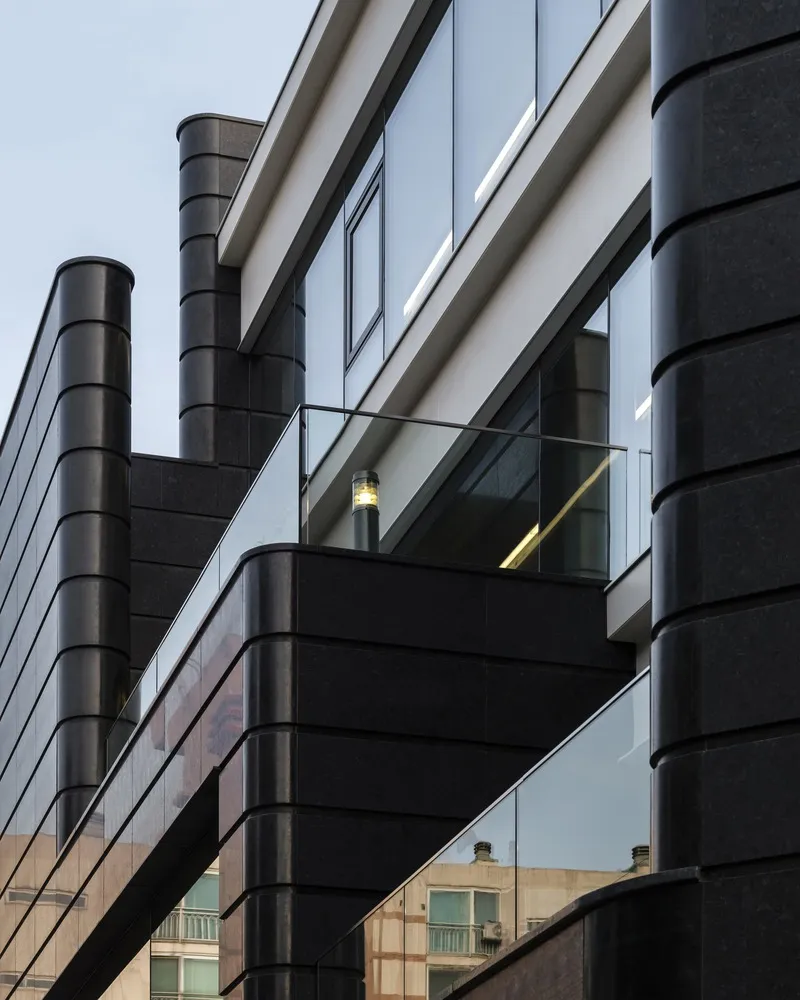
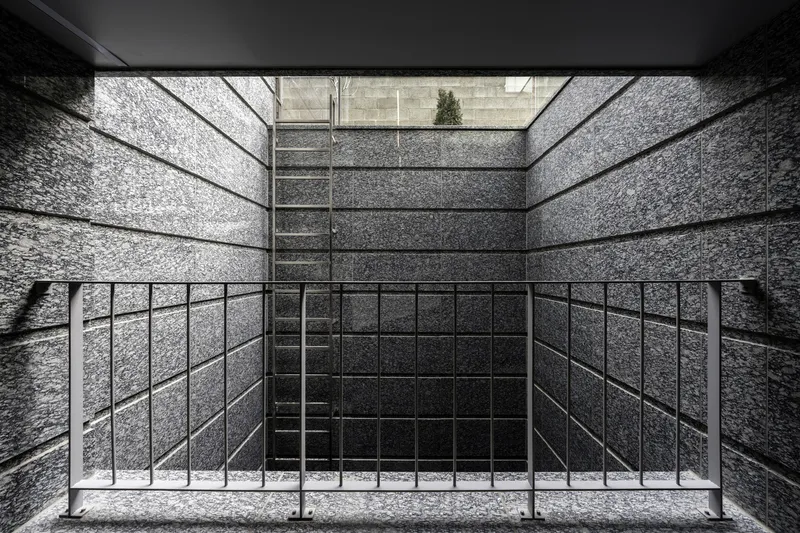
A key feature of the ARK Neighborhood Facility is its innovative stone detailing. The horizontal lines of the stone facade are emphasized through recessed elements, highlighting a sense of horizontality and grounding the building visually. All vertical ends and edges are rounded to produce a soft tactile texture, contrasting with the rigidity often associated with urban stone structures.
The architects intentionally varied the stone’s materiality to reveal its latent potential, allowing the building to communicate gently with the city. The tactile quality and nuanced finish invite visitors to engage with the architecture intimately, offering an experience reminiscent of a mother’s embrace: a place that fosters reflection, calm, and connection.
Interior Experience
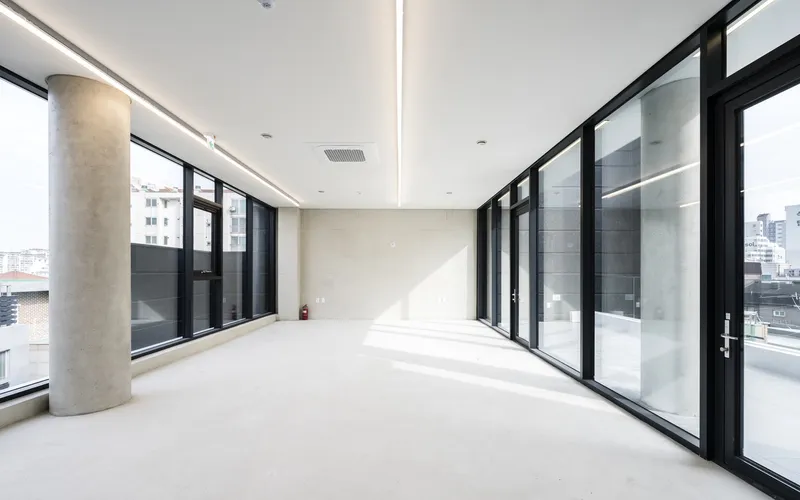
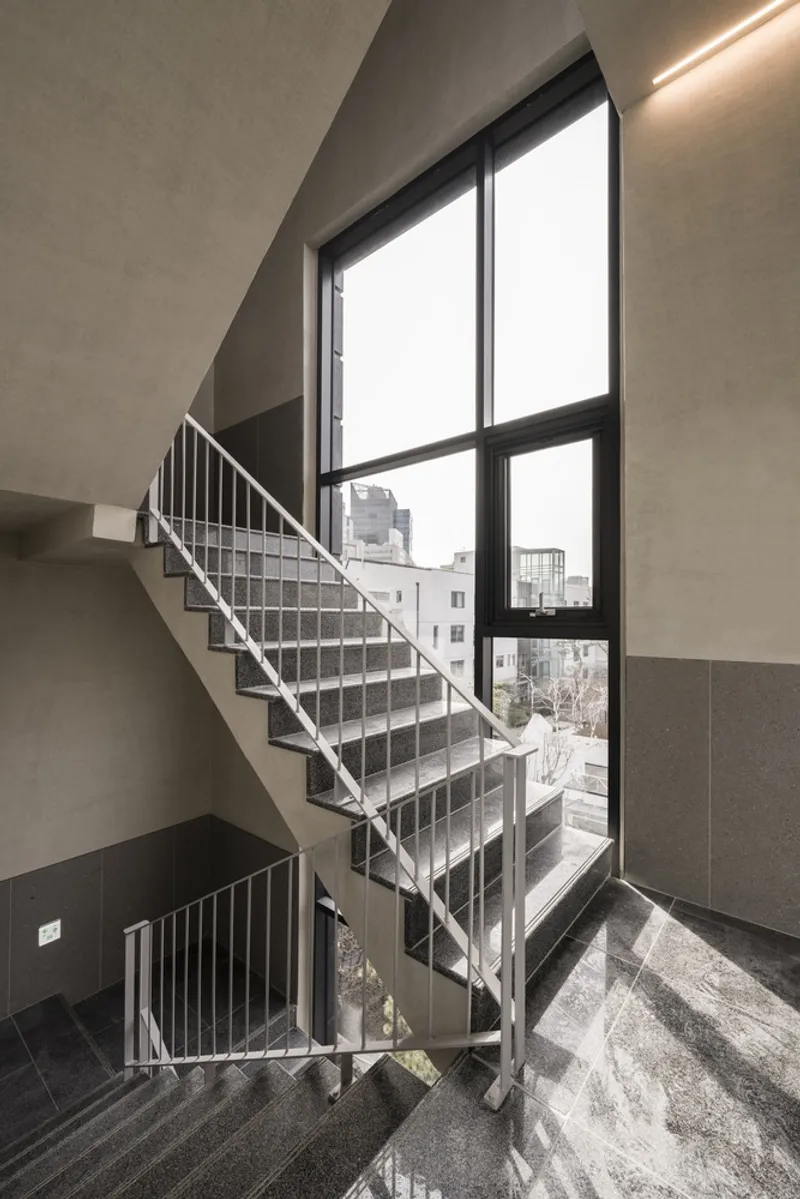
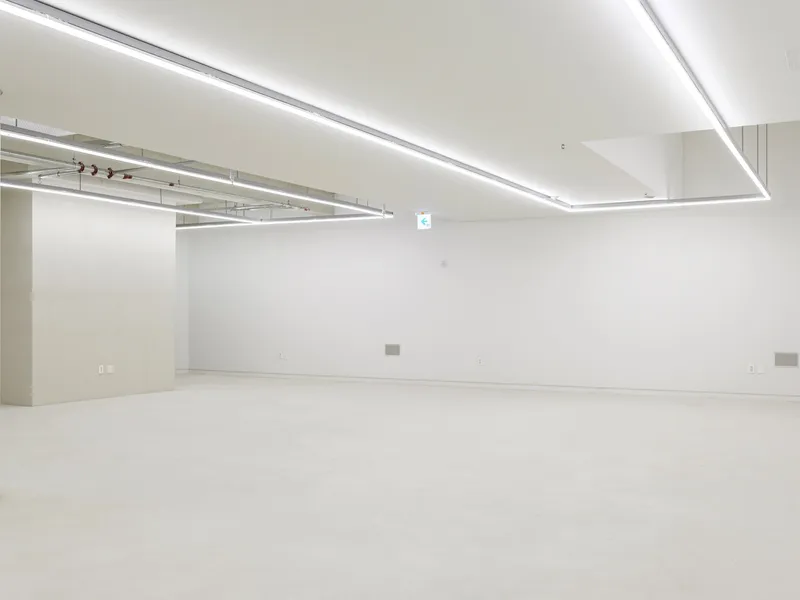
Inside, the ARK Neighborhood Facility maintains the serene and protective atmosphere of the exterior. The interplay of light through carefully placed openings and the material warmth of stone surfaces fosters a sense of intimacy and tranquility. Visitors experience a seamless dialogue between architecture and the urban fabric, reinforcing the facility’s role as a neighborhood sanctuary.
Architectural Significance
The ARK Neighborhood Facility exemplifies sensitive urban design, balancing functional needs with metaphorical depth. It demonstrates how thoughtful materiality, restrained color palettes, and carefully orchestrated spatial composition can create a public building that feels personal and nurturing.


Popular Articles
Popular articles from the community


Opera on the Sea: Driftwood Logic Shapes a Timber Opera House on Estonia's Coast
Trevor Orgill's opera house translates the entangled drift of floating timber into a civic building where wood, water, and music converge.

Manzana Morphosis: Stretching Barcelona's Grid into a Living Landscape for 2050
A radical reworking of the Eixample manzana turns density into a tool for generous public space, vertical ecology, and environmental performance.

Singing Woman: An Opera House That Performs Before the Curtain Rises
Ovidiu Cristian Pavel's conceptual opera house translates Estonia's choral identity into a sculpted waterfront landmark facing the Baltic Sea.

The Amber Palace Opera: A Geological Fiction Surfaces on Tallinn's Baltic Waterfront
Pierre Brillard reimagines a Baltic legend as a public landscape, opera house, and waterfront promenade rooted in Tallinn's coastal identity.

Similar Reads
You might also enjoy these articles


Hodi-Mandai Geram
Project Function: Preservation and revitalization of the Intangible heritage and socio-spatial identity of the Hodi by Housing, Cultural Memory Center, Sacred Grove, landscape, local tourism economy


Olio Towers: A Mid-Rise for Performers That Fuses Housing, Rehearsal, and Stage
Located blocks from Houston's Theater District, this modular tower stacks living units around a central performance atrium.

Oasis: Modular Green Housing Carved into Dhaka's Urban Fabric
A shortlisted Plugin Housing entry reclaims unauthorized settlements in Dhaka with stepped concrete volumes, green roofs, and ventilation-driven design.

Black Hole: A Floating Megastructure for the Post-Physical Era
Emiliano Mazzarotto envisions a spherical, self-scaling arena where e-sports, digital hotels, and holographic stadiums replace traditional public space.

Explore KSA Architects Competitions
Discover active competitions in this discipline

Challenge to design mud housing for contemporary communities

Challenge to reimagine the Iron Throne

Photograph architecture without architects

Illustrate the lost glory of Angkor Wat - Render Challenge
Comments (0)
Please login or sign up to add comments
No comments yet. Be the first to comment!