
ASU Restaurant Singapore Architecture: A Heritage Dining Space by Brock Carmichael Asia
An in-depth look at ASU Restaurant Singapore’s architecture, blending heritage colonial design with modern spatial narratives by Brock Carmichael Asia.


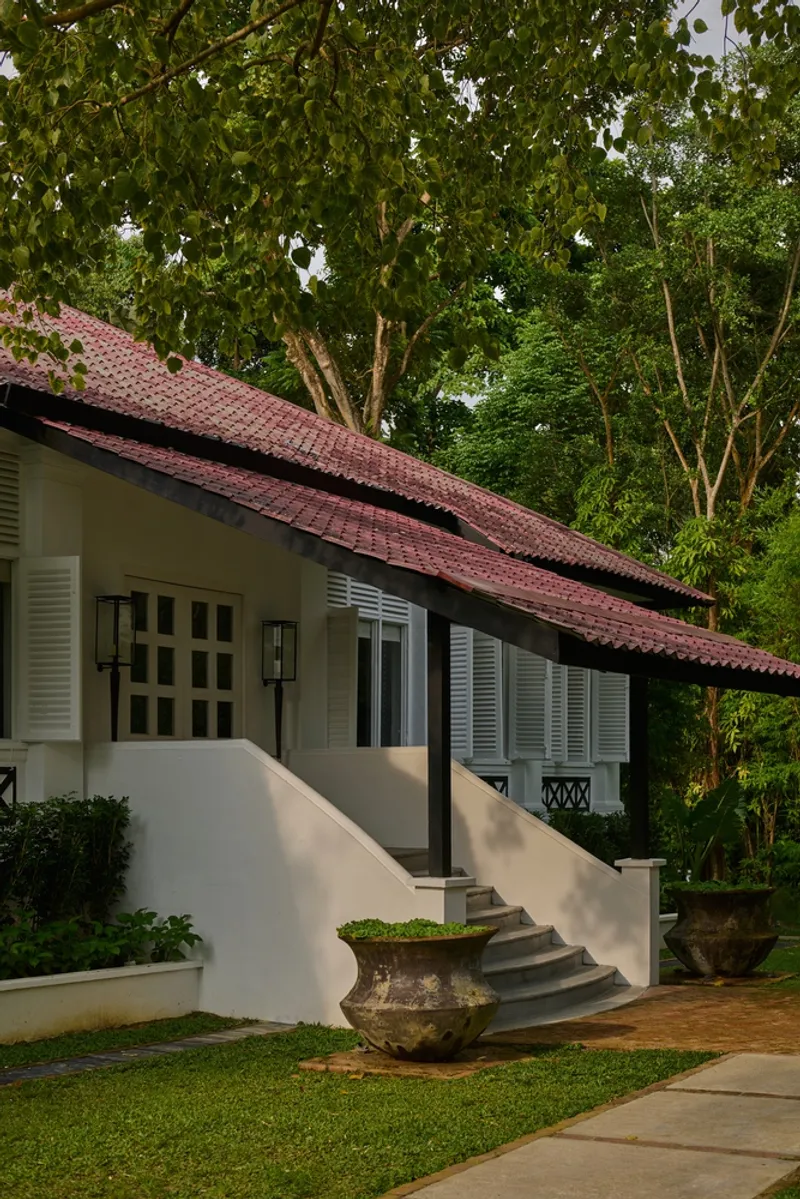
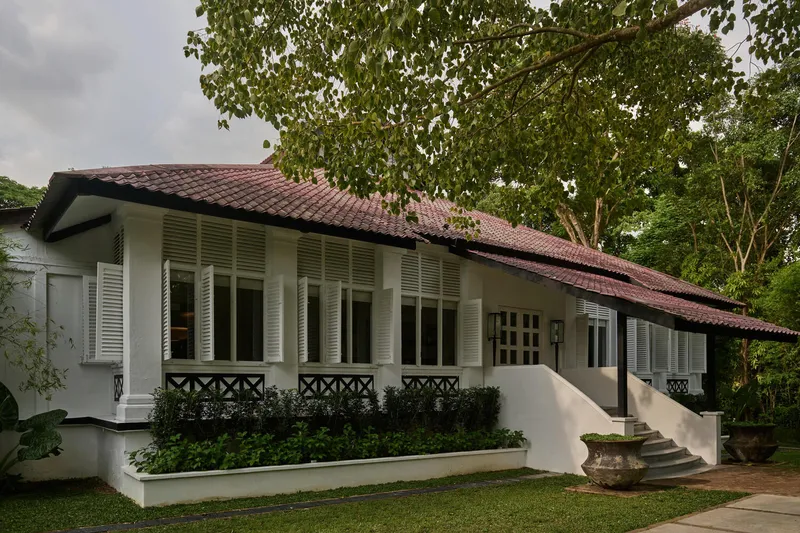
Nestled within the lush greenery of Labrador Nature Reserve, ASU Restaurant in Singapore is a fine dining venue that blends heritage architecture with modern design. Designed by Brock Carmichael Asia, the restaurant occupies a conserved black-and-white colonial bungalow, a structure steeped in early 20th-century history. The architects have created a serene, immersive atmosphere where every detail evokes a sense of quiet theatricality and refined elegance.
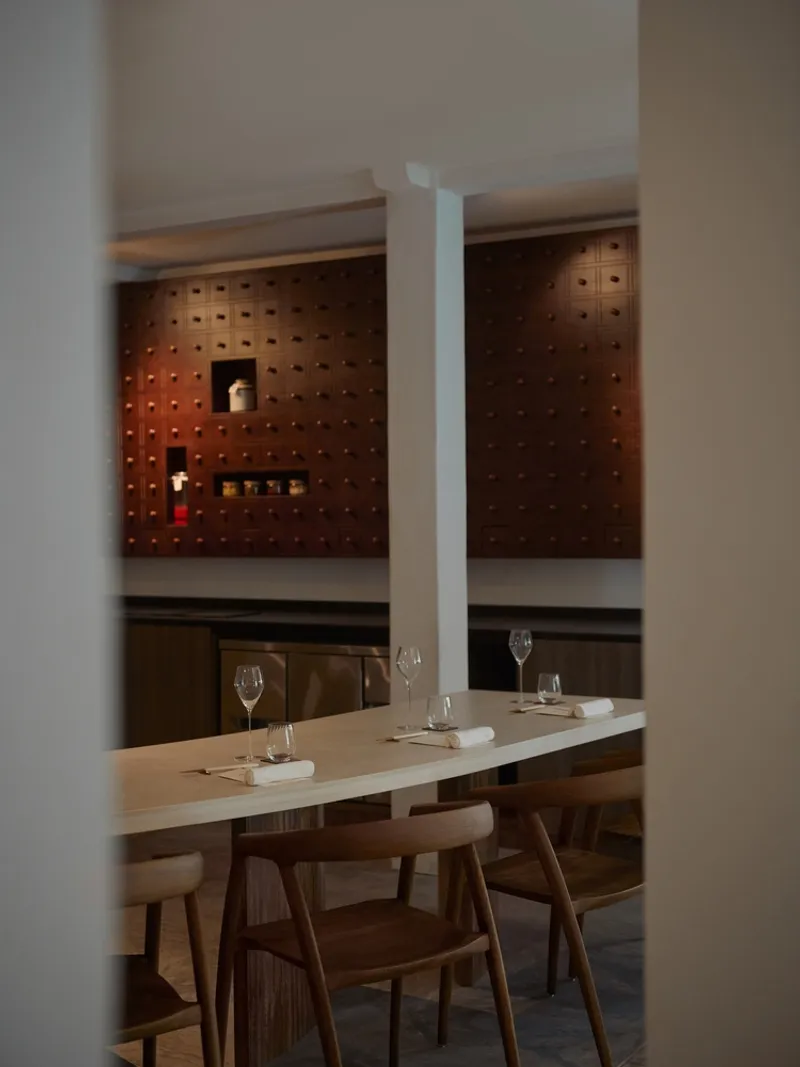
Design Concept and Inspiration
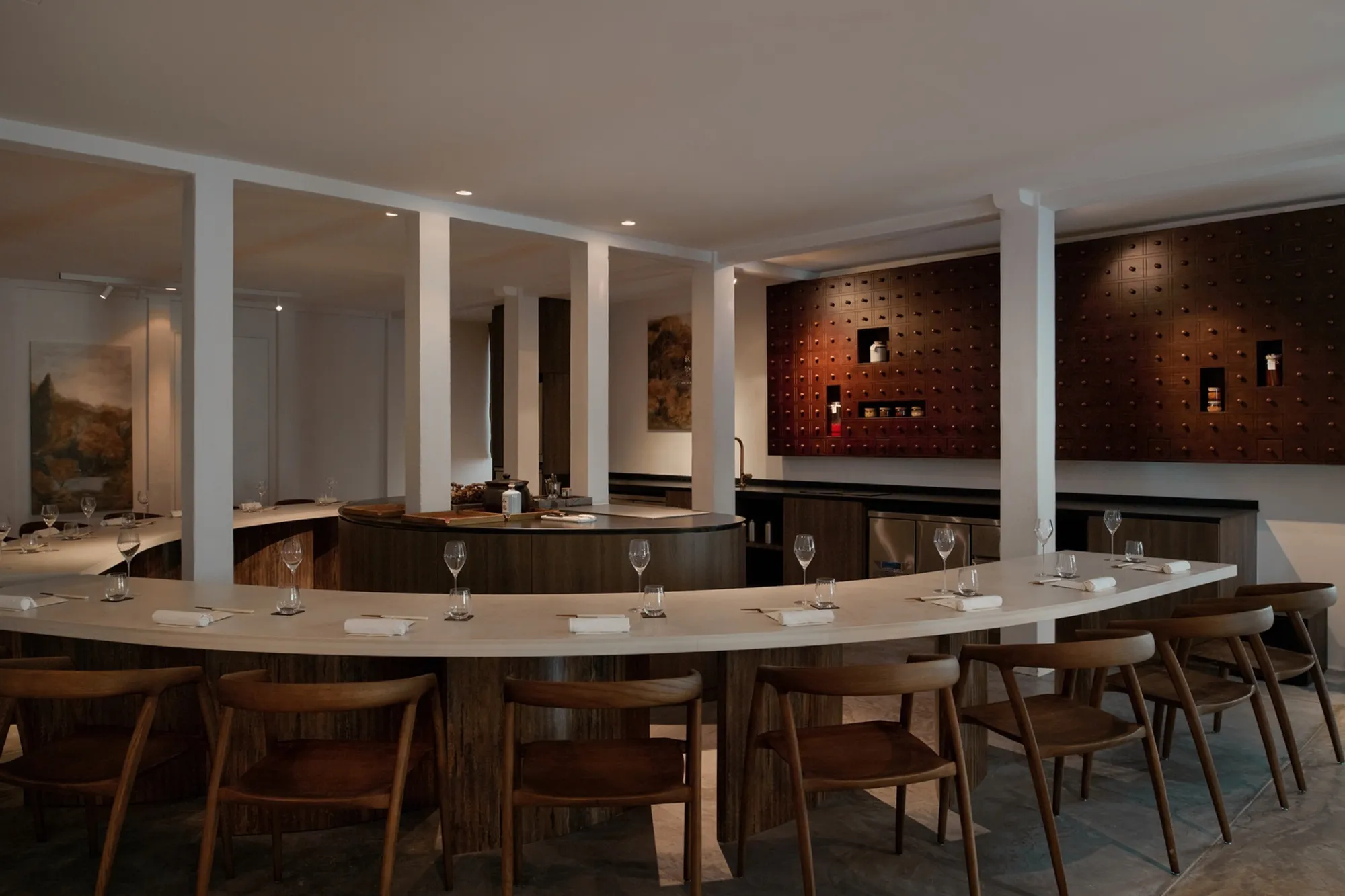
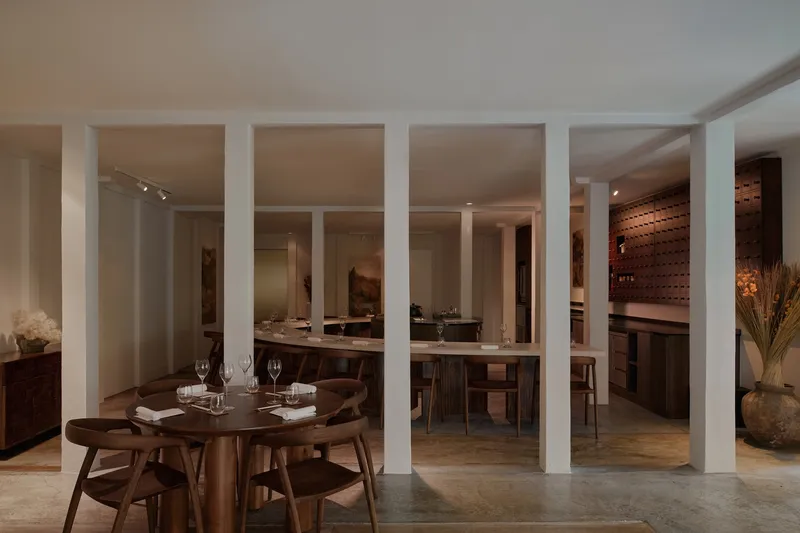
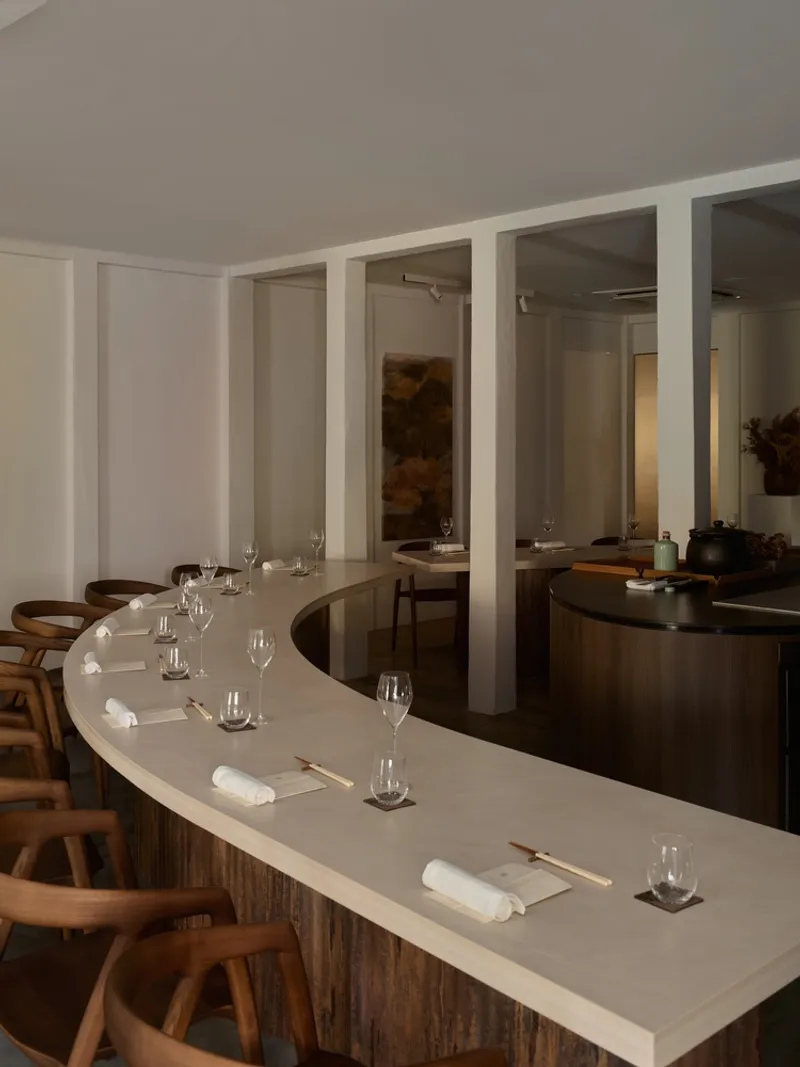
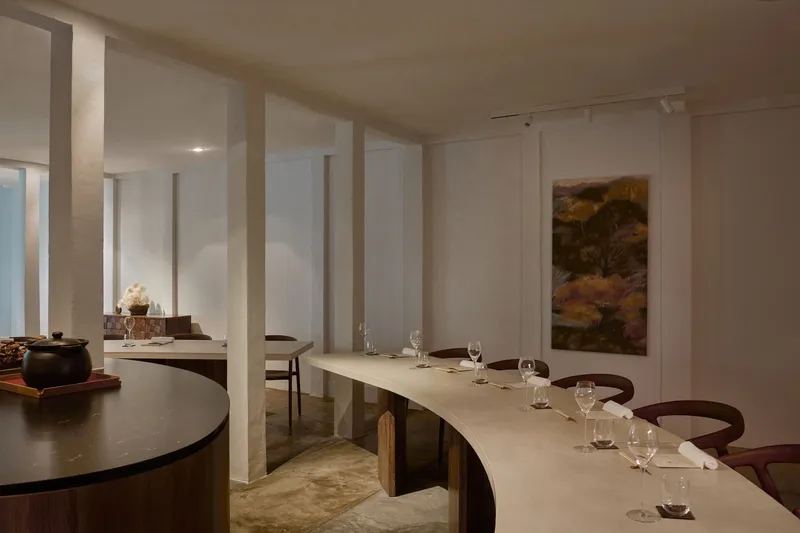
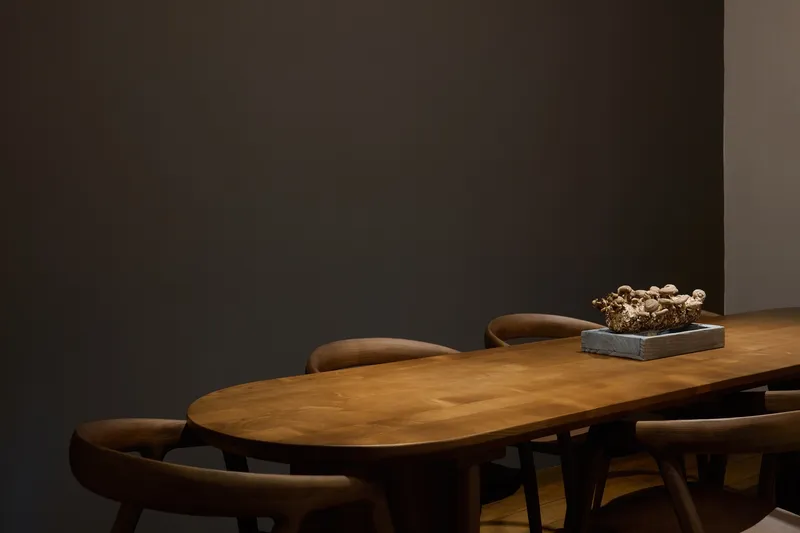
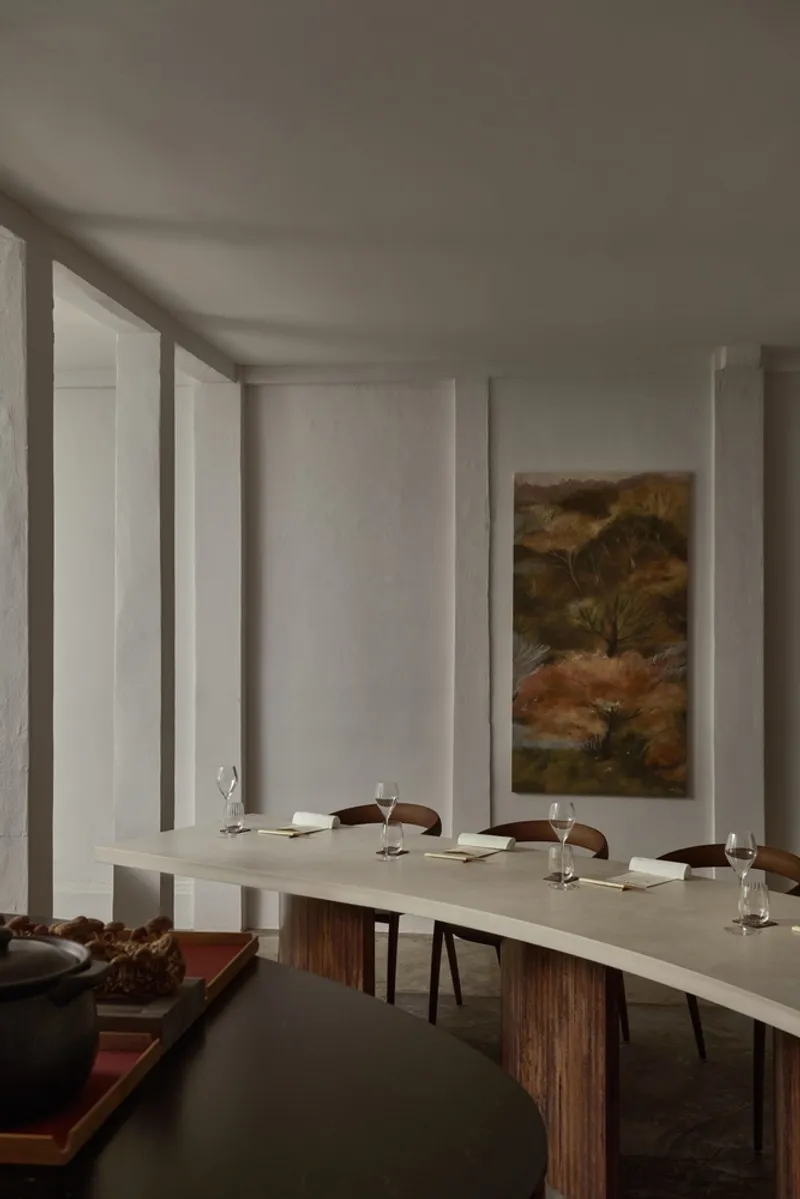
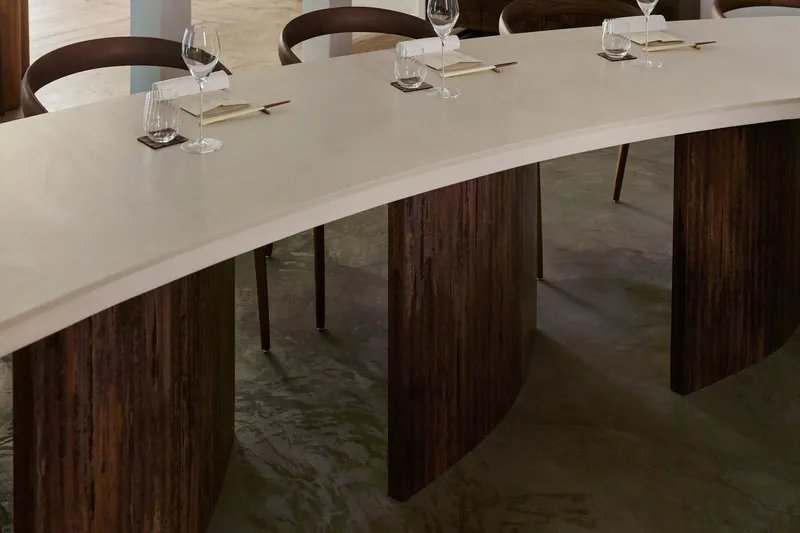
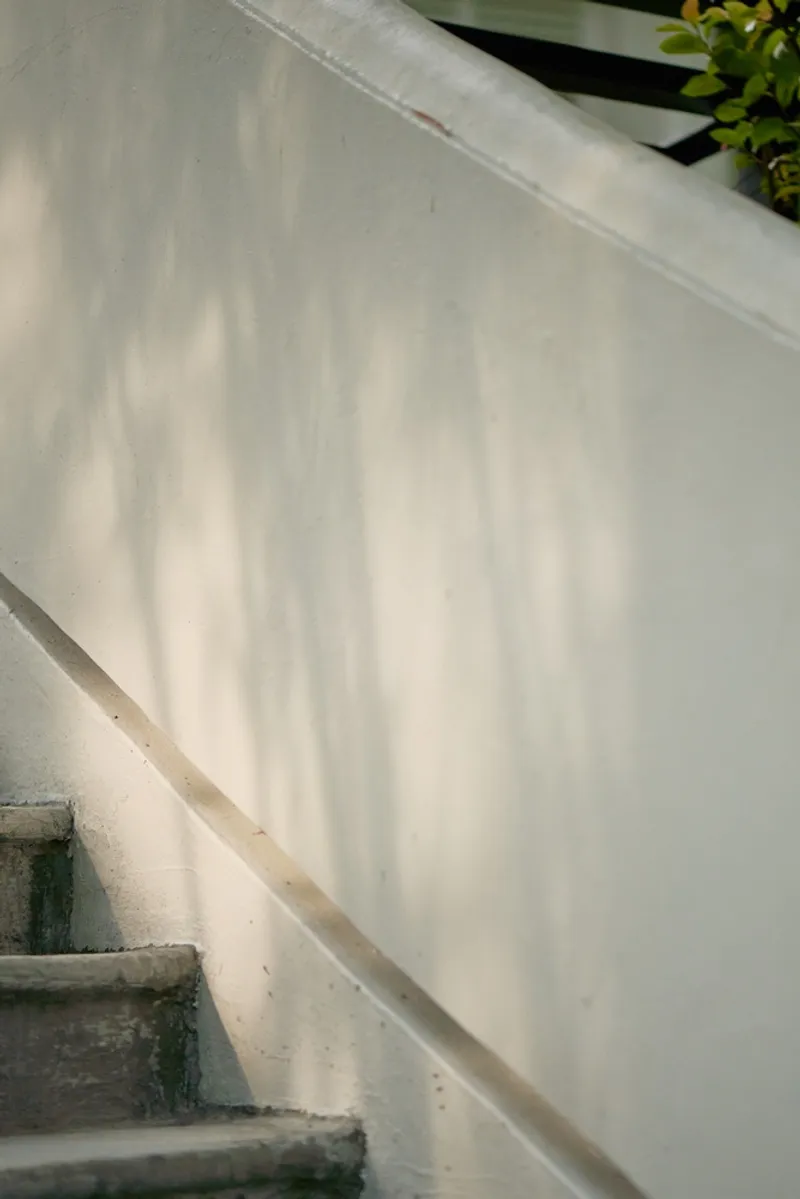
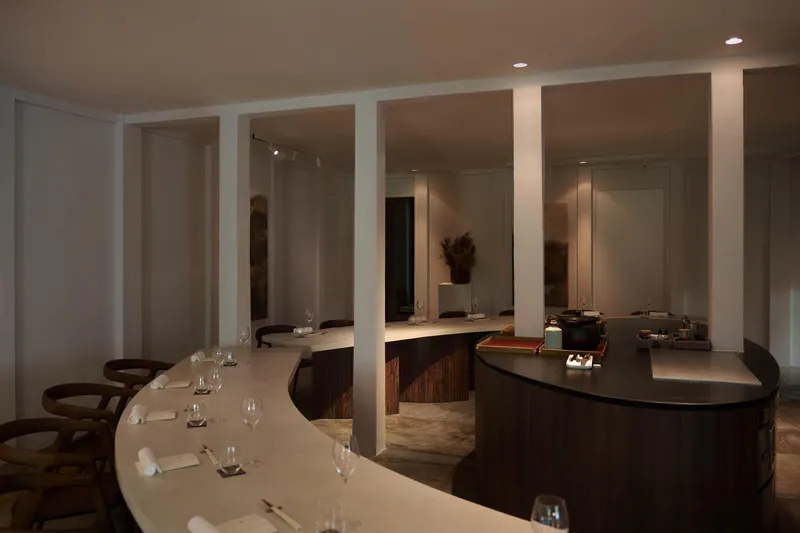
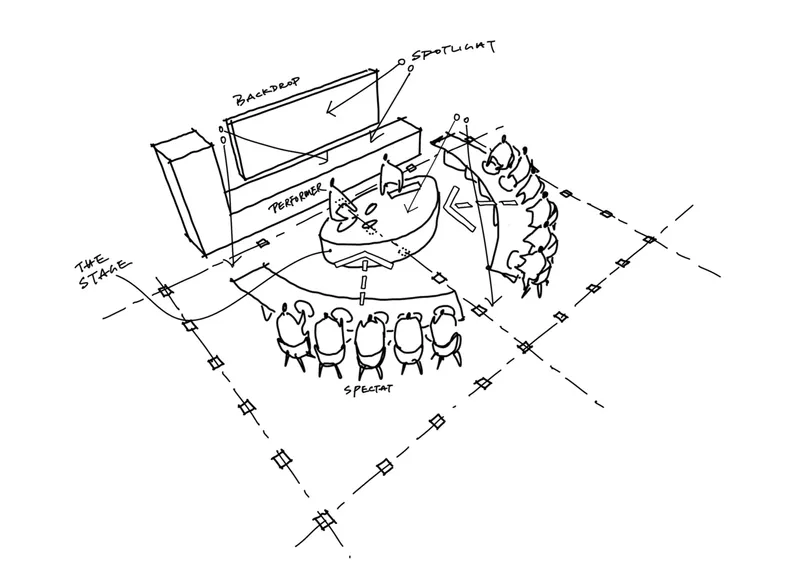
The architectural vision for ASU Restaurant Singapore draws from the dualities of light and shadow, old and new, presence and restraint. The interior design is conceived as a monastic retreat—calm, contemplative, and deeply connected to its historic context. The layout follows the logic of a theatre, where the open kitchen functions as the central stage. Two bespoke curved V-shaped dining tables arc around this focal point, creating a sense of audience engagement and intimacy.
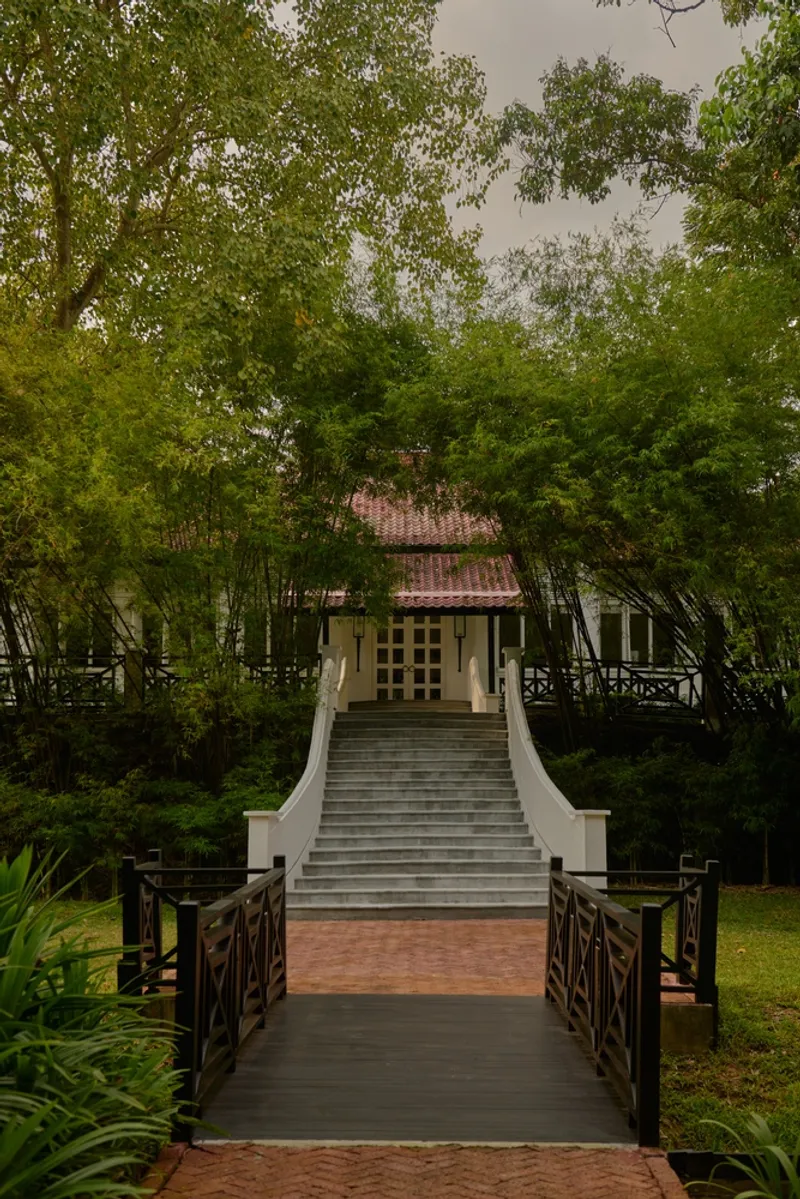
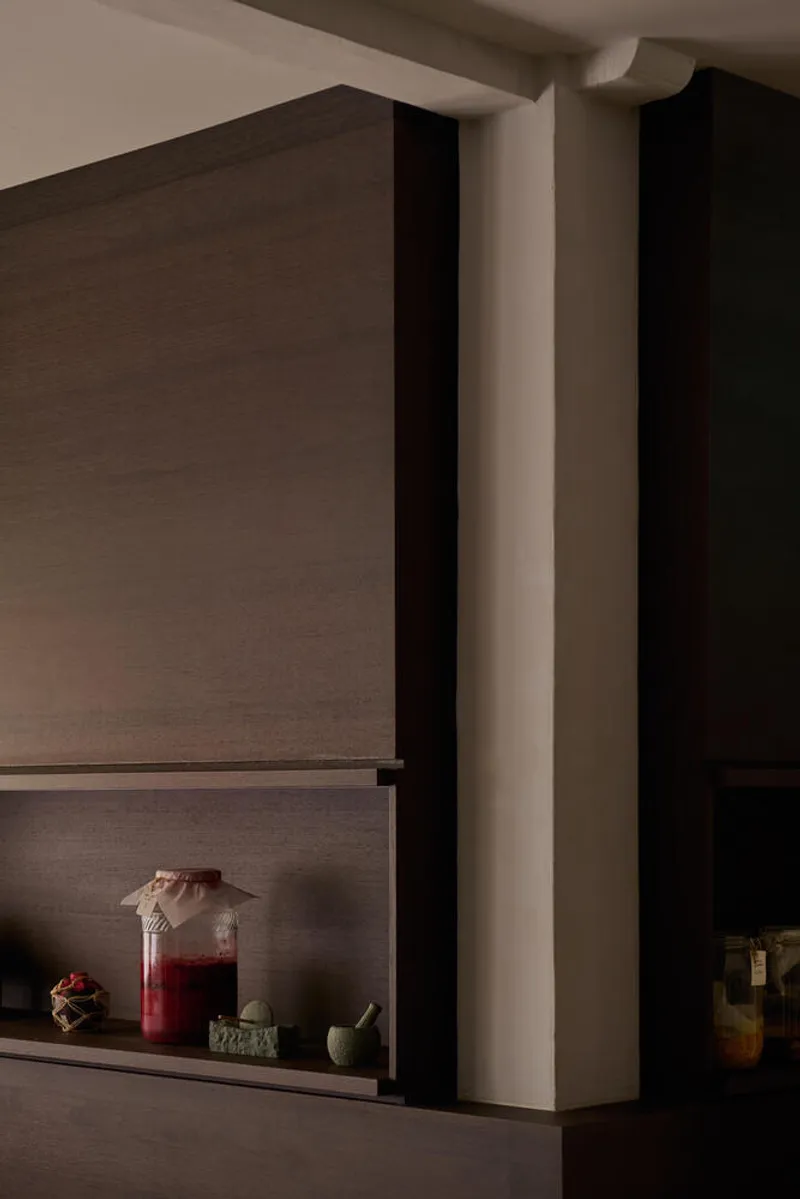
The preserved structural columns play an essential role in shaping the interior narrative. Instead of concealing the original features, the design integrates them as part of the scenography. These columns frame views, define circulation paths, and create a rhythmic flow that enhances the dining experience.
Architectural Challenges and Heritage Integration
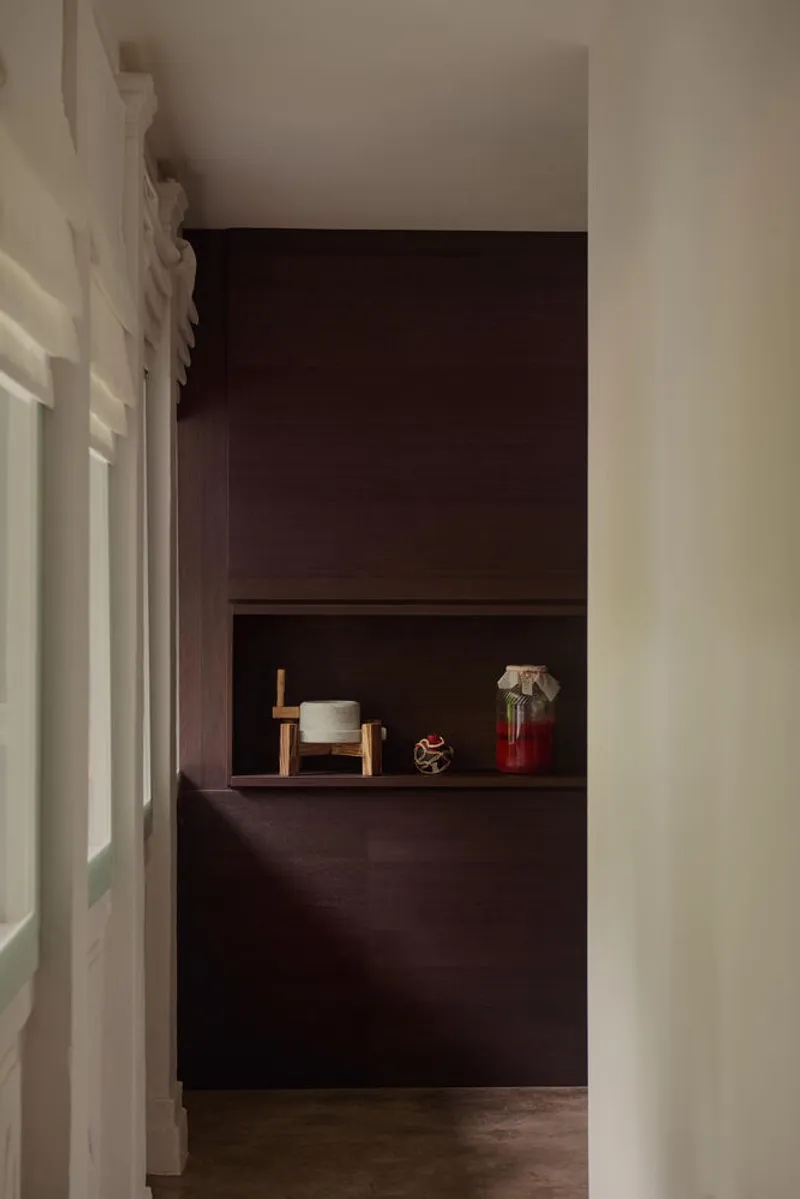
Working within the limitations of a heritage building was both a challenge and an opportunity for Brock Carmichael Asia. The original ceiling heights, column placements, and circulation routes imposed constraints, yet these very elements informed the restaurant’s spatial character. The architects embraced these features, using them to anchor key visual moments and create a layout that feels natural and unforced.
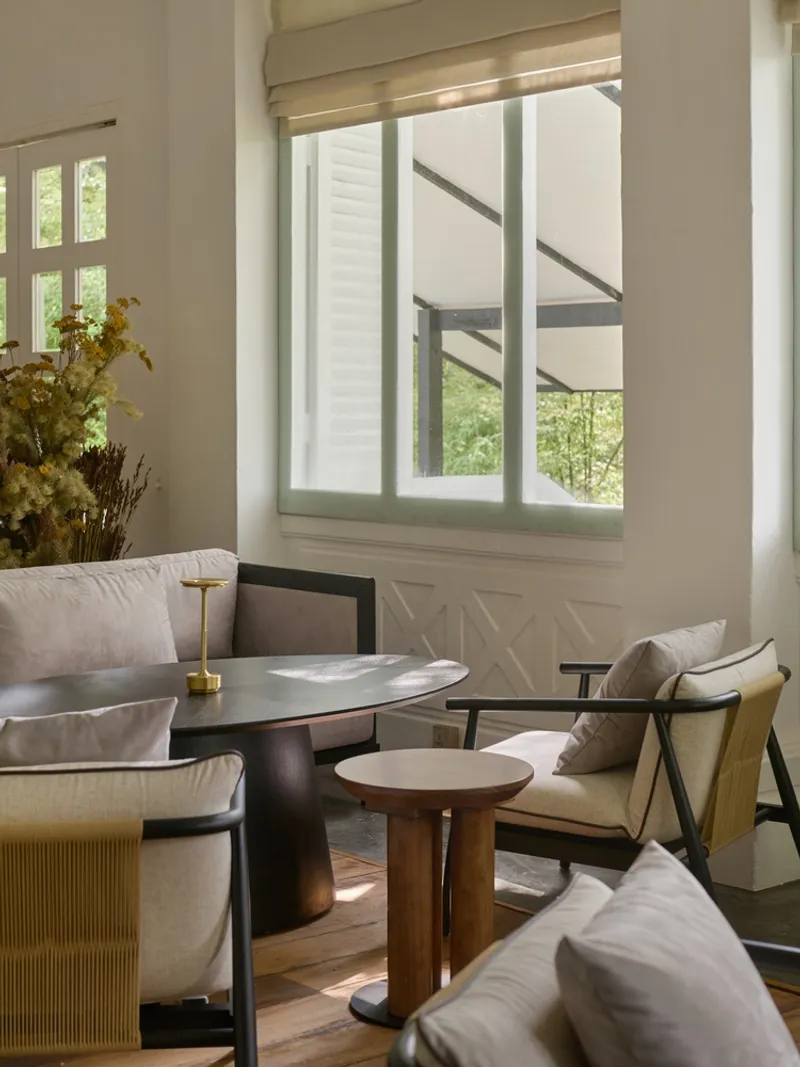
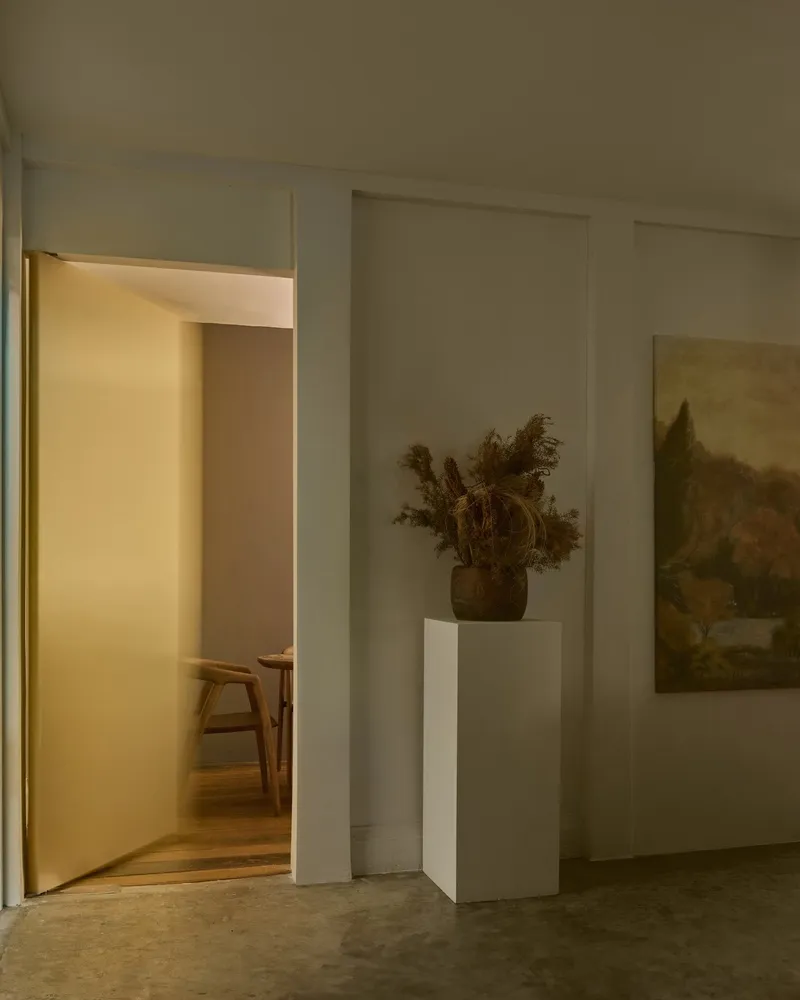
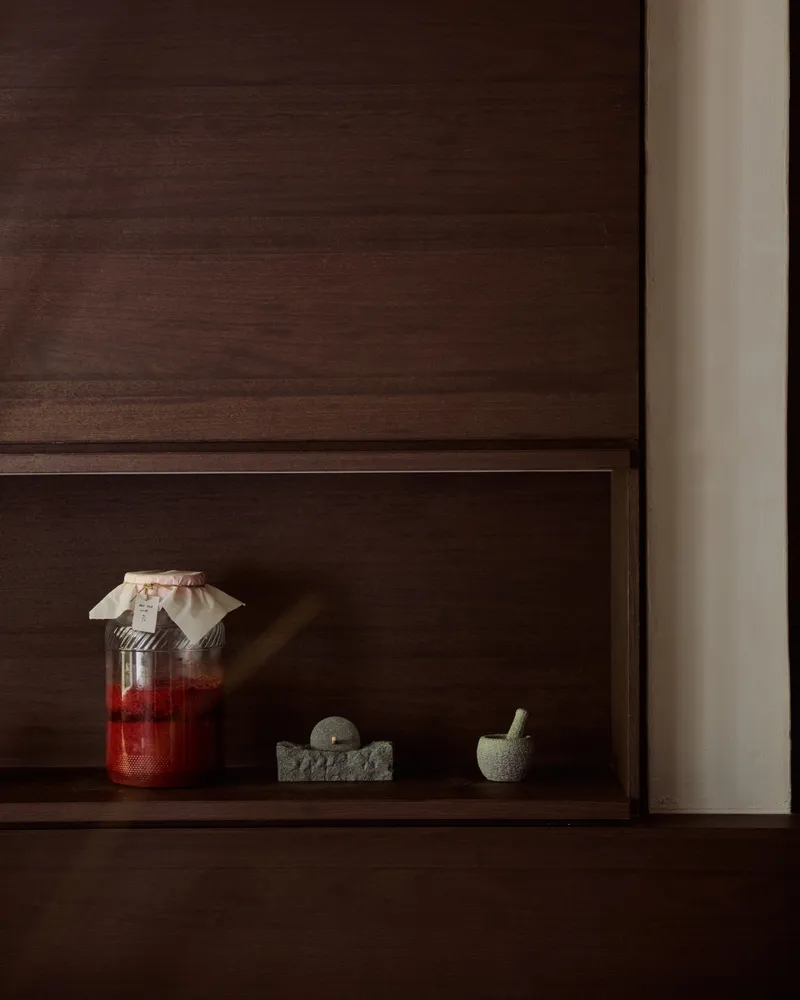
Materiality is a crucial part of the design approach. Warm timber finishes dominate the interiors, fostering a sense of calm and connection to nature. The tactile quality of wood surfaces ensures the space feels welcoming without being overly literal in its nods to history.
Key Design Features
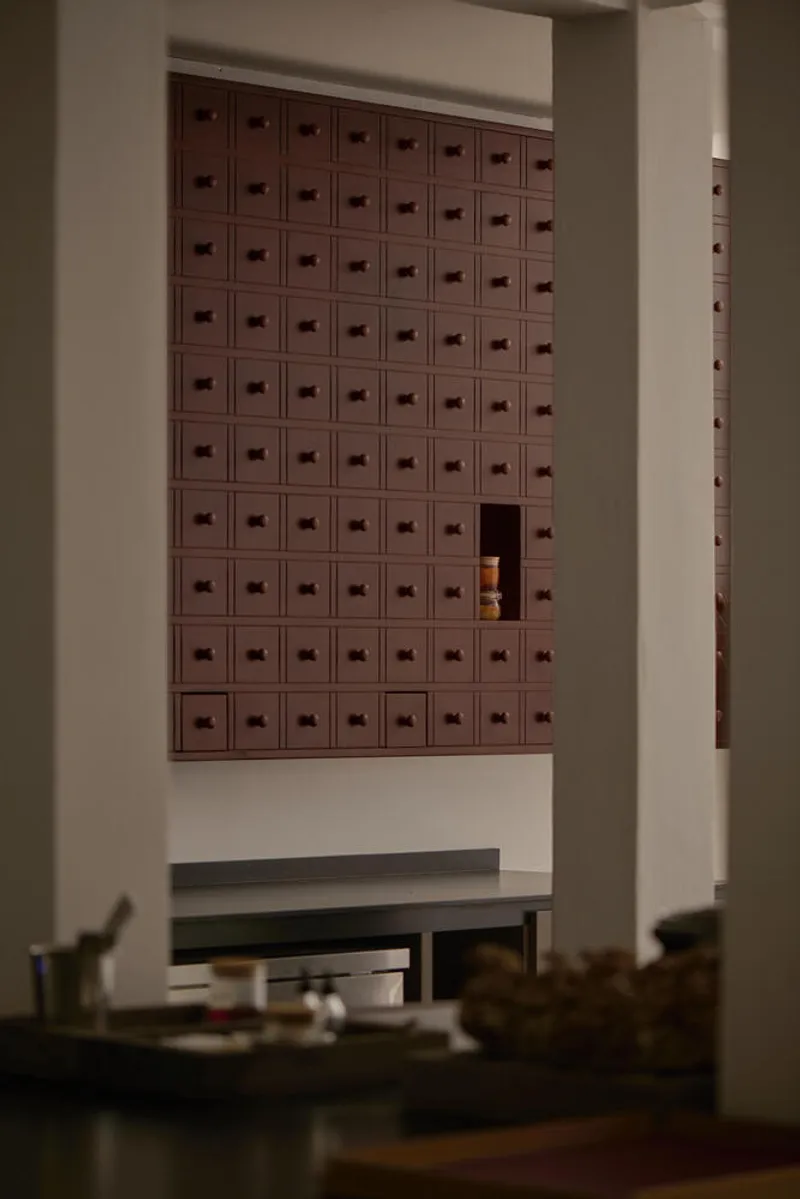
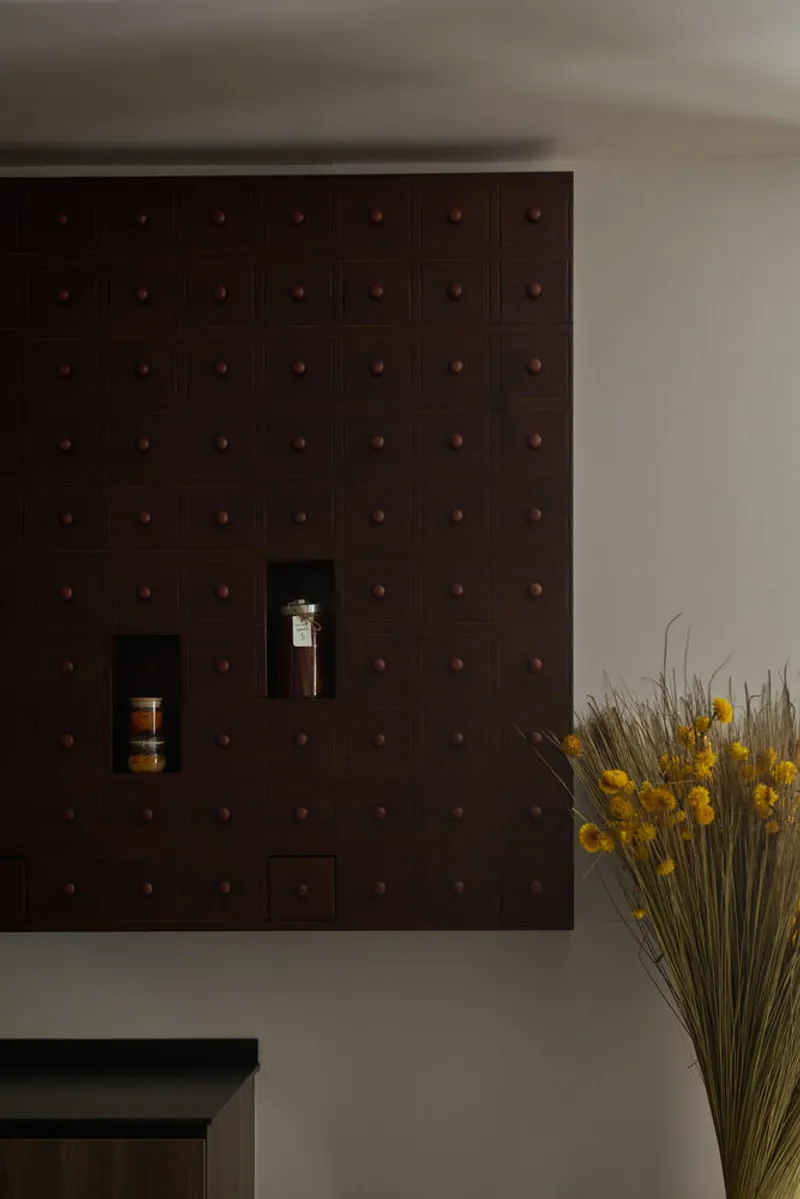
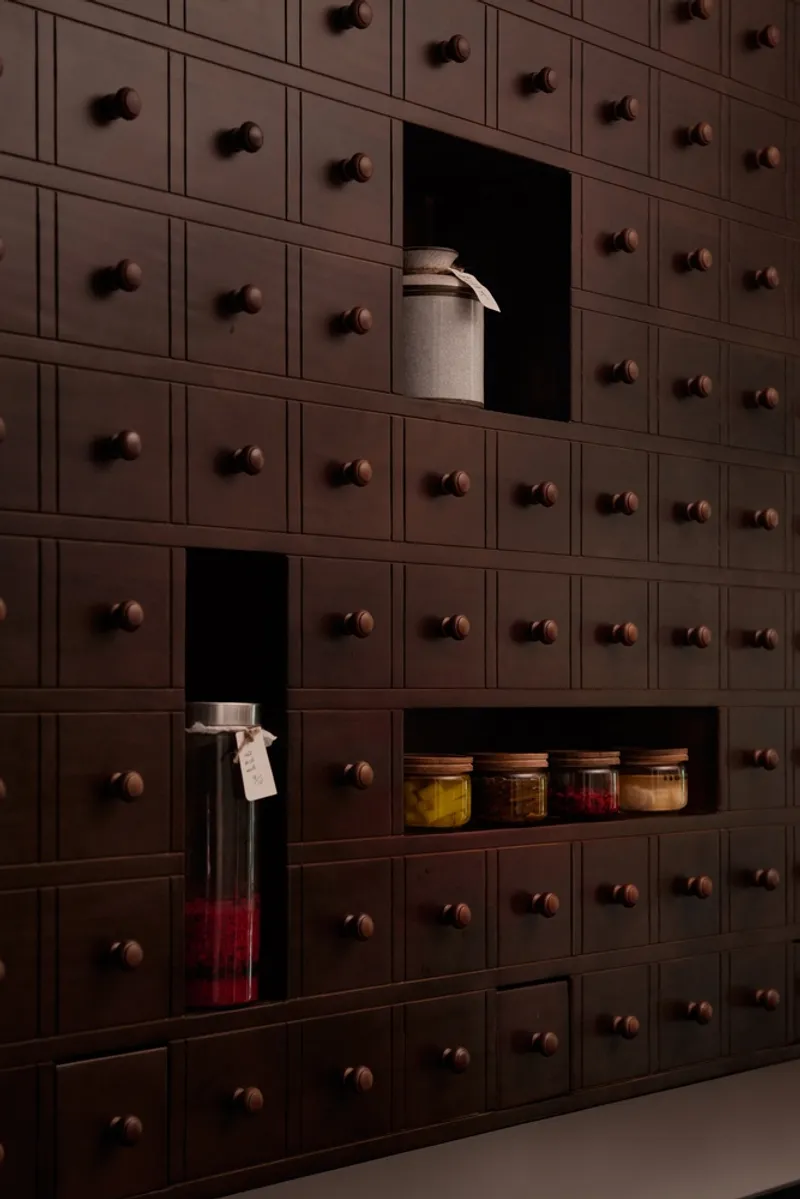
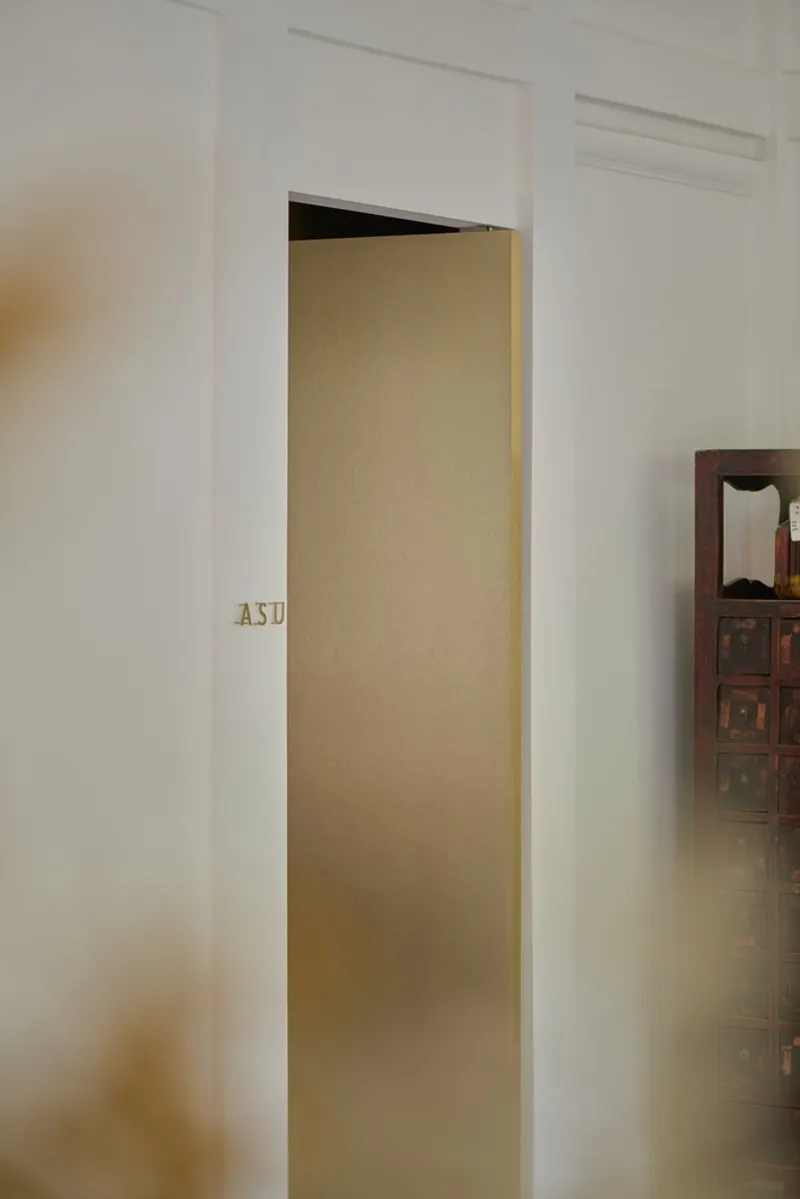
A striking highlight of ASU Restaurant Singapore Architecture is the apothecary-inspired cabinet situated behind the open kitchen. This grid of drawers serves as both storage and display, blending functionality with storytelling. Some drawers are deliberately left open, revealing curated objects that evoke tradition and memory, adding layers of narrative to the dining experience.
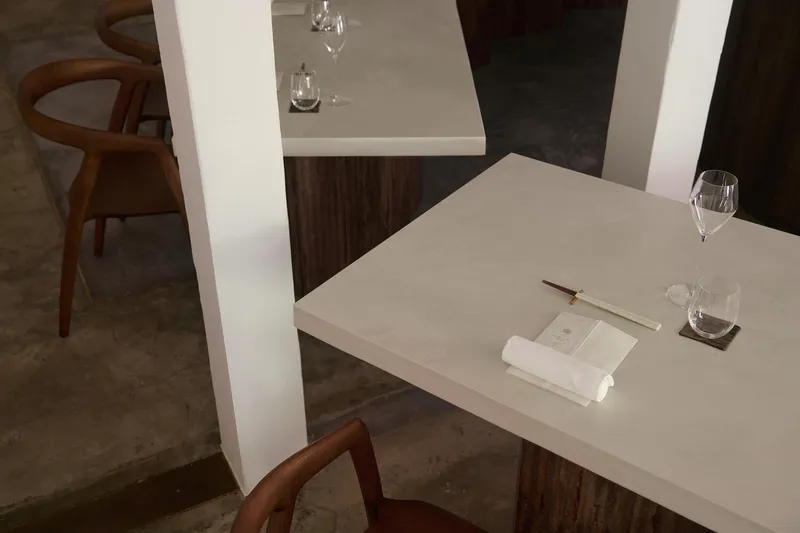
The furniture, designed with simplicity and precision, complements the overall spatial ethos. Every element—from handcrafted wooden chairs to custom dining tables—enhances the meditative atmosphere while supporting the restaurant’s operational flow.
Lighting as a Theatrical Element
Lighting design is central to the concept of quiet theatricality at ASU. Focused spotlights define intimate dining zones, highlighting surface textures and architectural details. The interplay of light and shadow adds depth and drama, elevating the ambience while maintaining a sense of calm and reflection. This meticulous layering of light creates moments of visual poetry, where diners can fully engage with both the culinary and architectural experience.
A Space for Ritual and Reflection
Ultimately, ASU Restaurant Singapore Architecture is more than just a dining venue—it is a space where design and ritual converge. The careful integration of heritage elements, combined with contemporary spatial strategies, creates an environment that feels timeless. Every detail, from the apothecary cabinet to the curved dining tables, contributes to a collective experience rooted in craft, memory, and calmness.
ASU stands as a testament to how modern hospitality design can coexist with historic architecture. By embracing the building’s colonial heritage and reinterpreting it through a lens of quiet theatricality, Brock Carmichael Asia has crafted one of Singapore’s most immersive fine dining destinations. The result is a harmonious blend of history, craft, and contemporary design that leaves a lasting impression.
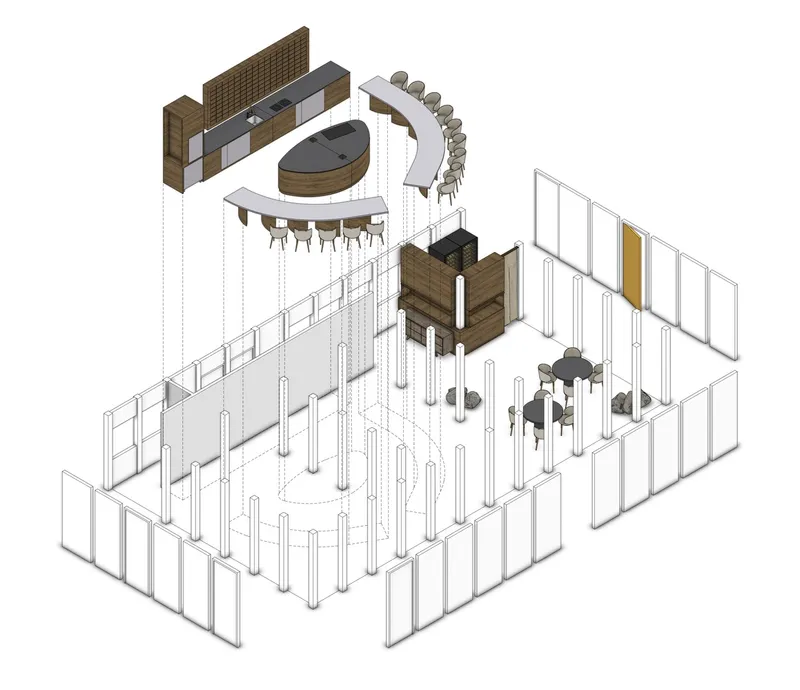
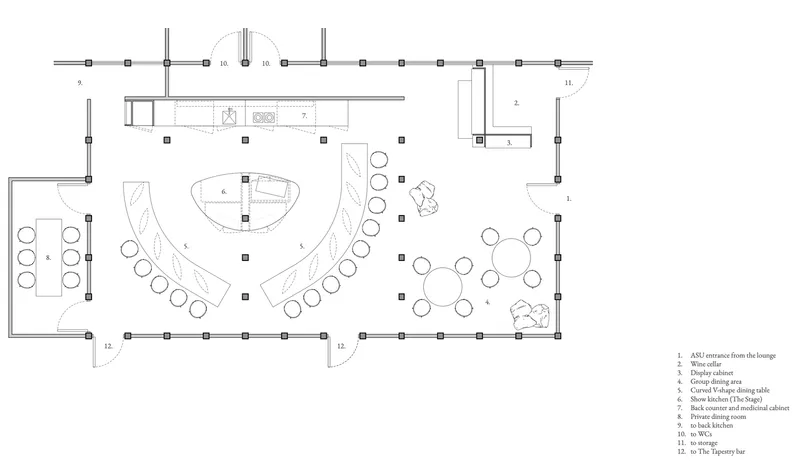
All the photographs are works of Jovian Lim




Popular Articles
Popular articles from the community


Co-life: Sustainable Architecture for Age-Friendly Community Living
Co-life reimagines sustainable architecture for seniors through courtyards, rammed earth, shared gardens, and spaces designed for belonging.

Hill & Cross Opera: Sculptural Opera House Architecture Shaped by Tallinn’s Landscape and Identity
Hill & Cross Opera reimagines opera house architecture in Tallinn through its sculptural hill, civic plaza, glass wave and a luminous cross.

Riyadh For All: Intergenerational Urban Design for Active Aging in Rabat
Riyadh For All reimagines urban design in Rabat with intergenerational co-living, adaptive courtyards, and Moroccan cultural exchange today.

The Musturak Paradise: Senior Living Architecture for a Connected Future in Temara, Morocco
The Musturak Paradise reimagines senior living architecture in Temara via private homes, social spaces, culture, community, and shared care.


Similar Reads
You might also enjoy these articles

FAMM Arquitectura Organizes Ten Villas Around Courtyards and Jungle in Nosara, Costa Rica
El Molino pairs two elongated volumes with deep overhangs and timber louvers to build a compact coastal community five minutes from the beach.
Oscar Niemeyer's Ibirapuera Park Pavilions Define São Paulo's Cultural Identity in Concrete and Curve
A constellation of modernist volumes set within São Paulo's most important urban park, conceived for the city's 400th anniversary in 1954.
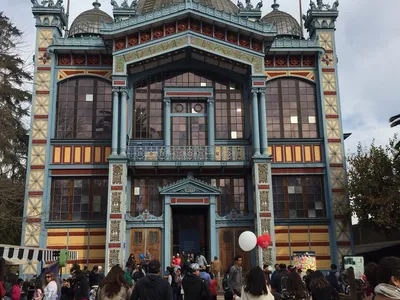
How Henri Picq's 1889 Paris Pavilion Traveled 11,000 Kilometers to Become Santiago's Artequín Museum
A prefabricated iron and glass pavilion built for the Paris Universal Exposition found a second life as a children's art museum in Chile.
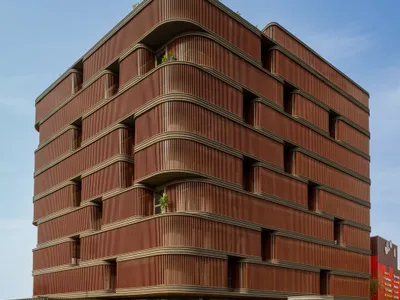
Sanjay Puri Architects Wraps a Jaipur Office Tower in Capsule-Shaped Green Buffers
A nine-level climate-responsive workplace near Jaipur Airport uses stacked planter terraces and aluminium screens to fight 40°C heat.


Explore Architecture Competitions
Discover active competitions in this discipline



Challenge to reimagine the Iron Throne


Photograph architecture without architects


Illustrate the lost glory of Angkor Wat - Render Challenge


Design challenge to reuse E-waste
Comments (0)
Please login or sign up to add comments
No comments yet. Be the first to comment!