
Atardeceres House | Fabrica Nativa Arquitectura – Sustainable Coastal Living in Ecuador
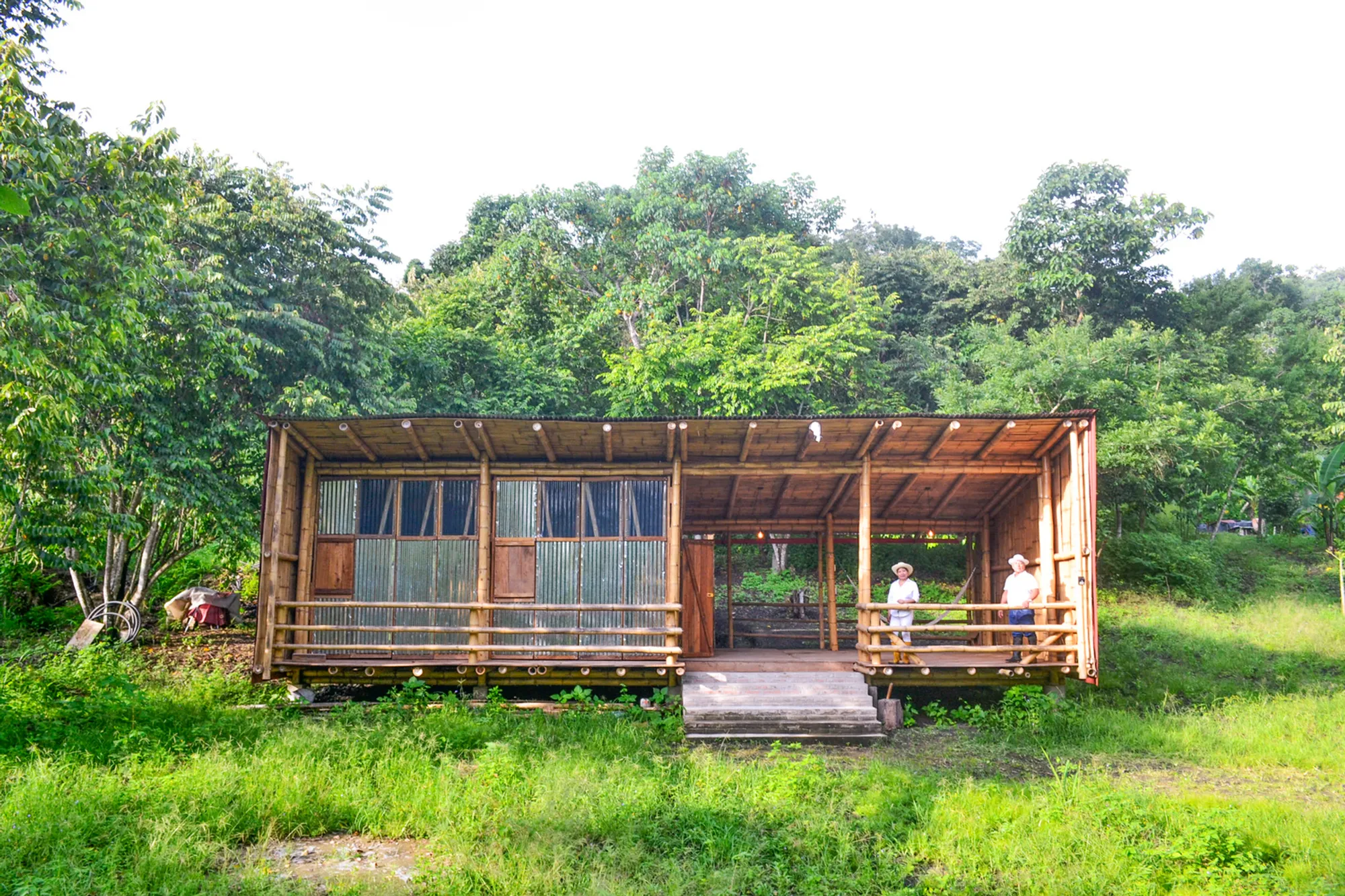
Atardeceres House by Fabrica Nativa Arquitectura integrates sustainable bamboo construction, modular design, and renewable energy, harmonizing family life with Ecuador’s coastal nature.


Nestled in the rural landscapes of San Lorenzo de Jipijapa, Manabí province, Atardeceres House by Fabrica Nativa Arquitectura is a thoughtful integration of nature, culture, and sustainable living. Covering 66 m², this innovative home harmonizes daily life with the lush Ecuadorian coastal environment, offering families a functional, adaptable, and eco-conscious living space.
Context & Site
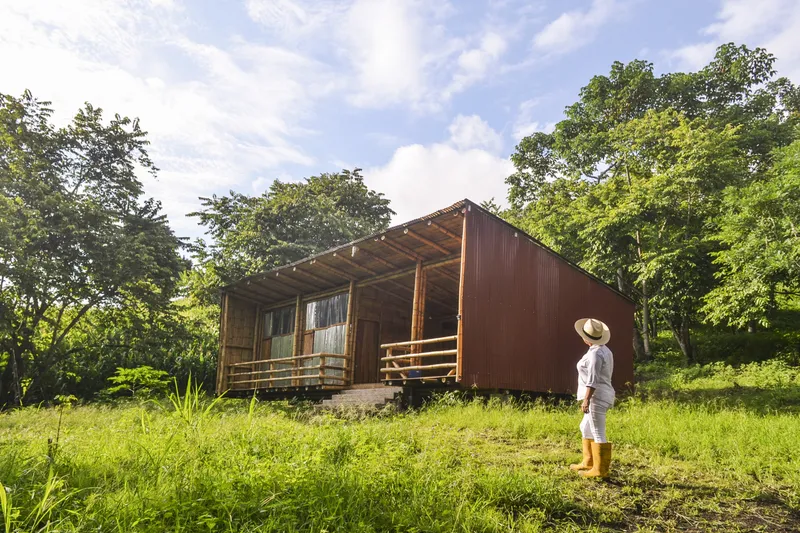
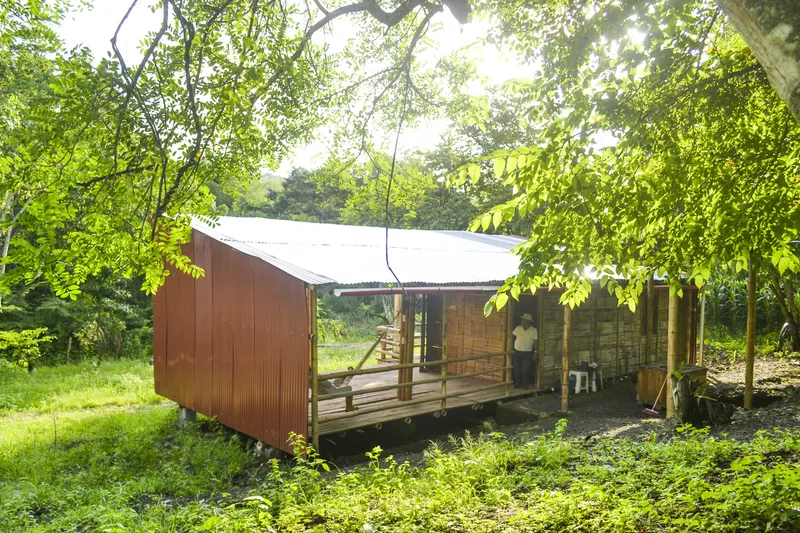
The house sits amidst a yellow land sector between protected areas and productive agricultural lots, where local families cultivate coffee, plantains, corn, and cocoa, while raising livestock such as chickens and pigs. The site is alive with local wildlife, including guacharacas, guatusos, armadillos, guantas, tigrillos, and snakes, reflecting the rich biodiversity of the mountainous coastal region. Local resources, such as “caña brava” bamboo, are produced nearby, supporting a construction strategy rooted in sustainability and tradition.
Design Strategy & Sustainable Approach
Atardeceres House follows a contextual and environmentally conscious design strategy:
- Utilize local materials including treated bamboo, wood, and recycled elements.
- Collaborate with local labor, preserving construction traditions and introducing new techniques.
- Design a flexible, progressive structure that allows the house to grow over time.
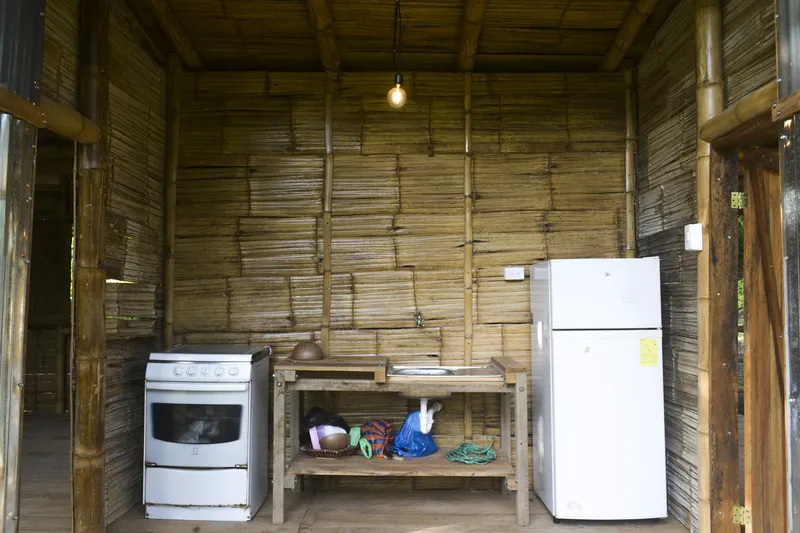
- Define essential living spaces: sleeping, cooking, cleaning, and living areas.
- Integrate wastewater management systems such as biodigesters and infiltration fields; organic waste is converted into compost.
- Employ renewable energy solutions like photovoltaic panels.
- Maintain cost efficiency through government loans, ensuring affordability for local families.
Architectural Concept & Layout
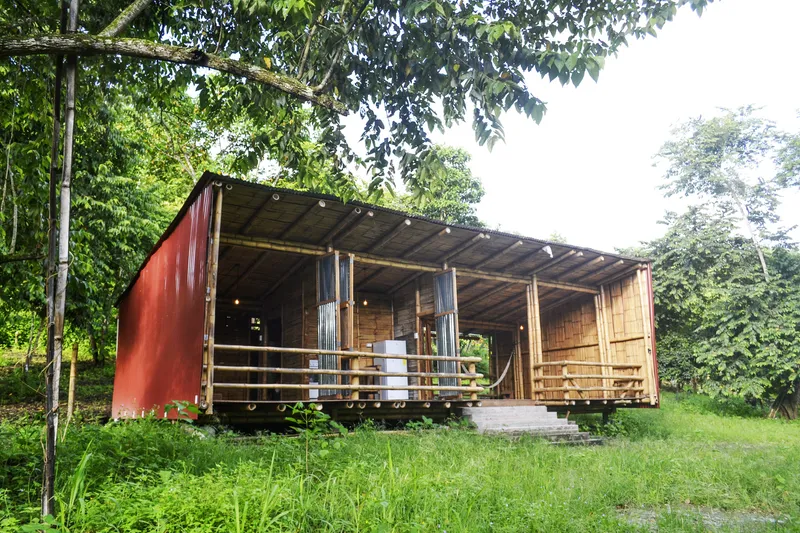
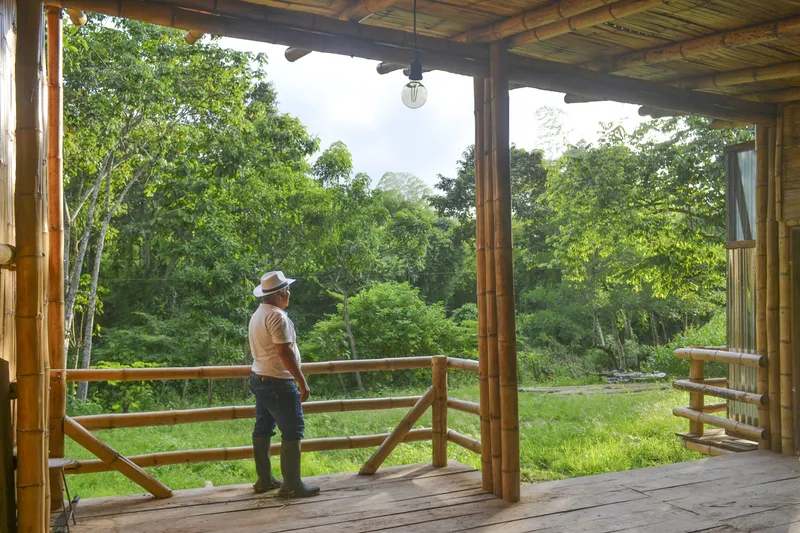
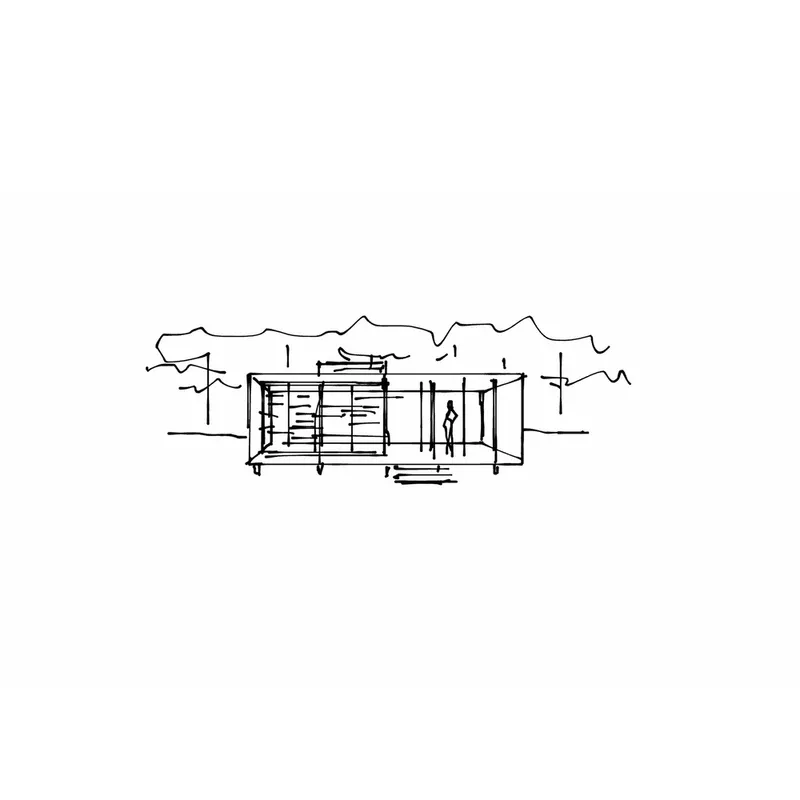
After analyzing multiple options (36m², 66m², 132m²), the 66 m² model was chosen as the ideal size for families of four or more. The house consists of four modular units (3.00m x 5.40m) constructed with treated roll bamboo, matting, and lath, joined by screws, threaded rods, and nuts. Wet areas are centrally located for future flexible expansion, while the house is elevated to adapt to humidity and heat, taking full advantage of panoramic views and the surrounding landscape. Its envelope combines recycled sheets with matting, emphasizing sustainability without compromising aesthetics.
Interior & Connection with Nature
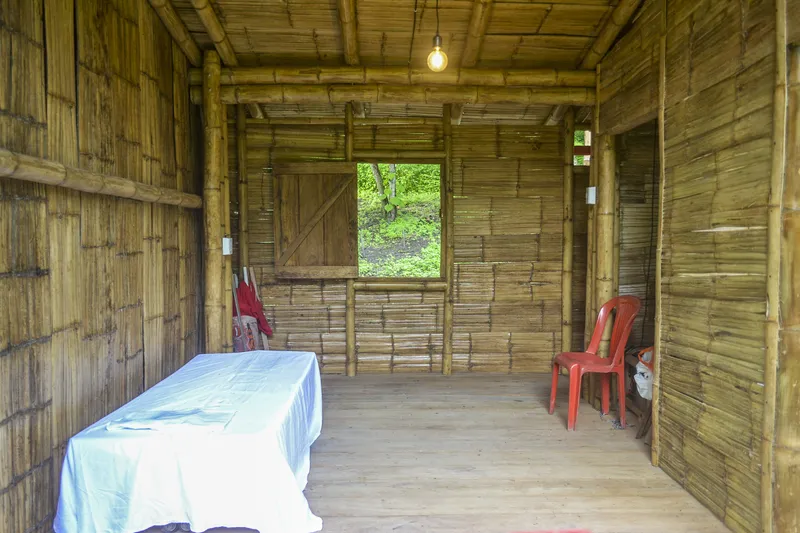
Inside, the home celebrates natural light, ventilation, and the warmth of exposed beams, creating a serene and intimate atmosphere. Bedrooms, living areas, and decks open seamlessly to the surrounding forest, fostering a deep connection between daily life and the coastal ecosystem.
Atardeceres House demonstrates how eco-conscious design, local materials, and cultural integration can redefine sustainable rural living on the Ecuadorian coast.




Popular Articles
Popular articles from the community


Co-Life: Senior Housing Design That Reconnects Older Adults With the City
Co-Life reimagines senior housing design through healing gardens, shared streets, workshops, and a sustainable community across generations.
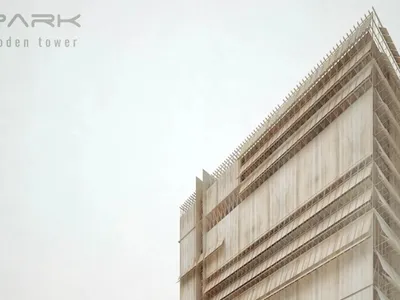
EW PARK: Sustainable Architecture Reimagines the Future of Urban Parking
EW PARK reimagines city parking as a modular wooden tower combining automation, solar energy, electric mobility, and adaptable urban design.

The Musturak Paradise: Senior Living Architecture for a Connected Future in Temara, Morocco
The Musturak Paradise reimagines senior living architecture in Temara via private homes, social spaces, culture, community, and shared care.

Hill & Cross Opera: Sculptural Opera House Architecture Shaped by Tallinn’s Landscape and Identity
Hill & Cross Opera reimagines opera house architecture in Tallinn through its sculptural hill, civic plaza, glass wave and a luminous cross.


Similar Reads
You might also enjoy these articles


Hodi-Mandai Geram
Project Function: Preservation and revitalization of the Intangible heritage and socio-spatial identity of the Hodi by Housing, Cultural Memory Center, Sacred Grove, landscape, local tourism economy


Olio Towers: A Mid-Rise for Performers That Fuses Housing, Rehearsal, and Stage
Located blocks from Houston's Theater District, this modular tower stacks living units around a central performance atrium.

Oasis: Modular Green Housing Carved into Dhaka's Urban Fabric
A shortlisted Plugin Housing entry reclaims unauthorized settlements in Dhaka with stepped concrete volumes, green roofs, and ventilation-driven design.

Black Hole: A Floating Megastructure for the Post-Physical Era
Emiliano Mazzarotto envisions a spherical, self-scaling arena where e-sports, digital hotels, and holographic stadiums replace traditional public space.


Explore Sustainable Living Competitions
Discover active competitions in this discipline



Challenge to reimagine the Iron Throne


Photograph architecture without architects


Illustrate the lost glory of Angkor Wat - Render Challenge


Design challenge to reuse E-waste
Comments (0)
Please login or sign up to add comments
No comments yet. Be the first to comment!