
Attic A.N.T. by Pineda Monedero – A Sculptural Penthouse Renovation in Barcelona
A sculptural Barcelona penthouse blending brick, concrete, and light-filled spaces, transforming a 1970s attic into a modern, open, terrace-connected home.


Attic A.N.T., designed by Pineda Monedero, is a striking architectural renovation that transforms a cramped 1970s penthouse in Barcelona into a sculptural, light-filled residence. The 150 m² apartment, photographed by Del Rio Bani, reimagines an often-overlooked typology in the city—attics that are typically residual, awkward spaces full of technical obstacles. Through a process of subtraction, reinterpretation, and material clarity, the architects reveal the penthouse’s structural essence and rebuild it as a contemporary, atmospheric home.
Revealing the Structure Through Subtraction
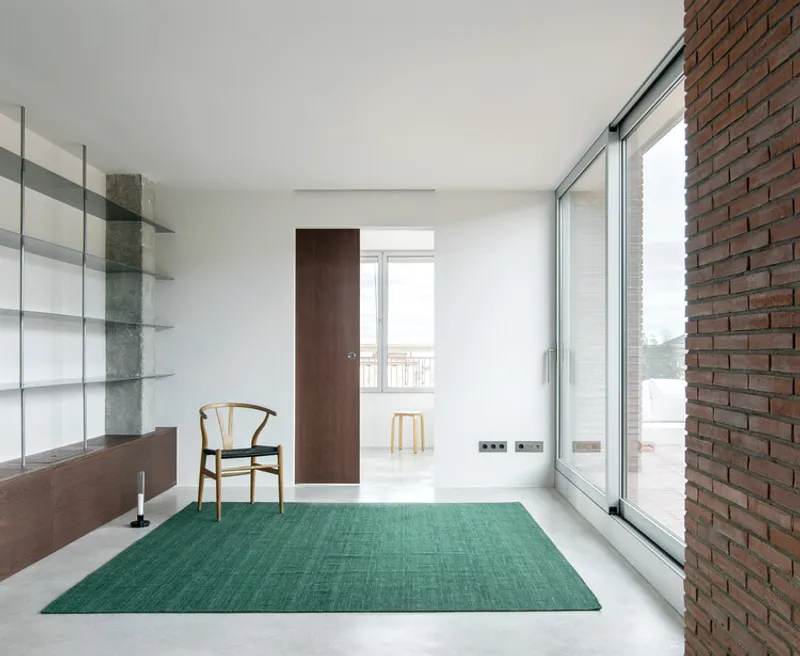
Located on the top floor, the original unit suffered from narrow frames, ventilation ducts, and downspouts—common flaws in older penthouses. Pineda Monedero approached the renovation by exposing the structure, removing unnecessary additions, and camouflaging defects within a thoughtful spatial redesign. This strategy resulted in three distinct living zones, each with its own architectural language yet seamlessly connected.
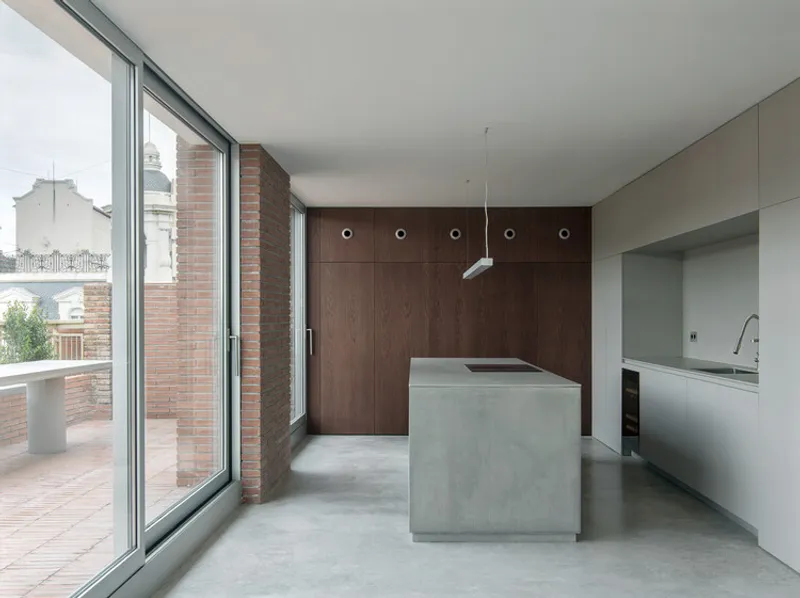
A Hangar-Like Living Space with Brick and Concrete
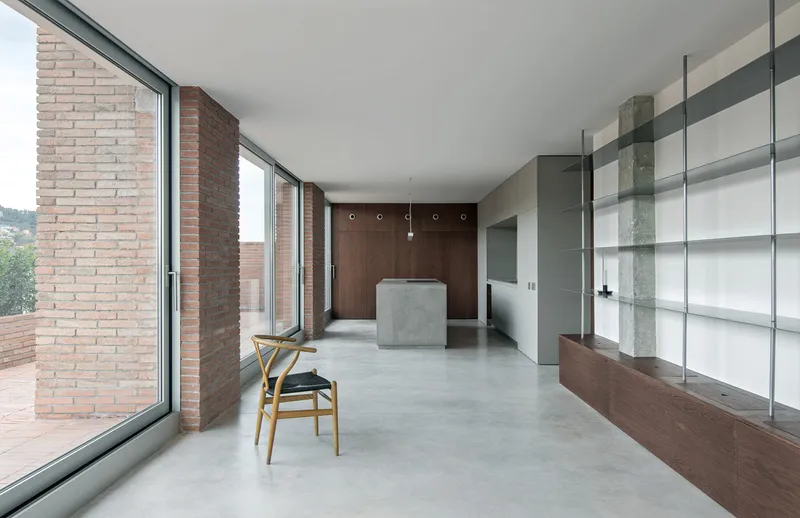
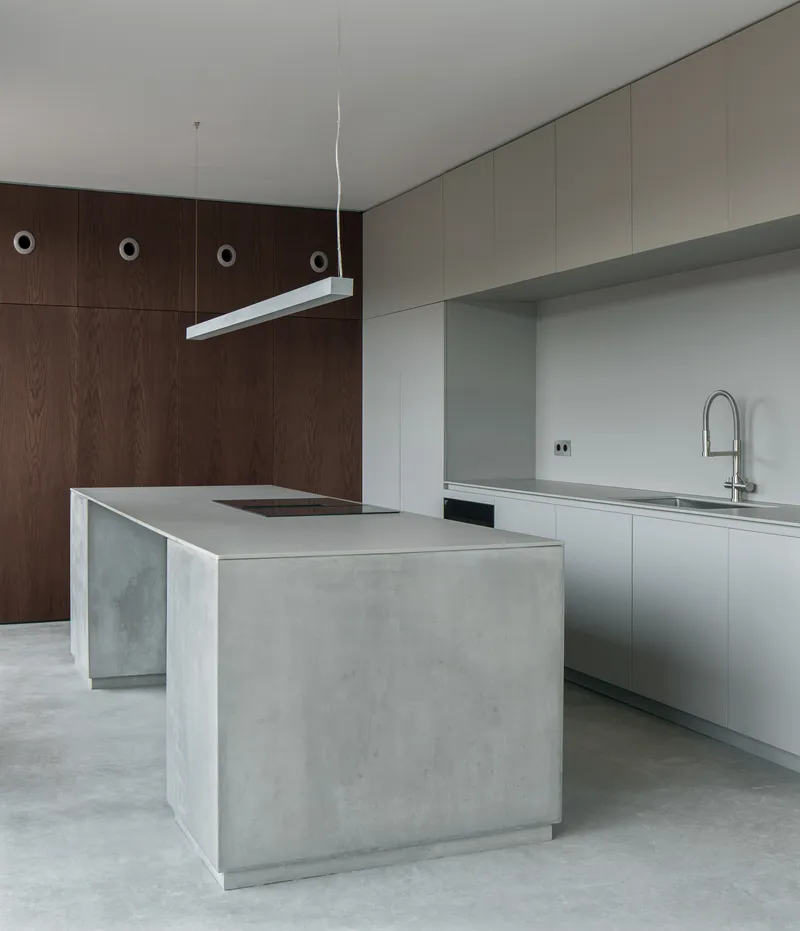
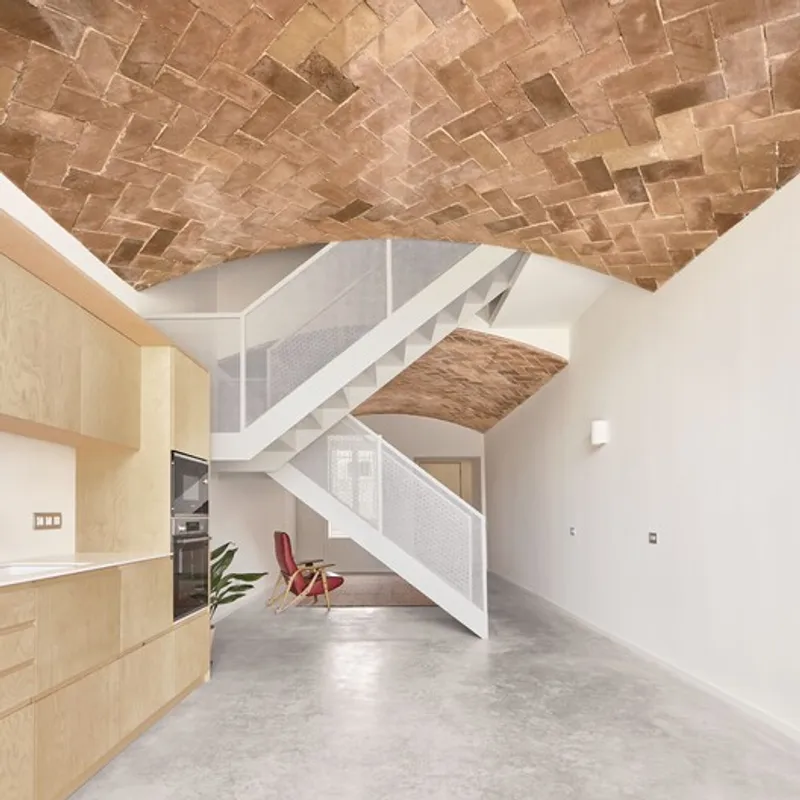
The main living area resembles an industrial hangar, defined by the interplay between heavy and light materials. Large brick pillars frame the openings, grounding the space, while a sculptural concrete kitchen island—described as an “altar”—becomes the central anchor. The remaining furnishings are integrated into the perimeter, forming a cohesive spatial envelope. This approach creates a gallery-like openness that celebrates raw textures and honest construction.
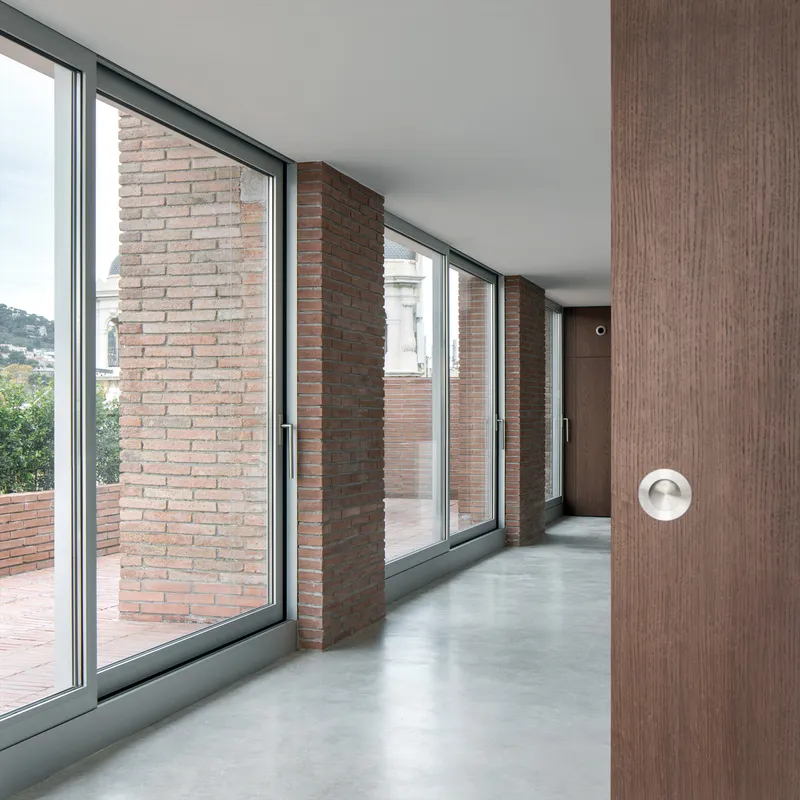
A Reclaimed Terrace Inspired by Global Penthouse Aesthetics
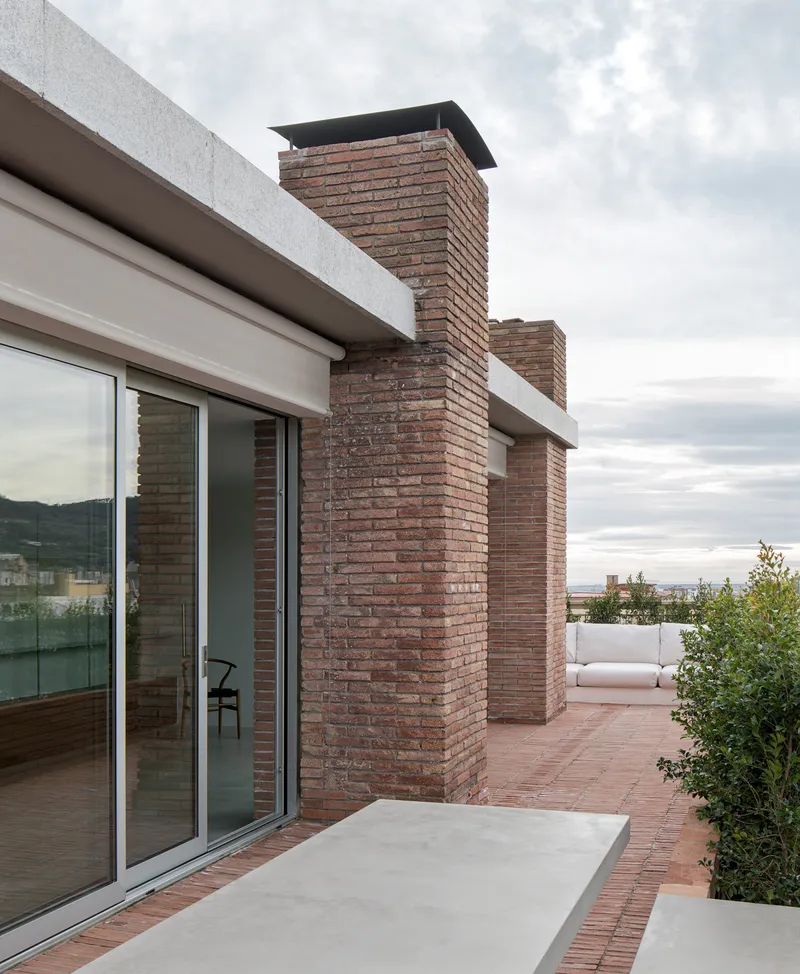
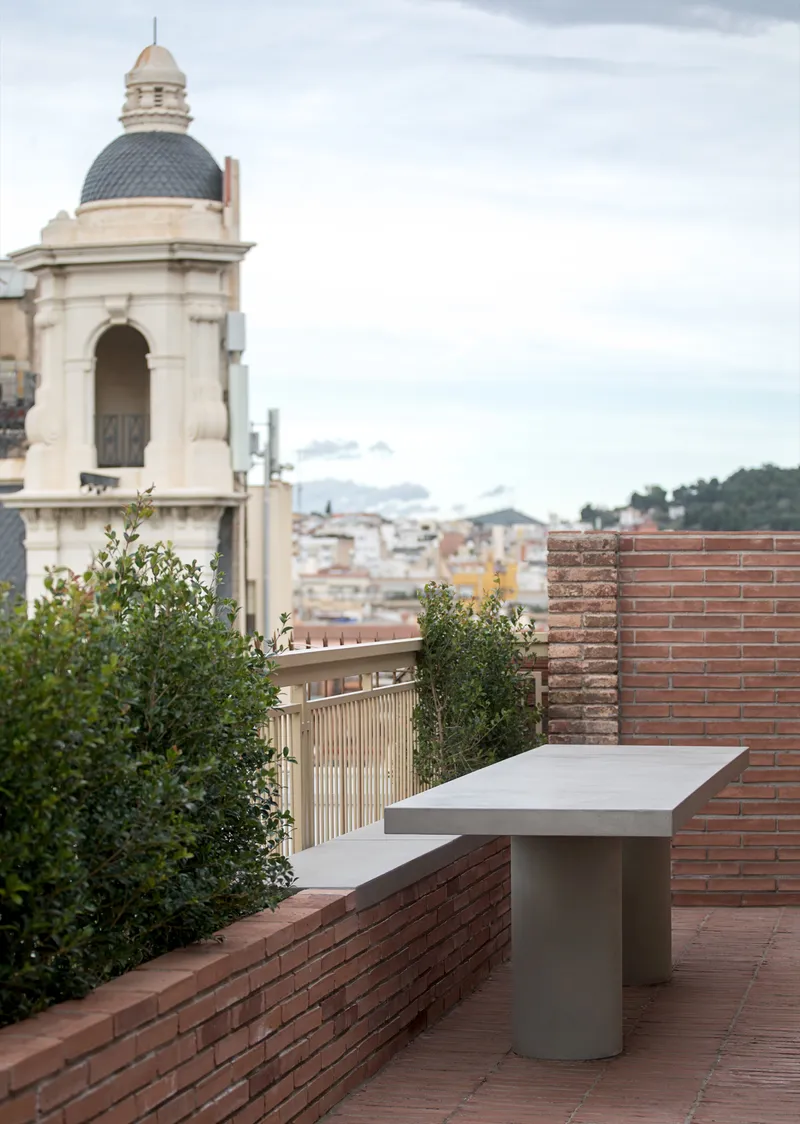
One of the project's most transformative interventions is the restoration of the terrace facing Tibidabo. By demolishing an enclosed gallery added over time, the architects recovered an expansive outdoor area. Its elongated form and exposed brick reflect influences from New York setback penthouses and Milan’s green terraces. Integrated furniture, such as a low brick garden wall that transitions into a sofa and a built-in concrete table, blurs the line between architecture and furniture.
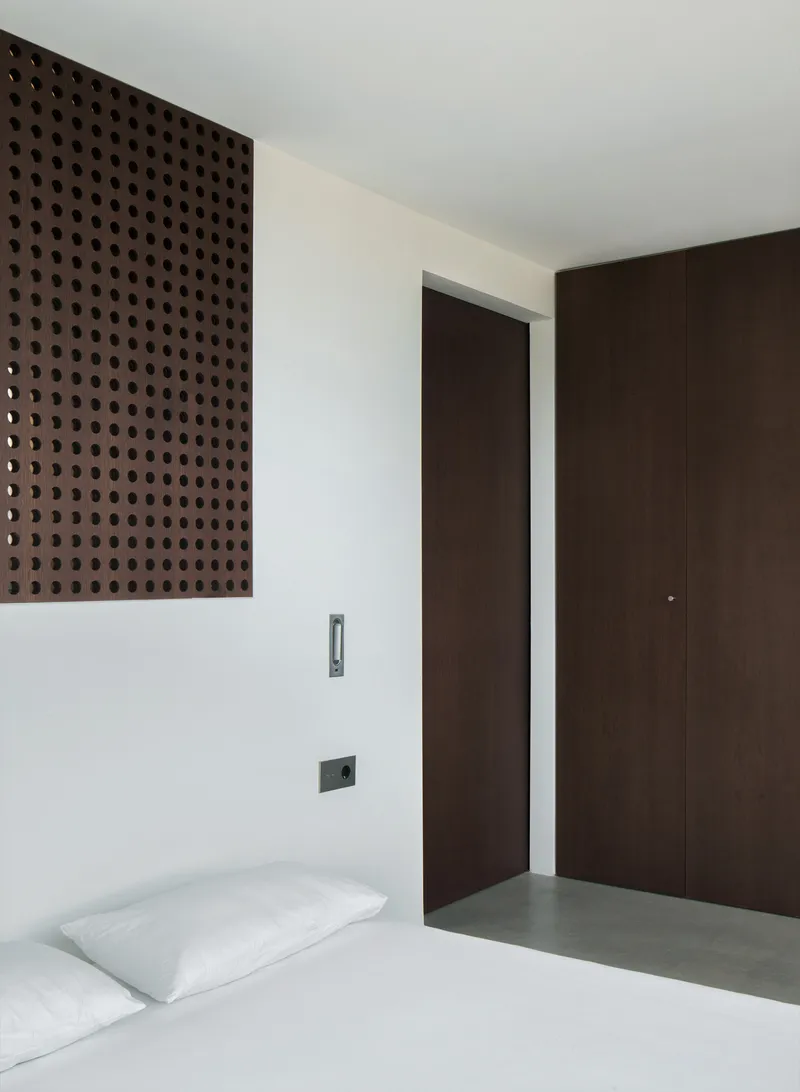
A Calm, Light-Filled Master Bedroom
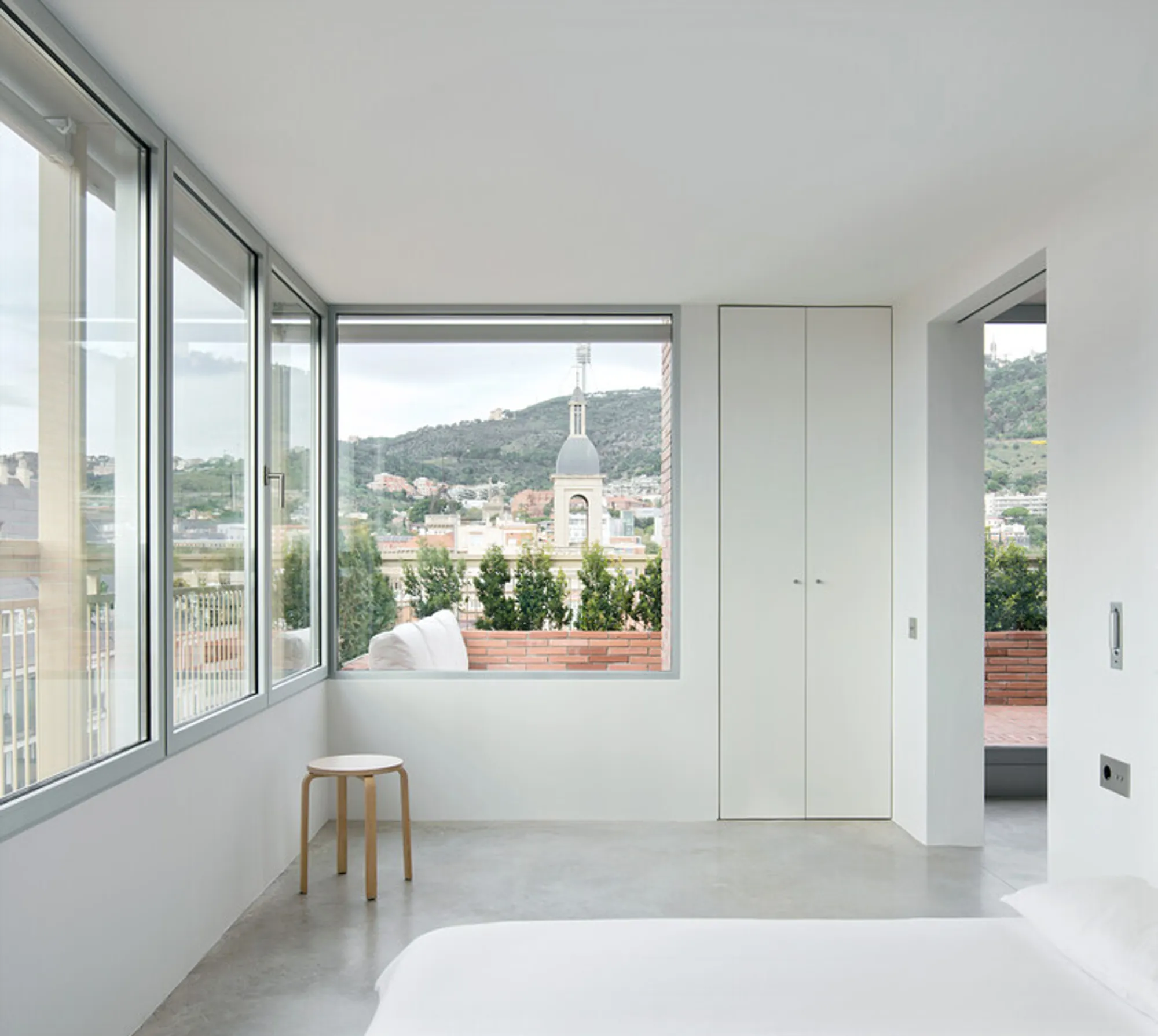
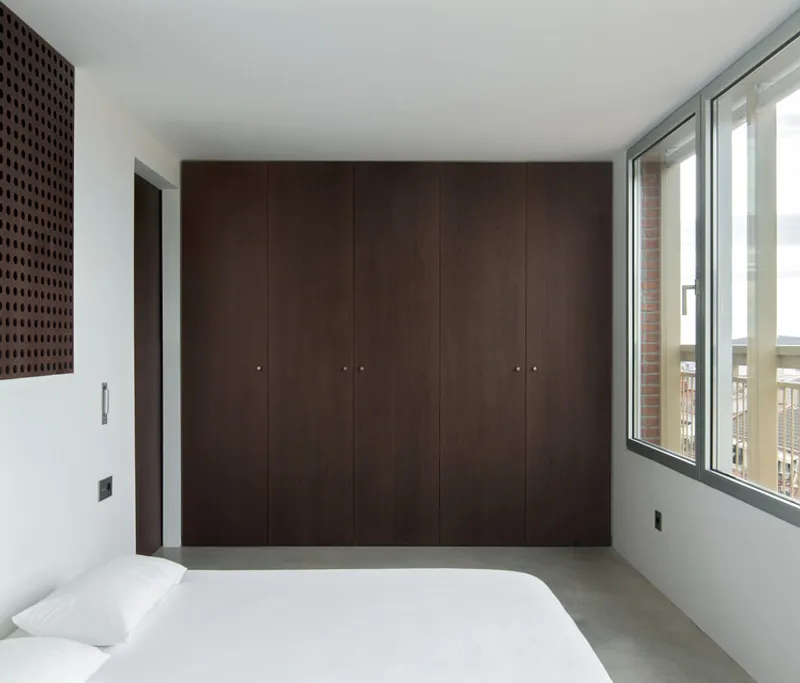
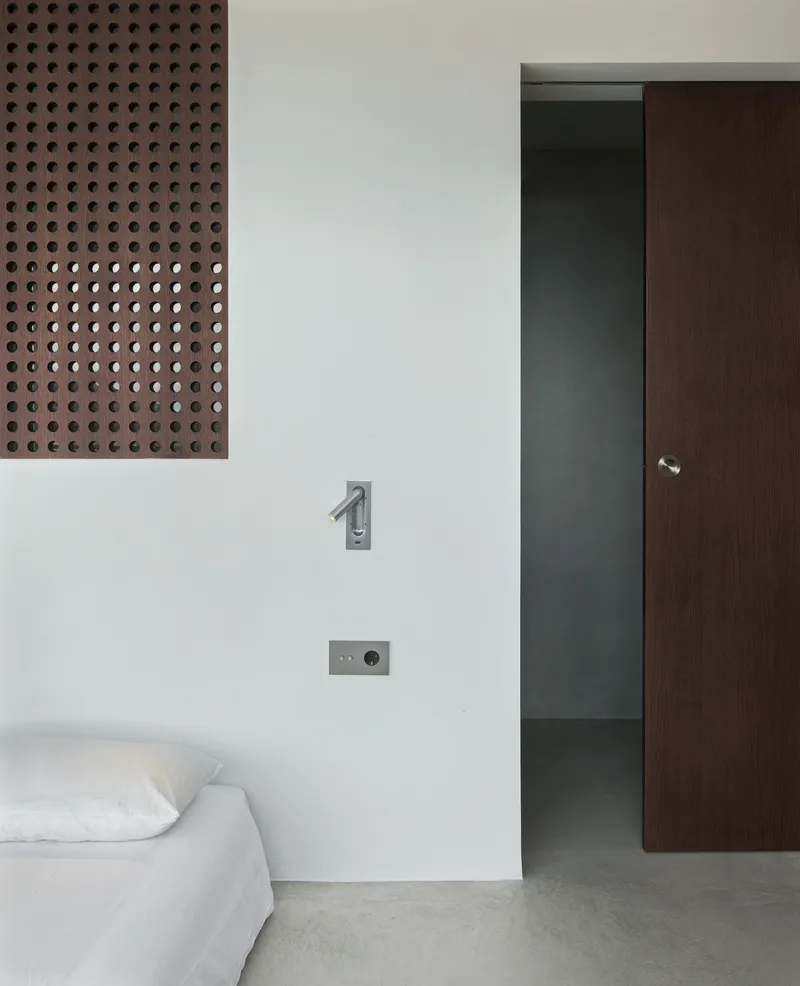
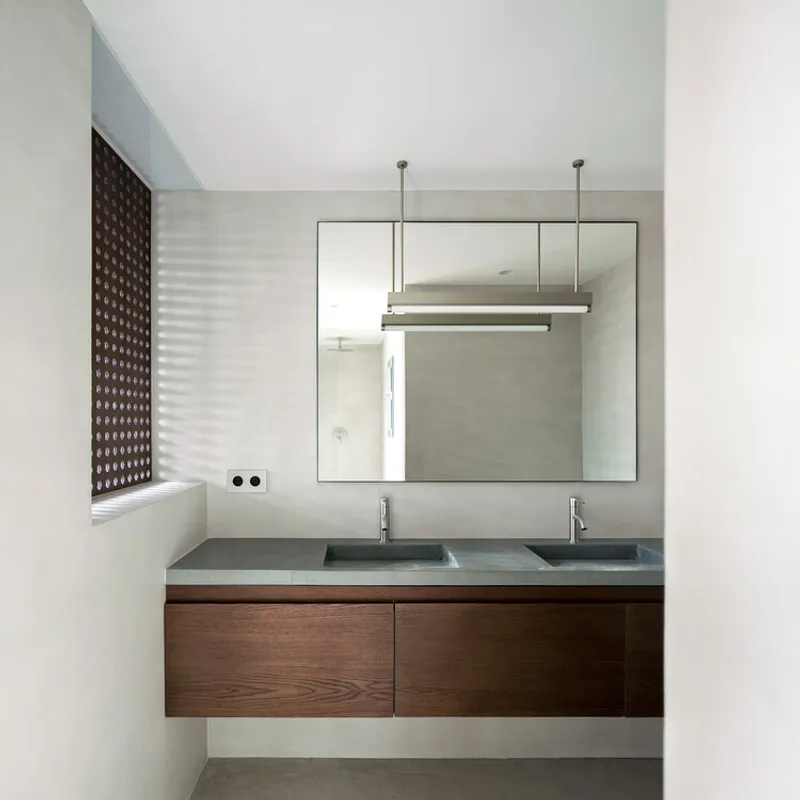
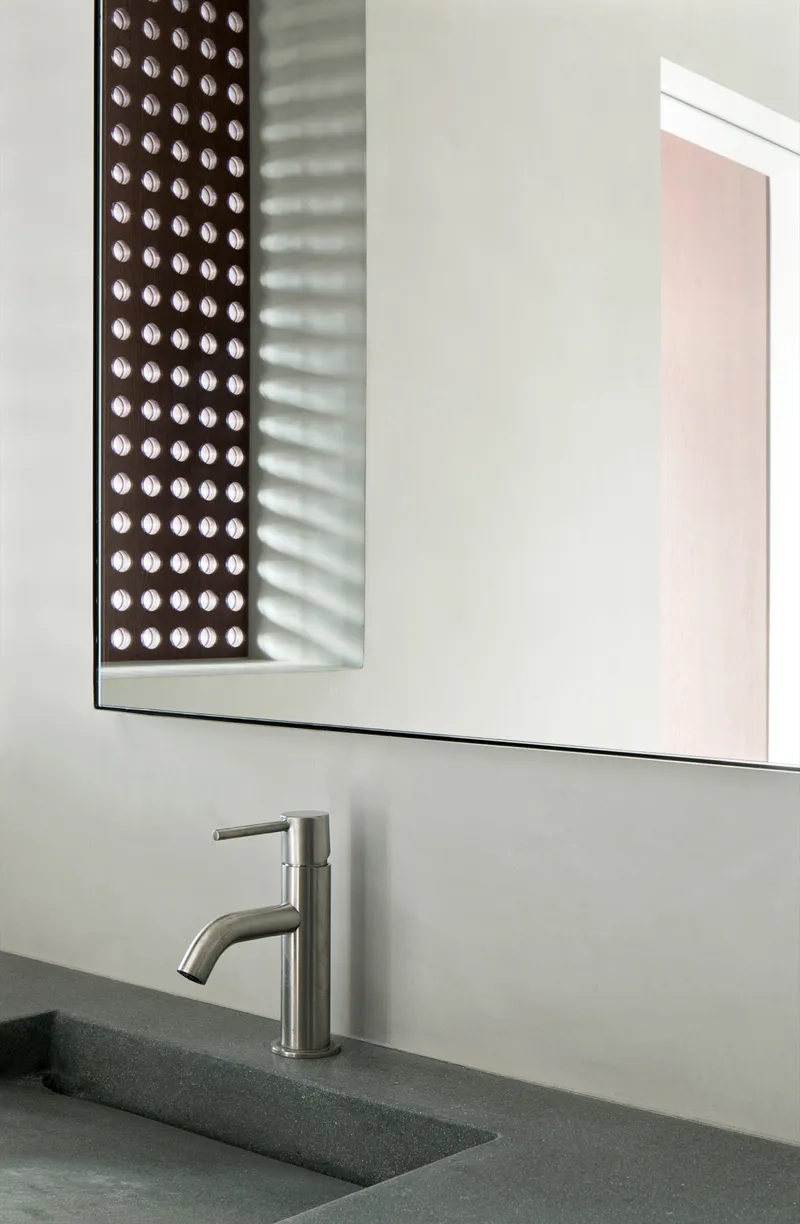
The third major zone is the master bedroom—an elongated gallery space overlooking El Prat. Metal frames and lightweight solar screens compose the façade, offering filtered daylight and privacy. The adjoining bathroom, though without direct views, is illuminated through a latticed screen, evoking the intimacy of a confessional and adding a poetic layer to the private suite.
Materiality as a Unifying Language
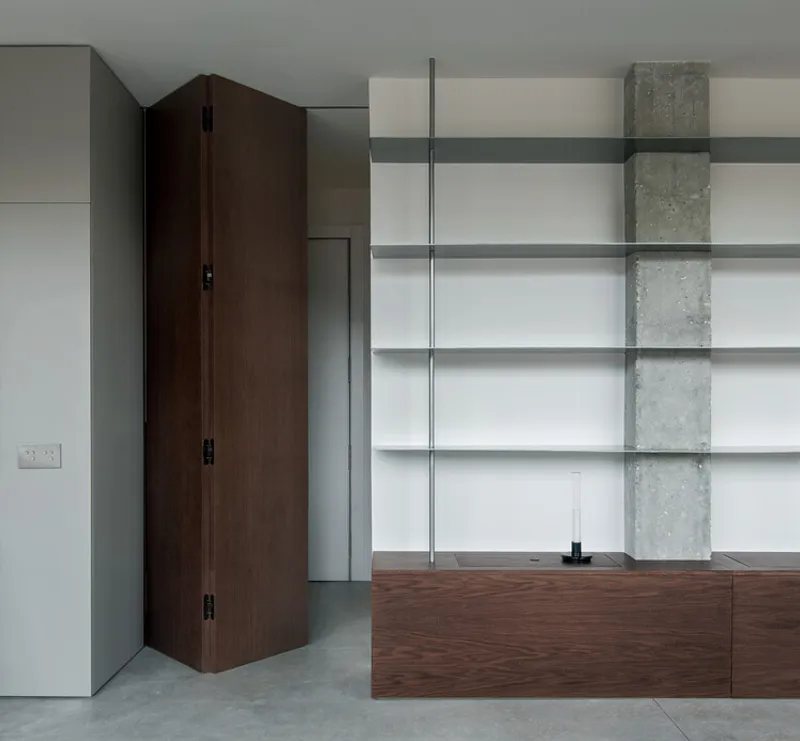
Concrete and brick are used strategically to merge existing and new elements, giving the impression of an interior carved from the building mass. Dark wood carpentry and steel details highlight openings, furniture, and custom built-ins, further strengthening the sense of a cohesive, excavated architectural volume. The palette is minimal yet rich—warm, tactile, and timeless.
A Contemporary Penthouse Crafted from Raw Beauty
Attic A.N.T. stands as a bold example of Barcelona penthouse renovation, where constraints become opportunities and material honesty shapes identity. Pineda Monedero’s design elevates a once marginal attic into a contemporary living space rooted in texture, structure, and the poetry of subtraction.
All the photographs are works of Del Rio Bani



Popular Articles
Popular articles from the community


Conexión: Biophilic Design Reimagines High-Rise Living in Hong Kong
Conexión reimagines high-rise living in Hong Kong through biophilic design, green facades, shared spaces, daylight, water and nature within.

Hill & Cross Opera: Sculptural Opera House Architecture Shaped by Tallinn’s Landscape and Identity
Hill & Cross Opera reimagines opera house architecture in Tallinn through its sculptural hill, civic plaza, glass wave and a luminous cross.

Co-life: Sustainable Architecture for Age-Friendly Community Living
Co-life reimagines sustainable architecture for seniors through courtyards, rammed earth, shared gardens, and spaces designed for belonging.

The Musturak Paradise: Senior Living Architecture for a Connected Future in Temara, Morocco
The Musturak Paradise reimagines senior living architecture in Temara via private homes, social spaces, culture, community, and shared care.
Similar Reads
You might also enjoy these articles


Hodi-Mandai Geram
Project Function: Preservation and revitalization of the Intangible heritage and socio-spatial identity of the Hodi by Housing, Cultural Memory Center, Sacred Grove, landscape, local tourism economy


Olio Towers: A Mid-Rise for Performers That Fuses Housing, Rehearsal, and Stage
Located blocks from Houston's Theater District, this modular tower stacks living units around a central performance atrium.

Oasis: Modular Green Housing Carved into Dhaka's Urban Fabric
A shortlisted Plugin Housing entry reclaims unauthorized settlements in Dhaka with stepped concrete volumes, green roofs, and ventilation-driven design.

Black Hole: A Floating Megastructure for the Post-Physical Era
Emiliano Mazzarotto envisions a spherical, self-scaling arena where e-sports, digital hotels, and holographic stadiums replace traditional public space.


Explore Residential Building Competitions
Discover active competitions in this discipline


Challenge to design mud housing for contemporary communities


Challenge to reimagine the Iron Throne


Photograph architecture without architects


Illustrate the lost glory of Angkor Wat - Render Challenge
Comments (0)
Please login or sign up to add comments
No comments yet. Be the first to comment!