
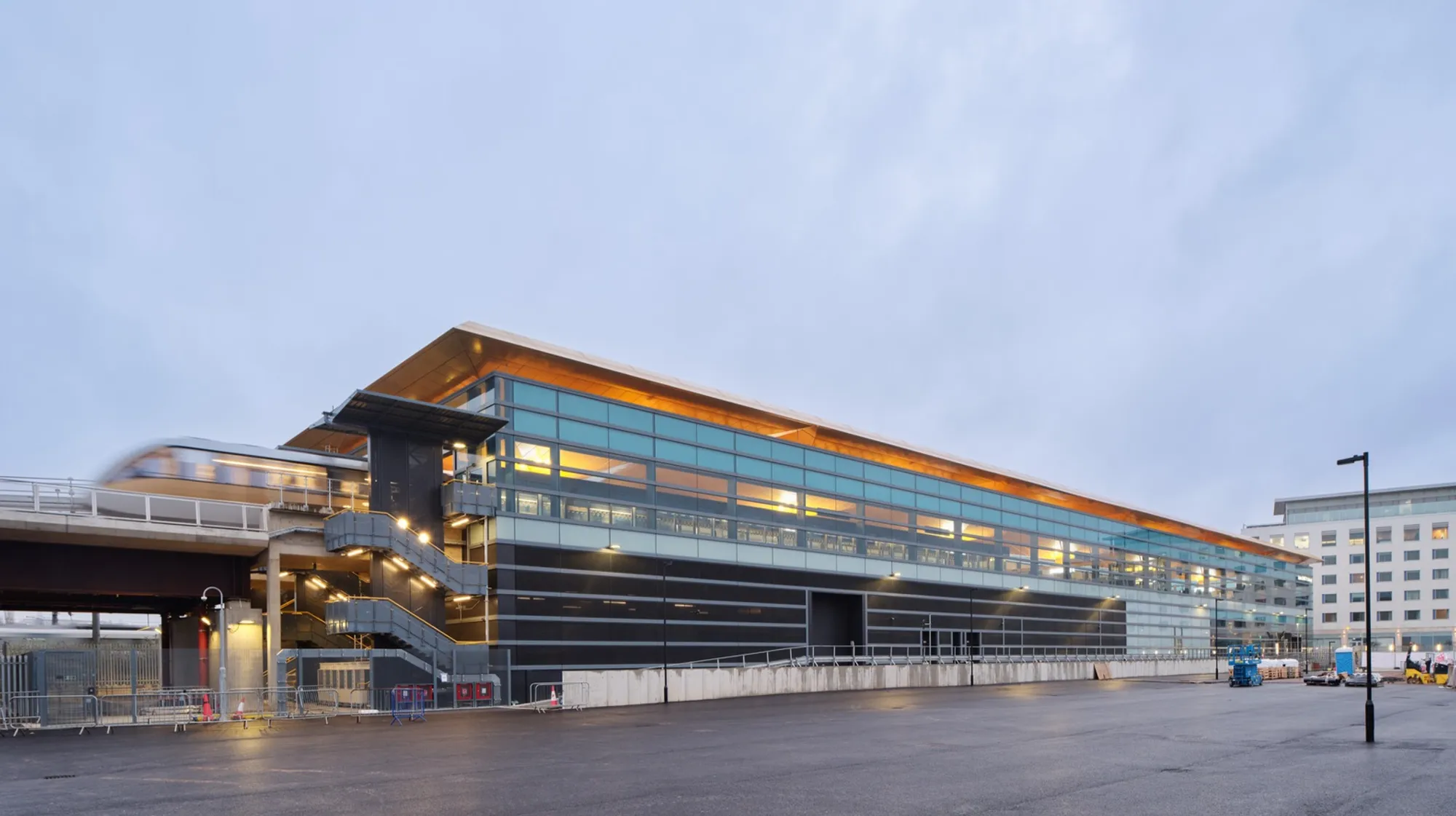
Automated Transit System Architecture: The Luton DART Project by Arup
Explore the innovative and sustainable architecture of Luton DART, an automated transit system designed by Arup to enhance airport connectivity.


Automated transit systems represent the forefront of integrating technology and architecture, offering efficient and sustainable transportation solutions. The Luton Direct Air-Rail Transit (DART) project stands as a pioneering example of how innovative architectural design can revolutionize public transit. Designed by the renowned engineering firm Arup, this automated people mover not only enhances passenger experience but also sets new standards for sustainable construction in the field.
The Architectural Vision of Luton DART
Innovative Design Elements
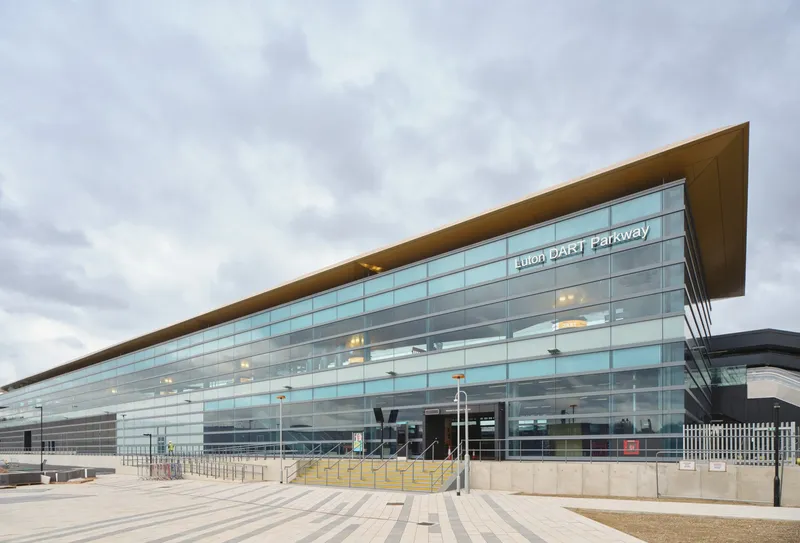
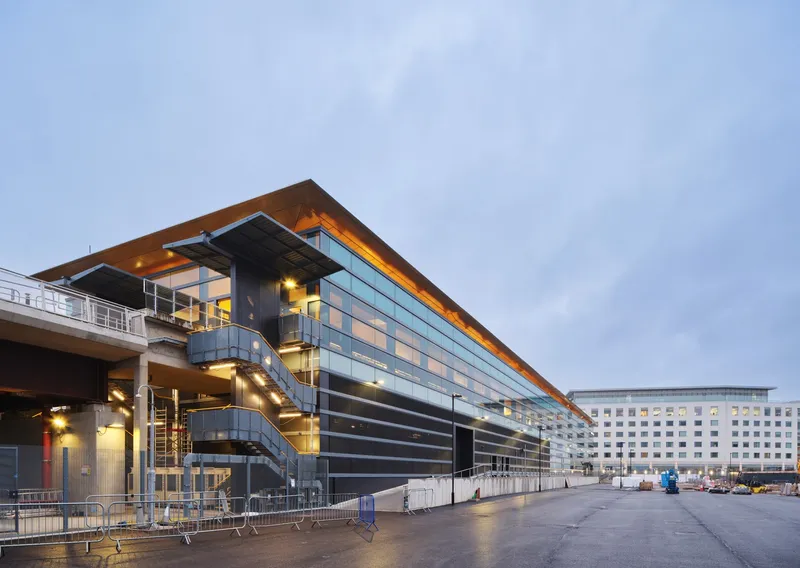
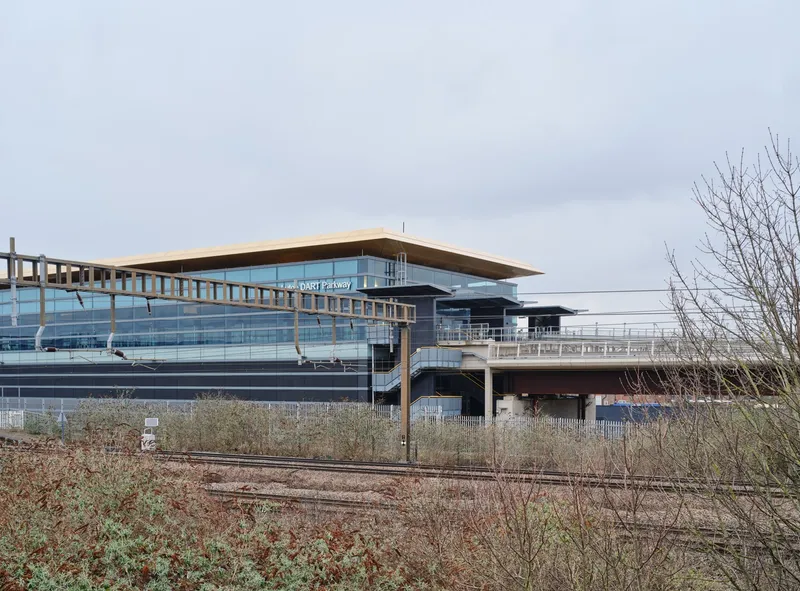
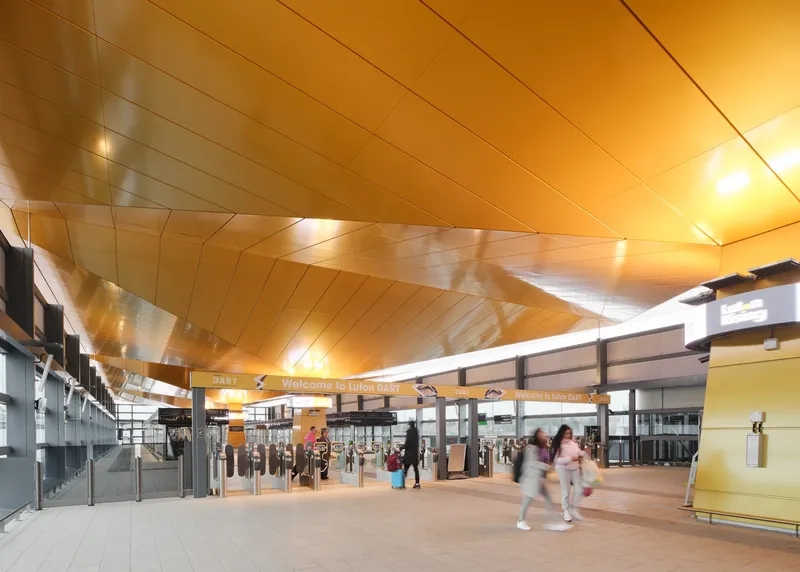
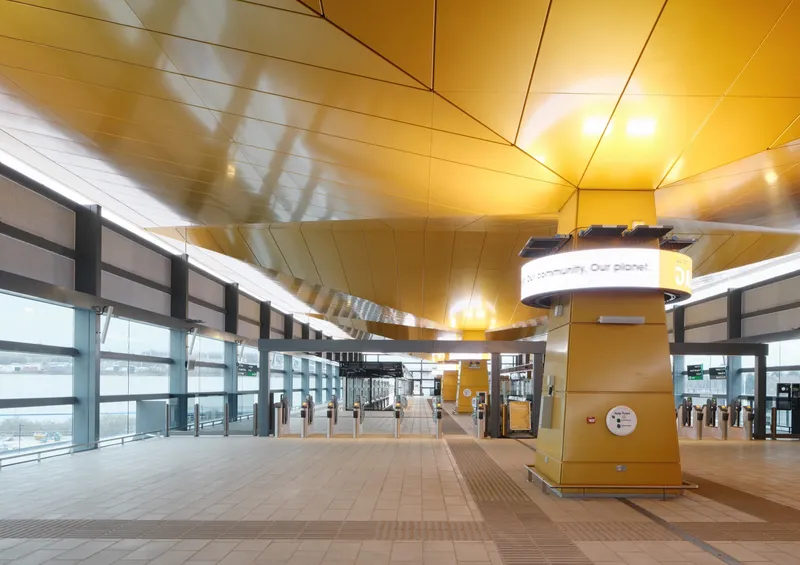
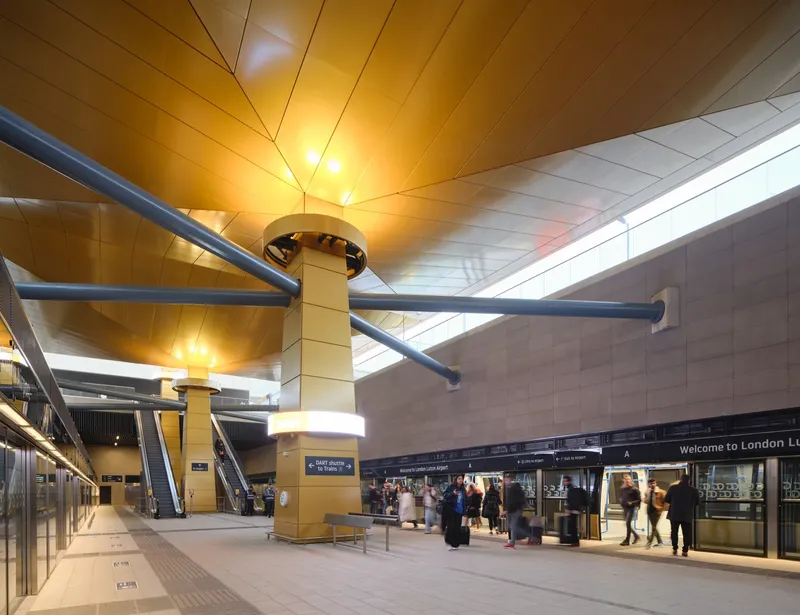
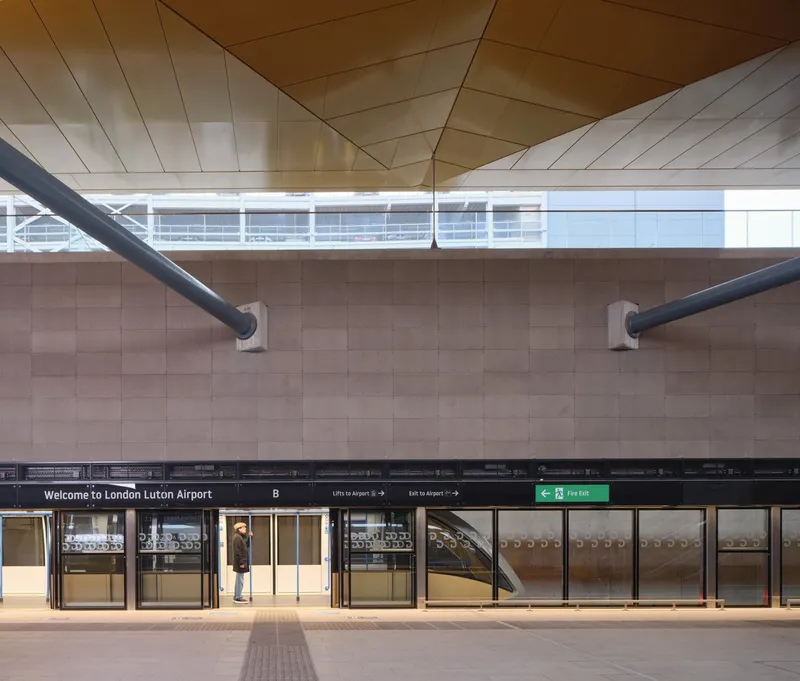
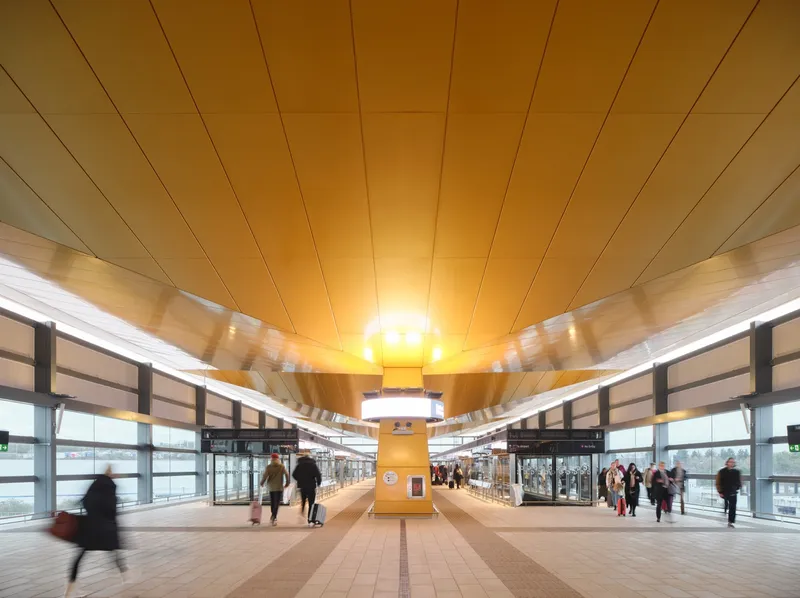
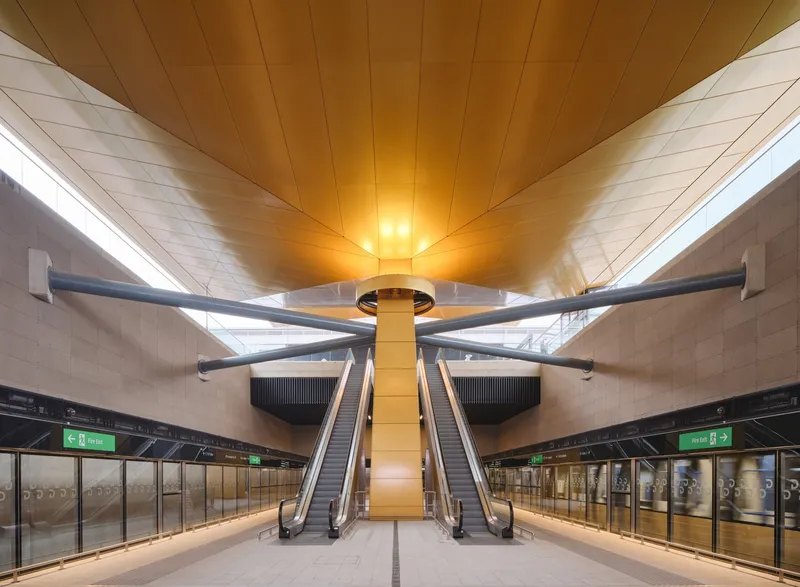
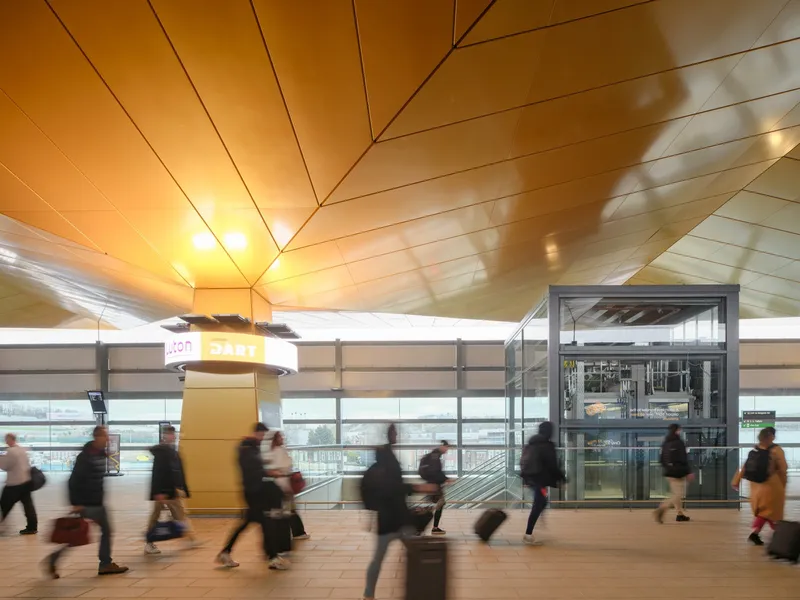
The Luton DART project, completed in 2023, showcases a series of bold, sculptural parasol structures that define its architecture. These parasols serve a dual purpose: they aesthetically elevate the stations and functionally support the roof while allowing natural light and air to penetrate the space, ensuring a comfortable environment for passengers. The design creates open and spacious interiors, promoting a seamless flow that is both intuitive and inviting.
Sustainability and Efficiency
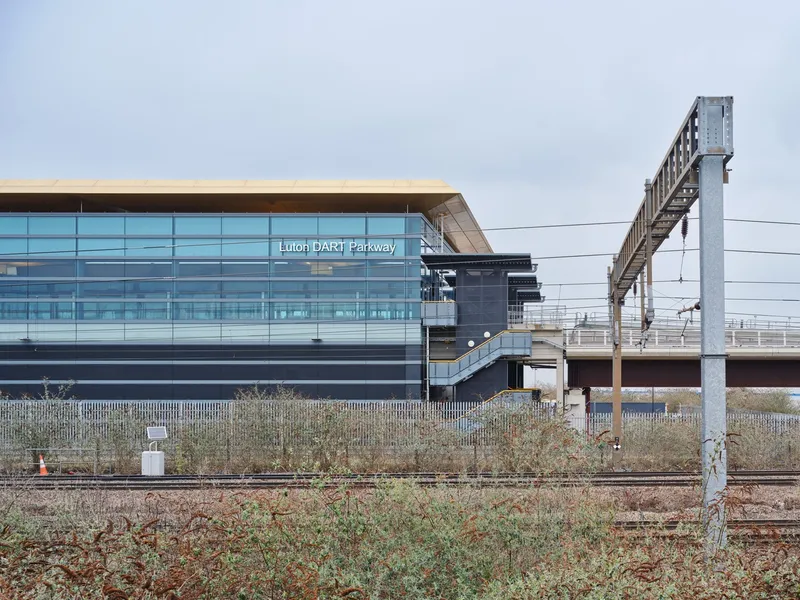
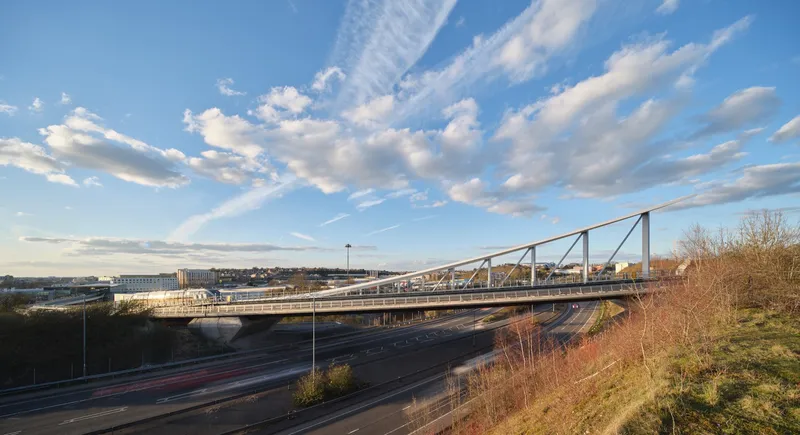
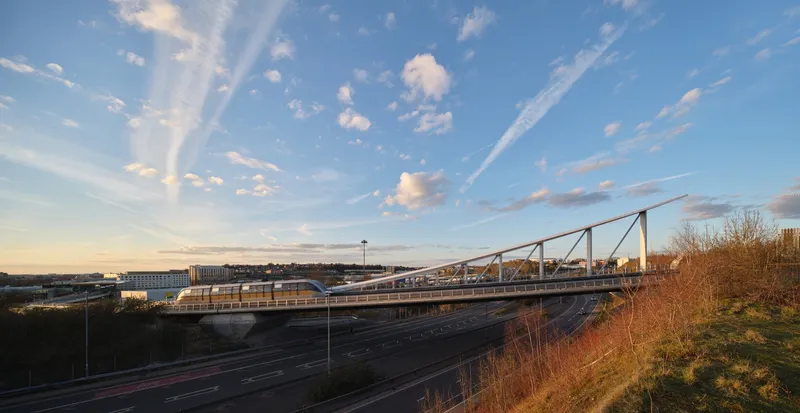
A core aspect of the DART's architectural innovation is its commitment to sustainability. The stations are designed for natural ventilation across all concourse and platform areas, reducing the reliance on mechanical heating and cooling systems. This approach significantly lowers the carbon footprint of the entire operation. Furthermore, the transit system employs an efficient electric drive system with energy recovery capabilities during braking, showcasing a prime example of energy-efficient architectural design in modern transit solutions.
Features That Enhance User Experience
Accessibility and Comfort
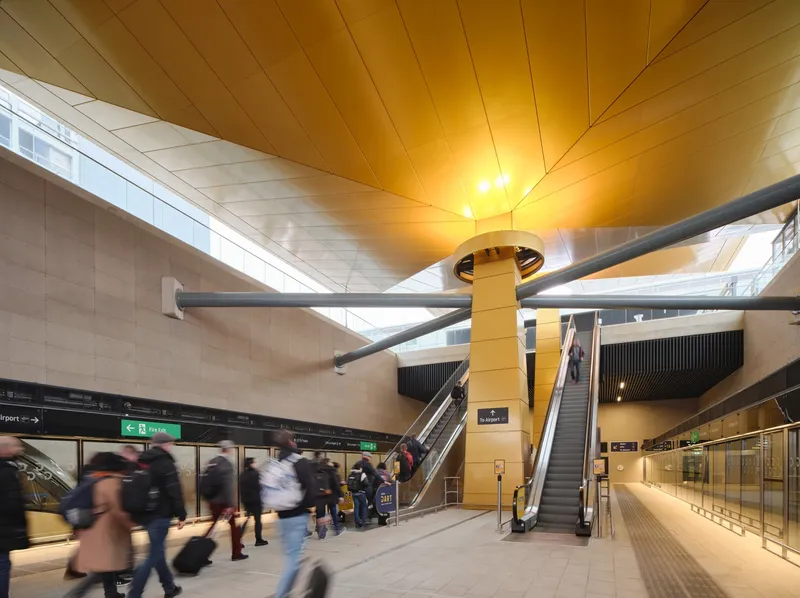
The Luton DART is designed with accessibility in mind. Features like tactile paving and audio frequency induction loops make the stations user-friendly for all passengers, including those with disabilities. The architecture facilitates easy navigation through clear, well-thought-out pathways and signage, enhancing the overall user experience.
Artistic and Functional Structural Design
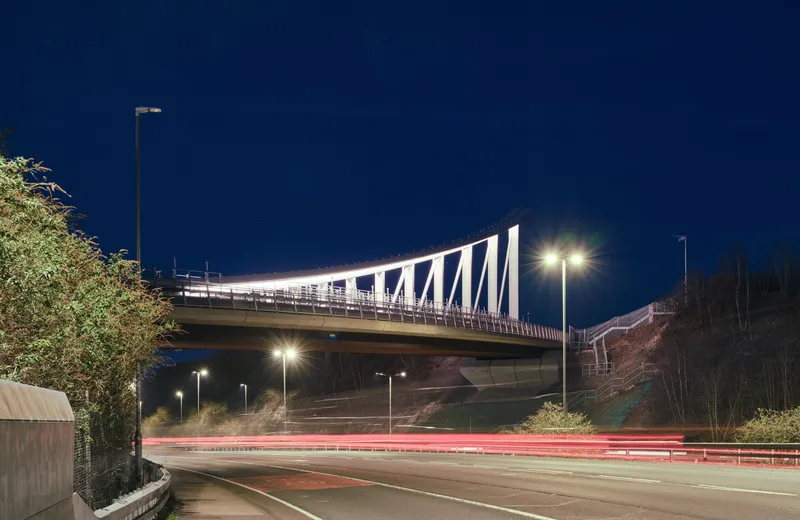
Each station features the signature parasol structures, supported by centrally loaded columns that cantilever out to provide wide cover. These elements are not only functional but are also crafted to be visually striking, adding a sense of joy and aesthetic appeal to the functional spaces of the transit system.
The Role of Architecture in Enhancing Transit Systems
The Luton DART project by Arup exemplifies how architecture can play a pivotal role in enhancing the functionality and sustainability of automated transit systems. Through innovative design, attention to sustainability, and focus on user experience, the project sets a benchmark for future developments in automated transit system architecture.
This detailed approach to integrating architectural excellence in automated transit systems not only improves functionality but also enhances the overall user experience, making the Luton DART a model for future projects worldwide.
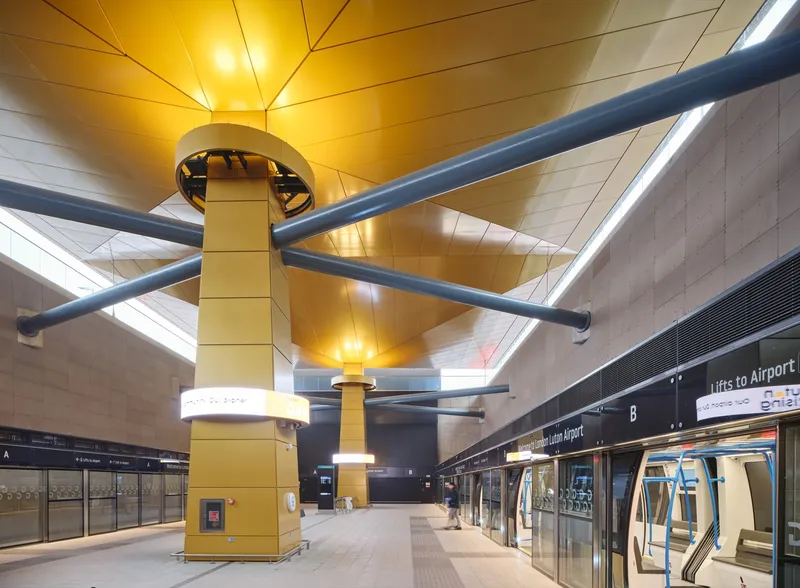
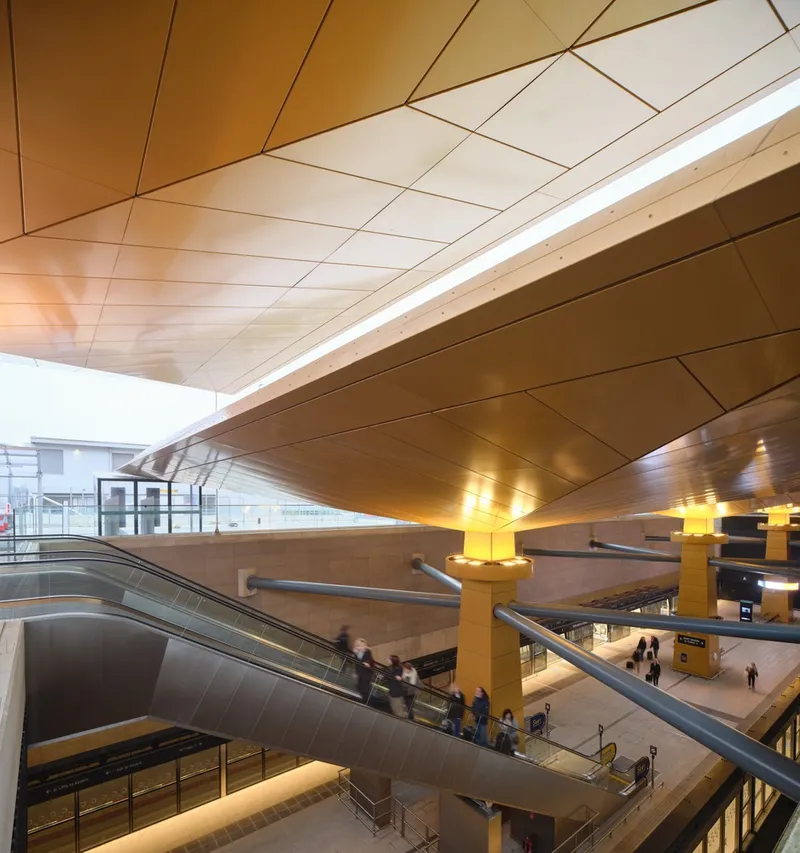
All the photographs are work of Simon Kennedy



Popular Articles
Popular articles from the community


Co-life: Sustainable Architecture for Age-Friendly Community Living
Co-life reimagines sustainable architecture for seniors through courtyards, rammed earth, shared gardens, and spaces designed for belonging.

The Earth Pod: 3D Printed Homes for Resilient Refugee Communities
The Earth Pod reimagines refugee housing through 3D printed homes made from clay, combining resilience, self-sufficiency, and rapid shelter.

Riyadh For All: Intergenerational Urban Design for Active Aging in Rabat
Riyadh For All reimagines urban design in Rabat with intergenerational co-living, adaptive courtyards, and Moroccan cultural exchange today.

Lunar Spiral: Space Architecture Shaped by the Mathematics of the Universe
Lunar Spiral reimagines space architecture through Fibonacci geometry, lunar regolith, levitating habitats, and self-sustaining Moon living.


Similar Reads
You might also enjoy these articles

Maya Harvest: A Cacao Resort Village Rooted in Mayan Tradition and Local Craft
Situated within a Tabasco cacao plantation, this shortlisted resort proposal merges vernacular materials with hands-on cultural immersion.
Harmonia: A River-Shaped Community That Grows Over Decades in Boa Vista
Curved pathways and modular grid structures along the Branco River create a phased settlement designed to evolve from 2030 to 2050.

The Architecture of Bathing: A Mughal Hammam Reimagined Across the Yamuna
Charlotte May's honorable mention entry for The Black Taj reinterprets Agra's bathing rituals through red sandstone, water, and framed views of the Taj Mah
Om-1: A Wall-Hung System That Moves Your Workspace Off the Desk
Modular plywood boards, magnetic pegs, and utility elements migrate clutter from the horizontal surface to the vertical plane.

Explore Green Transit Competitions
Discover active competitions in this discipline



Challenge to design locus for the upliftment of human rights


Challenge to reimagine the Iron Throne


Photograph architecture without architects


Illustrate the lost glory of Angkor Wat - Render Challenge
Comments (0)
Please login or sign up to add comments
No comments yet. Be the first to comment!