
Ballie Mosque in Elbasan: A Contemporary Revival of Ottoman HeritageBallie Mosque in Elbasan: A Contemporary Revival of
Ballie Mosque in Elbasan combines Ottoman tradition and modern architecture, using light, geometry, and materials to create contemplative, spiritual, community-focused spaces.

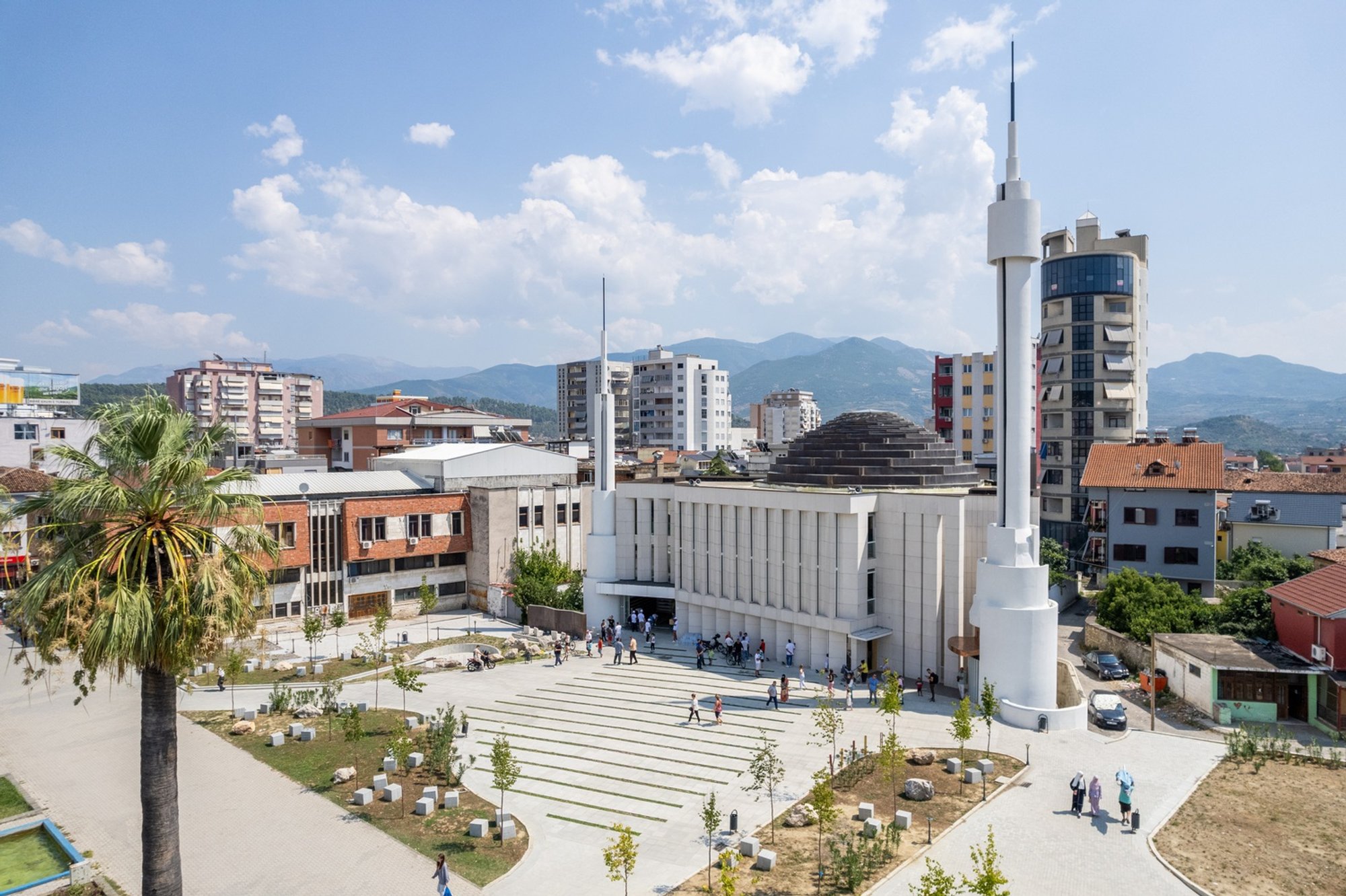
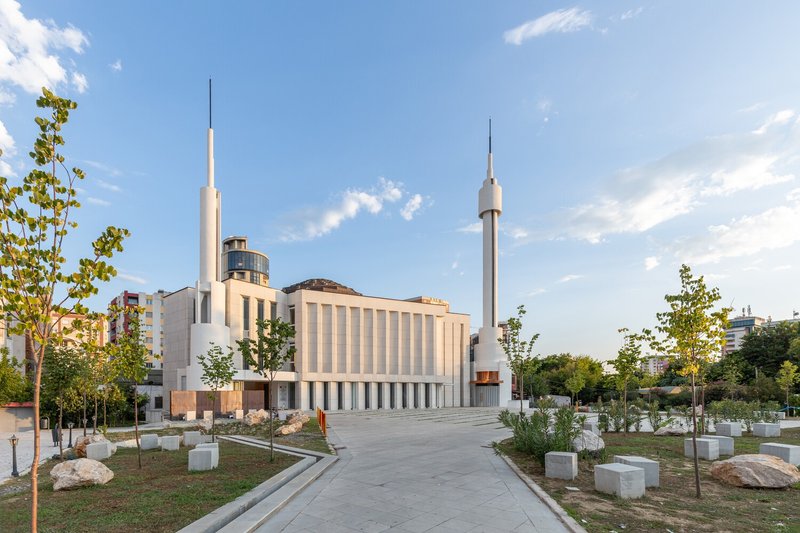
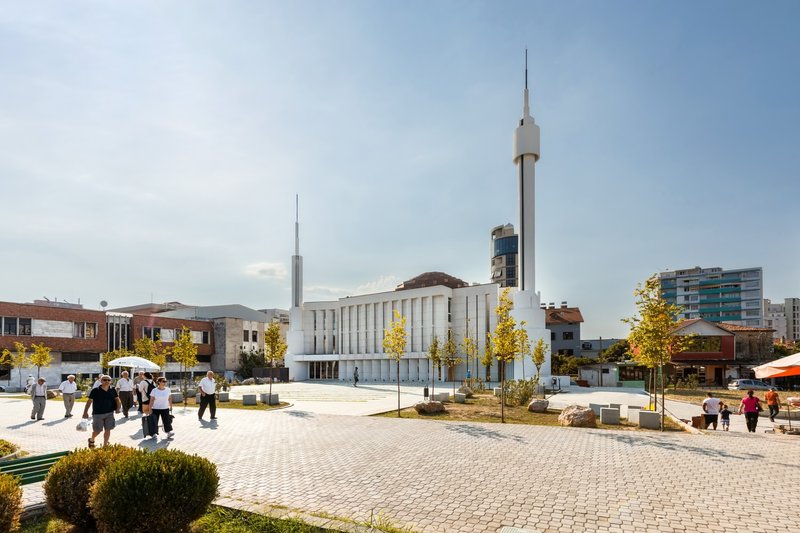
Located in the heart of Elbasan, Albania, the Ballie Mosque designed by Commonsense Studio stands as a contemporary symbol of faith, community, and architectural innovation. Completed in 2023, the mosque occupies a historic site along the central boulevard, parallel to the ancient Via Egnatia, and sits opposite the city’s 2000-year-old archaeological remains, the medieval castle, and a former communist-period theater, creating a unique intersection of historical eras.
Historical Context: From Destruction to Renewal
The site once hosted the Balizade Mosque, an Ottoman-era structure built in the 17th century. This mosque, once a defining feature of the cityscape near the old Bazaar and the Clock Tower, was demolished in 1967 during Albania’s communist regime, a period notoriously known as the “dark year” for religious expression. For five decades, the city lacked a central place of worship, until the Elbasan Muftiate commissioned the design of a new mosque to become the largest and most significant religious space in the city.
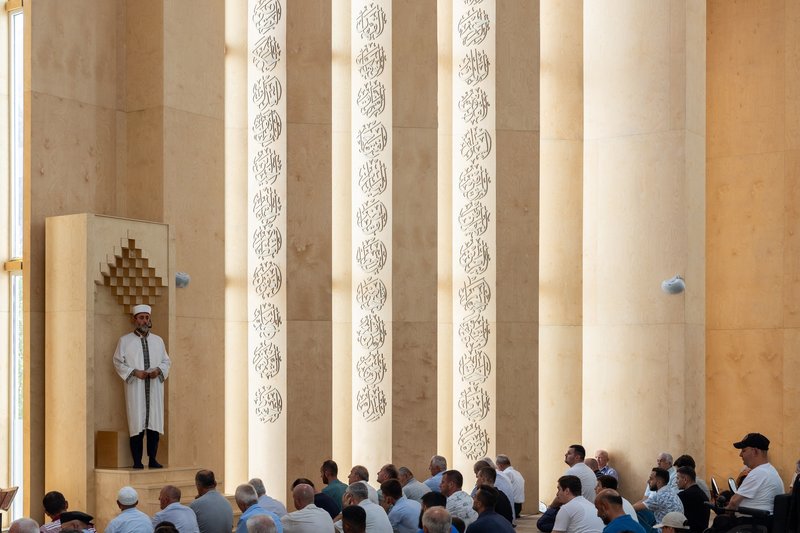
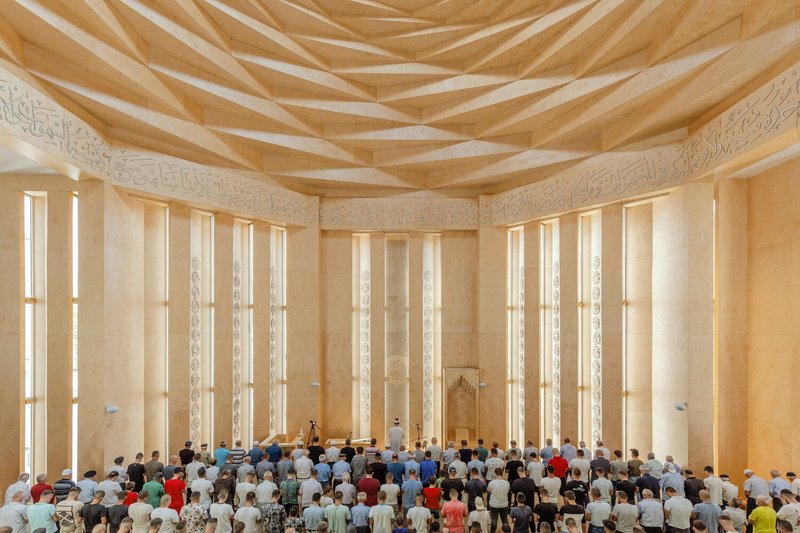
Initially, there were requests to replicate the old Balizade Mosque or adopt a classical Ottoman style. After extensive discussions, it was agreed that the new mosque would embrace contemporary architectural approaches, creating a building that resonates with modern urban life while honoring the city’s cultural and religious heritage.
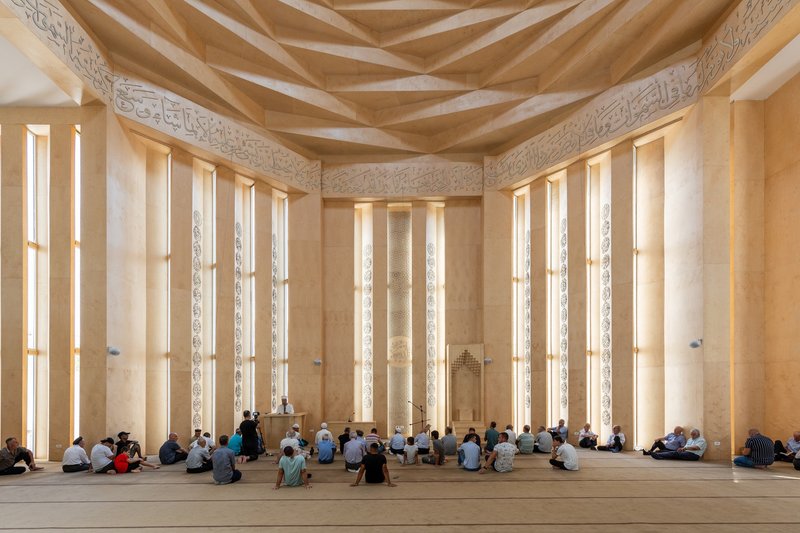
Design Philosophy: Light, Geometry, and Spiritual Experience
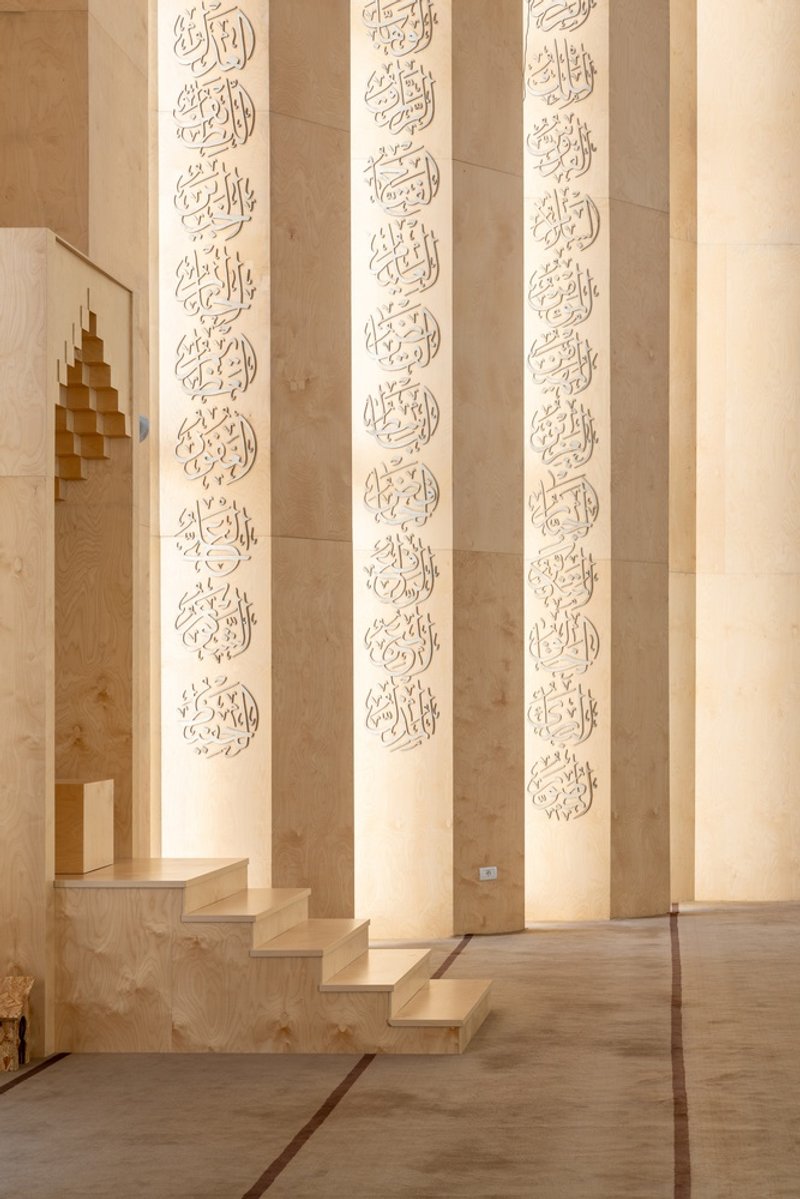
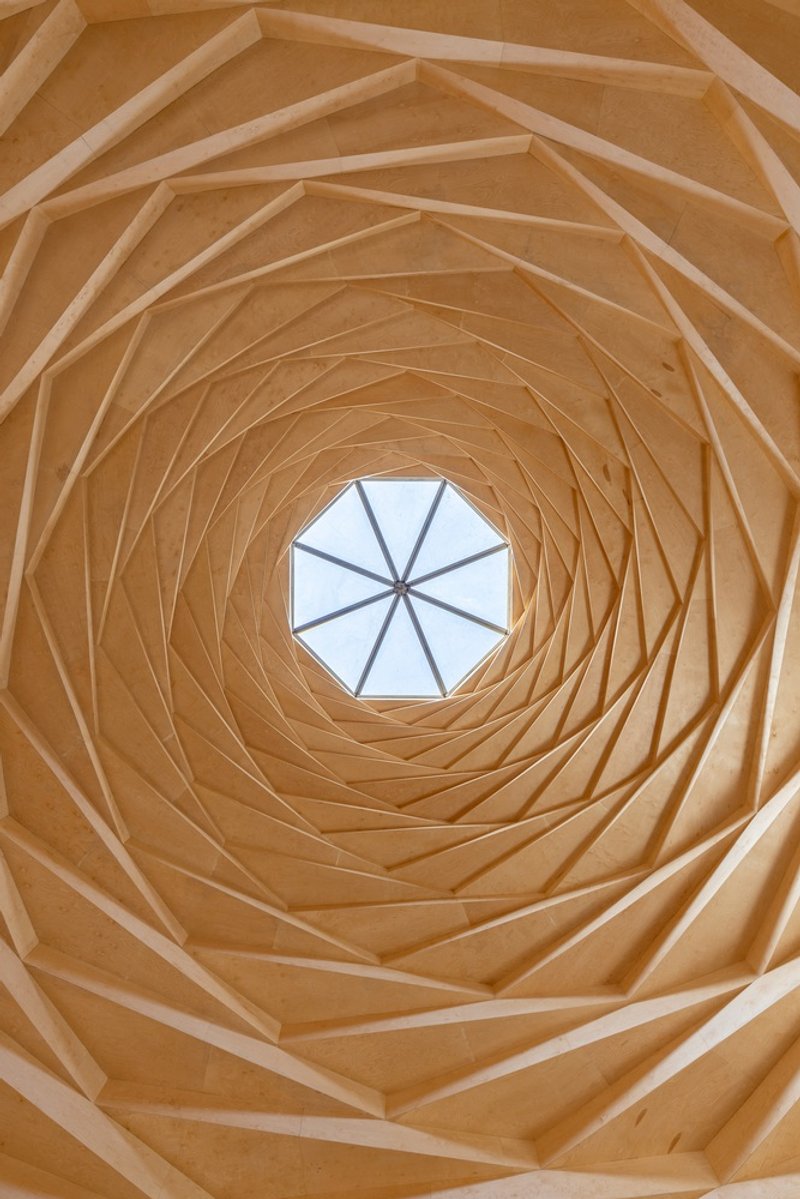
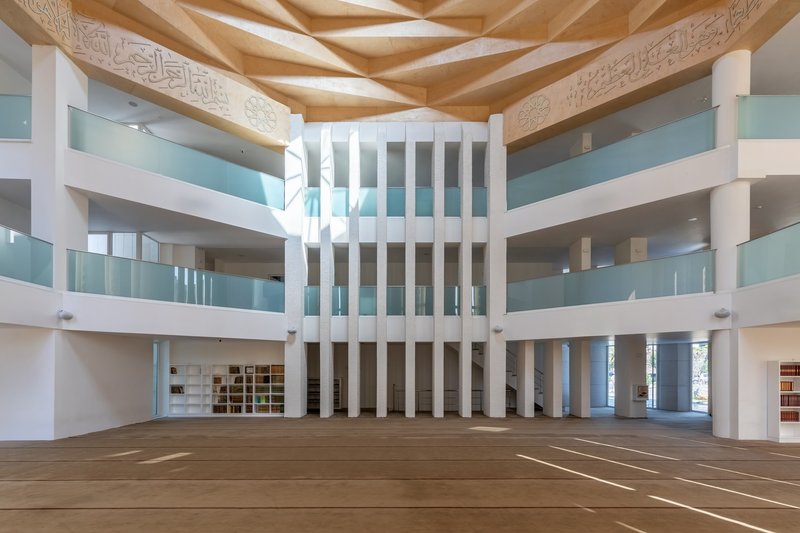
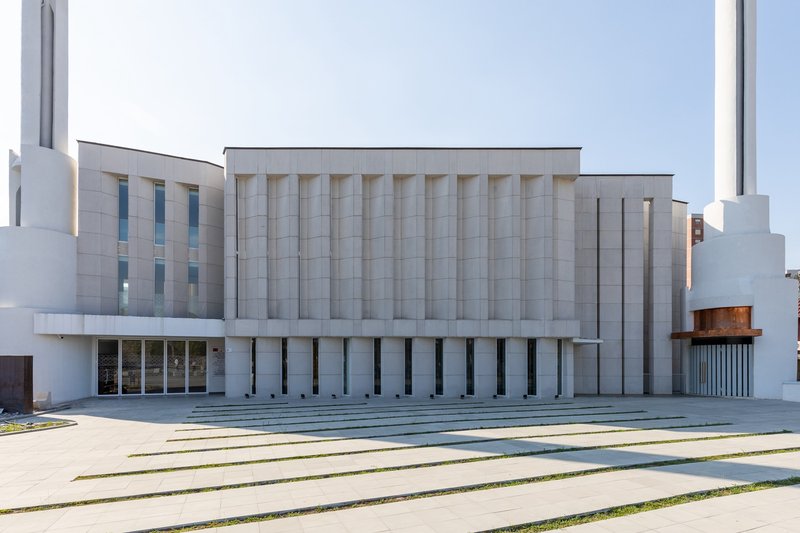
At the core of the Ballie Mosque’s design is a thoughtful approach to spatial experience and human engagement. Geometry, a timeless tool in Islamic art and architecture, informs every aspect of the mosque, from the facades and domes to the minarets, ensuring that traditional forms are reinterpreted for a modern context.
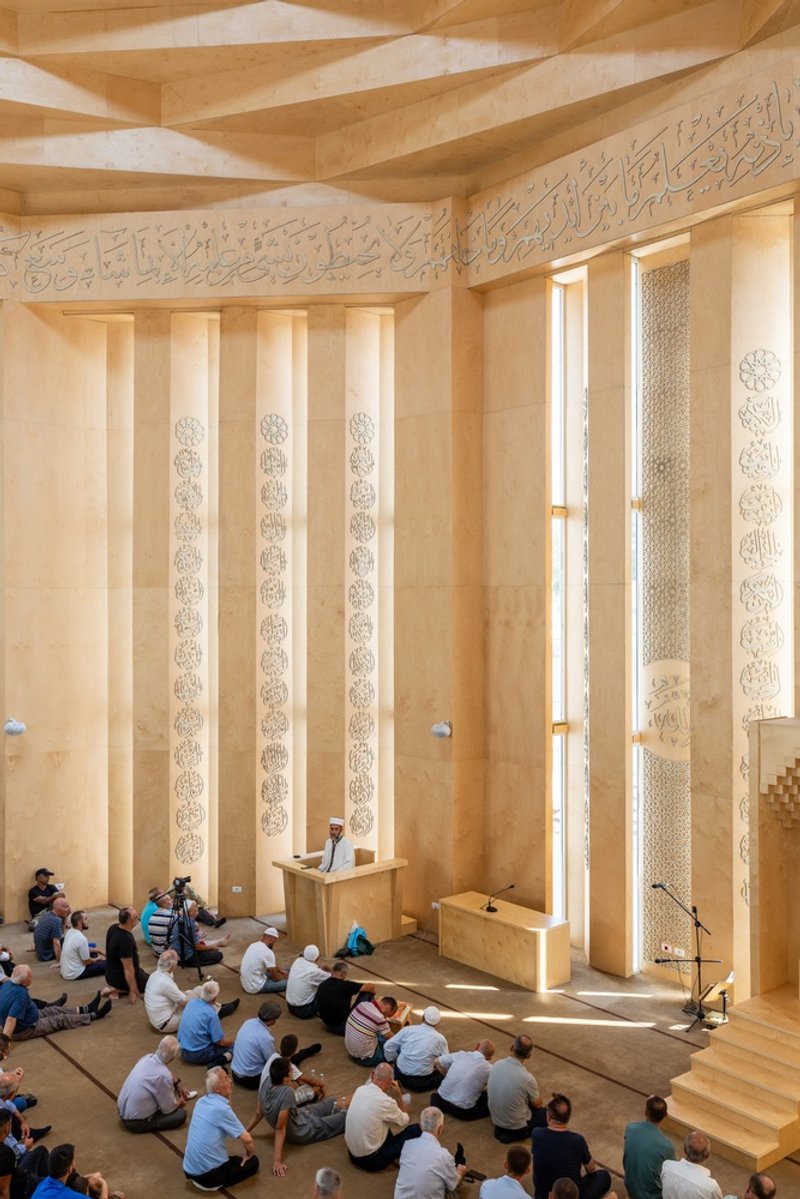
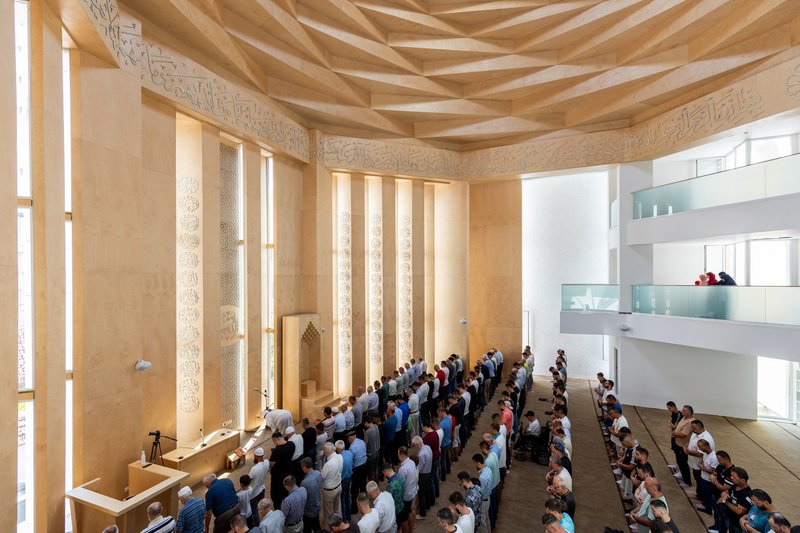
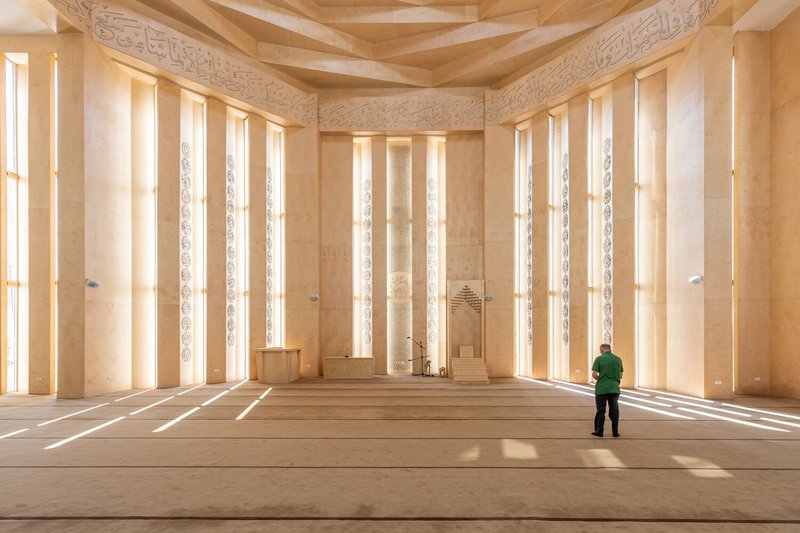
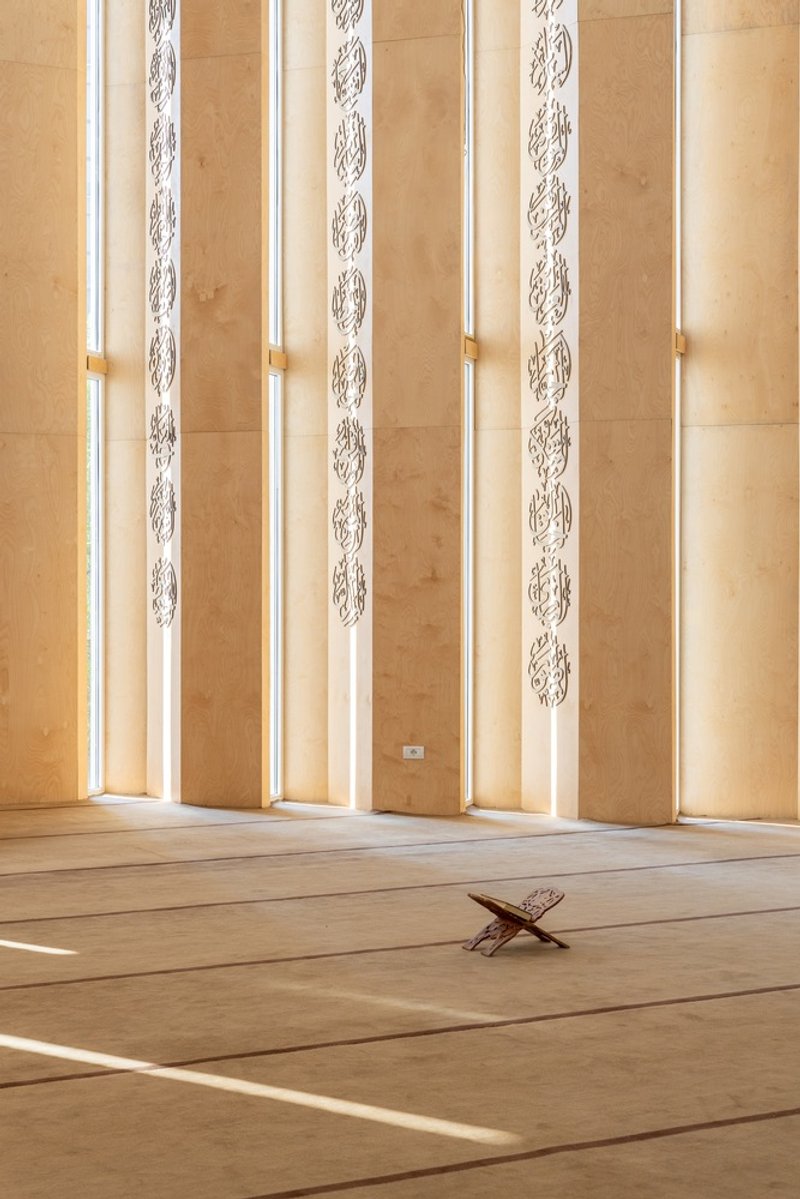
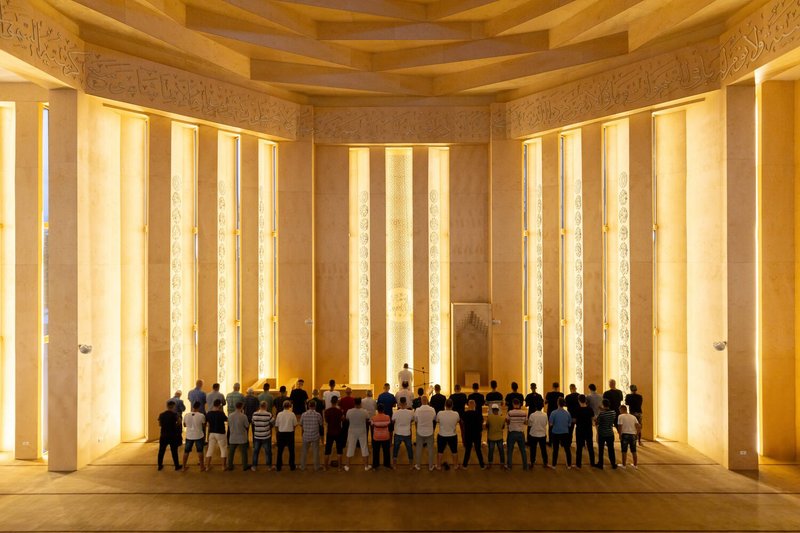
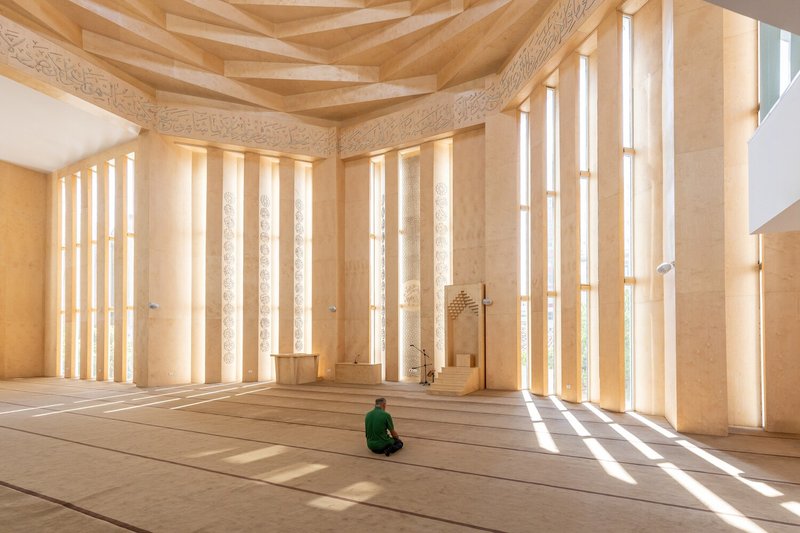
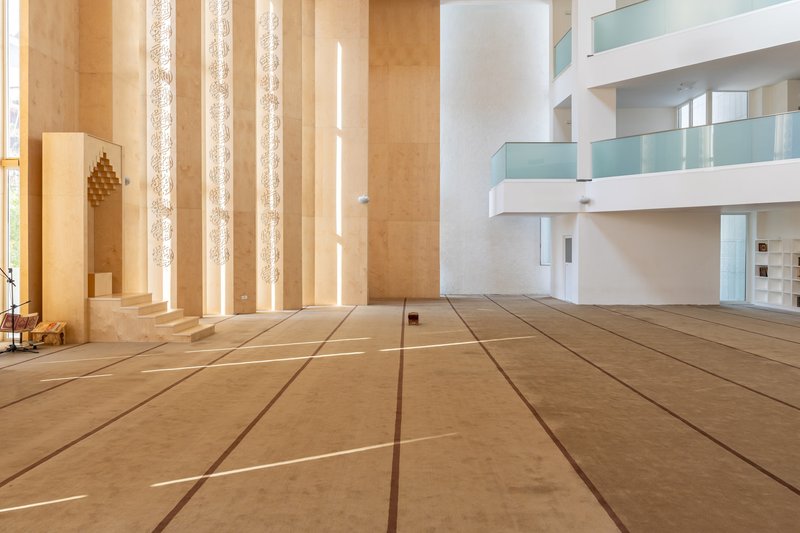
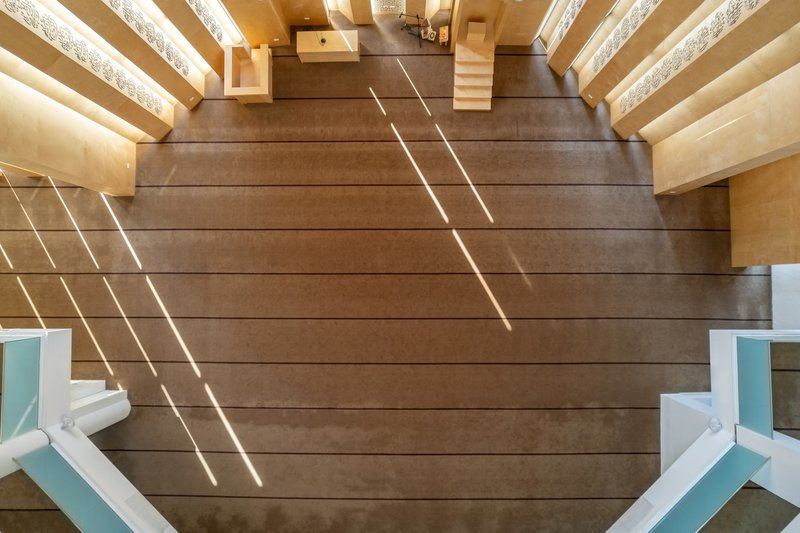
The interior is designed as a journey of introspection. Natural light enters the mosque through carefully positioned openings, revealing itself gradually and shifting throughout the day. This dynamic interplay of light and shadow evokes the passage of time, reflecting a fundamental element of Islamic consciousness and offering visitors a meditative, spiritual experience.
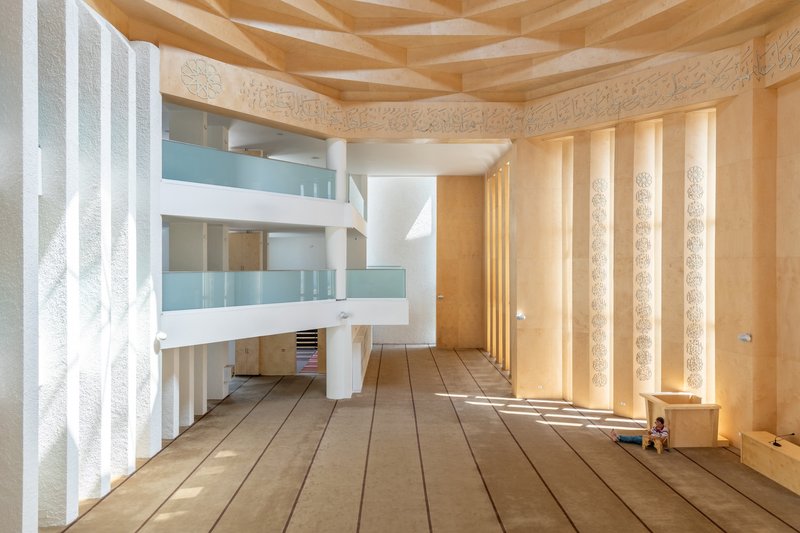
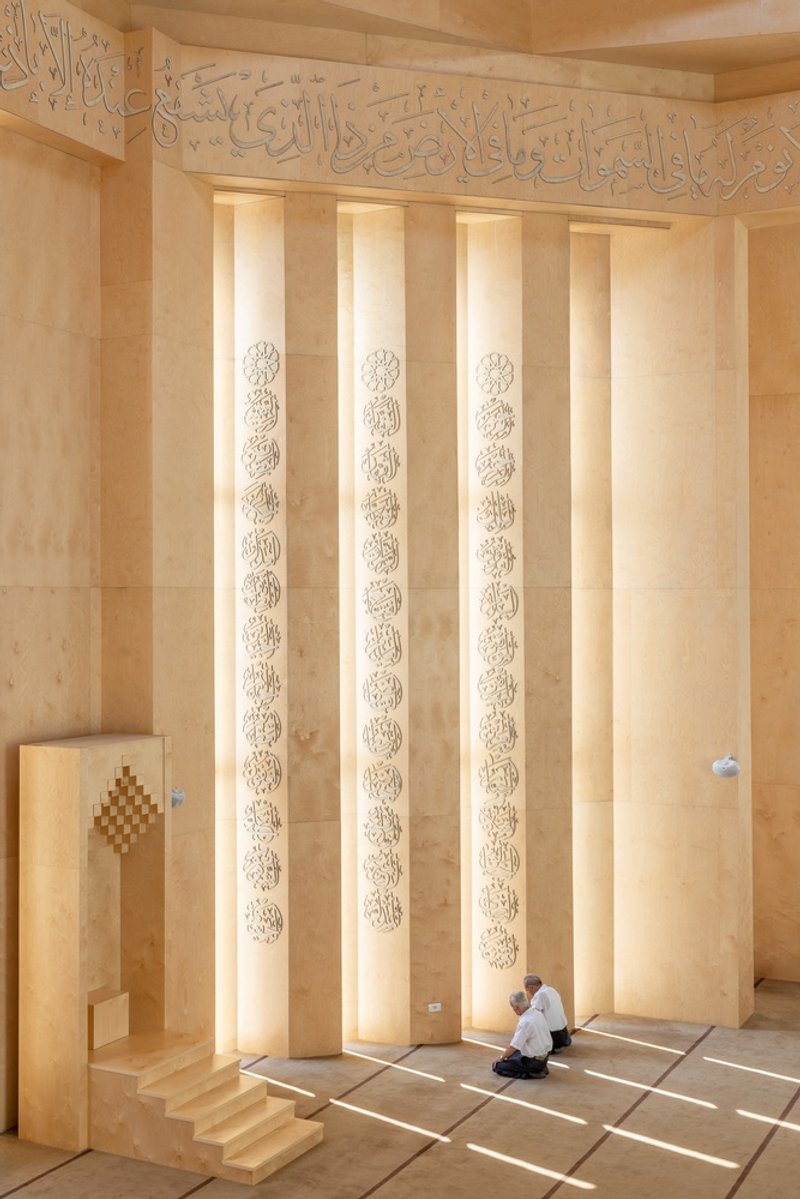
Materiality and Timelessness
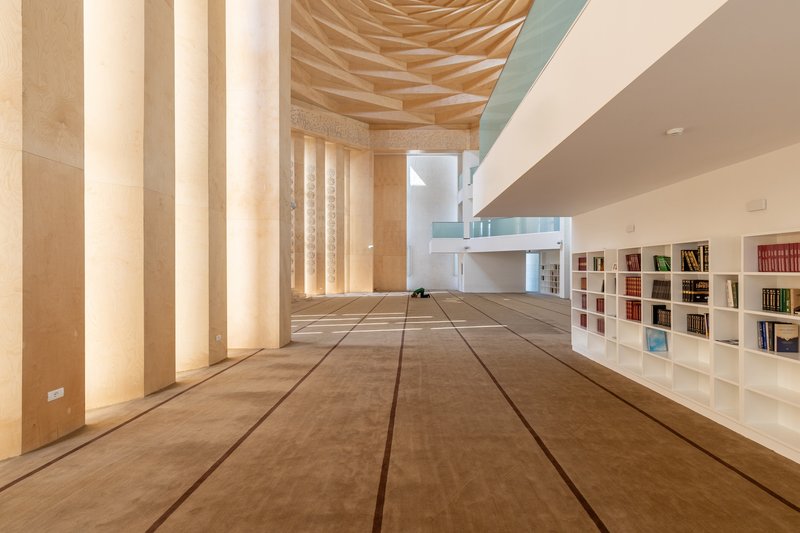
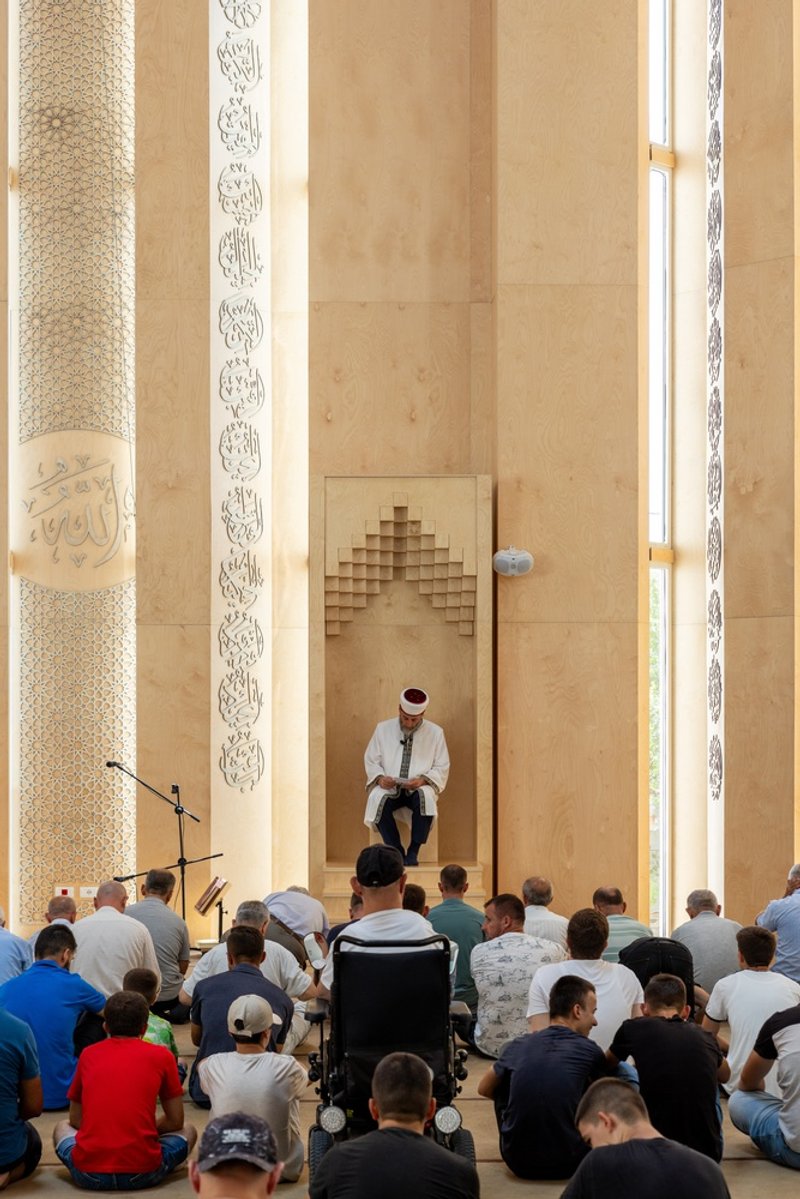
The selection of materials emphasizes durability, warmth, and transformation over time. The exterior marble conveys permanence, while the copper dome develops a patina over the years, symbolizing dignity and the passage of time. Inside, wooden surfaces and abundant natural light create a welcoming, contemplative environment that continually shifts in tone, fostering spiritual reflection and inner calm.
Functionality and Community Engagement
The Ballie Mosque accommodates a large congregation, with prayer areas capable of holding approximately 1,700 worshippers. Including the public square in front, the mosque can host up to 4,600 visitors, positioning it as a vital community hub for religious and social gatherings. By integrating modern design strategies with functional spaces, the mosque fosters cultural engagement and strengthens collective identity.
A Bridge Between Tradition and Modernity
The Ballie Mosque exemplifies how architectural heritage can shape contemporary identity. Its innovative design merges tradition with modernity, encouraging dialogue across cultural and temporal boundaries. By rejecting mere historical replication, the mosque stands as a catalyst for creativity, spirituality, and community cohesion, reflecting the evolving role of religious spaces in today’s society.
All photographs are works of
Besart Cani



Popular Articles
Popular articles from the community

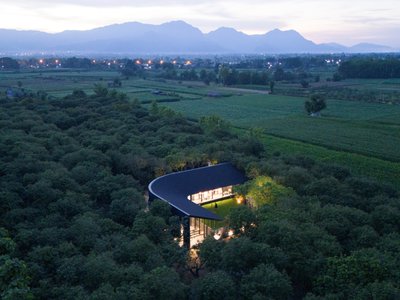
Cafe MADA: A Chiang Rai Pavilion in a Mango Orchard
BodinChapa Architects threaded a 254 m² black-roofed cafe through an existing mango orchard in Chiang Rai, Thailand, built around mature trees.
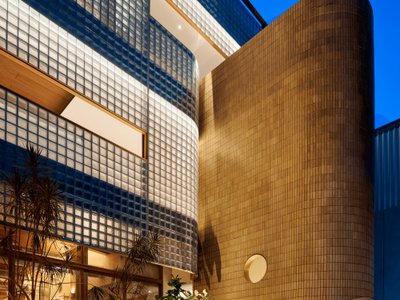
Gunawarman 35: Jakarta's Corner of Quiet Complexity
WOFF's mixed-use building in Jakarta pairs translucent glass block walls with a buff brick cylinder to hold coffee, wellness, and work under one roof.
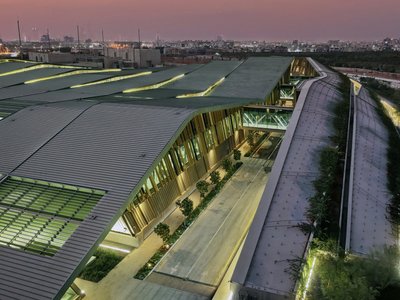
A Park Building That Wants to Be a Landscape
Omrania's Operations & Maintenance Building at King Salman Park dissolves industrial program into Riyadh's largest green infrastructure.
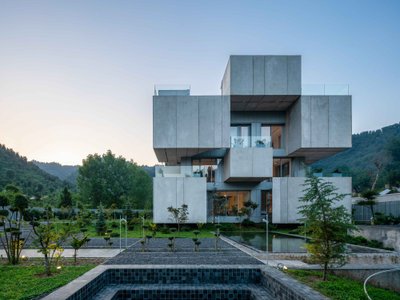
Bood Design Bureau Splits a Gilan Residence in Two to Let the Forest In
Double Side House negotiates privacy and openness through interlocking concrete volumes and planted courtyards in northern Iran's humid Caspian lowlands.

Similar Reads
You might also enjoy these articles
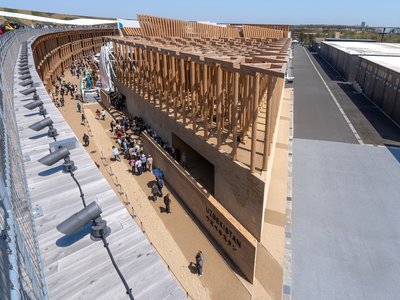
ATELIER BRÜCKNER Grows a Garden of Knowledge for Uzbekistan's Expo 2025 Pavilion in Osaka
A triangular timber canopy and blue-tiled courtyards translate Uzbek craft traditions into a 1,272-square-meter landscape of learning.
Bood Design Bureau Splits a Gilan Residence in Two to Let the Forest In
Double Side House negotiates privacy and openness through interlocking concrete volumes and planted courtyards in northern Iran's humid Caspian lowlands.
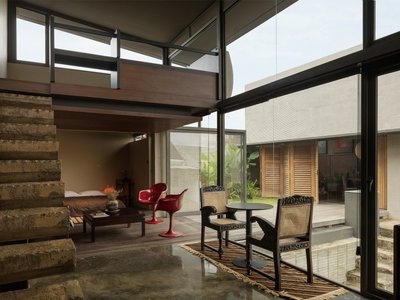
suatudio Splits a Multigenerational Home into Interlocking Concrete Volumes in West Java
Rumah Tahu House in Sumedang, Indonesia adapts to sloping terrain with split levels, timber decks, and deep overhangs for two generations.
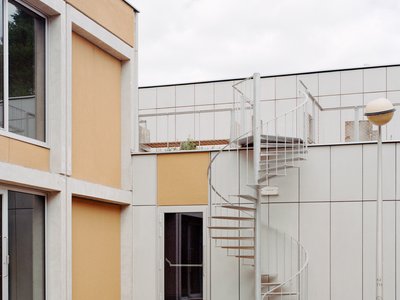
MAKER architecten Rewire a 1972 Brutalist Dormitory on the VUB Campus as a Living Lab
A modular renovation strategy in Belgium breathes new life into Willy Van Der Meeren's modernist student housing without erasing its concrete bones.

Explore Architecture Competitions
Discover active competitions in this discipline




The International Standard for Design Portfolios


The Global Benchmark for Architecture Dissertation Awards


The Global Benchmark for Graduation Excellence


Challenge to reimagine the Iron Throne
Comments (0)
Please login or sign up to add comments
No comments yet. Be the first to comment!