

Baltycki Apartments in Świnoujście by Maxberg: Coastal Design Meets Pre-War Elegance
Baltycki Apartments in Świnoujście blend pre-war villa aesthetics with modern prefabricated concrete, steel, and wood, creating coastal, context-sensitive residential architecture.


Located just 300 meters from the pristine beaches of Świnoujście, Poland, Baltycki Apartments by Maxberg Architects exemplifies a sensitive and thoughtful approach to coastal residential development. Completed in 2022, this project spans 632 m² and showcases a masterful dialogue between modern construction techniques and the historical architectural language of pre-war resort villas.


Harmonizing with Coastal Heritage
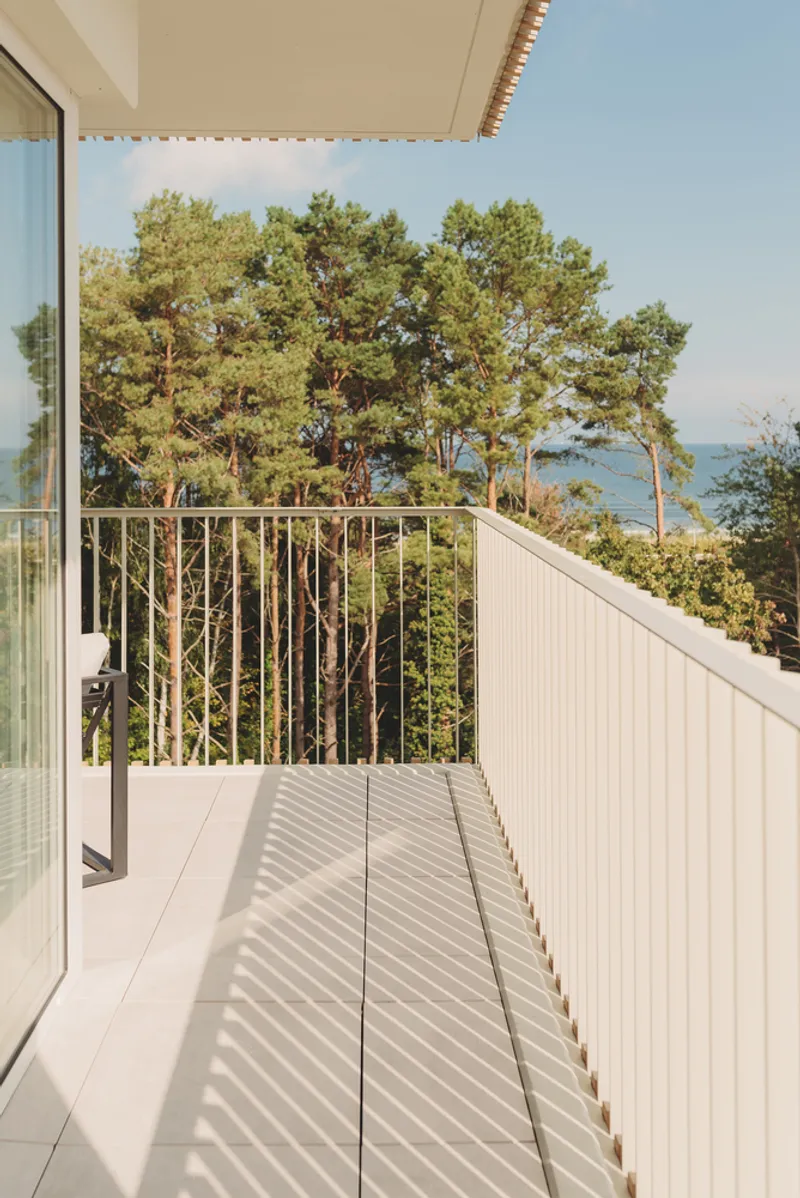
Developing near the shoreline is a challenging architectural endeavor. Often, investor pressures favor large, imposing buildings, risking disruption to the surrounding landscape. In the case of Baltycki Apartments, Maxberg prioritized contextual integration. The design carefully references the classic pre-war villas of Świnoujście while responding to the natural contours of the coastal dune environment. This balance ensures the apartments complement both the historic fabric and the organic seaside topography.

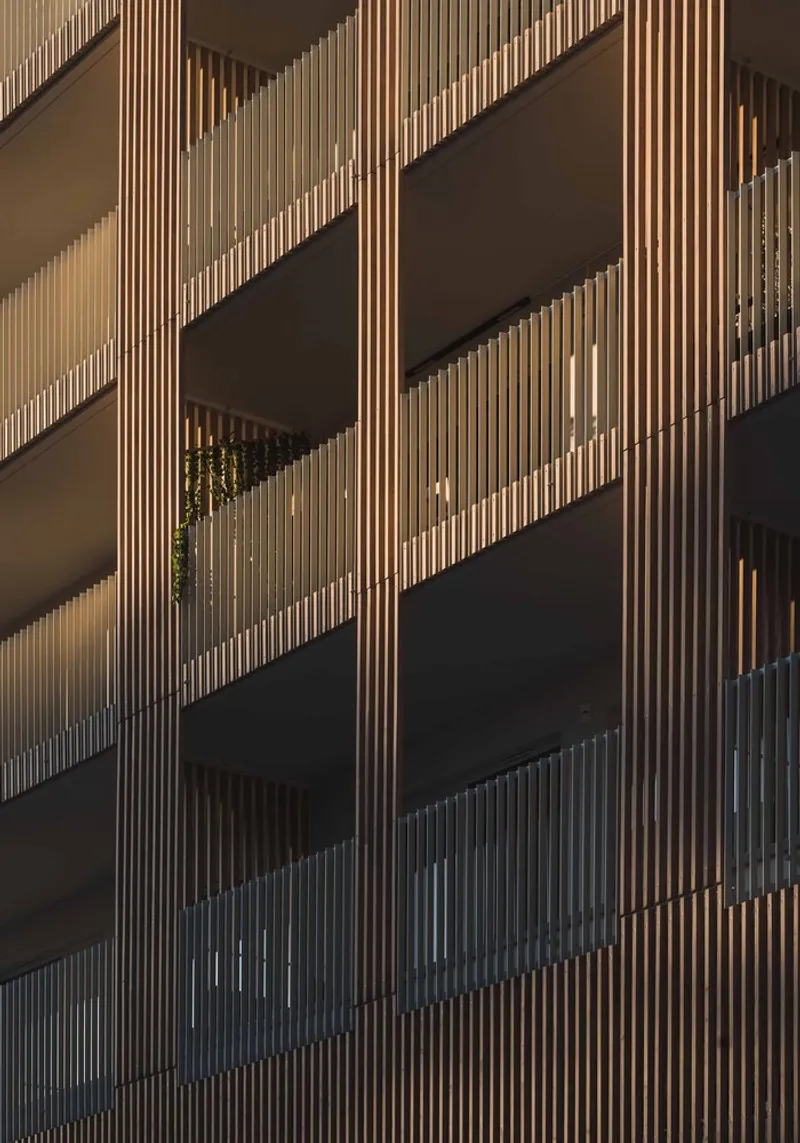
The two apartment buildings, rising five and seven stories respectively, occupy a small, irregular plot. Their trapezoidal projections, varied roof slopes, and subtle contours echo the nearby historic structures, including the listed former “Fregata” Nursing Home. These design choices create a visual continuity along the Promenade of Health, a dynamic urban pathway that threads through the resort.
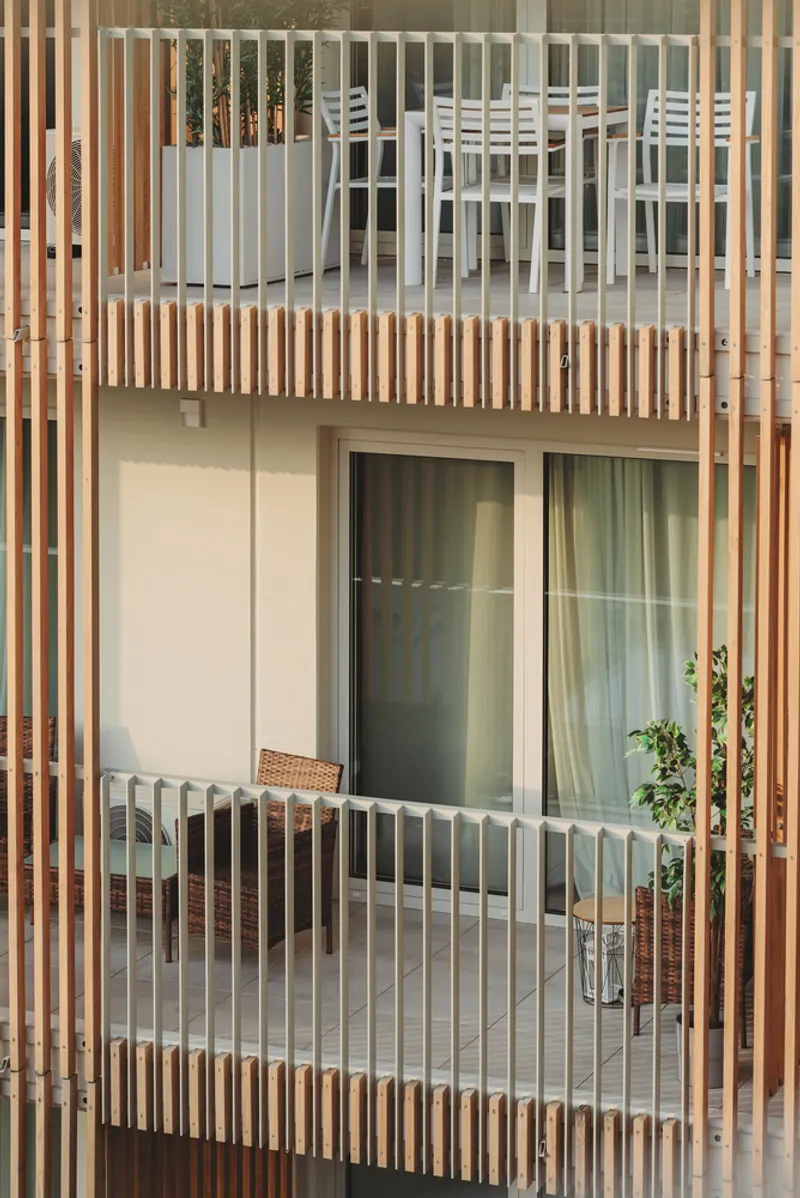

Innovative Construction Philosophy
Baltycki Apartments represent a sophisticated combination of construction methods and materials. The underground levels, housing garages and utility rooms, were cast in situ using concrete. Above ground, the architects employed a hybrid approach that integrates prefabricated concrete, steel, and wood. This method was essential in realizing the building’s truncated roofs, trapezoidal rooms, and varying floor layouts—all of which posed significant challenges for both design and execution.
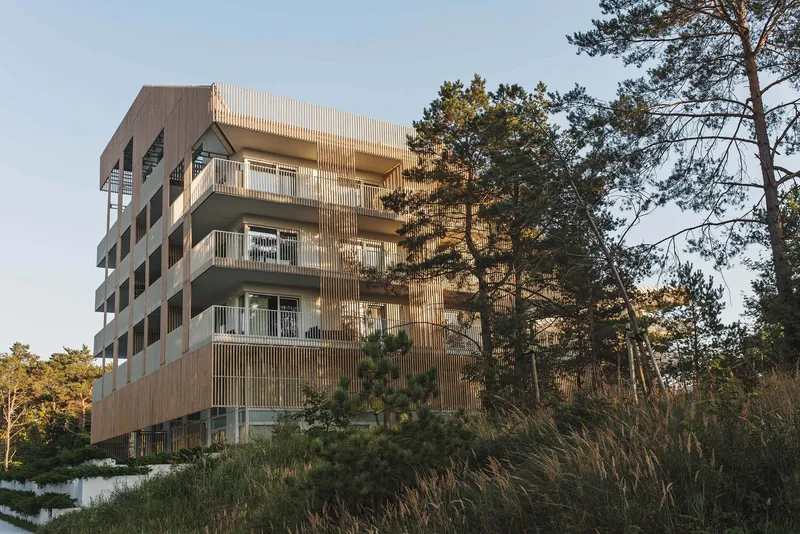
The project demanded meticulous coordination across five independent construction offices. Prefabricated elements formed not only the structural skeleton and walls but also the roofs, staircases, and balconies, highlighting Maxberg’s commitment to precision and modular efficiency. This multi-material approach ensures durability, aesthetic refinement, and alignment with the coastal climate.


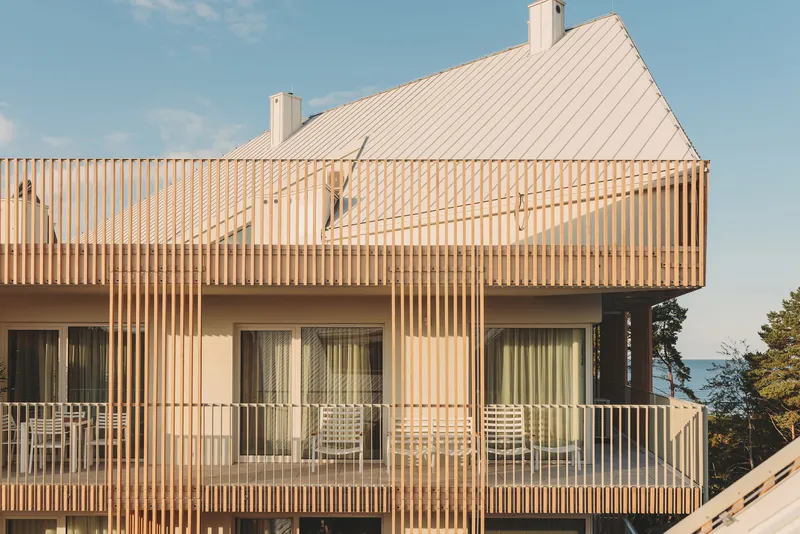
Interior Design and Spatial Experience
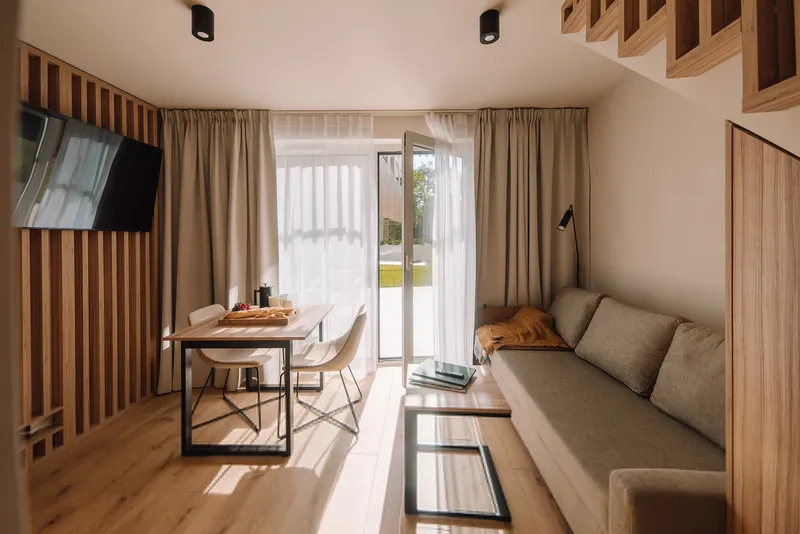
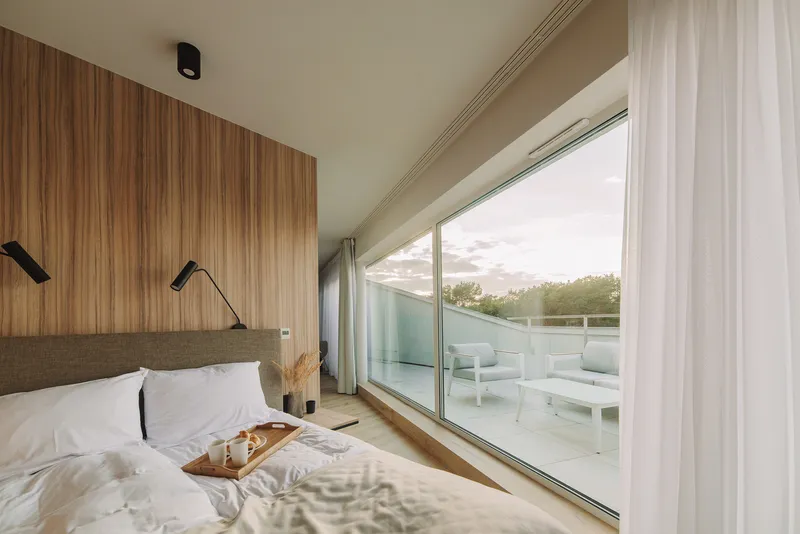
Inside, the apartments feature warm wood finishes, natural lighting, and thoughtfully configured living spaces that blend functionality with comfort. Each unit is designed to maximize views of the nearby coastline while maintaining privacy, creating an environment where modern living harmonizes with Świnoujście’s seaside charm.
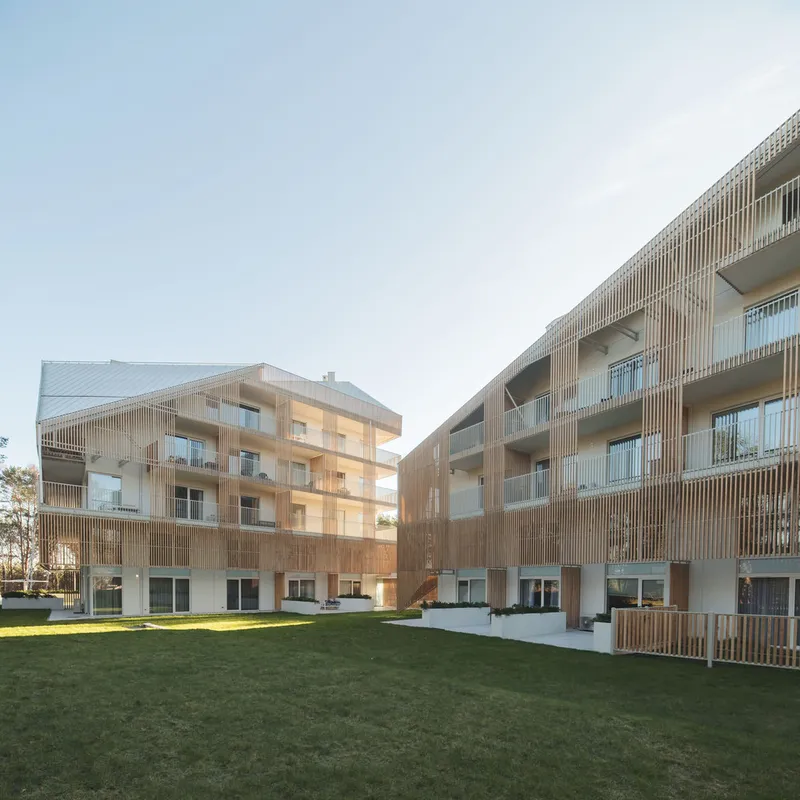
A Model of Contextual and Sustainable Design
Baltycki Apartments stand as a model of responsible coastal development. By respecting pre-war architectural heritage, embracing innovative construction technologies, and integrating seamlessly with the natural landscape, Maxberg demonstrates that modern apartment complexes can enrich rather than overwhelm their settings.
All photographs are works of Sylwia Gudaczewska


Popular Articles
Popular articles from the community

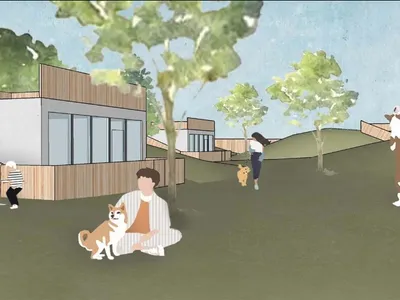
Temporary Home for Dogs: A Reversed Zoo Rethinks Animal Shelter Architecture
In Bucharest, a sinuous corridor and freed landscape flip the logic of containment, designing a shelter that works to make itself unnecessary.
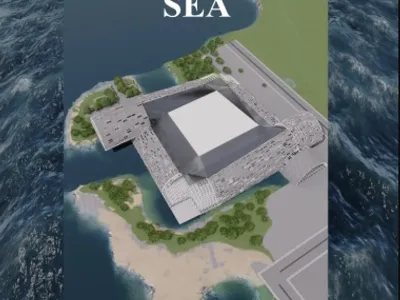
Opera on the Sea: Driftwood Logic Shapes a Timber Opera House on Estonia's Coast
Trevor Orgill's opera house translates the entangled drift of floating timber into a civic building where wood, water, and music converge.
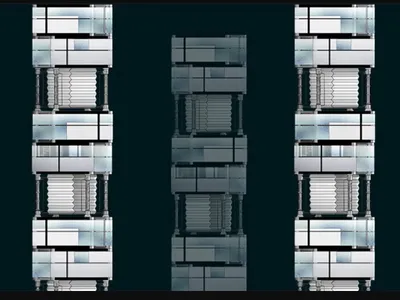
Tsunami Convergenics: Turning Catastrophic Ocean Forces into Underwater Housing Infrastructure
A speculative underwater settlement off the coast of Onagawa, Japan, treats tsunamis and typhoons as energy sources rather than threats.
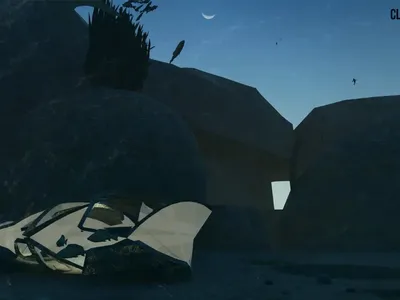
Cloaked Colonization: A Mobile Underwater Habitat That Moves Like a Fish
Micah Abaya's shortlisted EHC Pacific entry reimagines ocean settlement as a dispersed network of self-sustaining architectural organisms.

Similar Reads
You might also enjoy these articles


Hodi-Mandai Geram
Project Function: Preservation and revitalization of the Intangible heritage and socio-spatial identity of the Hodi by Housing, Cultural Memory Center, Sacred Grove, landscape, local tourism economy


Olio Towers: A Mid-Rise for Performers That Fuses Housing, Rehearsal, and Stage
Located blocks from Houston's Theater District, this modular tower stacks living units around a central performance atrium.

Oasis: Modular Green Housing Carved into Dhaka's Urban Fabric
A shortlisted Plugin Housing entry reclaims unauthorized settlements in Dhaka with stepped concrete volumes, green roofs, and ventilation-driven design.

Black Hole: A Floating Megastructure for the Post-Physical Era
Emiliano Mazzarotto envisions a spherical, self-scaling arena where e-sports, digital hotels, and holographic stadiums replace traditional public space.

Explore Residential Building Competitions
Discover active competitions in this discipline

Challenge to design mud housing for contemporary communities

Challenge to reimagine the Iron Throne

Photograph architecture without architects

Illustrate the lost glory of Angkor Wat - Render Challenge
Comments (0)
Please login or sign up to add comments
No comments yet. Be the first to comment!