
Bamboo Theater by Cheng Tsung FENG Design Studio: Reviving Taiwan’s Vanishing Bamboo Heritage Through Modern Architecture
A contemporary bamboo pavilion reviving Taiwan’s traditional theater, blending crafted bamboo structures with modern stage design to create a vibrant community space.


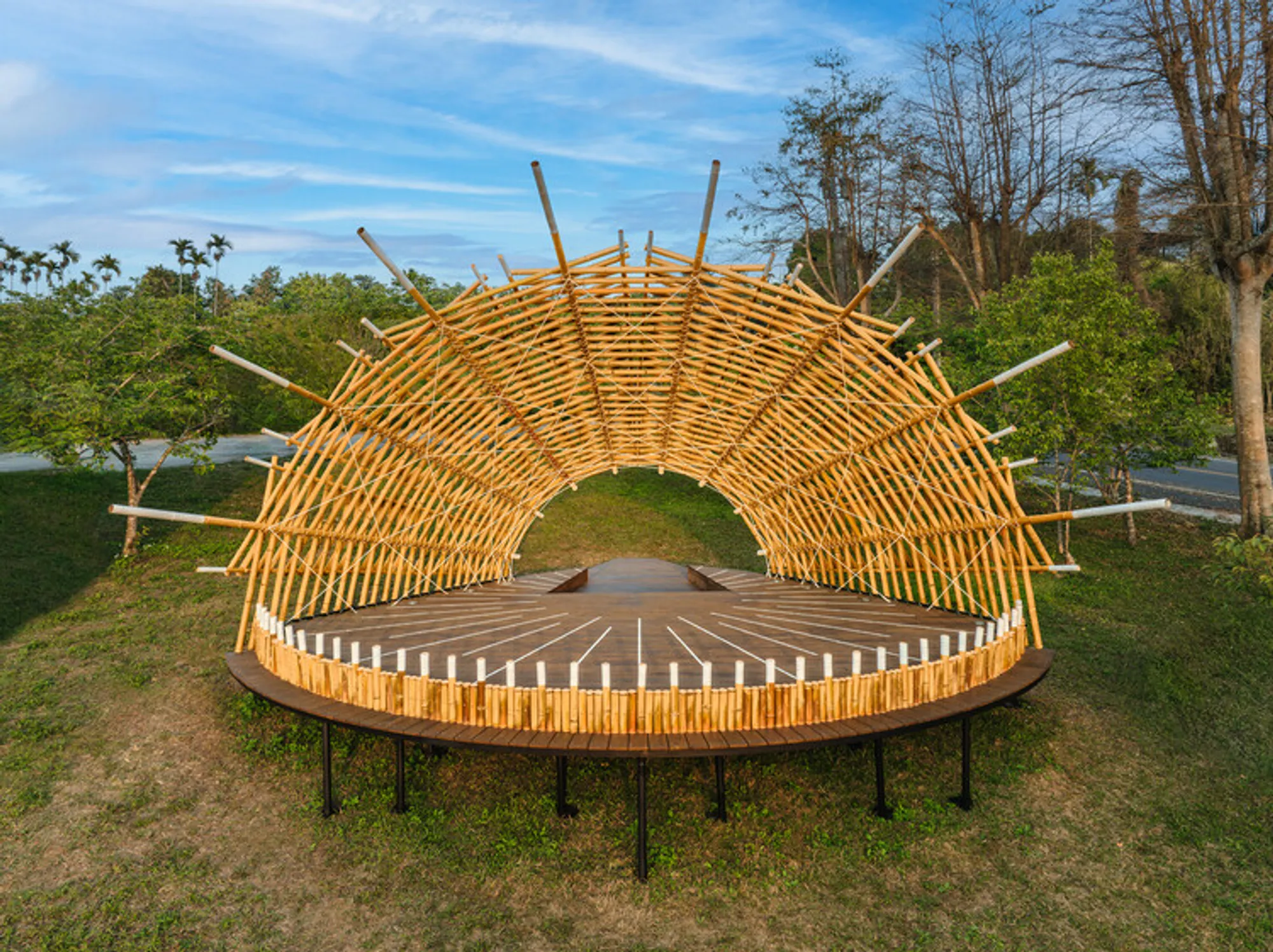
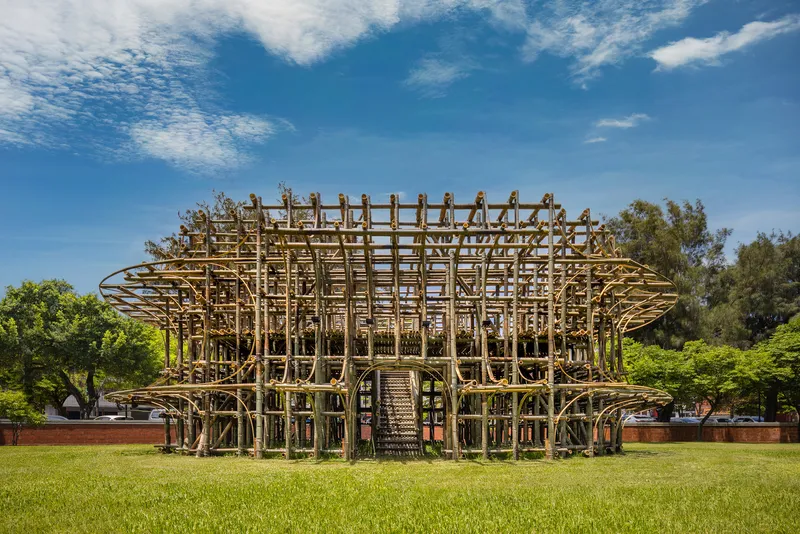
The Bamboo Theater by Cheng Tsung FENG Design Studio in Lugu, Taiwan, is a powerful architectural tribute to a disappearing cultural tradition. Designed in 2025 and spanning 80 m², this contemporary pavilion reimagines the historic bamboo theaters that once played a central role in temple festivals and folk celebrations throughout Taiwan. These handcrafted temporary structures—built entirely from bamboo scaffolding—were once vibrant community hubs that blended spirituality, performance, and craftsmanship.

Honoring a Fading Cultural Memory
Architect Cheng Tsung FENG has dedicated his practice to preserving endangered techniques, intangible heritage, and traditional craftsmanship. The Bamboo Theater reflects this mission deeply. As modern equipment and standardized staging have replaced traditional bamboo structures, FENG brings this cultural symbol back to life with a fresh, contemporary interpretation.
Located in Shima Park at Xiaobantian, Nantou, the installation uses materials common in today’s theater construction—bamboo, wood, metal, ropes, and tape—bridging old and new with refined artistry.

A Dynamic Stage Shaped by Bamboo Geometry
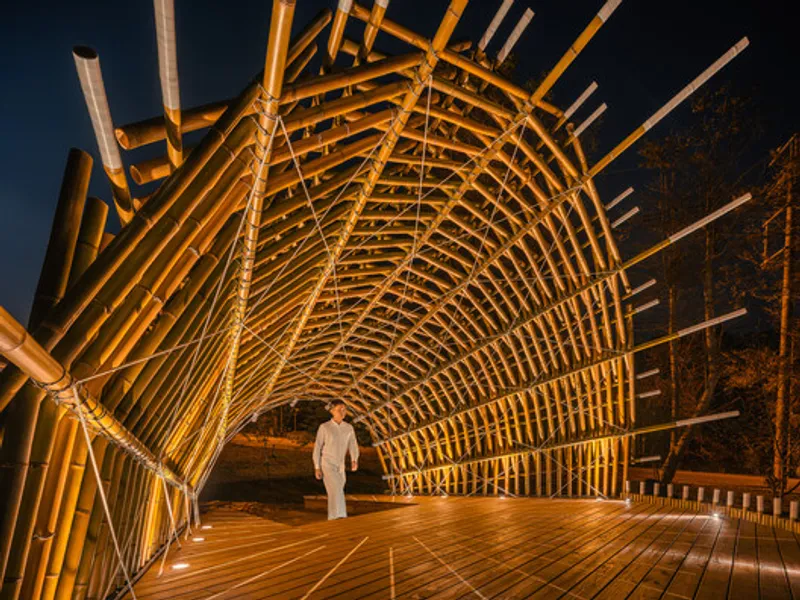
The structure emerges from an elegant composition of bamboo poles cut in varying lengths. From the rear center of the stage, the poles extend outward in a sweeping semicircular formation, creating an open, radiant backdrop.
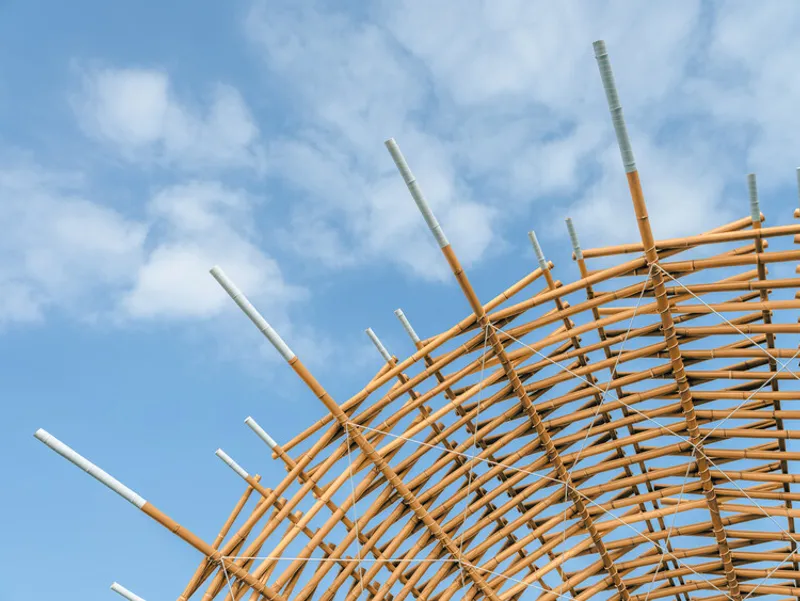
This layered design—woven with both thick and slender bamboo poles—recalls the structural ingenuity of traditional bamboo scaffolding. FENG binds these poles with net-like rope patterns, forming a dense woven texture that strengthens the stage while enhancing its theatrical visual appeal. The interwoven backdrop becomes both a structural system and a sculptural statement, casting dramatic shadows and creating depth for performances.

Blending Traditional Craft and Modern Aesthetics
At the front of the stage, bamboo poles are aligned with precision, grounding the installation in simplicity and rhythm. White tape strips decorate the floor, extending the radiating geometry into the surrounding space. The result is a bold yet minimalist contemporary composition that still respects its historical roots.
The pavilion expresses architectural clarity and cultural storytelling simultaneously — a fusion that characterizes Cheng Tsung FENG’s design language.


A Public Space for Community and Culture
Beyond its symbolic revival of a fading tradition, the Bamboo Theater functions as an active community venue. It offers:
- A stage for performances, festivals, and cultural gatherings
- A shaded resting place for park visitors
- A visual landmark celebrating the artistic heritage of bamboo craftsmanship
Through this installation, FENG creates a space where tradition and modernity converge — preserving cultural memory while inviting new stories and experiences.
The Bamboo Theater becomes not just an architectural structure, but a living cultural archive, honouring Taiwan’s past while inspiring future generations.
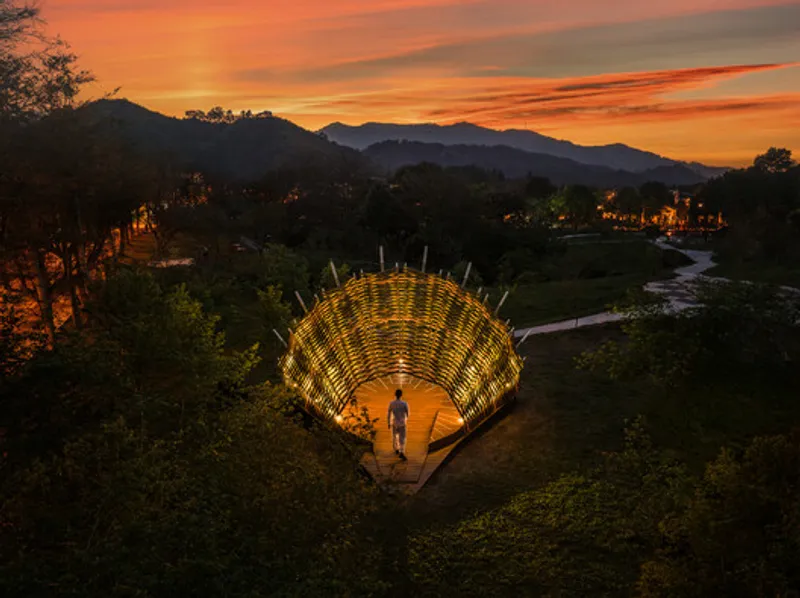


All the photographs are works of Fixer Photographic Studio




Popular Articles
Popular articles from the community


The Musturak Paradise: Senior Living Architecture for a Connected Future in Temara, Morocco
The Musturak Paradise reimagines senior living architecture in Temara via private homes, social spaces, culture, community, and shared care.

The Ocean Hive: Sustainable Architecture for a Self-Sufficient Civilization at Sea
The Ocean Hive imagines sustainable architecture at sea, where modular habitats, algae, wave power and ocean waste sustain a growing colony.

Riyadh For All: Intergenerational Urban Design for Active Aging in Rabat
Riyadh For All reimagines urban design in Rabat with intergenerational co-living, adaptive courtyards, and Moroccan cultural exchange today.
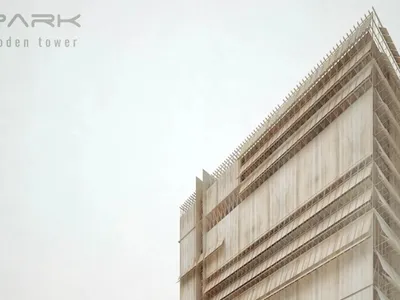
EW PARK: Sustainable Architecture Reimagines the Future of Urban Parking
EW PARK reimagines city parking as a modular wooden tower combining automation, solar energy, electric mobility, and adaptable urban design.


Similar Reads
You might also enjoy these articles


Hodi-Mandai Geram
Project Function: Preservation and revitalization of the Intangible heritage and socio-spatial identity of the Hodi by Housing, Cultural Memory Center, Sacred Grove, landscape, local tourism economy


Olio Towers: A Mid-Rise for Performers That Fuses Housing, Rehearsal, and Stage
Located blocks from Houston's Theater District, this modular tower stacks living units around a central performance atrium.

Oasis: Modular Green Housing Carved into Dhaka's Urban Fabric
A shortlisted Plugin Housing entry reclaims unauthorized settlements in Dhaka with stepped concrete volumes, green roofs, and ventilation-driven design.

Black Hole: A Floating Megastructure for the Post-Physical Era
Emiliano Mazzarotto envisions a spherical, self-scaling arena where e-sports, digital hotels, and holographic stadiums replace traditional public space.


Explore Bamboo Construction Competitions
Discover active competitions in this discipline



Challenge to design a portable theatre


Challenge to design a portable music platform


Challenge to design an open learning module for the elderly


Challenge to reimagine the Iron Throne
Comments (0)
Please login or sign up to add comments
No comments yet. Be the first to comment!