
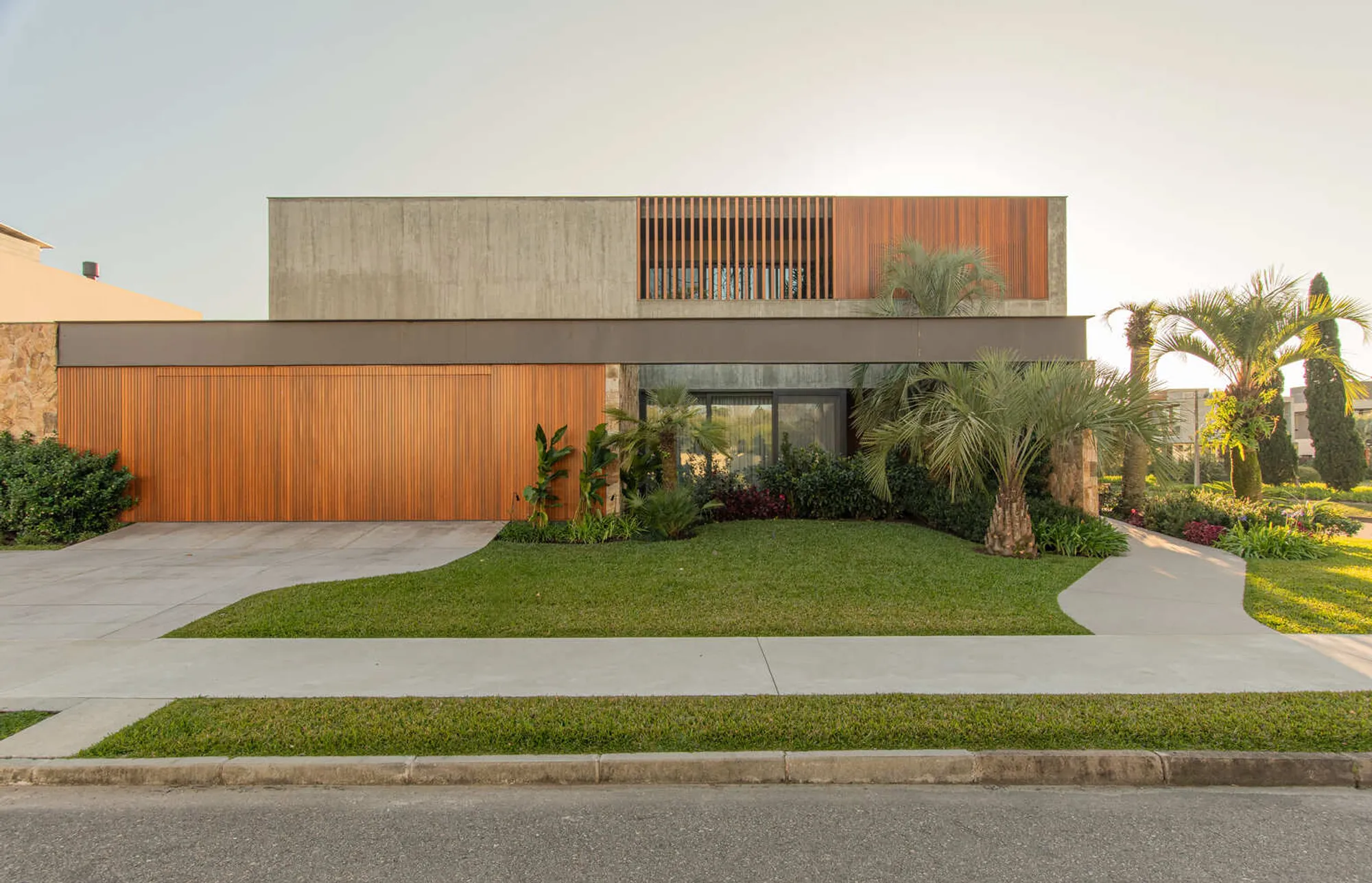
Basca House by RMK Arquitetura
Basca House by RMK Arquitetura combines metal structure, natural materials, and passive design to create a climate-responsive modern home in Pelotas.


A Corner-Lot Sanctuary of Light, Structure, and Climate Sensitivity
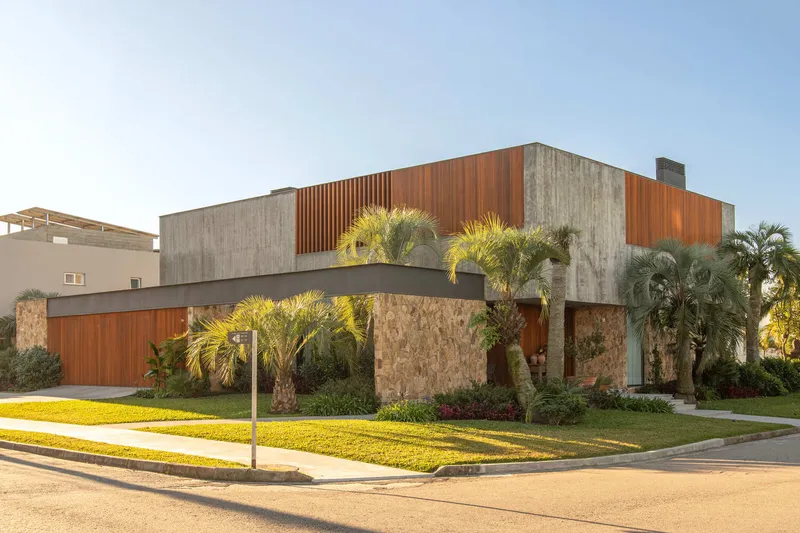
Located in Pelotas, Brazil, Basca House by RMK Arquitetura is a contemporary residence that harmonizes structural precision, natural materials, and environmental awareness. Designed by lead architect Otávio Zanotta Riemke, the 592 m² home stands on a 900 m² corner lot, where circulation and light define the architectural narrative.
Spatial Organization and Site Orientation
The main access to the Basca House is positioned along the side façade, guiding circulation transversely through the residence. This strategic layout allows for a balanced spatial distribution that connects both principal façades — a gesture that strengthens visual continuity and maximizes natural light throughout the interior.
North Façade: Transparency and Climate Responsiveness
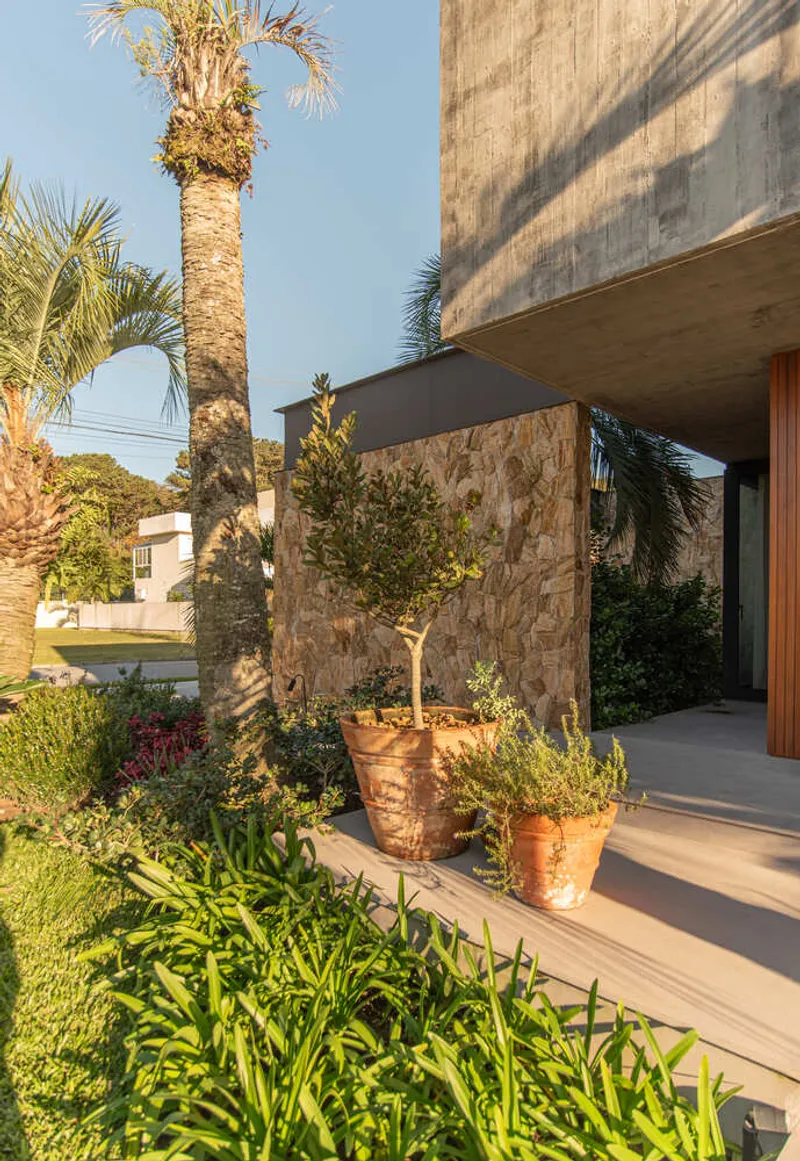
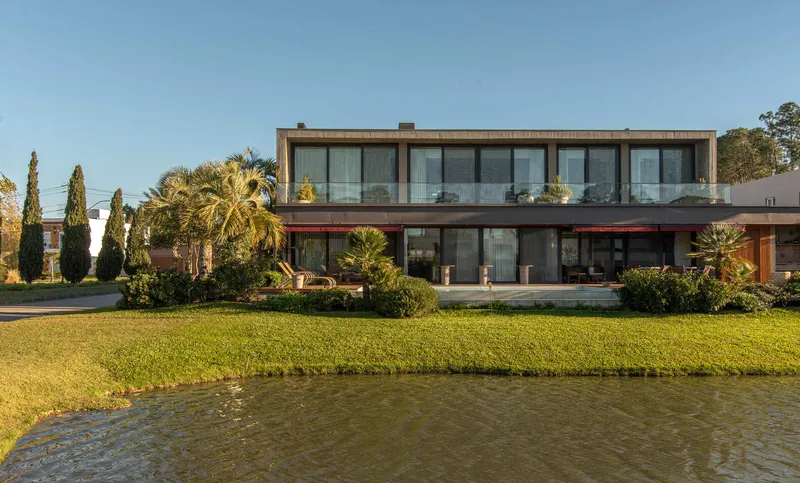
Facing the north, the house embraces openness, transparency, and permeability. This orientation captures maximum sunlight and panoramic views, positioning the living areas and bedrooms along this sunlit façade.
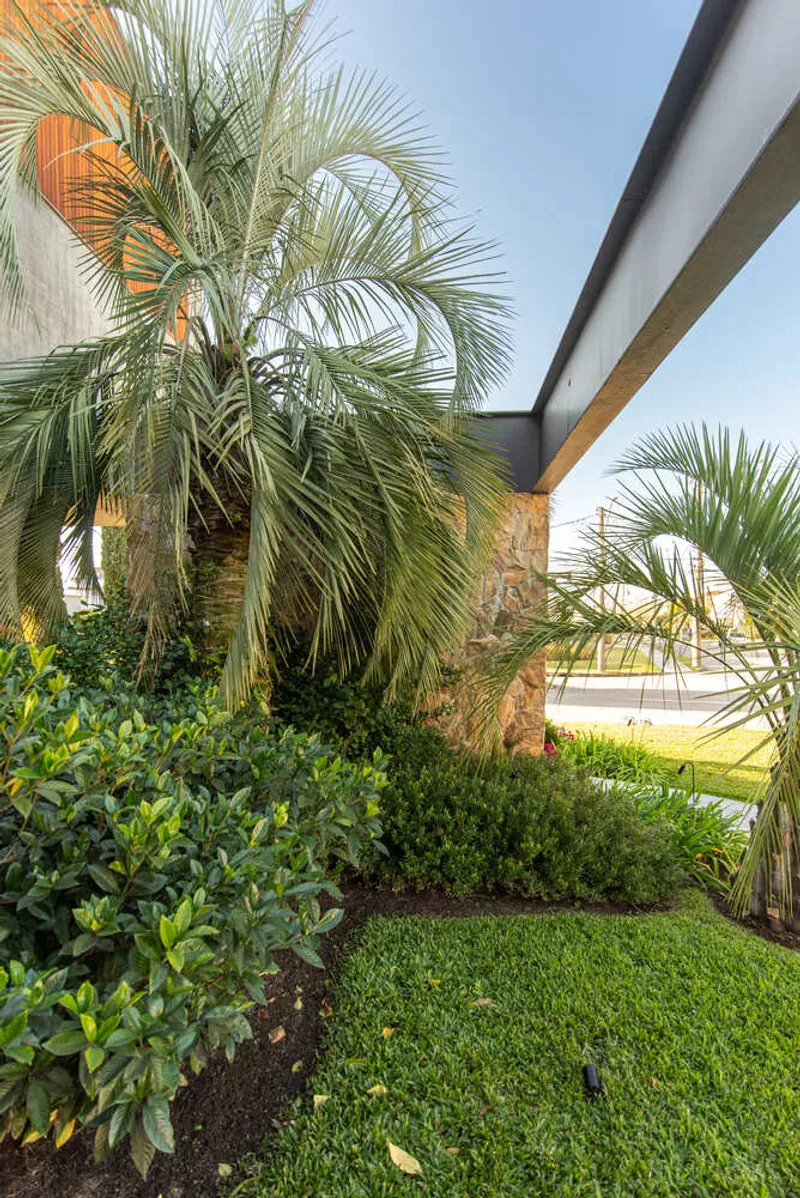
To ensure year-round comfort, solar protection elements such as deep eaves and wooden pergolas have been meticulously designed. These features shield interiors from excessive thermal gain in summer, while still allowing winter sunlight to penetrate and warm the home naturally. The north façade also channels prevailing summer breezes, encouraging natural ventilation that reduces the need for mechanical cooling — a key aspect of the home’s passive climate strategy.
South Façade: Solidity, Shelter, and Thermal Performance
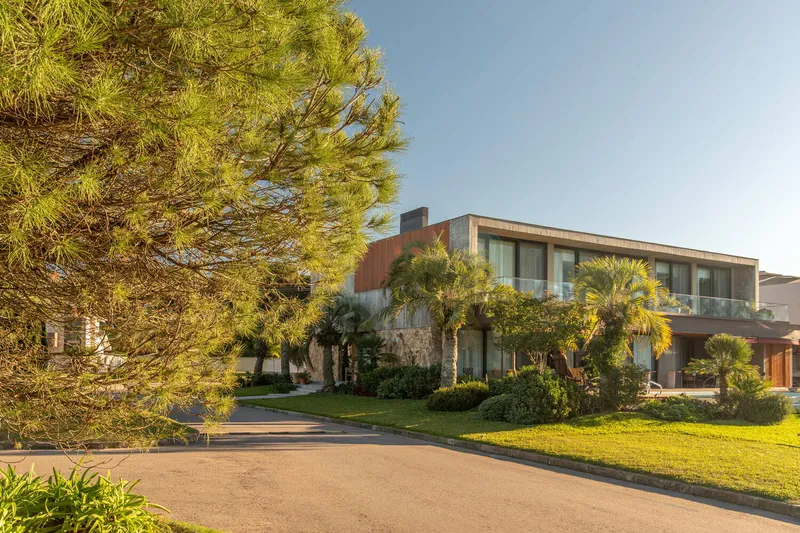
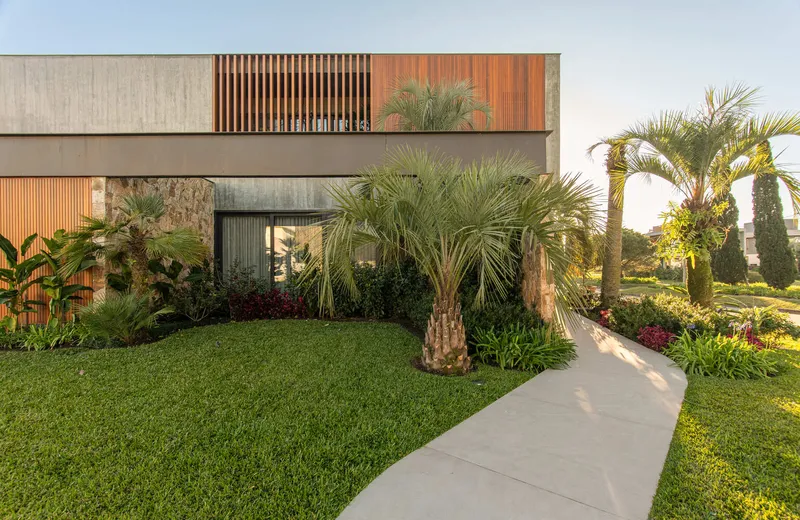
In contrast, the south façade is deliberately opaque and compact, composed of stone, exposed concrete, and wooden cladding. These solid materials act as thermal barriers, ensuring insulation against cold southern winds while preserving internal warmth during cooler months. The interplay of mass and texture reinforces the building’s environmental efficiency and tactile architectural identity.
Material Expression and Structural Integrity
A defining characteristic of Basca House is its metal structural system, which enables wide free spans and open-plan living spaces. This structural approach not only enhances spatial fluidity but also allows for seamless integration between interior and exterior environments.
Complementing the steel frame, the use of natural materials — including stone, wood, and exposed concrete — brings a sense of warmth and authenticity to the architecture. These materials create a dialogue between robustness and comfort, ensuring that the house feels both grounded and inviting.
Integration with Landscape
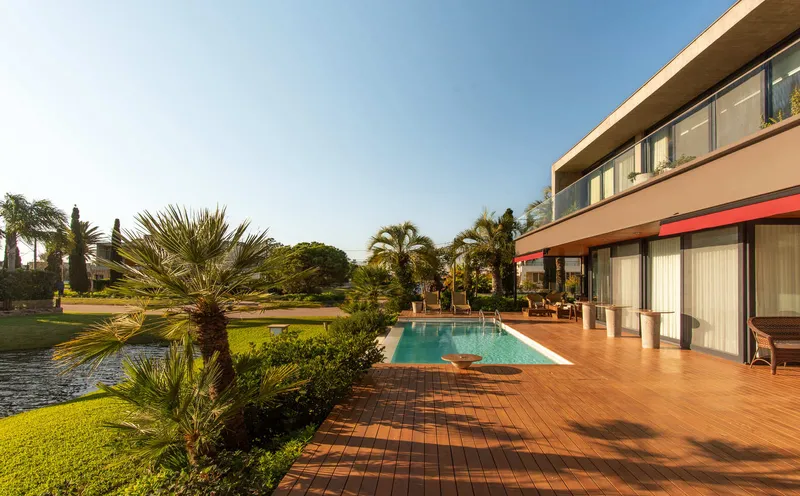
The design maintains a continuous relationship with the garden and courtyard, blurring the boundary between built and natural environments. Large glass openings invite daylight and landscape views deep into the home, emphasizing the connection between architecture, climate, and place.
All Photographs are works of Lucas Daneris


Popular Articles
Popular articles from the community


AL-JANNAH: Sustainable Architecture and Permaculture for Afghan Widows
AL-JANNAH uses sustainable architecture and permaculture to create resilient oasis of housing, learning, work and renewal for Afghan widows.

Riyadh For All: Intergenerational Urban Design for Active Aging in Rabat
Riyadh For All reimagines urban design in Rabat with intergenerational co-living, adaptive courtyards, and Moroccan cultural exchange today.

Co-life: Sustainable Architecture for Age-Friendly Community Living
Co-life reimagines sustainable architecture for seniors through courtyards, rammed earth, shared gardens, and spaces designed for belonging.
EW PARK: Sustainable Architecture Reimagines the Future of Urban Parking
EW PARK reimagines city parking as a modular wooden tower combining automation, solar energy, electric mobility, and adaptable urban design.

Similar Reads
You might also enjoy these articles


Hodi-Mandai Geram
Project Function: Preservation and revitalization of the Intangible heritage and socio-spatial identity of the Hodi by Housing, Cultural Memory Center, Sacred Grove, landscape, local tourism economy


Olio Towers: A Mid-Rise for Performers That Fuses Housing, Rehearsal, and Stage
Located blocks from Houston's Theater District, this modular tower stacks living units around a central performance atrium.

Oasis: Modular Green Housing Carved into Dhaka's Urban Fabric
A shortlisted Plugin Housing entry reclaims unauthorized settlements in Dhaka with stepped concrete volumes, green roofs, and ventilation-driven design.

Black Hole: A Floating Megastructure for the Post-Physical Era
Emiliano Mazzarotto envisions a spherical, self-scaling arena where e-sports, digital hotels, and holographic stadiums replace traditional public space.

Explore Architecture Competitions
Discover active competitions in this discipline



Challenge to reimagine the Iron Throne


Photograph architecture without architects


Illustrate the lost glory of Angkor Wat - Render Challenge


Design challenge to reuse E-waste
Comments (0)
Please login or sign up to add comments
No comments yet. Be the first to comment!