

BBU Library And Student Center: Reinventing University Campus Design
The BBU Library and Student Center merges educational and communal spaces, enhancing community and campus identity in Budapest.


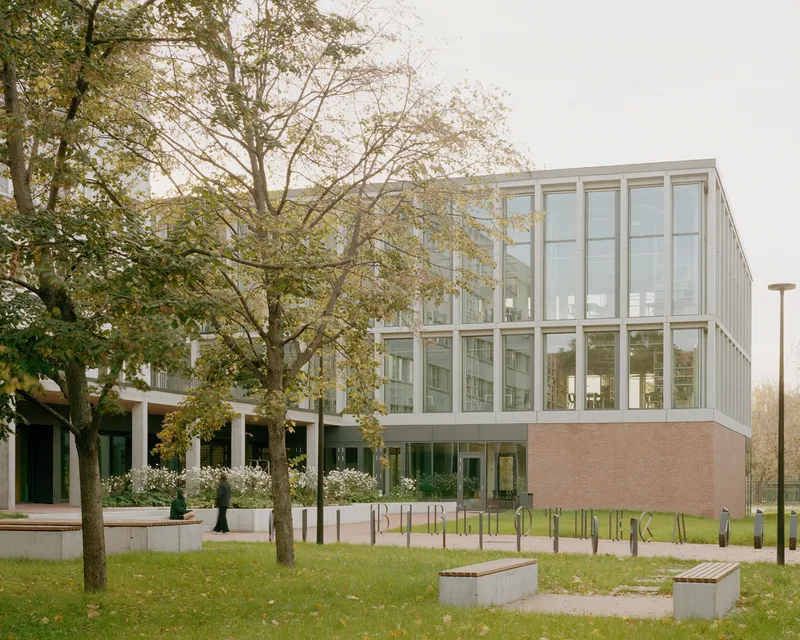
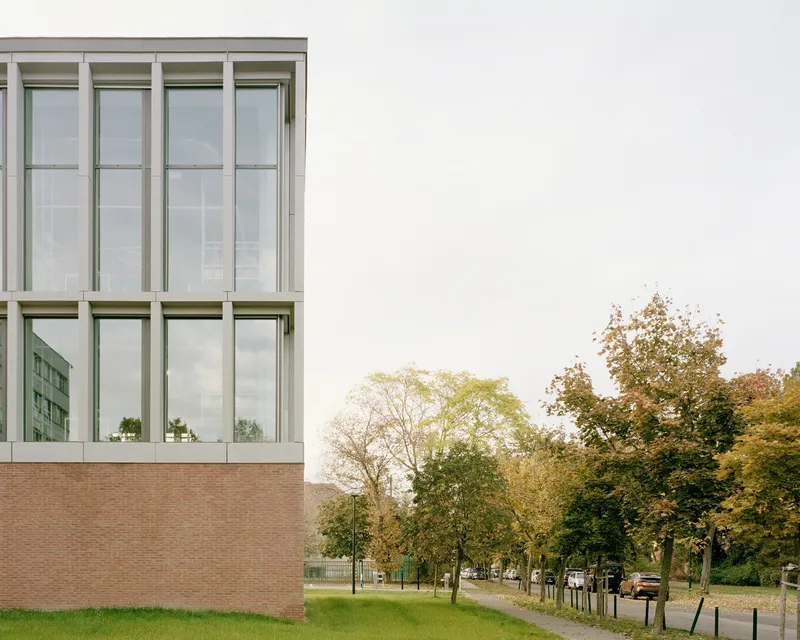
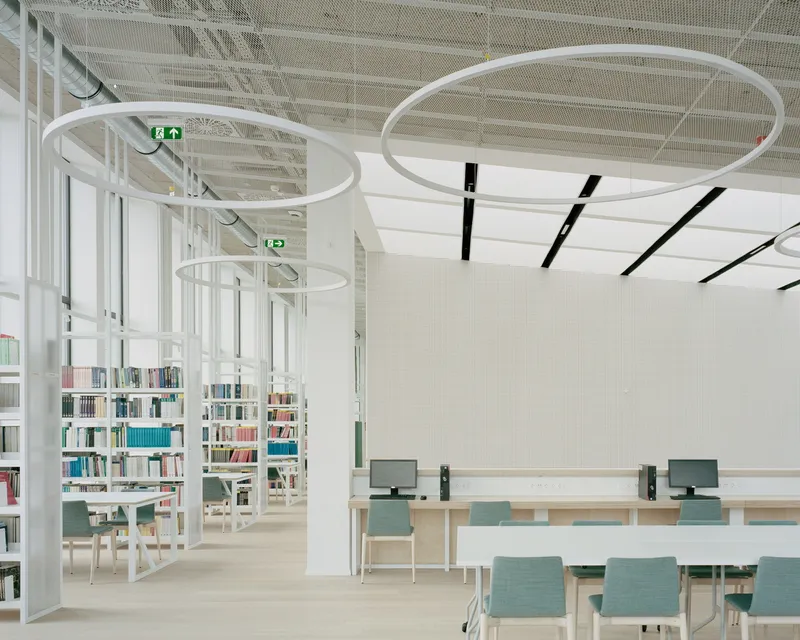
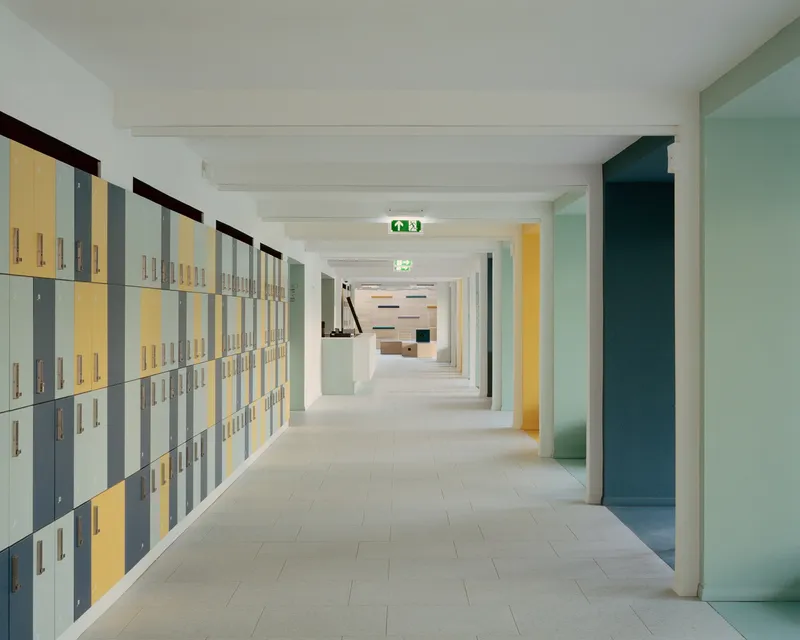
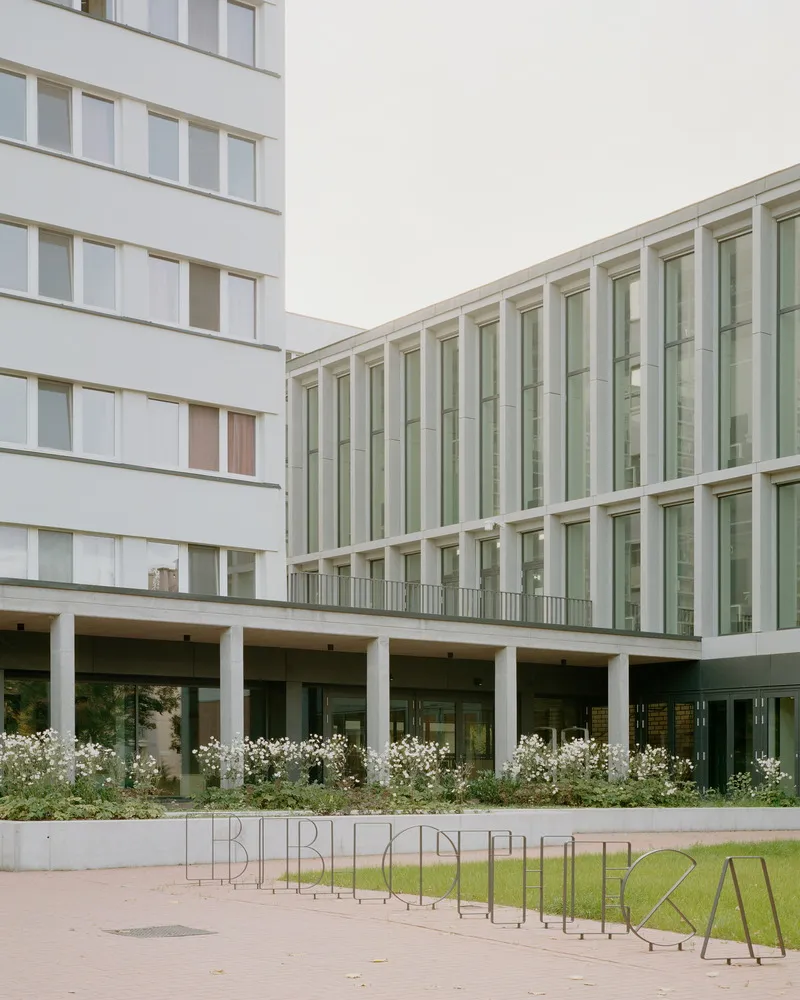
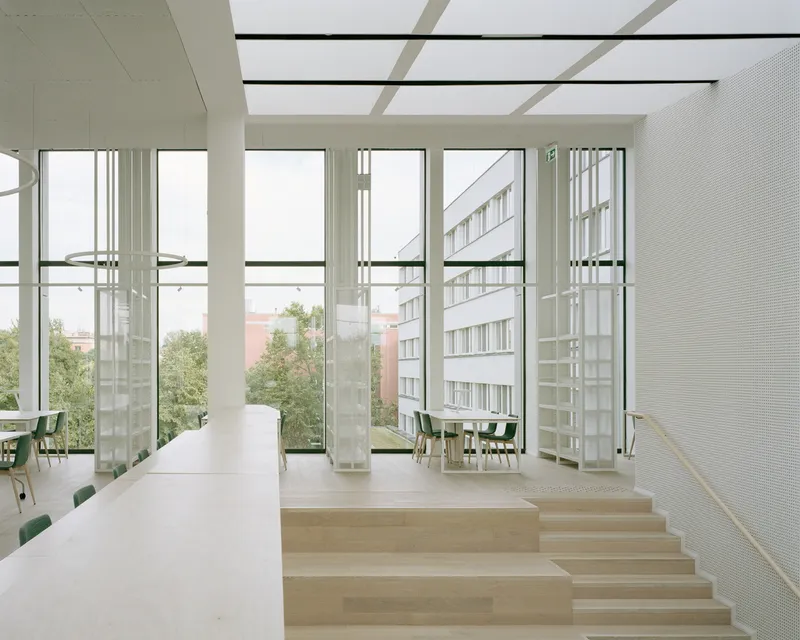
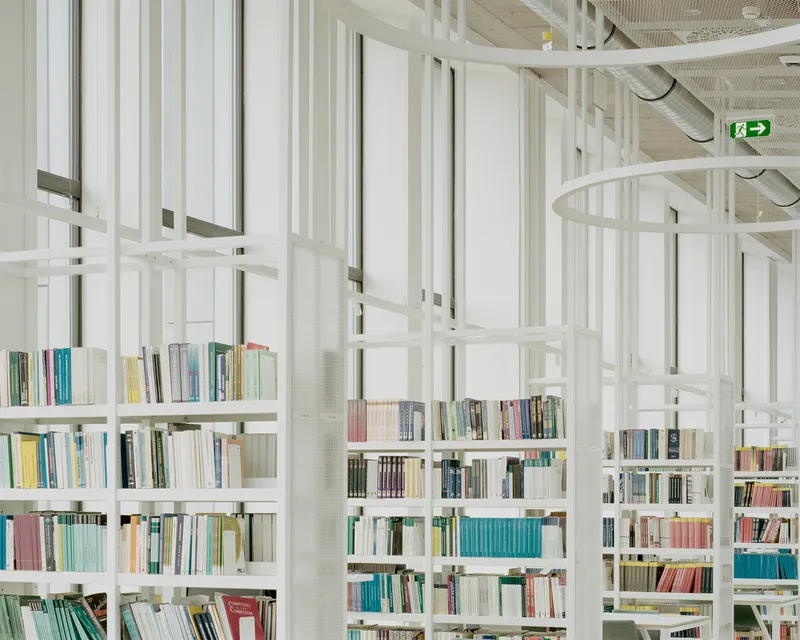
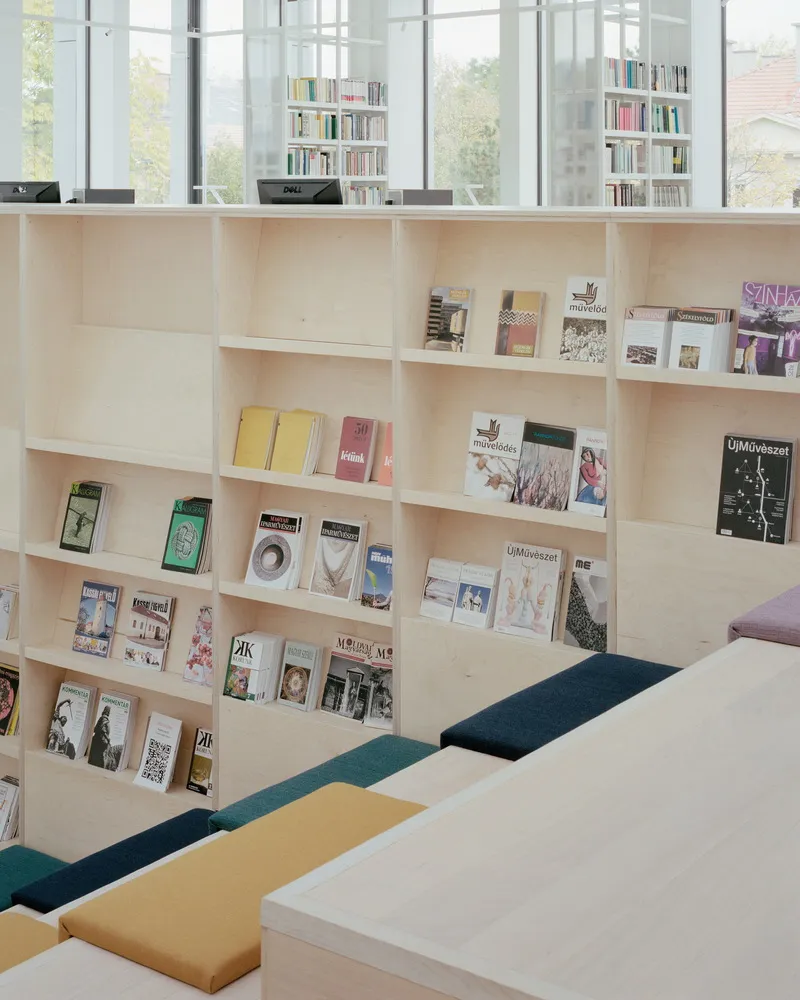
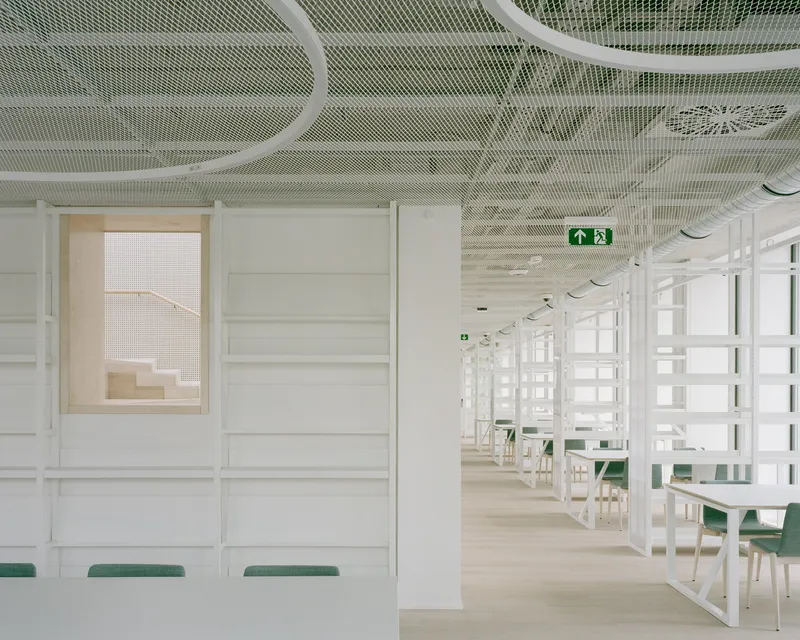
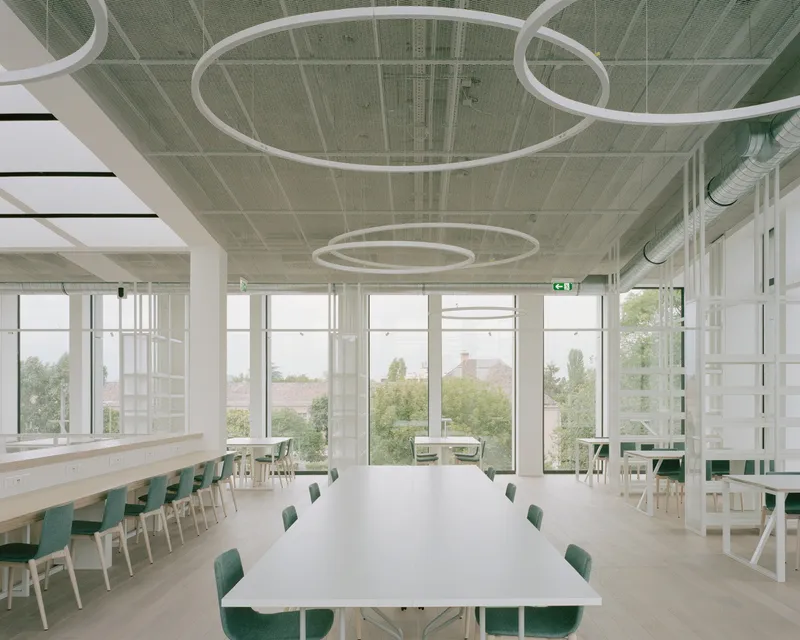
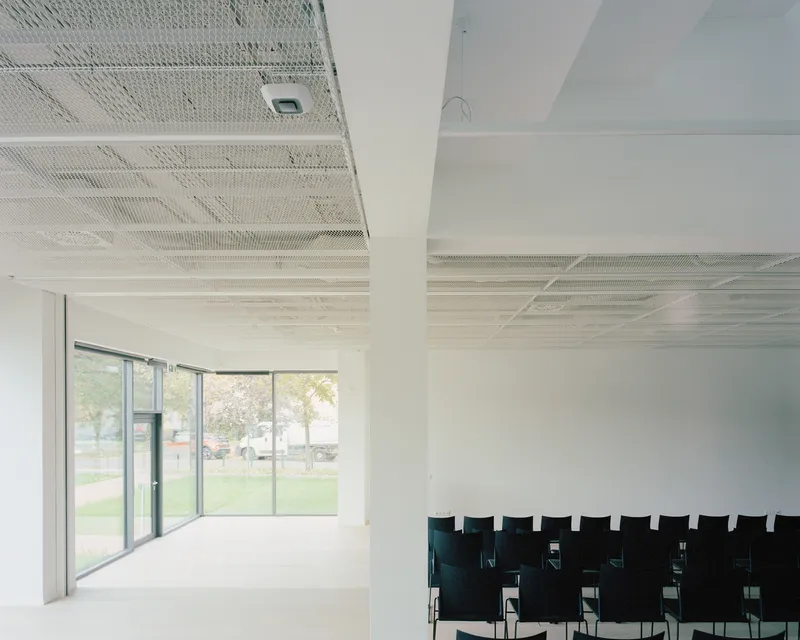
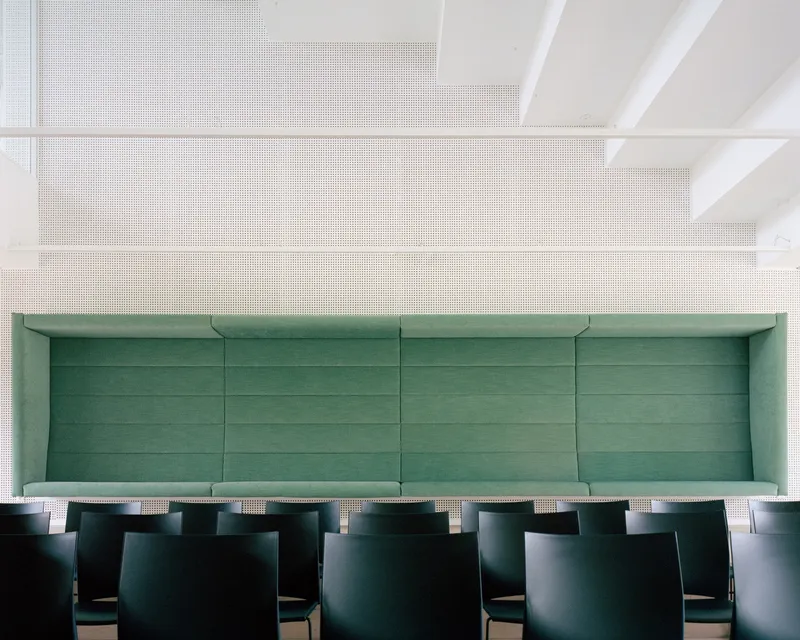
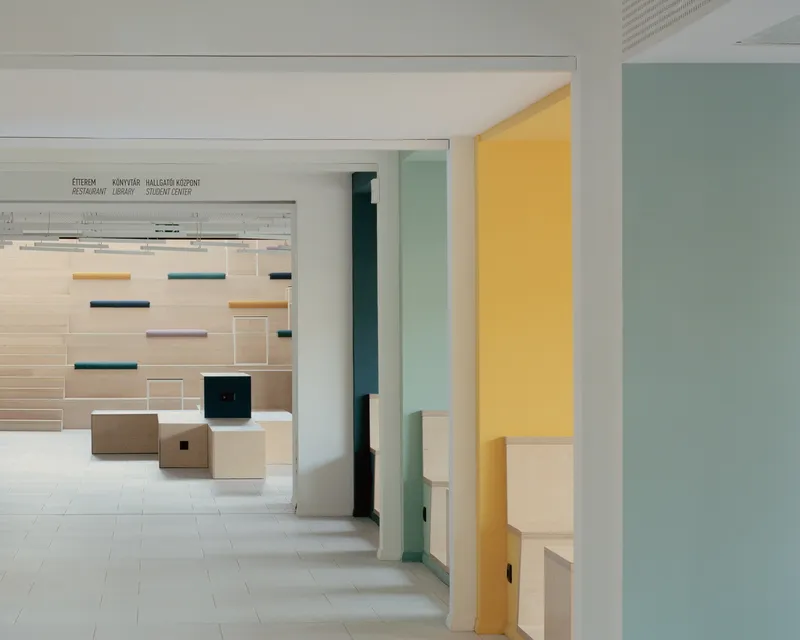
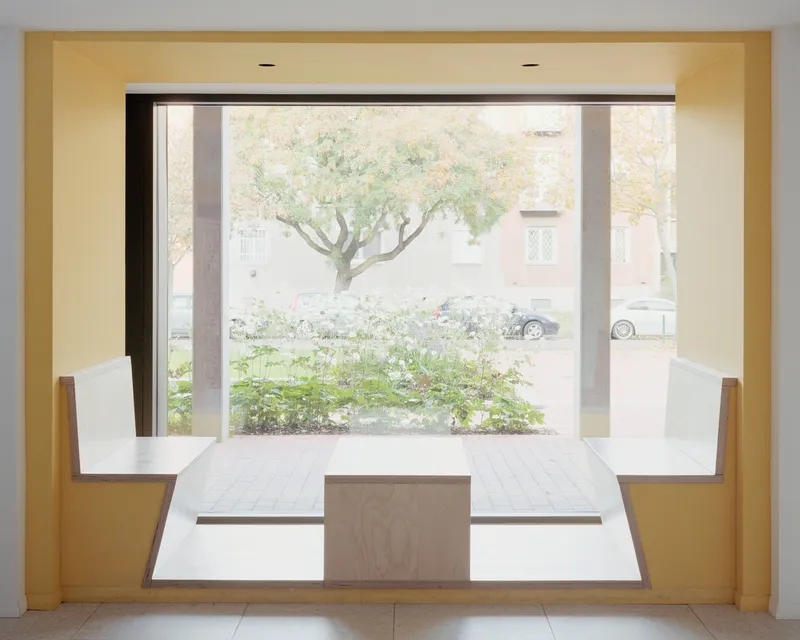
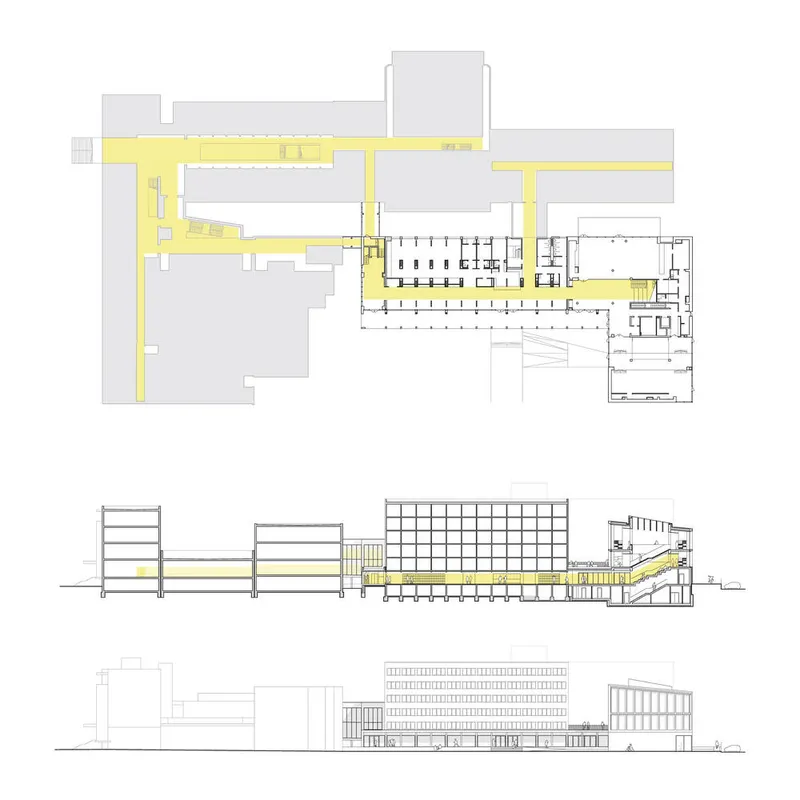
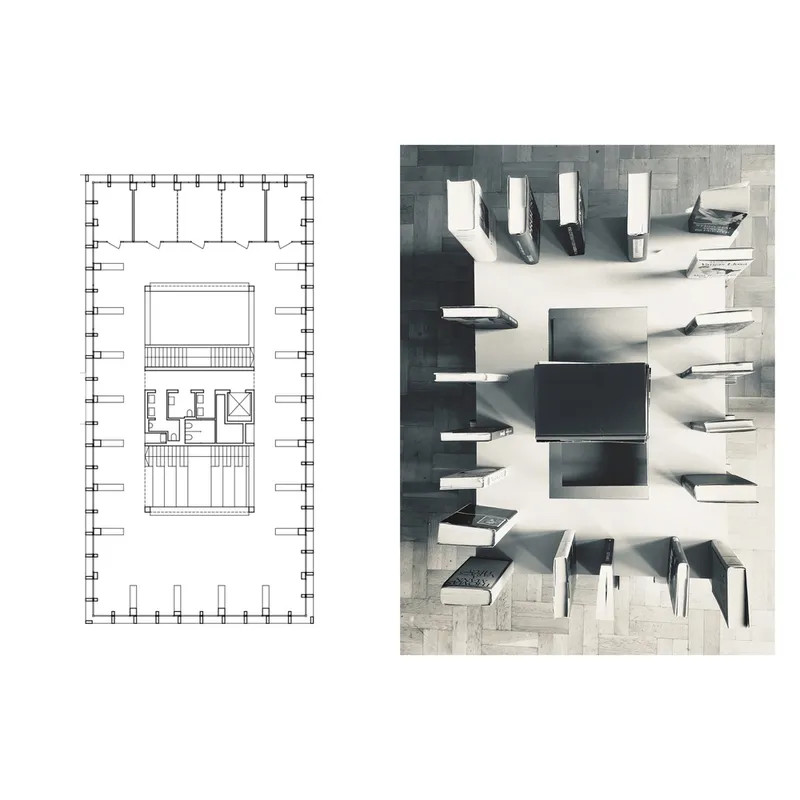
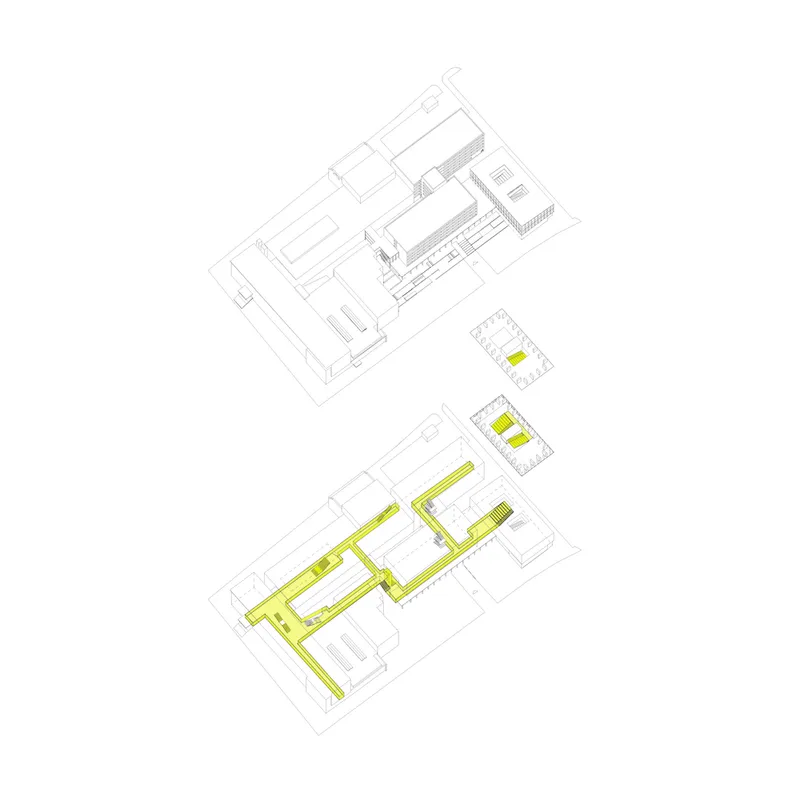
The BBU Library and Student Center, designed by Gereben Marián Architects, is a pioneering project in Budapest that redefines university campus design. Completed in 2023, this project, covering an area of 34,445 ft², seamlessly blends educational and communal spaces within a historically rich urban fabric. The architects have masterfully reorganized the campus to enhance community building, foster interconnectedness, and revitalize green spaces, thereby crafting a multifunctional hub that caters to the diverse needs of 21st-century learners.
A Visionary Approach to Campus Architecture
Harmonizing Historical Context with Modern Needs
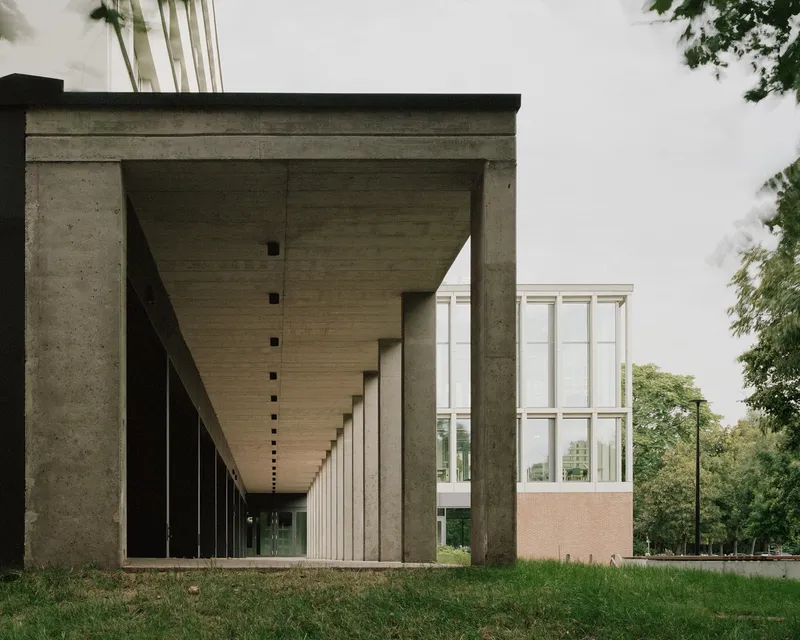
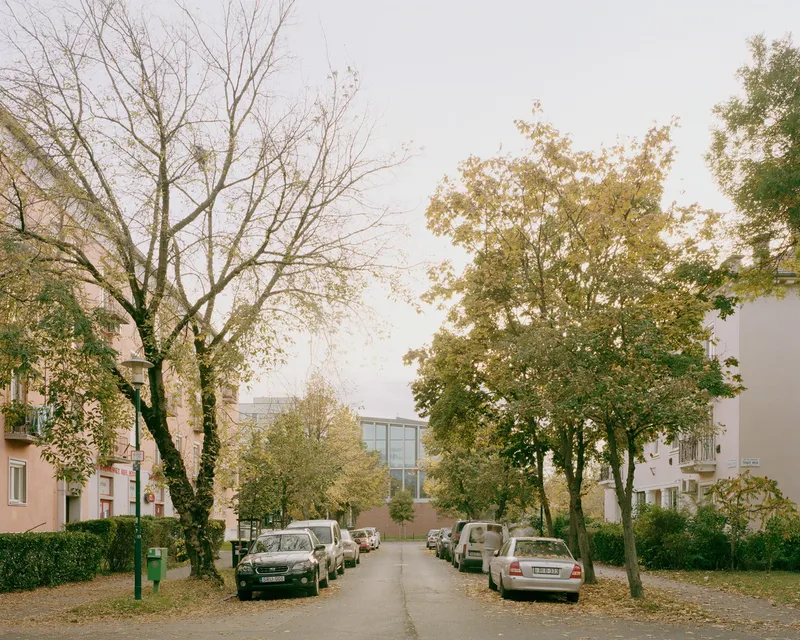
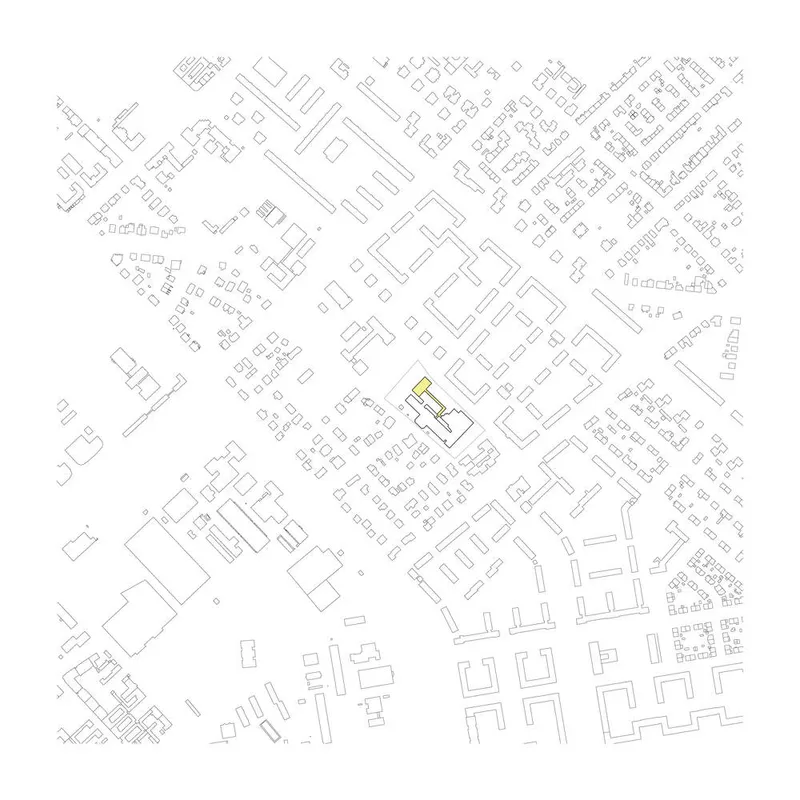
Situated in a residential and educational zone characterized by post-war buildings amidst an urban park atmosphere, the design respects the site's late modernist heritage while addressing contemporary functional requirements. The strategic addition of a new library and student center serves as a central community point, integrating educational and leisure activities.
Designing for Community and Identity
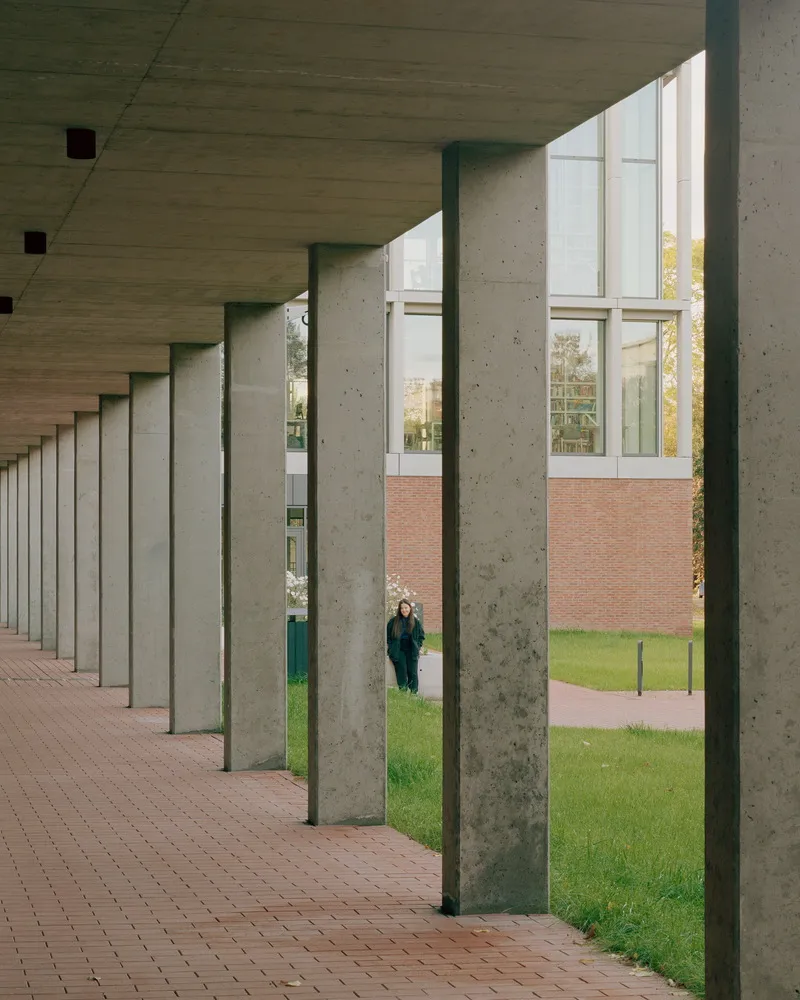
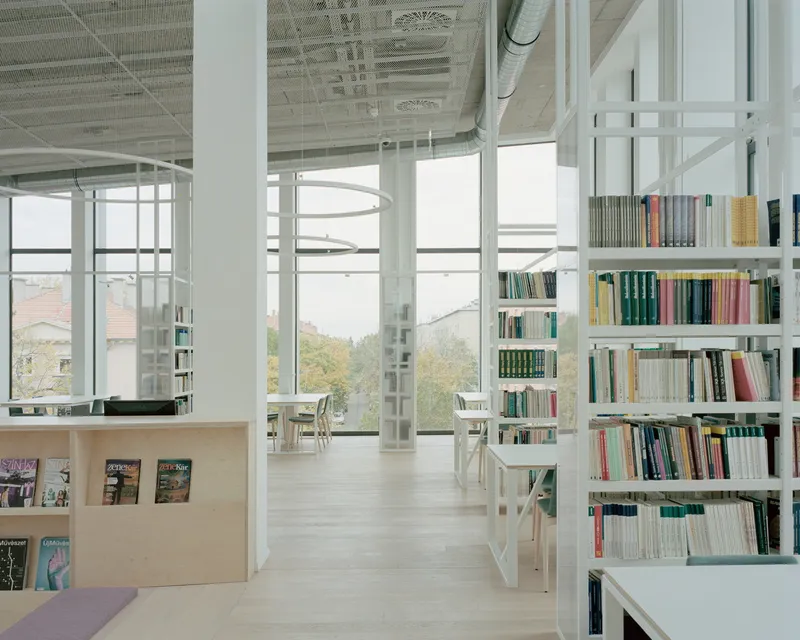
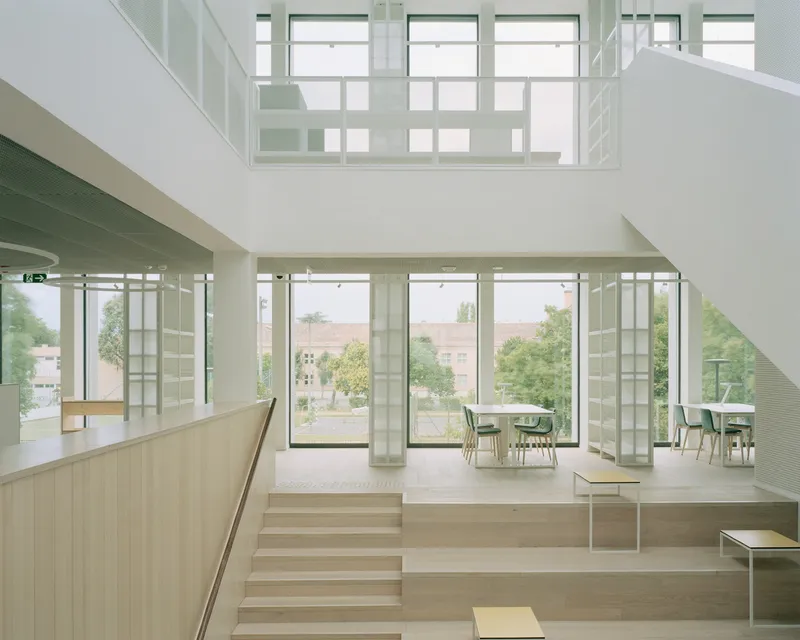
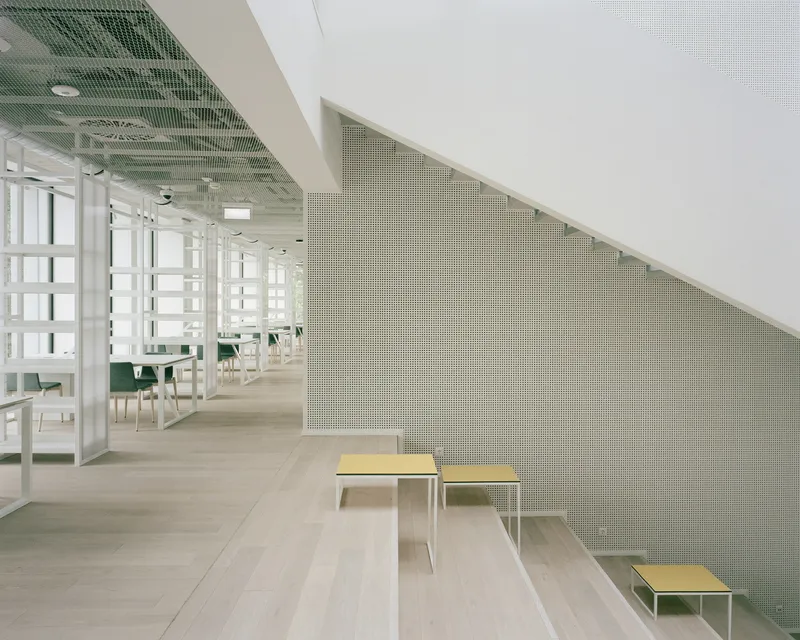
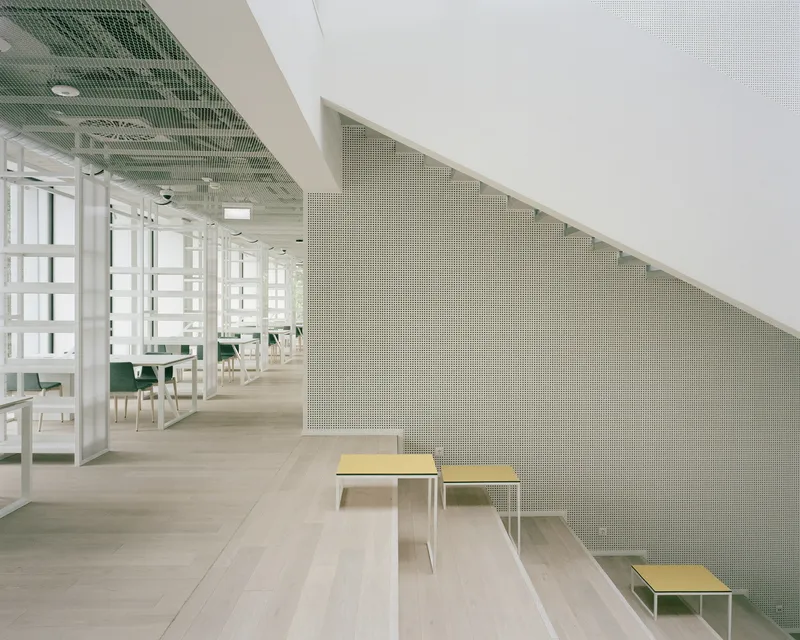
Through thoughtful spatial reorganization and the introduction of new communal areas, the project not only enhances the university's community-building efforts but also significantly contributes to its identity. The design fosters a sense of belonging and encourages interaction among students and faculty, strengthening the university's role as an educational and social landmark.
Architectural Elements and Sustainable Design
Innovative Use of Space and Material
The architects' use of natural materials, along with the implementation of sustainable design principles, ensures that the new structures harmonize with the existing campus aesthetic. The inclusion of a campus garden and the removal of barriers to create more open, accessible spaces reflect a commitment to environmental sustainability and urban integration.
A Model for Future University Campuses
The BBU Library and Student Center sets a new standard for university campus design, showcasing how architectural innovation can enhance educational environments. By blending functionality with aesthetic appeal, the project creates a vibrant space that supports learning, fosters community, and embraces the surrounding urban and natural landscapes.
This project exemplifies how universities can evolve to meet changing educational paradigms, emphasizing the importance of spaces that promote learning, well-being, and social interaction.
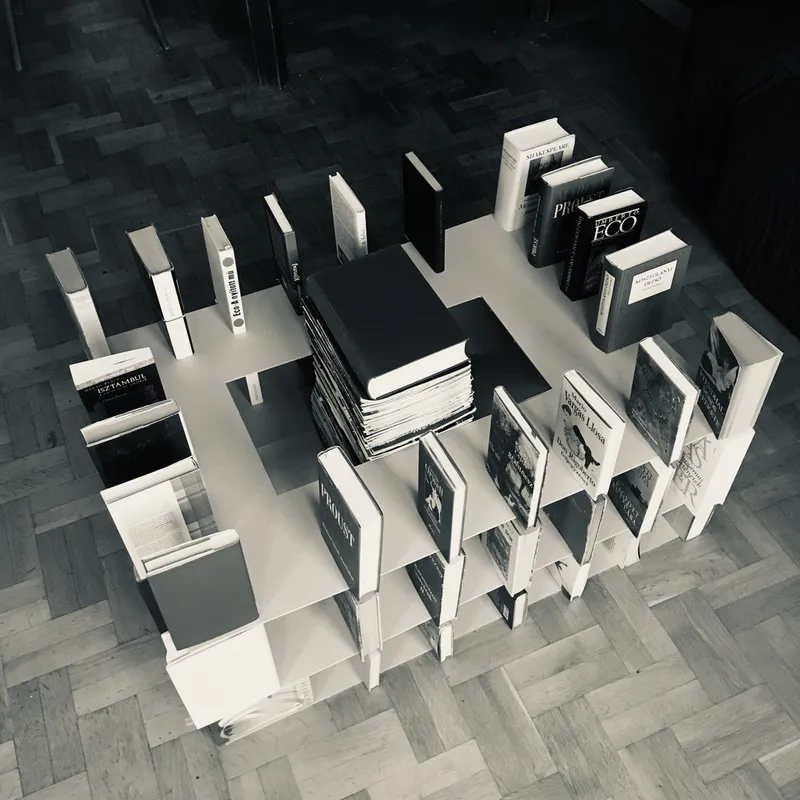
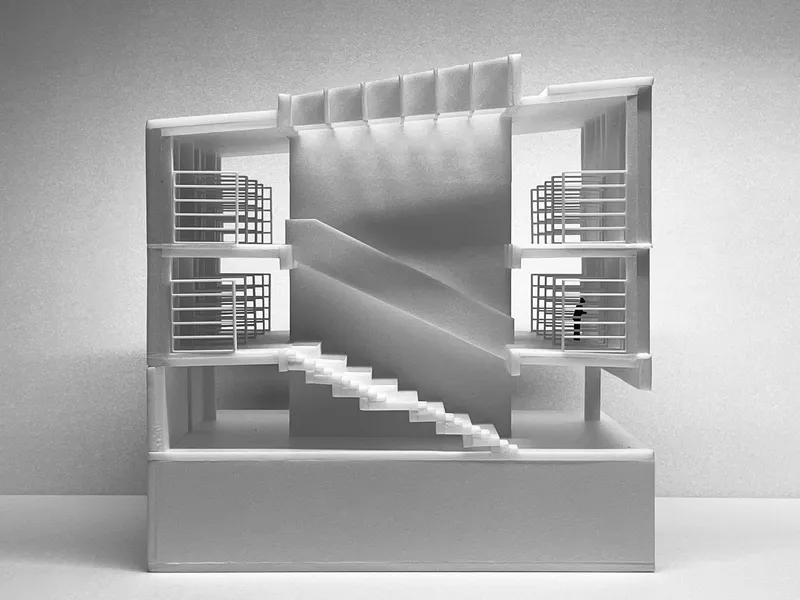
All photographs are work of Balázs Danyi


Popular Articles
Popular articles from the community

Temporary Home for Dogs: A Reversed Zoo Rethinks Animal Shelter Architecture
In Bucharest, a sinuous corridor and freed landscape flip the logic of containment, designing a shelter that works to make itself unnecessary.

Opera on the Sea: Driftwood Logic Shapes a Timber Opera House on Estonia's Coast
Trevor Orgill's opera house translates the entangled drift of floating timber into a civic building where wood, water, and music converge.

Tsunami Convergenics: Turning Catastrophic Ocean Forces into Underwater Housing Infrastructure
A speculative underwater settlement off the coast of Onagawa, Japan, treats tsunamis and typhoons as energy sources rather than threats.
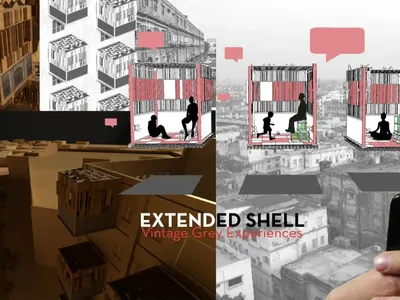
Extended Shell: Retrofitting Kolkata's Balconies as Living Urban Thresholds
A modular retrofit system recovers the social and environmental intelligence of Kolkata's historic verandas for contemporary Park Street residents.

Similar Reads
You might also enjoy these articles

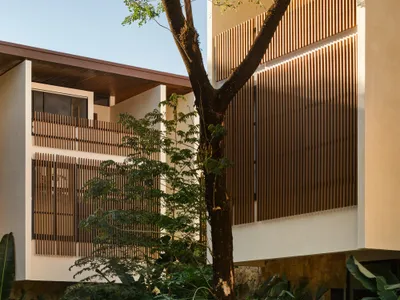
FAMM Arquitectura Organizes Ten Villas Around Courtyards and Jungle in Nosara, Costa Rica
El Molino pairs two elongated volumes with deep overhangs and timber louvers to build a compact coastal community five minutes from the beach.
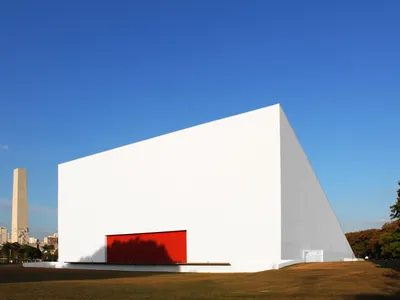
Oscar Niemeyer's Ibirapuera Park Pavilions Define São Paulo's Cultural Identity in Concrete and Curve
A constellation of modernist volumes set within São Paulo's most important urban park, conceived for the city's 400th anniversary in 1954.
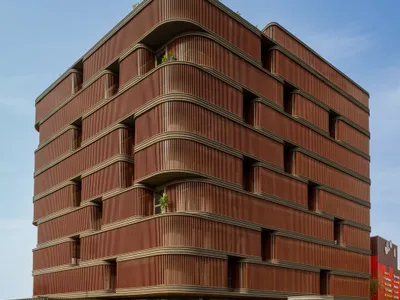
Sanjay Puri Architects Wraps a Jaipur Office Tower in Capsule-Shaped Green Buffers
A nine-level climate-responsive workplace near Jaipur Airport uses stacked planter terraces and aluminium screens to fight 40°C heat.
RHO Converts a Berlin Spree-Side Industrial Courtyard into Enkime's 1,000 m² Agency Headquarters
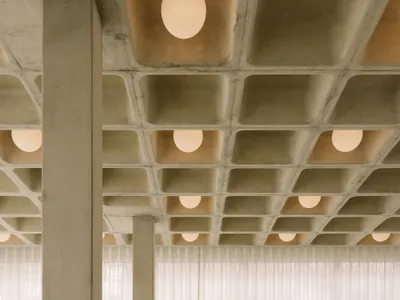
A social media agency's new home in Charlottenburg trades glossy branding for concrete waffle ceilings, glazed tile, and sheer curtains.

Explore Academic Building Competitions
Discover active competitions in this discipline

Challenge to design mud housing for contemporary communities

Challenge to reimagine the Iron Throne

Photograph architecture without architects

Illustrate the lost glory of Angkor Wat - Render Challenge
Comments (0)
Please login or sign up to add comments
No comments yet. Be the first to comment!