
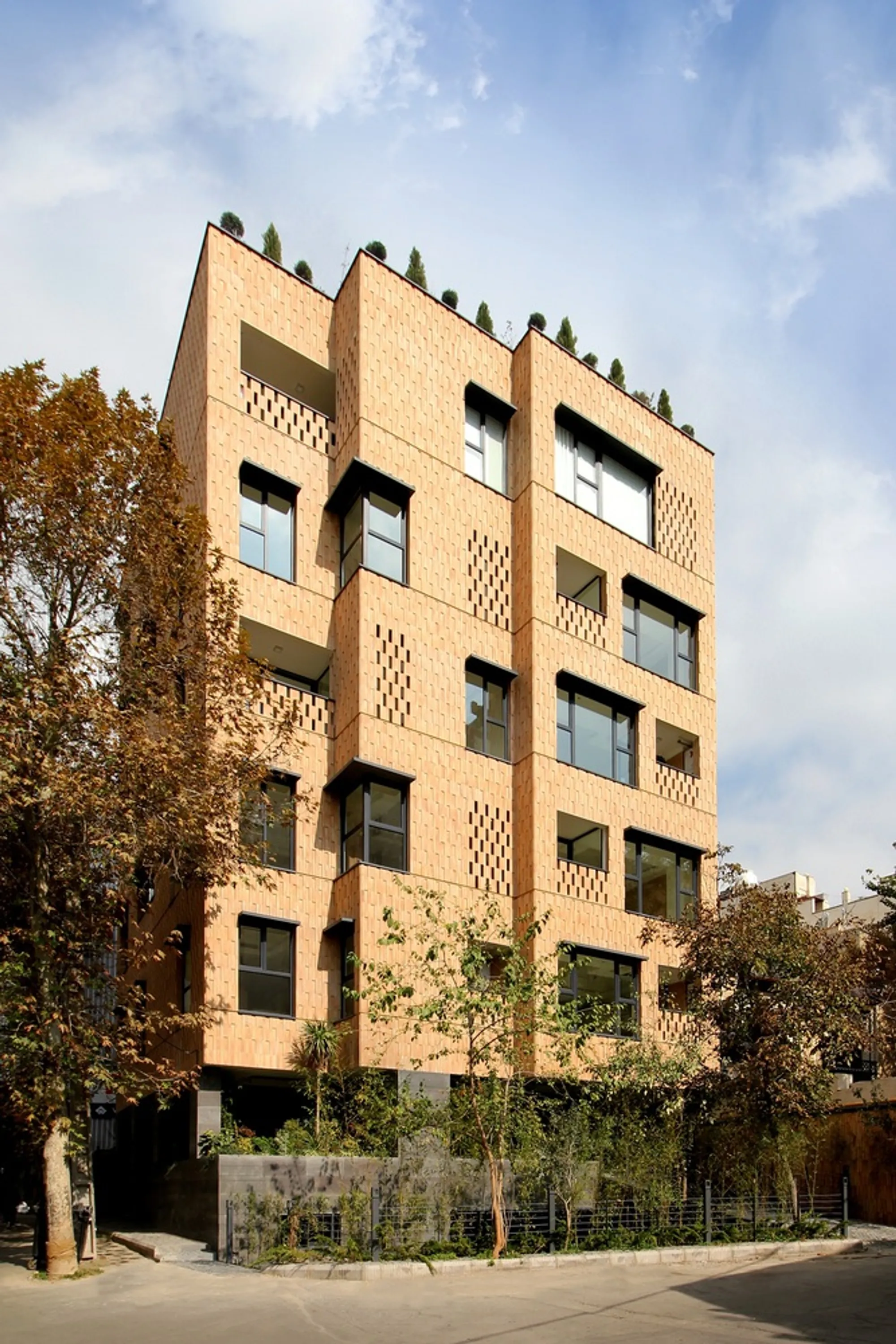
BI-HESAR Residential Apartments by KARABON: A No-Wall Vision for Urban Living in Tehran
BI-HESAR Apartments redefines urban living with open green spaces, contextual materials, and a boundary-free design fostering community connection.


Located in the densely populated Hekmat (Dezashib) neighborhood of Tehran, BI-HESAR Residential Apartments by KARABON reimagines the role of residential architecture in urban fabric. Designed by lead architect Mehdi Panahi, the 1,500 m² project offers more than a place to live—it serves as a response to the spatial, social, and ecological deficits of the city.
Reclaiming Green Space in a Densely Built Context
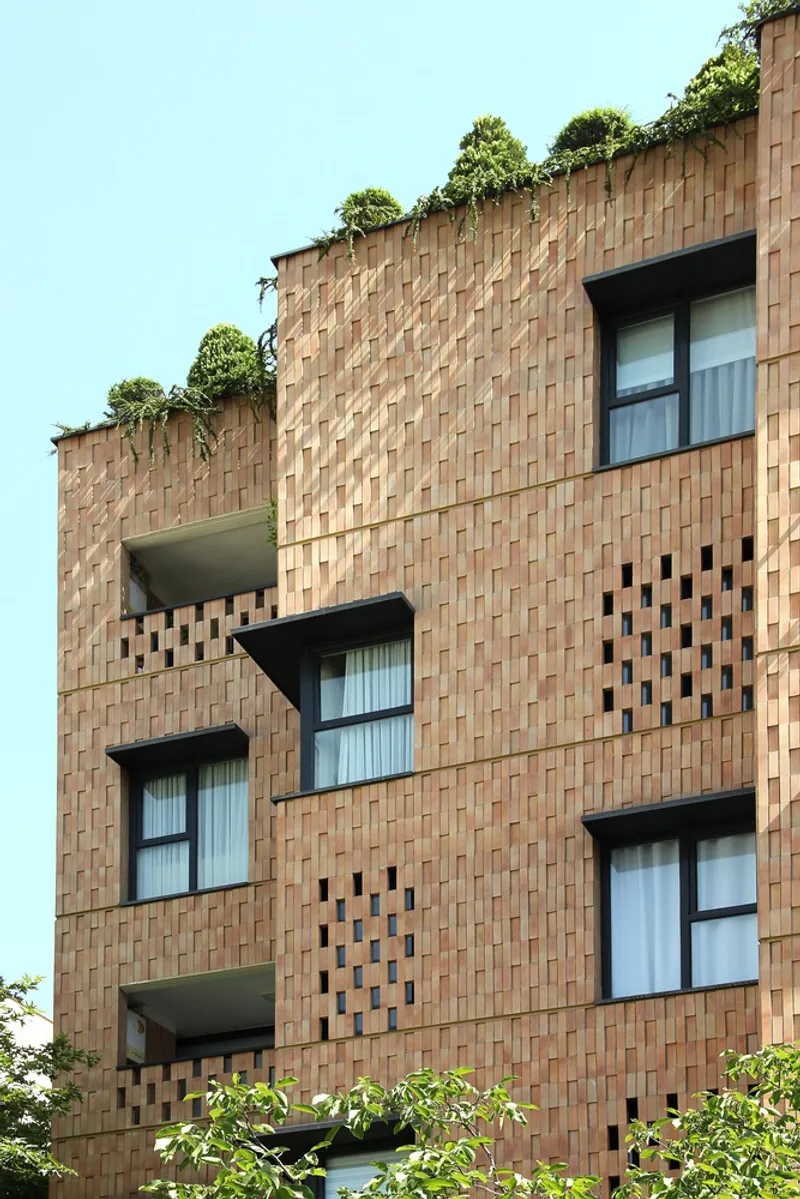
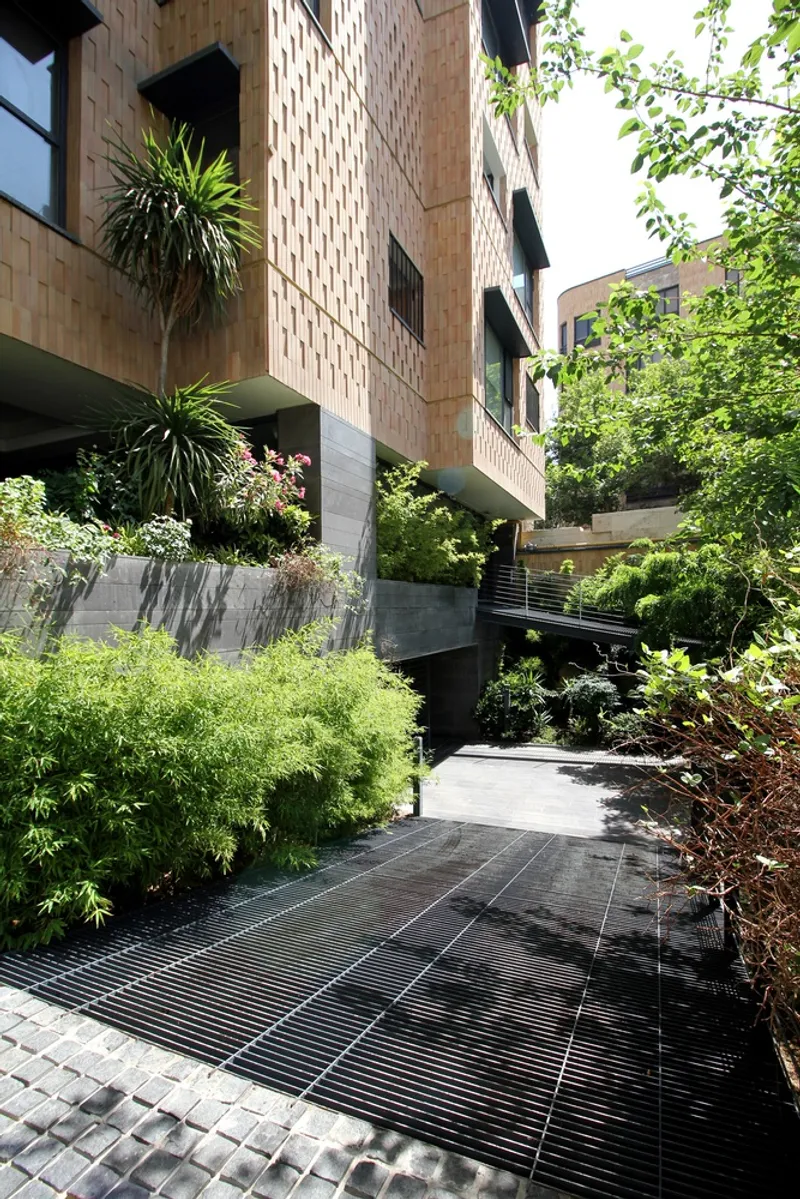
Amidst the pressure for maximizing buildable land and parking infrastructure, BI-HESAR’s most defining gesture is its embrace of open and green spaces. Instead of following conventional high-density development patterns that often sacrifice courtyards and gardens, the design prioritizes permeable, plant-rich environments that are shared between residents and the surrounding neighborhood.
Situated at the intersection of three alleys, the site occupies a highly visible and central position within the local context. This prompted the design team to explore architecture as an urban connector, rather than an object closed off by boundaries. The result is a building that dissolves traditional borders—both physically and socially.
Architecture Without Walls: Strengthening Community Bonds
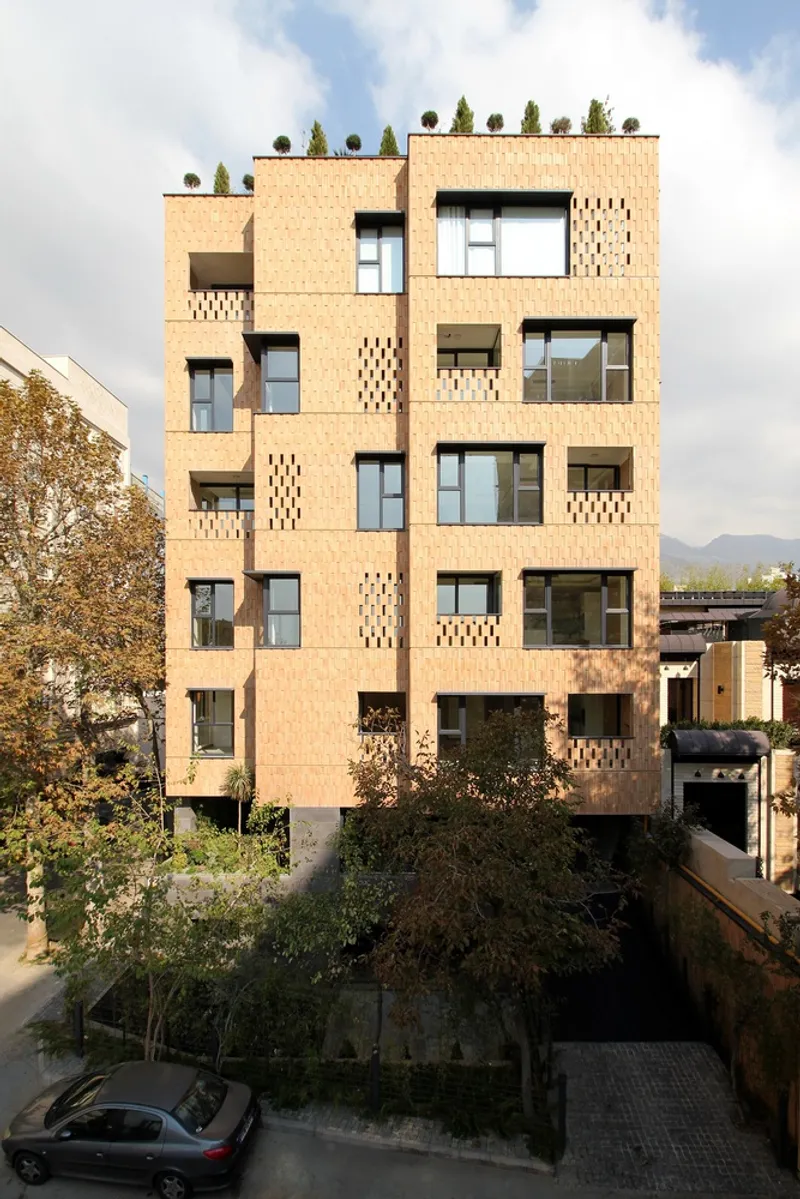
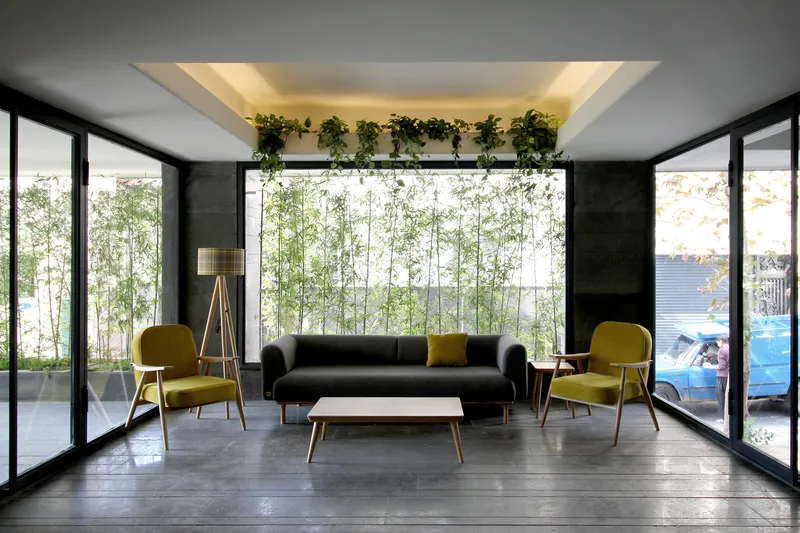
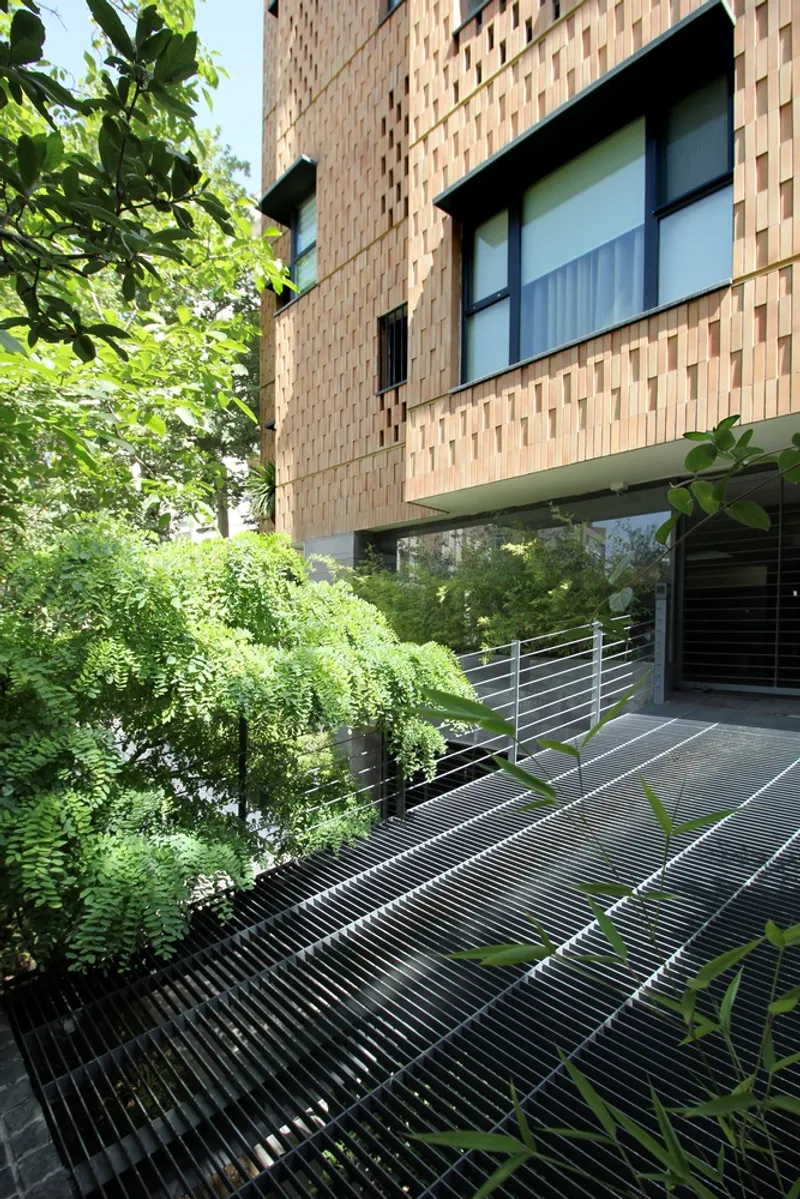
The project's name, "BI-HESAR" (translated as “No-Wall”), encapsulates its core philosophy: to remove physical and symbolic separations between the building and the city. The design team utilized semi-open spaces, permeable boundaries, and unfenced yards to create an architecture that encourages spontaneous interactions, visual continuity, and a stronger sense of community.
Rather than relegating green areas to decorative elements, landscape design was deeply integrated into the architecture. Leftover yard spaces were carefully sculpted to optimize openness and greenery, enhancing both ecological function and mental well-being. These green interventions not only benefit building occupants but also extend to neighbors and passersby, who experience a rare touch of nature in the urban sprawl.
Materiality and Contextual Harmony
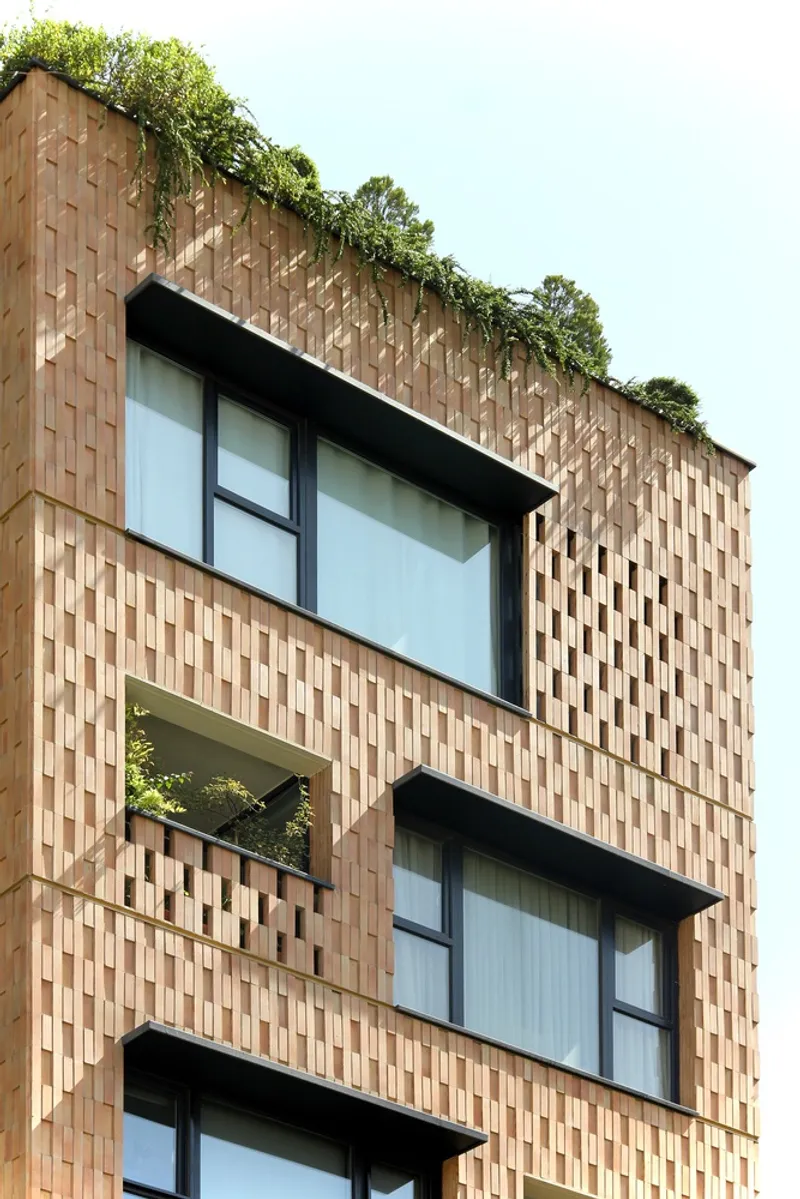
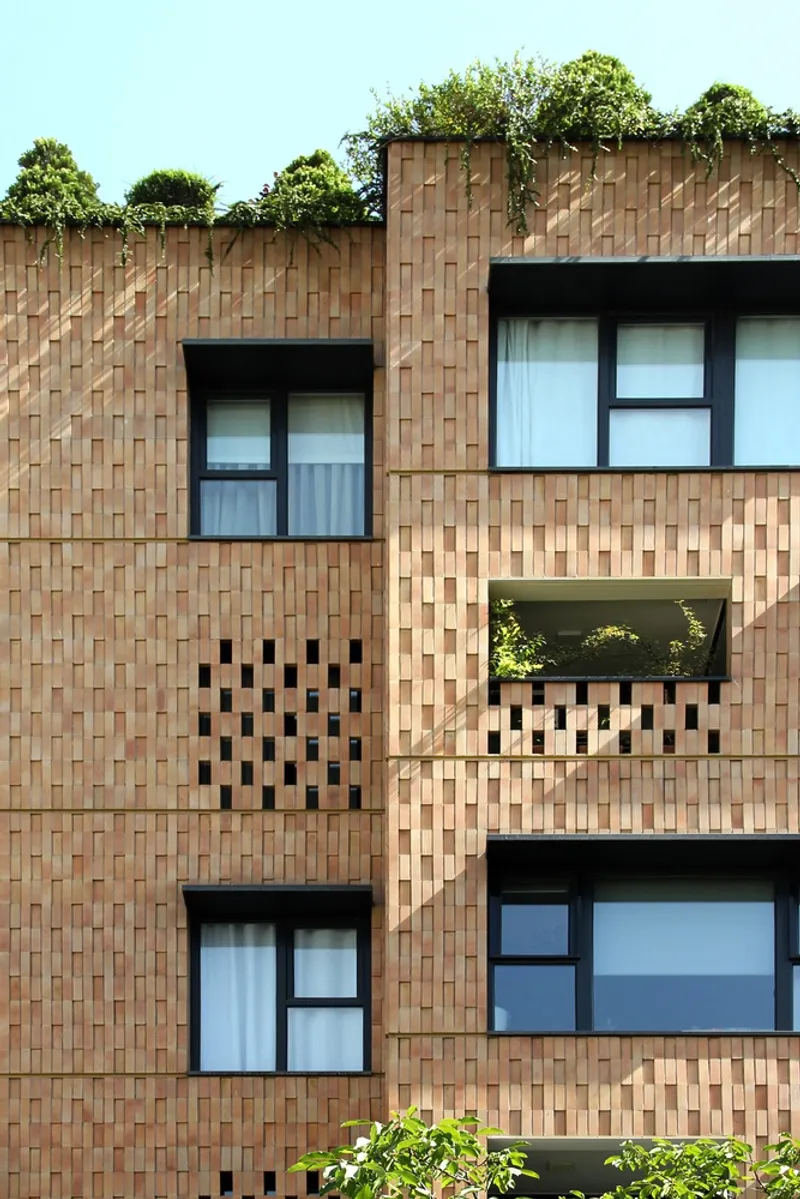
Material selection played a pivotal role in integrating the building into its urban context. Indigenous and locally produced materials—including bricks from Namachin Brick and finishes from Tabriz Tile Group—were used to harmonize with the adjacent architecture and establish a visual dialogue with the neighborhood. This commitment to material authenticity contributes to a calm and cohesive urban identity, reinforcing the residents’ sense of belonging.
Beyond aesthetic considerations, materials also respond to climate and sustainability concerns, while reinforcing the project’s grounded, human-scale ethos.
An Urban Micro-Oasis in Tehran
BI-HESAR Residential Apartments presents an alternative model for housing development—one that doesn’t isolate but rather invites and embraces. It navigates the challenges of urban density through thoughtful design, spatial generosity, and ecological sensitivity. By prioritizing openness, vegetation, and neighborhood connection, the project not only serves its immediate residents but becomes an active contributor to the public realm.
This is architecture not defined by its walls, but by its ability to dissolve them—both literally and metaphorically.
Project Details
- Architects: KARABON
- Lead Architect: Mehdi Panahi
- Location: Hekmat (Dezashib), Tehran, Iran
- Area: 1,500 m²
- Year Completed: 2016
- Photographer: Mehdi Panahi
- Collaborators & Manufacturers: Akhavan, NAMIKARAN WINDOWS, Namachin Brick, Nirvana, Nooran Lighting, ROST, SSS - Sang Safir Sepahan, Tabriz Tile Group, Taraghikhah
- Mechanical Consultant: Tochal




Popular Articles
Popular articles from the community


The Ocean Hive: Sustainable Architecture for a Self-Sufficient Civilization at Sea
The Ocean Hive imagines sustainable architecture at sea, where modular habitats, algae, wave power and ocean waste sustain a growing colony.

Co-life: Sustainable Architecture for Age-Friendly Community Living
Co-life reimagines sustainable architecture for seniors through courtyards, rammed earth, shared gardens, and spaces designed for belonging.

The Musturak Paradise: Senior Living Architecture for a Connected Future in Temara, Morocco
The Musturak Paradise reimagines senior living architecture in Temara via private homes, social spaces, culture, community, and shared care.

Co-Life: Senior Housing Design That Reconnects Older Adults With the City
Co-Life reimagines senior housing design through healing gardens, shared streets, workshops, and a sustainable community across generations.


Similar Reads
You might also enjoy these articles


Hodi-Mandai Geram
Project Function: Preservation and revitalization of the Intangible heritage and socio-spatial identity of the Hodi by Housing, Cultural Memory Center, Sacred Grove, landscape, local tourism economy


Olio Towers: A Mid-Rise for Performers That Fuses Housing, Rehearsal, and Stage
Located blocks from Houston's Theater District, this modular tower stacks living units around a central performance atrium.

Oasis: Modular Green Housing Carved into Dhaka's Urban Fabric
A shortlisted Plugin Housing entry reclaims unauthorized settlements in Dhaka with stepped concrete volumes, green roofs, and ventilation-driven design.

Black Hole: A Floating Megastructure for the Post-Physical Era
Emiliano Mazzarotto envisions a spherical, self-scaling arena where e-sports, digital hotels, and holographic stadiums replace traditional public space.


Explore Residential Building Competitions
Discover active competitions in this discipline


Challenge to design mud housing for contemporary communities


Challenge to reimagine the Iron Throne


Photograph architecture without architects


Illustrate the lost glory of Angkor Wat - Render Challenge
Comments (0)
Please login or sign up to add comments
No comments yet. Be the first to comment!