

Biblioteca degli Alberi Park by Inside Outside Architecture
Biblioteca degli Alberi Park in Milan transforms a former brownfield into a vibrant urban forest, blending culture, biodiversity, recreation, and connectivity.


A New Urban Heart for Milan
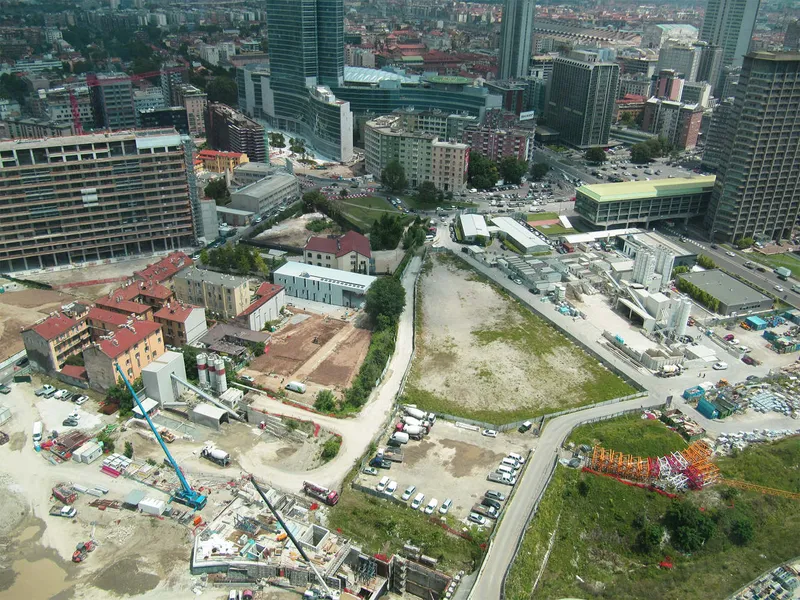
The Biblioteca degli Alberi Park (Library of Trees) by Inside Outside Architecture is one of Milan’s most significant landscape projects of the 21st century. Opened in 2018, this innovative public park transforms a once neglected brownfield site near Garibaldi Station into a dynamic urban green space that blends ecology, design, culture, and infrastructure. What was previously a polluted, abandoned ground used for storage and temporary events has now been reimagined as a vibrant cultural landscape, seamlessly connecting neighborhoods, transit hubs, commercial zones, and residential districts.
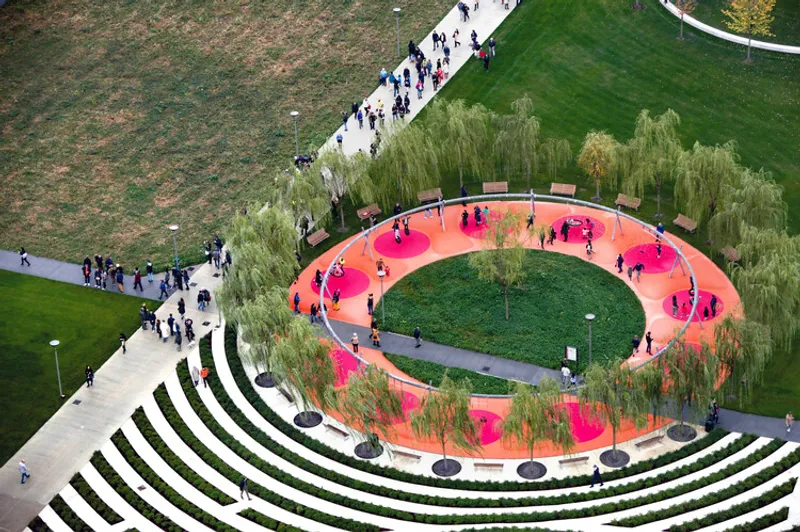
History and Transformation
After World War II, the site remained in disarray, serving only as storage for construction materials and as a temporary venue for circuses and fairs. The soil became heavily contaminated over time, and despite four citywide competitions, no winning design was ever executed. It wasn’t until Inside Outside began championing the project in 2003—and later secured commitment from the Comune di Milano and developer Manfredi Catella—that the transformation finally took shape. By 2018, a new urban identity emerged in the form of Biblioteca degli Alberi Park.
The Concept: A Living Library of Trees
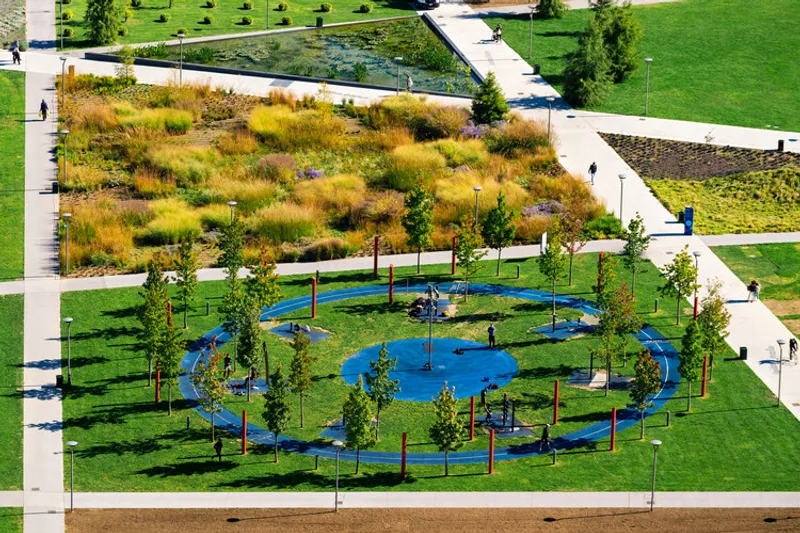
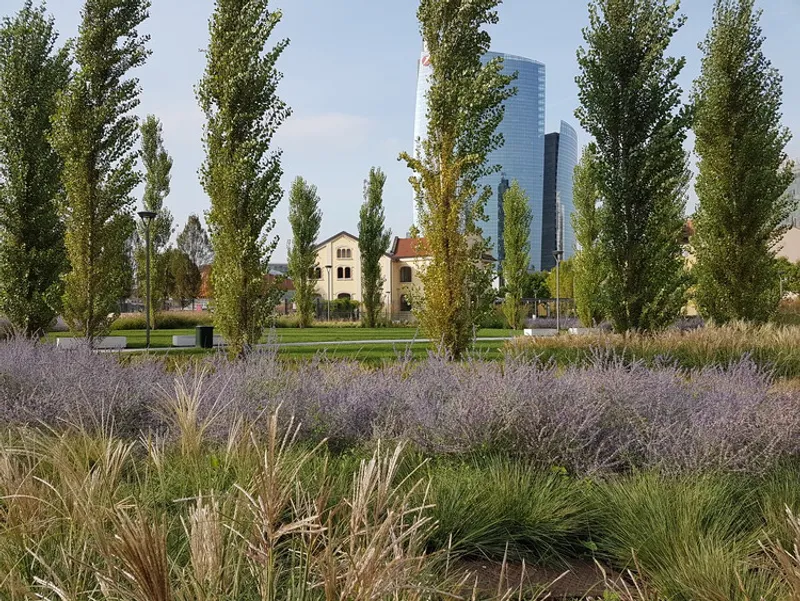
Unlike traditional parks, Biblioteca degli Alberi introduces a unique concept—a library of trees. The park features 23 distinct tree species, each arranged in circular formations known as Circular Forests. Every tree is documented and described through inscriptions along the paths, inviting visitors to learn while they wander. Over time, these circular groves will evolve into lush, shaded pavilions—natural rooms for sports, play, social gatherings, and relaxation.
Design and Spatial Experience
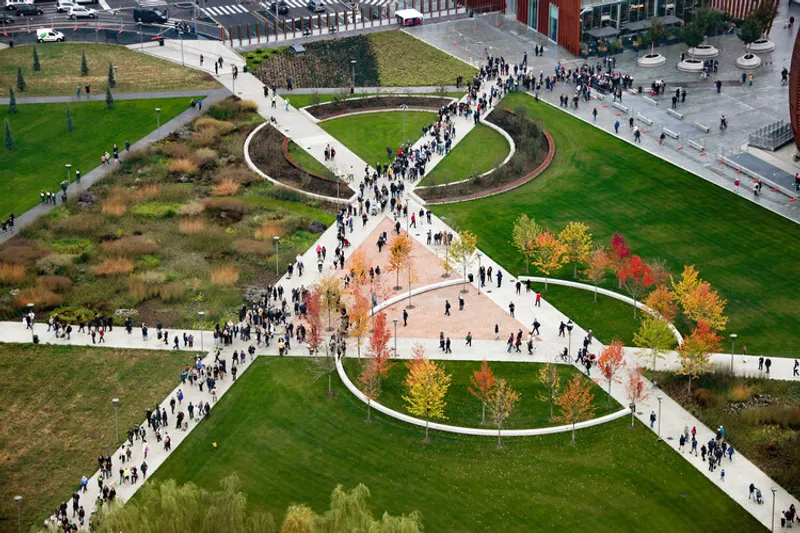
The park combines a strong grid of straight pathways with meandering walking trails that link plazas, gardens, and neighborhoods, creating a polycentric network of connections. These paths divide the park into irregular fields, each featuring distinct planting typologies that ensure biodiversity and seasonal variety.
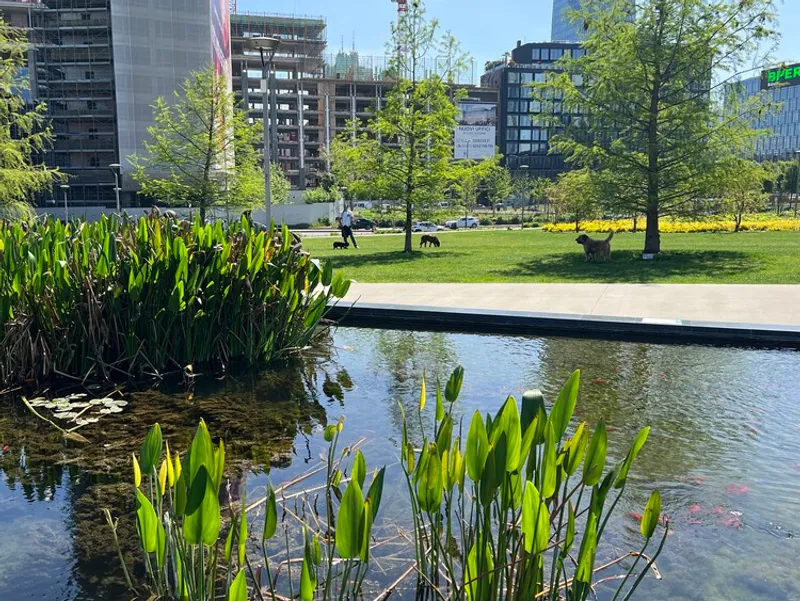
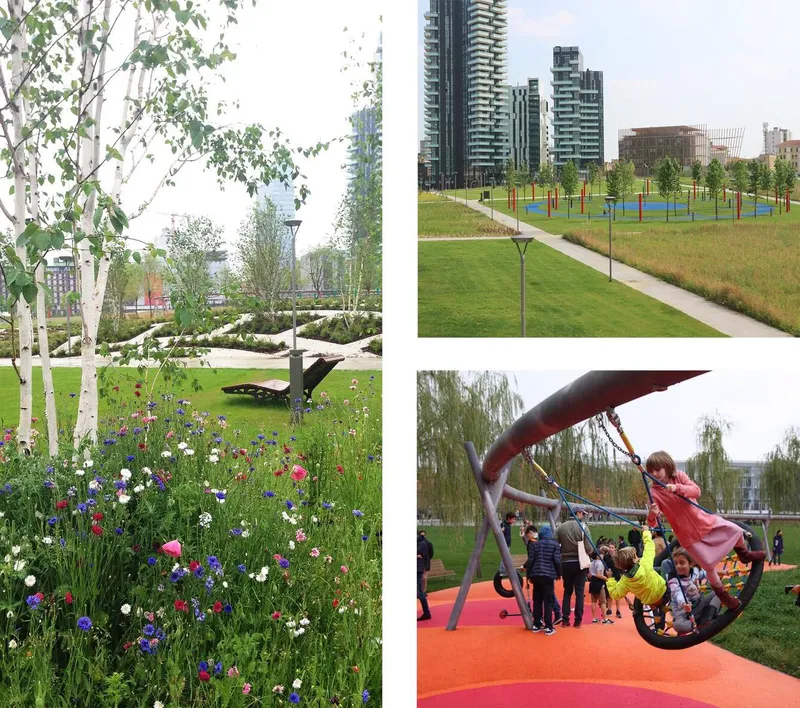
A biological pond enriches the ecological balance, while carefully curated plantings generate vibrant atmospheres throughout the year. Around Fondazione Catella, a curtain-like fence integrates seamlessly into the design, reinforcing the park’s openness and continuity. As much of the park sits atop underground infrastructure, trees and gardens are positioned strategically to ensure healthy growth and long-term resilience.
Urban Role and Regeneration
More than a park, Biblioteca degli Alberi functions as an urban connector. It bridges Milan’s busy commercial centers, transport nodes, municipal offices, and residential areas such as Quartiere Isola. By rerouting traffic underground, the park not only reduces noise pollution but also enhances pedestrian flow and creates uninterrupted public access.
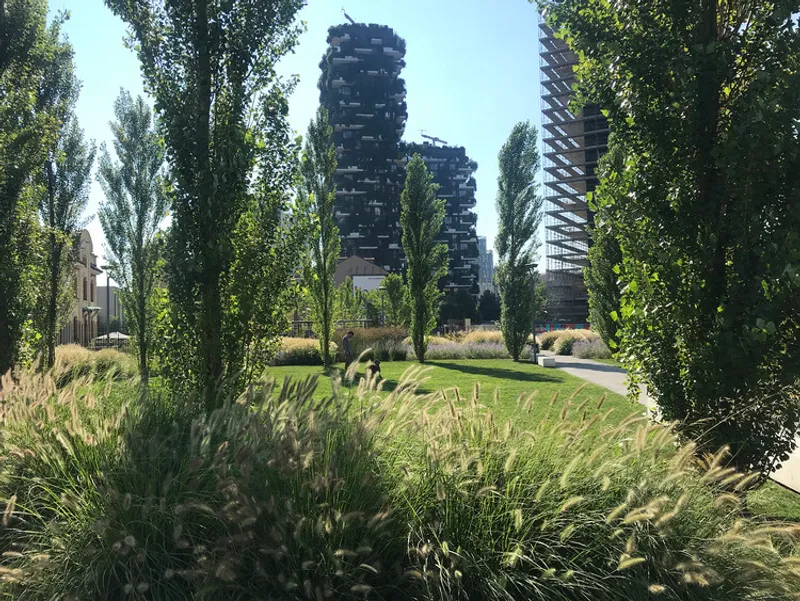
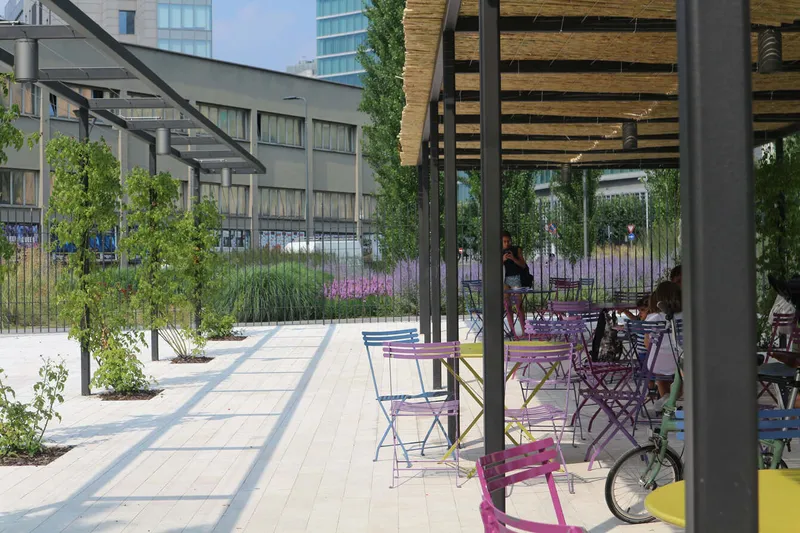
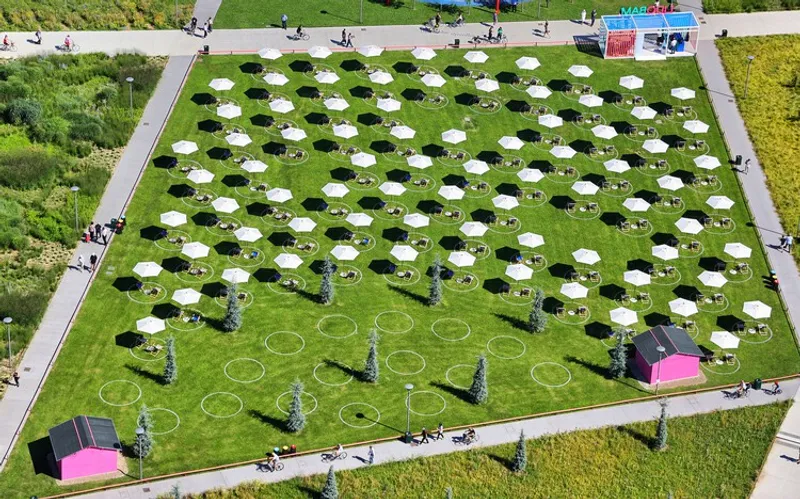
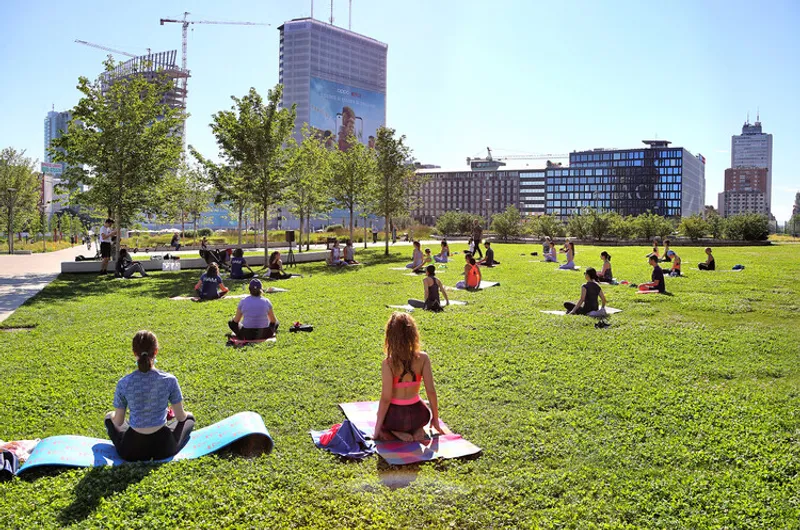
The park has quickly become a cultural and social hub, hosting sports, performances, outdoor workshops, and community events. For the surrounding developments, it provides an essential green lung, outdoor meeting place, and cultural landmark.
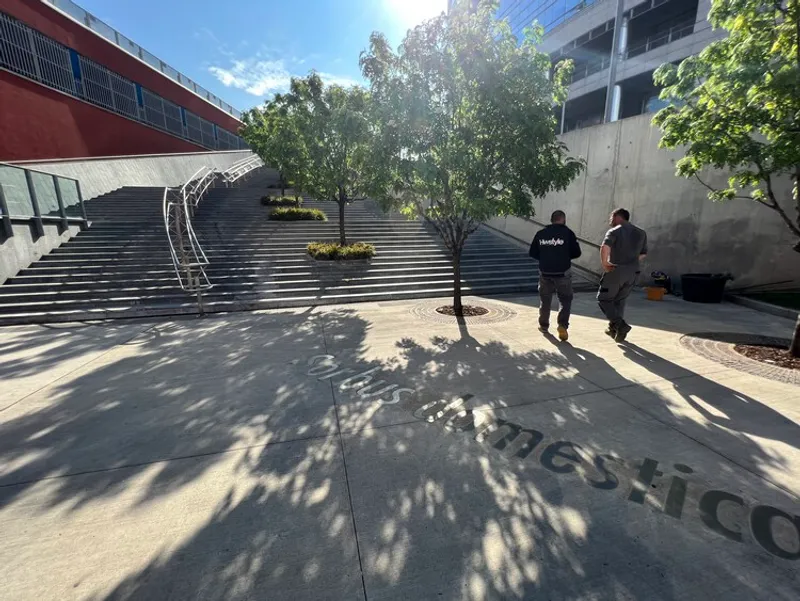
Resilience and Timeless Design
The realization of the park spanned over a decade. Thanks to its clear spatial framework and simple, adaptable design elements, it remained resilient to urban demands and adjustments without losing its essence. Today, Biblioteca degli Alberi Park stands as a testament to Milan’s commitment to sustainable urban regeneration, blending landscape architecture with cultural vibrancy.
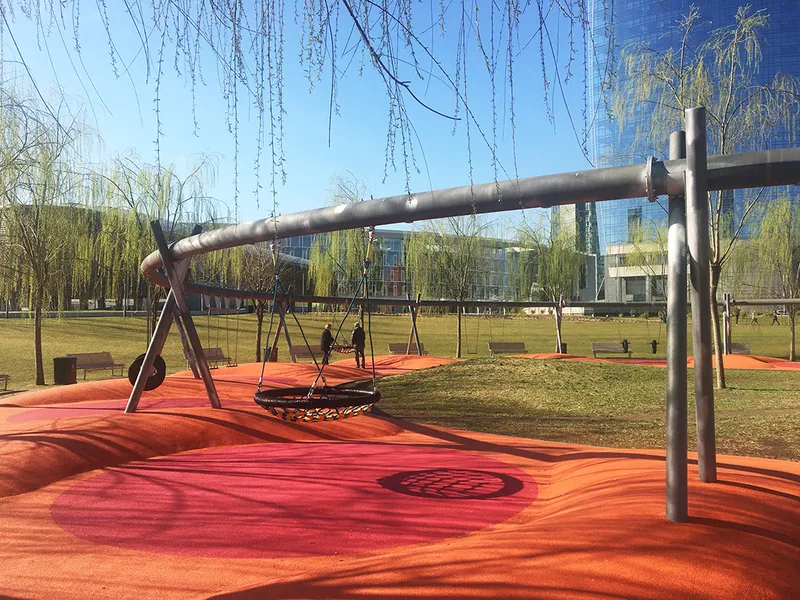
All the photographs are works of Andrea Cherchi, Dimitar Harizanov, Roberta Filippini


Popular Articles
Popular articles from the community


Cube Design Draws an Ecological Corridor Between Two Shenzhen Hills with the Nankai Building
Beside Shenzhen's container docks, the Nankai Building pairs stacked balconies with a climbing green screen to connect two hillsides across its height.

ETEH Reworks the Shared Spaces of São Domingos School in Brazil Around Timber, Color and Hanging Plants
At São Domingos School in Brazil, 436 m² of hall, refectory and library are recast with timber joinery, a yellow and blue code and trailing greenery.


The Amber Palace Opera: A Geological Fiction Surfaces on Tallinn's Baltic Waterfront
Pierre Brillard reimagines a Baltic legend as a public landscape, opera house, and waterfront promenade rooted in Tallinn's coastal identity.

graciastudio Turns a Viewless Tijuana Lot Inward Around a Courtyard of Concrete, Timber and Trees
In Tijuana, Jorge Gracia's GA2 House stacks a timber-clad private floor over exposed concrete and replaces a missing view with a planted interior patio.

Similar Reads
You might also enjoy these articles


Hodi-Mandai Geram
Project Function: Preservation and revitalization of the Intangible heritage and socio-spatial identity of the Hodi by Housing, Cultural Memory Center, Sacred Grove, landscape, local tourism economy


Olio Towers: A Mid-Rise for Performers That Fuses Housing, Rehearsal, and Stage
Located blocks from Houston's Theater District, this modular tower stacks living units around a central performance atrium.

Oasis: Modular Green Housing Carved into Dhaka's Urban Fabric
A shortlisted Plugin Housing entry reclaims unauthorized settlements in Dhaka with stepped concrete volumes, green roofs, and ventilation-driven design.

Black Hole: A Floating Megastructure for the Post-Physical Era
Emiliano Mazzarotto envisions a spherical, self-scaling arena where e-sports, digital hotels, and holographic stadiums replace traditional public space.
Explore Urban Forest Competitions
Discover active competitions in this discipline

Challenge to design locus for the upliftment of human rights

Challenge to reimagine the Iron Throne

Photograph architecture without architects

Illustrate the lost glory of Angkor Wat - Render Challenge
Comments (0)
Please login or sign up to add comments
No comments yet. Be the first to comment!