

Biophilic Architecture: Solar Trees Marketplace by Koichi Takada Architects
This article explores the Solar Trees Marketplace, showcasing biophilic architecture that integrates nature, sustainability, and adaptable design in urban spaces.


Biophilic Architecture
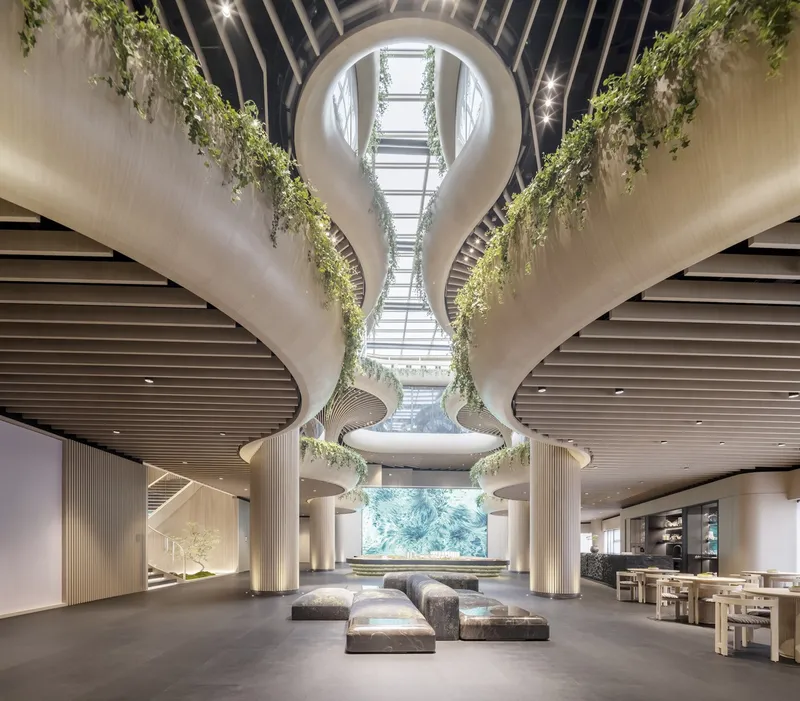
In the modern world, the integration of nature into architecture has become a key focus for designers and architects. Biophilic architecture emphasizes the human connection to nature, using design elements that evoke natural forms and create environments that positively impact people's well-being. One standout example of this approach is the Solar Trees Marketplace, designed by Koichi Takada Architects in Shanghai, China.
This project not only showcases the beauty of biophilic design but also emphasizes sustainability, adaptability, and the harmonious blend of nature with urban environments. In this article, we will explore how the Solar Trees Marketplace stands as a remarkable example of biophilic architecture and its potential to transform the future of cities.
What is Biophilic Architecture?
Biophilic architecture is a design philosophy that seeks to connect people with nature through the built environment. The goal is to promote mental health, physical well-being, and overall quality of life by integrating natural elements into urban spaces. This approach is grounded in the belief that exposure to nature can reduce stress, enhance productivity, and foster creativity.
The Solar Trees Marketplace is a stunning example of how biophilic architecture can be applied in a contemporary setting, creating an immersive environment that blends nature with the built world.
The Vision Behind Solar Trees Marketplace
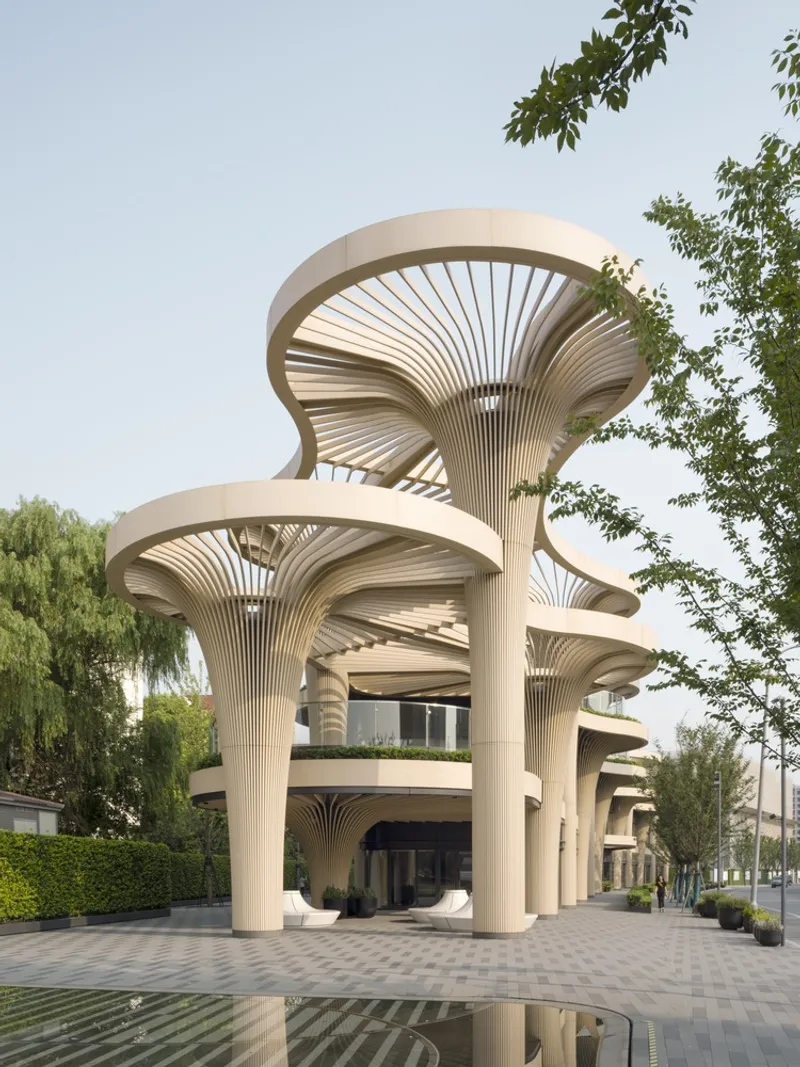
Located in the bustling city of Shanghai, Solar Trees Marketplace by Koichi Takada Architects embodies a bold vision for future urban spaces. Designed to address the challenges of urban sprawl and environmental sustainability, this marketplace is a tribute to the biophilic design principles that are reshaping cities globally.

Key Features of Solar Trees Marketplace:
- Architectural Forest: The structure features 32 tree-like columns that resemble an "architectural forest," offering both aesthetic beauty and practical benefits such as natural shade and air purification.
- Adaptable Spaces: Initially serving as a sales suite for an adjacent residential development, the marketplace will transform into a vibrant, community-driven hub with an evolving role in the neighborhood.
- Sustainability at Its Core: The building’s canopy is made of photovoltaic cells, which will generate solar energy to power the marketplace, showcasing how sustainable design can be incorporated into architectural spaces.
Connecting Architecture with Nature
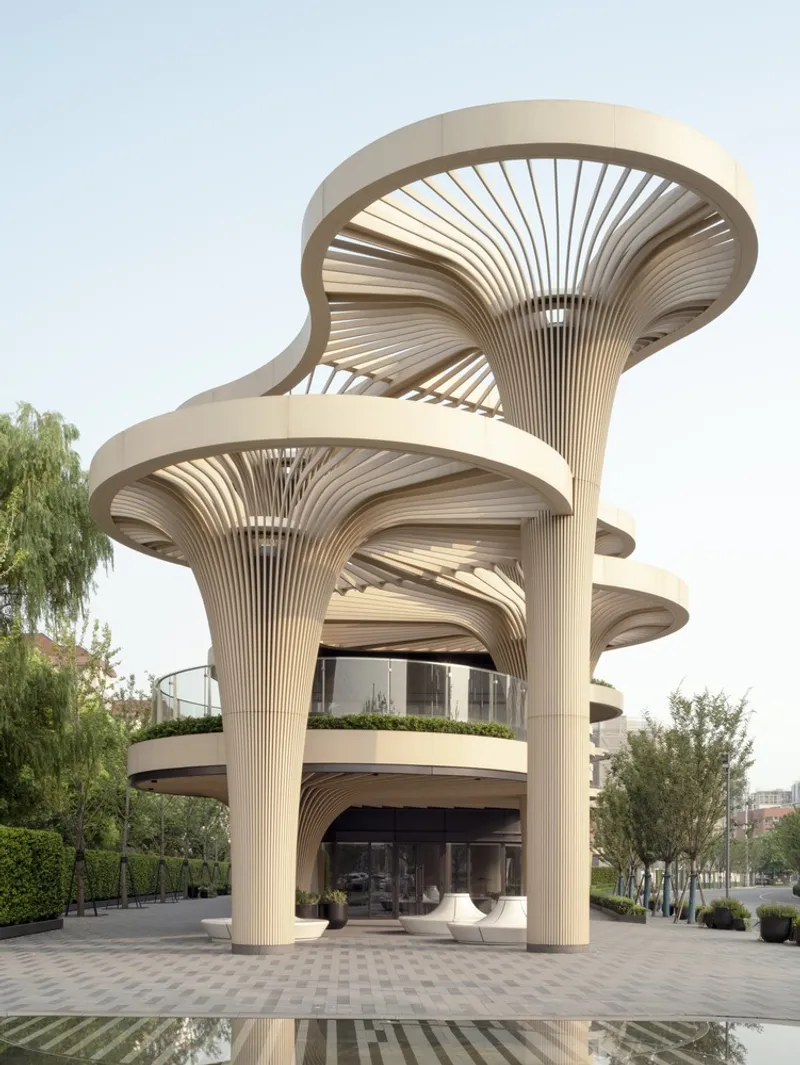
At its core, the Solar Trees Marketplace is designed to restore the dominance of nature in an increasingly urbanized environment. The building’s organic, flowing form evokes the visual elements of nature, blending seamlessly with the native Camphor trees surrounding it. The structure reflects a commitment to biophilic architecture, creating a space where visitors can reconnect with the natural world in an otherwise bustling city environment.

Why Biophilic Design Matters in Today’s World
Urbanization has drastically reduced the amount of green space in cities, leading to an increasing need for spaces that provide a connection to nature. The benefits of biophilic architecture are numerous, ranging from improved mental health to enhanced productivity and better air quality.
The Solar Trees Marketplace embodies these benefits in its design by creating an environment that is not only visually appealing but also fosters a deeper sense of well-being among its users.

Biophilic Design and Sustainability: A Perfect Match
One of the most exciting aspects of biophilic architecture is how it integrates sustainability with human-centric design. The Solar Trees Marketplace is designed to be future-proof, adapting to the evolving needs of the community while minimizing its environmental impact. The use of solar panels to power the marketplace and its focus on natural ventilation and light are prime examples of how biophilic design can contribute to environmental sustainability.
As we face the challenges of climate change and environmental degradation, adopting biophilic design principles can significantly reduce the carbon footprint of buildings while enhancing the quality of life for people who use these spaces.
The Future of Biophilic Architecture in Urban Spaces
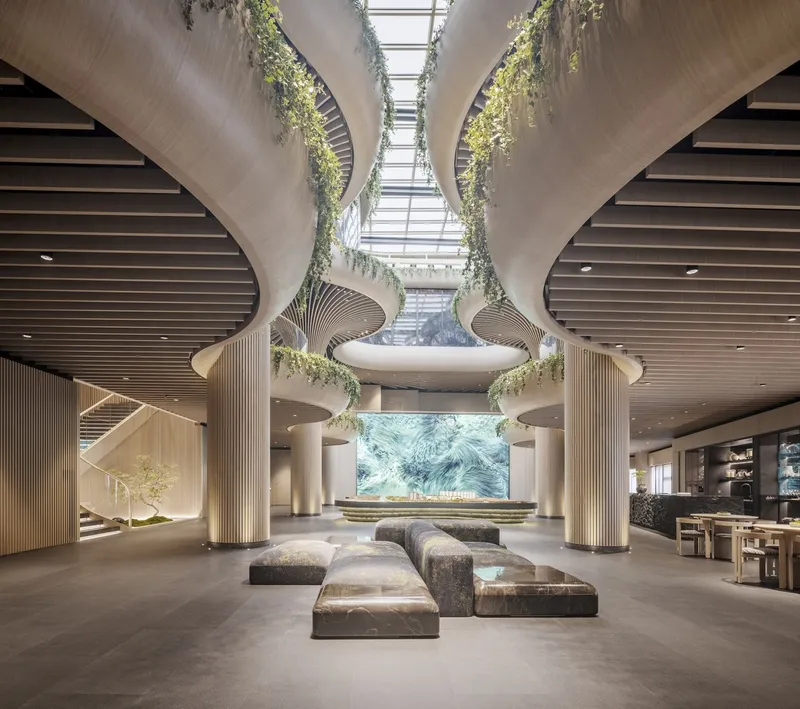
The Solar Trees Marketplace is not just a unique architectural achievement; it is a glimpse into the future of urban design. As cities continue to grow, the importance of incorporating nature into the built environment becomes increasingly clear. The Solar Trees Marketplace demonstrates how biophilic architecture can create adaptable, sustainable, and livable spaces that support both the environment and the people who inhabit them.
Key Takeaways
- Biophilic architecture integrates nature with design to enhance human well-being and environmental sustainability.
- The Solar Trees Marketplace is a prime example of biophilic design, featuring tree-like columns, natural elements, and sustainable technologies like solar panels.
- By prioritizing adaptability and sustainability, this project sets a precedent for future developments in cities around the world.
As urbanization continues to spread, the role of biophilic architecture will only grow, creating environments that balance the needs of modern life with the need for nature in our everyday experiences.

Embracing Biophilic Design for a Sustainable Future
The Solar Trees Marketplace stands as a beacon for biophilic architecture, illustrating how modern buildings can embrace nature and become part of the solution to urban challenges. By prioritizing sustainability, adaptability, and a connection to nature, this project offers a blueprint for the future of urban spaces. As more architects and urban planners adopt biophilic principles, we can look forward to cities that not only provide shelter but also foster a deeper connection to the environment around us.
By embracing biophilic architecture, we can create cities that are not only more sustainable but also more human-centered, improving the quality of life for all inhabitants.

All Photographs are work of Eiichi Kano


Popular Articles
Popular articles from the community


U.GA Architects Wraps an Oval Rooftop Pool in Curved Board-Formed Concrete on Busan's Jeollidan-gil
In Busan's Jeonpo-dong, a 454 m² mixed-use block stacks a neighborhood facility, guest rooms and an oval rooftop pool inside spiraling concrete walls.

David Macias Steps a Doorless Stone and Plaster House Down a Tropical Colombian Hillside
In the humid hills of Colombia, Threshold House replaces the front door with an open void and terraces its 850 m² down the slope instead of fighting it.

Juan García Correa, John González and Claudia Rueda Sink a Circular Amphitheater into a Manizales Engineering Building
On the La Nubia campus in Manizales, Colombia, the S1 Building folds labs and offices into a hillside of ramped lawns that double as a campus route.

Cube Design Draws an Ecological Corridor Between Two Shenzhen Hills with the Nankai Building
Beside Shenzhen's container docks, the Nankai Building pairs stacked balconies with a climbing green screen to connect two hillsides across its height.

Similar Reads
You might also enjoy these articles


Hodi-Mandai Geram
Project Function: Preservation and revitalization of the Intangible heritage and socio-spatial identity of the Hodi by Housing, Cultural Memory Center, Sacred Grove, landscape, local tourism economy


Olio Towers: A Mid-Rise for Performers That Fuses Housing, Rehearsal, and Stage
Located blocks from Houston's Theater District, this modular tower stacks living units around a central performance atrium.

Oasis: Modular Green Housing Carved into Dhaka's Urban Fabric
A shortlisted Plugin Housing entry reclaims unauthorized settlements in Dhaka with stepped concrete volumes, green roofs, and ventilation-driven design.

Black Hole: A Floating Megastructure for the Post-Physical Era
Emiliano Mazzarotto envisions a spherical, self-scaling arena where e-sports, digital hotels, and holographic stadiums replace traditional public space.

Explore Green Architecture Competitions
Discover active competitions in this discipline

Challenge to design locus for the upliftment of human rights

Challenge to reimagine the Iron Throne

Photograph architecture without architects

Illustrate the lost glory of Angkor Wat - Render Challenge
Comments (0)
Please login or sign up to add comments
No comments yet. Be the first to comment!