
Bitter Kiss Café by ASWA: A Modern Transformation in Bangkok
Explore Bitter Kiss Café by ASWA, a transformed loft-style building in Bangkok featuring arches, plywood partitions, and modern warmth.


Discover Bitter Kiss Café: Where Modern Design Meets Warmth
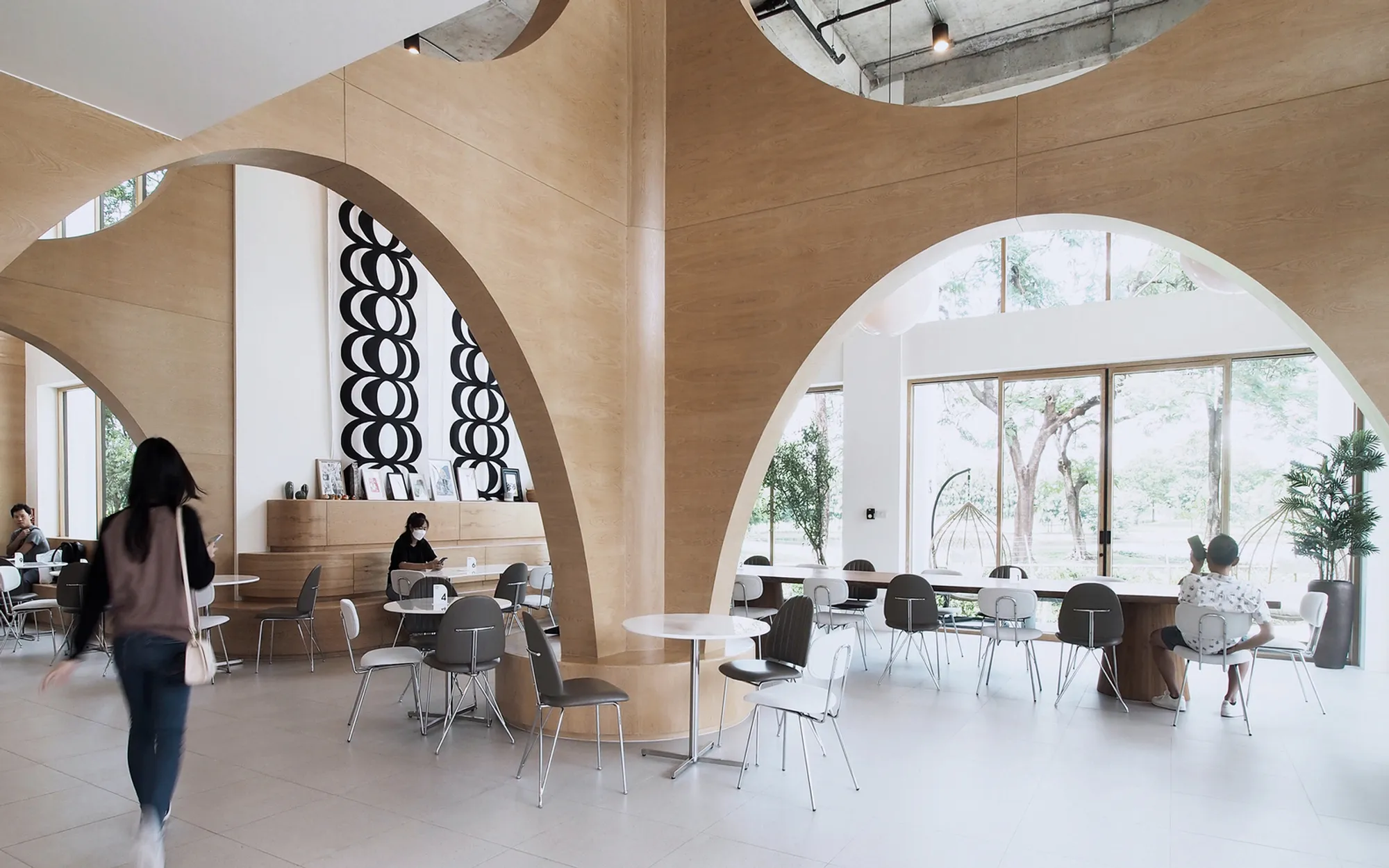
Bitter Kiss Café, designed by ASWA (Architectural Studio of Work - Aholic), is a vibrant example of modern coffee shop architecture in Bangkok, Thailand. Located in the city's eastern suburb, this café transforms a former loft-style rental building into an inviting and contemporary space with a warm and unique design aesthetic.
Design Goals: Breathing New Life Into an Old Structure
Bitter Kiss Café’s renovation focuses on enhancing the perception of the building by blending its original loft-style features with modern design elements. The architects worked with the structure's existing conditions, introducing design elements that camouflage the industrial core while creating an inviting and dynamic environment.
Key Design Features
1. Striking Entrance Framed by Arches
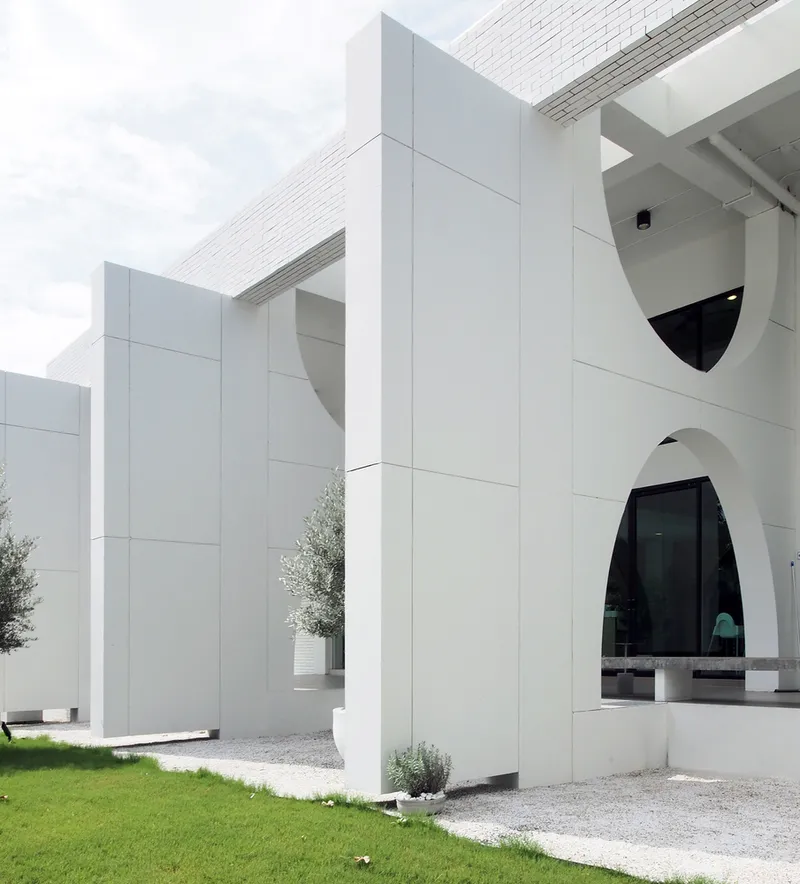
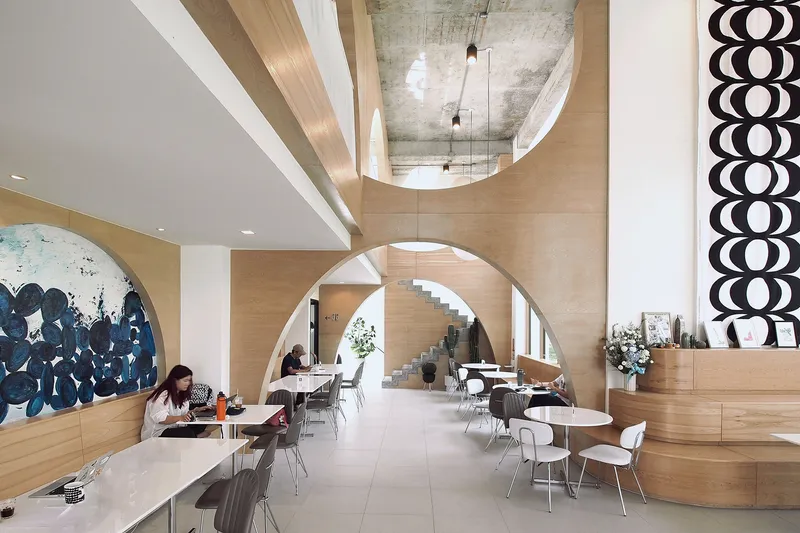
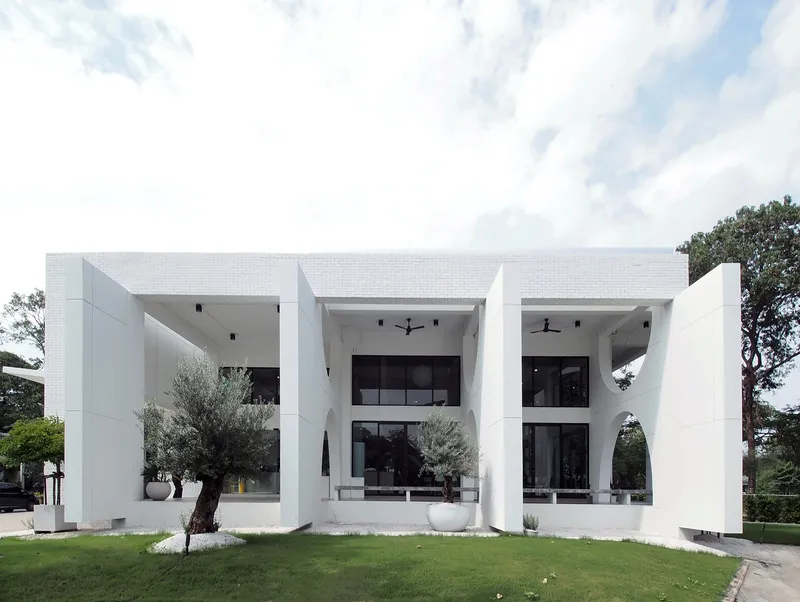
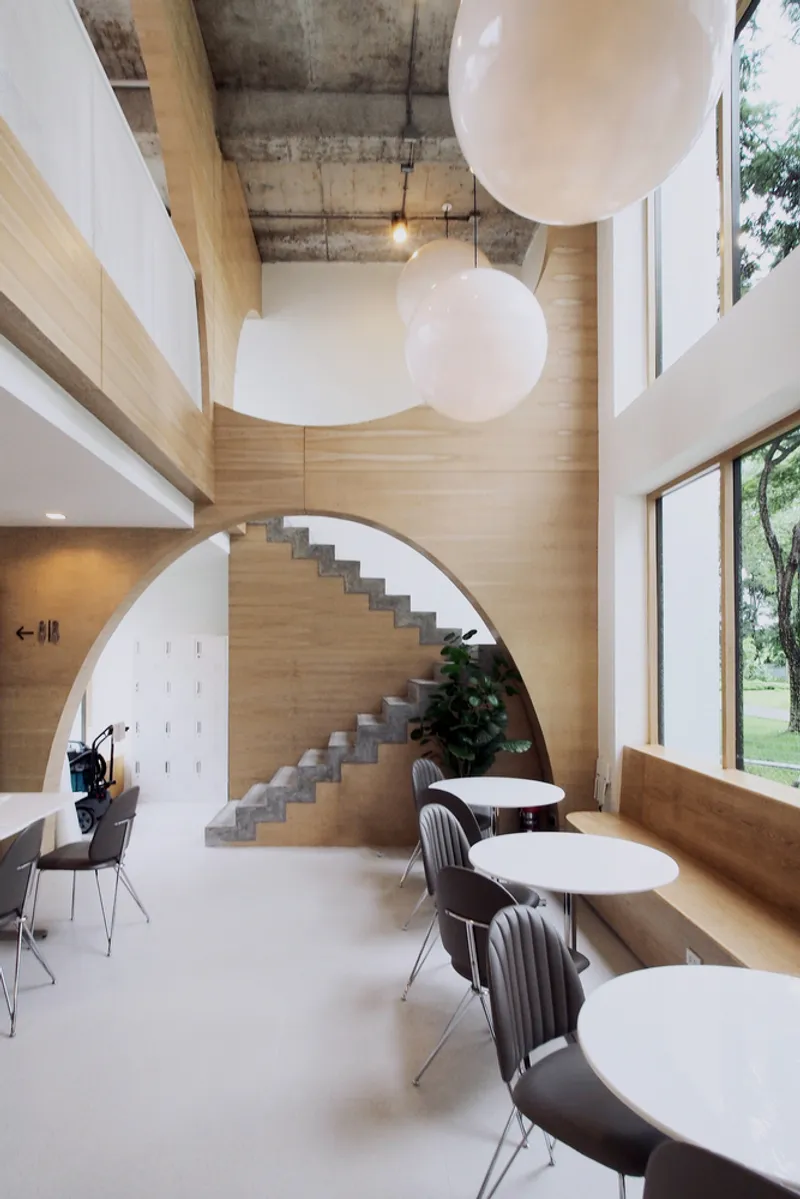
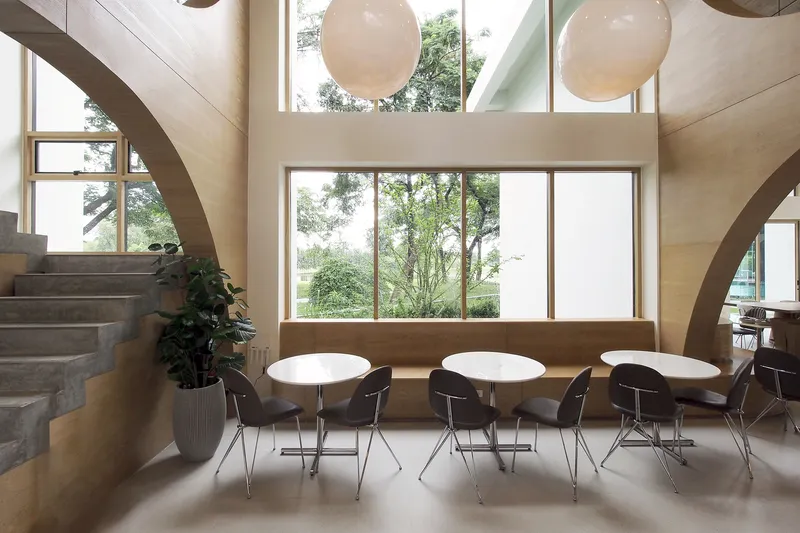
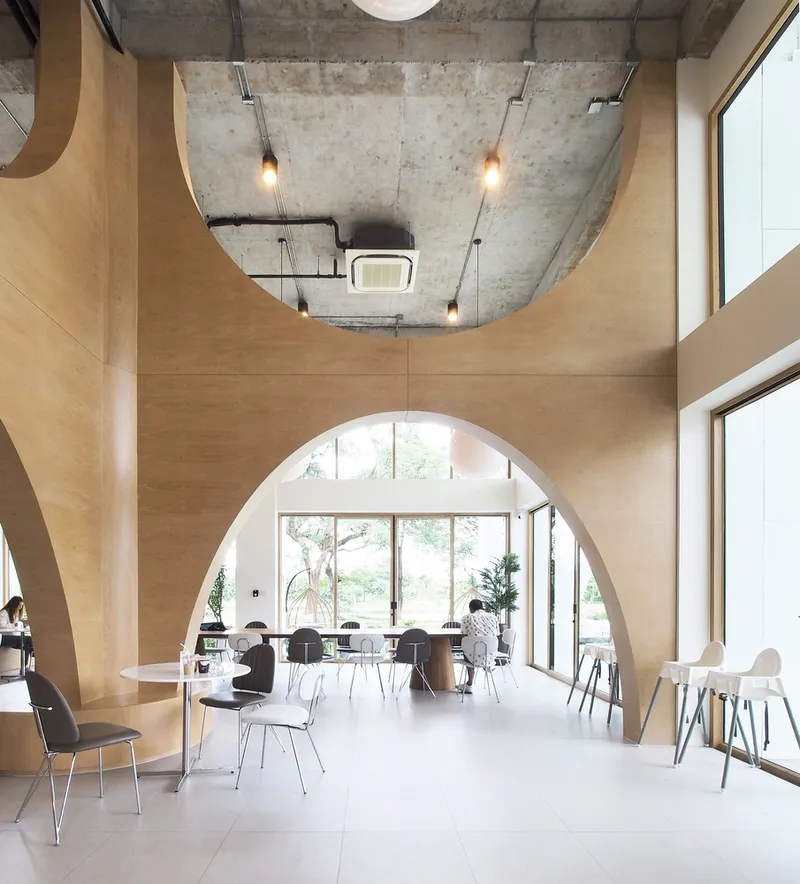
One of the café’s defining features is the use of repetitive white arches that greet customers at the entrance. These arches extend throughout the interior, serving as a metaphorical bridge between the urban exterior and the lush greenery of the nearby golf course. Their interplay with natural light creates changing patterns of shadow and light during the day, enriching the café's ambiance.
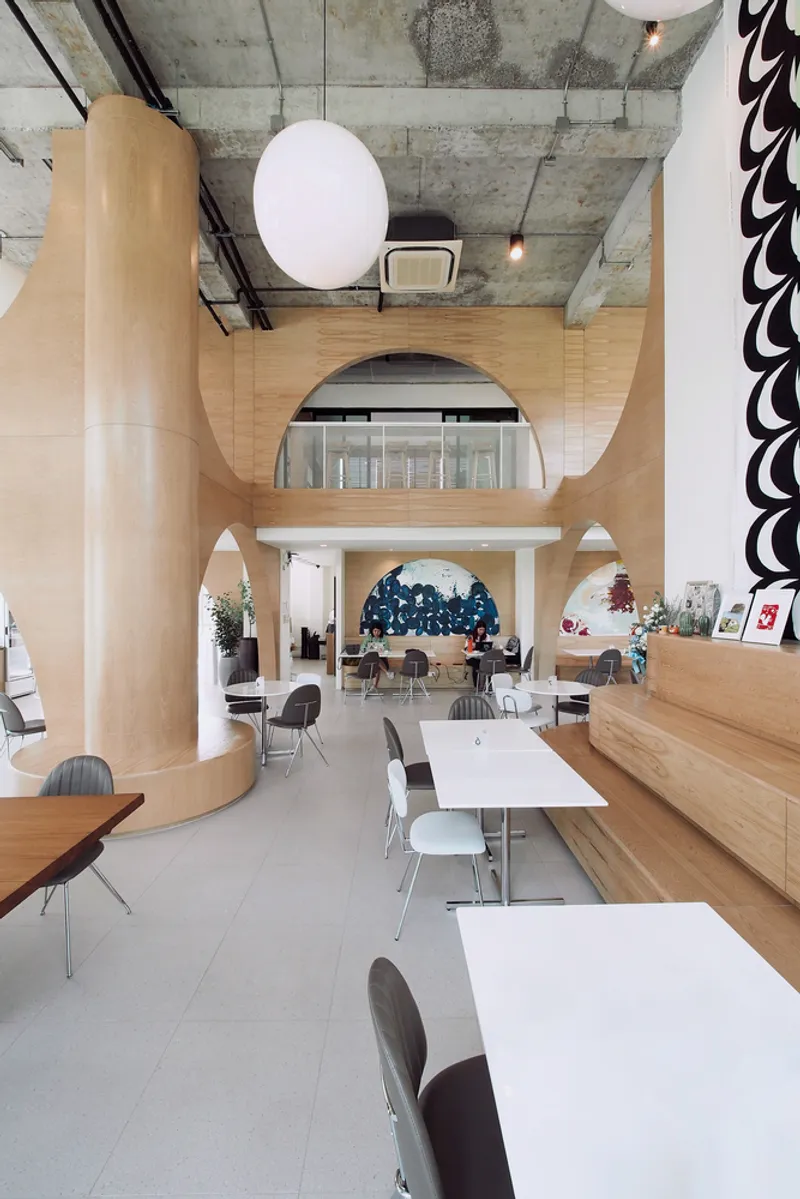
2. Plywood Arch Partitions
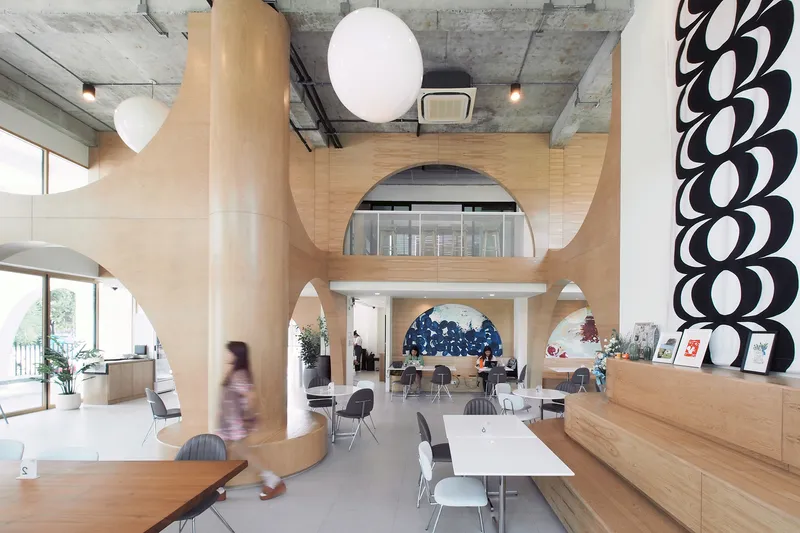
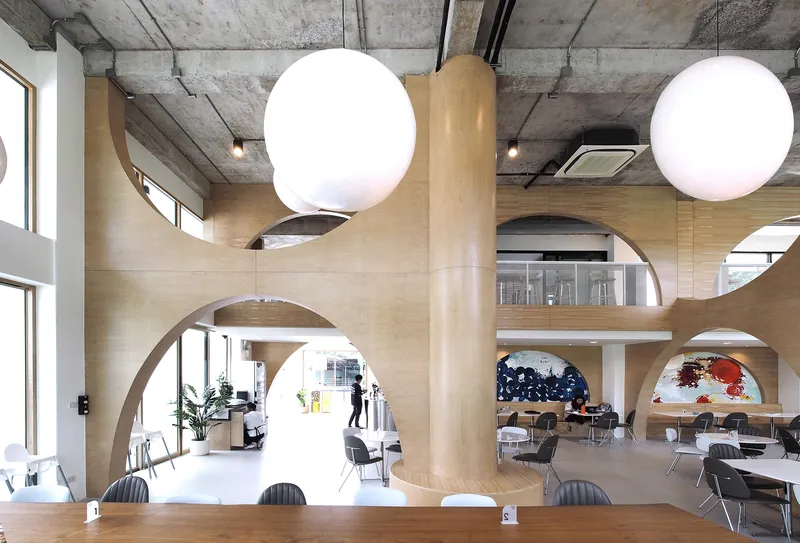
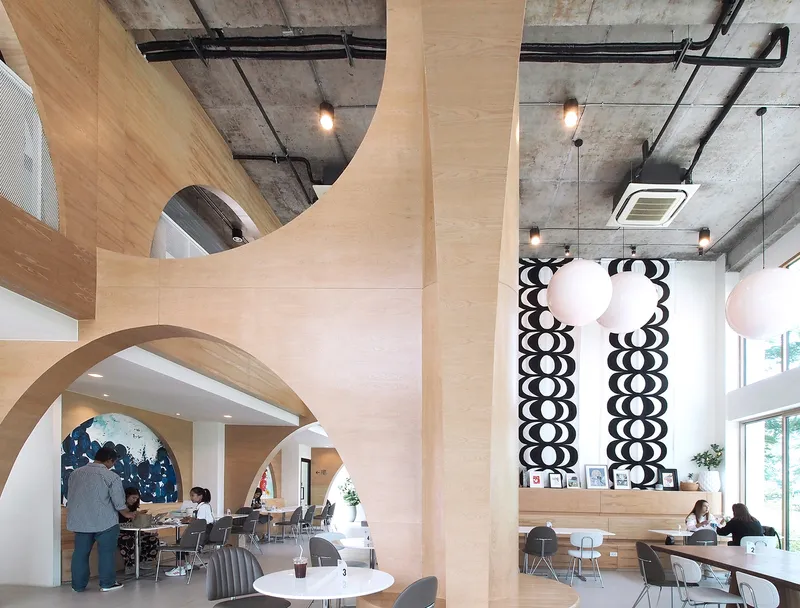
Inside the café, plywood arch partitions take center stage. These sculptural elements define semi-private seating areas, giving customers a sense of intimacy without compromising the café’s openness. The plywood material introduces warmth and texture, complementing the white tones of the arches and softening the industrial roots of the building.
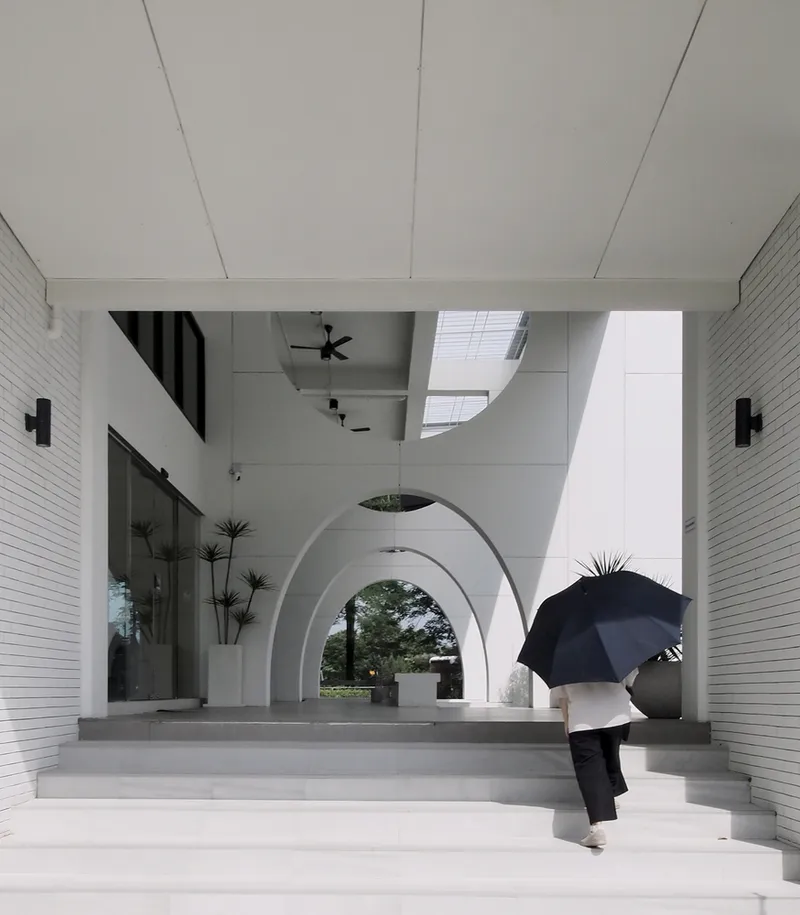
3. Integration with Existing Structures
ASWA skillfully worked within the structural grid of the original building, using the arches to conceal concrete columns and harmonize the old with the new. This clever integration highlights the potential of adaptive reuse in modern café design.
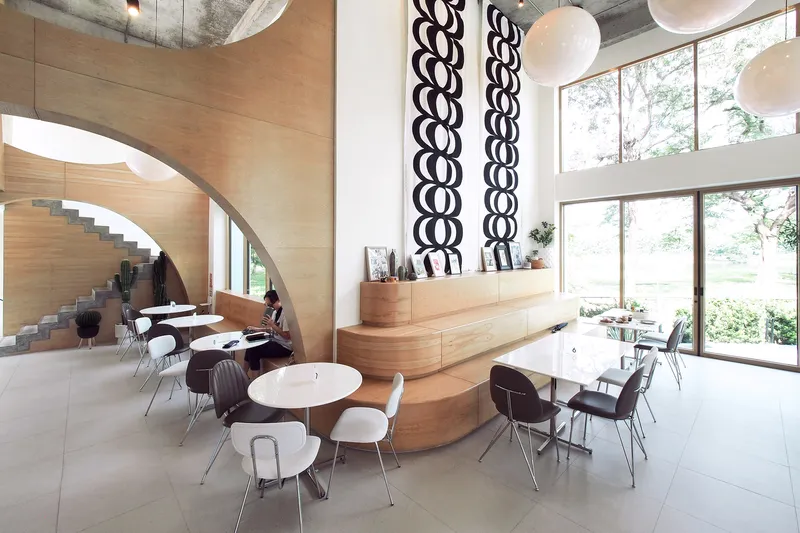
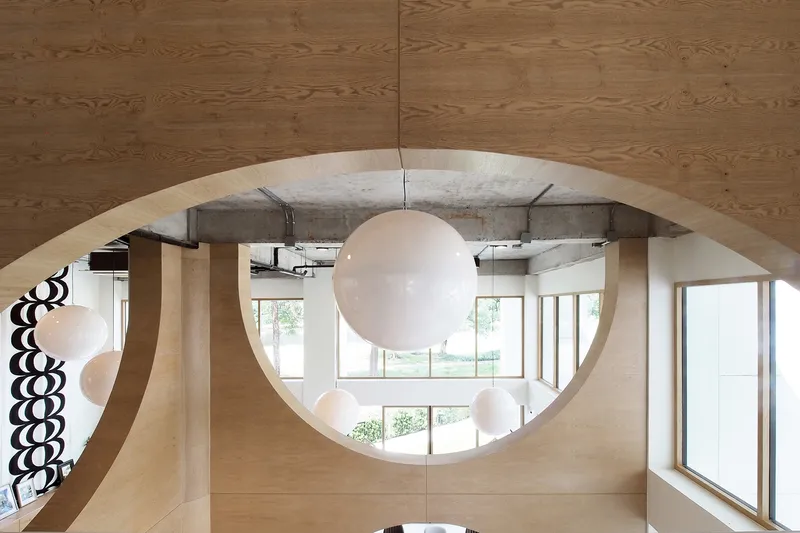
Creating a Multi-Purpose Space
With approximately 70 seats spread across 300 square meters, the café caters to diverse customer needs. Whether visitors seek a cozy corner for work or a communal table for social gatherings, the layout ensures an accommodating and inclusive environment.
Material Palette: Modern Yet Inviting
Bitter Kiss Café strikes a balance between its industrial origins and a modern, welcoming vibe. Key materials include:
- Plywood: Used in arch partitions and furnishings to add warmth.
- White Paint: Lightens the space and enhances the interplay of natural light.
- Contrasting Textures: The juxtaposition of smooth surfaces with the original loft-style elements creates visual interest.
The Perfect Spot in a Bustling Neighborhood
Situated in a high-density residential zone near one of Bangkok’s famous zoos, Bitter Kiss Café is ideally located to attract a steady stream of locals and visitors. Its design maximizes the café's connection to its surroundings, including picturesque views of the nearby golf course.
A Showcase of Modern Café Design in Bangkok
Bitter Kiss Café by ASWA is a masterclass in modern coffee shop architecture. Through thoughtful renovation and the creative use of arches and light, the architects have transformed a loft-style building into a warm and inviting space. Whether for a quiet moment or social interaction, the café offers a memorable experience for all who visit.



Popular Articles
Popular articles from the community


The Earth Pod: 3D Printed Homes for Resilient Refugee Communities
The Earth Pod reimagines refugee housing through 3D printed homes made from clay, combining resilience, self-sufficiency, and rapid shelter.

Co-Life: Senior Housing Design That Reconnects Older Adults With the City
Co-Life reimagines senior housing design through healing gardens, shared streets, workshops, and a sustainable community across generations.

Conexión: Biophilic Design Reimagines High-Rise Living in Hong Kong
Conexión reimagines high-rise living in Hong Kong through biophilic design, green facades, shared spaces, daylight, water and nature within.

The Ocean Hive: Sustainable Architecture for a Self-Sufficient Civilization at Sea
The Ocean Hive imagines sustainable architecture at sea, where modular habitats, algae, wave power and ocean waste sustain a growing colony.


Similar Reads
You might also enjoy these articles


Hodi-Mandai Geram
Project Function: Preservation and revitalization of the Intangible heritage and socio-spatial identity of the Hodi by Housing, Cultural Memory Center, Sacred Grove, landscape, local tourism economy


Olio Towers: A Mid-Rise for Performers That Fuses Housing, Rehearsal, and Stage
Located blocks from Houston's Theater District, this modular tower stacks living units around a central performance atrium.

Oasis: Modular Green Housing Carved into Dhaka's Urban Fabric
A shortlisted Plugin Housing entry reclaims unauthorized settlements in Dhaka with stepped concrete volumes, green roofs, and ventilation-driven design.

Black Hole: A Floating Megastructure for the Post-Physical Era
Emiliano Mazzarotto envisions a spherical, self-scaling arena where e-sports, digital hotels, and holographic stadiums replace traditional public space.


Explore Architecture Competitions
Discover active competitions in this discipline



Challenge to reimagine the Iron Throne


Photograph architecture without architects


Illustrate the lost glory of Angkor Wat - Render Challenge


Design challenge to reuse E-waste
Comments (0)
Please login or sign up to add comments
No comments yet. Be the first to comment!