

BLOQyard Restaurants & Cafés by Sixseven Studio: A Courtyard Revival in Bangkok’s Sathorn District
BLOQyard is a modular courtyard-style dining space revitalizing Bangkok’s urban core with flexible design, greenery, and community focus.


Breathing New Life into Forgotten Urban Spaces
In the heart of Bangkok’s bustling Sathorn district, where towering high-rises cast long shadows over narrow, underutilized plots, Sixseven Studio has reimagined a dormant piece of the city. The BLOQyard Restaurants and Cafésproject transforms a neglected corner of the capital into a dynamic, community-centric destination, blending urban regeneration, architectural simplicity, and a touch of nature.
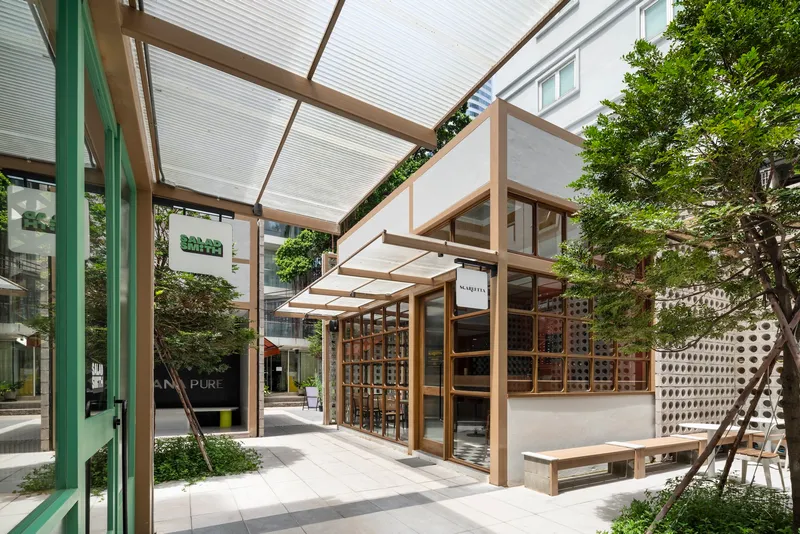
The Concept: Neighborhood Dining Reimagined
BLOQyard was conceived not just as a commercial complex, but as a neighborhood hub—a walkable destination where locals can dine, relax, and connect. The vision is rooted in small-scale urban redevelopment, aiming to breathe vibrancy into overlooked areas through thoughtful, modular architecture.
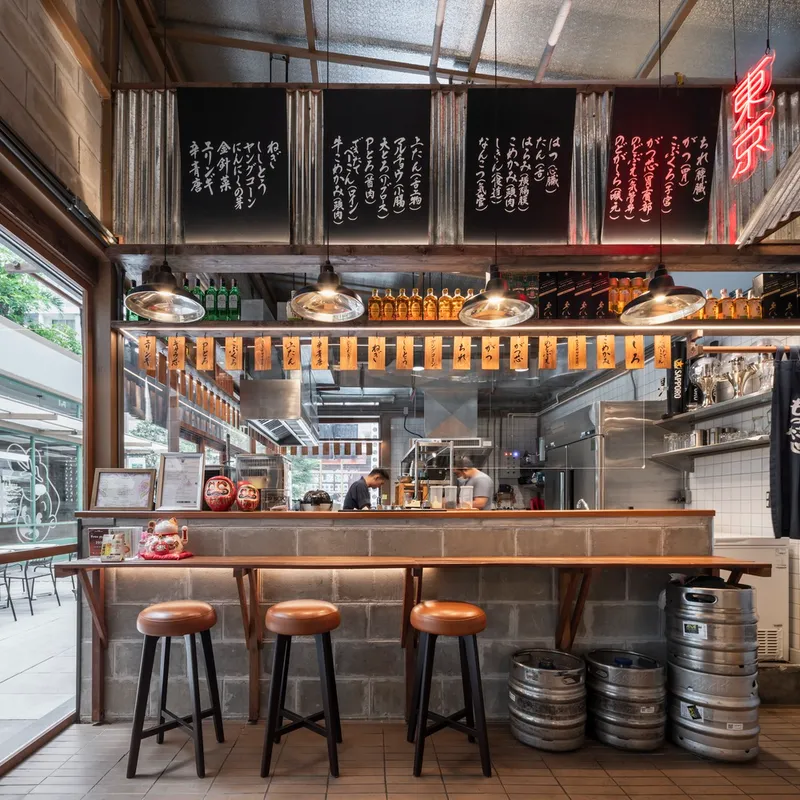
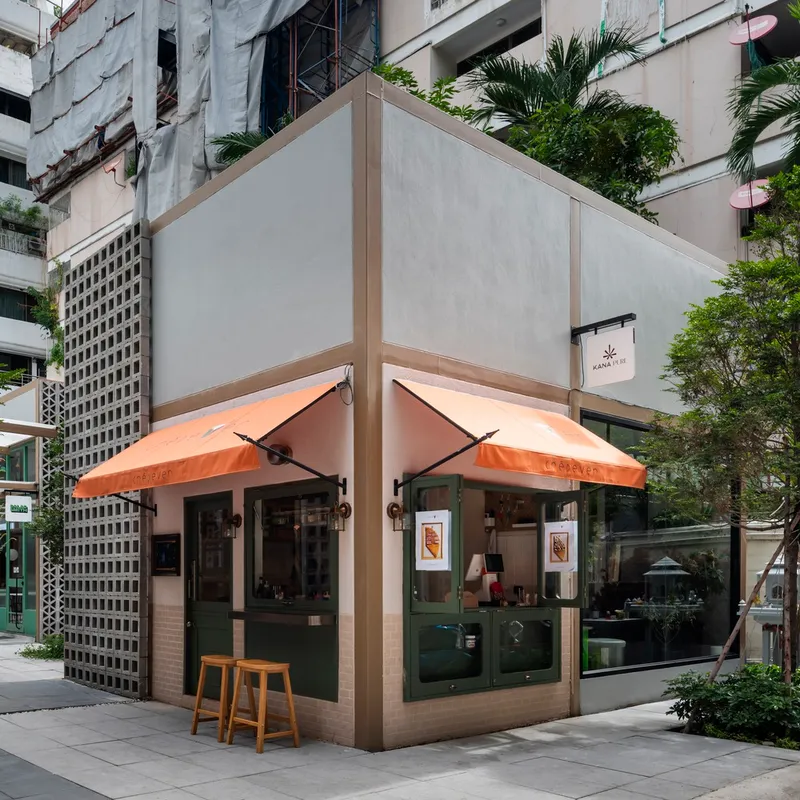
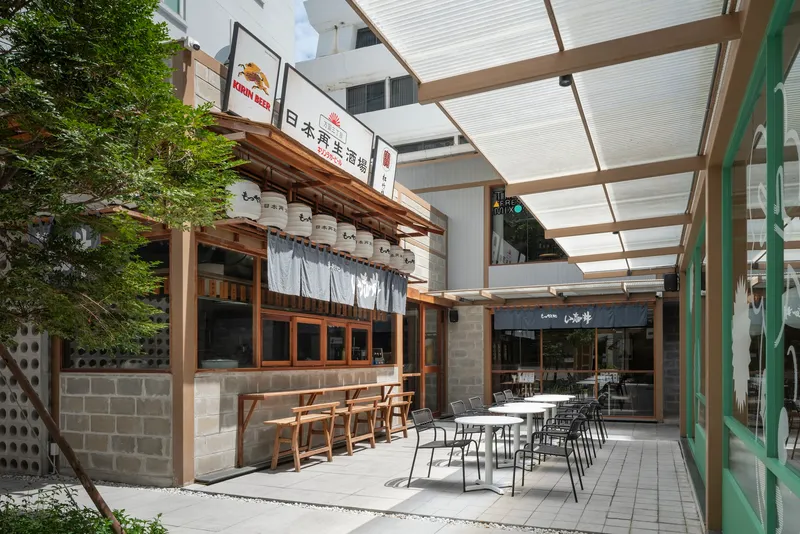
Rather than maximizing commercial space with traditional shopfront units, Sixseven Studio took a bold approach: a courtyard-based layout framed by a minimalist, steel structure. This configuration encourages a more open, community-driven atmosphere, where social interaction and shared experiences are central.
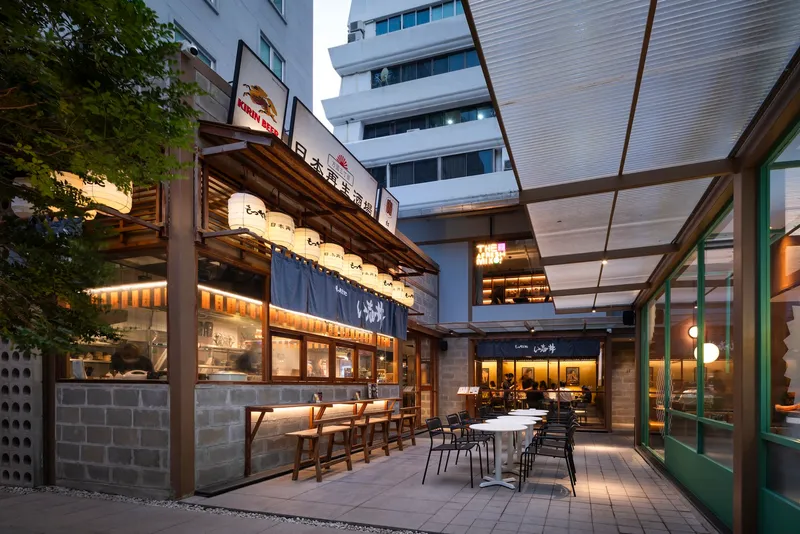
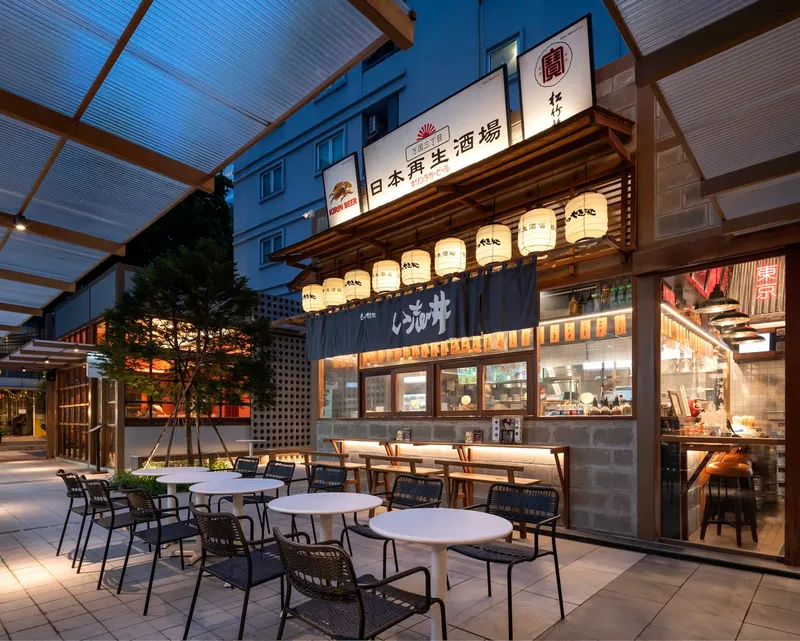
Architectural Language: Courtyard Typology Meets Modern Modularity
The spatial organization draws inspiration from the courtyard typology, a design strategy that fosters intimacy and community. Steel framing ensures construction efficiency and cost-effectiveness, while also enabling modular adaptability—a crucial feature for flexible programming and faster project execution.
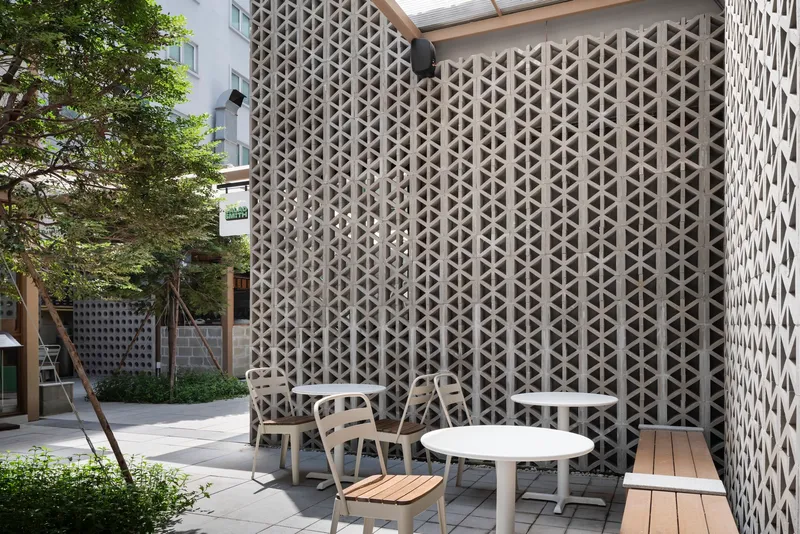
Each courtyard is defined by unique cinder block wall patterns, rising to double height. These sculptural walls act as visual and acoustic buffers, shielding guests from the urban clutter and helping to define individual zones for food vendors and event spaces. The result is a series of micro-environments within a cohesive architectural language.
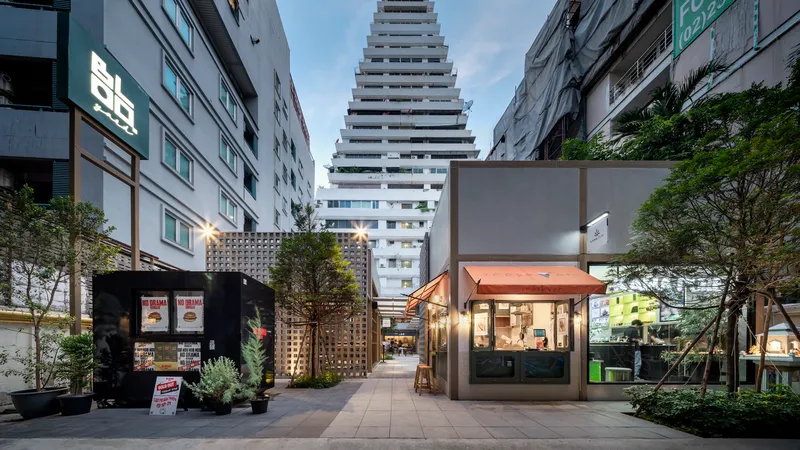
Adaptive Furnishings & Versatile Design
Flexibility lies at the heart of BLOQyard’s design philosophy. The inclusion of light mesh chairs and movable furnitureallows the space to evolve seamlessly for different uses—from daily dining to weekend markets or evening performances. This adaptability encourages a diverse program that supports both commercial and cultural activities.
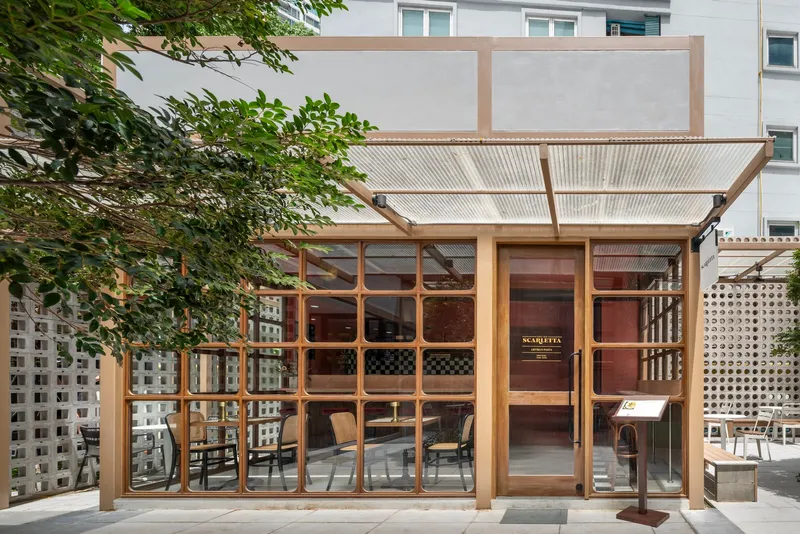
Landscaping as Urban Relief
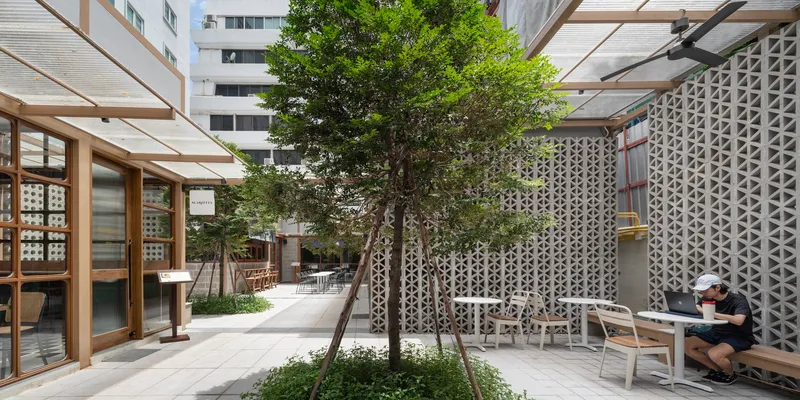
What sets BLOQyard apart is its refusal to compromise on green space in the name of commercial density. Instead of filling every square meter with leasable units, lush landscaping and quiet clearings were integrated into the layout, creating an urban oasis within the dense Bangkok cityscape.
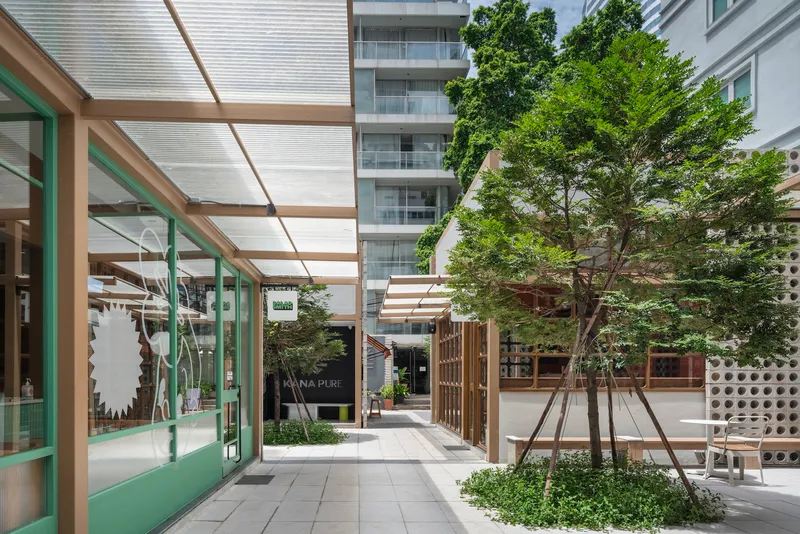
Taking cues from globally recognized urban planning case studies such as Parleys Park, the project prioritizes community wellness and environmental quality. Plantings soften the architectural edges, moderate the microclimate, and offer a much-needed breather for city dwellers.
A Model for Future Urban Development in Bangkok
BLOQyard stands as a powerful example of how architectural design, urban planning, and community values can intersect. It not only reinvigorates a forgotten lot but also introduces a scalable model for future developments in similarly constrained urban settings.
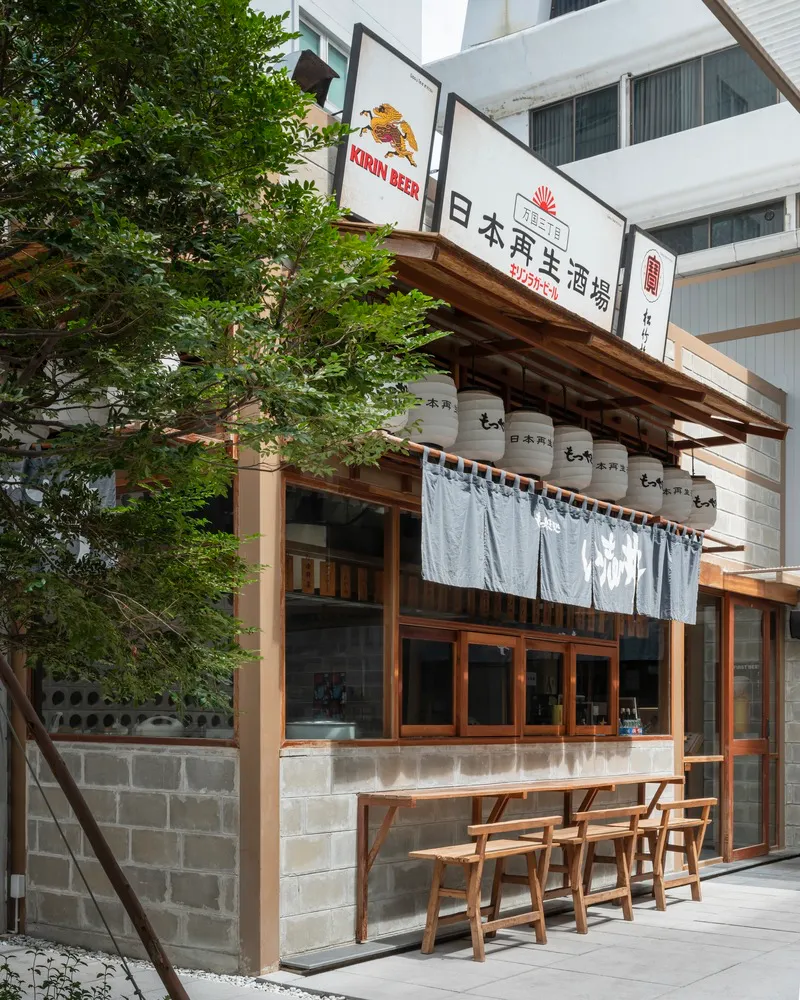
With its combination of thoughtful design, modular construction, and human-centered spaces, BLOQyard is more than a collection of cafés—it’s a blueprint for sustainable urban revitalization.
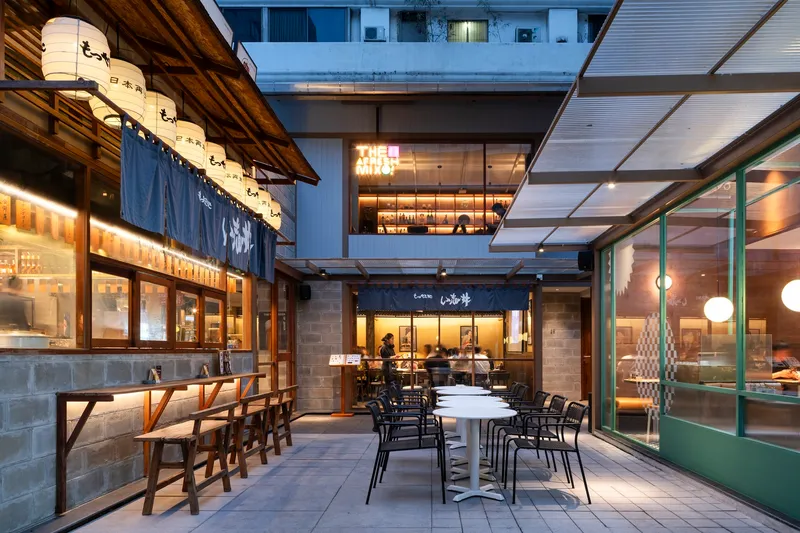
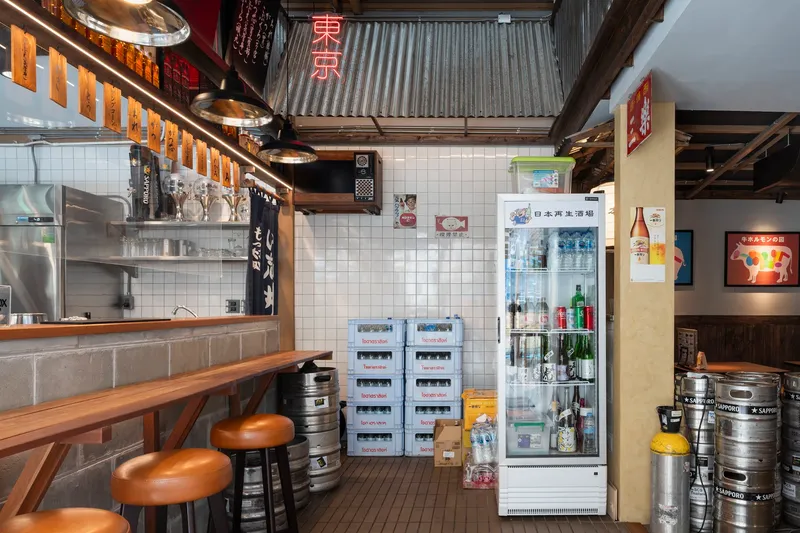
All the photographs are works of Thanapol Jongsiripipat


Popular Articles
Popular articles from the community

The Amber Palace Opera: A Geological Fiction Surfaces on Tallinn's Baltic Waterfront
Pierre Brillard reimagines a Baltic legend as a public landscape, opera house, and waterfront promenade rooted in Tallinn's coastal identity.


Juan García Correa, John González and Claudia Rueda Sink a Circular Amphitheater into a Manizales Engineering Building
On the La Nubia campus in Manizales, Colombia, the S1 Building folds labs and offices into a hillside of ramped lawns that double as a campus route.

Aquadapt: An Underwater Habitat That Rewrites Its Rooms by the Hour
Curved modules ring the seabed while one shell shifts from breakfast room to cinema, farm and football pitch as residents' needs change.

Cube Design Draws an Ecological Corridor Between Two Shenzhen Hills with the Nankai Building
Beside Shenzhen's container docks, the Nankai Building pairs stacked balconies with a climbing green screen to connect two hillsides across its height.

Similar Reads
You might also enjoy these articles


Hodi-Mandai Geram
Project Function: Preservation and revitalization of the Intangible heritage and socio-spatial identity of the Hodi by Housing, Cultural Memory Center, Sacred Grove, landscape, local tourism economy


Olio Towers: A Mid-Rise for Performers That Fuses Housing, Rehearsal, and Stage
Located blocks from Houston's Theater District, this modular tower stacks living units around a central performance atrium.

Oasis: Modular Green Housing Carved into Dhaka's Urban Fabric
A shortlisted Plugin Housing entry reclaims unauthorized settlements in Dhaka with stepped concrete volumes, green roofs, and ventilation-driven design.

Black Hole: A Floating Megastructure for the Post-Physical Era
Emiliano Mazzarotto envisions a spherical, self-scaling arena where e-sports, digital hotels, and holographic stadiums replace traditional public space.

Explore Hospitality Building Competitions
Discover active competitions in this discipline

Challenge to reimagine the Iron Throne

Photograph architecture without architects

Illustrate the lost glory of Angkor Wat - Render Challenge

Design challenge to reuse E-waste
Comments (0)
Please login or sign up to add comments
No comments yet. Be the first to comment!