
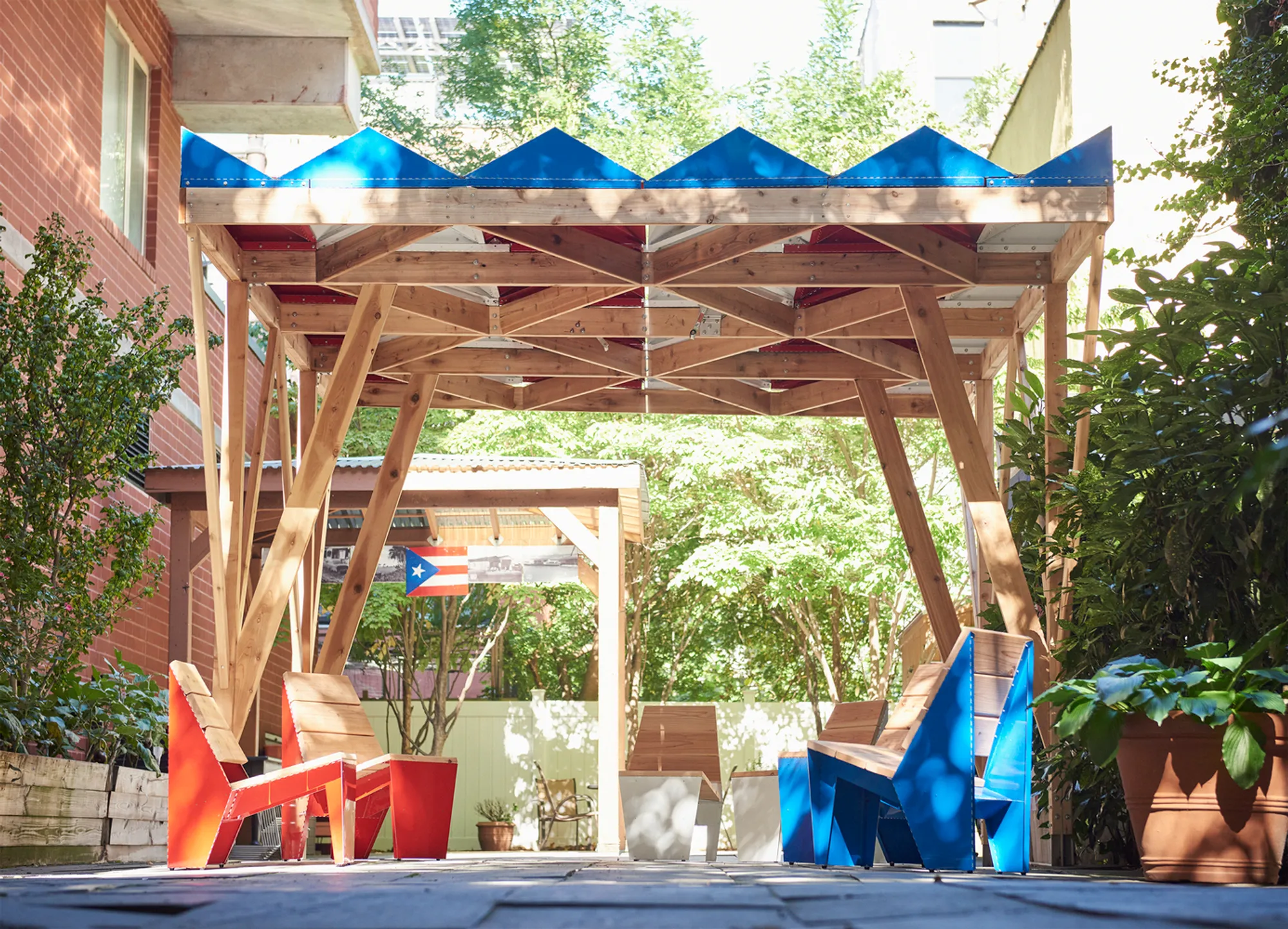
Bohio Pavilion by SAW.EARTH: A Kinetic Shade Structure for East Harlem
The Bohio Pavilion is a kinetic, sustainable shade structure in East Harlem, honoring Puerto Rican heritage through adaptive, community-driven design.


A Community-Centered Pavilion Inspired by Puerto Rican Heritage
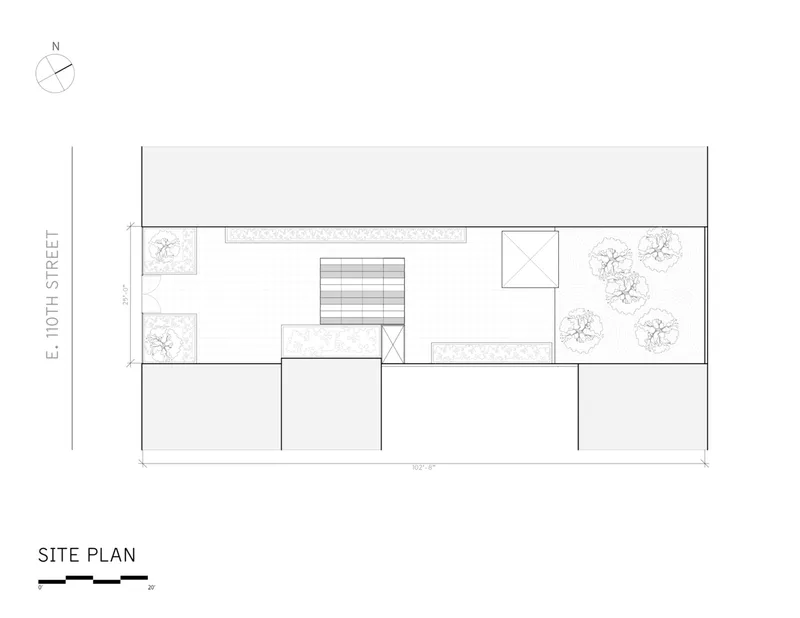
The Bohio Pavilion, designed by SAW.EARTH, is a dynamic architectural installation in East Harlem, New York City. Built in collaboration with students from the New York Institute of Technology Graduate School of Architecture, this innovative kinetic shade structure serves as a vital addition to the El Cataño Community Garden.
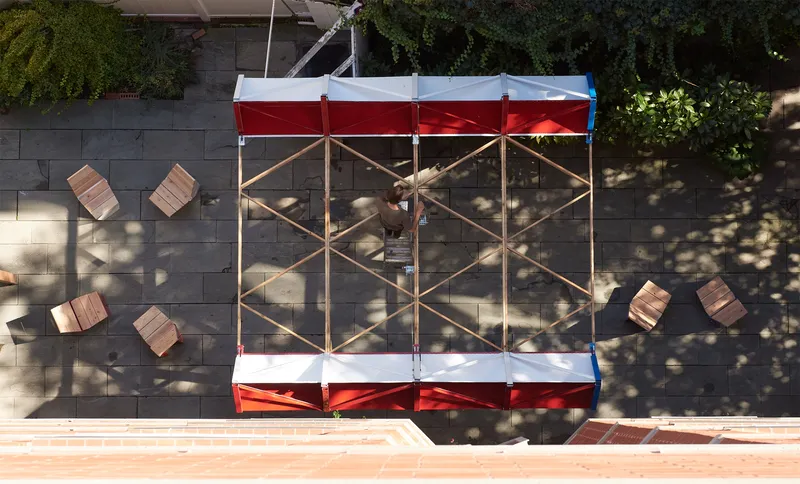
With a compact footprint of 144 square feet, the pavilion provides a flexible, climate-responsive shelter that adapts to changing environmental and social needs. Using compressed gas springs and mechanical winches, the roof can open or close, offering shade on sunny days or protection from rain, ensuring year-round usability.

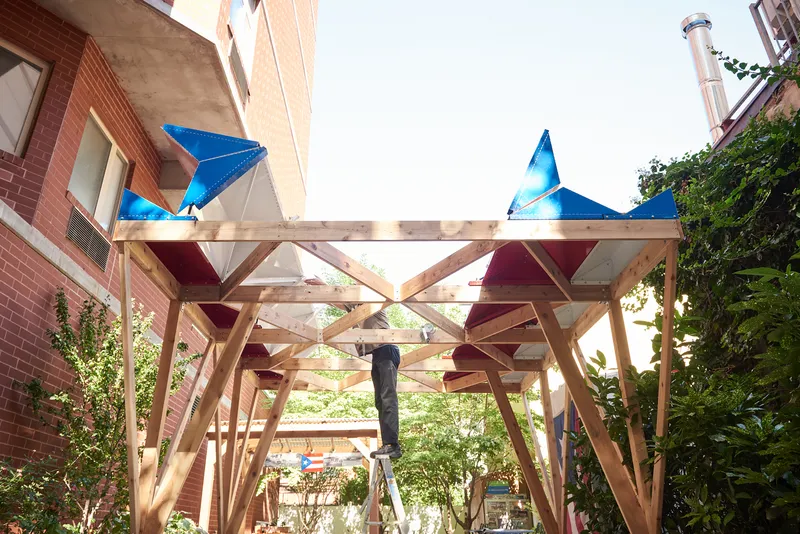
A Cultural Landmark in East Harlem
Commonly known as El Barrio, East Harlem is home to one of the largest Latinx communities in New York City, particularly Puerto Rican residents. The El Cataño Community Garden acts as a cultural hub, hosting events ranging from domino tournaments and exercise classes to children’s storytime.
The pavilion was thoughtfully designed in collaboration with local community members, ensuring it met the diverse needs of the space. Inspired by the Bohio, a traditional Taino timber-and-thatch structure, the design pays homage to the indigenous architecture of Puerto Rico while integrating modern materials and engineering.

Sustainability and Symbolism in Design
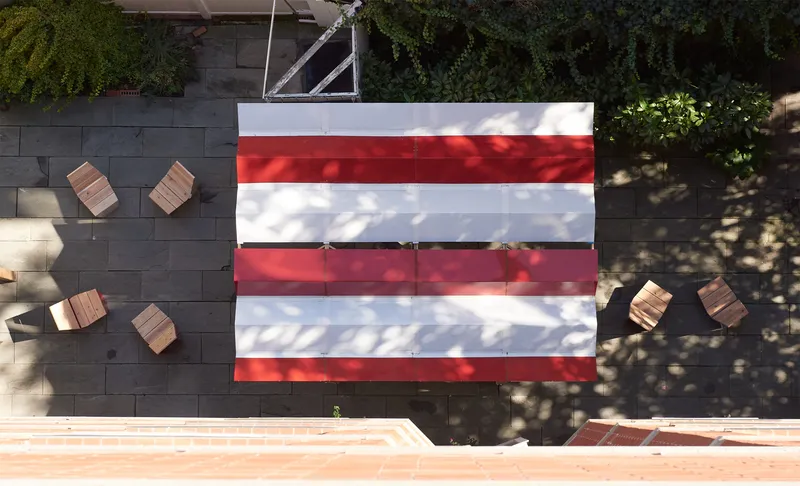
Constructed from cedar and stainless steel, the Bohio Pavilion’s structure is both durable and lightweight. The roof, made from recycled aluminum, is a graphic translation of the Puerto Rican flag, a powerful symbol of identity and resilience. Notably, this flag was banned in Puerto Rico from 1898 to 1952 under U.S. rule, making its presence in East Harlem a profound statement of cultural pride and resistance.
The pavilion not only celebrates Puerto Rican heritage but also serves as an example of sustainable architecture in urban environments. Its adaptable design demonstrates how traditional building techniques can be reinterpreted with contemporary materials to create responsive, eco-friendly structures.
A Testament to Community-Driven Architecture
The Bohio Pavilion is more than just a shade structure—it is a living space for cultural exchange, an architectural response to community needs, and a symbol of Puerto Rican resilience. Through collaborative design and sustainable innovation, SAW.EARTH and the NYIT Graduate School of Architecture have created a pavilion that seamlessly blends history, functionality, and environmental consciousness.
All Photographs are works of Christian Larsen



Popular Articles
Popular articles from the community


The Musturak Paradise: Senior Living Architecture for a Connected Future in Temara, Morocco
The Musturak Paradise reimagines senior living architecture in Temara via private homes, social spaces, culture, community, and shared care.

The Ocean Hive: Sustainable Architecture for a Self-Sufficient Civilization at Sea
The Ocean Hive imagines sustainable architecture at sea, where modular habitats, algae, wave power and ocean waste sustain a growing colony.

Co-Life: Senior Housing Design That Reconnects Older Adults With the City
Co-Life reimagines senior housing design through healing gardens, shared streets, workshops, and a sustainable community across generations.
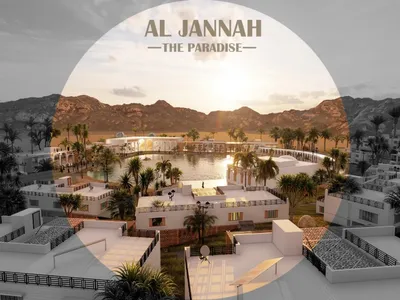
AL-JANNAH: Sustainable Architecture and Permaculture for Afghan Widows
AL-JANNAH uses sustainable architecture and permaculture to create resilient oasis of housing, learning, work and renewal for Afghan widows.


Similar Reads
You might also enjoy these articles


Hodi-Mandai Geram
Project Function: Preservation and revitalization of the Intangible heritage and socio-spatial identity of the Hodi by Housing, Cultural Memory Center, Sacred Grove, landscape, local tourism economy


Olio Towers: A Mid-Rise for Performers That Fuses Housing, Rehearsal, and Stage
Located blocks from Houston's Theater District, this modular tower stacks living units around a central performance atrium.

Oasis: Modular Green Housing Carved into Dhaka's Urban Fabric
A shortlisted Plugin Housing entry reclaims unauthorized settlements in Dhaka with stepped concrete volumes, green roofs, and ventilation-driven design.

Black Hole: A Floating Megastructure for the Post-Physical Era
Emiliano Mazzarotto envisions a spherical, self-scaling arena where e-sports, digital hotels, and holographic stadiums replace traditional public space.


Explore Architecture Competitions
Discover active competitions in this discipline



Challenge to design a portable theatre


Challenge to design a portable music platform


Challenge to design an open learning module for the elderly


Challenge to reimagine the Iron Throne
Comments (0)
Please login or sign up to add comments
No comments yet. Be the first to comment!