
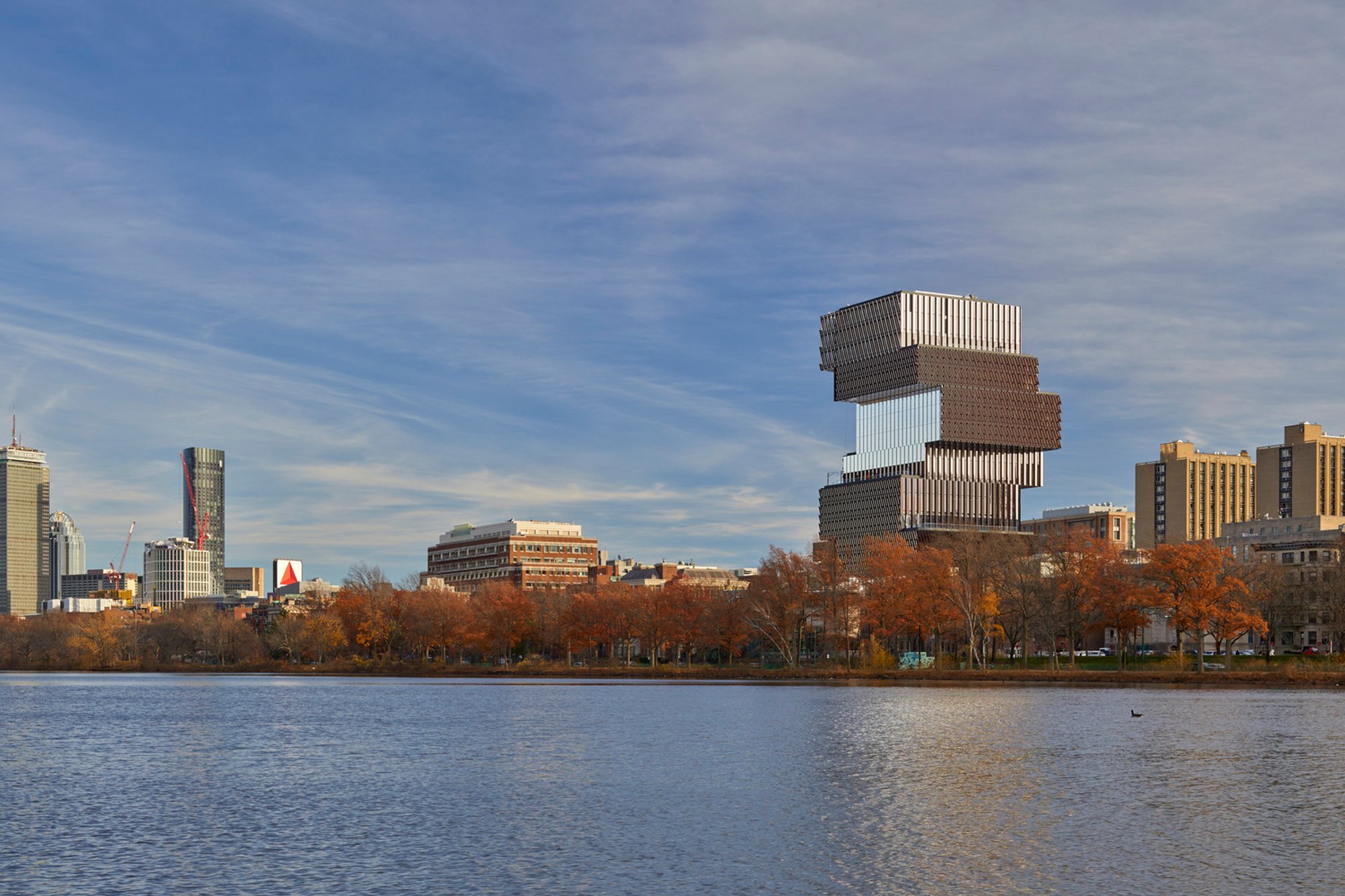
Boston University Center for Computing & Data Sciences: A Bold Leap in Sustainable and Collaborative Design by KPMB Architects
The Boston University Center for Computing & Data Sciences is a 345,000 ft² sustainable, fossil-fuel free building that fosters collaboration and innovation, designed by KPMB Architects.

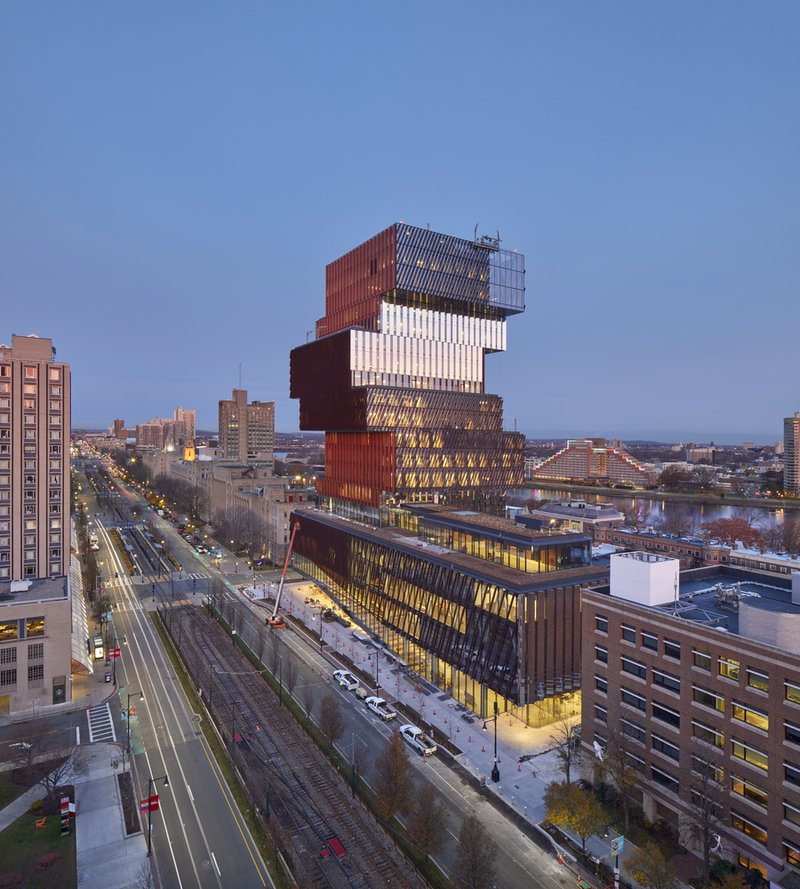
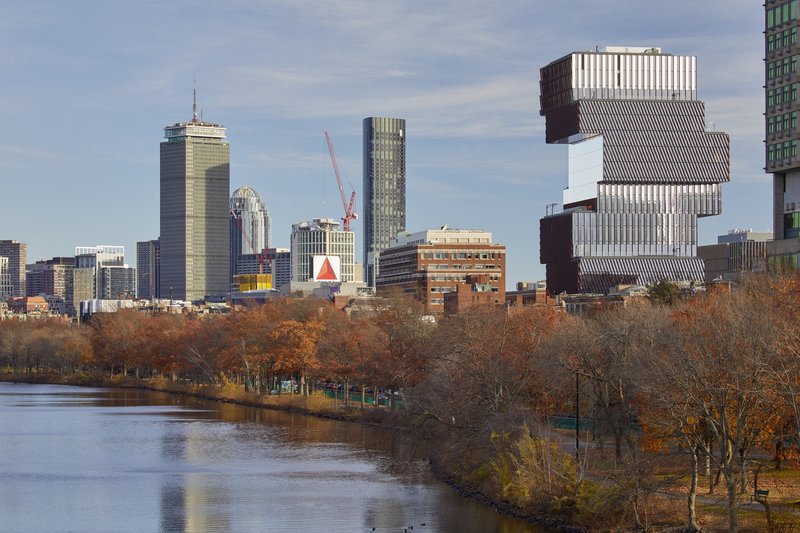
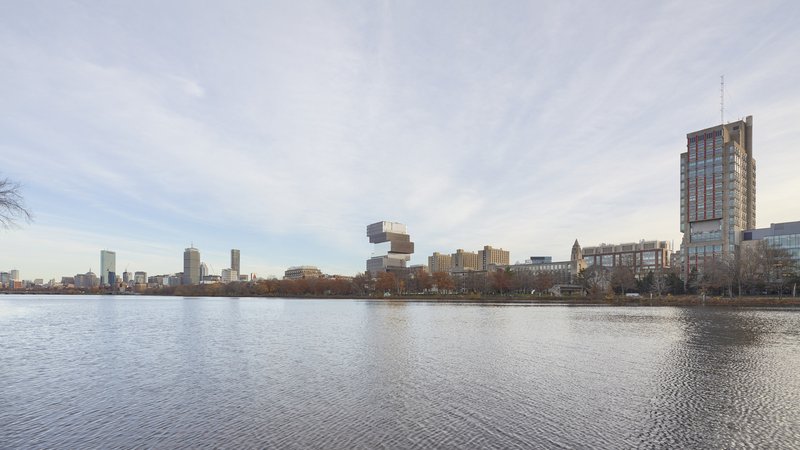
Boston University Center for Computing & Data Sciences, designed by KPMB Architects, is a landmark project that not only transforms the Boston skyline but also sets new standards for sustainability and human-centered design. Completed in 2022, this 345,000 ft² facility is the largest fossil fuel-free building in Boston, exemplifying a bold commitment to sustainability while fostering collaboration and interdisciplinary work. The building is designed to house the university's mathematics, statistics, and computer science departments, creating a dynamic environment for over 3,000 students, faculty, and staff.
Design Concept and Structure
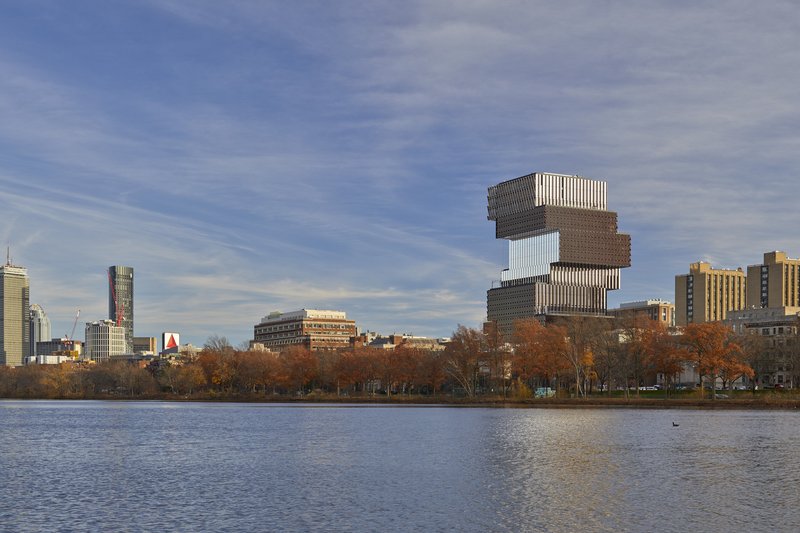
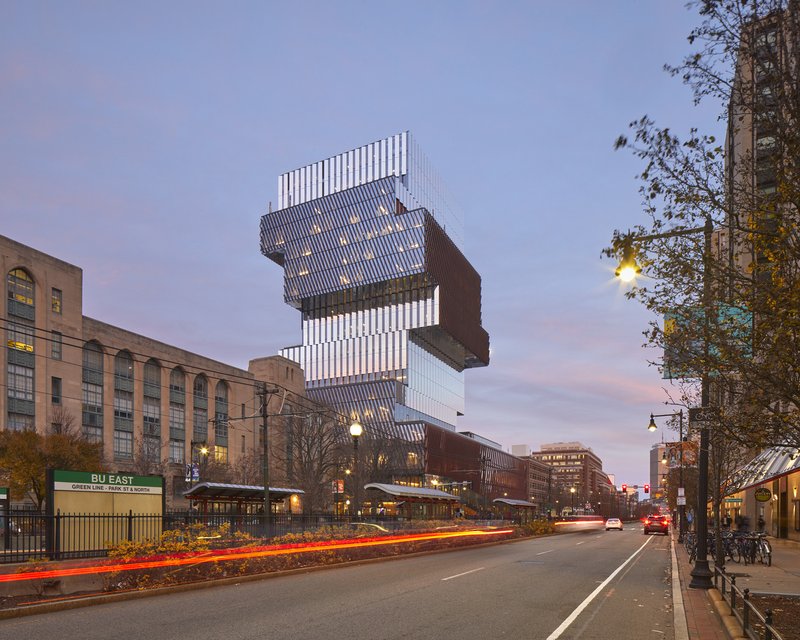
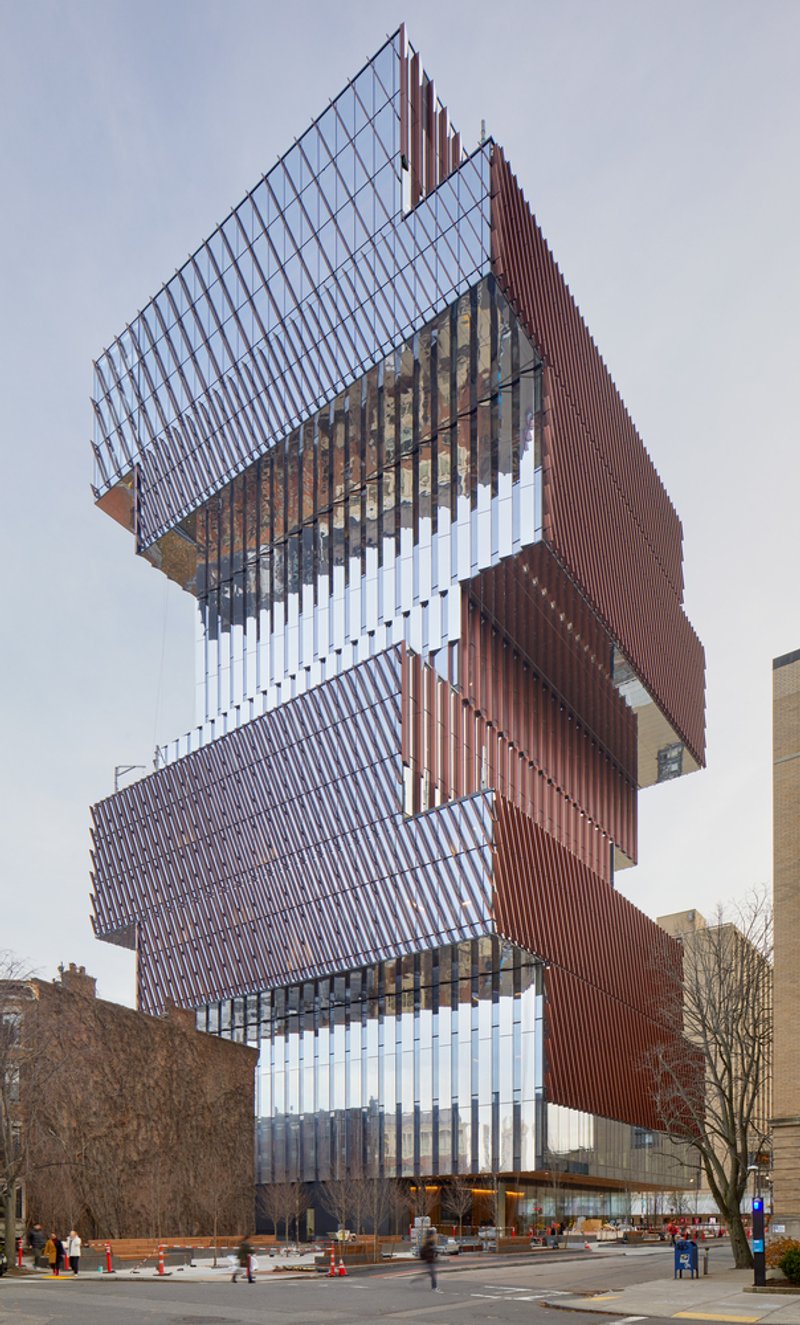
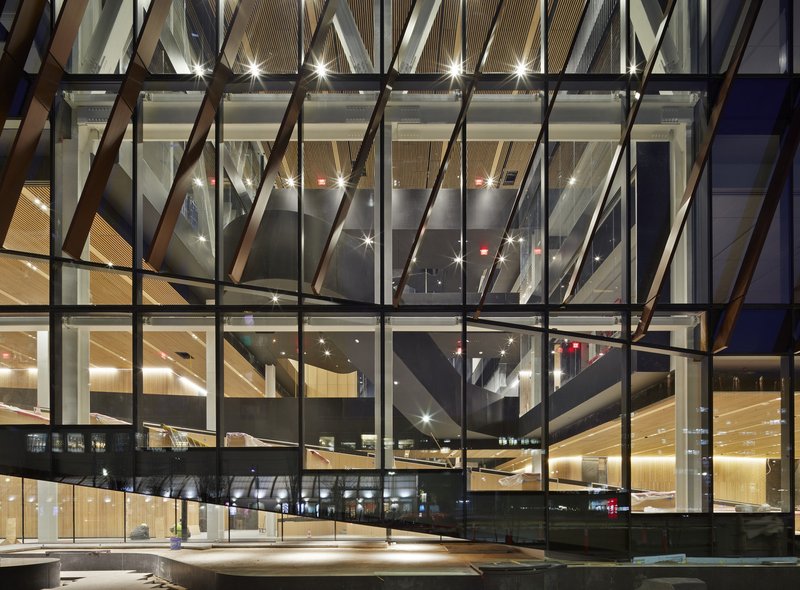
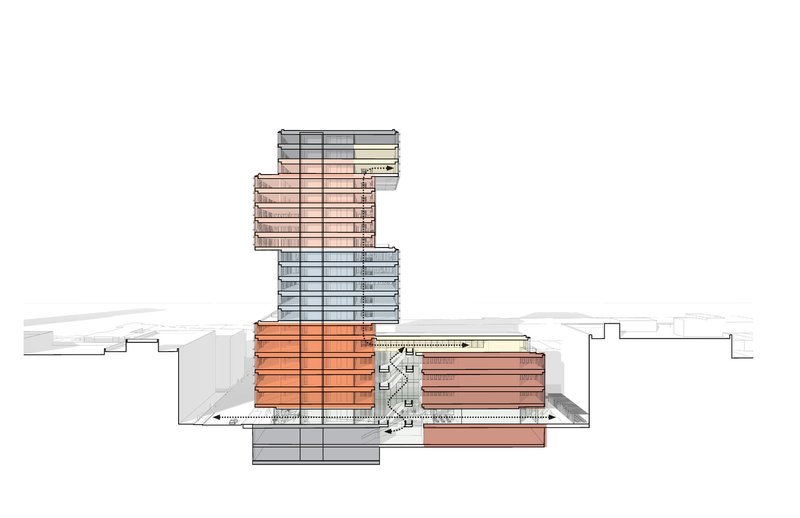
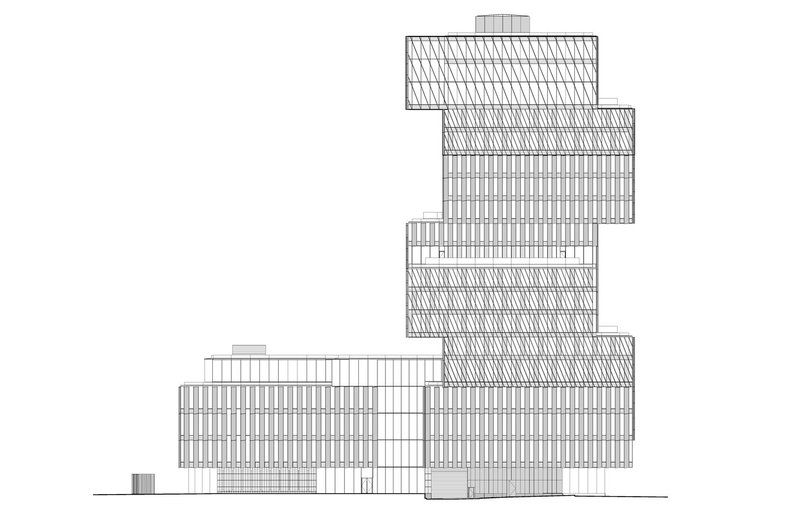
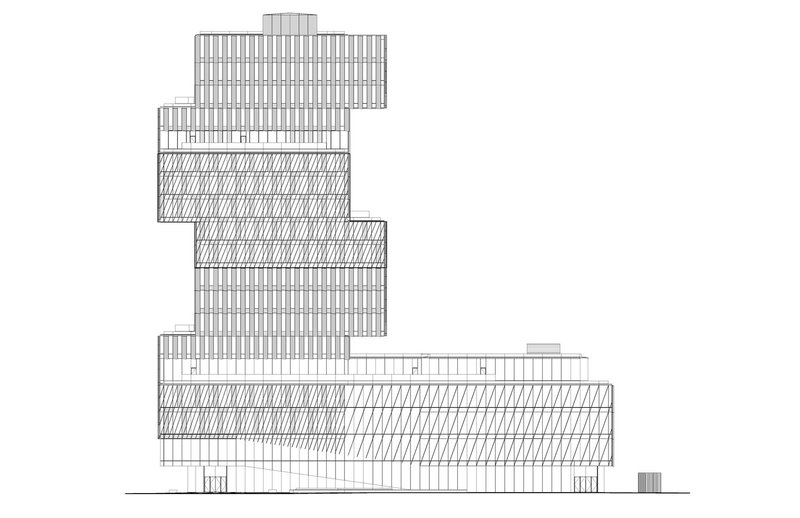
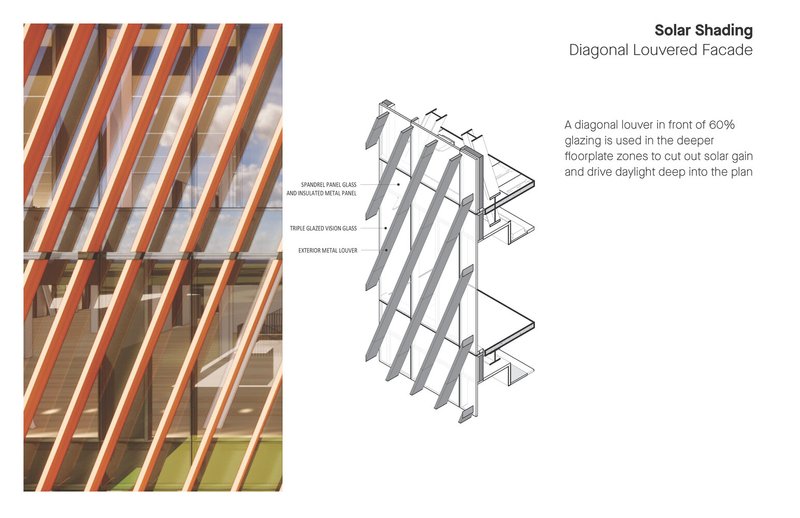
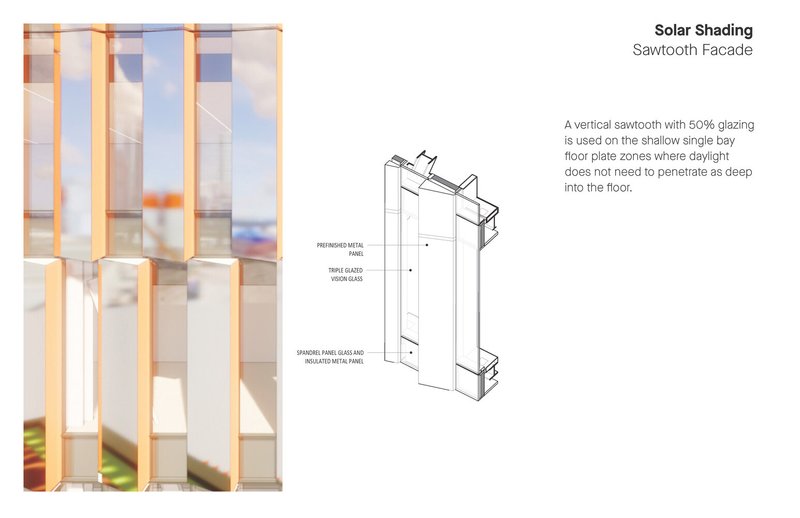
Standing tall at 19 stories, the Center is a striking presence on the banks of the Charles River. The design incorporates cantilevered volumes and mirrored sawtooth facades that both enhance the building's visual appeal and improve its energy efficiency. The reddish-brown diagonal louvered panels minimize solar gain while maximizing shading, ensuring the building remains comfortable year-round by keeping it warmer in winter and cooler in summer. The building’s architecture emphasizes transparency and openness, particularly on the ground floor, which is designed to engage with the streetscape, creating an inviting urban porch for arrival, study, and gathering.
Functionality and Collaboration
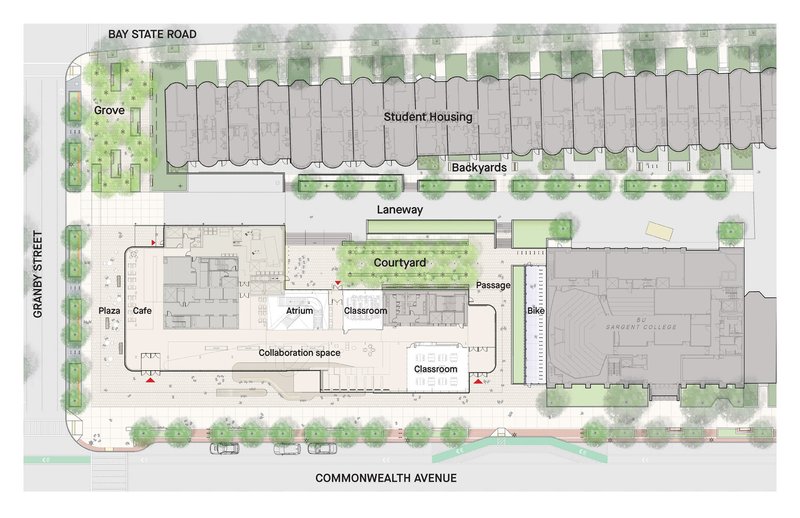
The building is conceptualized as a vertical academic campus, with the lower floors dedicated to mathematics and statistics, the middle floors to computer science, and the upper floors to interdisciplinary work and public spaces. A central atrium unites the different departments and encourages collaboration, while an interconnected staircase weaves through the floors, fostering serendipitous encounters and the free exchange of ideas.
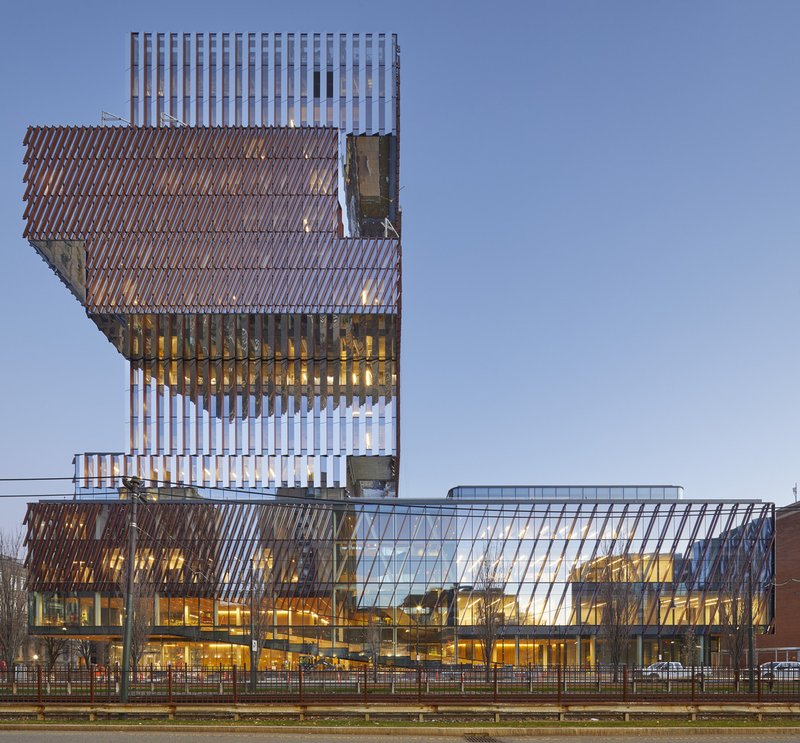
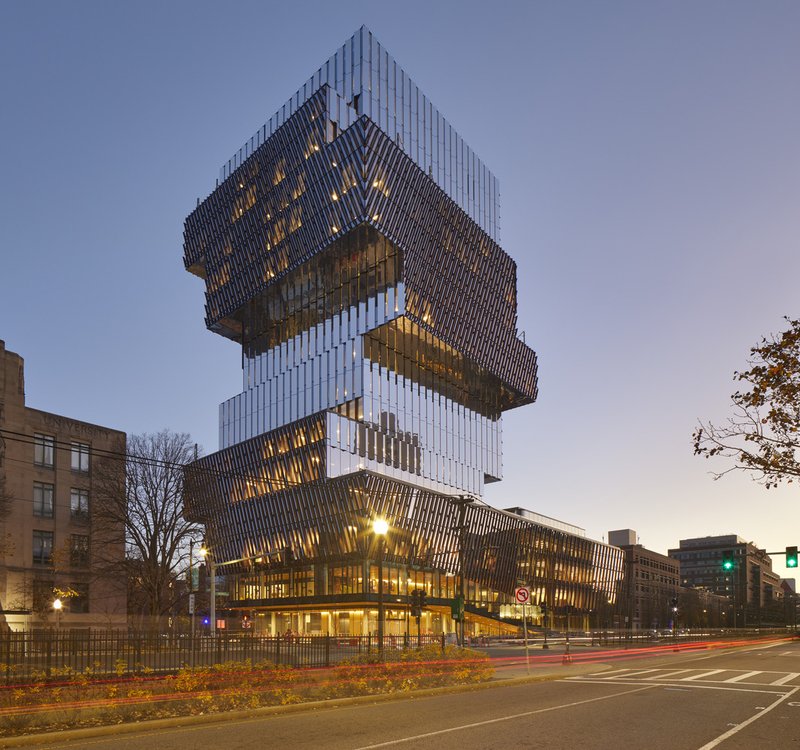
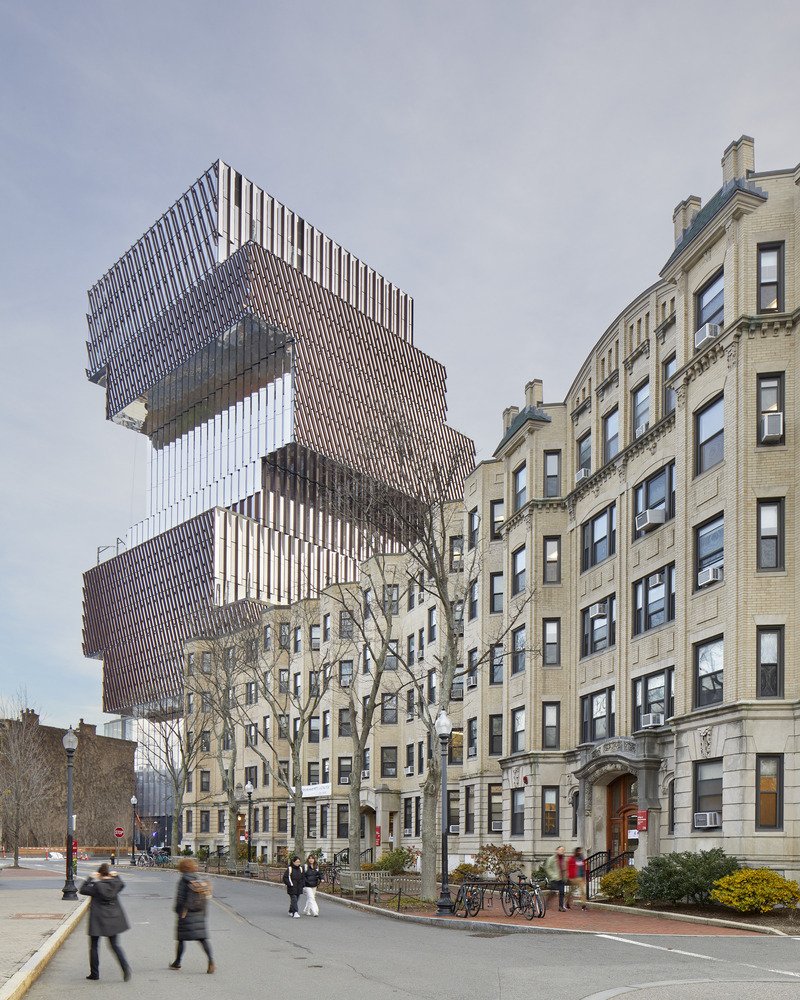
The layout includes 12 classrooms, two computer labs, collaboration spaces, a café, and a plaza with a covered bike shelter, making the building a hub for both academic and social activities. The top floors include an event space and a three-story-high open-air pavilion, and green roofs and terraces offer additional spaces for relaxation and connection with nature.

Sustainability and Innovation
The Center for Computing & Data Sciences sets a new standard for sustainability in academic architecture. In line with Boston University’s Climate Action Plan, the building is designed to be 100% fossil-fuel free, employing a geothermal closed-loop system for heating and cooling. Renewable energy sources, including groundwater recharge systems and cutting-edge exterior shading systems, further reduce the building’s carbon footprint.
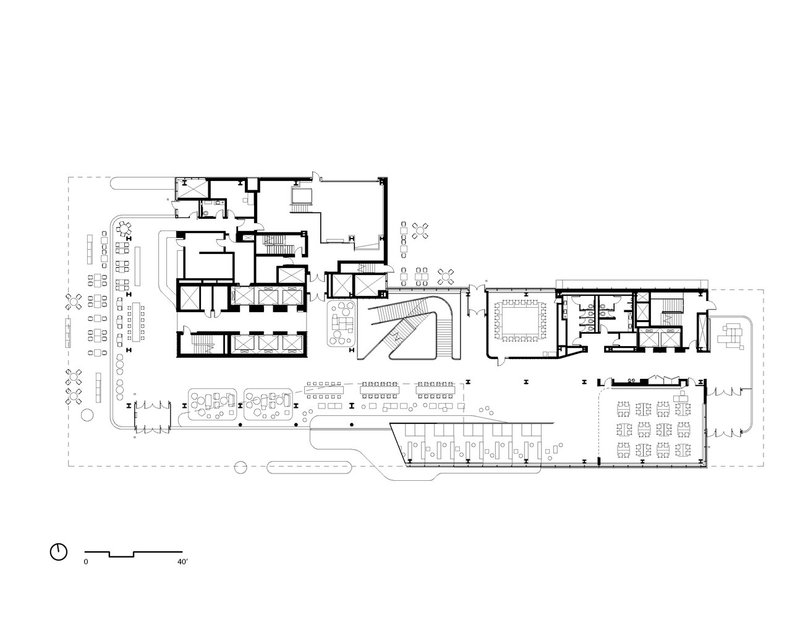
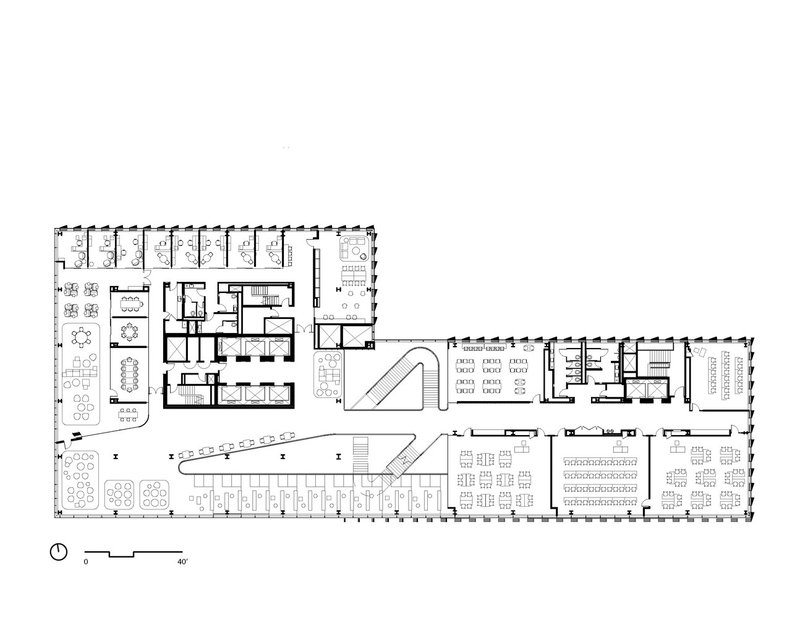
The building's sustainability efforts are complemented by its innovative use of natural light, with expansive floor-to-ceiling windows that offer views of the Charles River and the Boston skyline. These windows help illuminate the classrooms and collaboration spaces, encouraging a connection between technology and the natural environment. Whiteboard walls throughout the building promote collaboration and visual ideation, making the creative process part of the daily academic experience.
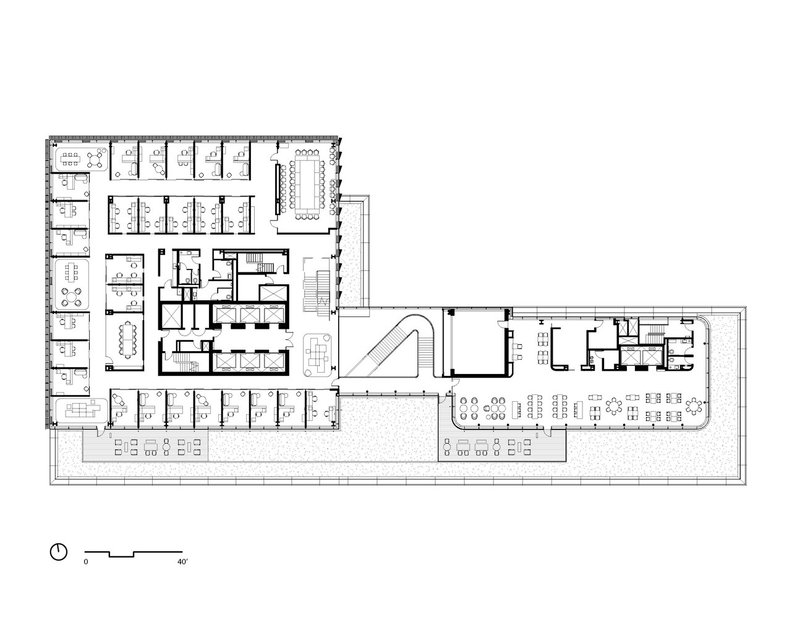
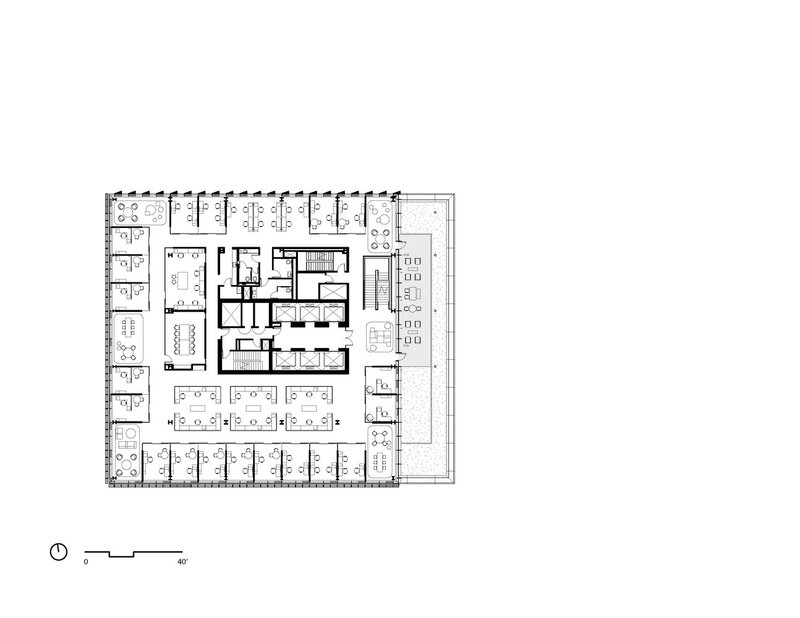
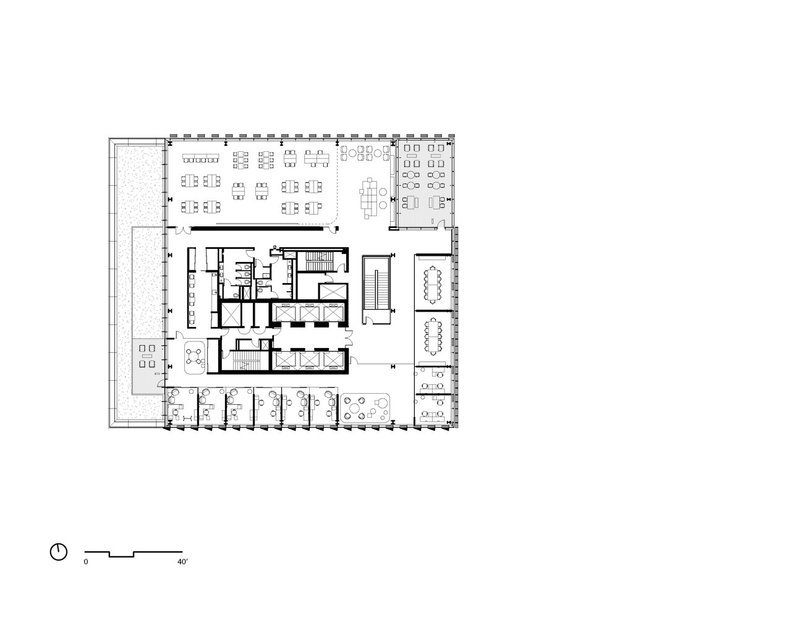
The Boston University Center for Computing & Data Sciences by KPMB Architects is more than just a space for learning—it's a visionary building that supports the university's sustainability goals and enhances collaboration across disciplines. By combining cutting-edge technology, sustainable design, and human-centered spaces, the Center provides a dynamic environment for students and faculty, helping shape the future of computing and data sciences.
All Photographs are work of Tom Arban




Popular Articles
Popular articles from the community

Etea and Ghostframe Carve a Surreal Domestic World from Arches and Circles in Mérida
Casa Eclipse wraps 385 square meters of sculptural living space around a lush courtyard pool in Mexico's Yucatán Peninsula.
Eco Chapel: A Green Architecture Pavilion Designed in Symbiosis with the Forest
Eco Chapel uses green architecture to weave prayer, learning and reuse into a forest pavilion shaped by modular hexagonal canopies for life.
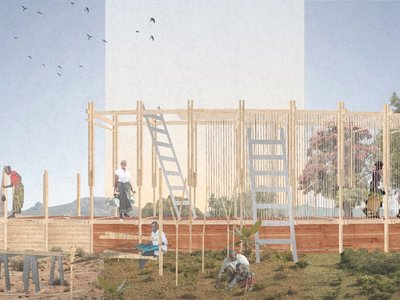
Healing Façade: Sustainable Architecture for Reforestation, Community, and Sacred Ecology in Ethiopia
Healing Façade reimagines sustainable architecture as a living wall that restores soil, catches water and renews Ethiopia's forest churches.
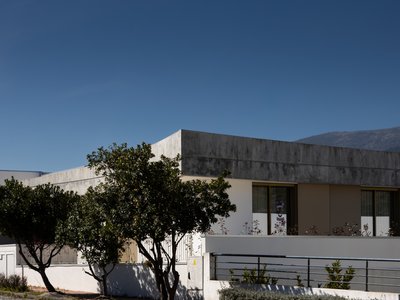
PLATAFORMArq Folds a Concrete Roof Over the Portuguese Mountains in House #474
A 220-square-meter residence in Teixoso, Portugal, wraps board-formed concrete into an angular canopy that frames the Serra da Estrela foothills.


Similar Reads
You might also enjoy these articles

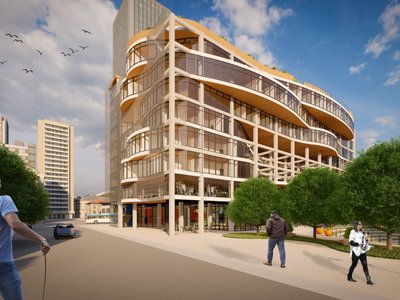
Olio Towers: A Mid-Rise for Performers That Fuses Housing, Rehearsal, and Stage
Located blocks from Houston's Theater District, this modular tower stacks living units around a central performance atrium.
Oasis: Modular Green Housing Carved into Dhaka's Urban Fabric
A shortlisted Plugin Housing entry reclaims unauthorized settlements in Dhaka with stepped concrete volumes, green roofs, and ventilation-driven design.

Black Hole: A Floating Megastructure for the Post-Physical Era
Emiliano Mazzarotto envisions a spherical, self-scaling arena where e-sports, digital hotels, and holographic stadiums replace traditional public space.
Compact & Sustainable Living in Piraeus: A Four-Level Family Home Built Around Light and Air
A narrow townhouse in one of Greece's densest port cities uses a central atrium and passive strategies to house three generations under one roof.


Explore Architecture Competitions
Discover active competitions in this discipline




The International Standard for Design Portfolios


The Global Benchmark for Architecture Dissertation Awards


The Global Benchmark for Graduation Excellence


Challenge to reimagine the Iron Throne
Comments (0)
Please login or sign up to add comments
No comments yet. Be the first to comment!