
BoX: Modular Furniture Design for Small Spaces
A flexible modular furniture system that transforms compact spaces through adaptable geometry, precision detailing, and minimal material use.


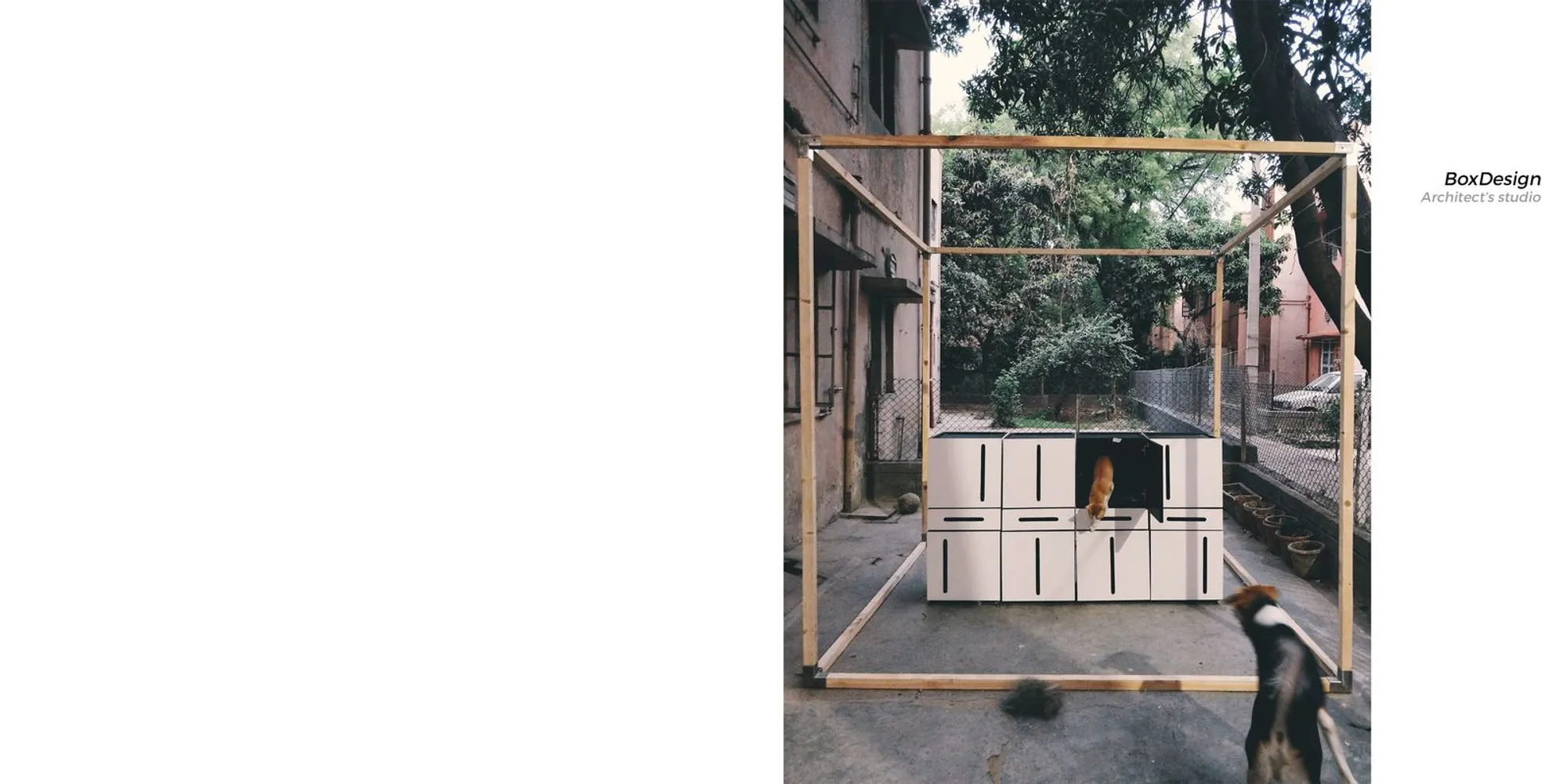
BoX is a modular furniture design project that explores how compact interiors can be transformed through flexible geometry, minimal material use, and adaptable construction logic. Designed specifically for small spaces, the project challenges conventional bulky furniture by introducing a boxed system that can evolve into multiple furniture typologies while maintaining clarity, efficiency, and spatial openness.
The core idea behind BoX lies in its ability to respond to spatial constraints without overwhelming the interior. Instead of designing fixed, single-use furniture, the project proposes a modular furniture design for small spaces that can be replicated, resized, and rearranged depending on context, program, and user requirements. This adaptability makes the system suitable for residential studios, workspaces, compact apartments, and hybrid living environments.

Design Concept and Spatial Logic
The furniture piece is conceived as a contained architectural volume: a box: that organizes storage, work surfaces, and interaction zones within a compact footprint. The boxed configuration ensures that the furniture remains visually lightweight while still accommodating essential functions such as working, storage, and organization.
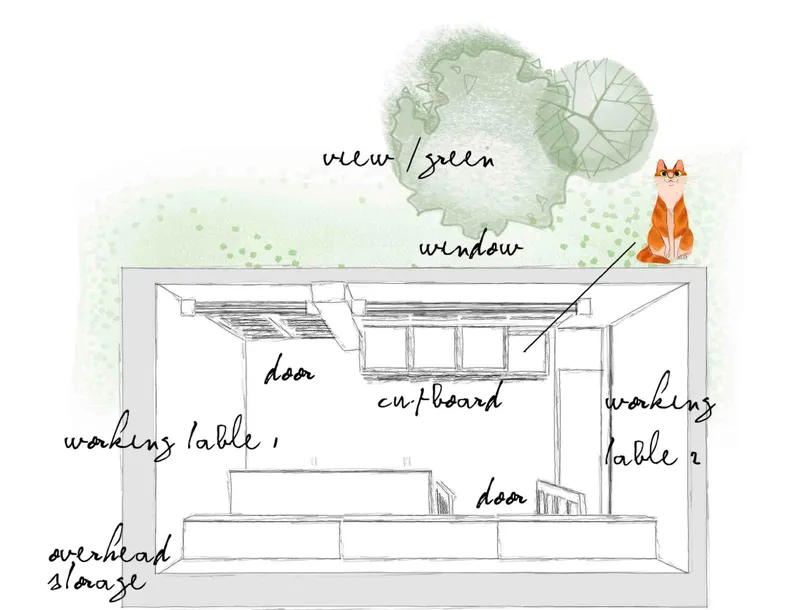
The conceptual sketches reveal a strong relationship between the furniture and the surrounding environment. Positioned beneath a window, the unit allows natural light to penetrate deep into the space, enhancing the user’s experience and maintaining a visual connection to the outdoors. This placement ensures that the furniture does not block views or light, a critical consideration in small-space design.
By resting close to the window edge, the furniture encourages moments of pause, work, and observation, turning a compact interior into a lived-in, dynamic environment rather than a constrained one.
Modular Construction System
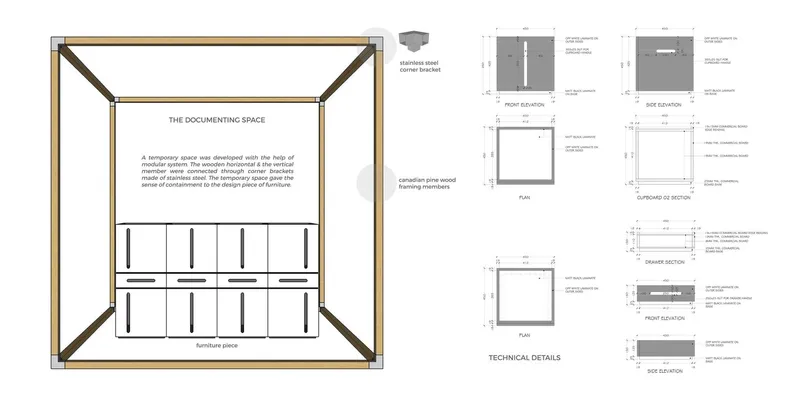
BoX is developed using a modular construction approach. Horizontal and vertical wooden framing members form the primary structural system, connected through stainless steel corner brackets. This construction method ensures precision, durability, and ease of assembly while allowing components to be replicated across different sizes and configurations.
The use of Canadian pine wood framing members provides both structural stability and a warm material expression. The modular frame acts as a spatial container, giving the furniture a sense of architectural enclosure while remaining adaptable.
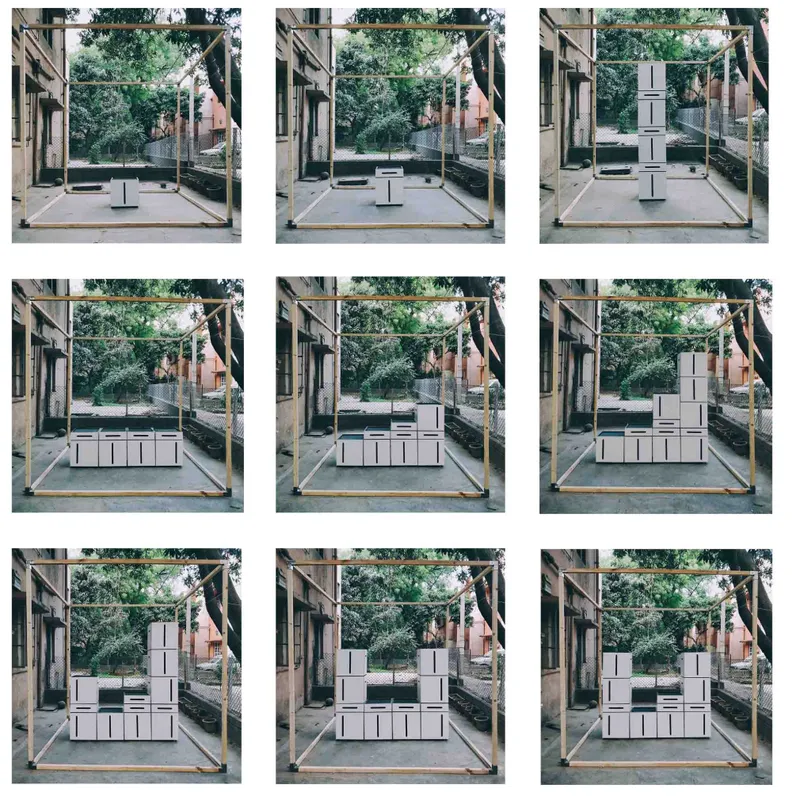
The internal components: cupboards, drawers, and storage units, are designed as repeatable modules. Each unit follows consistent dimensional logic, allowing the system to expand or contract based on spatial needs. This modular furniture design for small spaces enables efficient customization without redesigning the entire system.
Material Strategy and Detailing
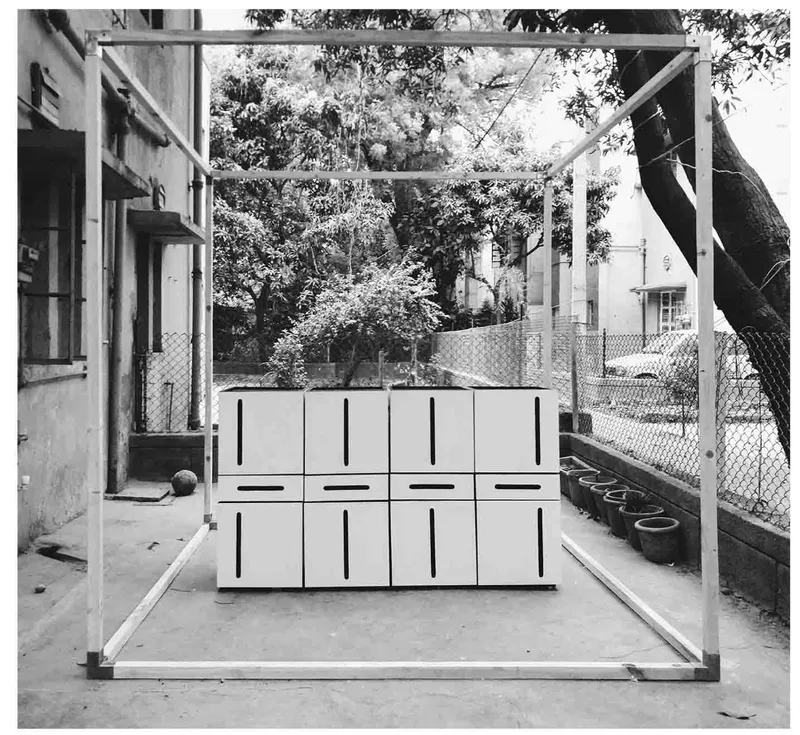
Material selection plays a key role in reinforcing the project’s minimal and functional ethos. The furniture units use commercial boards with matte black laminate finishes, creating a subtle contrast against the wooden frame. The restrained color palette ensures visual continuity and avoids clutter in compact interiors.
Precise detailing is evident in the handle placements, edge finishes, and junctions. Each detail is carefully resolved to enhance usability while maintaining a clean aesthetic. The technical drawings highlight the attention given to proportions, thicknesses, and clearances, ensuring that the furniture performs efficiently at a human scale.
Flexibility and Replicability
One of the defining strengths of BoX is its ability to adapt across different contexts. The same boxed furniture system can be scaled up or down, reconfigured into different arrangements, or combined with additional modules to create varied furniture typologies. This makes the project highly suitable for evolving living patterns and compact urban environments.
Whether used as a storage wall, a workspace unit, or a hybrid furniture piece, the system maintains consistency in design language while allowing functional diversity. This flexibility reinforces the relevance of modular furniture design for small spaces in contemporary architecture and interior design.
Architectural Relevance
BoX operates at the intersection of furniture design and architecture. It treats furniture not as an isolated object but as an integrated spatial element that shapes how interiors are experienced. By applying architectural principles: such as modularity, containment, proportion, and material honesty, the project elevates furniture into a spatial system.
In an era where shrinking urban dwellings demand smarter solutions, BoX presents a thoughtful response that prioritizes adaptability, clarity, and human experience. It demonstrates how modular thinking can address spatial limitations while maintaining design integrity.
Project Credits
Project Name: BoX
Project Type: Modular Furniture Design for Small Spaces
Designer: Vivek Namdev
BoX stands as a clear example of how modular furniture systems can redefine compact living by offering flexibility, precision, and architectural coherence within minimal spatial footprints.




Popular Articles
Popular articles from the community


The Musturak Paradise: Senior Living Architecture for a Connected Future in Temara, Morocco
The Musturak Paradise reimagines senior living architecture in Temara via private homes, social spaces, culture, community, and shared care.

Riyadh For All: Intergenerational Urban Design for Active Aging in Rabat
Riyadh For All reimagines urban design in Rabat with intergenerational co-living, adaptive courtyards, and Moroccan cultural exchange today.

The Ocean Hive: Sustainable Architecture for a Self-Sufficient Civilization at Sea
The Ocean Hive imagines sustainable architecture at sea, where modular habitats, algae, wave power and ocean waste sustain a growing colony.

Conexión: Biophilic Design Reimagines High-Rise Living in Hong Kong
Conexión reimagines high-rise living in Hong Kong through biophilic design, green facades, shared spaces, daylight, water and nature within.


Similar Reads
You might also enjoy these articles


Maya Harvest: A Cacao Resort Village Rooted in Mayan Tradition and Local Craft
Situated within a Tabasco cacao plantation, this shortlisted resort proposal merges vernacular materials with hands-on cultural immersion.
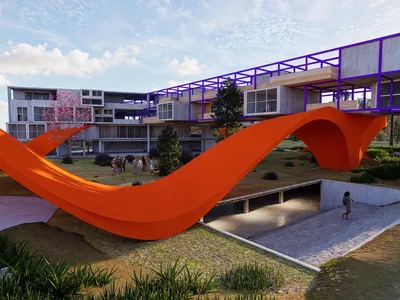
Harmonia: A River-Shaped Community That Grows Over Decades in Boa Vista
Curved pathways and modular grid structures along the Branco River create a phased settlement designed to evolve from 2030 to 2050.

The Architecture of Bathing: A Mughal Hammam Reimagined Across the Yamuna
Charlotte May's honorable mention entry for The Black Taj reinterprets Agra's bathing rituals through red sandstone, water, and framed views of the Taj Mah
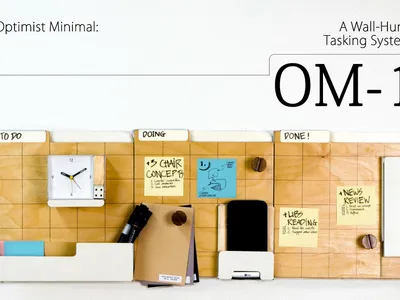
Om-1: A Wall-Hung System That Moves Your Workspace Off the Desk
Modular plywood boards, magnetic pegs, and utility elements migrate clutter from the horizontal surface to the vertical plane.


Explore Modular Furniture Competitions
Discover active competitions in this discipline


Challenge to merge furniture with learning


Design challenge to equip cities with modern furniture

Competition to design a workstation for architects

Packaging challenge - Design meets sustainability
Comments (0)
Please login or sign up to add comments
No comments yet. Be the first to comment!