
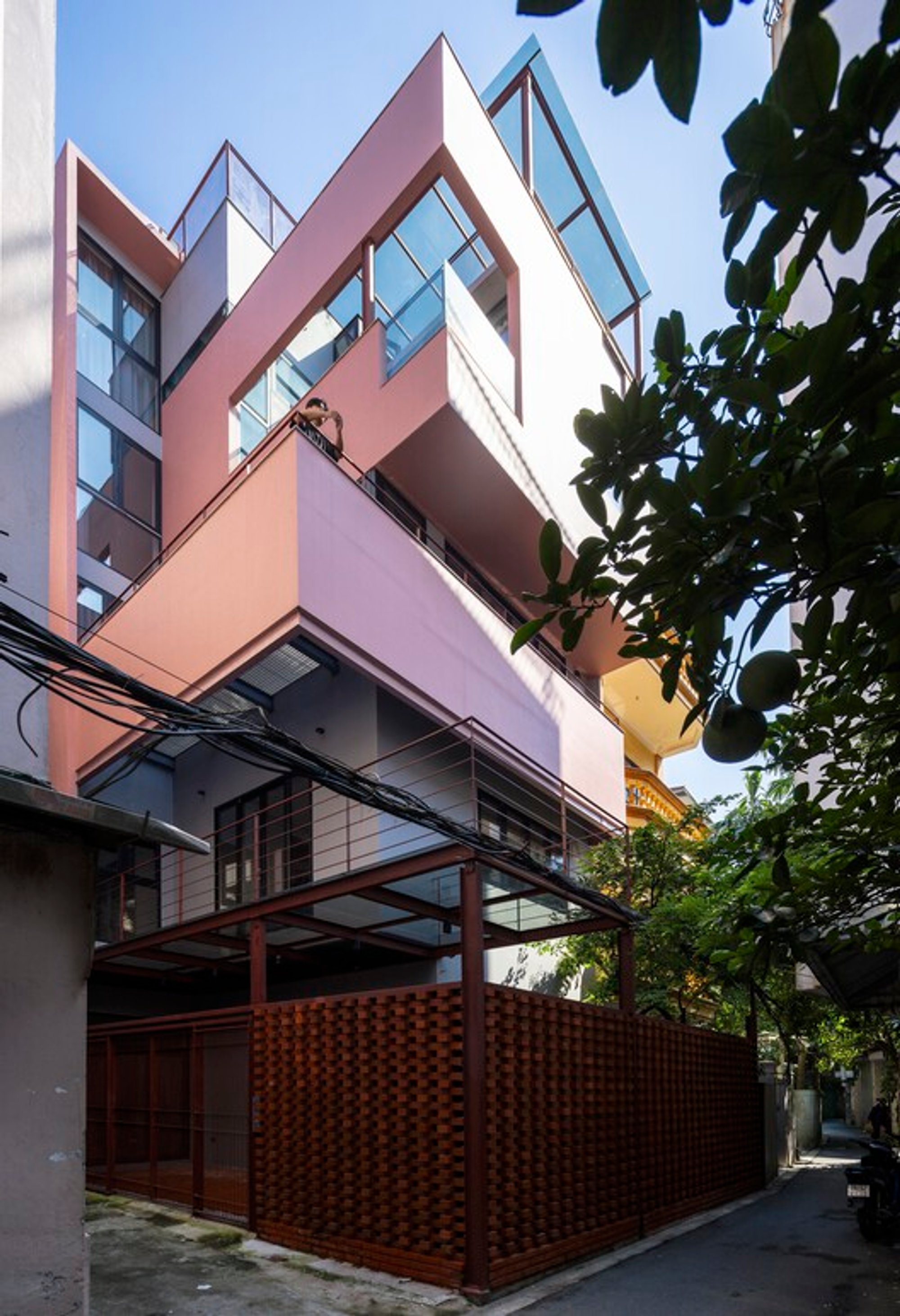
B.RED House by TOOB STUDIO: A Layered Architectural Renewal Within Hanoi’s Uniform Urban Fabric
B.RED House transforms a standard Hanoi townhouse with staggered floor levels, warm materials, and flowing interior spaces that enrich everyday living.

Located in the dense urban grid of Hanoi, Vietnam, B.RED House by TOOB STUDIO reimagines a familiar townhouse typology through a refined and introspective architectural transformation. Designed in 2025 and photographed by Triệu Chiến, the project responds to a regulated development framework where individual expression is limited, yet the desire for spatial identity remains strong.
Reinterpreting Uniformity within a Strict Urban Context
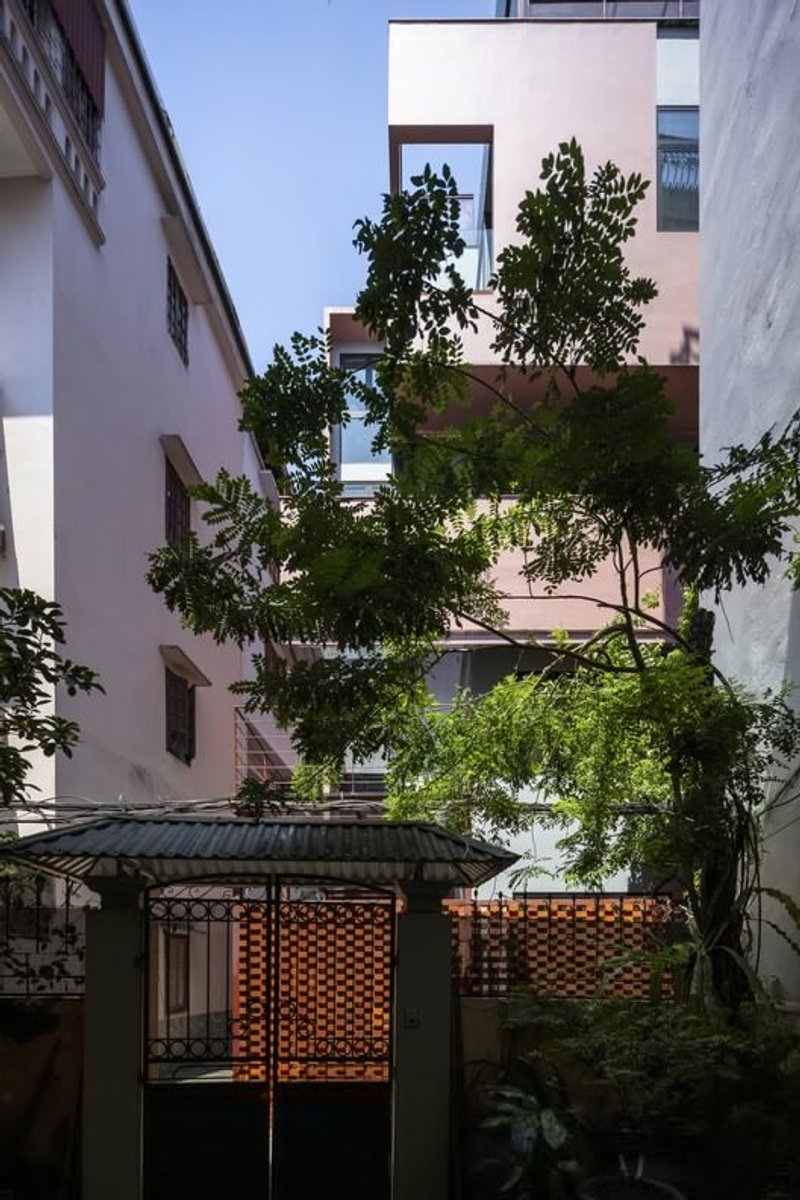
The surrounding neighborhood follows strict planning guidelines, resulting in repetitive façades and similar building masses. While this uniformity ensures order, it also generates a visual monotony that suppresses architectural individuality. Inside this constrained context, B.RED House becomes a subtle yet deliberate exercise in internal reinvention—a design that respects the required exterior appearance while reshaping life from the inside out.
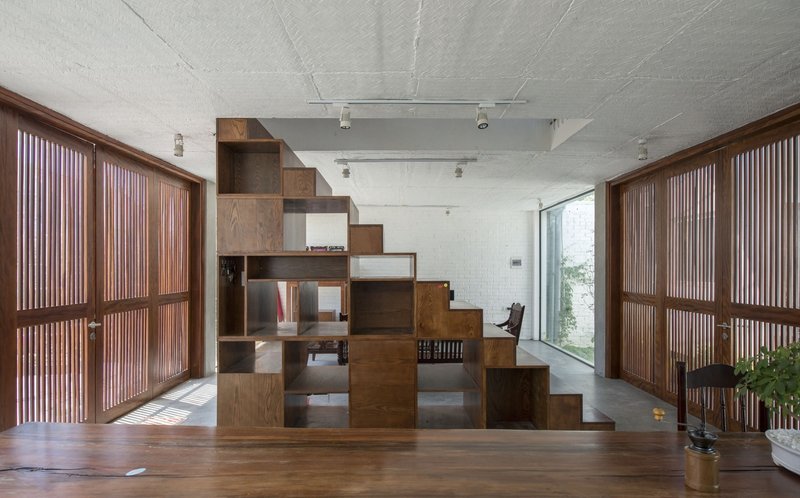
A Typical Townhouse Typology Reconsidered
The original structure follows a familiar model common in early-2000s Vietnamese townhouses:
- A central staircase splits the plan into two longitudinal zones.
- Reinforced concrete defines a series of repetitive “functional cells.”
- Consistent floor levels simplify construction but limit spatial variety and interaction.
This traditional layout often results in interiors that feel enclosed, static, and disconnected—a challenge the architects sought to dissolve.
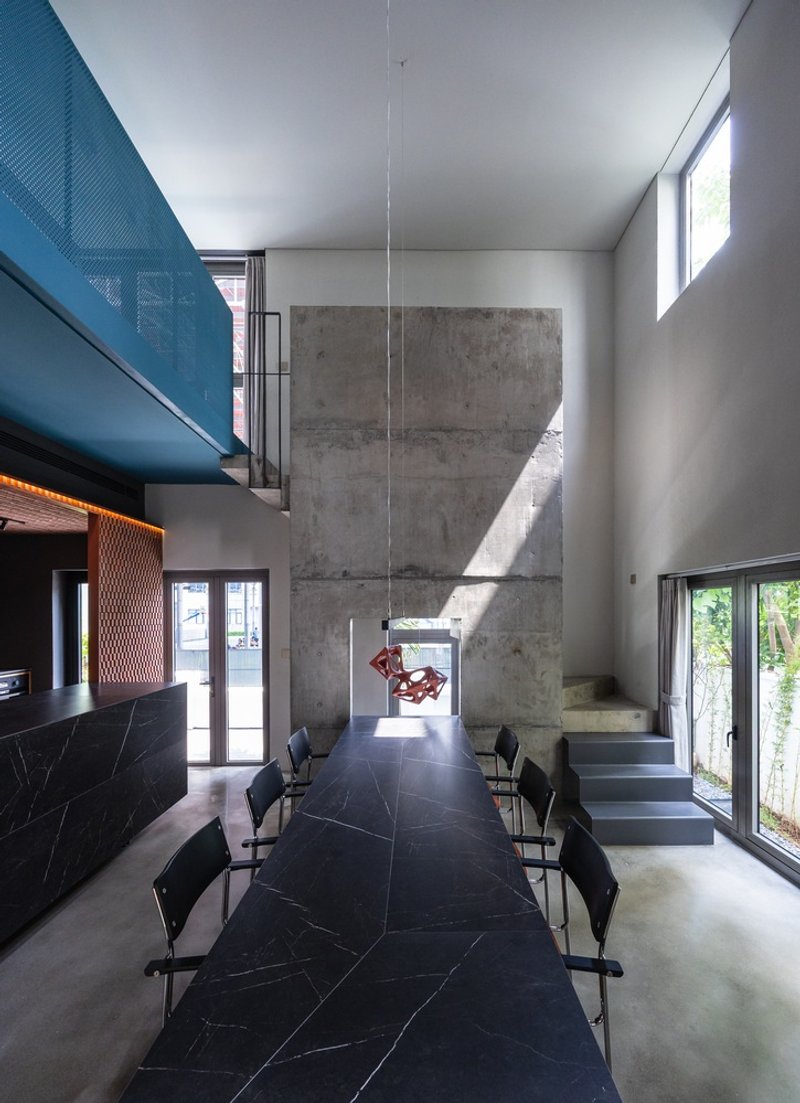
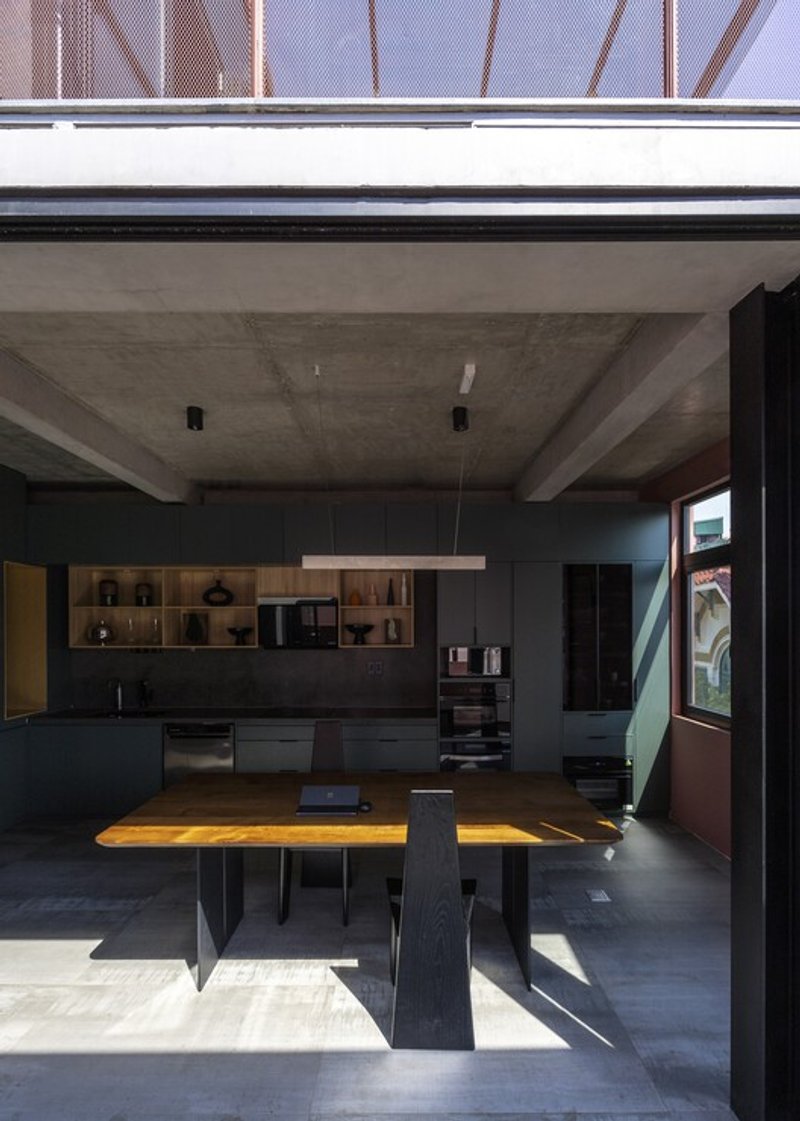
Introducing Multi-Level Spatial Dynamics
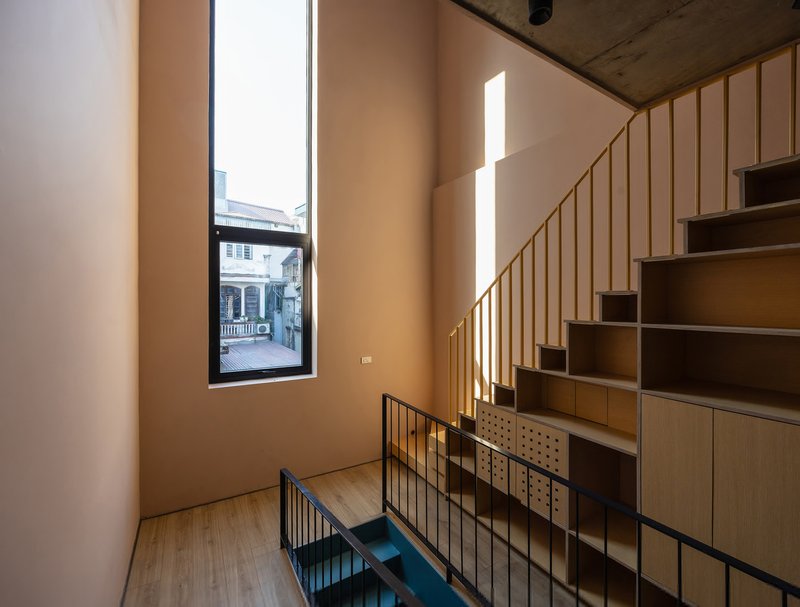
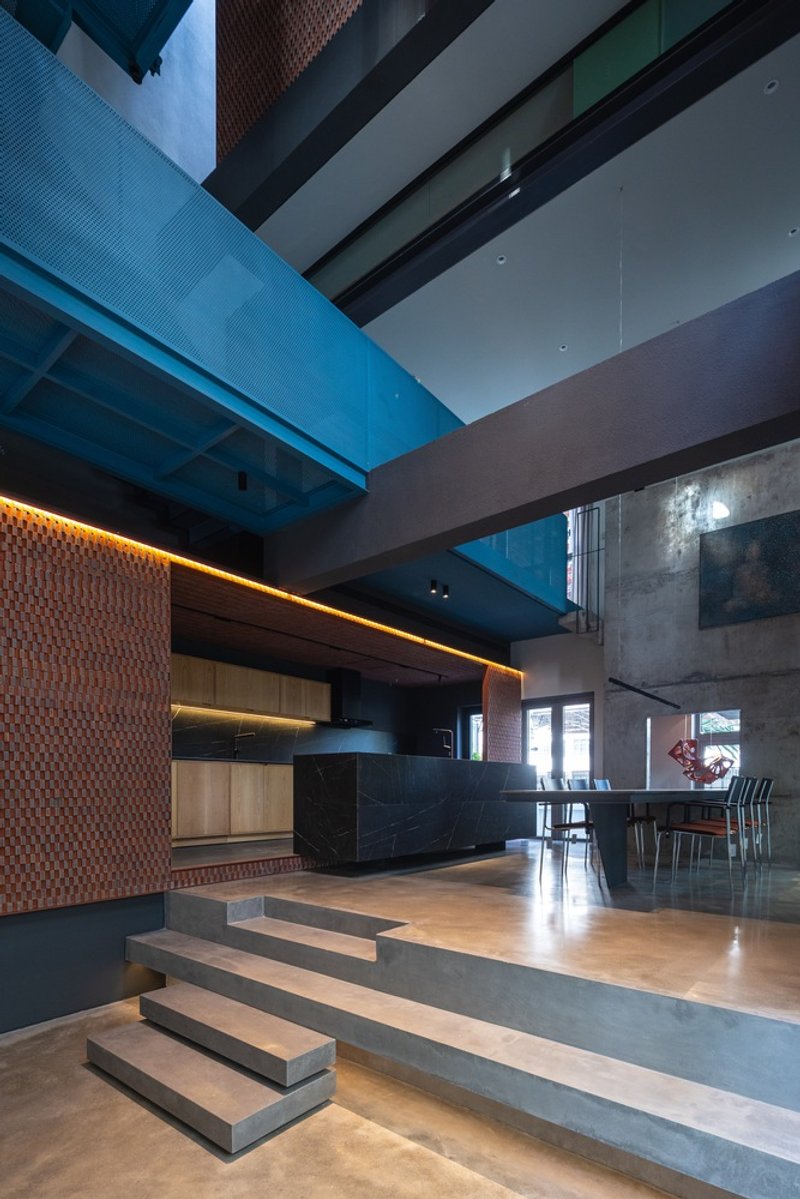
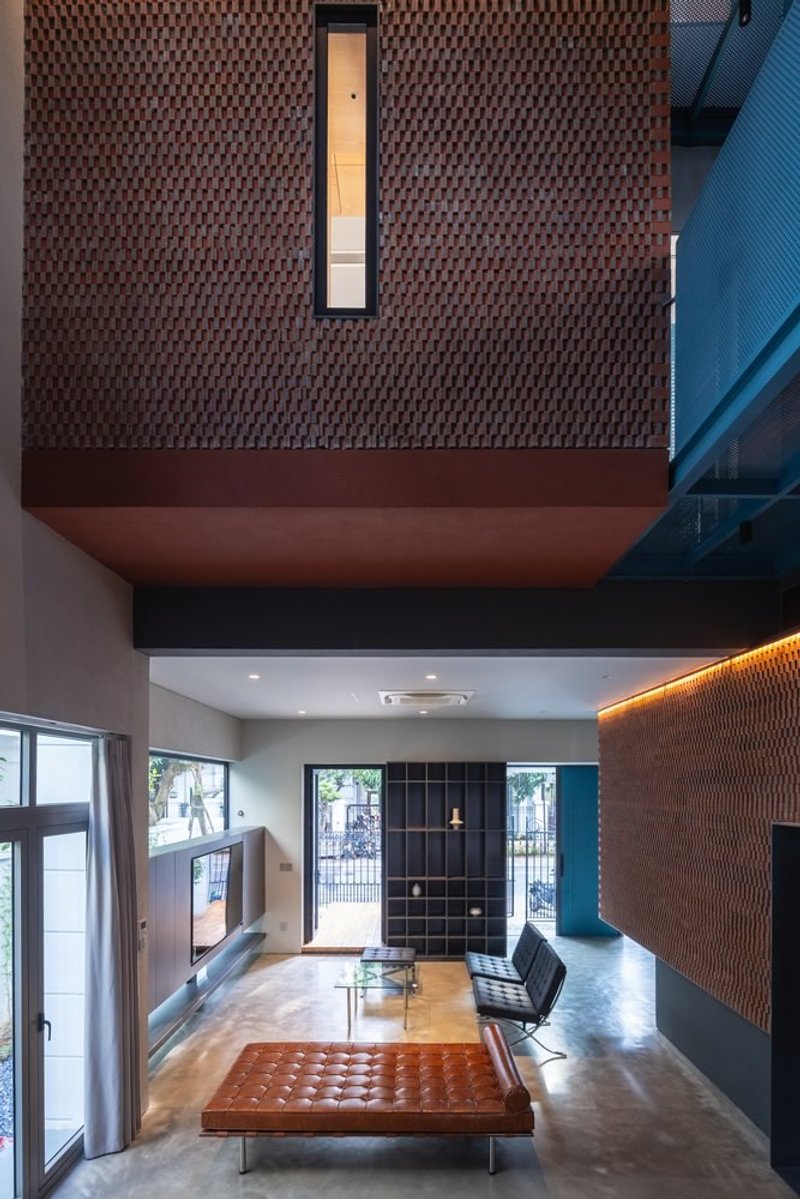
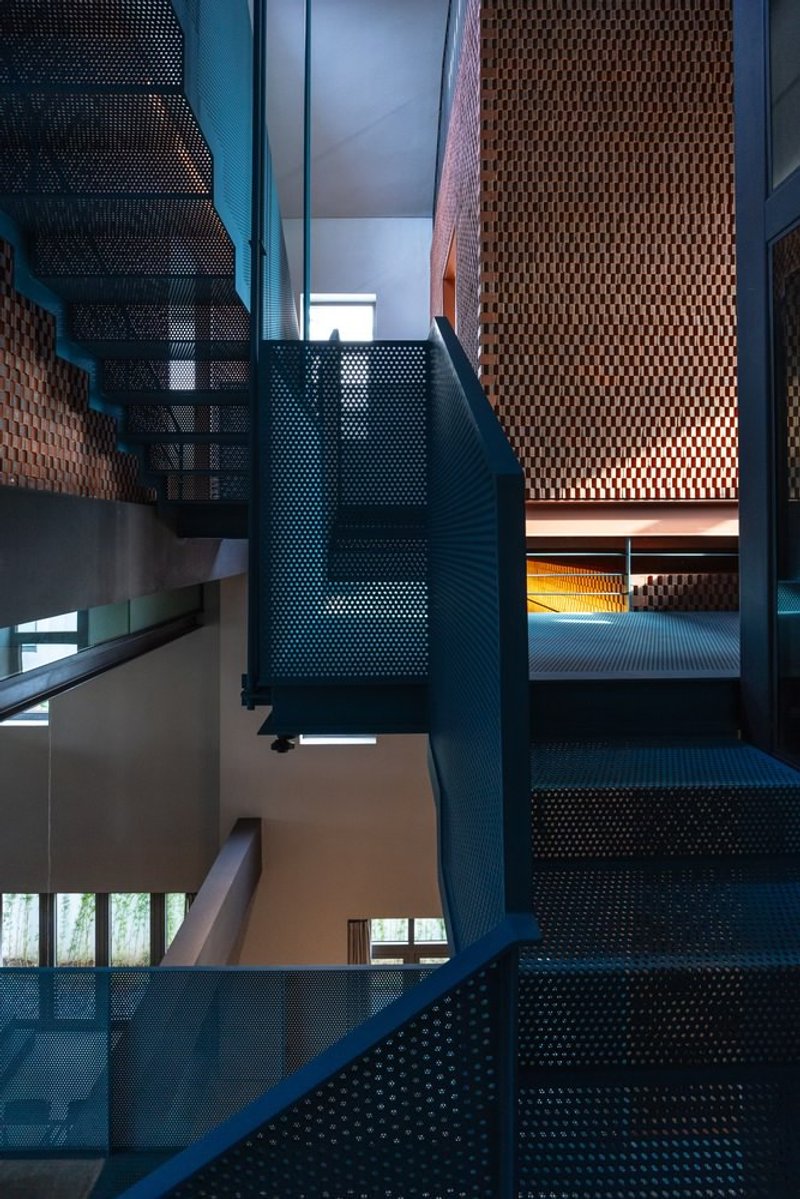
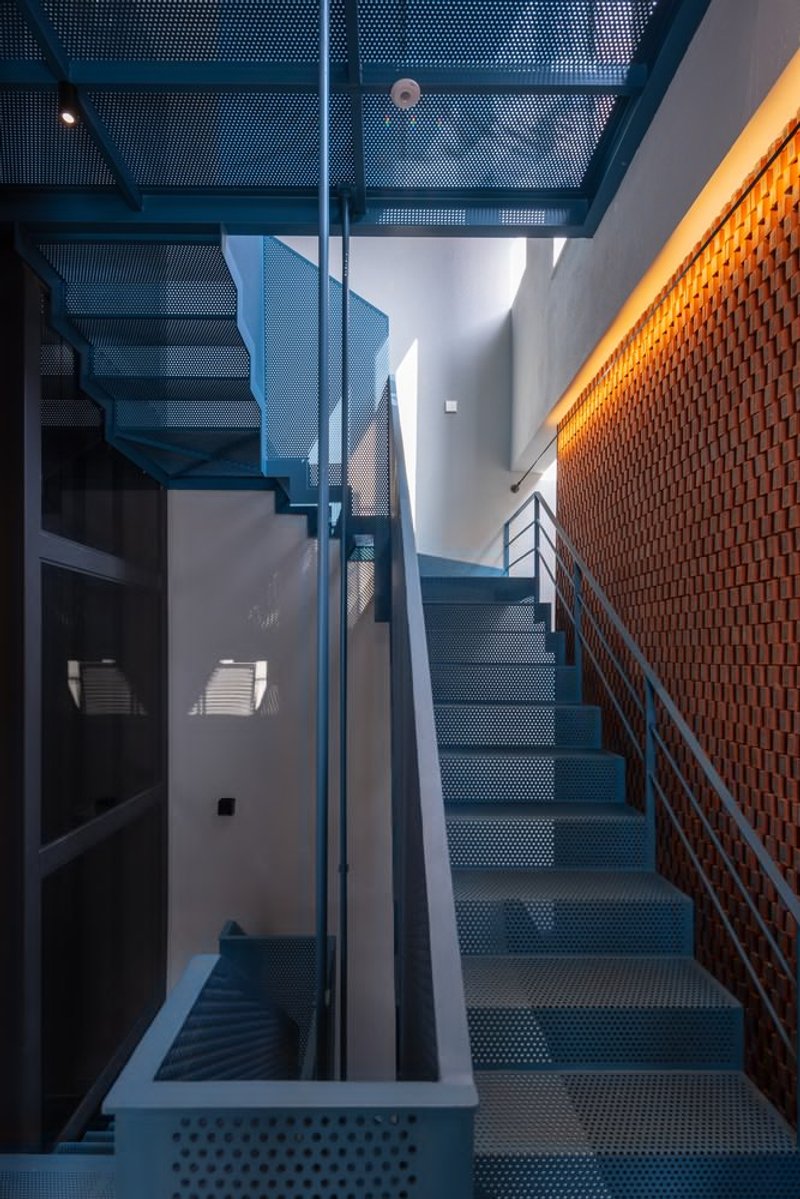
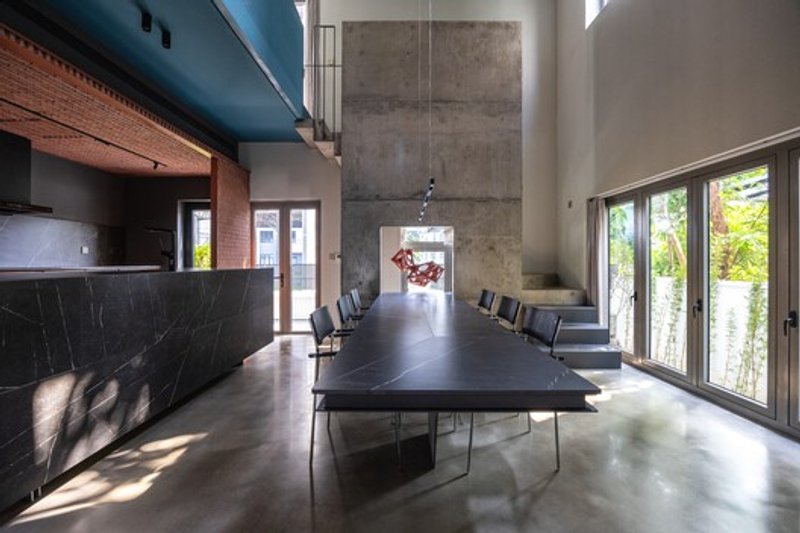
The redesign centers on transforming the interior through varied and staggered floor levels, creating a new spatial rhythm that breaks free from the rigidity of the original plan. TOOB STUDIO restructures circulation into a flexible, layered pathway, allowing rooms to relate to one another visually and physically across different planes.
This strategy introduces:
- Fluid transitions between functions
- Enhanced interaction between living spaces
- A renewed sense of depth and openness
Without altering the building’s external envelope, the interior becomes a dynamic vertical landscape, offering residents both functional flexibility and emotional richness.
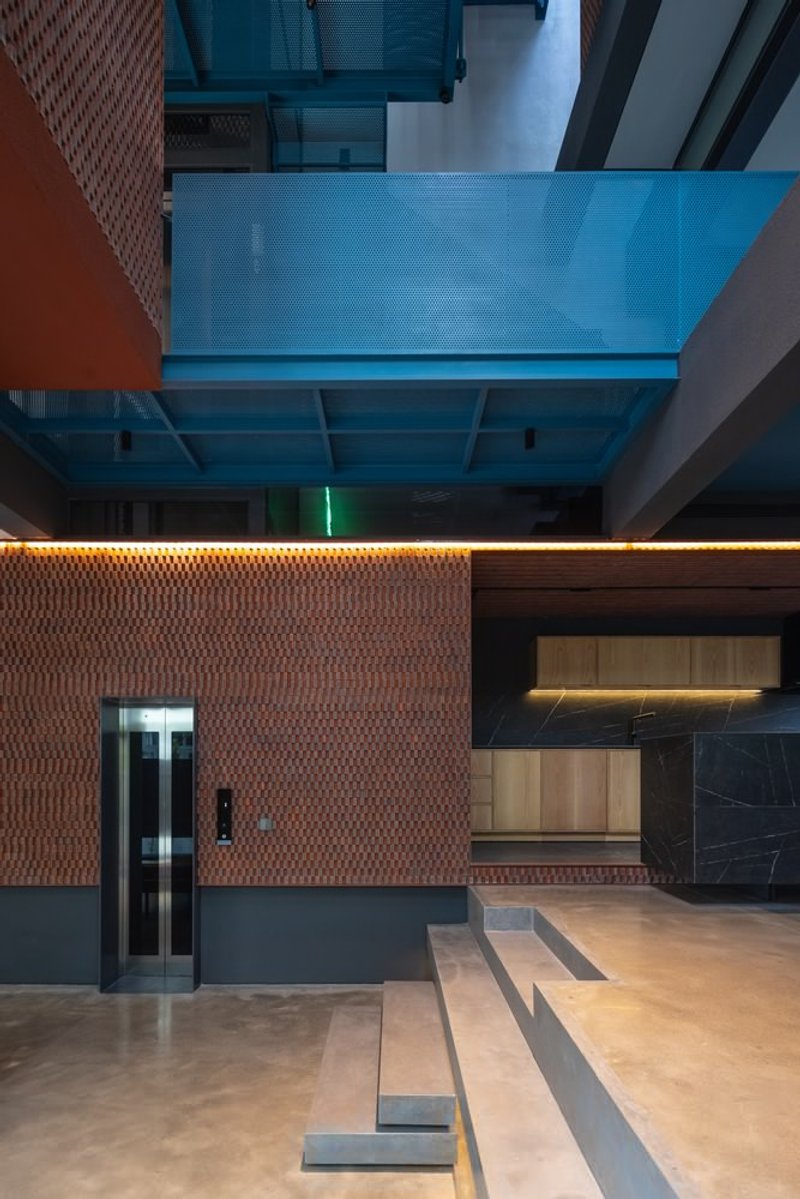
Material Harmony and Light as an Architectural Medium
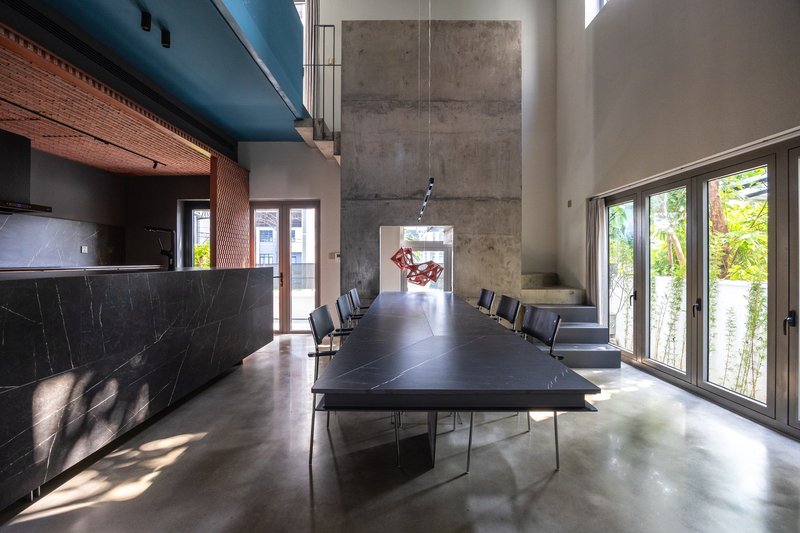
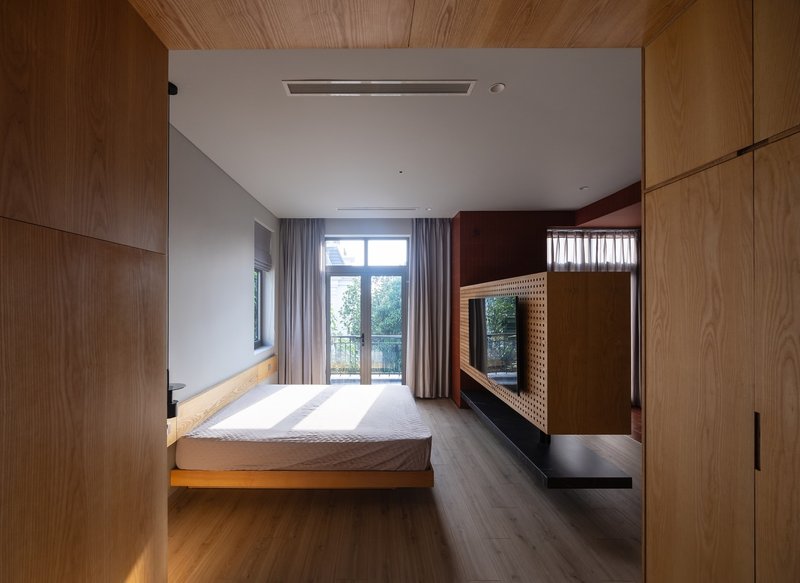
The atmospheric quality of B.RED House is shaped by a thoughtful palette of natural materials—fired brick, steel, timber, and exposed concrete. These elements create a warm, tactile environment that contrasts with the neighborhood’s repetitive exterior character.
Light is used as a compositional instrument, filtering across textured surfaces and animating each level of the house. The interplay of shadows, earthy tones, and material depth generates a calming equilibrium, reinforcing a sense of inner stillness within a dense urban setting.
A Quiet but Transformative Architectural Gesture
Rather than rejecting the uniformity imposed by its context, B.RED House demonstrates how interior architecture can transform standardized urban housing. Through careful reorganization, material expression, and layered spatial sequencing, TOOB STUDIO creates a living environment that balances individuality with community cohesion.
All photographs are works of Triệu Chiến



Popular Articles
Popular articles from the community

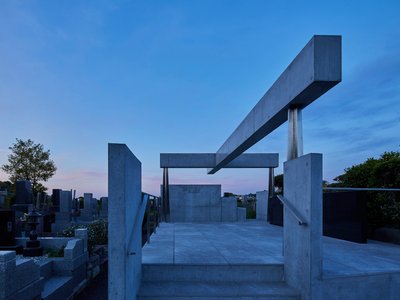
Takeshi Hosaka Architects Suspends a Concrete Cross Above a Yokohama Cemetery
A 28-square-meter burial renovation in Yokohama lifts the symbol of resurrection into the sky so mourners see it against heaven.

20 Most Popular Office Building Projects of 2025
From biophilic workspaces in India to net-positive energy offices in New Delhi, 20 office building projects that defined architecture in 2025.
Bernardes Arquitetura Stretches a Timber Roof Along a Reservoir's Edge in Minas Gerais
Dam House in Itaúna lets a sweeping wooden canopy dissolve the boundary between hillside terrain and open water.
RDTH architekti Rips Out Nearly Every Wall in a Prague Apartment and Replaces Them with Furniture
A 101-square-meter post-war flat in Prague trades rigid partitions for a single rotated furniture block, curtains, and glass concrete.

Similar Reads
You might also enjoy these articles
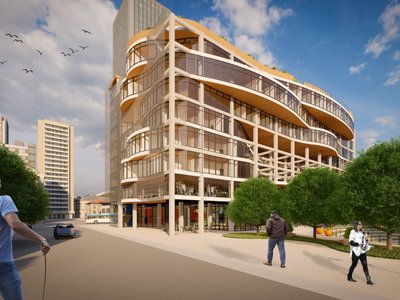
Olio Towers: A Mid-Rise for Performers That Fuses Housing, Rehearsal, and Stage
Located blocks from Houston's Theater District, this modular tower stacks living units around a central performance atrium.
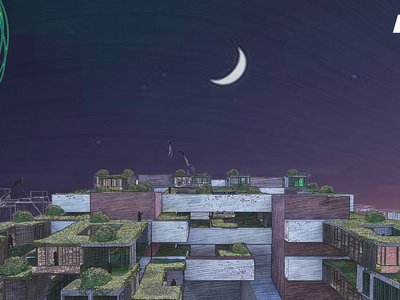
Oasis: Modular Green Housing Carved into Dhaka's Urban Fabric
A shortlisted Plugin Housing entry reclaims unauthorized settlements in Dhaka with stepped concrete volumes, green roofs, and ventilation-driven design.

Black Hole: A Floating Megastructure for the Post-Physical Era
Emiliano Mazzarotto envisions a spherical, self-scaling arena where e-sports, digital hotels, and holographic stadiums replace traditional public space.
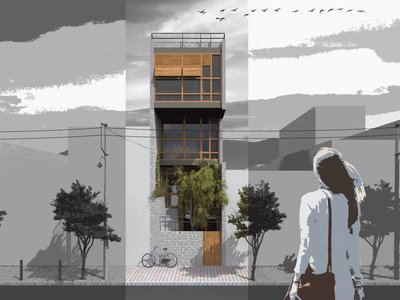
Compact & Sustainable Living in Piraeus: A Four-Level Family Home Built Around Light and Air
A narrow townhouse in one of Greece's densest port cities uses a central atrium and passive strategies to house three generations under one roof.


Explore Architecture Competitions
Discover active competitions in this discipline




The International Standard for Design Portfolios


The Global Benchmark for Architecture Dissertation Awards


The Global Benchmark for Graduation Excellence


Challenge to reimagine the Iron Throne
Comments (0)
Please login or sign up to add comments
No comments yet. Be the first to comment!