

BREEZZE Market by Dispacement Architectural Design: Reviving Urban Spaces Through Community Market Architecture
An architectural transformation that redefines urban podiums through community market design, revitalizing neighborhoods with social and commercial synergy.


Reimagining Podium Spaces with Human-Centered Design
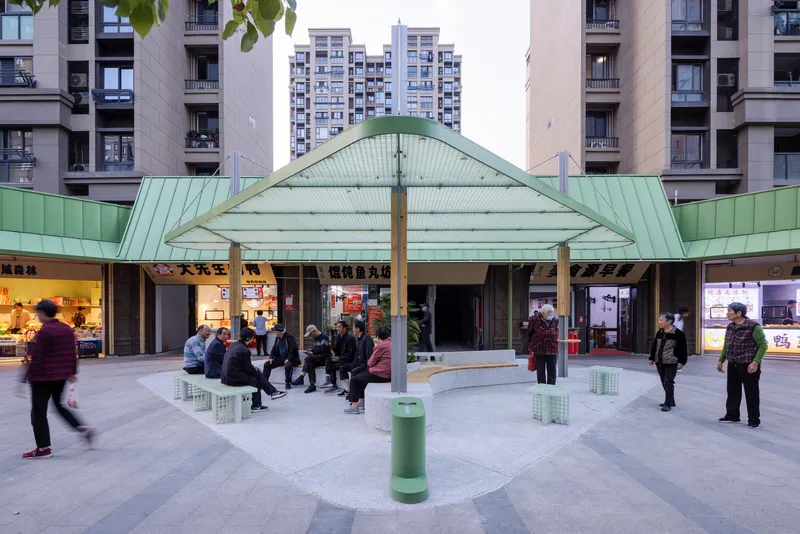
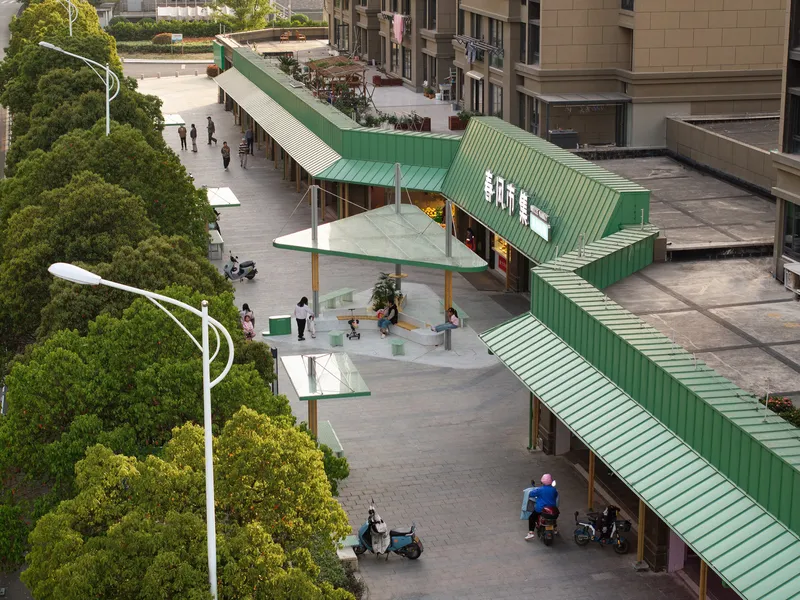
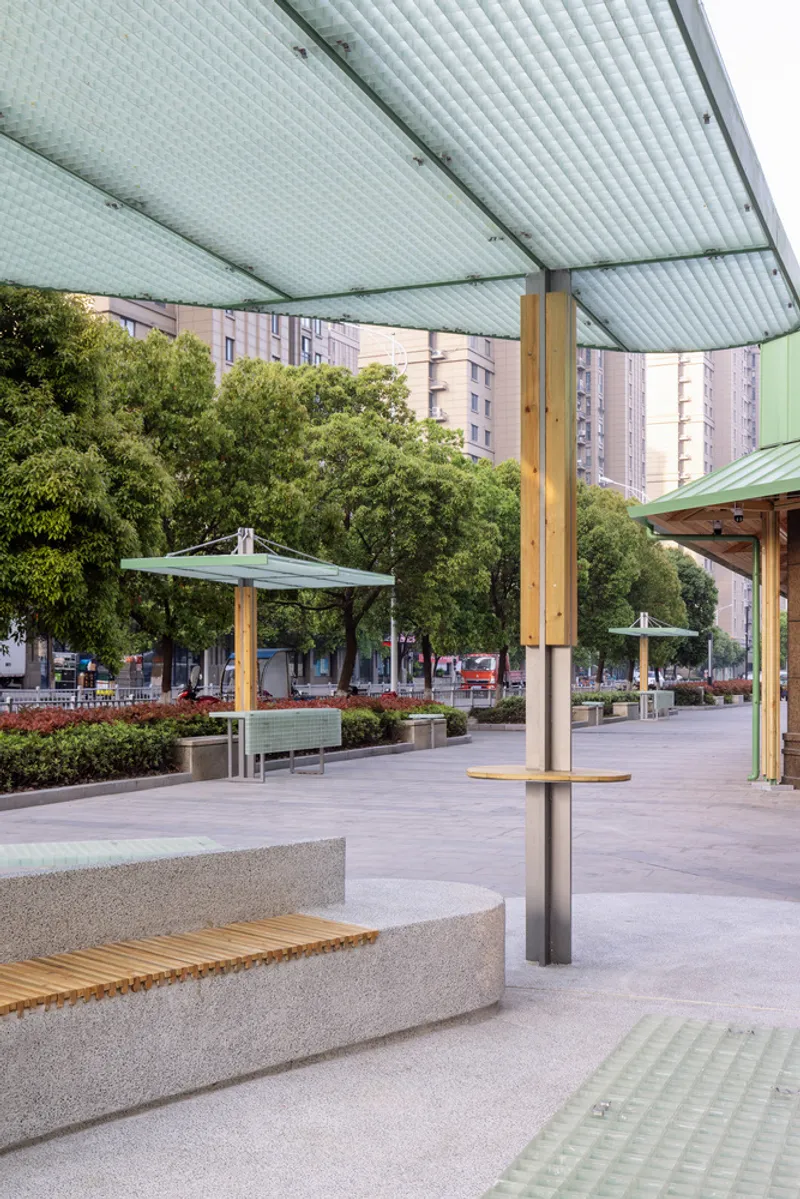
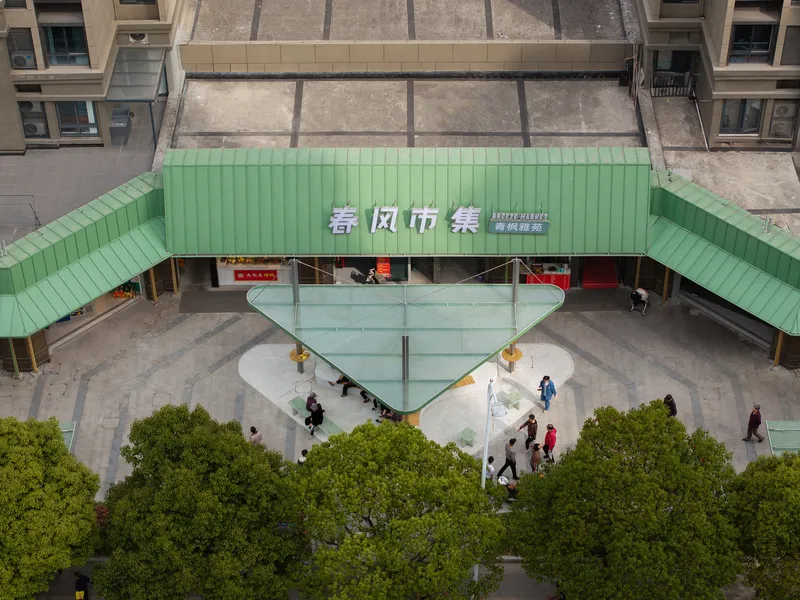
In the heart of Ningbo’s Jiaochuan Subdistrict in Zhenhai District, BREEZZE Market by Dispacement Architectural Design offers a compelling model of community market architecture—a revival strategy for underutilized podium commercial spaces amid shifting retail habits and the growth of e-commerce. With 1,700 square meters of reimagined public and commercial space, the project breathes new life into an area formerly marked by stagnation. The architects recognized that understanding local demographics—largely comprised of elderly residents and relocated communities—was essential to reactivating the urban space.
Integrating Lifestyle, Commerce, and Public Leisure
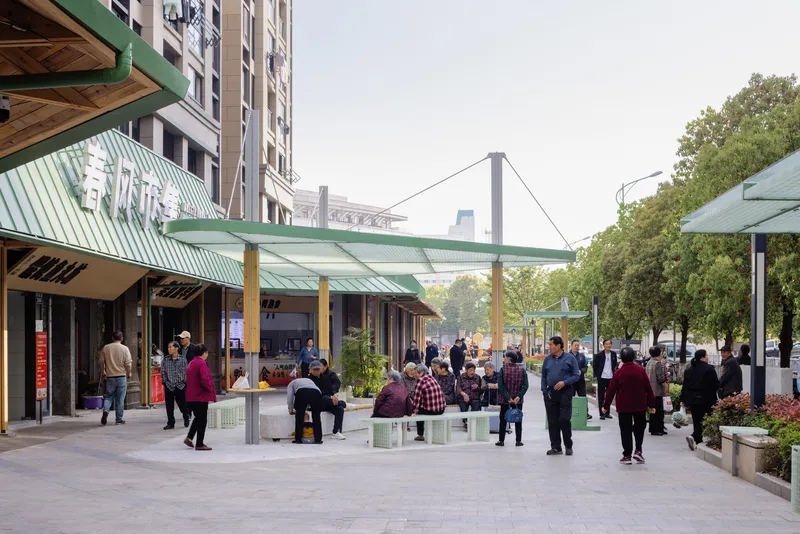
Faced with the decline of traditional retail formats, Dispacement Architectural Design introduced not just a fresh market but an entire ecosystem of public interaction, focusing on lifestyle-based programming. This included pocket parks, semi-outdoor seating areas, and adaptable stalls that reflect the vibrancy of rural street markets from childhood memories. Rather than imposing a rigid marketplace, the project enables flexible uses, empowering vendors to determine their own presence and fostering organic community connections. The market becomes not only a shopping destination but a social commons.
Reestablishing Urban Connectivity Through Design
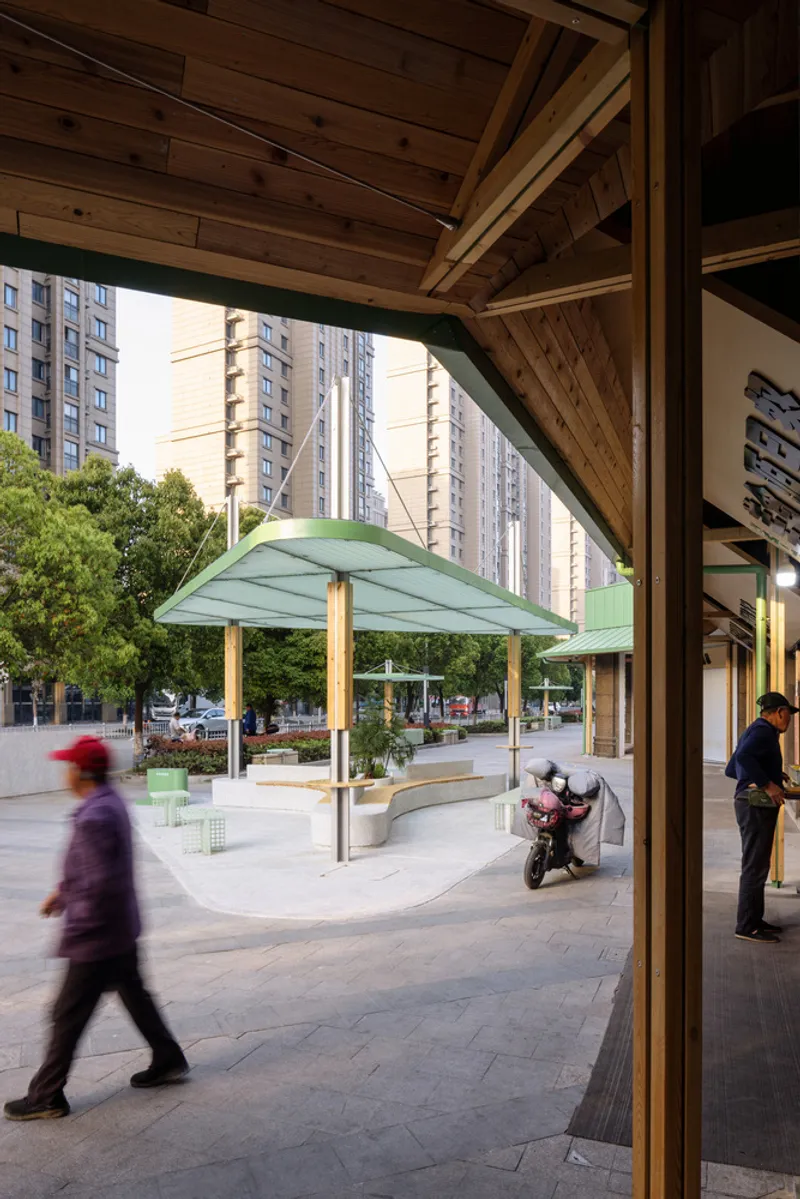
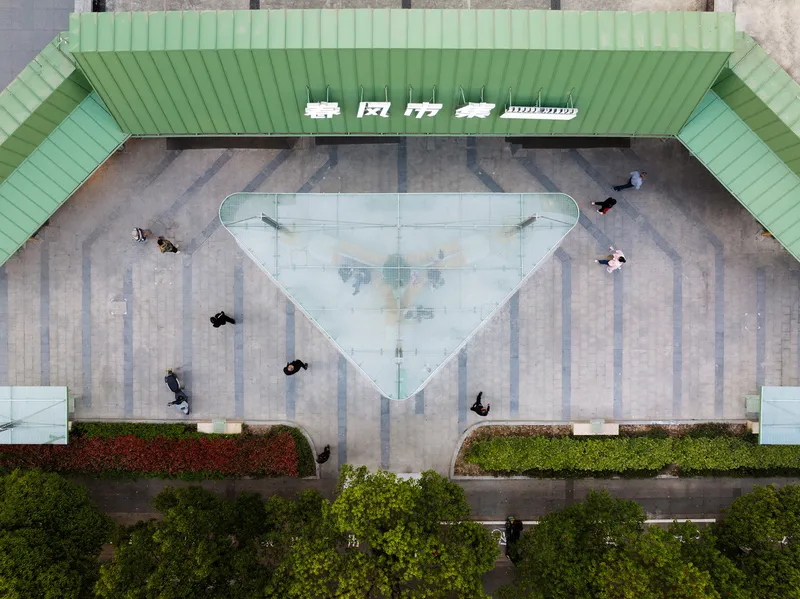
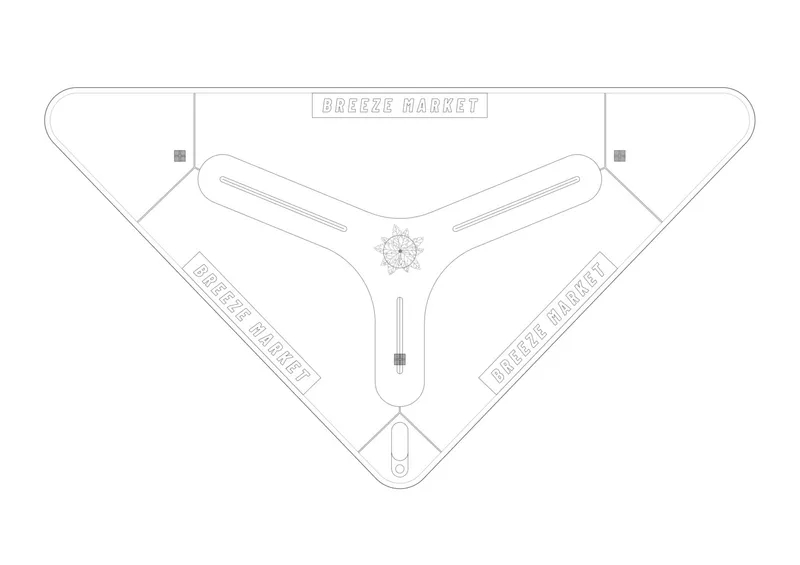
The project centers on the theme of "connection." This refers to both physical connectivity—new architectural elements linking shops to public space—and the social dynamics between merchants and residents. The design reinterprets the "village entrance" as a multifunctional gathering space where people meet, converse, and engage in daily rituals. Here, shopping for vegetables, sipping wonton soup, or sunbathing becomes part of a collective, lived experience.
A Strategy of Minimal Intervention and Rapid Impact
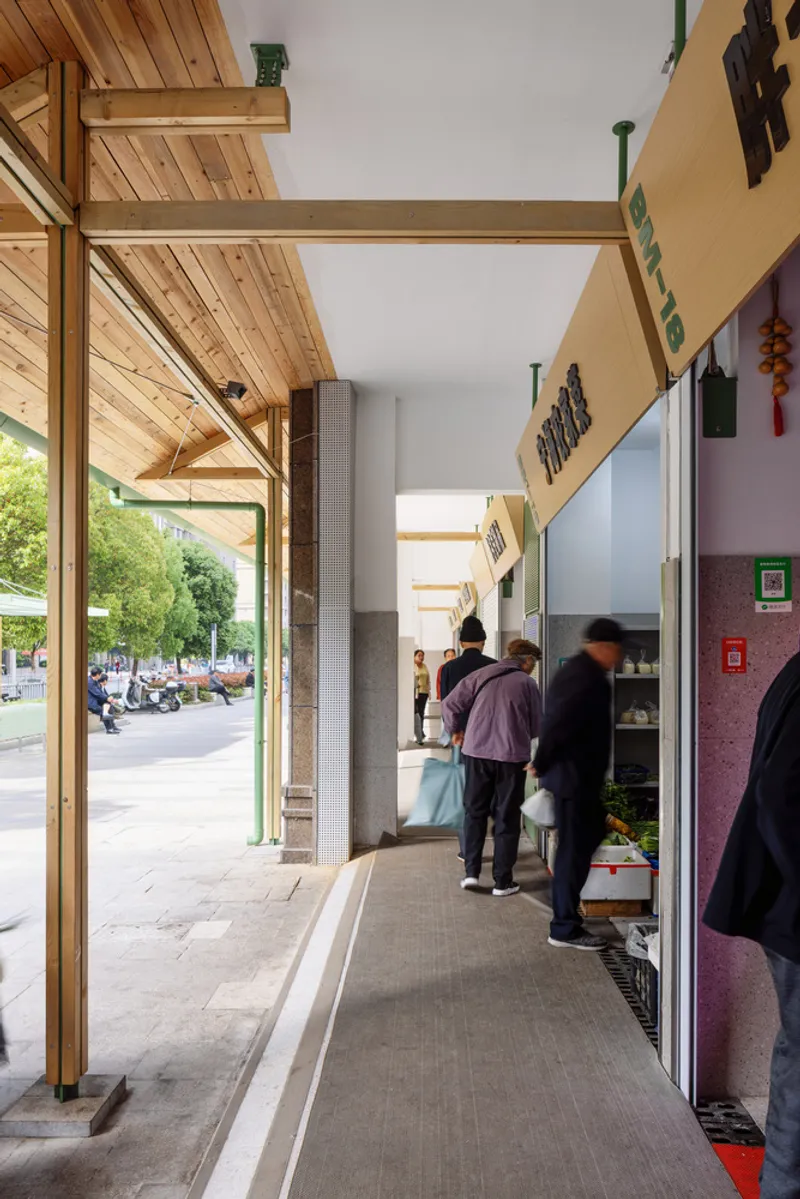
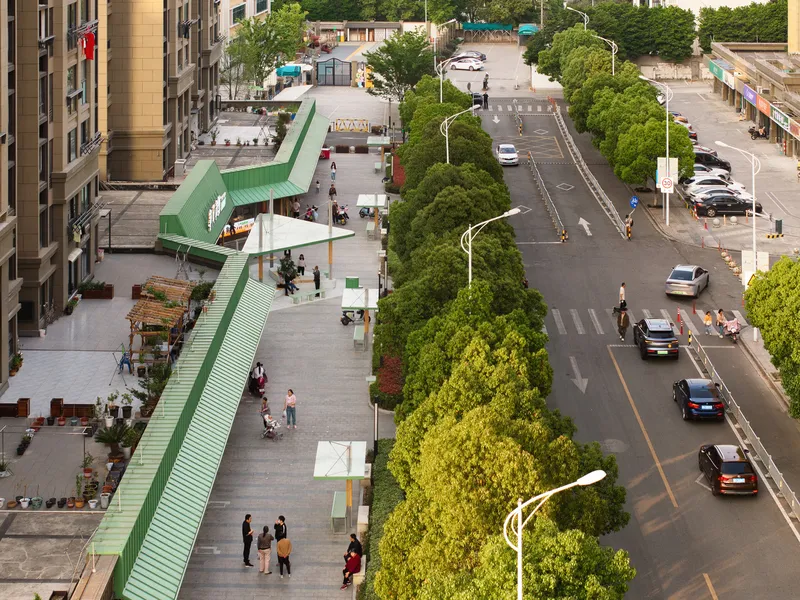
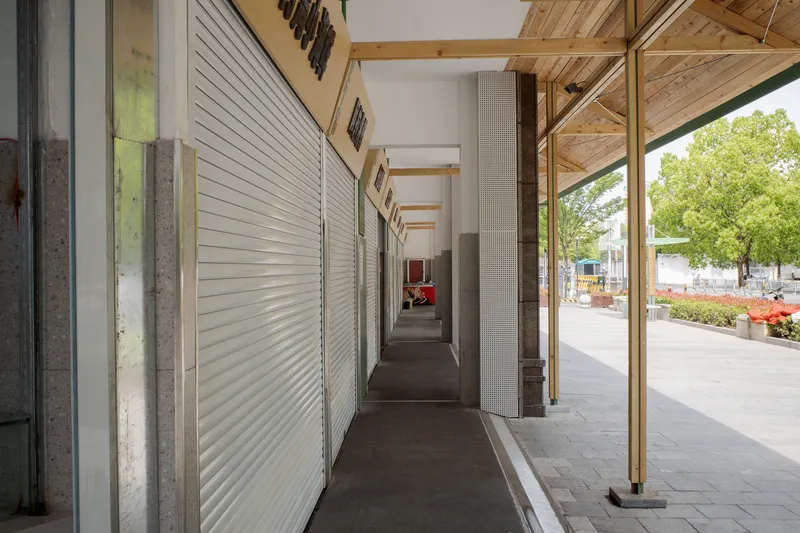
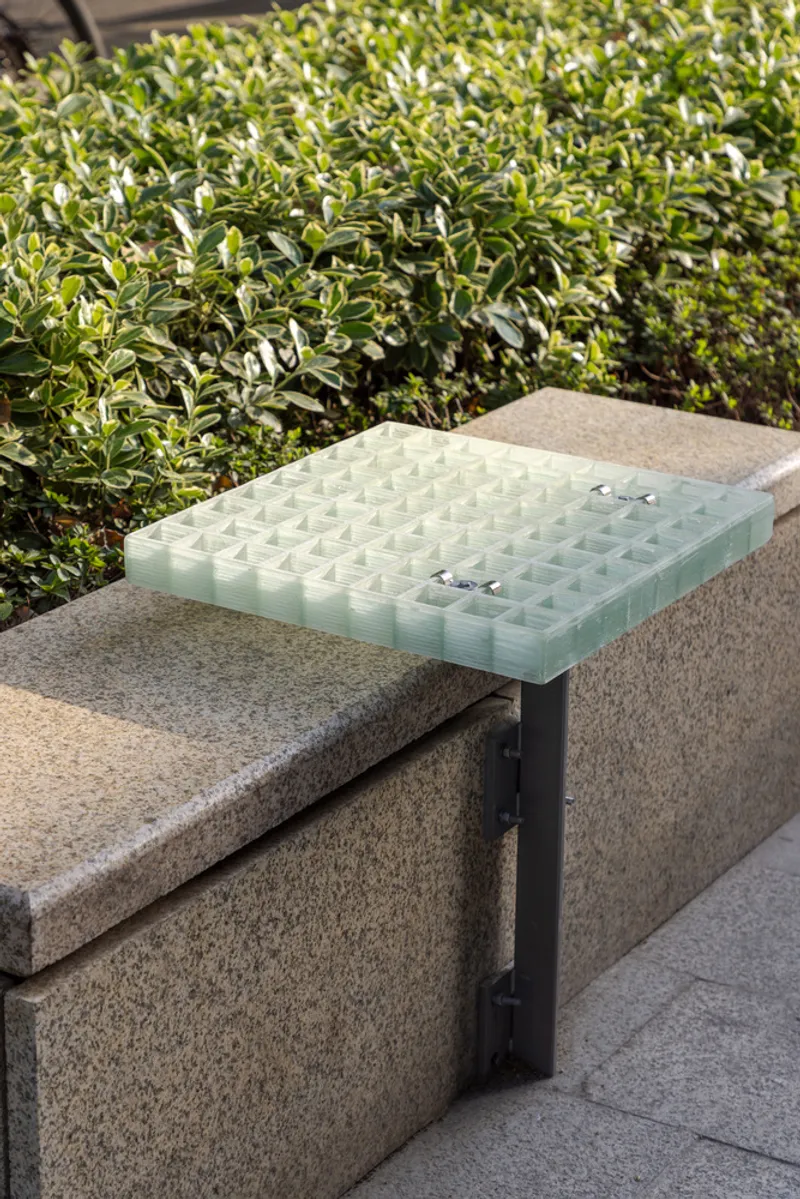
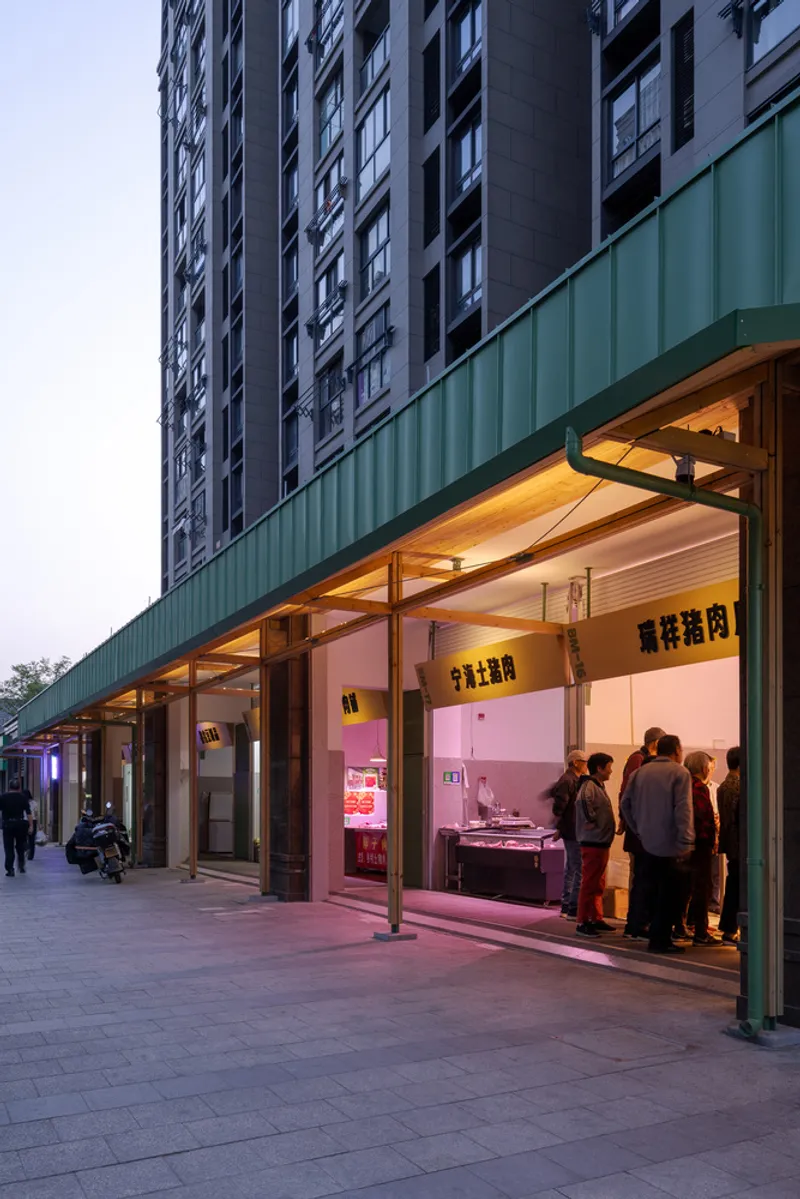
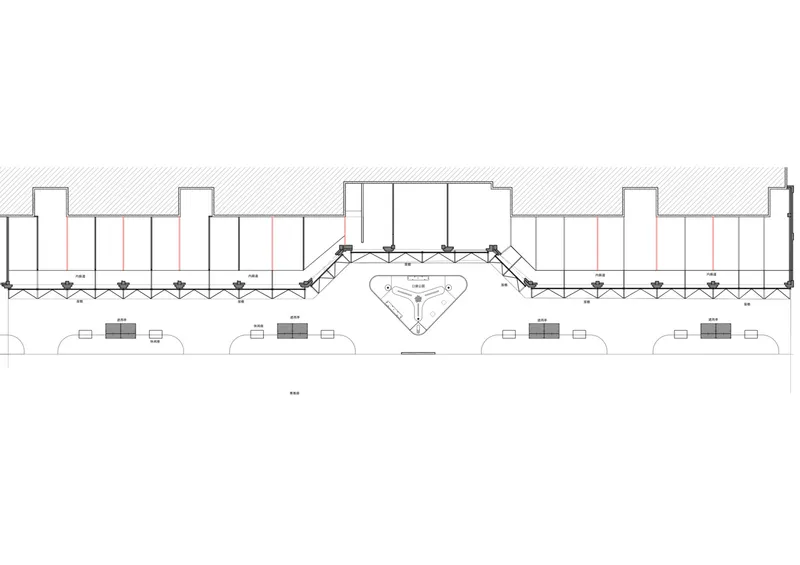
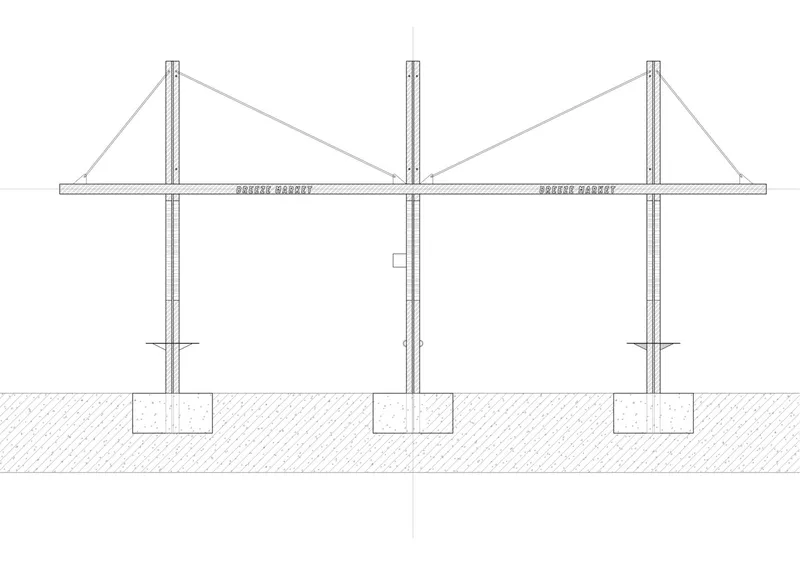
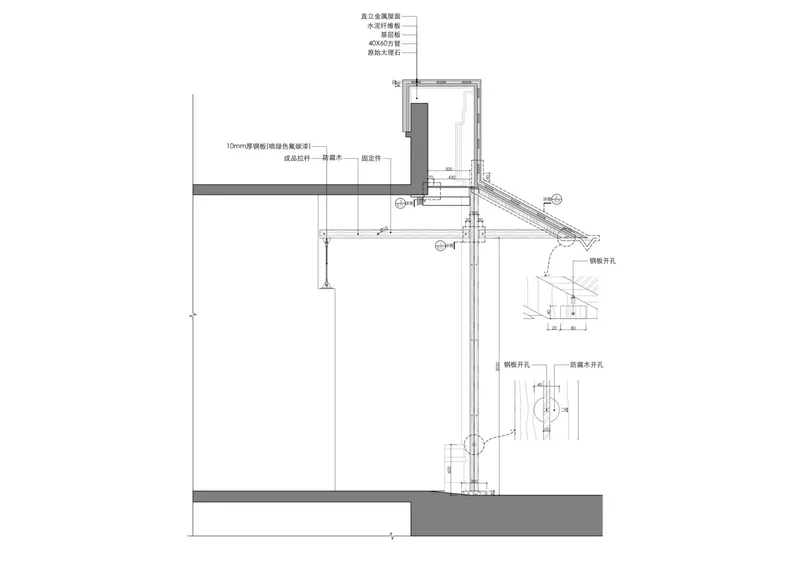
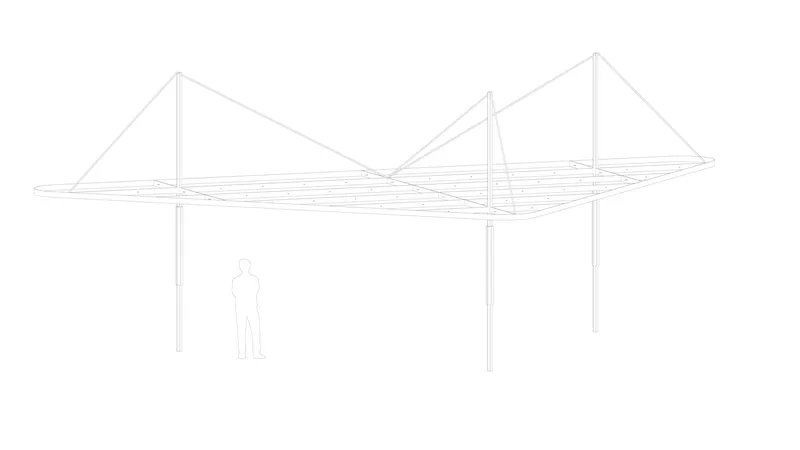
One of the defining strategies of BREEZZE Market is minimal intervention with maximum effect. The first phase, spanning 770㎡ of commercial space, was completed in just 25 days using 70% prefabricated elements. A new 1.5-meter cantilevered roof formed a 3-meter-wide semi-outdoor corridor that seamlessly connects indoor shops with the public street. The second phase subtly introduced foldable tabletops, rain shelters, and stone bench modifications, improving usability without heavy structural alterations. This restrained yet thoughtful approach underscores a sustainable model for urban renewal.
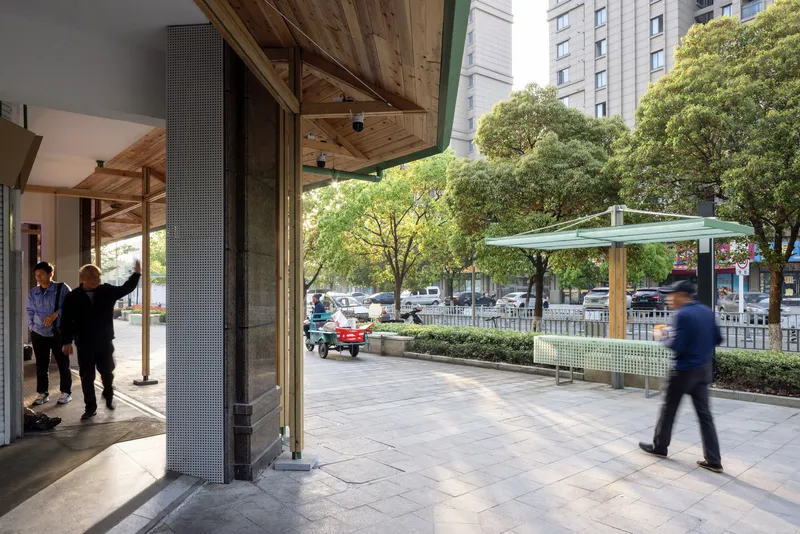
Light Materials and Spatial Sensitivity
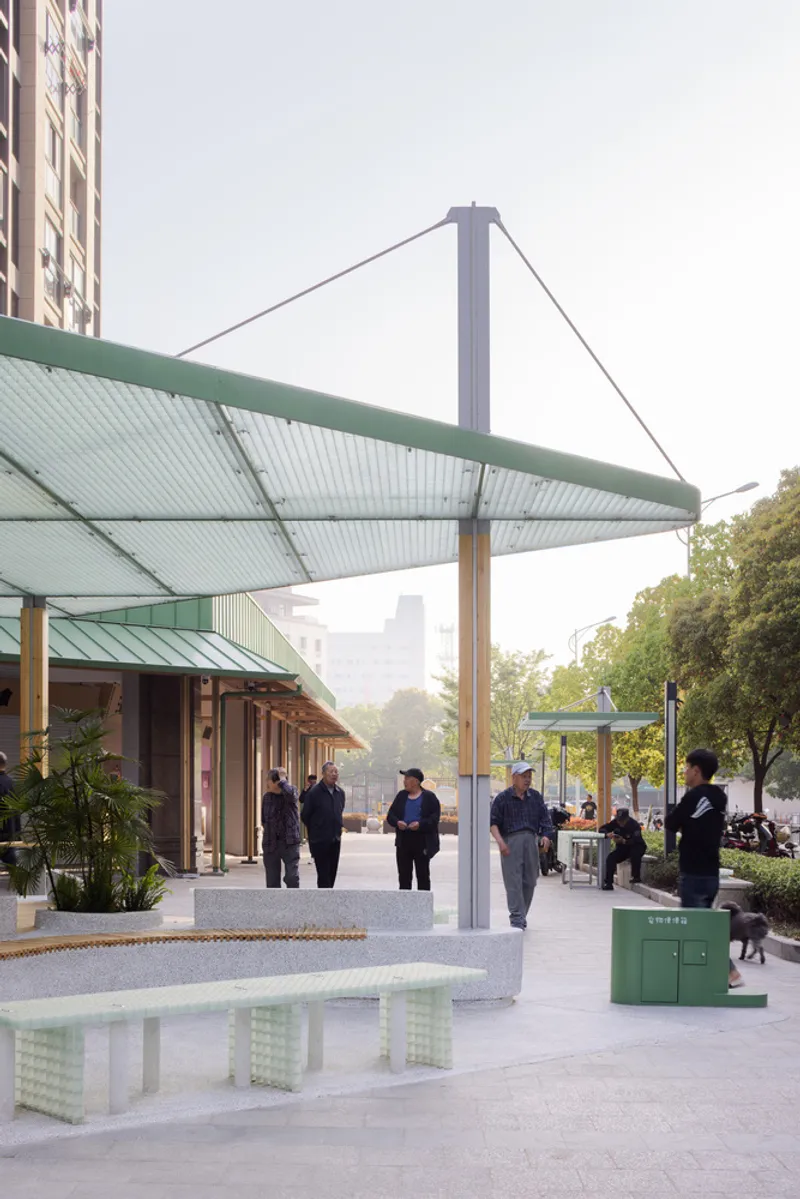
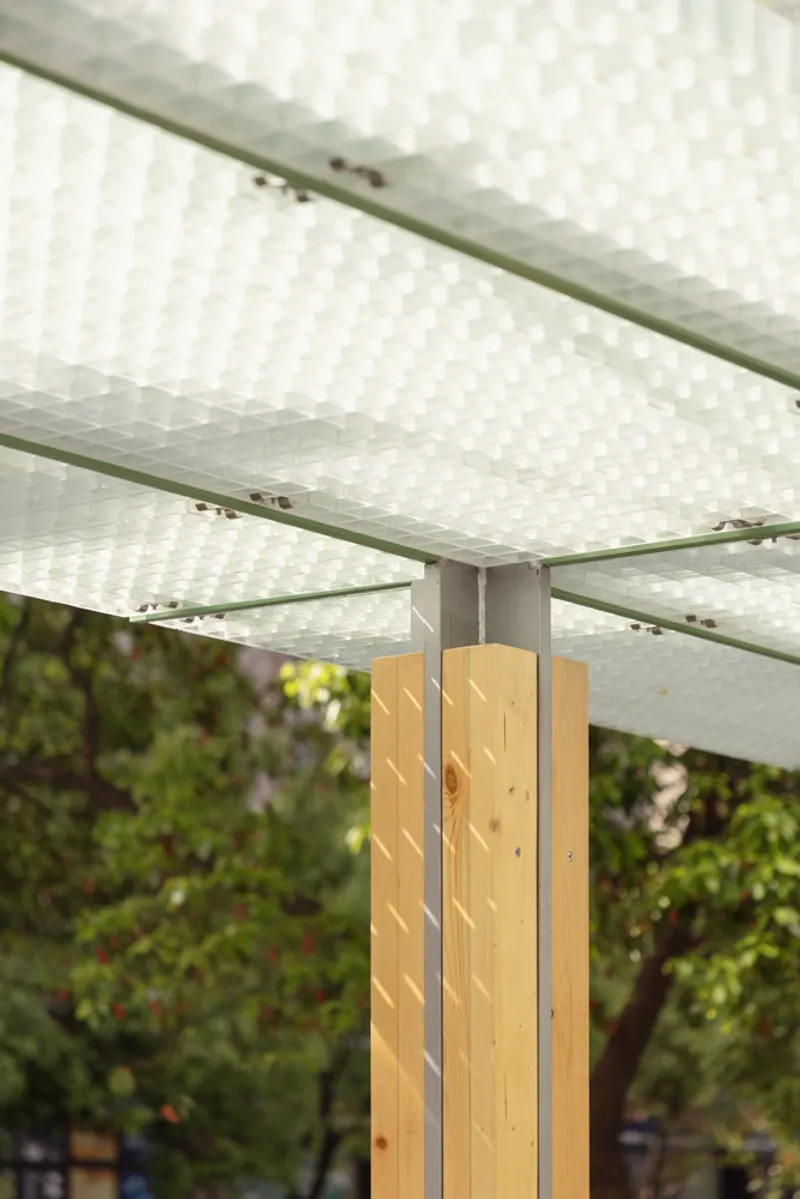
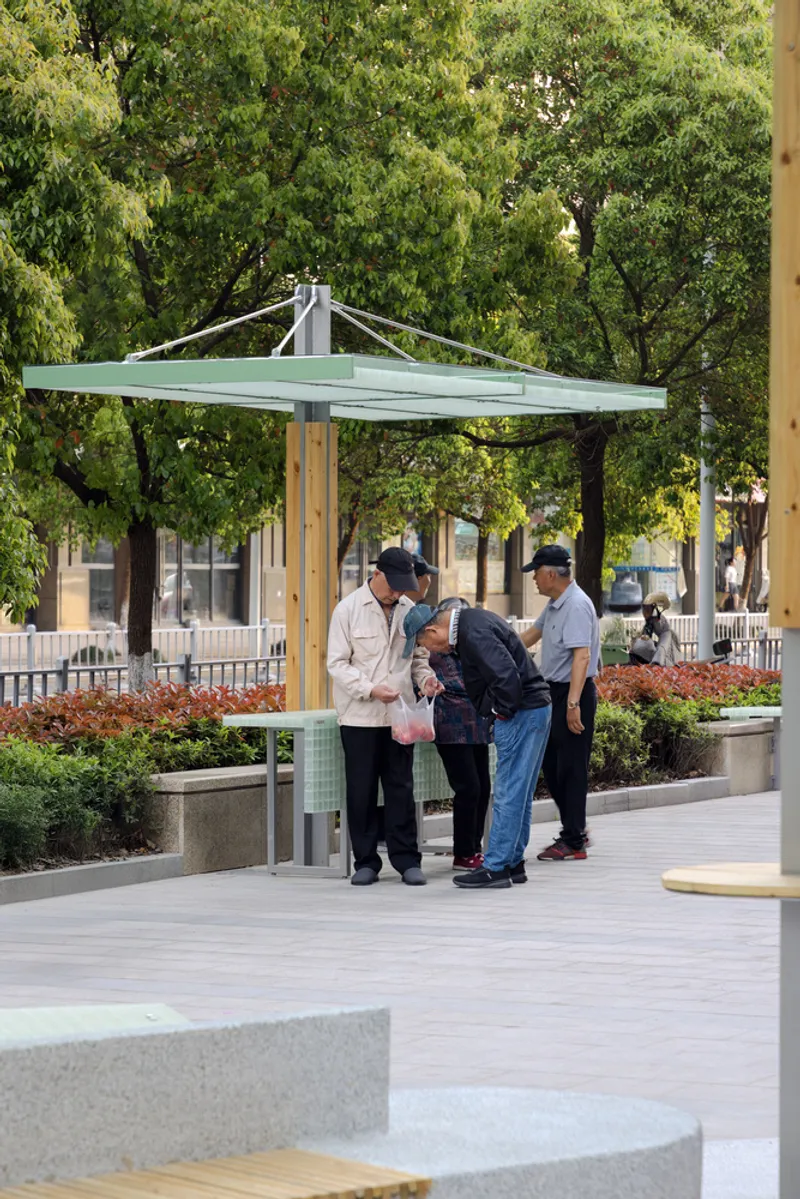
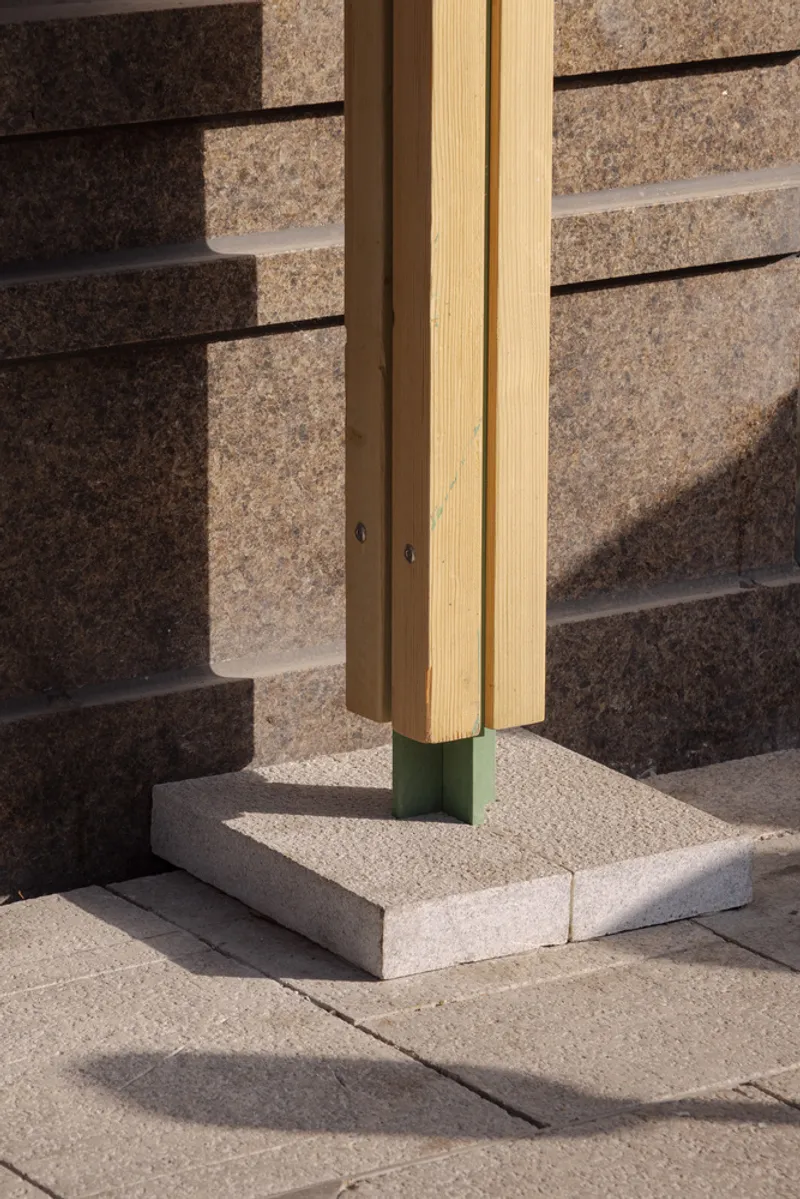
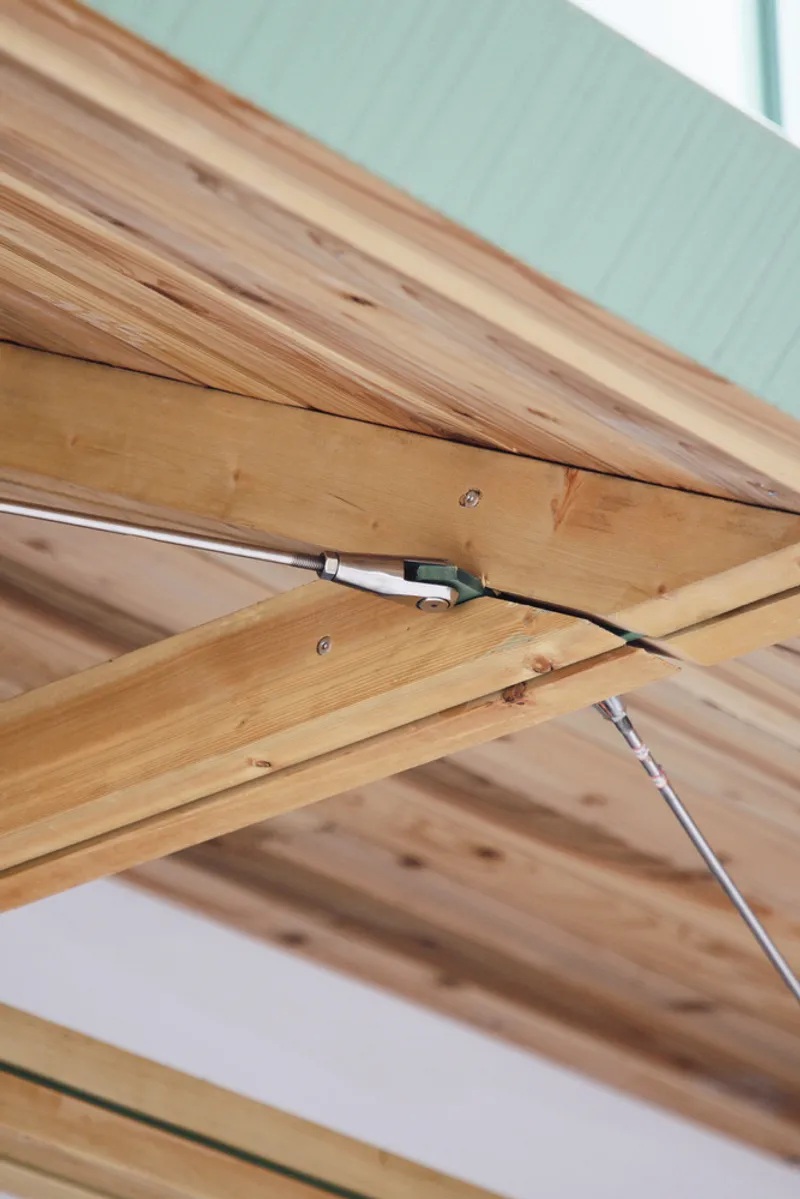
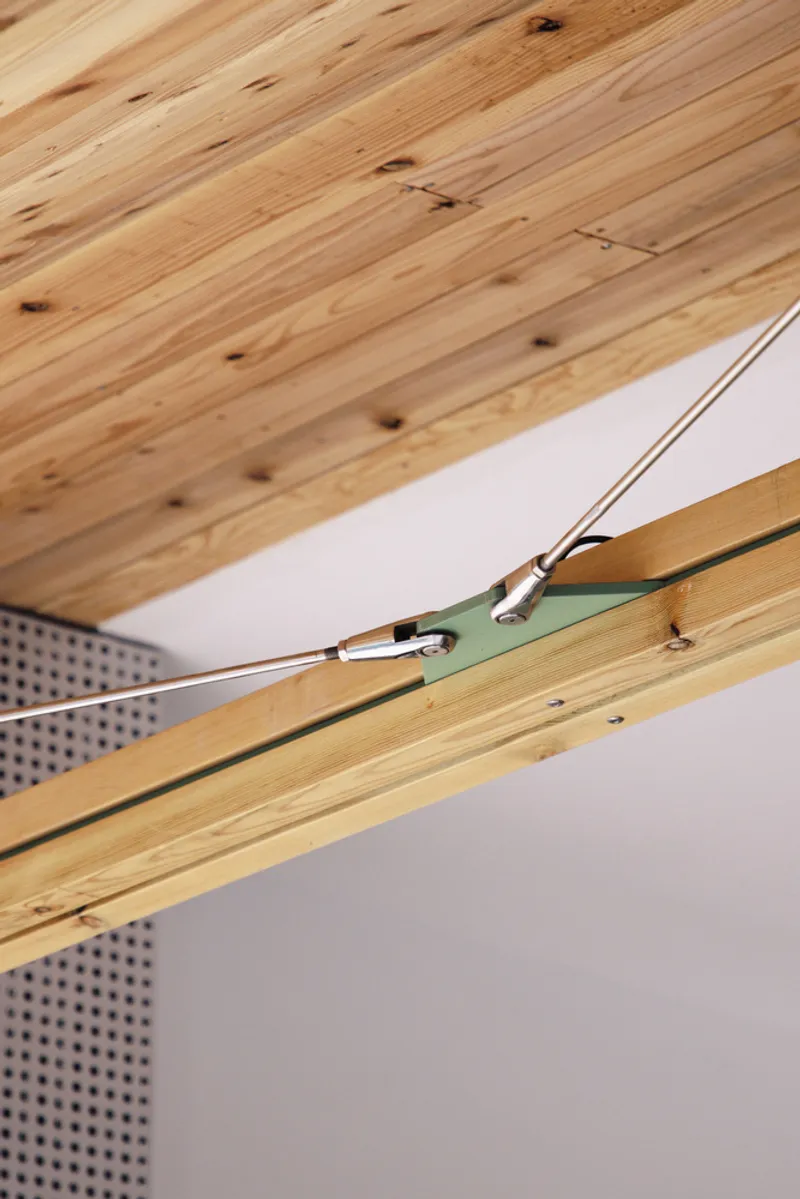
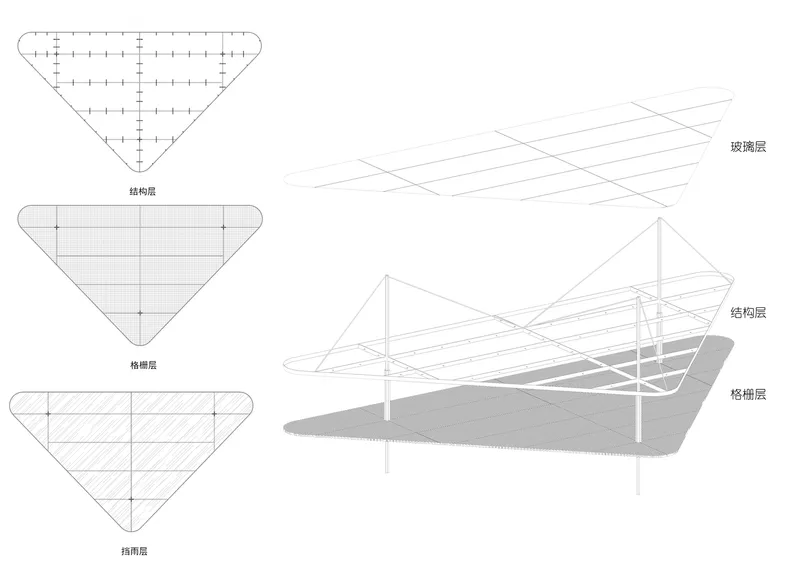
Architecturally, the project celebrates lightness—both visually and structurally. Rain canopies constructed with FRP grating and laminated glass soften sunlight while opening up sky views and minimizing surrounding clutter. Steel tension rods and cross-frames enhance the minimalist aesthetic. Seating areas, shaped like darts, blend washed stone and wood, and are strategically placed away from main traffic paths. These design choices offer elderly residents spaces of comfort and psychological safety, encouraging rest and informal interaction.
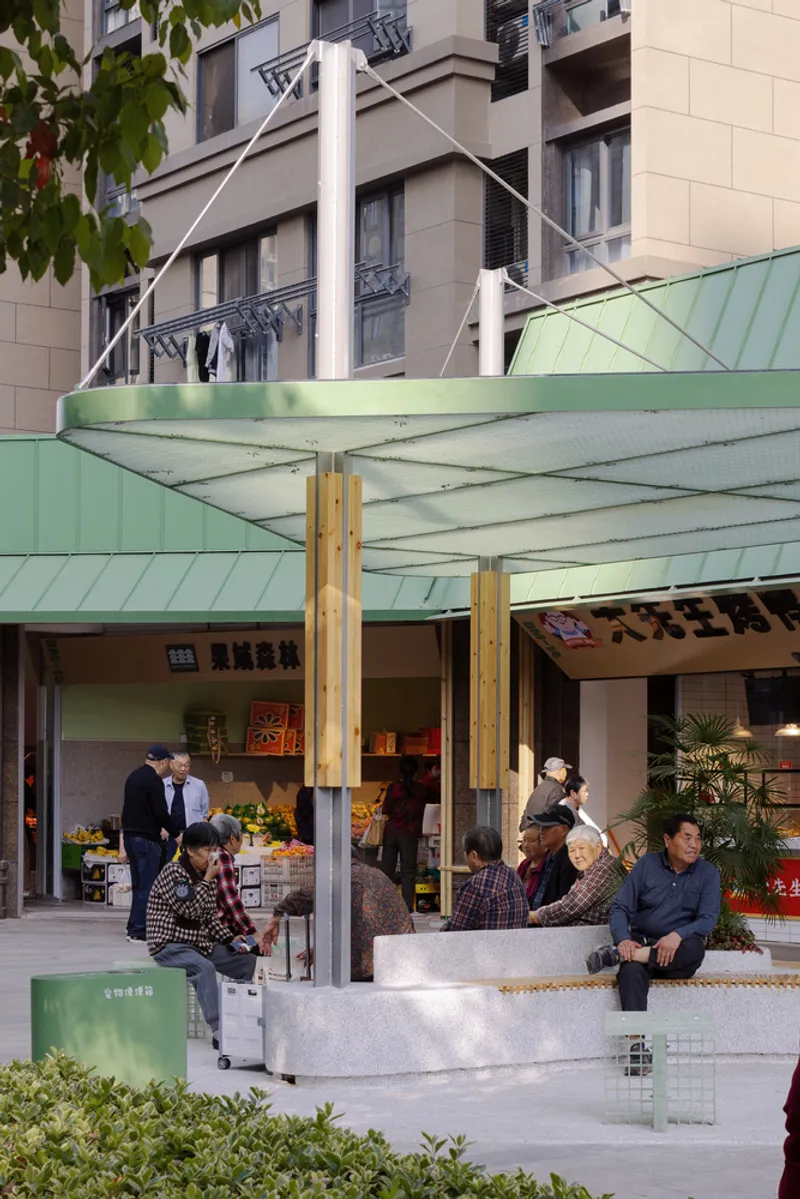
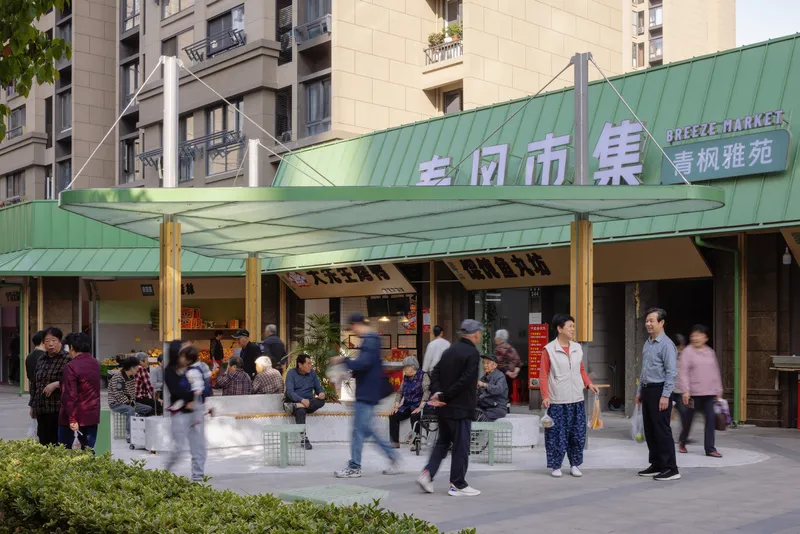
Building Neighborhood Identity Through Shared Experience
More than a market, BREEZZE represents the reconstruction of neighborhood culture. Casual exchanges about daily goods evolve into meaningful relationships. Over time, strangers become familiar faces, then neighbors, then community anchors. This transformation from transactional to relational space redefines what a market can be in the 21st-century urban context. Through the lens of community market architecture, the project demonstrates how thoughtfully designed shared environments can catalyze not just economic but also emotional and cultural revitalization.
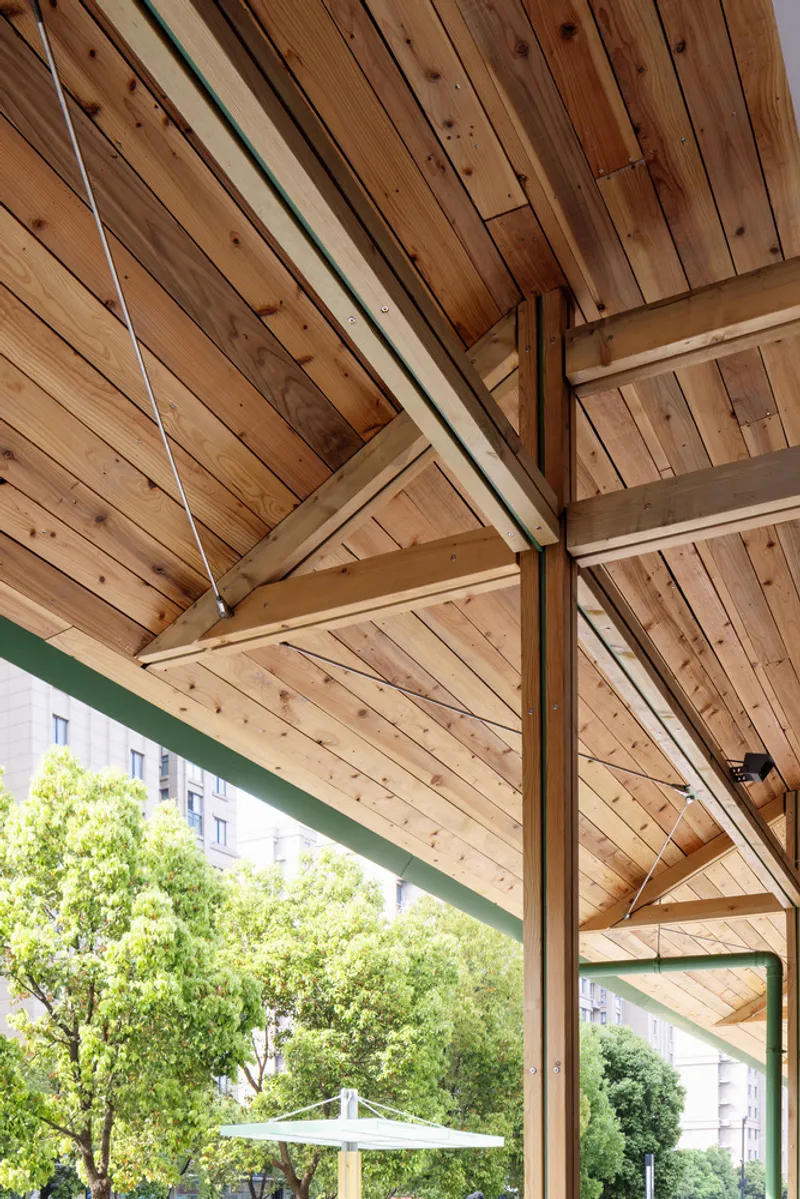
From Desolate Podiums to Active Public Realms
BREEZZE Market exemplifies how architecture can address contemporary challenges by reconfiguring declining podium structures into dynamic, community-oriented environments. High-saturation colors on façades attract attention and foot traffic, while the underlying infrastructure provides durable, adaptable solutions for long-term use. Rather than becoming obsolete relics, these podiums are reimagined as hybrid social and commercial spaces that restore relevance and joy to everyday urban life.
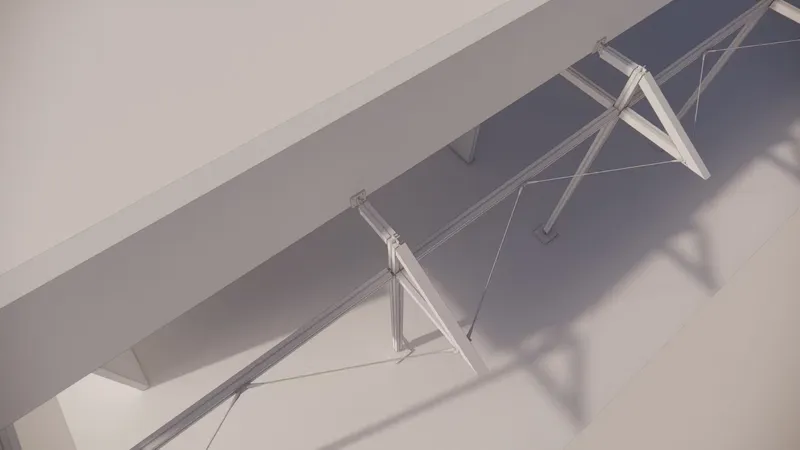
All Photographs are works of Wongke


Popular Articles
Popular articles from the community


Temporary Home for Dogs: A Reversed Zoo Rethinks Animal Shelter Architecture
In Bucharest, a sinuous corridor and freed landscape flip the logic of containment, designing a shelter that works to make itself unnecessary.

Opera by the Sea Estonia: Three Shells Dissolving Architecture into Tallinn's Coastline
A winning opera house proposal replaces monumental form with interconnected shells that blur the boundary between building, park and Baltic Sea.

Singing Woman: Contemporary Architecture Inspired by Estonia’s Voice and the Sea
Singing Woman turns Estonia’s song culture into flowing opera house architecture, blending public life, landscape, sea, and national memory.

Extended Shell: Retrofitting Kolkata's Balconies as Living Urban Thresholds
A modular retrofit system recovers the social and environmental intelligence of Kolkata's historic verandas for contemporary Park Street residents.

Similar Reads
You might also enjoy these articles

FAMM Arquitectura Organizes Ten Villas Around Courtyards and Jungle in Nosara, Costa Rica
El Molino pairs two elongated volumes with deep overhangs and timber louvers to build a compact coastal community five minutes from the beach.
Oscar Niemeyer's Ibirapuera Park Pavilions Define São Paulo's Cultural Identity in Concrete and Curve
A constellation of modernist volumes set within São Paulo's most important urban park, conceived for the city's 400th anniversary in 1954.
Sanjay Puri Architects Wraps a Jaipur Office Tower in Capsule-Shaped Green Buffers
A nine-level climate-responsive workplace near Jaipur Airport uses stacked planter terraces and aluminium screens to fight 40°C heat.
RHO Converts a Berlin Spree-Side Industrial Courtyard into Enkime's 1,000 m² Agency Headquarters
A social media agency's new home in Charlottenburg trades glossy branding for concrete waffle ceilings, glazed tile, and sheer curtains.

Explore Open Air Market Competitions
Discover active competitions in this discipline

Challenge to reimagine the Iron Throne

Photograph architecture without architects

Illustrate the lost glory of Angkor Wat - Render Challenge

Design challenge to reuse E-waste
Comments (0)
Please login or sign up to add comments
No comments yet. Be the first to comment!