
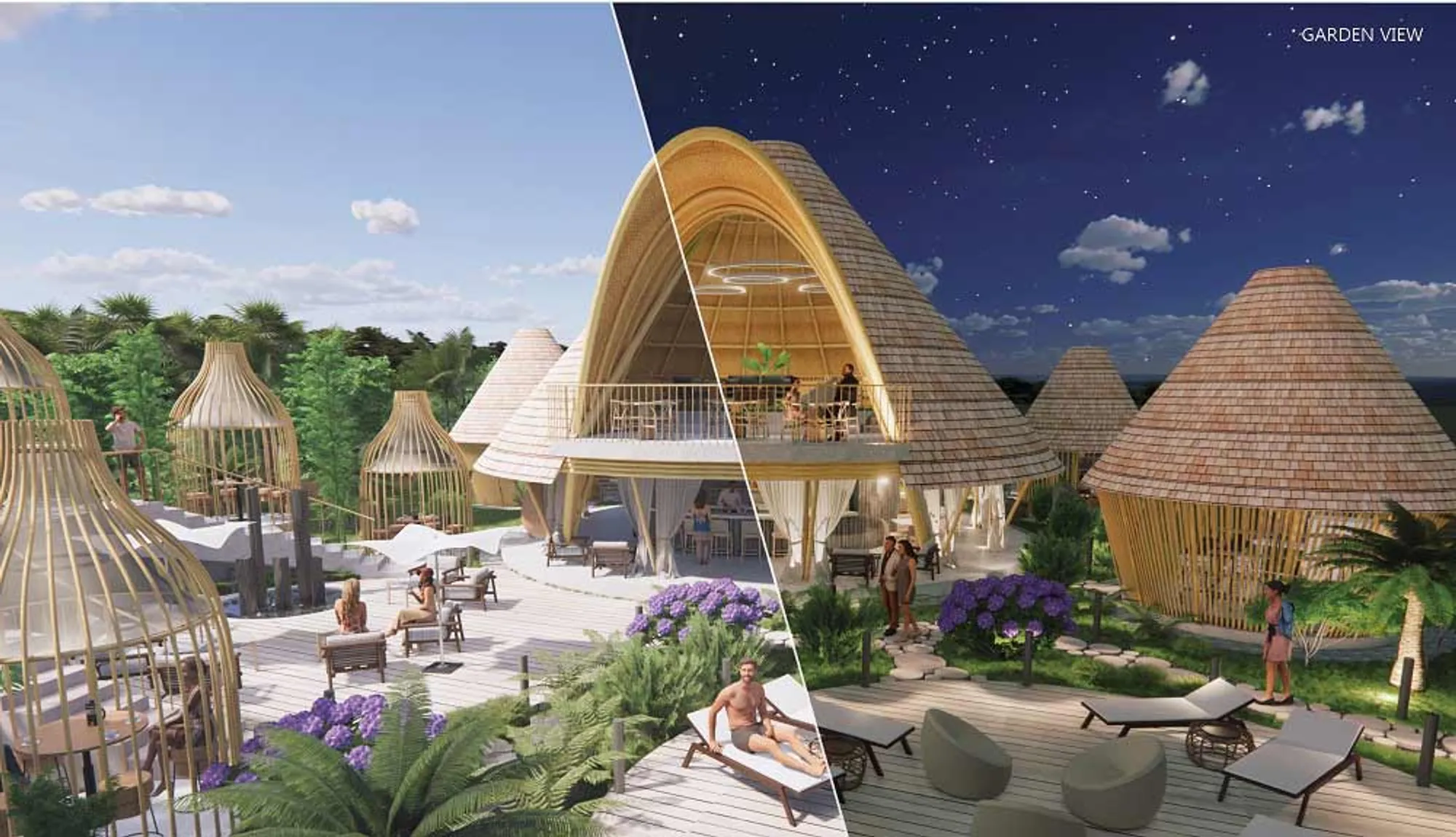
How to Brew a Cup of Bali: These projects infuse architecture with the culture of Bali in a never before approach at contextual tourism.
Brewed Bali - Architecture competition - Result Story


Culture of Coffee
Coffee plants grew in the wilderness in Ethiopia and were used by nomadic tribes for thousands of years, only until the 1400s when people figured out that they could roast its seeds. By the 1500s, the drink had spread to coffee houses across the Arab world. Coffee houses first appeared in Turkey, Syria, and Egypt as early as 1530. Since they became a hotspot for political discussions, they were banned repeatedly.
Subsequently, throughout the 1600s coffee houses began popping up across Europe and North America. The French and American Revolutions were said to have been brewed in coffeehouses. Lloyd’s of London, a major insurance company, started as a coffeehouse that was frequented by merchants and sailors.
The coffee house acted as a perfect mid-ground for a meetup, between other options like places of spiritual significance or formal restaurants. Here creativity and innovation thrived through conversations. They have long been associated with writers, artists, and intellectuals and represented a safe and comfortable space to share news, discuss philosophy or politics. This surge in innovation was not only owing to the design of the space - the physical gathering of people from different backgrounds and fields of expertise - but also to the coffee itself.
Various trends and typologies
Even after centuries, the societal functions around coffee continue to play an important role within many cultures around the world. Coffee houses or Cafes form the centre stage for the coffee culture that has been brewing through this time.
The significance of coffee houses within modern society has charted a new definition for itself. Cafe chains like Starbucks have started a new revolution by making the “cafe” culture global.
Transcending the concept of a coffee house
Coffee houses are still acting as hubs for making conversations happen, socializing, or working in solace. Cafes now have been decorated with multifunctional roles such as retail, activity centre, and attract a variety of people, ranging from tourists to locals. They collectively act as pods of a city’s identity, accumulating its crowd.
The coffee served in coffee houses may differ depending on where you are in the world, but the establishment itself conveys a sense of familiarity and understanding that can transcend borders and linguistic barriers.
A coffee house still holds a similar ideology as it did 4 centuries ago. They act as a mixture of close and open public spaces that are transitioning to give people a platform to gather for conversations or work. It can be said to be a city’s public living room and reflects their traditions in more than one way.
Brief of the competition
The challenge here was to design a Coffee House, a space that transcended the concept of cafes that we see today.
The aim of these challenges was to help participants practice micro-planning of spaces & services, translating ideas into the design of volume, furniture, and finishes. It sought to explore a coffeehouse/cafe on a beach at Bali, that embodies today’s architecture style while taking inspiration from its surrounding history.
How does a global idea of a café translate into a regionally communicating vocabulary of Bali in the context of today?
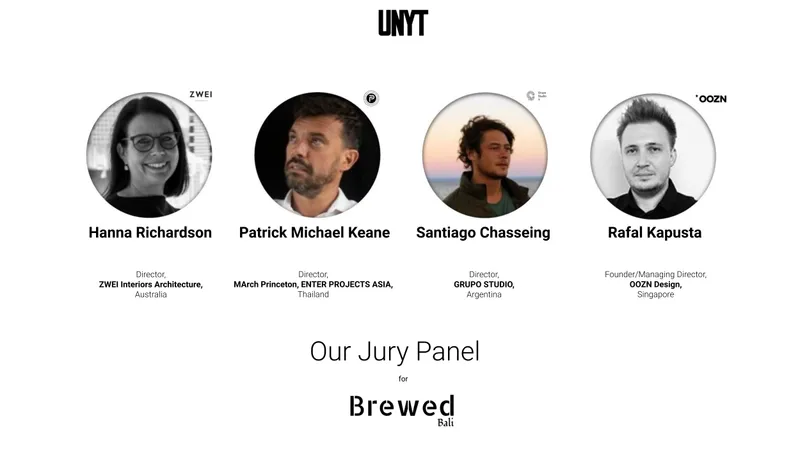
The jury for the competition consisted of esteemed designers, professionals, and academicians from around the world. The Lead Jurors for the competitions were as follows:
Hanna Richardson, Director, ZWEI Interiors Architecture, Australia
Patrick Michael Keane, Director, March Princeton, ENTER PROJECTS ASIA, Thailand
Santiago Chasseing, Director, GRUPO STUDIO, Argentina
Rafal Kapusta, Founder/Managing Director, OOZN Design, Singapore
Some of the Best of competition projects are:
Winning Project: THE HILL
By: Shamna Stranc & Akash Menon
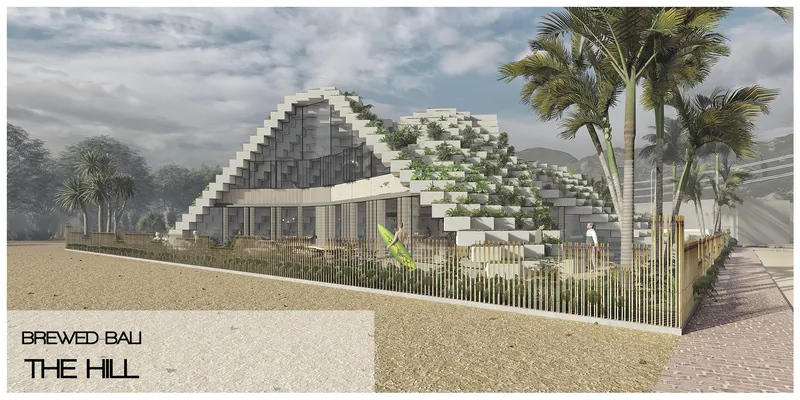
Fig: 1 Cover image
Description: A coffee house overlooking the beach along with a pavilion dedicated to holding workshops. Local artisans and craftsmen can utilize the space to conduct workshops and promote the art of the region. A small pavilion dedicated for the exhibition of handcrafted local products or for conducting workshops as well.
------------------
Runner Up: STEPPING ON THE WAVES
By: DONG QINGXIN
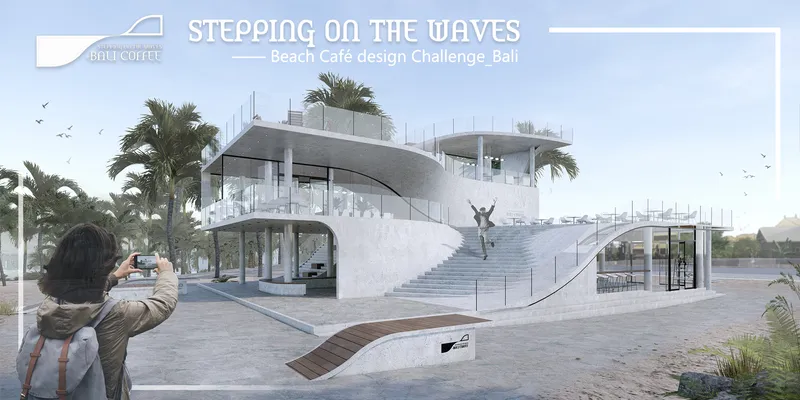
Fig: 2 Stepping on the waves cover image
Description: The purpose of this design is to construct a diversified third space place with multiple relationships between people and city, city and coast, and coast and people. As a coffee shop connecting the city and the coast, in addition to meeting the normal demand of the coffee trade, it also needs to play the role of the third space of the city.
--------------------
People’s Choice: Little Bali
By: Sirisha s, Spandana C M, Vishruthi Sudhakar & Shrreyajaidarshan Sathish
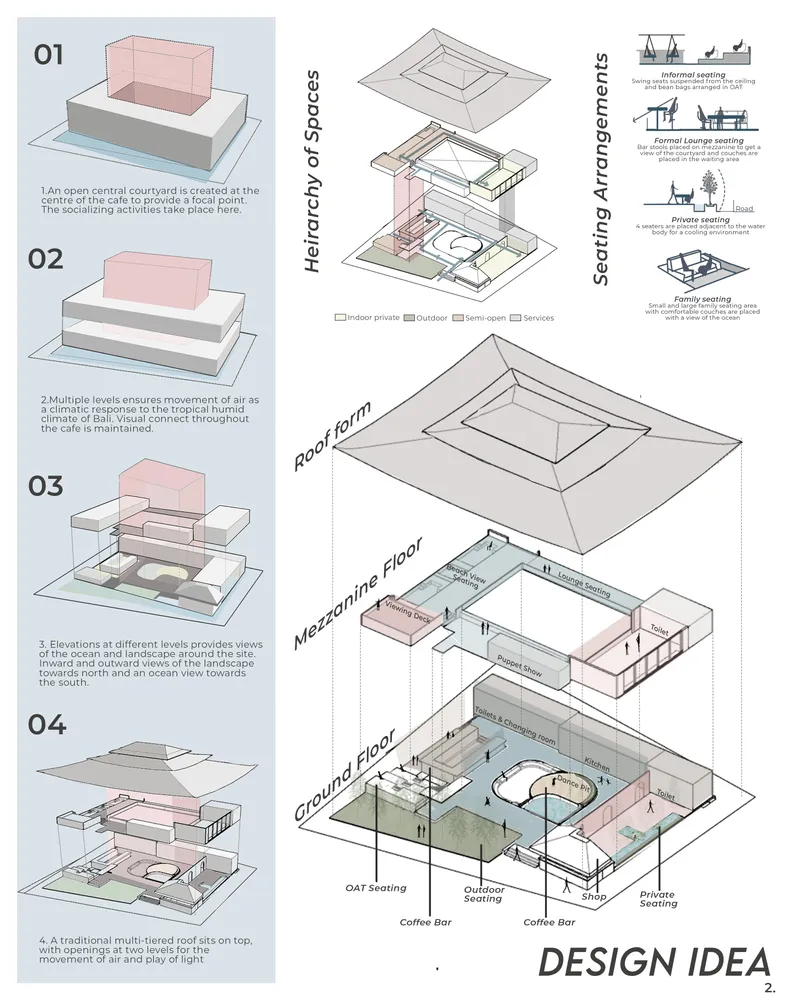
Fig: 3 Design idea
Description: A Classic Rendition.
--------------------
Editor’s Choice: Chit-Chat Café
By: Mojtaba Shirazi, Sina Safari, Alireza Adibi & Bita Erfanikia
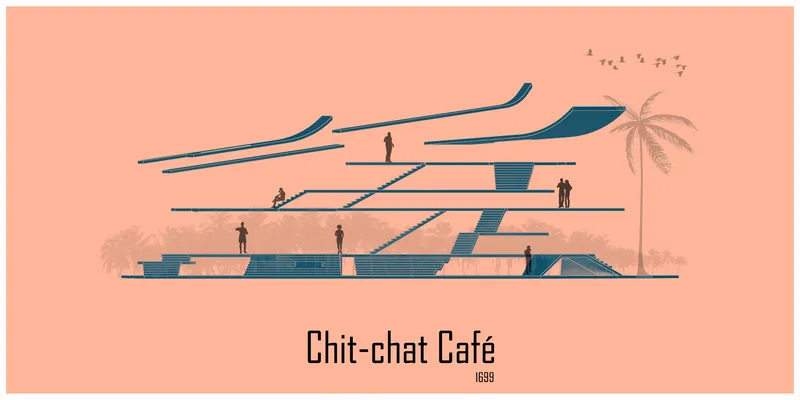
Fig: 4 Cover image
Description: A café is a living room of a city that has the characteristics of collective, urban space, and interactive space at the same time that can accommodate different tastes.
--------------------
Editor’s Choice: Belonging
By: Mohamed Abdellatif, Goncagul Aydn & Zehra Kılıç
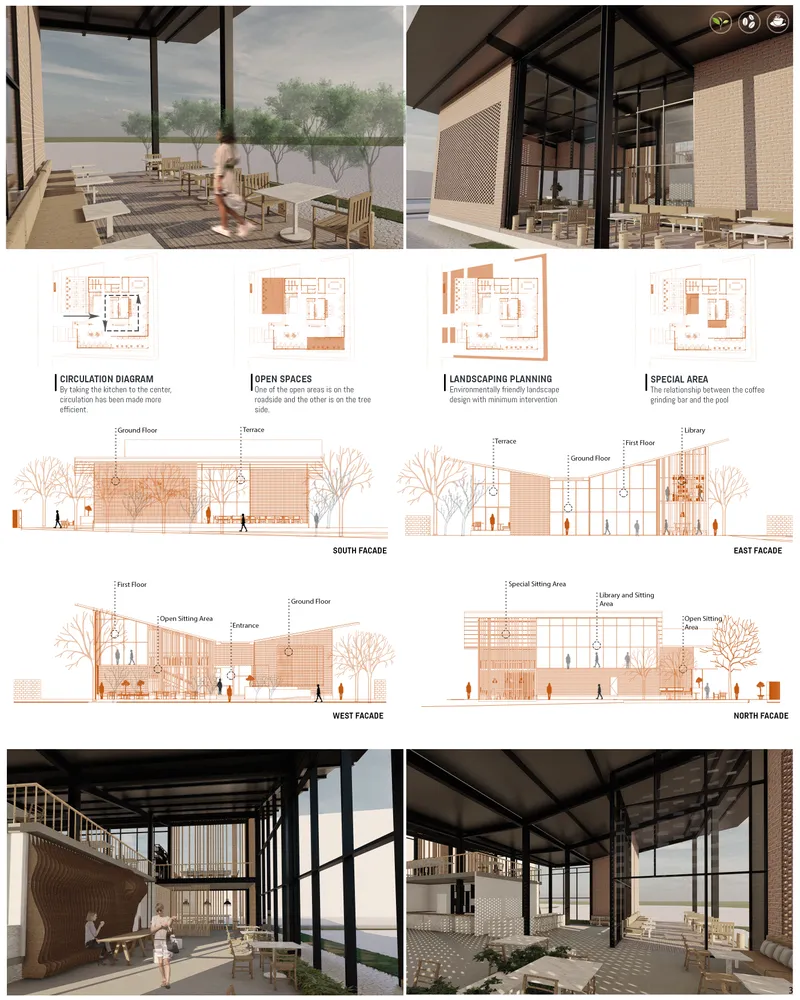
Fig: 5 Site plan and Facade diagram
Description: Meeting the traces of the past culture with today's humans.
--------------------
Editor’s Choice: Brew Together
By: Charlotte Teng & Julia Mroz
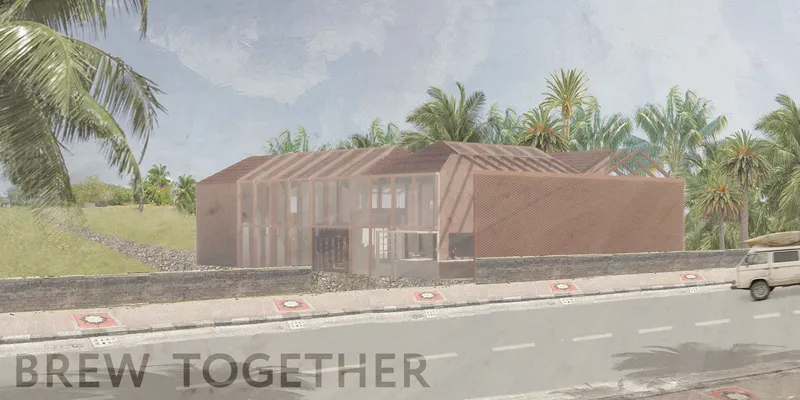
Fig: 6 Cover image
Description: Courtyard coffee house located in Bali, Indonesia.
--------------------
Editor’s Choice: Whale
By: 欣妍 赵, MING YANG & SIYING WU
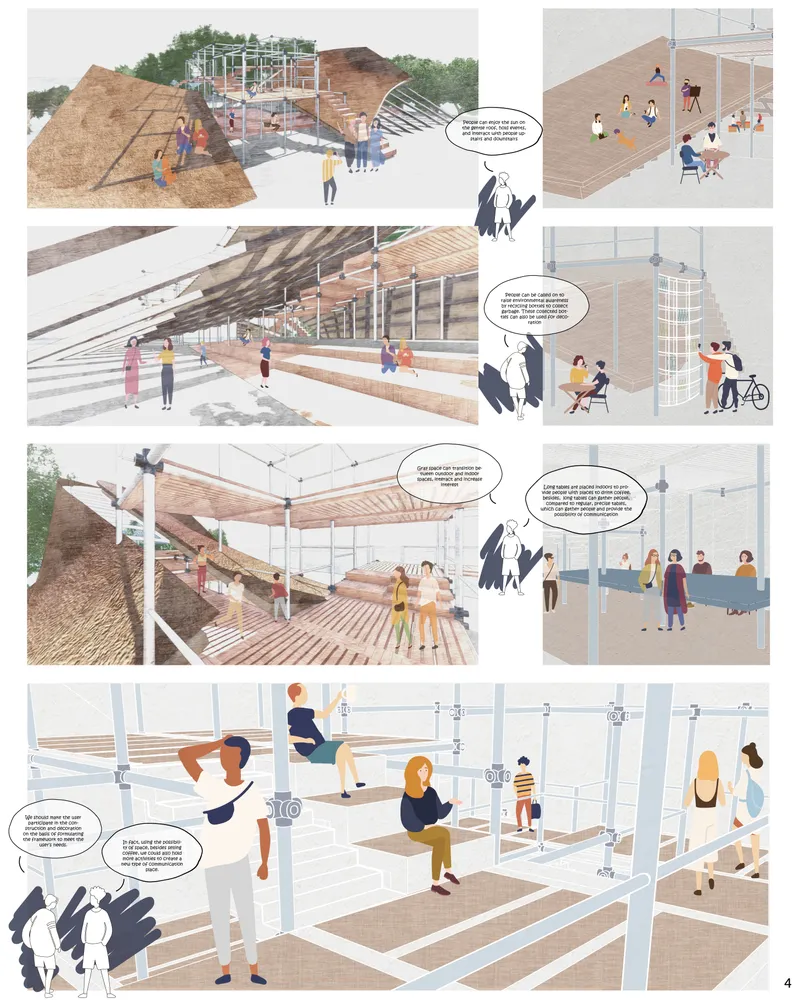
Fig: 7 Perspective diagram
Description: The project is named Whale and is located in Bali. We are trying to build a direct bridge between nature and nature, nature and humanity, between humans and humans, through the whale element, in the sea-facing Bali, to achieve this new coffee shop concept. Whale curves are also more possibilities that we desire to create in this scheme to show the mysteries.
--------------------
Editor’s Choice: Tri Hita Karana
By: Arjana Suka
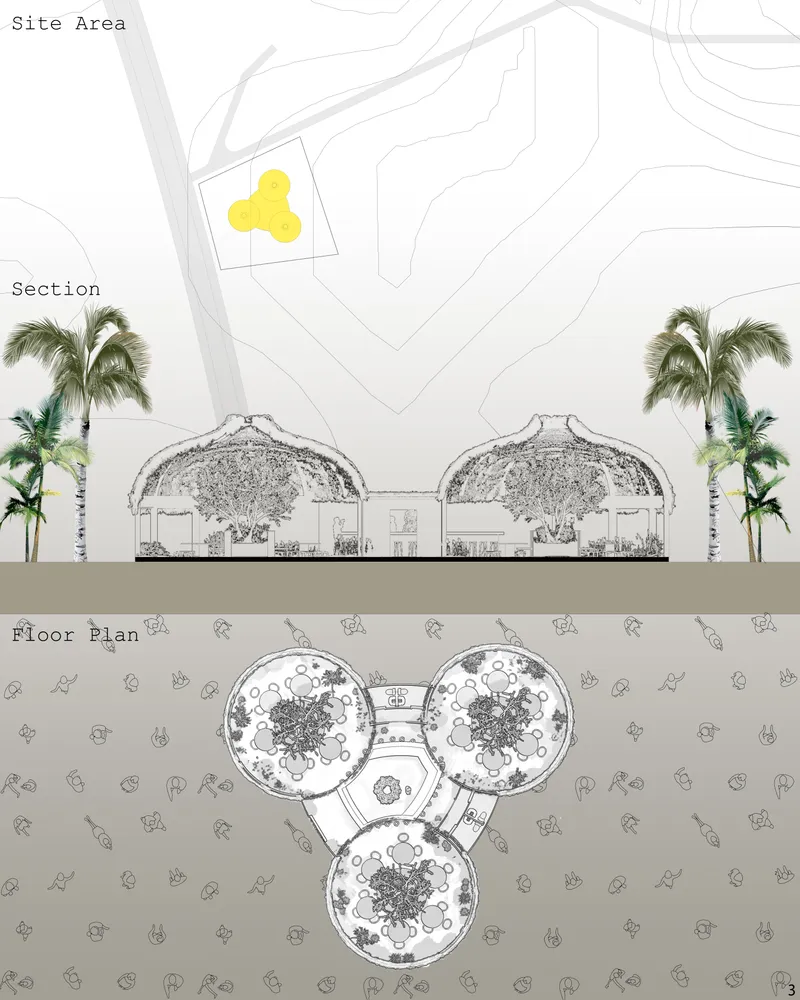
Fig: 8 Floor plan, Section, and Site area diagram
Description: "Tri Hita Karana", the philosophy of harmony between people, nature, and soul is manifested in this project through form, materials, and the connection between them.
--------------------
Editor’s Choice: SOLEMNITY REVISITED
By: Made Samantha Wiratha & Danny Vernatha
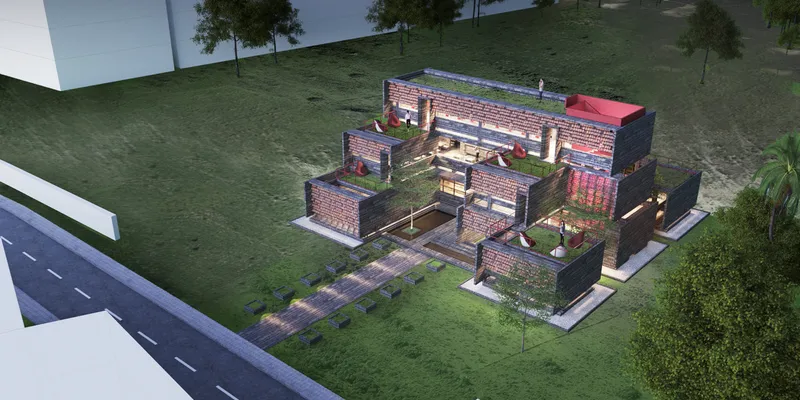
Fig: 9 Cover image
Description: Seaside coffee shop on the eastern side of Bali. With time and places context-sensitive space to emphasize the "newness". A place for coffee drinkers both individual and group to enjoy the ritual of drinking coffee solemnly.
--------------------
Editor’s Choice: Love in the Time of Coffee
By: Jing Chen & Chengyuan Bao
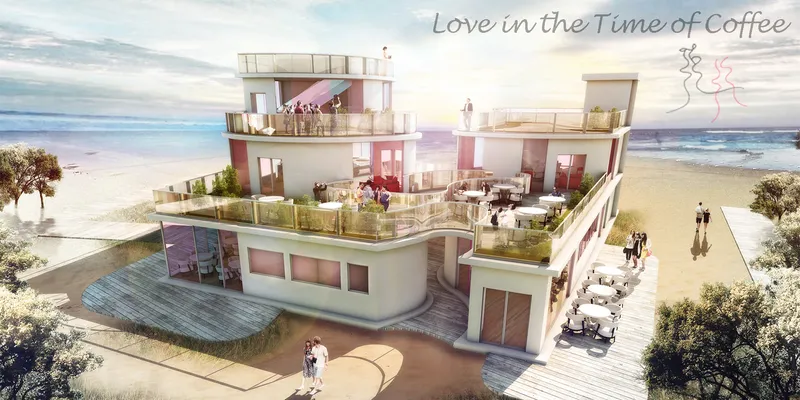
Fig: 10 Cover image
Description: When a Cafe and the Bali meet, it could be a great place for people to embrace the communication of inner spirit, finding the true soulmate, for lovers to taste the bitterness and sweetness of romance and coffee together.
--------------------
Editor’s Choice: The Roast Garden
By: Andrea Perozo Palencia & Dorina Mericskai
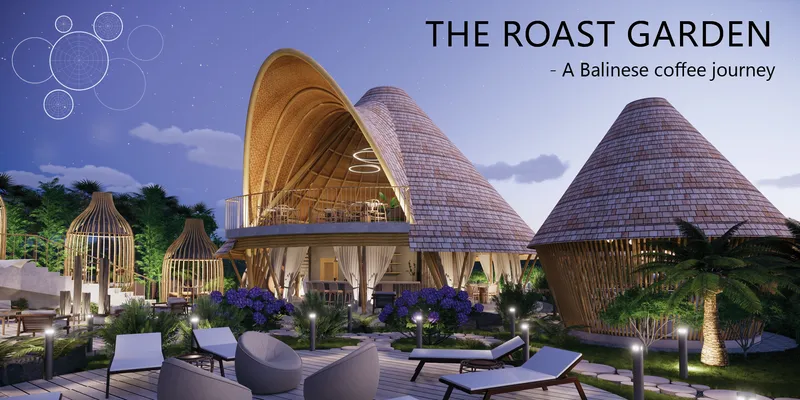
Fig: 11 Cover image
Description: A Balinese coffee journey in a biophilic design. The concept takes the function of a coffee house to the next level by including educational features that raise awareness of the coffee creating process and provides an environment strongly intertwined with nature. The forms, layout, landscape, interior were carefully designed to create harmony sustainably.
--------------------
Editor’s Choice: Middle Ground
By: Michael Salib & Patricia Po
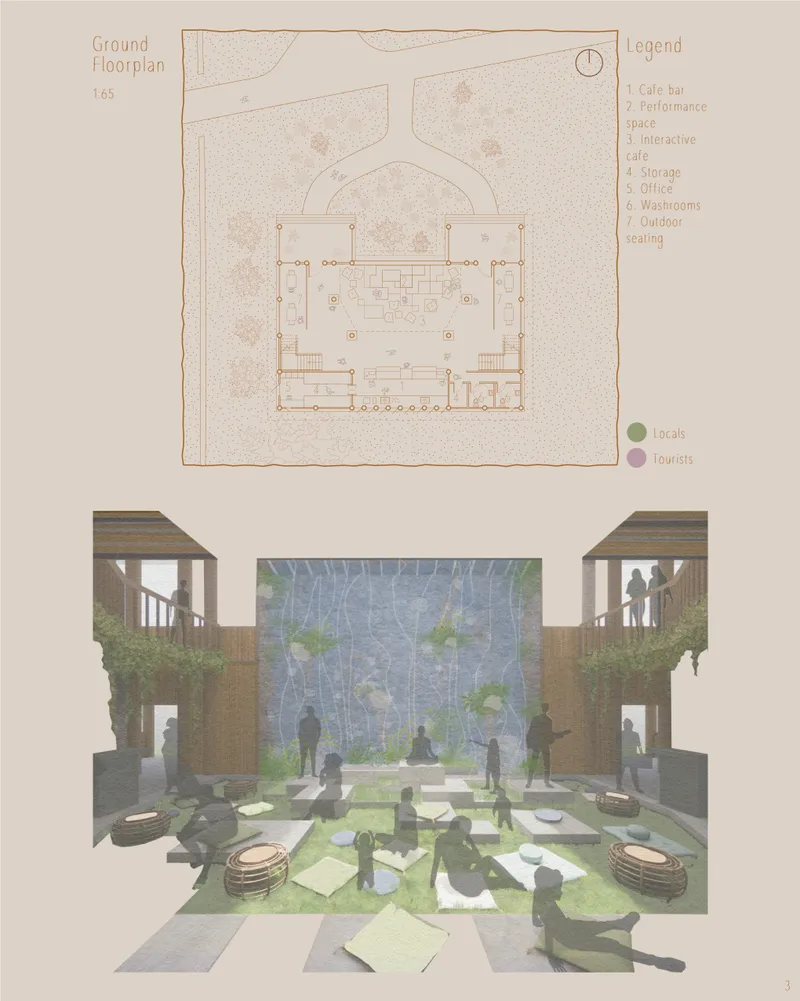
Fig: 12 Ground floor plan
Description: In an island struggling with mass tourism, Middle Ground seeks to be one of the first architectural expressions of a movement hoping to renew the local-tourist relationship on an interpersonal, cultural, and environmental level.
Follow us on social media: Facebook | Instagram | LinkedIn | Twitter | Youtube
References (3)



Popular Articles
Popular articles from the community


Play: Fragments of Their World
Familiar architecture becomes modular playground design, creating safe spaces where displaced children can learn, connect, imagine and play.

Co-Life: Senior Housing Design That Reconnects Older Adults With the City
Co-Life reimagines senior housing design through healing gardens, shared streets, workshops, and a sustainable community across generations.

The Ocean Hive: Sustainable Architecture for a Self-Sufficient Civilization at Sea
The Ocean Hive imagines sustainable architecture at sea, where modular habitats, algae, wave power and ocean waste sustain a growing colony.

Riyadh For All: Intergenerational Urban Design for Active Aging in Rabat
Riyadh For All reimagines urban design in Rabat with intergenerational co-living, adaptive courtyards, and Moroccan cultural exchange today.


Similar Reads
You might also enjoy these articles

Lunar Spiral: Space Architecture Shaped by the Mathematics of the Universe
Lunar Spiral reimagines space architecture through Fibonacci geometry, lunar regolith, levitating habitats, and self-sustaining Moon living.
The Main Dream: Modular Architecture for Play, Learning, and Community
A modular playground turns recycled plastic into adaptable spaces where refugee children can play, build, learn, and reconnect.
Play: Fragments of Their World
Familiar architecture becomes modular playground design, creating safe spaces where displaced children can learn, connect, imagine and play.

Wadi Rum Observatory: Desert Architecture Designed for the Night Sky
Wadi Rum Observatory turns desert architecture into a quiet instrument for astronomy, hiding research spaces under Jordan's starlit terrain.

Comments (0)
Please login or sign up to add comments
No comments yet. Be the first to comment!