

Brickwell Mixed-Use Building: A Masterpiece of Architectural Harmony
Brickwell Mixed-Use Building blends history, nature, and modern design, featuring a rising garden, atrium, and sustainable architecture.


Embracing History and Nature in Jongno-gu, Seoul
The Brickwell Mixed-Use Building, designed by the renowned Society of Architecture, stands as a beacon of thoughtful design in the historic district of Seochon, Jongno-gu, Seoul. Completed in 2020 and spanning 996 m², this architectural marvel seamlessly integrates modern functionality with a profound respect for the site’s natural and cultural heritage.

A Legacy of the White Pine
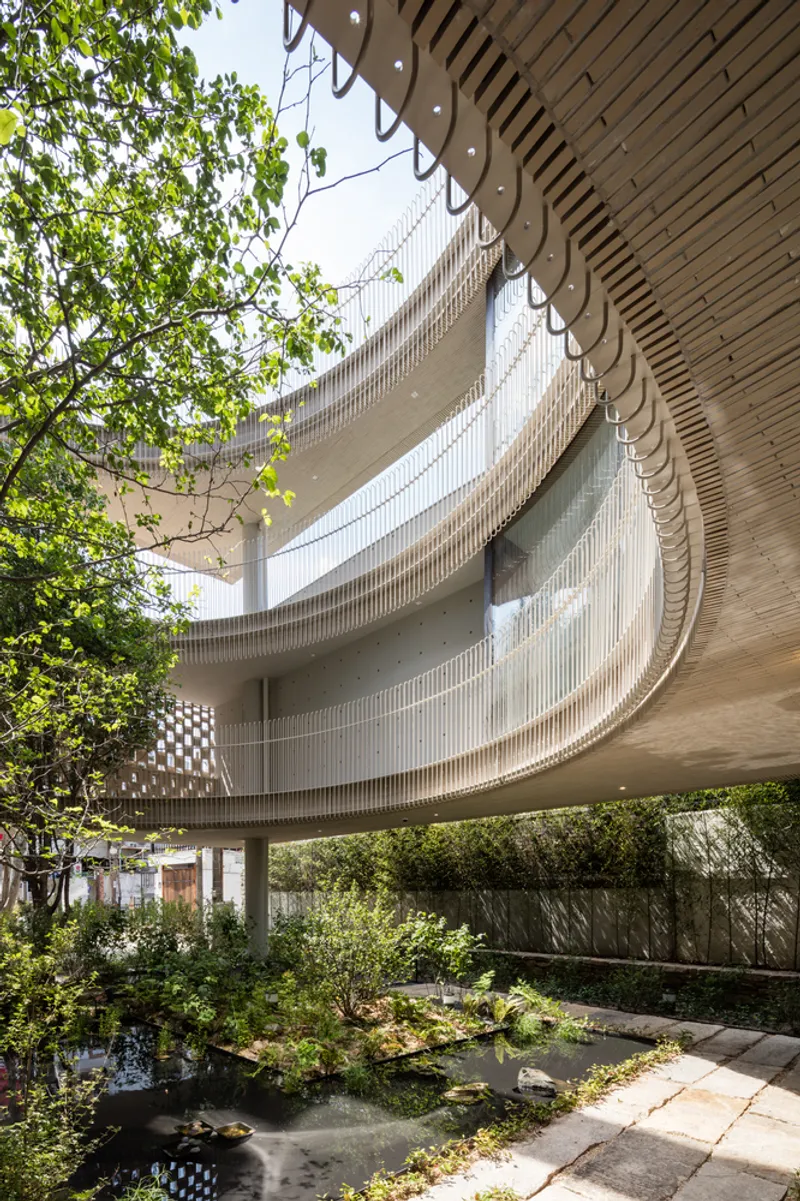
The site of Brickwell holds a deep connection to nature and history. Once home to Korea's largest white pine tree, designated as a natural monument, the tree's life came to an end in 1991. Today, its preserved stump and surrounding lacebark pines form the heart of the building's design narrative. This connection inspired the architects to create a space that honors the past while providing a tranquil experience for those navigating the district’s narrow alleys.

Rising Garden: A Fusion of Architecture and Landscape
Piloti Design Elevates the Ground Level
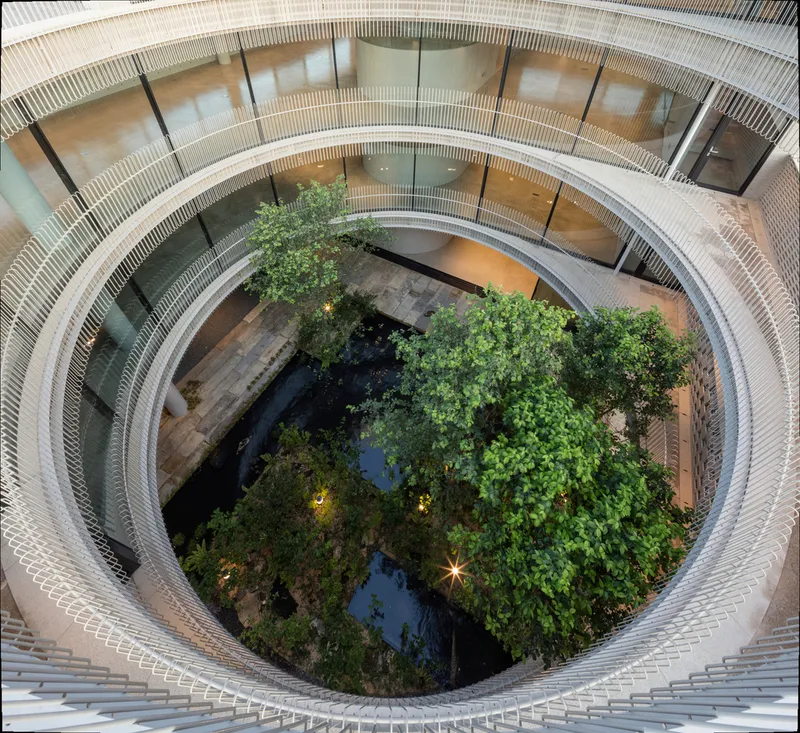
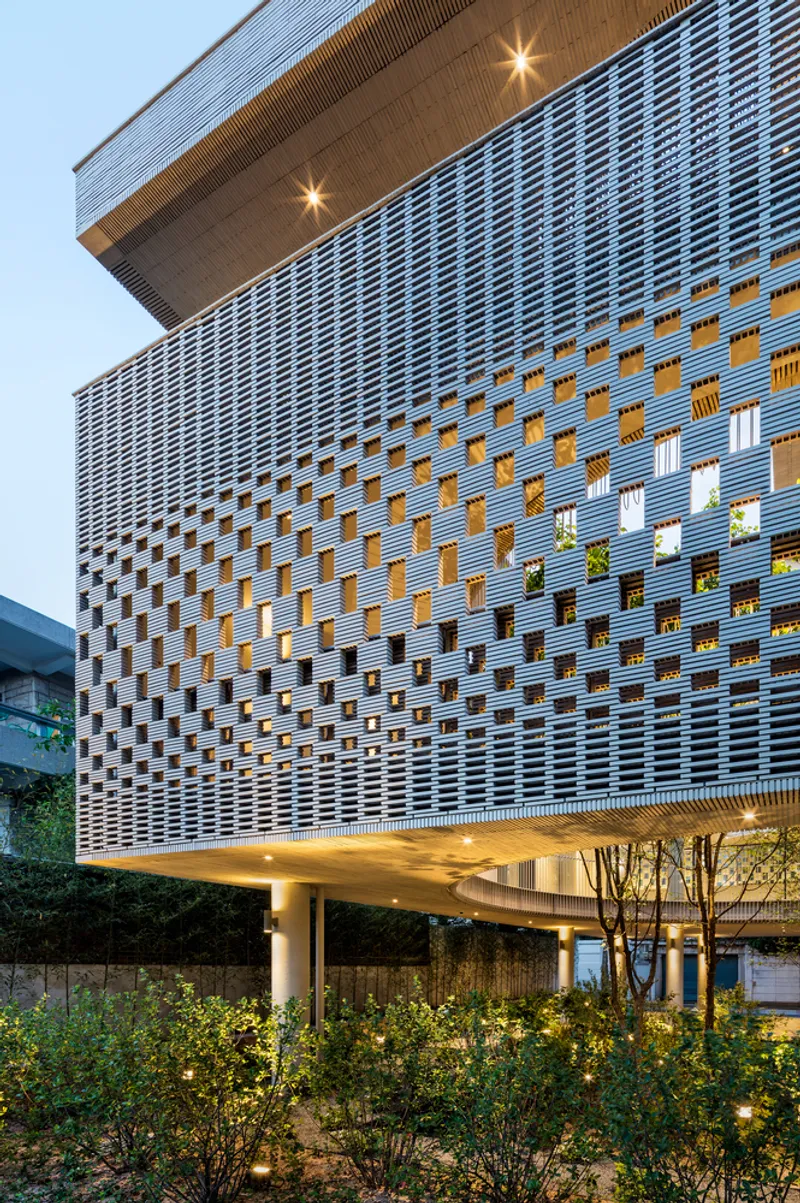
A defining feature of the Brickwell Mixed-Use Building is its "rising garden", enabled by a piloti design that lifts the first floor above ground. This elevated structure preserves the natural flow of the adjacent tree site, allowing the garden to extend vertically into the building.

The Atrium: A Central Hub of Greenery
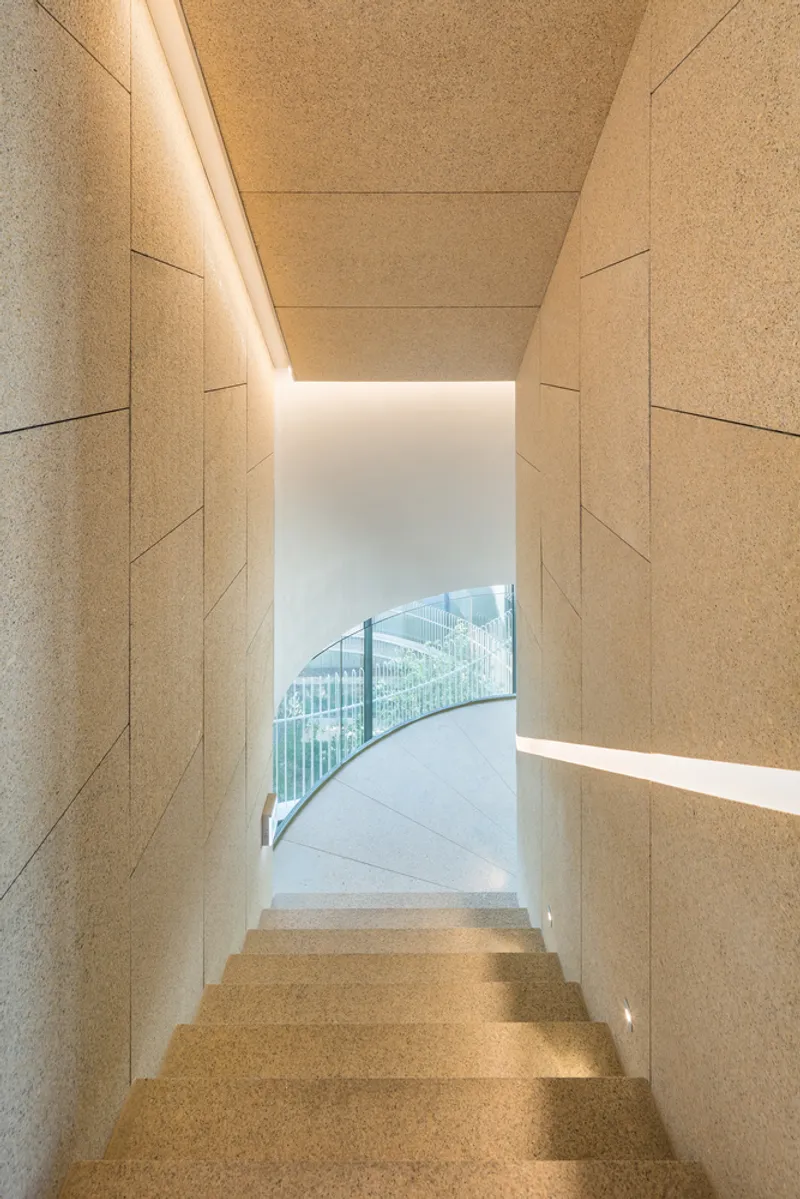
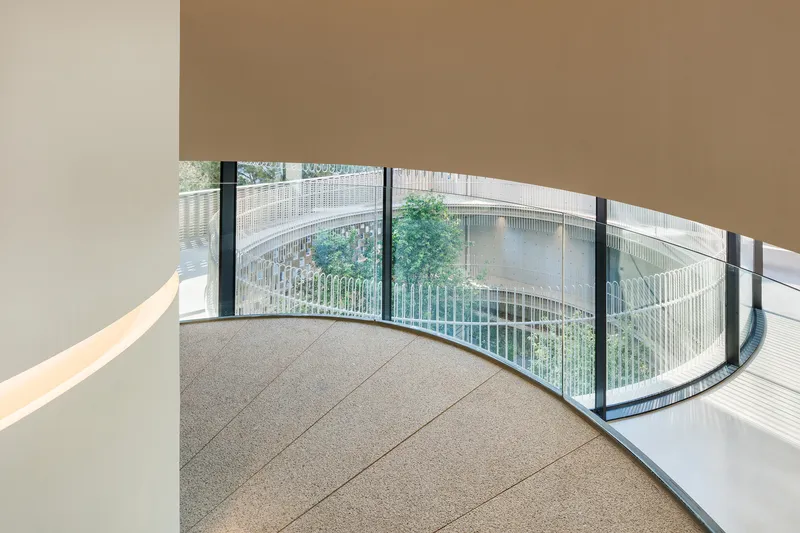
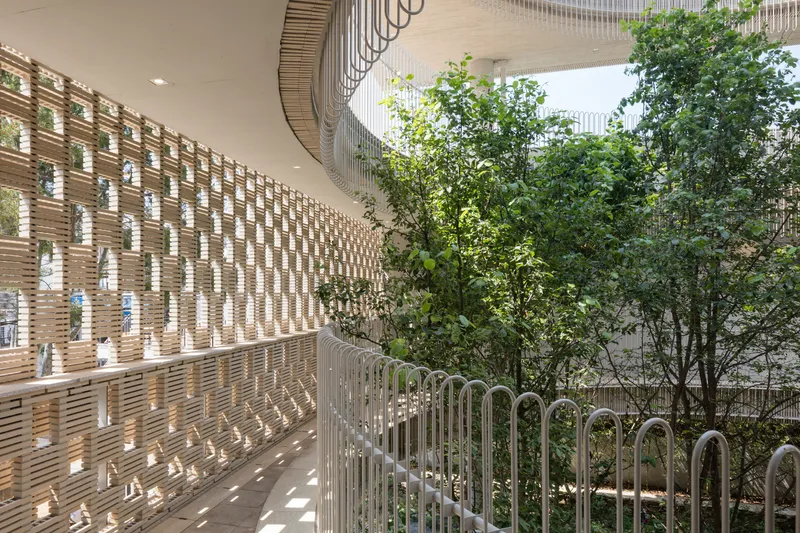
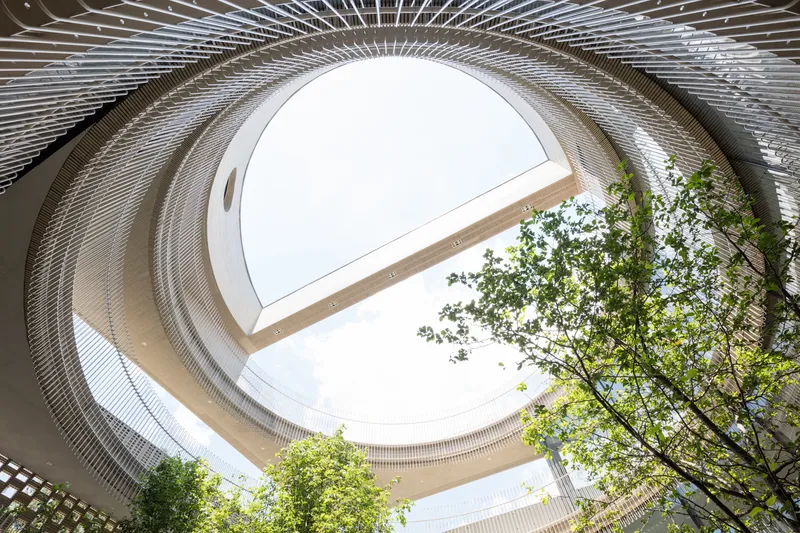
At the building's core lies a striking 10.5-meter-diameter atrium, connecting the second, third, and fourth floors. This central courtyard fosters a seamless interplay between indoor and outdoor spaces, creating a dynamic experience for residents and visitors alike. The atrium serves as a living, breathing centerpiece, emphasizing the building's commitment to integrating greenery into urban design.


Innovative Use of Flat Slab Structure
Framing Scenic Views
The flat slab structural system employed in Brickwell ensures open, beam-free interiors that maximize flexibility. This design innovation allows for uninterrupted views, with horizontal openings that frame the surrounding landscape. On the third floor, the design achieves its pinnacle as it frames a stunning view of Inwangsan Mountain, blending architecture with the natural environment.
Practical and Aesthetic Benefits
By separating air-conditioning facilities into designated spaces, the architects maintained the clean, minimalist aesthetic of the exposed concrete ceilings. This design choice not only enhances the building's visual appeal but also reinforces its structural efficiency.
The Possibilities of Brick in Modern Design
Traditional and Contemporary Techniques
Bricks are the defining material of the Brickwell Mixed-Use Building, used both structurally and decoratively. The architects combined traditional brick masonry, tile pressing, and cladding to create a unique dialogue between the building’s interior and exterior. These techniques highlight the versatility of brick, offering a modern reinterpretation of a timeless material.

Complementary Materials
The use of exposed concrete and yellow granite alongside the brickwork adds depth and texture, enhancing the building's overall aesthetic. Together, these materials create a harmonious balance between durability and visual appeal.

A Design Rooted in Sustainability
Brickwell’s thoughtful design extends beyond aesthetics to address sustainability and urban livability. By incorporating green spaces throughout its vertical garden and prioritizing natural ventilation, the building minimizes its environmental footprint while fostering a healthy living environment.

Brickwell as a Symbol of Urban Harmony
The Brickwell Mixed-Use Building is more than an architectural achievement; it is a celebration of the harmony between history, nature, and modernity. Situated in one of Seoul’s most historic districts, it preserves the memory of the white pine tree while offering a forward-looking vision of sustainable urban design.


Popular Articles
Popular articles from the community


Hill & Cross Opera: Sculptural Opera House Architecture Shaped by Tallinn’s Landscape and Identity
Hill & Cross Opera reimagines opera house architecture in Tallinn through its sculptural hill, civic plaza, glass wave and a luminous cross.

The Earth Pod: 3D Printed Homes for Resilient Refugee Communities
The Earth Pod reimagines refugee housing through 3D printed homes made from clay, combining resilience, self-sufficiency, and rapid shelter.
EW PARK: Sustainable Architecture Reimagines the Future of Urban Parking
EW PARK reimagines city parking as a modular wooden tower combining automation, solar energy, electric mobility, and adaptable urban design.

Co-Life: Senior Housing Design That Reconnects Older Adults With the City
Co-Life reimagines senior housing design through healing gardens, shared streets, workshops, and a sustainable community across generations.

Similar Reads
You might also enjoy these articles


Hodi-Mandai Geram
Project Function: Preservation and revitalization of the Intangible heritage and socio-spatial identity of the Hodi by Housing, Cultural Memory Center, Sacred Grove, landscape, local tourism economy


Olio Towers: A Mid-Rise for Performers That Fuses Housing, Rehearsal, and Stage
Located blocks from Houston's Theater District, this modular tower stacks living units around a central performance atrium.

Oasis: Modular Green Housing Carved into Dhaka's Urban Fabric
A shortlisted Plugin Housing entry reclaims unauthorized settlements in Dhaka with stepped concrete volumes, green roofs, and ventilation-driven design.

Black Hole: A Floating Megastructure for the Post-Physical Era
Emiliano Mazzarotto envisions a spherical, self-scaling arena where e-sports, digital hotels, and holographic stadiums replace traditional public space.
Explore Iconic Building Competitions
Discover active competitions in this discipline



Challenge to reimagine the Iron Throne


Photograph architecture without architects


Illustrate the lost glory of Angkor Wat - Render Challenge


Design challenge to reuse E-waste
Comments (0)
Please login or sign up to add comments
No comments yet. Be the first to comment!